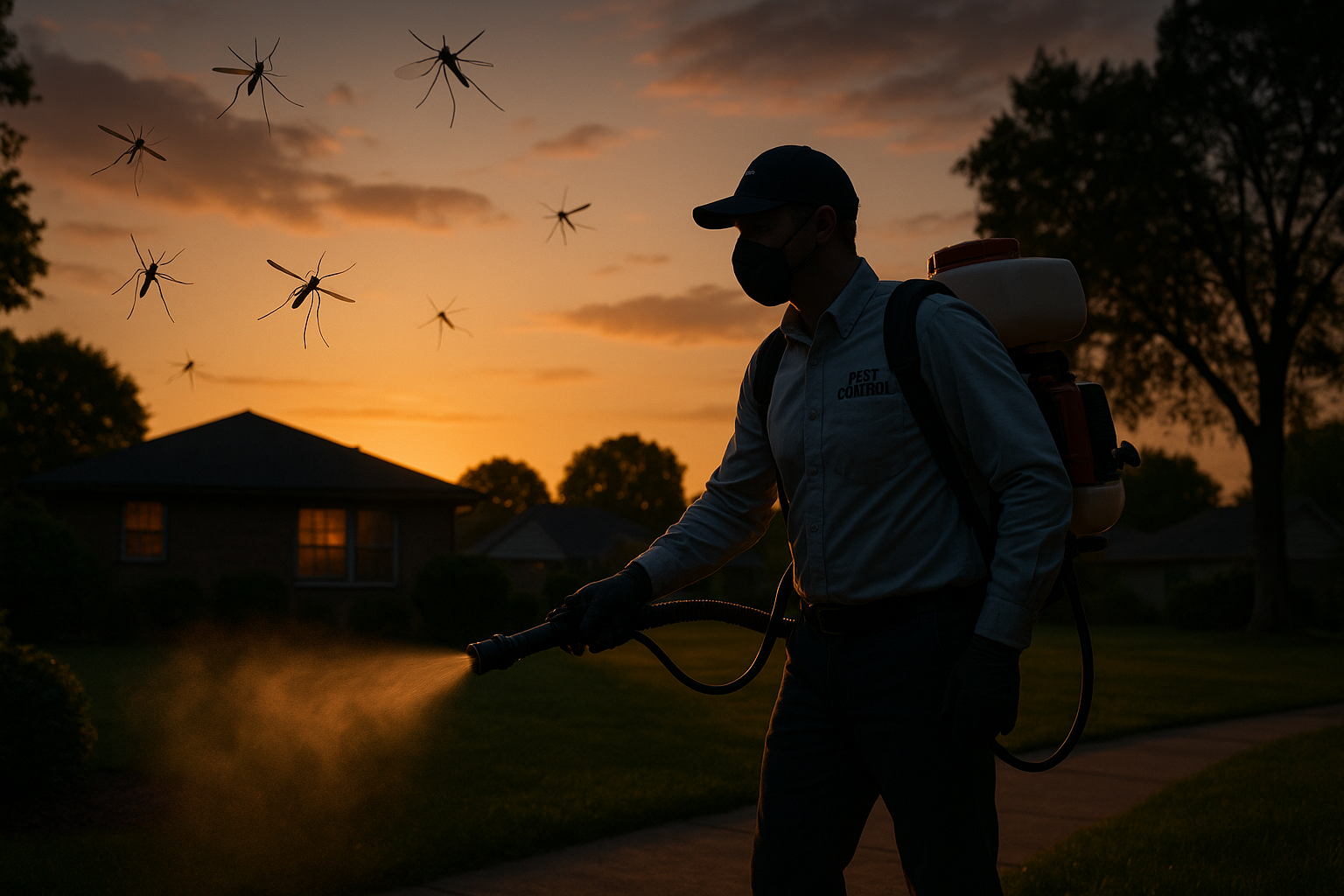
Finding a Mosquito Exterminator in Druid Hills, GA
In the first half of 2024, the Atlanta metropolitan area recorded a 27% jump in West Nile virus cases compared with the same period last year, according to the Georgia Department of Public Health—prompting many homeowners to search for a trusted mosquito exterminator near me Druid Hills residents can rely on. That spike translates into more than a dozen confirmed infections in neighborhoods just a short drive from Druid Hills, and it’s a stark reminder that mosquitoes are no longer a seasonal nuisance—they’re a public-health threat.
For Druid Hills homeowners, the stakes are higher than an itchy bite. The community’s mature trees, shaded backyards, and proximity to the South Fork Peachtree Creek create ideal breeding grounds for Aedes and Culex mosquitoes, the primary carriers of West Nile, Zika, and other emerging viruses. A single stagnant pool can produce hundreds of larvae within days, turning a quiet evening on the patio into a potential exposure risk for you, your children, and even your pets.
This guide is designed to cut through the confusion and connect you with a vetted, locally‑based mosquito exterminator who can assess, treat, and prevent infestations before they become a health hazard. We’ll walk you through the key questions to ask, the treatment options that work best in the humid Georgia climate, and the signs that indicate it’s time to call in the professionals.
When it comes to rapid, reliable service in Druid Hills, Anthem Pest Control stands out. Our local office sits just a few blocks from the historic Druid Hills neighborhood, and our 24‑hour hotline (877‑371‑8196) is staffed around the clock to dispatch technicians within hours of your call. Over the past decade, Anthem has earned a reputation for swift response times, transparent pricing, and a commitment to using EPA‑approved, low‑toxicity products that protect families and the environment alike.
In the sections that follow, you’ll receive a step‑by‑step roadmap: how to schedule a free on‑site inspection, what to expect during a typical mosquito treatment, the difference between barrier sprays, larvicide applications, and fogging, and how Anthem tailors each plan to the unique micro‑climate of Druid Hills. We also break down pricing tiers, warranty options, and the simple steps you can take between visits to keep your yard inhospitable to mosquitoes year‑round.
Because mosquito activity peaks during the warm, humid months, waiting until the problem is obvious can mean missing the window for effective control. With Anthem’s proactive monitoring and treatment plans, you’ll receive scheduled applications that target adult mosquitoes and their larvae, as well as advice on eliminating standing water and other breeding sites around your property.
Now that you understand the urgency and know who to trust, let’s dive into the specific mosquito threats that make Druid Hills a hotspot, and discover the targeted strategies that keep your yard safe all summer long.
Why Mosquitoes Are a Bigger Problem Here
Living in Druid Hills feels like having a piece of the deep South’s natural beauty right on your doorstep. The very elements that make the neighborhood picturesque—mature oaks, winding creeks, and a consistently humid micro‑climate—also create a perfect recipe for mosquito proliferation. When the air holds more moisture, female mosquitoes can lay eggs without the water evaporating too quickly, and the shade from towering trees protects larvae from harsh sunlight, allowing them to mature faster.
Humid Micro‑Climate and Natural Water Sources
Unlike the drier suburbs farther from the city center, Druid Hills sits in a low‑lying basin where humidity hovers around 70 % during the summer months. This persistent moisture, combined with the neighborhood’s historic landscaping, means there are countless small pools of water hidden in flower beds, birdbaths, and the leaf‑laden bases of trees. Even after a brief rain, water can linger in the creeks that thread through the area, providing ideal breeding sites for Aedes and Culex species.
- Dense canopy of mature oaks and magnolias creates shaded, cool pockets.
- Creeks and storm‑drain ditches retain water for days after a storm.
- Ornamental ponds and birdbaths, if not regularly maintained, become larval nurseries.
What the Numbers Say
The environmental factors are more than anecdotal; they’re reflected in hard data. According to the CDC Mosquito Surveillance report for 2023, Georgia ranked fourth nationwide in reported mosquito‑borne diseases, trailing only Texas, Florida, and California. This ranking places the state among the top hotspots for illnesses such as West Nile virus and La Crosse encephalitis.
| Metric | Value |
|---|---|
| National ranking (by reported cases) | 4th |
| Total reported mosquito‑borne disease cases | 1,842 |
| Most common disease | West Nile virus |
Zooming in to the local level, the DeKalb County Health Department recorded an average of 15 mosquito bites per resident each summer in 2023. That figure translates to roughly 150,000 bites across the county during the six‑month peak season, underscoring how pervasive the nuisance can be.
Why Those Numbers Matter to You
High bite counts aren’t just an annoyance; they signal a heightened risk of disease transmission. Each bite is a potential vector for viruses that can cause flu‑like symptoms, severe neurological complications, or even long‑term health issues. Moreover, the constant presence of buzzing insects can disrupt outdoor activities, diminish property enjoyment, and lower home resale value.
Understanding the local climate and the statistical reality of mosquito activity equips homeowners to make smarter decisions about protection. When you know that mature trees and nearby creeks are breeding grounds, you can target those problem areas with professional treatments that disrupt the life cycle before it escalates.
In the next section, we’ll identify the specific mosquito species most common in Druid Hills and explain why each one requires a tailored approach to control.
Spot the Culprit: Aedes, Culex, and Anopheles
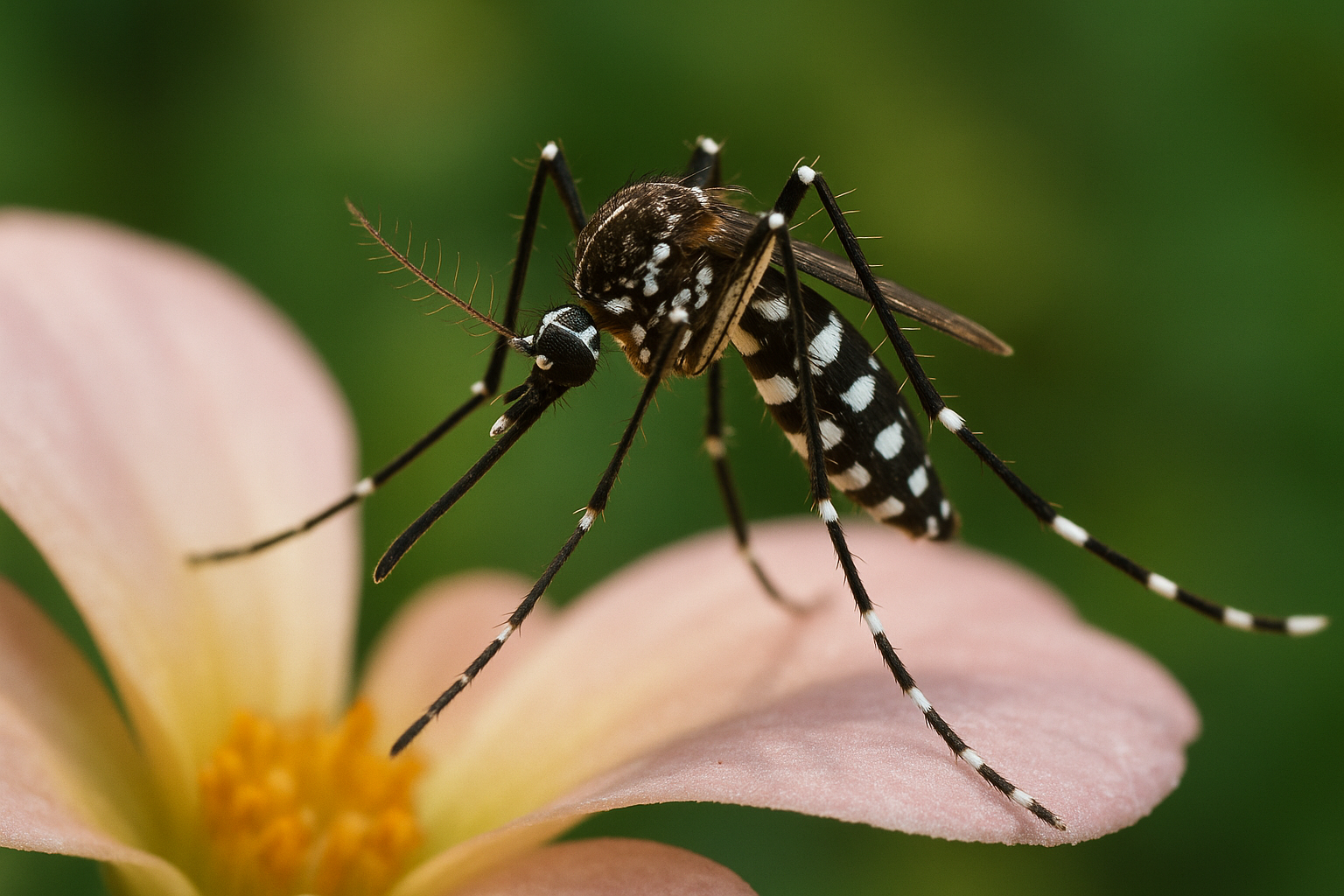
In Druid Hills, three mosquito species account for the majority of bites you’ll notice around your home. Knowing whether you’re dealing with the Asian tiger mosquito (Aedes albopictus), the southern house mosquito (Culex quinquefasciatus), or the common malaria vector (Anopheles quadrimaculatus) lets you target the right treatment and protect your family from disease.
| Species | Size (mm) | Distinguishing Markings | Peak Activity | Primary Diseases Transmitted |
|---|---|---|---|---|
| Aedes albopictus (Asian tiger) | 2–5 | Black body with white‑striped legs; bold white “tiger” pattern on thorax | Daytime, especially early morning and late afternoon | Zika, Dengue, Chikungunya, West Nile (occasional) |
| Culex quinquefasciatus (Southern house) | 3–6 | Brownish‑gray body, dull wings, no leg banding; often rests with abdomen angled upward | Dusk to night (crepuscular to nocturnal) | West Nile virus, St. Louis encephalitis |
| Anopheles quadrimaculatus (Common malaria vector) | 3–5 | Dark body, spotted wings (four distinct pale spots), resting posture with abdomen parallel to surface | Night (primarily after sunset) | Malaria (rare in the U.S.), occasional filarial worms |
Physical traits you can spot fast. Aedes mosquitoes are the most eye‑catching because of their stark white leg bands and tiger‑like thorax pattern. Culex species blend into the background with muted coloring and lack any leg striping. Anopheles are recognizable by the four pale spots on their wings and the characteristic “resting angle” of their abdomen.
When are they most active? Aedes love daylight, often buzzing around your porch between 8 a.m. and 11 a.m. and again from 3 p.m. to 6 p.m. Culex prefer the twilight hours, becoming most aggressive from dusk through midnight. Anopheles are true night‑biters, peaking roughly two to three hours after sunset.
What diseases should you worry about? Aedes are the primary carriers of Zika, Dengue, and Chikungunya, all of which can cause flu‑like symptoms and, in rare cases, severe complications. Culex are the chief vectors for West Nile virus and St. Louis encephalitis, illnesses that may lead to neurological issues. Anopheles historically spread malaria; while local transmission is uncommon today, they can still transmit certain filarial parasites.
Quick Homeowner Checklist
- If you see a small mosquito with bold white stripes on its legs and a striped thorax, you’re looking at Aedes albopictus.
- If the insect has dull, brownish wings, no leg banding, and rests with its abdomen angled upward, it’s likely Culex quinquefasciatus.
- If you notice pale spots on the wings and the mosquito rests flat with its abdomen parallel to the surface, you’re dealing with Anopheles quadrimaculatus.
For the most accurate identification, cross‑reference your observations with the species distribution maps available on the EPA Mosquito Control page. Local maps confirm that all three species are established in the Druid Hills area, reinforcing the need for a targeted control plan.
Local Expertise Beats DIY Solutions
Cost comparison: what you’re really paying for
When you walk down the aisle and pick up a fogger, the price tag looks friendly—typically $30‑$50 per can. The catch? One can treats a single, small area and often needs to be reapplied every few weeks during mosquito season. In contrast, a professional barrier spray from a licensed provider costs roughly $120‑$180 for a ¼‑acre treatment. While the upfront expense is higher, that single application creates a protective shield that lasts up to eight weeks, reducing the need for repeated purchases and the hidden labor of re‑application.
Why licensed technicians matter in Druid Hills
Druid Hills isn’t just another suburb; its rolling hills, mature trees, and shaded ponds create micro‑climates where mosquitoes thrive. Licensed technicians understand these nuances. They select EPA‑approved products that are proven to penetrate dense foliage, stagnant water, and shaded under‑canopies—conditions a DIY fogger often misses. Moreover, they hold the required state and federal licenses, guaranteeing that every pesticide is applied safely, legally, and in accordance with local ordinances.
Proven results backed by research
According to the National Pest Management Association (NPMA), 78% of homeowners who hired licensed technicians reported a 90% reduction in mosquito activity.
Source: NPMA Mosquito Pest Guide
This statistic isn’t just a marketing line; it reflects real‑world outcomes. Professional crews follow a systematic approach—pre‑treatment inspection, targeted application, and post‑treatment follow‑up—ensuring that every breeding hotspot is addressed. The result is a dramatic, measurable drop in bites, not the fleeting relief you might get from a single fogger puff.
The hidden costs of DIY
DIY methods may seem convenient, but they come with several drawbacks. First, the relief is short‑term; foggers evaporate quickly, leaving mosquitoes to rebound within days. Second, safety risks increase when homeowners handle chemicals without proper training—accidental inhalation, skin irritation, or runoff into storm drains are common concerns. Third, coverage is uneven; a handheld sprayer can miss hidden breeding sites behind dense shrubbery or under decks, creating gaps where mosquitoes continue to multiply.
Why Anthem Pest stands out locally
Anthem Pest combines the cost‑effectiveness of a single, long‑lasting treatment with the deep local knowledge that only a Druid Hills‑based team can provide. Their technicians are fully licensed, stay current on EPA regulations, and tailor each barrier spray to the neighborhood’s specific micro‑climates. By choosing Anthem, homeowners invest in a solution that eliminates the guesswork, reduces ongoing expenses, and delivers the peace of mind that comes from a proven, professional approach.
Why Anthem Pest Is the Best Choice in Druid Hills

When it comes to protecting your Druid Hills home from relentless mosquito activity, you need a partner that blends proven expertise with local know‑how. Anthem Pest delivers exactly that—backed by industry‑leading certifications, a dedicated neighborhood team, and a service package designed for the unique habitats found in our community.
Certified, Licensed, and Fully Insured Technicians
- Certified Mosquito Control Operator (CMCO) – ensures every spray meets federal safety standards.
- Georgia State Licensed Pest Control Technician – state‑mandated training for all residential treatments.
- EPA‑registered pesticide applicator – guarantees the use of approved, low‑toxicity products.
- Member of the National Pest Management Association (NPMA) – access to the latest research and best practices.
- Fully insured for homeowner peace of mind.
Local Expertise You Can Trust
Anthem’s Druid Hills crew isn’t just a traveling squad; they’re residents who understand our neighborhood’s micro‑environments. From the shaded oak canopies near the historic homes to the standing water in community park ponds, our technicians know where mosquitoes breed and how to target those hotspots without disrupting your garden or family life.
“Mosquito Shield Plus” – A Complete Protection Plan
- Initial Inspection: A thorough walk‑through to locate breeding sites and assess risk factors.
- Barrier Spray: Professional application of a residual adulticide that remains effective for weeks.
- Larvicide Treatment: Targeted treatment of standing water—birdbaths, gutters, and flower pots—to stop larvae before they become biting adults.
- Quarterly Follow‑Ups: Four seasonal visits that refresh the barrier, re‑treat problem areas, and adjust tactics as weather changes.
Transparent Pricing, No Surprises
Anthem believes you should know exactly what you’re paying for when hiring a mosquito exterminator near me Druid Hills homeowners trust. The Mosquito Shield Plus package starts at $149 for the first treatment, which includes the comprehensive inspection, barrier spray, and larvicide application. Each of the three subsequent quarterly visits is priced at $99. There are no hidden fees, and the quote you receive is the final amount you’ll pay.
100 % Satisfaction Guarantee
We stand behind our work with a bold promise: if you’re not completely satisfied with the results, Anthem will provide a free re‑treatment within 30 days—no questions asked. This guarantee underscores our confidence in the efficacy of our products and the skill of our technicians.
Ready to Reclaim Your Yard?
Don’t let mosquitoes dictate your outdoor plans. Call Anthem Pest today at 877‑371‑8196 or visit anthempest.com to schedule your first inspection. Experience the peace of mind that comes from a proven, locally‑focused mosquito control solution.
What Happens During a Mosquito Extermination Visit
When Anthem Pest Control steps onto your Druid Hills property, the process is systematic, transparent, and designed to keep you and your family safe. Below is a walk‑through of each phase, the tools we use, the chemicals that meet EPA standards, and a sample treatment timeline for a typical 1,500 sq ft yard.
1. Inspection & Habitat Mapping
Our technician arrives with a GPS‑enabled tablet that records every corner of your yard in real time. While you watch, we identify:
- Standing water sources—birdbaths, clogged gutters, flower pot saucers.
- Shade‑rich areas where adult mosquitoes rest.
- Potential breeding sites hidden in landscaping or hardscape features.
Each hotspot is tagged on the digital map, creating a visual “mosquito heat map” that guides the next steps. This data‑driven approach ensures no breeding spot is missed.
2. Barrier Sprays
After the map is complete, we apply an EPA‑registered pyrethroid (such as bifenthrin or permethrin) along the perimeter of your property and around identified resting zones. The spray forms a thin, invisible barrier that kills adult mosquitoes on contact.
Re‑entry interval: 30 minutes. Once the spray dries, you can safely return to your yard, and the protection lasts up to two weeks, depending on weather conditions.
3. Larvicides
Where water cannot be eliminated—like decorative ponds or rain barrels—we treat with Bacillus thuringiensis israelensis (Bti). This naturally occurring bacterium targets mosquito larvae without harming fish, pets, or beneficial insects.
Bti begins killing larvae within 24‑48 hours, breaking the life cycle before adults ever emerge.
4. Optional Fogging
For severe outbreaks (e.g., after a heavy rain event that creates multiple breeding sites), we may recommend a brief fogging session. Using a low‑volume fogger, we disperse a fine mist of EPA‑approved adulticide that knocks down flying mosquitoes instantly.
Fogging leaves no residue, and the exposure time is typically under five minutes. It’s a supplemental tool, not a replacement for barrier sprays and larvicides.
5. Sample Treatment Schedule
Below is a typical timeline for a 1,500 sq ft yard in Druid Hills. Adjustments are made based on seasonal weather patterns and the density of breeding sites identified during the inspection.

| Visit | Service Performed | Key Actions | Re‑entry Time |
|---|---|---|---|
| Initial (Day 1) | Inspection, Habitat Mapping, Barrier Spray, Larvicide Application | Identify all breeding sites; apply pyrethroid perimeter; add Bti to water features | 30 minutes |
| 30‑Day Follow‑up | Re‑inspection, Spot‑Treatment, Optional Fogging | Check for new water accumulations; treat hot spots; fog if adult activity remains high | 30 minutes |
| Quarterly (Every 90 days) | Maintenance Spray & Larvicide Refresh | Re‑apply barrier spray; top‑off Bti in persistent water bodies; update habitat map | 30 minutes |
6. Verification & Safety Assurance
All active ingredients we use are listed on the EPA Mosquito Control Guidelines. Our technicians follow the agency’s re‑entry intervals and wear personal protective equipment (PPE) during application. We also provide a written summary after each visit, so you know exactly what was treated, where, and with which product.
By combining precise mapping, EPA‑approved chemicals, and a structured schedule, Anthem Pest Control delivers lasting mosquito relief while keeping your family and pets safe. If you have any questions about the process or want to schedule your first visit, give us a call at 877‑371‑8196 or visit our website.
When to Call and How to Keep Mosquitoes Away Year‑Round
In Georgia the mosquito season feels like a long summer that never ends, but it actually follows a predictable life‑cycle. Adult females emerge when temperatures consistently stay above 68°F, lay eggs in any container that holds water, and the next generation appears roughly every two weeks. In Druid Hills you’ll see the highest activity from May through October, with a noticeable lull in the cooler months of November through March.
Seasonal timeline for professional care
Because the life-cycle moves quickly, timing your professional treatments with a trusted mosquito exterminator near me Druid Hills residents rely on is the single most effective way to stay ahead of the swarm. Here’s a simple calendar you can follow, and you’ll find that each step builds on the last to keep mosquito populations low throughout the season.
- Early April – Pre‑season inspection: Invite a licensed technician from Anthem Pest Control to walk your property, identify breeding hotspots, and apply a pre‑emptive barrier. This early strike stops eggs from hatching once the weather warms.
- Mid‑May – First treatment: As soon as you notice the first adult activity, schedule a targeted application to the yard’s perimeter and any shaded resting sites. A well‑placed residual spray can protect you for three to four weeks.
- July – Mid‑season boost: Summer heat accelerates breeding, so a mid‑season top‑up treats any new hotspots that may have been missed and reinforces the barrier before the peak of July‑August activity.
- Late October – Post‑season follow‑up: After the last frost, a final inspection and treatment clears any lingering eggs and prepares the property for the dormant months, reducing the “carry‑over” effect next spring.
Following this schedule not only curtails the number of bites you endure, it also reduces the amount of chemical product needed later in the summer. Early intervention means fewer intensive applications, which translates into lower overall costs for you.
DIY prevention checklist
Professional services work best when you handle the easy, everyday tasks yourself. Use the checklist below to keep your yard inhospitable to mosquitoes year‑round.
- Eliminate standing water: empty birdbaths, pet dishes, and clogged gutters weekly; change water in outdoor containers at least once a week.
- Trim vegetation: keep grass at 2‑3 inches, prune overgrown shrubs, and thin canopy trees to improve airflow.
- Screen doors and windows: repair tears, install tight‑fitting screens, and consider adding door sweeps to block entry.
- Use outdoor fans: a gentle breeze (3–4 mph) makes it difficult for mosquitoes to fly, so place fans on patios and decks during evening gatherings.
- Apply EPA‑registered larvicides to permanent water features only when needed, following label instructions.
These actions are inexpensive, require only a few minutes each week, and they dramatically boost the effectiveness of any professional treatment you receive.
Additional resources
For a deeper dive into homeowner‑focused mosquito control, the CDC’s mosquito‑prevention guide offers science‑backed tips on everything from personal protection
FAQs About Mosquito Control in Druid Hills
Homeowners in Druid Hills often have quick, practical questions about keeping their yards mosquito‑free. Below are the most common queries we receive, along with clear, verified answers that reflect Anthem Pest Control’s service policies.
How long does a treatment last?
Our standard mosquito‑control application is designed to protect your property for 4 to 6 weeks. The exact duration depends on local weather patterns, humidity levels, and the intensity of mosquito pressure in your neighborhood. After a heavy rainstorm, the residual barrier may be reduced, so we recommend monitoring activity and contacting us if you notice a sudden surge. Most Druid Hills residents find that a single treatment comfortably covers the peak summer months, after which a follow‑up can be scheduled to maintain protection.
Are the chemicals safe for pets?
Yes. Anthem uses EPA‑approved products that have been rigorously tested for low toxicity to mammals, including dogs and cats. To ensure maximum safety, we advise keeping pets indoors for at least 30 minutes after the spray has been applied. This short window allows the solution to settle and any airborne particles to dissipate. Once the waiting period is over, normal pet activity can resume without concern. If you have a particularly sensitive animal, let our technician know—there are alternative formulations that can further minimize exposure.
What if mosquitoes return?
We stand behind the effectiveness of our treatments. If you notice a noticeable resurgence of mosquitoes within 30 days of the original service, Anthem offers a free re‑treatment. Simply give us a call, reference your original service date, and we’ll arrange a follow‑up visit at no additional cost. This guarantee reflects our confidence in the product’s residual power and our commitment to keeping your outdoor spaces comfortable.
How can I verify these answers or learn more about the service?
All the information above aligns with Anthem’s official service policy. For any further clarification, feel free to reach our local Druid Hills office at 877‑371‑8196 or visit our website at anthempest.com. Our team is happy to walk you through the treatment process, discuss safety details, and schedule a personalized inspection for your home.
Protect Your Home with Anthem Pest Control Today
When it comes to keeping your Druid Hills home mosquito‑free, Anthem Pest Control brings a blend of local know‑how and national standards that few competitors can match. Our technicians live and work in the area, so they recognize the specific breeding hotspots—storm drains, shaded lawns, and backyard water features—that attract Aedes and Culex species in Georgia. Coupled with EPA‑approved products, this on‑the‑ground expertise translates into treatments that are both fast‑acting and environmentally responsible.
Why Anthem Stands Out
- Local expertise: We’ve serviced Druid Hills neighborhoods for years, so we know the timing of mosquito hatches and the most effective barrier zones around your property.
- EPA‑approved formulations: All chemicals are vetted for safety around children, pets, and beneficial insects, giving you peace of mind while we eliminate pests.
- Transparent pricing: No hidden fees—our quotes list every service component, from initial inspection to follow‑up treatments.
- Guaranteed results: If mosquitoes return within the treatment window, we’ll re‑apply at no extra charge, ensuring your yard stays enjoyable all summer.
Don’t Wait for Summer to Arrive
Early spring is the critical window for mosquito control. Treating now stops the first wave of eggs from hatching, reducing the population surge that typically peaks in June and July. A delayed treatment not only costs more—because you’ll need multiple applications—but also forces you to endure endless evenings of swatting, scratching, and worrying about mosquito‑borne illnesses.
By acting today, you lock in the seasonal discount that Anthem offers for pre‑season appointments and give your family the outdoor freedom they deserve before the heat turns up.
Take the First Step
Ready for a mosquito‑free yard? Call us at 877‑371‑8196 or visit Anthem Pest Control to schedule a complimentary inspection and receive a personalized, no‑obligation quote. Our friendly team will walk you through the treatment plan, answer any safety questions, and set a schedule that fits your calendar.
Protect your home now and enjoy a peaceful summer later—contact a trusted mosquito exterminator near me Druid Hills residents rely on and visit Anthem Pest Control today.