Moth Damage Discovered at Home
Imagine opening the bedroom closet on a humid Tuesday morning in Dunwoody, only to find a cascade of shredded sweater fibers and delicate, silken tubes clinging to the back of the door. The once‑pristine wool coat you saved for winter now resembles a moth‑eaten tapestry, and the faint, papery scent of larvae lingers in the air. This unsettling scene is all too common for homeowners who underestimate how quickly a hidden moth infestation can turn a tidy wardrobe into a costly mess.

The secret behind this rapid damage lies in Dunwoody’s climate. Nestled in the Atlanta metro area, our city enjoys an average humidity of roughly 70 % year‑round—exactly the moisture level that accelerates moth breeding cycles. Warm, damp air provides the perfect incubator for eggs to hatch, larvae to feed, and adults to multiply, often unseen until they’ve already devoured cherished garments.
When an infestation goes unchecked, the financial hit can be staggering. A single pair of silk moths can ruin dozens of shirts, dresses, or blankets, forcing homeowners to replace items that cost hundreds of dollars. Beyond the monetary loss, there’s an emotional toll: treasured heirlooms, custom‑tailored pieces, and seasonal wardrobes disappear, leaving a lingering sense of frustration and helplessness.
In the sections that follow, you’ll discover a clear cost breakdown for professional moth control, step‑by‑step treatment methods, and practical prevention tips tailored to Dunwoody’s unique environment. We’ll also explain why Anthem Pest is the trusted local expert, offering safe, effective solutions backed by transparent pricing. Throughout the guide, we reference data from the EPA, NPMA, and USDA to ensure every recommendation is grounded in reputable research.
How Dunwoody’s Climate Fuels Moth Infestations
Moths, like most insects, pass through four distinct stages: egg, larva (caterpillar), pupa, and adult. A female can lay dozens of eggs on fabrics, stored grains, or in hidden cracks. Once the eggs hatch, the larvae begin feeding, then spin a cocoon to become pupae, and finally emerge as winged adults ready to reproduce.
What makes Dunwoody a hotspot is its relatively constant humidity—averaging around 70% year‑round—and the pronounced temperature swings from a mild spring to a scorching summer. Research shows that higher humidity speeds egg hatch and larval growth, while warm temperatures compress the pupal stage. In practice, the complete life cycle that might take eight weeks in cooler, drier regions can shrink to four or five weeks here, allowing several generations to develop in a single season.
According to the U.S. Environmental Protection Agency, “In 2024, ≈ 45% of U.S. homes reported indoor pest sightings” (EPA). Local surveys echo that trend: neighborhoods such as Brookhaven see an infestation rate of roughly 12%, whereas the nearby Perimeter Center climbs to about 18%. The disparity aligns closely with micro‑climate differences and housing characteristics.
These figures illustrate why local climate monitoring is a key part of any moth‑prevention plan.
Homes with basements or limited ventilation are especially vulnerable. Basements tend to retain moisture, creating the humid micro‑environment moths love, while poor airflow prevents the indoor air from drying out after rain or high summer humidity. These conditions not only accelerate development but also provide safe harbor for eggs and larvae, turning a modest problem into a full‑blown infestation if left unchecked.
Common Moth Species in Georgia Homes
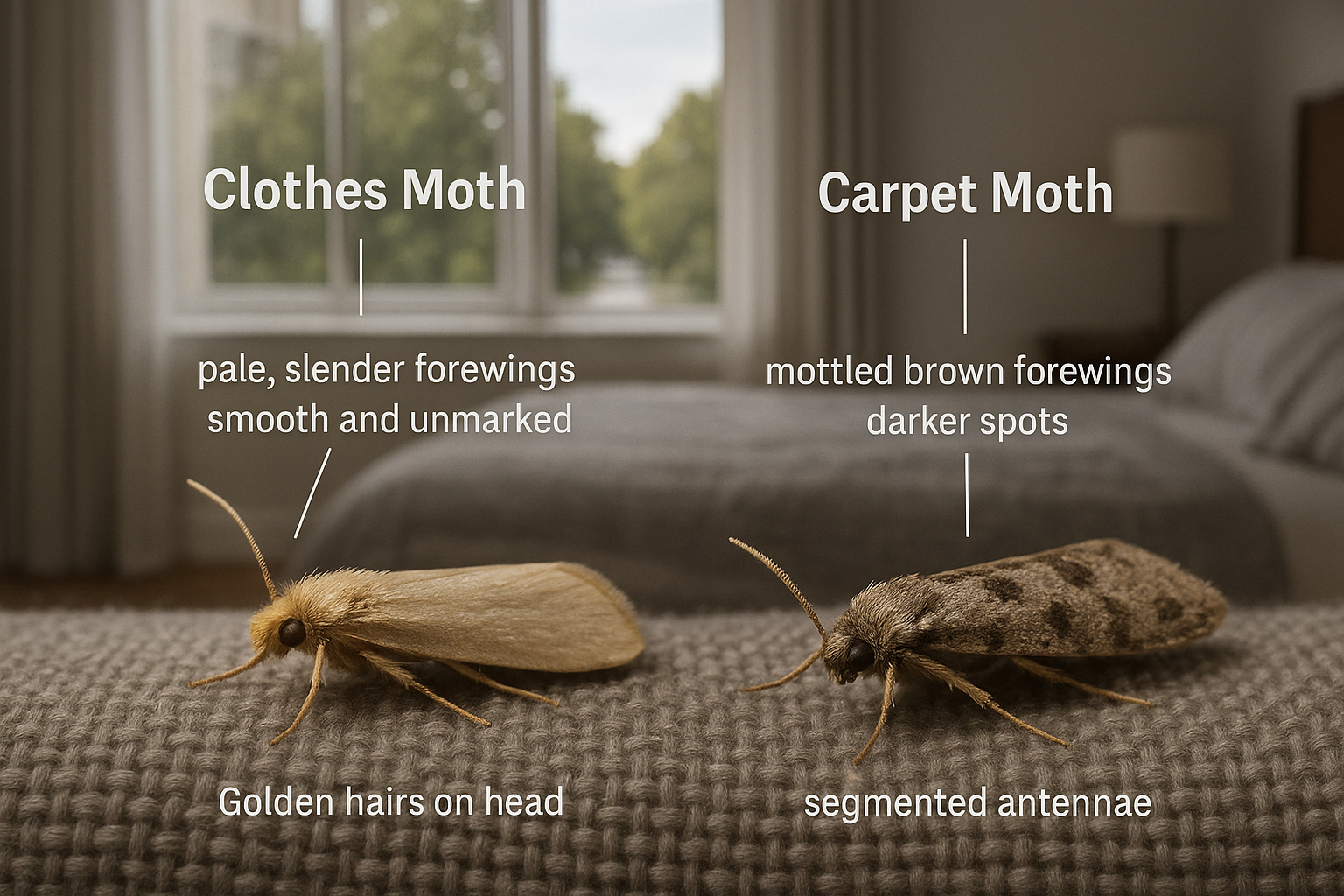
In Dunwoody, two moth culprits dominate household complaints: the Clothes Moth (Tineola bisselliella) and the Carpet Moth (Trichophaga tapetzella). Both thrive in the humid subtropical climate of Georgia, slipping into closets, carpets, and upholstered furniture when food sources are abundant. Understanding their habits helps you spot trouble early and protect treasured fabrics before the damage becomes visible.
Clothes Moth (Tineola bisselliella)
- Prefers natural fibers such as wool, silk, cashmere, and blended fabrics found in garments, blankets, and decorative textiles.
- Larvae chew irregular, round holes and leave fine, silky webbing that can be mistaken for dust.
- Infestations often start in dark, undisturbed closets or storage boxes where adult moths lay eggs on fabric surfaces.
- Damage is progressive—each larva can destroy up to 1 cm² of material before it pupates.
Carpet Moth (Trichophaga tapetzella)
- Targets natural fibers in carpets, area rugs, and upholstery, especially those made from wool, sisal, or jute.
- Larvae construct silken tubes that run along the pile, leaving behind patches of dead or discolored fiber.
- Visible signs include tiny, brownish frass (excrement) and a faint, musty odor near affected areas.
- One larva can weaken a carpet’s structural integrity, creating a noticeable thinning of the pile over time.
According to the NPMA 2023 report, 22% of U.S. homes report moth damage. In the Atlanta metro area, the figure is slightly higher due to the region’s warm, moist environment that accelerates moth life cycles.
Recognizing Signs, Damage & Economic Impact
Before a moth problem spirals into a full‑blown infestation, the first step is learning what it looks like. Adult moths are easy to miss because they’re nocturnal and often hide in closets, but their larvae leave unmistakable clues in carpets, clothing, and stored fabrics. Spotting these early can save you time, stress, and a hefty repair bill.
Common visual indicators include:
- Silken tubes or tunnels along seams
- Loose cocoons tucked in corners or drawers
- Fine webbing on carpet fibers
- Small, irregular holes in clothing or rugs
- Accumulated frass (tiny droppings) near damage
If you notice any of these signs, it’s a clear cue to call a professional before the larvae spread further.
A recent case in Dunwoody illustrates how quickly costs can climb.
After months of unnoticed webbing, the larvae devoured a 12‑x‑15‑foot carpet. Replacement and disposal cost the household $1,200, not including the lost sentimental value of family heirloom blankets.
The family’s insurance did not cover the loss, emphasizing the importance of proactive treatment.
According to a USDA cost study, the average U.S. home incurs $800–$2,500 in moth‑related damage each year. The wide range reflects differences in home size, type of fabrics present, and how quickly an infestation is addressed. Read the full report here for a deeper dive into the data.
Beyond direct repairs, moths create hidden expenses that add up over months. Replacing ruined garments—especially children’s clothing or seasonal wear—can quickly reach several hundred dollars. Extra vacuuming, steam cleaning, and the time spent moving furniture for inspections increase labor and utility bills. In severe, long‑term cases, persistent damage can lower a home’s resale value, as buyers factor in future pest‑control costs and potential fabric restoration.
Seasonal Peaks and Local Hotspots
Peak activity period
Moth activity in Dunwoody follows a predictable seasonal rhythm, with the busiest months falling between late spring and early fall. Once daytime temperatures consistently reach 68 °F (20 °C) and humidity climbs above 60 %, adult moths emerge, mate, and begin laying eggs inside homes. In practice, this window opens in May and closes by early September, prompting a noticeable surge in pantry and carpet moth sightings.
Why older homes in Dunwoody Village are vulnerable
Many houses in the historic Dunwoody Village district were built before modern vapor barriers and often have gaps around windows, doors, and attic vents. Those openings let moths slip inside, while the wood‑frame construction tends to retain residual moisture—both conditions create an ideal breeding ground for moth larvae.
Basement moisture as a hotspot
Homes with basements that stay damp year‑round are another high‑risk area. Leaky foundations, poor drainage, or insufficient dehumidification keep humidity levels elevated, allowing moth larvae to develop in stored fabrics, carpets, and even pantry items.
Simple calendar reminder
Mark your family calendar with a quick note: May–September: intensified monitoring. Each month, inspect pantry goods, vacuum closets, and run a dehumidifier in basements. Early detection lets Anthem Pest step in before a minor issue escalates into a full‑scale infestation.
Professional Moth Control Costs in Dunwoody
When moths start nibbling at your wool blankets or pantry staples, the first question most homeowners ask is, “How much will it cost to get them gone?” At Anthem Pest Control we keep pricing transparent, so you know exactly what you’re paying for—whether it’s a one‑time inspection, a full‑scale treatment, or ongoing follow‑ups.
Inspection Fee
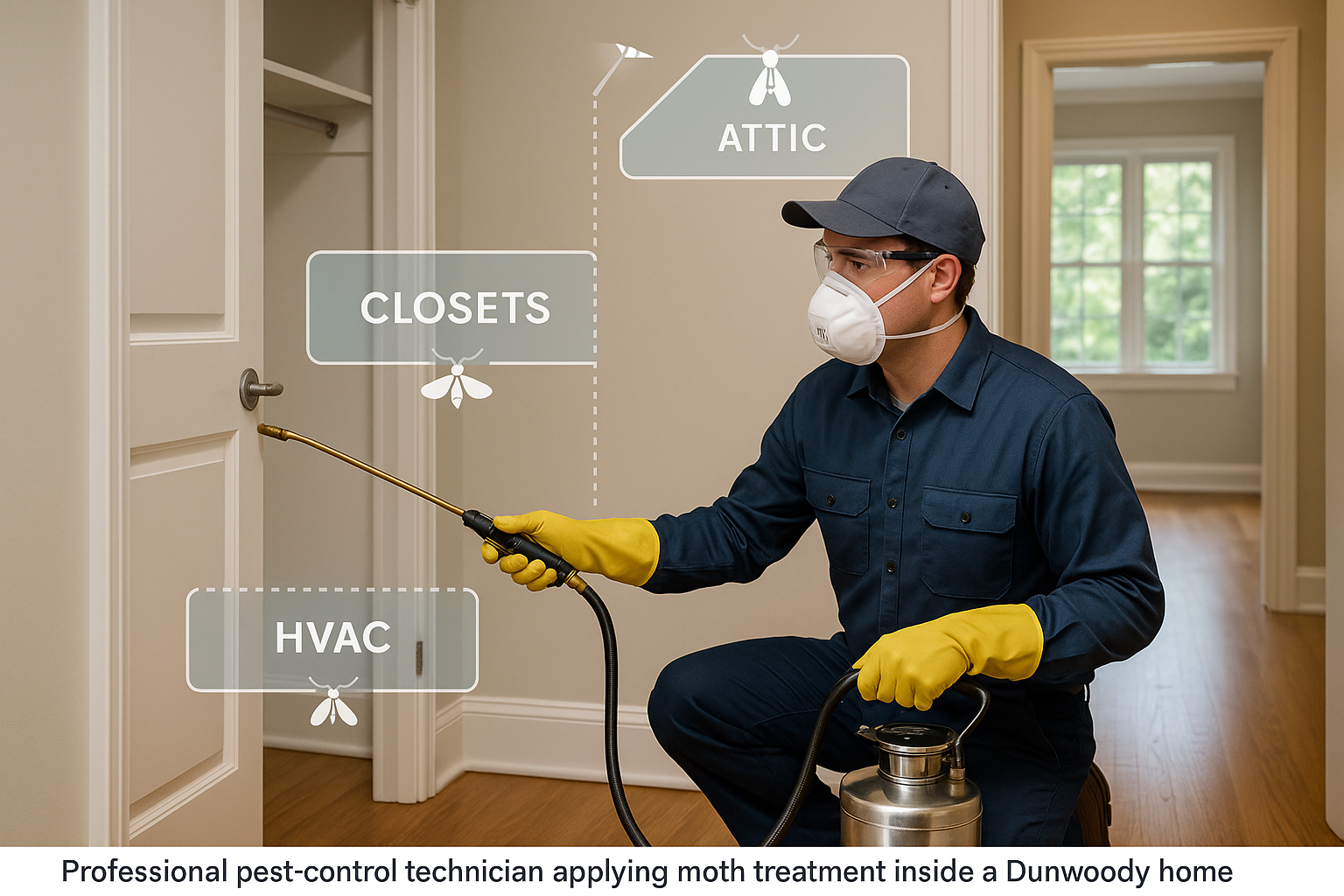
A thorough 1‑hour inspection runs between $80 and $120. During this visit our technician examines closets, attics, and any other vulnerable areas, identifies the species involved, and maps out the infestation hotspots. This step is essential because it determines the most effective treatment plan for your home.
Full Treatment Pricing by Square Footage
Once the inspection is complete, we base the treatment cost on the size of the area that needs protection:
- Up to 1,000 sq ft: $250–$350
- 1,001–2,000 sq ft: $350–$450
- 2,001–3,000 sq ft: $450–$500
These rates cover the application of EPA‑approved moth control products, targeted directly at the infested zones, and include a guarantee of effectiveness for the duration of the treatment.
Additional Fees
Most moth problems benefit from a follow‑up visit to ensure the population stays suppressed. Follow‑up visits are priced at $100–$150 per visit. If you prefer a preventive barrier—especially useful in homes with a history of recurring infestations—add another $100–$150 for a one‑time application that keeps moths from re‑entering.
DIY Options: What You’ll Spend
Do‑it‑yourself kits, such as moth sprays, pheromone traps, and natural repellents, typically cost between $30 and $70. While these products can provide short‑term relief, their longevity is limited; you’ll likely need to repurchase every few months, and the success rate is far lower than a professional service.
Why Professional Service Pays Off
Choosing Anthem Pest means you’re investing in a higher success rate, a warranty that covers re‑infestations, and the peace of mind that comes from a certified technician handling the job. Over time, the reduced need for repeat purchases and the protection of your valuable fabrics and food stores make professional moth control the smarter, more economical choice.
| Service | Price Range |
|---|---|
| Inspection (1‑hour) | $80 – $120 |
| Treatment (1,000 sq ft) | $250 – $350 |
| Treatment (2,000 sq ft) | $350 – $450 |
| Treatment (3,000 sq ft) | $450 – $500 |
| Follow‑up Visit | $100 – $150 |
| Preventive Barrier | $100 – $150 |
| DIY Products (average) | $30 – $70 |
Effective Treatment Options
When moths infiltrate a Dunwoody home, the choice of treatment can mean the difference between a quick fix and a recurring nightmare. Below we break down the four primary modalities that Anthem Pest Control uses, highlighting how each works, the safety steps we follow, and how they compare in real‑world success.
Chemical Treatments
Our licensed technicians apply EPA‑registered sprays and residual foggers directly to the areas where moths congregate—typically closets, pantry shelves, and attic corners. These products form a protective barrier that continues to kill insects for weeks after application. Technicians wear approved personal protective equipment (PPE), including gloves, goggles, and respirators, to prevent exposure. After treatment, we advise a short ventilation period and recommend keeping pets and small children out of treated zones for at least two hours to ensure complete safety.
Integrated Pest Management (IPM)
IPM blends non‑chemical tactics with targeted low‑dose applications for a balanced, long‑term solution. We start with pheromone traps to monitor activity and pinpoint hotspots, then guide homeowners through sanitation protocols—such as vacuuming, sealing food containers, and removing moth‑infested fabrics. When chemical intervention is needed, we use the smallest effective dose, reducing environmental impact while still delivering control. This approach not only curbs the current infestation but also lowers the chance of future outbreaks.
Heat Treatment
Heat is a proven, residue‑free way to eliminate moth larvae hidden deep within insulation, stored clothing, or wood structures. By raising the attic temperature to > 120°F (49°C) for 4–6 hours, we denature the insects’ proteins, causing rapid mortality. The process requires specialized portable heaters, temperature monitoring devices, and careful sealing of the space to maintain heat. Homeowners must clear the area of heat‑sensitive items and ensure adequate ventilation after the job to prevent moisture buildup.
Professional vs. DIY Efficacy
While a DIY spray can offer temporary relief, the numbers tell a clear story: professional interventions achieve a success rate of ≥ 90%, whereas the average DIY effort lands around 55% (NPMA 2024). The gap reflects the expertise, equipment, and follow‑up that only trained technicians can provide.
| Method | Average Success Rate | Typical Cost Range (USD) |
|---|---|---|
| Professional Treatment (Chemical, IPM, or Heat) | ≥ 90 % | $150 – $500 |
| DIY Sprays & Foggers | ≈ 55 % | $30 – $120 |
All chemicals used are EPA‑registered and applied by licensed technicians, ensuring maximum efficacy while protecting your family and pets.
Why Anthem Pest Is the Preferred Local Provider
Local Presence You Can Trust
Anthem Pest’s licensed technicians live and work in the Dunwoody area, covering neighboring communities such as Decatur and Brookhaven. Because they’re part of the neighborhood, they understand the unique construction styles, landscaping trends, and seasonal pest pressures that affect local homes. When you call, you’re speaking with a professional who knows the exact challenges your family faces.
Industry‑Recognized Certifications
Our team holds EPA‑registered applicator status, guaranteeing that every treatment follows the strictest safety and efficacy standards. As proud members of the National Pest Management Association (NPMA), we stay current on best practices, emerging pest threats, and environmentally responsible solutions. Those credentials translate into a higher level of protection for your home and loved ones.
Transparent Pricing & 100% Satisfaction Guarantee
At Anthem Pest, you’ll never encounter hidden fees. Our pricing model is clear, upfront, and tailored to the specific needs of Dunwoody homeowners. We back every service with a 100% satisfaction guarantee—if you’re not completely happy, we’ll re‑treat the area at no extra cost. For emergencies, our 24‑hour response team is on standby, ensuring swift action when a moth infestation threatens your wardrobe or pantry.
“Anthem Pest saved our wardrobe—quick, thorough, and no chemicals smelled in the house.”
Commitment to Protecting Dunwoody Families
We treat each home as if it were our own, prioritizing the health and safety of the people who live there. From child‑friendly treatment options to pet‑safe application methods, our approach is designed to keep families comfortable while eliminating moths and other pests. Choosing Anthem Pest means partnering with a neighbor who’s dedicated to preserving the comfort and cleanliness of Dunwoody homes.
DIY Prevention Tips for Homeowners
Keeping moths at bay doesn’t require a full‑service spray every month—simple, low‑cost habits can make your home unattractive to these pantry and clothing pests all year long. Below are the most effective steps you can start today.
1. Clean closets and carpets regularly
Dust and skin flakes are a moth’s favorite food source. Vacuum your closets, under the bed, and any carpeted areas at least once a week. After each session, seal the vacuum bag or empty the canister into a trash bag and discard it outside the house. This prevents stray larvae from escaping back into the room.
2. Store off‑season clothing properly
Before you tuck sweaters or blankets away for winter, place them in airtight containers or zip‑lock garment bags. Heavy‑duty plastic bins with snap‑tight lids block both air and moisture, two key factors moths need to thrive.
3. Use pheromone traps strategically
Set one to two traps in each closet or pantry shelf. The traps emit a sex‑attractant that lures male moths, breaking the breeding cycle. Replace the sticky cards every three months, or sooner if they become saturated.
4. Control indoor humidity
Moths prefer a relative humidity of 60 % or higher. Aim for 45–50 % by running a dehumidifier in damp areas and checking the level with a cheap hygrometer. Lower humidity also discourages mold, another food source for larvae.
5. Follow a seasonal deep‑clean checklist
- Spring: Inspect closets, rotate stored garments, and replace any worn‑out traps.
- Summer: Run the dehumidifier continuously in basements and attics; wipe down shelves with a mild soap solution.
- Fall: Swap out old pheromone cards, vacuum any accumulated debris, and prepare containers for winter storage.
By integrating these habits into your routine, you’ll create an environment that moths simply won’t want to inhabit, saving you time, money, and the frustration of damaged fabrics.
Frequently Asked Questions
How long does a professional treatment last?
Most Anthem Pest professional moth treatments remain effective for 6–12 months when the home is kept clean and food sources are removed. A single application creates a residual barrier that kills adult moths and larvae that wander into treated areas. If you want extended protection, we recommend a booster visit after three to four months, especially in high‑traffic rooms like closets and pantries. We also recommend vacuuming seams and storing seasonal clothing in airtight containers.
Are moth control chemicals safe for children and pets?
We only use EPA‑registered products that are approved for indoor use. When applied by our licensed technicians according to label directions, these chemicals pose no significant risk to children or pets. Our technicians wear protective gear, and residues dry quickly with no lingering odor. For more details, see the EPA pesticide safety page.
What’s the difference between a moth and a butterfly?
While both belong to the order Lepidoptera, moths are typically nocturnal, have feathery or filamentous antennae, and rest with their wings spread flat. Butterflies are diurnal, sport club‑shaped antennae, and usually fold their wings vertically over their backs when perched. Moths usually have a stout, fuzzy body, while butterflies are slimmer and more colorful.
Can moths return after treatment?
Re‑infestation can occur if the original sources—such as untreated fabrics, stored grains, or uncovered food—remain in the home. Ongoing monitoring, regular cleaning, and sealing entry points dramatically lower the chance of a comeback. Storing pantry items in sealed containers and rotating fabrics yearly further reduces risk. Our follow‑up inspections help catch any early signs before a full‑blown problem develops.
Final Takeaways and Call to Action
Effective moth control boils down to four simple actions:
- Early detection: Spotting larvae, webbing, or adult moths before they reproduce.
- Know the life cycle: Eggs hatch into larvae, then pupae, and finally flying adults—interrupt any stage to stop the spread.
- Assess potential damage: A single infestation can ruin clothing, stored foods, and even wooden structures, costing hundreds to thousands of dollars.
- Choose proven treatment: Targeted baits, area sprays, and proper sanitation work best when applied by trained technicians.
When you hire a licensed professional like Anthem Pest, you gain more than an extermination. Our technicians bring expertise, EPA‑approved products, and a treatment plan that protects your home for months, turning a short‑term expense into long‑term savings.
Take advantage of a free, no‑obligation inspection today. Call us at 877‑371‑8196 or visit anthempest.com to schedule.
Our Dunwoody team is ready to safeguard your home with safe, proven solutions—call now for a free quote.