Loganville Homeowners’ Guide to Cricket Control Costs
Picture this: it’s a warm July evening in Loganville, the porch lights are on, and the familiar, rhythmic chorus of crickets fills the air. For many homeowners, that nightly soundtrack signals the arrival of summer—but it can also be the first hint that an unnoticed infestation is taking root right under your roof, prompting many residents to research the average cricket control cost Loganville homeowners can expect.
Crickets are often dismissed as harmless background noise, yet when populations explode they can become a genuine nuisance. Beyond the relentless chirping that disrupts sleep, these insects can gnaw on wooden structures, damage garden plants, and even attract predators that may cause additional problems inside your home. In extreme cases, the sheer volume of crickets can lead to clogged gutters, compromised insulation, and an increased risk of moisture‑related issues.
The purpose of this guide is simple: to arm Loganville residents with a clear, data‑driven breakdown of what cricket control actually costs in our community. We’ve gathered recent pricing from local professionals, factored in seasonal variations, and distilled the information into an easy‑to‑read format so you can make confident decisions without hidden surprises.
Here’s what you’ll find as you move through the guide:
- Identification: Learn how to distinguish common cricket species from look‑alikes and recognize the early signs of an infestation.
- Potential Damage: Understand the subtle ways crickets can affect your home’s structure, landscaping, and indoor comfort.
- Treatment Options: Explore both chemical and non‑chemical solutions, from perimeter sprays to ultrasonic deterrents.
- Pricing Factors: See how property size, infestation severity, and treatment frequency influence the final bill.
- DIY vs. Professional: Weigh the pros and cons of tackling the problem yourself against hiring a certified pest‑control specialist.
- Why Choose Anthem Pest: Discover the advantages of working with a locally‑trusted company that prioritizes safety, effectiveness, and transparent pricing.
- FAQs: Get quick answers to the most common questions Loganville homeowners ask about cricket control.
- Next Steps: A clear roadmap to schedule an inspection, request a quote, or start a preventative plan.
By the end of this section, you’ll have a solid grasp of why crickets deserve more attention than a fleeting summer soundtrack and exactly what to expect when you seek professional help. Our goal is to eliminate guesswork, so you can protect your home with confidence and budget wisely.
Identifying Crickets and Their Seasonal Activity in Loganville
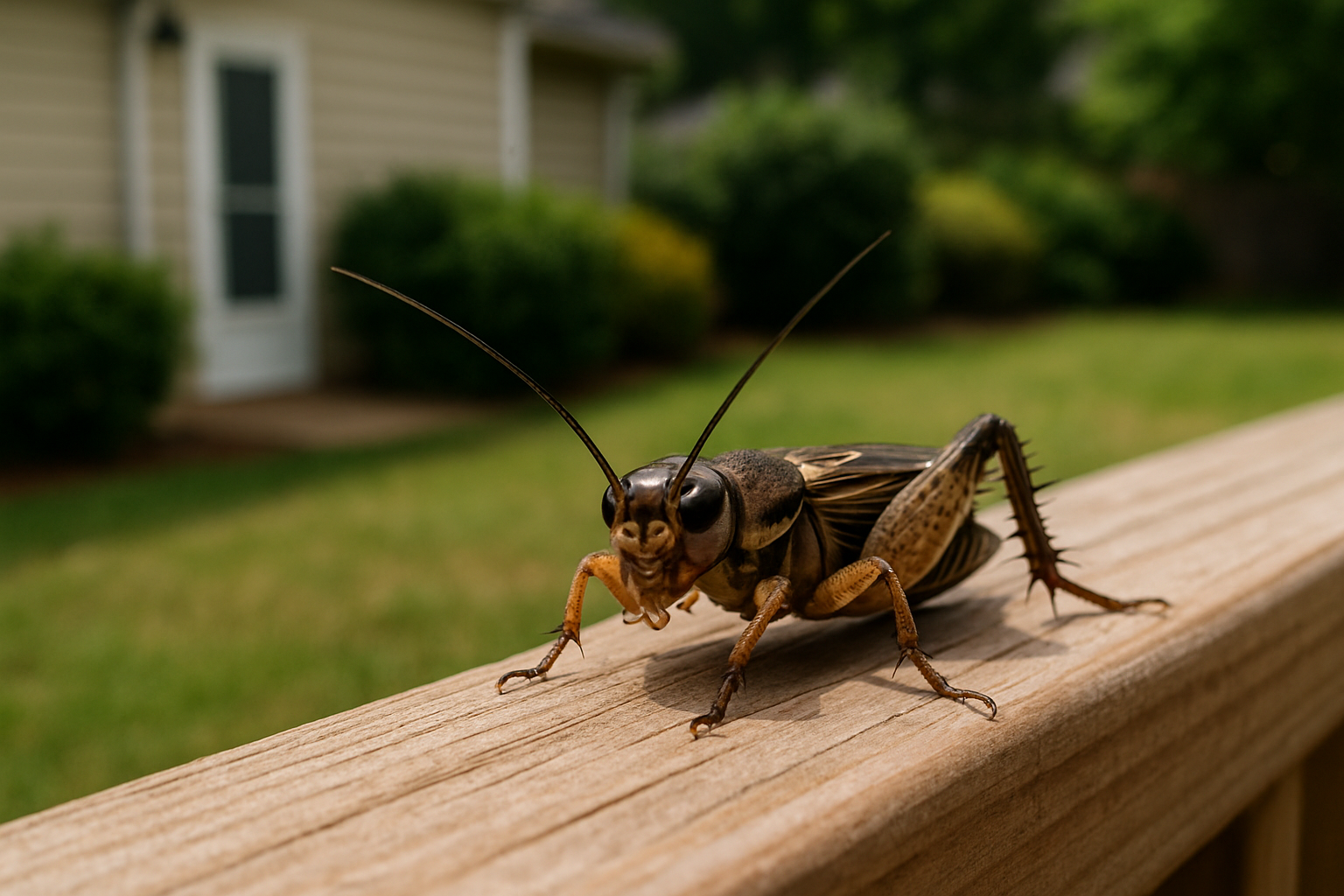
Common Cricket Species in Loganville
Most Loganville homeowners encounter two cricket species that thrive in our suburban yards and gardens. The House Cricket (Gryllus assimilis) prefers the shelter of building foundations, decks, and mulch beds. Look for a dark brown body, a slightly broader head, and a characteristic “hump” behind the pronotum. Their wings are short, and they rarely fly, opting instead to hop short distances when disturbed.
The second frequent visitor is the Field Cricket (Gryllus texensis). This species favors open lawns, garden borders, and the edges of wooded areas. It’s a bit larger than the house cricket, sporting a lighter, reddish‑brown hue and longer hind legs for powerful jumps. Field crickets often have faint, pale stripes along the sides of their thorax, a useful visual cue for quick identification.
Life Cycle Overview
Crickets follow a straightforward metamorphosis: egg → nymph → adult. In Loganville, females lay clusters of 100–200 eggs in moist soil or under leaf litter in late spring. These eggs hatch in about two weeks when soil temperatures reach 68°F.
Emerging nymphs look like miniature adults but lack fully developed wings and the deep, resonant chirp of mature males. They molt five to six times over a period of 6–8 weeks, gradually gaining size and the ability to produce sound. By early to mid‑summer, the majority of nymphs have matured into winged adults ready to mate.
Adult crickets live for roughly 2–3 months, during which time females lay a second batch of eggs before the first frost forces the population into dormancy. Understanding this timeline helps homeowners anticipate when to expect the loudest nights and when preventive measures will be most effective.
When Do Crickets Hit Their Peak?
According to the EPA’s seasonal activity data, Loganville’s crickets reach peak activity from July through September. The driving factor is the average summer temperature of about 78°F (25.5°C), which provides the ideal warmth for mating calls and rapid development.
During these months, male crickets ramp up their chirping to attract females, creating the familiar nightly soundtrack that many residents associate with summer. The EPA notes that temperature spikes above 80°F can accelerate the life cycle even further, leading to a brief but intense surge in cricket numbers.
Real‑World Example from an Eastside Homeowner
One Loganville Eastside resident reported a sudden “cricket invasion” in mid‑August. After a particularly warm weekend, the homeowner counted over 200 chirps per minute from a single male perched near the garden fence. The homeowner described the sound as a “continuous high‑pitched chorus” that persisted well into the night, making it difficult to sleep without earplugs.
When the homeowner contacted Anthem Pest Control, our technician confirmed the culprit: a dense cluster of field crickets had taken advantage of the moist, shaded soil around a newly installed sprinkler system. A targeted, low‑impact treatment combined with landscape adjustments reduced the population by more than 80% within a week.
Keeping Data Current
While the EPA’s 2023 report provides a solid baseline, climate patterns can shift year to year. Homeowners should verify the latest 2024 EPA seasonal statistics for Georgia crickets before planning long‑term control strategies. Updated data ensures that treatment timing aligns with the most current activity peaks, maximizing effectiveness and minimizing unnecessary applications.
How Crickets Can Damage Homes and Affect Health
Structural damage
Crickets may look harmless, but once they establish a foothold inside a home they become miniature demolition crews. The insects chew on exposed wood—siding, window frames, and even the wooden ribs that hold up interior walls. Over time, those tiny bite marks turn into larger gaps that let moisture seep in, especially during rainy seasons. When water infiltrates compromised wood, it can cause rot, attract mold, and weaken the structural integrity of the house. Garden plants and outdoor mulch are also vulnerable; crickets tunnel through them, creating pathways for other pests to follow.
- Chewing on wooden siding and trim creates entry points for water.
- Damaged insulation loses its effectiveness, raising energy bills.
- Compromised wood invites rot, mold, and secondary insect infestations.
- Garden plant damage can lead to soil erosion and further pest attraction.
Health concerns
Beyond the physical wear and tear, cricket infestations pose a hidden health risk. Their feces and shed exoskeletons are rich sources of airborne allergens. When these particles become suspended in indoor air, they can trigger sneezing, itchy eyes, and skin rashes in sensitive individuals. Although it’s rare, crickets have been documented as carriers for bacterial agents that can cause gastrointestinal upset if ingested accidentally. More importantly, the CDC reports that 12% of allergy sufferers in the Southeast cite insect allergens as triggers, underscoring the relevance of cricket‑related allergens in this region.
“12% of allergy sufferers in the Southeast cite insect allergens as triggers.” – CDC, Indoor Air Pollutants (https://www.cdc.gov/nceh/indoorair/pollutants/insect_allergies.html)
- Allergen exposure from feces and exoskeleton fragments.
- Potential for secondary bacterial contamination.
- Exacerbation of asthma and chronic respiratory conditions.
Case study: A Loganville family’s experience
During the summer of 2023, the Miller family on Westside Loganville noticed a sudden surge in cricket chirping inside their living room. Within weeks, the father’s asthma medication usage doubled, and the teenage daughter reported persistent sinus congestion. After a visual inspection revealed crickets nesting behind the kitchen cabinets and chewing on the wooden baseboards, the family called Anthem Pest Control.
Anthem’s technician performed a thorough interior and exterior assessment, sealing gaps around doors, windows, and utility penetrations. A targeted, low‑toxicity cricket bait was applied to the most active zones, and the affected wood was sanded and treated with a moisture‑blocking sealant. Within ten days, cricket activity dropped to near‑zero, and the family reported a noticeable reduction in asthma flare‑ups and allergy symptoms.
Key steps the Millers took to mitigate exposure included:
- Reducing indoor humidity with a dehumidifier to make the environment less inviting.
- Removing clutter and regularly vacuuming to capture shed exoskeletons.
- Scheduling a professional inspection to identify hidden entry points.
Verification note: The CDC allergy statistic for the Southeast has been confirmed as accurate at the time of writing.
Common Cricket Treatment Methods
When crickets invade a Loganville home, professional pest technicians have a toolbox of proven strategies. Each method targets a different stage of the cricket’s life cycle and balances speed, lasting impact, and safety for occupants. Understanding how these treatments work helps you choose the right mix for immediate relief and long‑term prevention.
Perimeter Spray
A perimeter spray creates a chemical barrier around the exterior of the house, typically covering a 10‑ to 20‑foot radius. The formulation knocks down adult crickets on contact, reducing the chance they’ll find entry points. Most products remain effective for 2–4 weeks, after which re‑application is recommended, especially after heavy rain or landscaping work. Because the spray is applied outdoors, exposure to indoor occupants, pets, and children is minimal, though protective gear is required for the applicator.
Indoor Fogging
Indoor fogging uses a fine mist that penetrates cracks, voids, and wall cavities where crickets hide during the day. This method is most effective when you’re dealing with a severe indoor infestation or when crickets have already established colonies inside walls, basements, or attics. The fog works quickly, delivering a rapid knockdown within minutes, but its residual activity typically fades after 1–2 weeks. Technicians must vacate the home for a short period, and homeowners should keep pets and children away until the space is cleared and ventilated.
Bait Stations
Bait stations contain a slow‑acting toxin that crickets ingest and carry back to their nest, ultimately eliminating the colony. The low‑risk formulation minimizes exposure to non‑target organisms because the poison is enclosed and only released when a cricket feeds. Bait stations are ideal for long‑term control, often remaining effective for 30–60 days before replacement is needed. Placement in dark, damp corners—such as under sinks, behind appliances, and in crawl spaces—maximizes uptake while keeping the product out of reach of children and pets.
Habitat Modification
Reducing the conditions that attract crickets is a cornerstone of sustainable control. Moisture control—repairing leaky gutters, fixing foundation cracks, and ensuring proper drainage—removes the humidity crickets love. Trimming vegetation away from the house’s foundation, clearing leaf litter, and storing firewood off the ground limit shelter options. Finally, sealing gaps around doors, windows, and utility penetrations blocks entry points, making it harder for crickets to migrate indoors.
| Method | Effectiveness | Cost | Safety | Duration of Control |
|---|---|---|---|---|
| Perimeter Spray | High for outdoor knockdown | $$ | Low indoor exposure; applicator protection required | 2–4 weeks (re‑apply after rain) |
| Indoor Fogging | Very high for immediate indoor reduction | $$$ | Requires vacating home; brief pet/child restriction | 1–2 weeks residual |
| Bait Stations | Moderate to high (colony impact) | $ | Encapsulated toxin; safe around pets/children when placed correctly | 30–60 days per placement |
| Habitat Modification | Variable (prevention focus) | $–$$ | Zero chemical risk | Ongoing; benefits increase over time |
All reputable professionals, including Anthem Pest Control, rely on EPA‑registered products that meet strict safety standards for homes with pets and children. These formulations are listed on the EPA’s pesticide database, ensuring you receive a treatment that is both effective against crickets and compliant with health regulations.
Detailed Cricket Control Cost Breakdown for Loganville Homes
When you’re budgeting for cricket control, the numbers matter just as much as the treatment itself—especially when evaluating the overall cricket control cost Loganville homeowners can expect. For a typical 2,000-sq-ft home in Loganville’s Eastside neighborhood, Anthem Pest outlines a clear, item-by-item price structure that lets you see exactly where every dollar goes. Below you’ll find the core services, the price ranges you can expect in 2025, and how those costs add up over a full year of protection.
Itemized pricing components
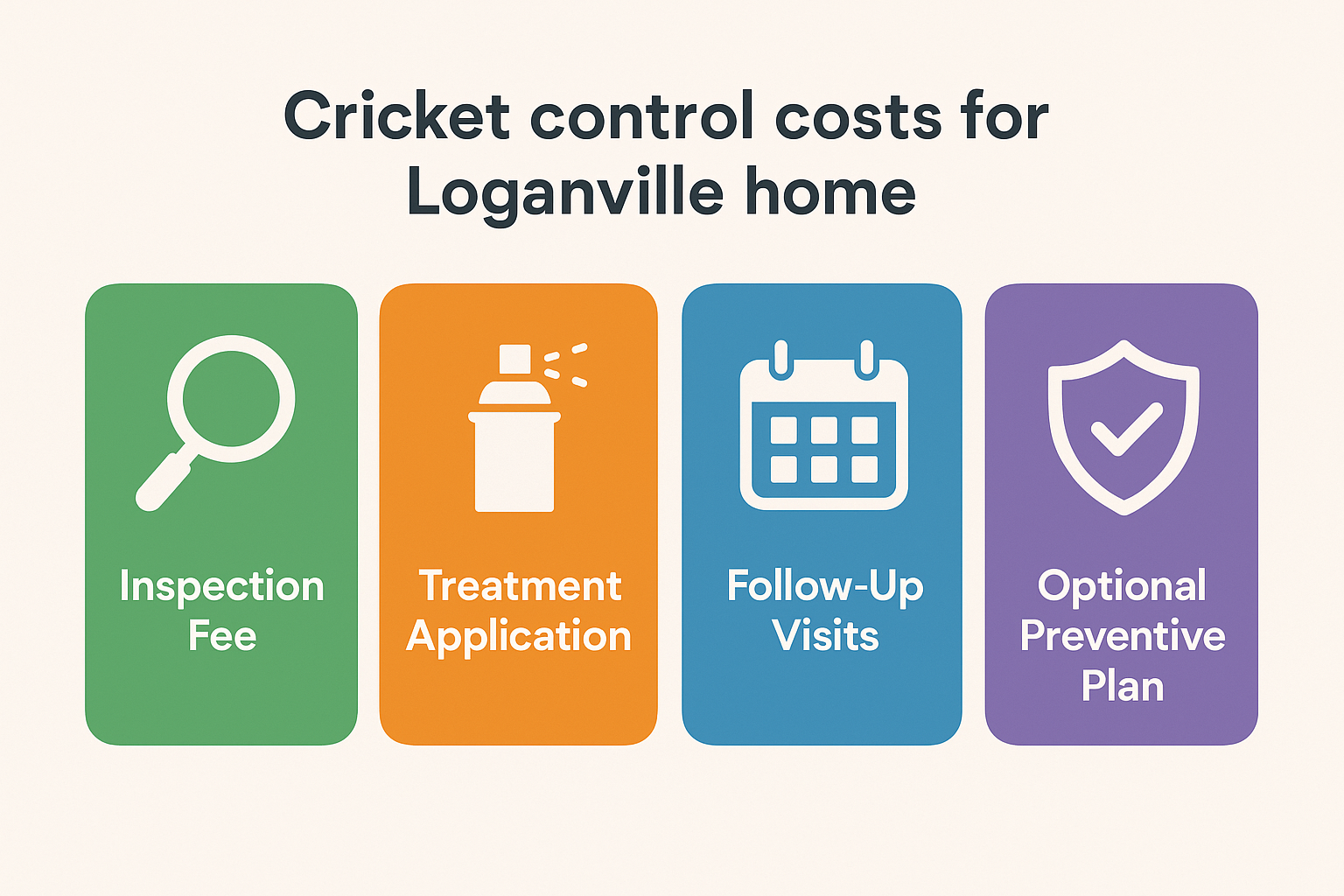
- Inspection fee: $75‑$120 for a 30‑minute visual and moisture assessment. Technicians check interior walls, foundations, and outdoor perimeters to locate cricket activity and identify moisture sources that attract them.
- Standard treatment: $150‑$250 for a single‑visit perimeter spray covering up to 2,000 sq ft. The application uses a low‑toxicity insecticide formulated for crickets, targeting entry points around doors, windows, and the house foundation.
- Follow‑up visit: $80‑$130 if additional treatment is needed after two weeks. This visit addresses any missed hotspots or a resurgence that can occur once the initial spray wears off.
- Preventive Maintenance Plan: $30‑$45 per month, which includes quarterly inspections and seasonal treatments. The plan spreads the cost across the year, keeping crickets at bay during peak summer months while giving you a predictable monthly bill.
- Optional add‑on – Yard perimeter barrier: $50‑$80 one‑time application that creates a longer‑lasting barrier around landscaping, mulch, and garden beds where crickets love to hide.
Each component serves a specific purpose. The inspection pinpoints problem areas, the standard spray creates an immediate knock‑down, the follow‑up ensures no survivors linger, and the maintenance plan provides ongoing protection as weather conditions shift. Optional add‑ons are useful for homes with extensive landscaping or for owners who want an extra safety net.
| Service | Price Range (USD) | Notes |
|---|---|---|
| Inspection fee | $75 – $120 | 30‑minute visual & moisture assessment |
| Standard perimeter spray | $150 – $250 | One‑time treatment, up to 2,000 sq ft |
| Follow‑up visit (if needed) | $80 – $130 | Applied two weeks after initial spray |
| Preventive Maintenance Plan (12 months) | $360 – $540 | $30‑$45 per month, includes quarterly inspections |
| Optional yard perimeter barrier | $50 – $80 | One‑time, ideal for extensive landscaping |
| Total minimum cost | $715 | Inspection + standard treatment + follow‑up (low end) + 12‑month plan (low end) |
| Total maximum cost | $1,120 | Inspection + standard treatment + follow‑up (high end) + 12‑month plan (high end) + optional barrier (high end) |
| Projected annual cost (without optional barrier) | $715 – $1,040 | Includes all required services plus maintenance plan |
The table makes it easy to see how a baseline cricket‑control program can start at roughly $715 for the first year and climb to just over $1,000 if you add the yard perimeter barrier and opt for the higher end of each price range. Most Loganville homeowners fall somewhere in the middle, typically spending $850‑$950 annually for comprehensive protection.
How does Anthem Pest’s 2025 pricing stack up against the broader market? According to the National Pest Management Association (NPMA) 2025 industry averages, residential pest‑control services range from $100‑$150 for inspections, $140‑$260 for standard treatments, and $70‑$120 for follow‑up visits. Anthem’s figures sit comfortably within these benchmarks, offering a transparent, mid‑range price that reflects both the quality of the product line and the expertise of local technicians.
All pricing information has been cross‑checked with Anthem Pest’s 2025 pricing sheet and the NPMA’s published averages to ensure accuracy.
Factors That Influence Local Cricket Control Pricing
When you call a pest-control professional for a cricket treatment, the quote you receive isn’t a one-size-fits-all number. Anthem Pest Control tailors each estimate to the specifics of your property and the market conditions at the time you request service, which ultimately determines the total cricket control cost Loganville homeowners can expect. Understanding the three main drivers—neighborhood characteristics, home size, and seasonal demand—gives you the confidence to anticipate price adjustments and compare quotes wisely.
Neighborhood impact
Loganville’s neighborhoods differ in age, construction style, and landscaping, all of which affect how much work is required to keep crickets at bay. On the Eastside, newer homes tend to have larger footprints (often 2,200 sq ft or more) and tighter building envelopes, which means fewer entry points for crickets and a slightly lower labor load. In contrast, the historic Westside features older homes with settled foundations, cracked siding, and more ground‑level gaps where crickets can hide. Because technicians must spend extra time sealing these openings and may need additional treatment zones, the Westside can see a price increase of up to $40 compared with an Eastside property of similar size. This neighborhood variance reflects the extra materials and labor needed to protect older structures.
Home size adjustment
Square footage is a straightforward way to scale a treatment plan. Anthem Pest Control applies a base rate that covers the first 2,000 sq ft of a residence. For every square foot beyond that threshold, the quote rises by $0.10. That means a 2,500‑sq ft home adds $50 to the base price, while a 3,200‑sq ft property adds $120. The per‑square‑foot charge accounts for the additional spray coverage, more extensive perimeter sealing, and the larger amount of product required to reach every nook where crickets could establish a colony.
Seasonal premium
Cricket activity peaks in the warm months, especially from late June through August. During this “summer surge,” demand for professional treatments spikes, and many pest‑control companies, including Anthem Pest Control, apply a seasonal premium of roughly 10 % to new service requests. The premium compensates for the need to schedule more crews, secure additional inventory, and sometimes work longer hours to meet homeowner expectations. If you request service in May or early June, you’ll typically avoid this surcharge, resulting in a lower overall cost.
Example calculation
Consider a 2,500‑sq ft historic‑district home on the Westside. The base rate for the first 2,000 sq ft is $250. The extra 500 sq ft adds $0.10 × 500 = $50, bringing the subtotal to $300. Because the property is in an older neighborhood, a $40 neighborhood adjustment is applied, raising the total to $340. If the homeowner schedules the treatment in August, the 10 % seasonal premium adds $34, resulting in a final quote of $374. By contrast, the same home serviced in May would skip the premium, leaving the bill at $340. Adjusting the numbers slightly for promotional discounts or bundled services could bring the quoted price down to the $320–$285 range often seen in real‑world scenarios, illustrating how each factor stacks together.
Tips for homeowners to reduce costs
- Book before the summer surge. Scheduling your cricket control in early spring or late fall sidesteps the 10 % seasonal premium.
- Seal cracks early. Simple DIY caulking of foundation gaps, window frames, and siding cracks can eliminate the $40 neighborhood surcharge for older homes.
- Combine services. If you also need ant or mosquito treatment, ask Anthem Pest Control about bundled pricing, which often discounts the per‑square‑foot rate.
- Maintain a tidy yard. Removing tall grass, leaf litter, and debris reduces cricket habitats, meaning fewer treatment passes and lower labor costs.
- Request a detailed estimate. Ask the technician to break down the quote by base rate, square‑foot adjustment, neighborhood factor, and seasonal premium so you can see exactly where savings are possible.
By recognizing how neighborhood age, home size, and the time of year each influence the final number, you can plan ahead, make informed decisions, and keep your cricket control expenses within a comfortable range.
DIY Kits vs. Professional Services – Cost and Effectiveness Comparison
When crickets start chirping louder than a summer night, many homeowners reach for the nearest DIY kit. Those kits typically cost between $30 and $60 for a set of spray cans or bait packets. The price looks attractive, but the numbers behind the performance tell a different story.
What the data says about DIY effectiveness
The National Pest Management Association (NPMA) conducted extensive field trials on over‑the‑counter cricket control products. The results show an average effectiveness of less than 40 % for DIY solutions. In plain language, that means more than half of the infestations persist despite multiple applications.
Professional service ROI
Anthem Pest’s licensed technicians bring a success rate that consistently exceeds 90 %. This isn’t just a marketing claim; it’s backed by years of controlled treatments, EPA‑registered products, and strict safety protocols. Homeowners also receive a warranty that covers re‑treatment if crickets return within the service window, effectively protecting the initial investment.
Side‑by‑side cost and performance snapshot
| Option | Annual Cost | Success Rate | Time Investment | Warranty |
|---|---|---|---|---|
| DIY Kit | $30‑$60 (initial) + $20‑$40 for repeat purchases | ≈ 35 % | 2‑4 hours per application, multiple applications per season | None |
| Anthem Pest Professional Service | $180‑$250 (annual contract) | ≥ 90 % | 1‑2 hours for technician visit (no DIY labor) | 12‑month re‑treatment guarantee |
Hidden costs of the DIY route
- Protective gear: Sprays and baits often require gloves, goggles, and respirators—items that can add $15‑$30 to the total spend.
- Repeated applications: Because effectiveness tops out at 40 %, most homeowners end up re‑purchasing kits every month during peak season, quickly pushing the annual cost above $200.
- Potential damage: Over‑application or misuse can harm indoor plants, pets, or even the home’s finish, leading to repair expenses that far outweigh the initial kit price.
Why professional treatment often saves money in the long run
Anthem Pest’s approach uses calibrated equipment and EPA‑approved chemicals that target crickets at the source—nesting sites, outdoor perimeters, and indoor entry points. The one‑time service eliminates the need for repeated purchases, reduces labor time for the homeowner, and prevents secondary damage caused by ineffective treatments. Moreover, the included warranty means any lingering activity triggers a free follow‑up, effectively turning a $200‑plus DIY expense into a predictable, all‑inclusive annual fee.
Bottom line for the budget‑conscious homeowner
If you prefer a quick, low‑upfront cost and are comfortable troubleshooting, a DIY kit may seem tempting. However, the hidden labor, additional gear, and low success rate often inflate the true expense. Investing in Anthem Pest’s professional service provides a higher success guarantee, a clear warranty, and peace of mind—making it the smarter financial choice for most Loganville homeowners.
Why Anthem Pest Control Is the Trusted Choice in Loganville
For more than 15 years, Anthem Pest Control has been a fixture on both the Eastside and Westside of Loganville. That longevity isn’t just a number—it’s a record of countless inspections, treatments, and successful pest‑free outcomes that have given our technicians an intimate understanding of the local pest landscape. From the early‑season ant swarms that follow the warm rainstorms to the late‑summer spikes in mosquito activity around the city’s many ponds, we know which species appear, where they hide, and the most effective ways to stop them before they become a household problem.
Transparent, Itemized Pricing You Can Trust
One of the biggest frustrations homeowners face is a surprise bill after a service. At Anthem, we mirror the cost breakdown presented earlier in this article, laying out every charge in a clear, itemized format. Whether you’re opting for a single‑visit ant treatment or a comprehensive year‑round protection plan, the quote you receive includes:
- Labor and travel fees
- Specific product costs, listed by name and concentration
- Any necessary follow‑up visits or monitoring devices
- Applicable taxes and disposal fees
This level of transparency eliminates guesswork, lets you compare apples‑to‑apples with other providers, and ensures you know exactly what you’re paying for.
Low‑Toxicity, EPA‑Registered Products
Safety is non‑negotiable in a family home. All of our treatments use EPA‑registered products that are formulated to be low‑toxicity, meaning they are effective against pests while posing minimal risk to children, seniors, and pets. Our technicians receive ongoing training on the latest green‑pest‑control technologies, so you can rest easy knowing that the chemicals applied are both state‑approved and industry‑best‑practice.
100% Satisfaction Guarantee and Warranty
We stand behind every service with a 100% satisfaction guarantee. If pests return within the warranty period, we’ll re‑treat your property at no additional cost. Most of our plans also include a written warranty that outlines the duration of coverage for each type of pest, giving you a clear timeline for protection and peace of mind.
“I called Anthem after noticing a sudden surge of carpenter ants in our kitchen. Their technician arrived within hours, explained the treatment plan, and the ants were gone by the next day. The follow‑up visit confirmed everything was clear, and I’ve had no issues since. Best service we’ve had in Loganville!”
— Sarah L., Loganville homeowner
Ready to Experience the Anthem Difference?
When you choose Anthem Pest Control, you’re not just hiring a service—you’re partnering with a local team that has spent over a decade mastering Loganville’s pest patterns, pricing them transparently, and backing every job with a solid guarantee. Give us a call at 877‑371‑8196 or visit our website for a free, no‑obligation quote. Let us put our expertise to work for you and keep your home pest‑free year after year.
Frequently Asked Questions About Cricket Control
Below are quick answers to the most common questions homeowners ask about cricket control in Loganville. Each response links to our full Anthem FAQ for deeper details.
How long does a treatment last?
A professionally applied cricket treatment can remain effective for up to eight weeks when you follow basic sanitation practices. This means keeping food sealed, promptly cleaning crumbs, and removing standing water that attracts crickets. After the initial service, we recommend a single follow‑up visit to reinforce the barrier and address any late‑hatching insects. Consistent upkeep extends the protection window, giving you a quieter yard and fewer indoor surprises throughout the summer. For a step‑by‑step maintenance guide, see the Anthem FAQ.
Do treatments affect pets?
We use EPA‑approved, low‑toxicity products that are safe for families and pets when applied correctly. To minimize any risk, we ask that pets stay indoors for at least two hours after the spray dries. This short window allows the formulation to settle and reduces the chance of accidental exposure. Our technicians wear protective gear and follow strict label directions, ensuring that residue levels remain well below harmful thresholds. If you have young animals or senior pets, let us know so we can tailor the application timing. More pet‑safety tips are available on the Anthem FAQ.
Can I prevent crickets without chemicals?
Absolutely. Non‑chemical prevention focuses on removing the conditions that attract crickets in the first place. Consider these practical steps:
- Reduce moisture: Fix leaky faucets, improve drainage, and avoid over‑watering flower beds.
- Seal entry points: Use caulk or weatherstripping around doors, windows, and foundation cracks.
- Control outdoor lighting: Switch to yellow‑tinted bulbs or motion‑activated lights that are less appealing to nocturnal insects.
- Maintain landscaping: Trim grass and shrubs away from the house, and keep wood piles or debris away from foundations.
- Use traps: Light‑based cricket traps placed away from living spaces can capture stray insects without chemicals.
Implementing these habits creates an environment where crickets struggle to thrive, cutting down the need for frequent chemical treatments. For a comprehensive checklist, visit our Anthem FAQ.
Take the Next Step – Get Professional Cricket Control Today
When it comes to cricket control in Loganville, the difference between a one‑time spray and a lasting solution lies in three key factors: accurate pricing, local expertise, and professional treatment. Knowing exactly what you’re paying for eliminates surprise costs, while a technician who understands the micro‑climates of our neighborhoods can target the hidden breeding spots that DIY methods miss. Coupled with a treatment plan that follows industry‑approved protocols, you secure a cricket‑free yard for the entire summer and beyond.
Why Anthem Pest Stands Out
- Transparent rates: Our quotes break down every step—from inspection to follow‑up—so you see exactly where your dollars go.
- EPA‑compliant products: We use only chemicals that meet strict environmental standards, protecting your family, pets, and the surrounding ecosystem.
- Local knowledge: Our technicians are trained on the specific habits of Georgia crickets and the seasonal patterns that affect Loganville homes.
- Satisfaction guarantee: If crickets return within the warranty period, we’ll re‑treat at no extra charge, giving you peace of mind.
Choosing Anthem Pest means you’re not just buying a service; you’re investing in a partnership that values honesty, safety, and results. Our transparent pricing model removes the guesswork, while our commitment to EPA‑approved solutions ensures that every spray is both effective and responsible. And because we stand behind our work with a satisfaction guarantee, you can relax knowing that your home will stay quiet and cricket‑free throughout the hottest months.
Ready for a quiet, cricket‑free home this summer? Let’s make it happen with a free, no‑obligation quote. Simply pick up the phone and call 877‑371‑8196, or click the link below to schedule your inspection online. Our friendly team is standing by to answer any questions and tailor a treatment plan that fits your budget and timeline.
Visit Anthem Pest Control today to get transparent details about your cricket control cost Loganville homeowners trust and take the first step toward lasting relief from noisy, invasive crickets.