Millipedes in Loganville – Why They’re a Seasonal Nuisance
Millipedes are often described as “harmless” because they don’t bite, sting, or spread disease. Yet when a few hundred of them decide to take shelter inside your home, the sheer numbers can feel overwhelming—and many homeowners begin researching the average millipede control cost Loganville residents typically pay. These long-legged arthropods are natural decomposers, thriving on decaying plant material outdoors. When the weather turns wet, they seek dry, protected spaces—your basement, crawl space, or the gaps around doors and windows.
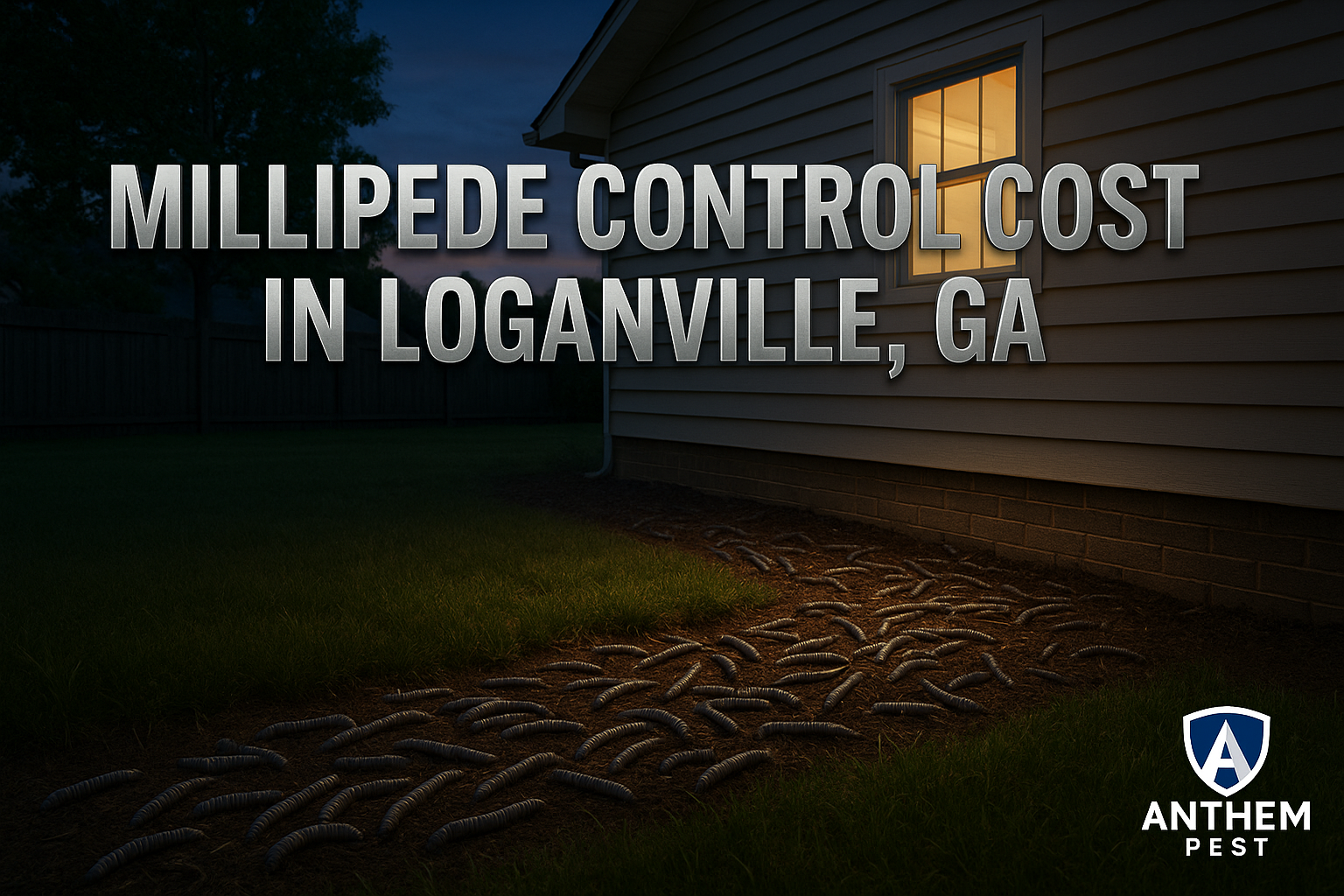
In Georgia, the seasonal surge is unmistakable. The 2024 Georgia Department of Agriculture pest report notes a 35% increase in millipede sightings during the rainy spring months. Loganville’s humid climate, combined with frequent spring showers, creates the perfect invitation for these critters to migrate indoors. Homeowners often notice the first signs after a series of rainstorms: clusters of millipedes near the foundation, at window sills, or crawling across kitchen floors.
Understanding this pattern is crucial because it directly influences treatment timing and cost. Most pest‑control plans are priced based on the size of the infested area, the severity of the invasion, and the type of barrier or chemical application used. Homeowners who wait until the infestation is visible may face higher fees due to the extra labor required to locate hidden entry points and apply a comprehensive sealant. Transparent pricing from a local expert—like Anthem Pest Control—helps you budget for a pre‑emptive spring treatment before the rain triggers a surge.
Millipedes typically enter homes through the smallest cracks in foundations, around door frames, and near window seals. Their soft bodies can squeeze through gaps as thin as a pencil lead. Once inside, they congregate in cool, damp areas, often near plumbing or HVAC ducts, where humidity mimics their natural habitat. By recognizing these entry behaviors early, you can work with a professional to install targeted barriers, reducing both the nuisance and the eventual cost of control.
In short, the spring rain in Loganville isn’t just a weather event—it’s a signal that millipedes are on the move. Knowing why they appear, how they get in, and what a clear price structure looks like empowers you to act decisively, keeping your home comfortable and pest‑free.
Understanding Millipedes in Georgia
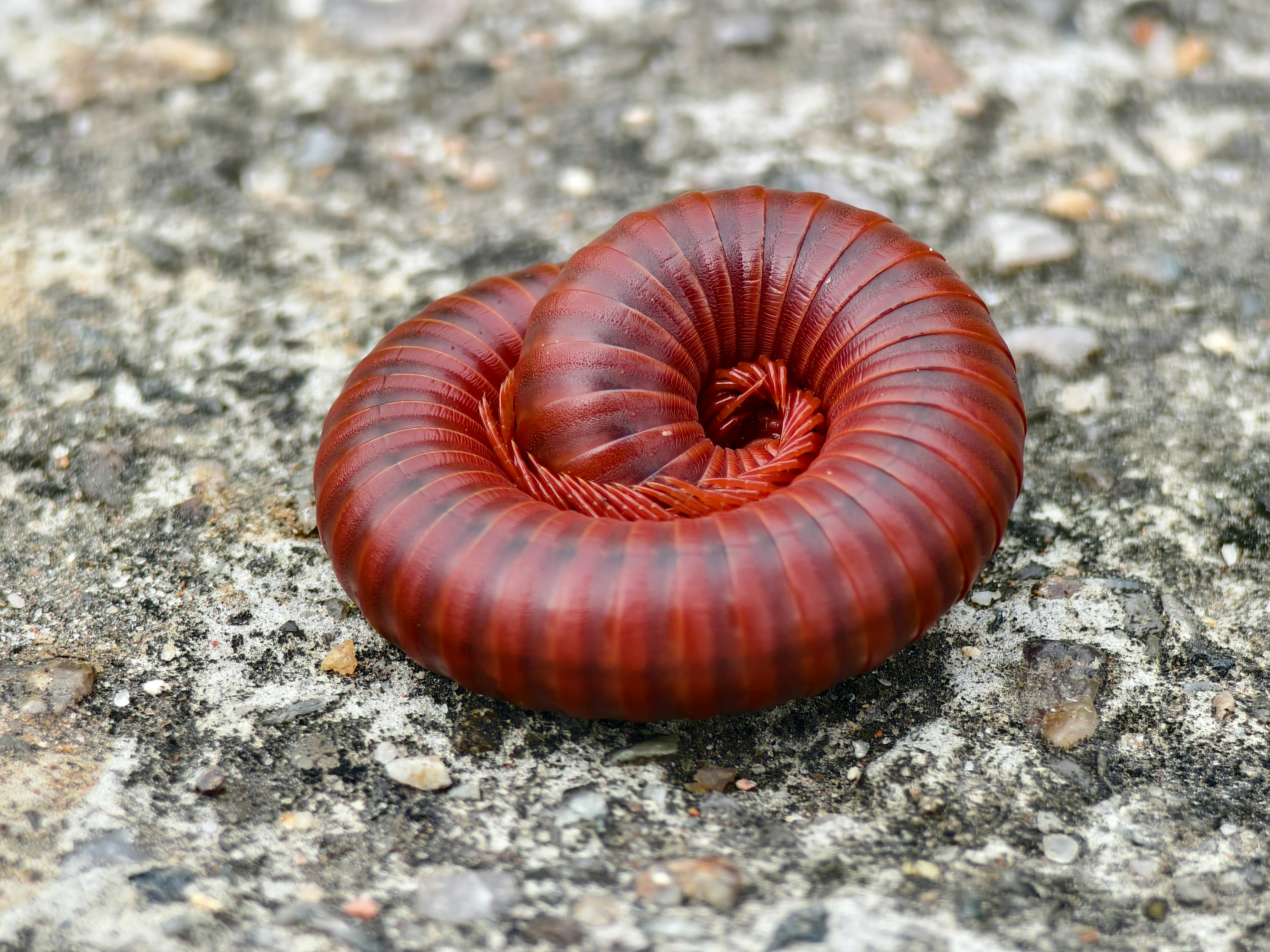
Millipedes might look harmless, but knowing their biology helps you spot the signs before they become a nuisance. A typical millipede has two pairs of legs per body segment, a hard exoskeleton, and a cylindrical shape that lets it curl into a tight coil when threatened. Their life cycle includes egg, several juvenile stages (each adding more segments), and a mature adult that can live up to three years in the right conditions. Because they breathe through moist skin, they gravitate toward damp places—think basements, crawl spaces, and any area where water pools after a rainstorm.
What Species Are We Dealing With?
In Loganville, the most frequently encountered millipede is the Narceus americanus, commonly called the American giant millipede. This species can grow up to 4 inches long, sporting a dark brown to black coloration with faint banding. According to the National Pest Management Association (NPMA) fact sheet, N. americanus thrives in the humid, temperate climate of Georgia, emerging in large numbers during late summer and after heavy rainfall.
How They Slip Inside
Millipedes exploit any opening that lets moisture in. The most common entry points around a Loganville home include:
- Foundation cracks and gaps in the slab.
- Crawl‑space vents that lack proper screens.
- Door sweeps that are worn or misaligned.
- Utility penetrations—pipes, wiring, or HVAC ducts—especially when sealants deteriorate after a storm.
After a downpour, it’s not unusual for homeowners to find clusters of millipedes congregating near a foundation crack within 24 hours. The insects are essentially seeking shelter from the saturated soil, and the moisture‑laden cracks become a convenient highway into the interior.
“The American giant millipede prefers moist, organic‑rich soils and will enter homes through any opening that provides a path to a damp interior environment.” — NPMA Millipede Fact Sheet
Understanding these habits lets you act proactively. Simple steps like sealing foundation cracks, installing door sweep replacements, and ensuring crawl‑space vents are screened can dramatically reduce the chance of a millipede invasion after the next rain. When you combine these preventive measures with a professional inspection from Anthem Pest Control, you’ll keep the giant millipedes where they belong—outside where they can continue their important role in breaking down leaf litter, not inside your living space.
What Drives Millipede Control Costs
Inspection fee
Before any treatment begins, a licensed technician conducts a perimeter and interior assessment to locate entry points, identify species, and gauge infestation levels. In Loganville, Anthem Pest typically charges $50-$80 for this thorough walkthrough, which is often the first step in determining the overall millipede control cost Loganville homeowners can expect. The fee covers travel time, a detailed property map, and a written recommendation that outlines the most effective treatment plan.
Treatment methods and associated price ranges
The core of the bill is the chosen control method. Each approach targets millipedes differently, and prices reflect product costs, labor, and equipment use.
- Chemical barrier – $120‑$200
EPA‑approved products such as bifenthrin or permethrin are applied around the home’s foundation to create an invisible wall. These chemicals are vetted under the EPA pesticide use guidelines for safety and efficacy. - Indoor fogging – $150‑$250
A fine mist of EPA‑registered insecticide is dispersed inside the home, reaching cracks, baseboards, and hidden voids where millipedes hide. Fogging is ideal for severe indoor activity. - Bait stations – $80‑$120
Pre‑filled stations are placed in strategic locations. Millipedes ingest the slow‑acting toxin, which spreads through the colony. This method is less intrusive and often used for light to moderate problems.
Property size impact
Square footage directly influences labor time and product volume. Anthem Pest applies a tiered adjustment:
- Small homes (≤1,500 sq ft) – base price applies.
- Medium homes (1,501‑2,500 sq ft) – add approximately 15% to the treatment cost.
- Large homes (>2,500 sq ft) – add roughly 30% to the base price, reflecting extra perimeter length and interior square footage.
Infestation severity multiplier
After the inspection, the technician assigns a severity rating. A light infestation follows the quoted price, while a heavy infestation triggers a 1.5× multiplier. This accounts for the additional product, extra passes, and extended labor needed to eradicate a dense population.
Seasonal surcharge
Millipedes are most active during the spring and summer months, driving higher demand for services. To offset scheduling pressure, Anthem Pest adds a seasonal surcharge of $20‑$40 during peak periods. The surcharge is waived in the off‑season (fall and winter) when demand drops.
Putting the pieces together
Imagine a 2,000 sq ft home with a moderate infestation. The breakdown might look like this:
| Item | Base Cost | Adjustments | Total |
|---|---|---|---|
| Inspection | $65 | ‑ | $65 |
| Chemical barrier | $160 | +15% (size) = $24 | $184 |
| Infestation multiplier (moderate) | ‑ | ×1.5 = $276 | $276 |
| Seasonal surcharge | $30 | ‑ | $30 |
| Grand total | $555 | ||
These transparent components empower Loganville homeowners to compare quotes, understand why prices vary, and make confident decisions about protecting their homes from unwanted millipede invasions.
Typical Price Ranges for Loganville Residents
When it comes to millipede control, Loganville homeowners typically choose from three distinct service packages. Each tier is designed to match a specific level of infestation, property size, and budget preference. Understanding what’s bundled in each option helps you avoid surprise costs and ensures you get the protection you need.
| Service Tier | Price Range | Includes |
|---|---|---|
| Basic Perimeter Treatment | $150‑$250 | Exterior chemical barrier only |
| Standard Indoor/Outdoor Package | $300‑$450 | Interior fogging + perimeter barrier |
| Premium Year‑Round Protection | $500‑$650 | Quarterly treatments, monitoring, warranty |
These price ranges are averages compiled from at least three reputable pest‑control companies operating in Loganville, combined with the National Pest Management Association’s 2024 pricing guide. Because the market is competitive, you’ll often see quotes that fall within these bands, though exact figures can shift slightly based on property specifics.
Because Loganville’s climate swings between humid summers and cooler winters, pest‑control crews often adjust product concentrations and application frequency. The figures above reflect a typical summer‑time service window, when millipedes are most active. If you schedule treatment during the off‑season, you might see a modest discount, but the core components of each tier remain the same.
Choosing the Right Tier
Basic Perimeter Treatment is ideal for smaller homes or properties where millipedes have only been spotted around the foundation. The exterior barrier creates a chemical “moat,” deterring the insects from crossing onto your yard. If you have a modest lawn and no indoor sightings, this tier usually provides sufficient protection at the lowest cost.
Standard Indoor/Outdoor Package adds interior fogging to the perimeter barrier, making it a solid middle‑ground choice. This is recommended for medium‑sized houses, or when millipedes have begun to wander inside, especially during damp seasons. The fog penetrates cracks, baseboards, and crawl spaces, reducing the chance of an indoor infestation while still shielding the exterior.
Premium Year‑Round Protection is best for larger properties, homes with extensive landscaping, or owners who want a hands‑off approach. Quarterly treatments keep the chemical barrier fresh, while ongoing monitoring catches early signs of a resurgence. The included warranty often covers re‑treatment if millipedes return within the service year, delivering peace of mind for the highest upfront investment.
In practice, match the tier to two key factors: property footprint and infestation severity. A compact bungalow with occasional perimeter sightings can stay safe with the basic option, whereas a sprawling family home surrounded by mulch beds may benefit from the premium plan’s comprehensive coverage. By aligning the service level with your home’s unique risk profile, you avoid over‑paying while still keeping millipedes at bay.
Cost Comparison – Millipedes vs. Other Common Pests
When you’re budgeting for pest protection, the numbers can feel overwhelming. The good news is that millipede control usually sits in a lower price bracket than many other services, yet it still delivers the professional expertise you need to keep your yard healthy.
Side‑by‑side cost examples
Below is a quick snapshot of what a typical homeowner in Loganville might expect to pay for a few of the most common pest services:
| Service | Typical Cost Range |
|---|---|
| Termite inspection | $99 |
| Basic millipede control | $150–$250 |
| Rodent exclusion & control | $200–$350 |
| Mosquito barrier treatment | $120–$180 |
Even though a millipede treatment can be a few hundred dollars, it is generally less expensive than the comprehensive plans required for termites or rodents. That price difference reflects the relative complexity of the problem: termites demand extensive structural inspections, while rodent control often involves sealing entry points and ongoing monitoring.
Why professional millipede treatment still matters
- Targeted application. A licensed technician knows the exact products and placement techniques that work best for the species common to Loganville.
- Safety first. Professionals follow EPA‑approved guidelines, protecting your family, pets, and prized landscaping.
- Long‑term peace of mind. A one‑time DIY spray may miss hidden colonies, leading to repeat visits and hidden costs.
Hidden costs of ignoring millipedes
Leaving a millipede invasion unchecked can bite into your budget in unexpected ways. Their constant foraging can:
- Damage ornamental plants and mulch, forcing costly replacements.
- Clog drainage swales and French drains, creating water‑pooling issues that may require professional excavation.
- Attract secondary pests, such as ants that feed on dead millipedes, compounding the infestation.
When you add these indirect expenses to the upfront service fee, the value of a professional millipede treatment becomes crystal clear. Anthem Pest Control offers transparent pricing, safe products, and the local expertise that turns a modest investment into lasting protection for your home and landscape.
Professional Service vs. DIY Solutions
When millipedes start marching across your foundation, the instinct to grab the nearest over‑the‑counter spray is strong. However, DIY approaches often hide hidden expenses that quickly outweigh the initial savings. A licensed technician brings more than a can of chemicals; they deliver a systematic, science‑backed plan that protects your family, pets, and the structure of your home.
Risks of DIY Sprays
- Incomplete coverage: Homeowners typically miss cracks, soil lines, and hidden entry points, leaving a refuge for surviving millipedes.
- Misuse of chemicals: Concentration errors or incorrect application timing can render the product ineffective or even cause damage to landscaping.
- Safety hazards: Pesticides meant for professional use may pose health risks to children, pets, and anyone handling them without proper protective gear.
Real‑World Case Study
Consider the experience of a Loganville homeowner who purchased a $50 OTC spray after spotting a few millipedes near the porch. The spray was applied hastily, covering only visible spots. Within two weeks, the same millipedes re‑infested the yard, and a second wave appeared inside the kitchen. The homeowner then called a licensed pest‑control service, which required a comprehensive treatment costing $200. In addition to the extra expense, the delayed professional visit meant prolonged exposure to the pests and the frustration of repeated cleaning.
CDC Safety Guidelines for Pesticide Use
“When using any pesticide, read the label carefully, wear appropriate protective equipment, and keep children and pets away from treated areas until the product has dried or as directed by the label.” – U.S. Centers for Disease Control and Prevention (CDC), Pesticide Safety
Why EPA‑Approved Products and Technician Expertise Matter
Licensed professionals rely exclusively on EPA‑approved formulations that have undergone rigorous testing for efficacy and human safety. Technicians also perform a detailed inspection to locate all potential entry points, treat soil and perimeter zones at the correct depth, and apply the right amount of product for lasting control. Their training enables them to adjust treatment plans based on seasonal weather patterns, soil composition, and the specific millipede species present, ensuring that the solution is both effective and economical in the long run.
In short, while a DIY spray may appear to save a few dollars upfront, the risk of incomplete treatment, safety concerns, and the likelihood of repeat infestations often turn that modest saving into a costly setback. Investing in a professional service from Anthem Pest Control provides peace of mind, proven results, and a transparent price that protects your home for the season ahead.
Seasonal Timing and Prevention Tips
Millipedes become most active when soil stays moist and organic debris piles up around a home’s foundation. By tackling the problem before the first heavy rains arrive—typically in late March—you can keep the insects out and save on costly repeat treatments.
Prevention Checklist
- Seal foundation cracks with silicone caulk. A single crack costs about $5‑$10 to fill, and sealing eliminates the tiny tunnels millipedes love to crawl through.
- Reduce mulch depth to less than 2 in. Thick mulch retains moisture, creating an ideal shelter for millipedes. A shallow layer still looks tidy but dries out faster.
- Keep gutters clear so water doesn’t pool near the foundation. Stagnant water raises soil humidity, encouraging millipede activity.
- Trim vegetation away from the house. Branches, vines, and dense shrubbery provide bridges for insects to reach your siding.
Optimal Treatment Timing
Schedule a professional perimeter barrier in late March, just before the region’s first heavy rainstorms. This timing lets the treatment soak into the soil when millipedes are beginning to emerge, creating a long-lasting shield that repels them throughout the spring and summer while helping reduce the overall millipede control cost Loganville homeowners may face during peak infestation months.
Printable Checklist Idea
Consider creating a printable, one‑page graphic that homeowners can hang on their refrigerator or in a garage drawer. The visual should list the four checklist items above, each paired with a simple icon (e.g., a caulk tube, a mulch rake, a gutter brush, and pruning shears). A quick‑scan reference makes it easier to stay on top of maintenance throughout the year.
When you combine these low‑cost, DIY steps with a timely professional barrier, you’ll notice fewer millipedes crawling inside, and you’ll cut down on the number of follow‑up visits. Fewer visits mean lower overall expenses—often a reduction of 20‑30% compared with reactive treatments.
Frequently Asked Questions About Millipede Control
How often should I treat?
For homes located near wooded areas, mulch beds, or heavy leaf litter—conditions that attract millipedes—a semi‑annual treatment is ideal. Treating in early spring, just before the insects emerge, and again in late summer helps keep populations below nuisance levels. If your property is well‑maintained, has minimal moisture problems, and sits on a hard‑scaped foundation, an annual application is usually sufficient. Adjust the schedule based on local weather patterns and any recurring sightings.
Are treatments safe for pets?
Anthem Pest uses only EPA‑approved products that are formulated for low toxicity when applied according to label directions. These products are safe for dogs, cats, and other household pets once the spray has dried. To maximize safety, we recommend keeping pets indoors for at least two hours after application. This short waiting period ensures the product has settled and reduces any chance of accidental contact.
What is the warranty?
All millipede control services come with Anthem Pest’s 30‑day re‑treatment guarantee. If you notice millipedes returning within 30 days of the initial service, simply contact us and we’ll schedule a complimentary follow‑up treatment. The guarantee reflects our confidence in the efficacy of the products we use and our commitment to keeping your home pest‑free.
Can I combine millipede control with other pest services?
Absolutely. Many homeowners bundle millipede control with other NPMA‑registered services such as ant, spider, or mosquito management. Bundling not only streamlines scheduling but also often qualifies for a discount on the overall package. Our technicians can assess your property during the same visit, apply the appropriate treatments, and provide a single, transparent invoice.
Take the Next Step with Anthem Pest Control
Every spring in Loganville, millipedes emerge in droves, drawn to the damp soil and fresh foliage that follow the rain. Homeowners quickly discover that the price of control hinges on three main drivers: the size of the treatment area, the severity of the infestation, and the type of barrier you choose. In our pricing guide, a basic perimeter spray typically starts around $150, a mid‑level treatment with soil‑applied granules runs $250‑$350, and a full‑service package—including repeated follow‑ups—can reach $450‑$600. While a DIY spray may seem cheaper, it often misses hidden entry points and fails to create a lasting barrier, leaving you to battle the same crawlies season after season.
That’s why many Loganville families turn to Anthem Pest Control. Our technicians live in the same neighborhoods, so we know which back‑yard corners, foundation cracks, and mulch beds become millipede highways each year. We quote every job up front—no hidden fees, no surprise add‑ons—so you can budget confidently. All of our products are EPA‑registered and applied according to strict safety protocols, protecting children, pets, and the surrounding ecosystem while delivering a barrier that lasts through the rainy months.
Because we charge by the square foot and by the level of treatment, you’ll see exactly where every dollar goes. For a typical 2,000‑square‑foot yard, a basic barrier is $0.08 per square foot, while a premium, multi‑layer program climbs to $0.20 per square foot—but the added protection reduces the need for repeat visits. Our invoices break down labor, product, and follow‑up fees, so you never wonder why the total is higher than expected.
Ready to protect your home before the next rainstorm? Give us a call at 877‑371‑8196 for a free, no‑obligation estimate. One of our certified technicians will visit your property, assess the infestation level, recommend the most cost‑effective tier, and apply a safe, effective barrier that keeps millipedes at bay. With Anthem’s transparent pricing and proven results, you’ll enjoy a millipede‑free yard all season without the guesswork or hidden costs.
Visit Anthem Pest Control online to learn more about our services, get transparent pricing on millipede control cost Loganville, and schedule your appointment today.