Gnat Nuisance Overview for Loganville Homeowners
If you’ve ever stepped onto a porch in Loganville and felt a tiny, relentless buzz around your face, you’ve met the local gnat. These minute flies become a hallmark of the Georgia summer, especially from early May through the first weeks of September, prompting many residents to research gnat control cost Loganville providers charge during peak season.
What makes gnats more than a simple nuisance is their sheer numbers. A single breeding site—whether it’s a damp flower bed, a clogged gutter, or a compost pile—can release hundreds of adult insects each day, turning a quiet backyard into a buzzing arena.
Beyond the irritation, gnats can trigger health reactions for many residents. Their bite‑like proboscis injects a tiny amount of saliva that some people’s immune systems recognize as an allergen, leading to itchy welts, redness, or even localized swelling.
For those with asthma or sensitive skin, repeated exposure can exacerbate respiratory symptoms or cause a persistent itching cycle that interferes with sleep. In short, what starts as a summer annoyance can quickly become a minor health concern that you’ll want to address before it escalates.
Leaving a gnat problem unchecked also carries a financial toll. The insects are attracted to moist, decaying organic matter, so they often congregate around newly planted shrubs, vegetable gardens, and ornamental grasses. Their constant feeding can stress plants, leading to yellowing leaves, stunted growth, or even plant death—costly setbacks for a homeowner who has invested in landscaping.
Beyond plant damage, an unchecked gnat swarm can diminish your outdoor enjoyment. Imagine trying to host a backyard barbecue while a cloud of gnats hovers over the grill and your guests’ plates. The resulting discomfort often forces families to retreat indoors, turning a pleasant summer evening into a missed opportunity for relaxation and socializing.
That’s why knowing the cost of professional gnat control matters. Homeowners need a realistic budget line item, just like they would for lawn fertilization or roof repairs. Transparent pricing helps you weigh the expense of treatment against the potential loss of plant health, outdoor comfort, and even medical costs from bites.
This guide from Anthem Pest Control breaks down those numbers for Loganville residents. By presenting data‑driven estimates—covering inspection fees, treatment options, and any follow‑up visits—you’ll walk away with a clear picture of what to expect on your monthly or annual home‑maintenance budget.
Identifying Common Gnats in Georgia
Homeowners in Loganville often wonder why a swarm of tiny flies appears out of nowhere, only to vanish after a few weeks. The truth is that not all gnats are created equal. In Georgia, three species dominate residential yards: fungus gnats, black‑fly gnats, and biting midges. Knowing which culprit you’re dealing with is the first step toward an effective, cost‑efficient treatment plan.
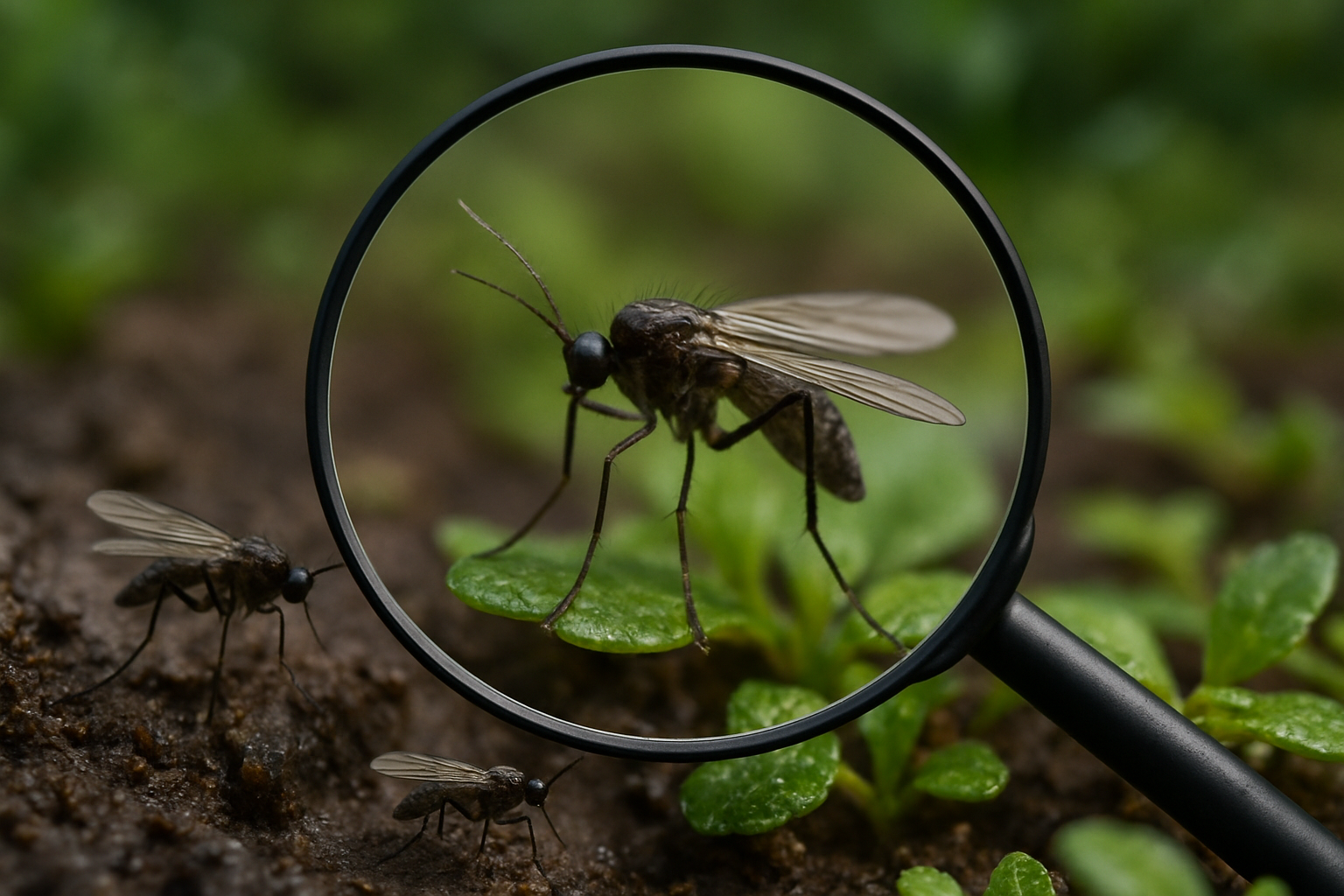
Fungus Gnats
Fungus gnats are the smallest of the trio, typically measuring 1‑3 mm in length. Their wings are clear with faint veins, and they hover low over moist soil rather than flying high. You’ll notice them darting around indoor potted plants or outdoor flower beds, especially after heavy rain. Their larvae thrive in damp organic matter, feeding on fungi and decaying roots.
Black‑Fly Gnats
Black‑fly gnats are slightly larger, ranging from 3‑5 mm, and sport a dark, almost metallic sheen. Unlike fungus gnats, they often form loose swarms near water sources such as clogged gutters or over‑watered lawns. Their wings have a subtle speckled pattern that becomes visible in bright light. Adults are short‑lived, but the larvae develop in flowing or stagnant water, making poor drainage a prime breeding ground.
Biting Midges
Biting midges, sometimes called “no‑see‑ums,” are the most notorious for their painful bites. Measuring 2‑4 mm, they have delicate, hair‑like wings that create a faint buzzing sound. These gnats are most active at dawn and dusk, congregating around poorly drained flower beds and shaded mulch. Female midges require blood meals to lay eggs, so their presence often signals a need for immediate control.
Key Identification Features
- Size: Fungus gnats (1‑3 mm), Black‑fly gnats (3‑5 mm), Biting midges (2‑4 mm).
- Wing pattern: Clear and vein‑light (fungus), speckled (black‑fly), hair‑like and almost invisible (biting midges).
- Behavior: Soil‑hovering (fungus), water‑adjacent swarms (black‑fly), dusk‑active bite seekers (biting midges).
Typical Breeding Sites in Loganville
All three species exploit moisture, but they each favor a specific niche:
- Damp mulch: Ideal for fungus gnats and biting midges.
- Over‑watered lawns: Attracts black‑fly gnats and provides a reservoir for fungus gnat larvae.
- Clogged gutters: Stagnant water becomes a nursery for black‑fly gnats.
- Poorly drained flower beds: Creates the perfect environment for biting midges to lay eggs.
“According to the Georgia Department of Agriculture, gnats rank among the top three yard pests for homeowners in 2023.” This statistic underscores why a one‑size‑fits‑all approach rarely works. Treating a fungus gnat problem with a broad‑spectrum adulticide may eliminate the flying adults but leave the soil‑dwelling larvae untouched, leading to a rapid rebound.
Why Accurate Identification Matters
Choosing the right treatment hinges on knowing exactly which gnat you’re facing. Fungus gnats respond best to soil drenches and organic mulching adjustments, while black‑fly gnats often require water‑flow management and targeted larvicides. Biting midges, on the other hand, demand adult‑focused sprays combined with habitat reduction. By pinpointing the species, you avoid unnecessary chemical applications, keep costs down, and protect the health of your family and pets—a core promise of Anthem Pest Control’s safe, effective solutions.
Economic Impact and Cost Drivers
When you ask, “How much will gnat control cost me?” the answer isn’t a single flat fee. When evaluating gnat control cost Loganville homeowners typically face, pricing is shaped by a mix of biological, logistical, and market forces. Understanding these drivers helps you compare quotes, budget accurately, and avoid surprise add-ons.
Key factors that shape your gnat‑control bill
- Infestation size. A handful of gnats around a patio requires far less product and labor than a dense swarm that has taken over a large yard.
- Treatment type. Chemical sprays generally cost less per square foot than non‑chemical options such as foggers, traps, or biological agents, which may need specialized equipment.
- Indoor vs. outdoor application. Indoor work often involves extra safety precautions, ventilation, and sometimes multiple visits, raising the price.
- Property square footage. Most pest‑control companies charge by the area they treat, so a 2,500‑sq‑ft home will naturally cost more than a 1,200‑sq‑ft cottage.
- Service frequency. One‑time treatments are priced higher per visit than a quarterly or semi‑annual maintenance plan, where the cost is spread over several applications.
What the EPA says about pesticide pricing
The U.S. Environmental Protection Agency tracks average pesticide application costs across the nation. According to their latest data, the typical expense ranges from $0.10 to $0.30 per square foot for residential treatments (EPA pesticide costs). This range reflects the broad spectrum of products—from low‑toxicity sprays to more intensive formulations.
Seasonal labor premiums
Demand for pest‑control services spikes in the warm months when gnats and other flying insects are most active. To meet that surge, many companies apply a seasonal labor premium of roughly 15 % higher rates during summer. The premium covers overtime, additional crew members, and the logistics of scheduling tighter windows.
Putting the numbers together – typical cost benchmarks for Loganville homes
Let’s walk through a realistic scenario for a typical Loganville homeowner:
- Home size: 2,000 sq ft (both indoor and a modest backyard).
- Chosen treatment: chemical spray (the most common, cost‑effective option).
- Base EPA cost: $0.20 per sq ft (midpoint of the EPA range).
- Base labor: 2 hours @ $80 /hr = $160.
Calculation:
- Product application: 2,000 sq ft × $0.20 = $400
- Labor (pre‑summer): $160
- Total before seasonal premium: $560
If the service is scheduled in July, add the 15 % summer premium:
- Seasonal premium: $560 × 0.15 = $84
- Estimated summer cost: $644
Homeowners who opt for a quarterly maintenance plan often see the per‑visit price drop to around $500, because the total annual expense is spread across four visits and the company can plan routes more efficiently.
What to watch for in 2024
All figures above rely on the EPA’s most recent publicly available data. The agency is expected to release an updated 2024 pesticide‑cost report later this year. When that information becomes available, it may shift the $0.10‑$0.30 per‑square‑foot range slightly—either upward if new regulations raise formulation costs, or downward if newer, greener products become mainstream.
At Anthem Pest Control, we keep an eye on those updates and adjust our transparent pricing accordingly. By breaking down the cost drivers for you, we aim to make the decision‑making process as clear as a summer sky—no hidden fees, just honest, affordable gnat control.
Typical Gnat‑Control Pricing in Loganville
Homeowners in Loganville who are fed up with swarms of gnats quickly discover that professional treatment is both effective and reasonably priced. When evaluating gnat control cost Loganville residents can expect, Anthem Pest Control structures its fees around the size of the property, the level of infestation, and the type of service you choose. Below is a clear breakdown of what you can expect to pay for the most common gnat-control options in the area.
One‑time outdoor treatment
This service targets gnats breeding in yards, gardens, and around exterior lighting. For properties up to 2,500 sq ft, the cost typically ranges from $120 to $250. The price variation depends on factors such as the severity of the infestation, the presence of standing water, and any special landscaping features that may require extra attention.
Indoor fogging
If gnats have found their way inside your home, a professional fogging session is the fastest way to clear the air. Expect to pay between $180 and $320 per visit. The higher end of the range reflects larger homes, multiple treatment zones, or the need for stronger, low‑odor formulations that meet indoor safety standards.
Quarterly maintenance package
For homeowners who want to stay ahead of seasonal spikes, Anthem offers a quarterly maintenance plan. This bundled service includes two outdoor treatments and one indoor fogging each year, priced at $450 to $650 annually. The package not only smooths out the cost over four visits but also provides a built‑in guarantee that gnats won’t return between treatments.
Comparison note: Neighboring Lawrenceville typically charges about $20 more per visit for comparable gnat‑control services. That price gap reflects differences in market demand, local tax rates, and the level of competition among pest‑control providers.
Understanding these price points helps you weigh the short‑term expense against the long‑term benefit of a gnat‑free environment. While a one‑time outdoor spray may solve a minor flare‑up, a quarterly maintenance plan can prevent future infestations and protect your family from the irritation and health risks associated with gnats. When you choose Anthem Pest Control, you also gain the reassurance of transparent pricing, no hidden fees, and a service team that follows strict safety protocols.
| Service Tier | Typical Cost | Includes |
|---|
Treatment Options – Chemical and Non‑Chemical
When gnats start buzzing around your porch lights or kitchen sink, you have two broad paths to take: chemical treatments that knock them out fast, or non‑chemical strategies that target the root causes. Understanding the strengths and limits of each approach helps you decide whether a DIY kit will do the job or if you should call a licensed professional like Anthem Pest Control.
Chemical Options
Professional exterminators typically reach for EPA‑registered products that have been tested for safety and efficacy. The most common categories include:
- Pyrethrin‑based sprays – Derived from chrysanthemum flowers, these fast‑acting insecticides knock down adult gnats on contact. They’re ideal for spot‑treating indoor air‑conditioning drains and outdoor vegetation.
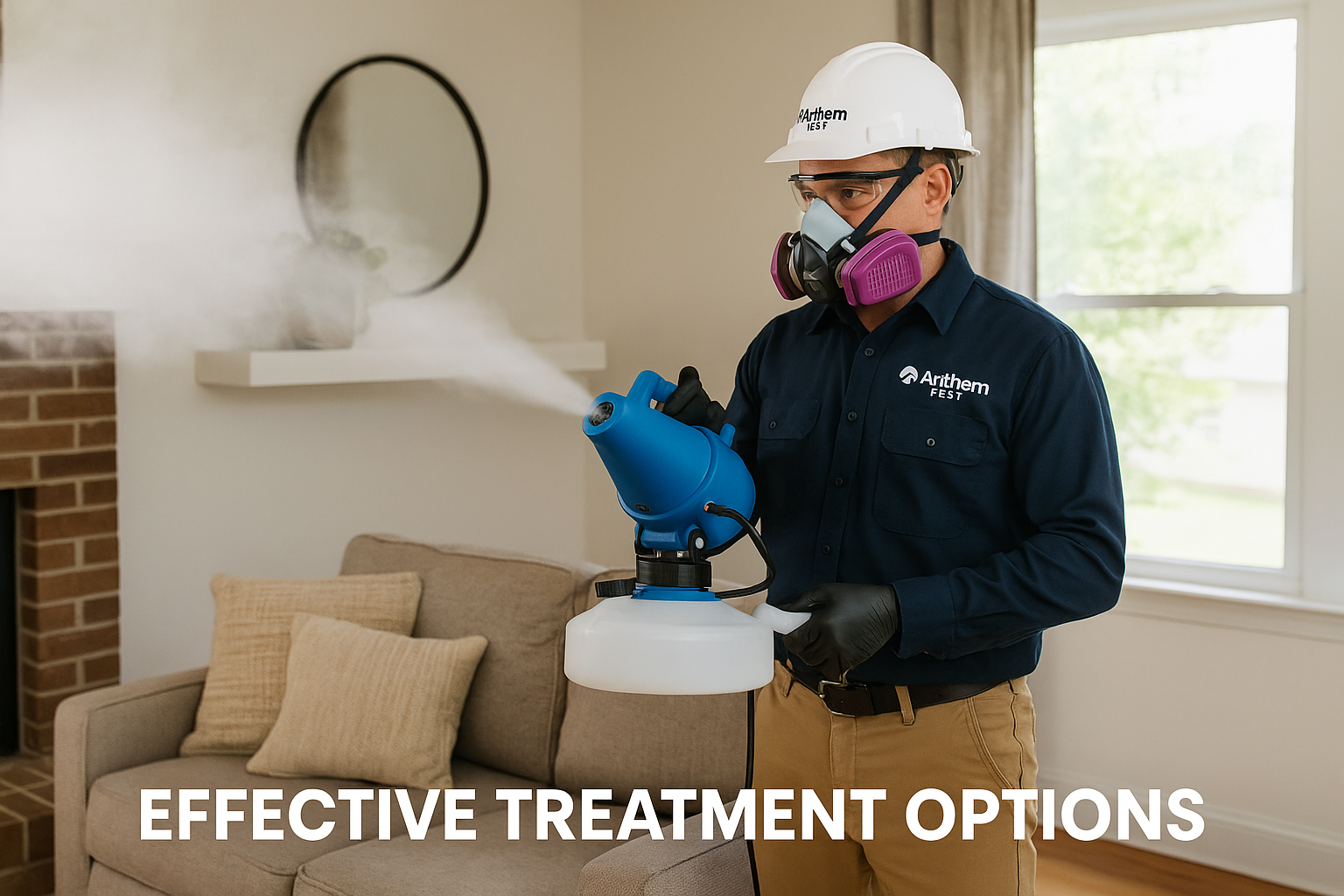
- Residual foggers – Also called “mist blowers,” these devices disperse a fine aerosol that settles on surfaces and continues to kill gnats for weeks. Because the fog penetrates hard‑to‑reach cracks, it’s often the go‑to method for larger infestations.
- EPA‑registered products – Formulations that combine pyrethrins with synergists (e.g., piperonyl butoxide) extend the residual effect and improve knock‑down rates, especially in humid climates like Loganville.
While chemical treatments deliver rapid results, they come with considerations: potential toxicity to pets and children, the need for proper ventilation, and the possibility of gnats developing resistance if the same product is overused.
Non‑Chemical Options
Non‑chemical methods focus on making the environment inhospitable to gnats, often with long‑term benefits.
- Soil drying – Over‑watering creates moist soil that serves as a breeding ground. Reducing irrigation frequency and improving drainage dries out larvae habitats.
- Biological controls – Bacillus thuringiensis israelensis (Bti) is a naturally occurring bacterium that specifically targets gnat larvae in water without harming beneficial insects.
- UV light traps – These devices emit ultraviolet light that attracts adult gnats, then capture them on a sticky surface. They’re useful for indoor spaces where chemical fogging isn’t practical.
Non‑chemical solutions are generally safer for families and pets, but they may require more patience and consistent maintenance to keep gnats at bay.
DIY Kits vs. Professional Services
Homeowners often wonder if a store‑bought spray or fogger can replace a licensed pest‑control company. Below is a quick side‑by‑side comparison:
| Aspect | DIY Kits | Professional Service |
|---|---|---|
| Cost upfront | Low – typically $15‑$40 per can | Higher – average $120‑$250 for a full fogging treatment |
| Effectiveness | Variable; often limited to surface insects | High; EPA‑registered products applied by trained technicians |
| Safety | Requires careful handling; risk of over‑application | Technician follows safety protocols and provides post‑treatment guidance |
| Warranty | None | Typically includes a 30‑day guarantee against repeat infestations |
| Long‑term control | Often short‑lived; may need repeated applications | Integrated approach (chemical + non‑chemical) reduces re‑infestation rates |
A 2022 NPMA study found that professional pest‑control services cut repeat gnat infestations by 68 % compared with DIY attempts (NPMA pricing statistics). The study highlighted that licensed technicians not only apply the right product at the correct dosage, but they also combine chemical treatment with habitat modification—something most DIY kits overlook.
Safety, Effectiveness, and Warranty Considerations
Choosing a professional fogging service brings three key advantages. First, safety: technicians wear protective gear and follow EPA label instructions, minimizing exposure for you and your family. Second, effectiveness: a calibrated fogger distributes a uniform mist that reaches hidden breeding sites, delivering a consistent residual kill. Third, warranty: Anthem Pest Control backs each treatment with a satisfaction guarantee, offering a free follow‑up visit if gnats return within the warranty window.
If you prefer a DIY route, start with a low‑toxicity pyrethrin spray for immediate relief, pair it with Bti granules for larvae control, and adopt soil‑drying practices. Monitor results for at least two weeks—if gnats persist, it’s time to call a professional for a comprehensive fogging and prevention plan.
Seasonal Timing and Prevention Checklist
In Loganville, gnat activity spikes as soon as the weather warms above 65°F. The most effective window to get ahead of the infestation is early May—right before adult gnats take to the air. Treating your yard and home during this narrow pre‑emergent period not only stops the swarm before it starts, it also slashes the number of follow‑up visits you’ll need later in the summer. In practice, a single early‑May service can reduce the total cost of control by up to 30 % because the pest‑control team won’t have to return for multiple “touch‑up” applications.

Key Preventive Actions
While a professional treatment creates a chemical barrier, lasting control comes from good housekeeping. Here are the six actions every Loganville homeowner should adopt before the first gnat eggs hatch:
- Fix drainage problems: Standing water is a gnat nursery. Ensure gutters, downspouts, and low‑lying spots in the yard are clear and sloped away from the foundation.
- Trim low‑lying vegetation: Overgrown shrubs and grass retain moisture. Prune to improve airflow and reduce shade that keeps soil damp.
- Replace excess mulch with sand in potting mixes: Mulch holds water. Swap a thin layer of mulch for coarse sand or gravel around base‑crown plants to keep the soil surface dry.
- Install tight‑fitting window screens: Gnats can slip through gaps as small as 1 mm. Seal screens around windows and doors to keep the insects outside where they belong.
- Use outdoor fans: A gentle breeze disrupts gnat flight patterns. Position a fan on patios or near outdoor seating areas to create an inhospitable environment.
- Eliminate organic debris: Fallen leaves, compost piles, and pet waste provide food for larvae. Regularly rake and dispose of these materials.
Quick‑Reference Checklist
- ☐ Schedule a professional pre‑emptive treatment for early May.
- ☐ Inspect and clear all drainage pathways around the home.
- ☐ Trim shrubs, grasses, and any vegetation that touches the ground.
- ☐ Replace thick mulch layers with sand or gravel in pots and garden beds.
- ☐ Check window and door screens for tears; repair or replace as needed.
- ☐ Set up a fan on outdoor living spaces during peak evening hours.
- ☐ Remove leaf litter, compost overflow, and pet waste weekly.
By ticking off each item on this list before mid‑May, you create a hostile environment for gnats and give Anthem Pest Control the best possible starting point for a cost‑effective, long‑lasting solution. Early action means fewer chemicals, fewer technician trips, and a quieter summer on your porch.
Local Neighborhood Insights
Eastside Historic District
The Eastside Historic District is dotted with homes built before the 1970s, many of which sit beneath mature oaks and magnolias. Those towering trees shed leaves and organic debris that decompose into a rich, moist substrate—perfect breeding grounds for fungus gnats. Because the soil is often shaded and retains moisture longer, gnats can proliferate unnoticed until they start buzzing around indoor lights. Homeowners in this area typically see higher treatment frequencies, which can raise the overall service cost by 10‑15 % compared with newer neighborhoods.
Westside Subdivision
Westside is a newer subdivision where curb appeal hinges on lush lawns, ornamental shrubs, and sophisticated irrigation systems. While the landscaping looks immaculate, over‑watering is a common pitfall; excess water creates the damp soil layers gnats love. In addition, drip‑line emitters can leave pockets of moisture that are hard for the naked eye to spot, allowing infestations to spread before a homeowner notices any activity. The need for targeted soil‑drying treatments and occasional re‑programming of irrigation schedules often adds a modest line‑item to the quote, usually a flat fee of $30‑$50 per visit.
Downtown Commercial Corridor
The downtown corridor blends retail storefronts, mixed‑use buildings, and a handful of historic residences. Heavy foot traffic and frequent deliveries mean gutters and downspouts become clogged with leaves, food waste, and construction debris. When these drainage pathways back up, water pools on sidewalks and around building foundations, creating outdoor gnats hotspots that can migrate indoors. Commercial property owners generally require broader perimeter treatments and regular gutter maintenance, which can increase the base price by roughly $75‑$100 per service cycle.
Across all three zones, three factors drive both the severity of a gnat problem and the price tag you’ll see on the invoice:
- Property age: Older homes often have more cracks, older landscaping, and accumulated organic matter, all of which boost gnat habitats.
- Landscaping style: Dense plantings, mulched beds, and irrigation practices directly affect soil moisture levels—the key ingredient for gnats.
- Micro‑climate: Shade, wind patterns, and drainage quirks create micro‑environments where gnats thrive, demanding customized treatment plans.
Understanding how these local nuances shape gnat activity helps Anthem Pest tailor a cost‑effective solution—whether that means adjusting watering schedules, adding a preventive perimeter barrier, or scheduling more frequent follow‑ups in high‑risk zones.
Choosing a Gnat‑Control Service Provider
When gnats turn your porch into a buzzing nightmare, the right professional can make the difference between a quick fix and a recurring problem. Before you hand over your home’s safety to any pest‑control company, run through a short but thorough checklist. It ensures you get effective treatment, stay within budget, and avoid surprises later.
Checklist for Vetting Gnat‑Control Companies
- Valid Georgia license: The company must hold an active state pest‑control license. This proves they’ve met Georgia’s training and regulatory standards.
- EPA‑registered product use: Look for firms that only apply chemicals approved by the Environmental Protection Agency. EPA registration guarantees the products have been evaluated for safety and efficacy.
- Liability insurance: Accidents happen. A reputable provider carries liability insurance that protects you if equipment damages property or a technician is injured on the job.
- Guaranteed treatment plans: Confidence in their work shows up as a warranty or guarantee—often a free re‑treatment if gnats return within a set period.
- Transparent pricing: The estimate should break down labor, product costs, and any follow‑up visits. Hidden fees are a red flag.
- Positive customer reviews: Real‑world feedback on platforms like Google, Yelp, or the Better Business Bureau reveals how consistently a company delivers results and customer service.
Cross‑checking each item will filter out fly‑by‑night operators and narrow your options to professionals who truly understand gnat biology, local climate, and homeowner concerns.
Why Anthem Pest Stands Out
Among the vetted choices, Anthem Pest consistently checks every box on the list, making it a trusted partner for Loganville homeowners.
- Licensed Georgia operator: Anthem Pest holds a current state license, meaning every technician is trained on Georgia’s specific pest‑control regulations.
- 24‑hour response time: Gnats don’t wait, and neither does Anthem. Their rapid‑response team can assess and begin treatment within a day of your call.
- Clear pricing structure: Their quotes separate the cost of EPA‑registered treatments, labor, and any recommended follow‑up visits. No surprise add‑ons—just a straightforward price you can budget for.
- Dedicated gnat‑control specialists: Rather than a generic “pest” technician, Anthem assigns staff who focus on flying insects. These specialists know the breeding hotspots—standing water, compost piles, and over‑ripe fruit—and apply targeted treatments that break the life cycle.
- Liability coverage and guarantees: Anthem carries full liability insurance and backs its work with a satisfaction guarantee. If gnats reappear within the agreed window, they’ll return at no extra charge.
- Rave reviews from neighbors: A quick search of local review sites shows homeowners praising Anthem’s professionalism, punctuality, and lasting results.
Choosing a gnat‑control provider doesn’t have to feel like a gamble. Follow the checklist, compare the facts, and you’ll likely find Anthem Pest to be the local, reliable option that delivers a peaceful, gnat‑free home.
Frequently Asked Questions
How long does a treatment last?
Most residential gnat programs in Loganville rely on a residual chemical barrier that remains active for 4 to 6 weeks. The product is formulated to cling to soil, mulch, and plant foliage, slowly releasing a low‑dose insecticide that kills gnats as they come into contact. If you combine that barrier with non‑chemical methods—such as eliminating standing water, trimming over‑grown vegetation, and using targeted baits—the protective effect can extend well beyond the chemical window, especially when you keep up with regular yard maintenance.
Are treatments safe for pets and children?
Anthem Pest Control uses only EPA‑approved products that are classified as low‑toxicity for humans and animals. When applied by our certified technicians, the chemicals are placed in precise locations—underneath mulch, around the perimeter of your home, or directly on problem plants—so they do not drift onto play areas or pet pathways. Our crew follows strict safety protocols: they wear protective gear, keep pets indoors during application, and advise a short waiting period (usually 30 minutes) before allowing children back onto treated surfaces. This approach balances effective gnat control with the peace of mind you need for your family.
Can gnats return after treatment?
Re‑infestation is possible if the underlying attractants aren’t addressed. Gnats thrive in moist, organic environments, so lingering standing water, decaying leaves, or poorly drained soil can invite them back. That’s why Anthem recommends a follow‑up visit within two weeks to assess residual coverage and a seasonal maintenance package that includes quarterly inspections and re‑applications as needed. Homeowners also play a crucial role: regularly emptying bird baths, cleaning clogged gutters, and pruning dense foliage dramatically reduces the chances of a repeat outbreak. By pairing professional treatment with these simple preventive steps, you’ll keep gnats at bay year after year.
Final Takeaways and Call to Action
When it comes to gnat control in Loganville, Georgia, the most effective strategy starts with a solid understanding of what you’re dealing with. Knowing the species—whether fungus gnats, fruit flies, or biting midges—helps pinpoint the right treatment and prevents wasted effort.
Key points to remember
- Cost drivers: Property size, infestation severity, and the chosen treatment method (chemical, biological, or cultural) shape the final price.
- Typical pricing: Homeowners in Loganville can expect a baseline range of $150‑$300 for a single‑service treatment, with ongoing maintenance plans averaging $75‑$120 per visit.
- Treatment options: Spot‑treatments, perimeter sprays, soil drenches, and environmentally‑friendly larvicides each have a place depending on the gnat lifecycle you’re targeting.
- Timing matters: Early summer and after heavy rains are peak periods; acting quickly reduces the need for repeated applications.
- Choosing a provider: Look for licensed technicians, transparent quotes, and a track record of data‑driven results in the local area.
Investing in a professional, data‑driven approach does more than just eliminate the immediate nuisance. By addressing breeding sites, moisture sources, and adult flight paths, a qualified pest‑control partner can lower your long‑term expenses and protect your family’s health from potential allergic reactions or skin irritation caused by gnats.
That’s why Anthem Pest emphasizes a thorough inspection before any chemical is applied. Our technicians use the latest monitoring tools to map infestation hotspots, then tailor a plan that balances effectiveness with safety. The result is a solution that saves you money over time—fewer repeat visits, reduced damage to plants, and a healthier outdoor living space.
If you’re ready to protect your home and enjoy a gnat-free yard, contact Anthem Pest today to learn more about gnat control cost Loganville homeowners can expect for safe, effective treatment. Our friendly team is standing by at 877-371-8196, or you can visit Anthem Pest Control to schedule your inspection.