Why a Local Spider Exterminator Matters in Druid Hills

Spider sightings are a routine part of life in the Atlanta metro area, and Druid Hills is no exception. If you’re searching for a reliable spider exterminator near me Druid Hills, it’s likely because the neighborhood’s humid climate and a stock of older homes with basements create the perfect hide-outs for a variety of spiders, from harmless house spiders to the more concerning brown recluse and black widow.
Those bites aren’t just uncomfortable – they can be medically serious. According to the CDC, Georgia recorded roughly 1,200 spider‑related emergency department visits in 2024, underscoring the health risk that even a single bite can pose to families, especially children and seniors.
Beyond health, a heavy web infestation can damage stored items, block vents, and create an unsightly environment that lowers curb appeal. Homeowners often discover ruined clothing, paper, or electronics after a spider colony has taken up residence in a basement or attic.
That’s where a local exterminator makes a difference. A Druid Hills‑based technician knows the exact micro‑habitats—such as the damp crawl spaces behind historic brick foundations or the shaded garden beds that attract wandering females. Because they work in the neighborhood daily, they can respond within hours, apply treatments that target the specific species present, and advise homeowners on long‑term prevention tailored to local conditions.
When you call a local company like Anthem Pest Control, the service team already has a map of Druid Hills’ high‑risk zones, from the shaded oak‑lined streets to the older duplexes near Emory University. This geographic familiarity reduces guesswork, allowing the technician to place bait stations, apply residual sprays, and schedule follow‑up visits exactly where they’re needed—saving you time, money, and the anxiety of a surprise spider encounter.
The Spiders You’re Likely to Encounter
Living in Druid Hills means sharing space with a handful of spider species that are both common and often misunderstood. Knowing what they look like, where they like to hide, and how risky they are can save you time, worry, and unnecessary pesticide use. Below is a quick rundown of the three spiders you’re most likely to bump into around your home.
Brown Recluse
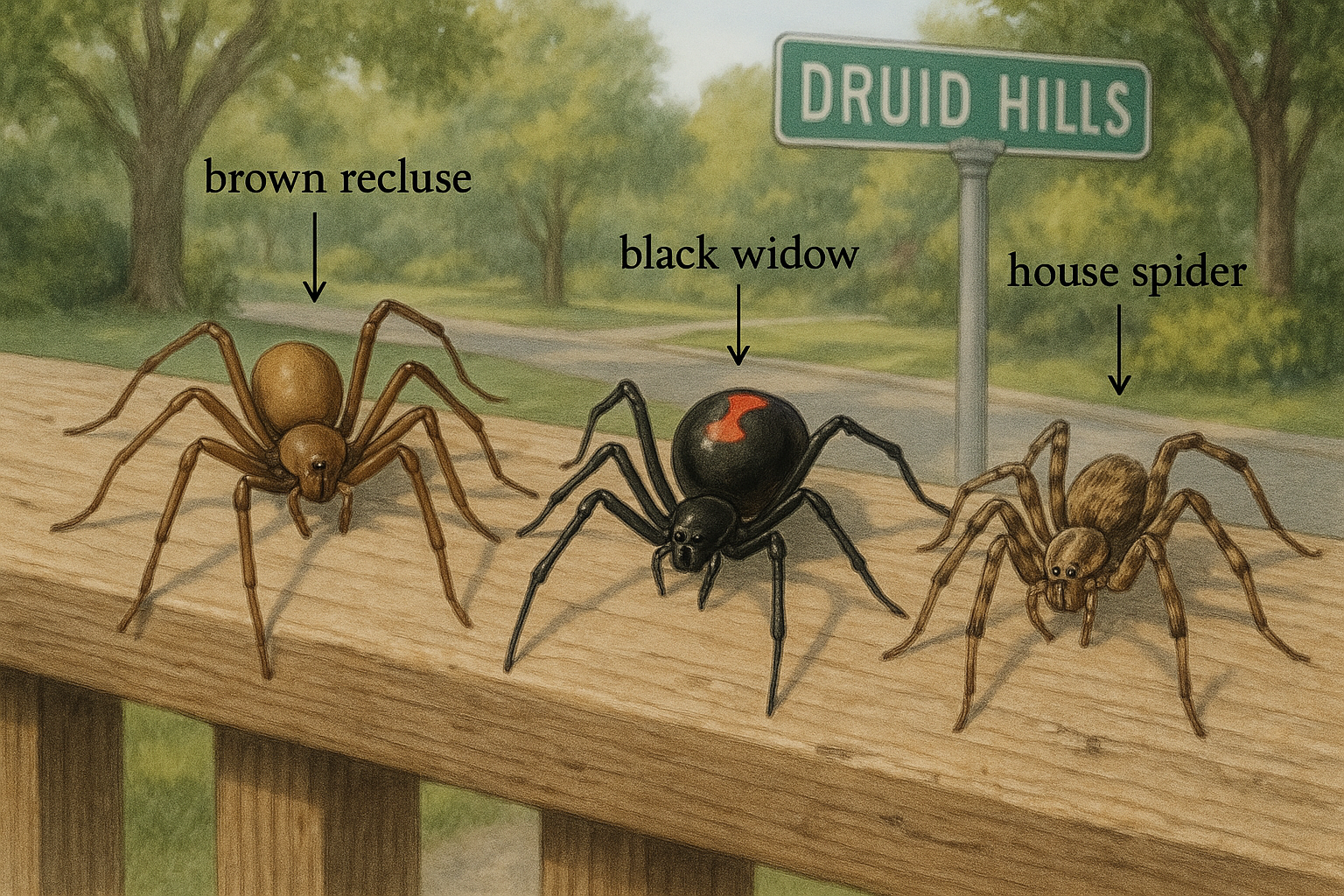
The brown recluse measures roughly 6–12 mm (about the size of a grain of rice) and sports a distinctive violin‑shaped marking on its dorsal side. It prefers quiet indoor retreats—think closets, attics, and undisturbed corners of basements. While bites are rare, the 2024 EPA data records an incidence of about 5–10 per 100,000 residents, making it the most medically significant spider in the area. Prompt identification and professional removal are key if you suspect its presence.
Black Widow
Black widows are instantly recognizable by their glossy black bodies and the bright red hourglass on the underside of the abdomen. They favor outdoor structures such as woodpiles, sheds, and eaves, but can wander indoors during cooler months. Their venom is more toxic than that of the brown recluse, yet encounters are less frequent, resulting in a lower overall bite rate. Still, any suspected bite should be treated as a medical emergency.
House Spider
The common house spider is small, tan‑brown, and harmless to humans. You’ll often find it spinning webs in corners, basements, and around window frames. These spiders help control other household insects, and their bites are virtually never reported. They’re a sign of a balanced indoor ecosystem rather than a cause for alarm.
| Species | Size (mm) | Coloration | Typical Habitat | Bite Incidence (per 100,000) |
|---|---|---|---|---|
| Brown Recluse | 6–12 | Tan‑brown with violin marking | Indoor corners, closets, basements | 5–10 |
| Black Widow | 10–15 | Glossy black, red hourglass | Outdoor structures, eaves, woodpiles | ≈2 |
| House Spider | 4–8 | Tan‑brown, unmarked | Indoor corners, basements, windows | 0–1 |
Note: Verify the EPA bite‑incidence figures for 2024 before citing them in any formal report.
Signs It’s Time to Hire an Exterminator
Even the most diligent homeowner can overlook subtle clues that spiders are moving beyond a harmless presence. When those clues start to multiply, it’s a clear signal that professional help is the safest, most effective next step.
1. Increased spider sightings in living spaces and basements
If you’re constantly spotting spiders on countertops, in closets, or crawling out of the basement stairs, the infestation is likely expanding. A few occasional visitors are normal, but a steady stream means the colony has found a comfortable habitat inside your home.
2. Presence of large or irregular webs inside the home
Webs that stretch across doorways, drape over furniture, or appear in corners where they shouldn’t be are a red flag. Irregular, dense webs often belong to larger species such as cellar spiders or wolf spiders, which can be more aggressive and harder to control without professional treatment.
3. Discovery of egg sacs or “spider nests”
Finding silken egg sacs tucked behind baseboards, in wall voids, or tucked inside insulation is a tell‑tale sign that spiders are reproducing on site. One sac can contain dozens of eggs, and each will hatch into new spiders that quickly multiply the problem.
4. Any confirmed bite incident, especially with lingering pain or swelling
A bite that leaves more than a fleeting itch—persistent pain, swelling, or redness—should never be ignored. While most common house spiders are harmless, a bite can indicate the presence of a more dangerous species that requires immediate professional assessment.
“68% of homeowners wait until a bite occurs before seeking help.” – 2023 NPMA homeowner survey
Early intervention not only protects your loved ones but also saves money in the long run. Small infestations can be handled with a single treatment, while unchecked colonies often require multiple visits and more intensive (and expensive) remediation. Acting at the first sign helps you avoid those higher costs and keeps your home’s warranty and insurance intact.
When one or more of these warning signs appear, delaying treatment can lead to larger colonies, more frequent bites, and increased damage to your home’s structure. Anthem Pest Control’s trained technicians can identify the species, locate hidden nests, and apply targeted, low‑toxicity solutions that keep your family safe and your home spider‑free.
What to Look for in a Local Service
Choosing a spider exterminator near me Druid Hills isn’t just about who shows up with the biggest spray tank. In Druid Hills, GA, a reputable company should tick several essential boxes before you hand over the keys to your home.
1. Verify Georgia licensing and insurance
Every pest‑control business operating in the Peach State must hold a valid Georgia pesticide license issued by the Department of Agriculture. Ask to see the license number and confirm it’s current. Insurance is equally critical; a fully insured provider protects you from accidental property damage or injuries that could occur during treatment.
2. Look for strong local reviews and quick response times
Homeowners in Druid Hills rely heavily on word‑of‑mouth and online feedback. Check Google, Yelp, and neighborhood forums for recent comments about punctuality, professionalism, and effectiveness. A company that consistently replies to inquiries within 24 hours shows they value your time and the urgency of a spider infestation.
3. Preference for Integrated Pest Management (IPM) practices
IPM blends prevention, monitoring, and targeted treatment to keep pests under control while minimizing chemical use. Providers that conduct thorough inspections, identify entry points, and recommend structural fixes are demonstrating a long‑term, eco‑friendly approach—exactly what responsible homeowners want.
4. Why Anthem Pest stands out
- 15‑year service record in the Atlanta metro area, proving stability and local expertise.
- 4.8‑star Google rating from hundreds of satisfied Druid Hills customers.
- Member of the National Pest Management Association (NPMA), confirming adherence to industry best practices.
- Fully licensed in Georgia and carries comprehensive liability insurance.
- Uses IPM‑based treatment plans that prioritize safety for families and pets.
Visit Anthem Pest homepage for a complete overview, or head straight to the Druid Hills service page to schedule a free inspection.
5. Ask the right questions
Before signing any agreement, request a written estimate that outlines the treatment steps, follow‑up visits, and warranty details. Confirm how long the technician will stay on the job, what safety precautions are taken, and whether they offer a satisfaction guarantee.
By confirming licensing, reviewing local feedback, prioritizing IPM, and choosing a proven provider like Anthem Pest, you’ll secure a spider‑free home without unnecessary risk or expense.
How Professionals Eradicate Spiders Safely
1. Initial Inspection – Finding the Source
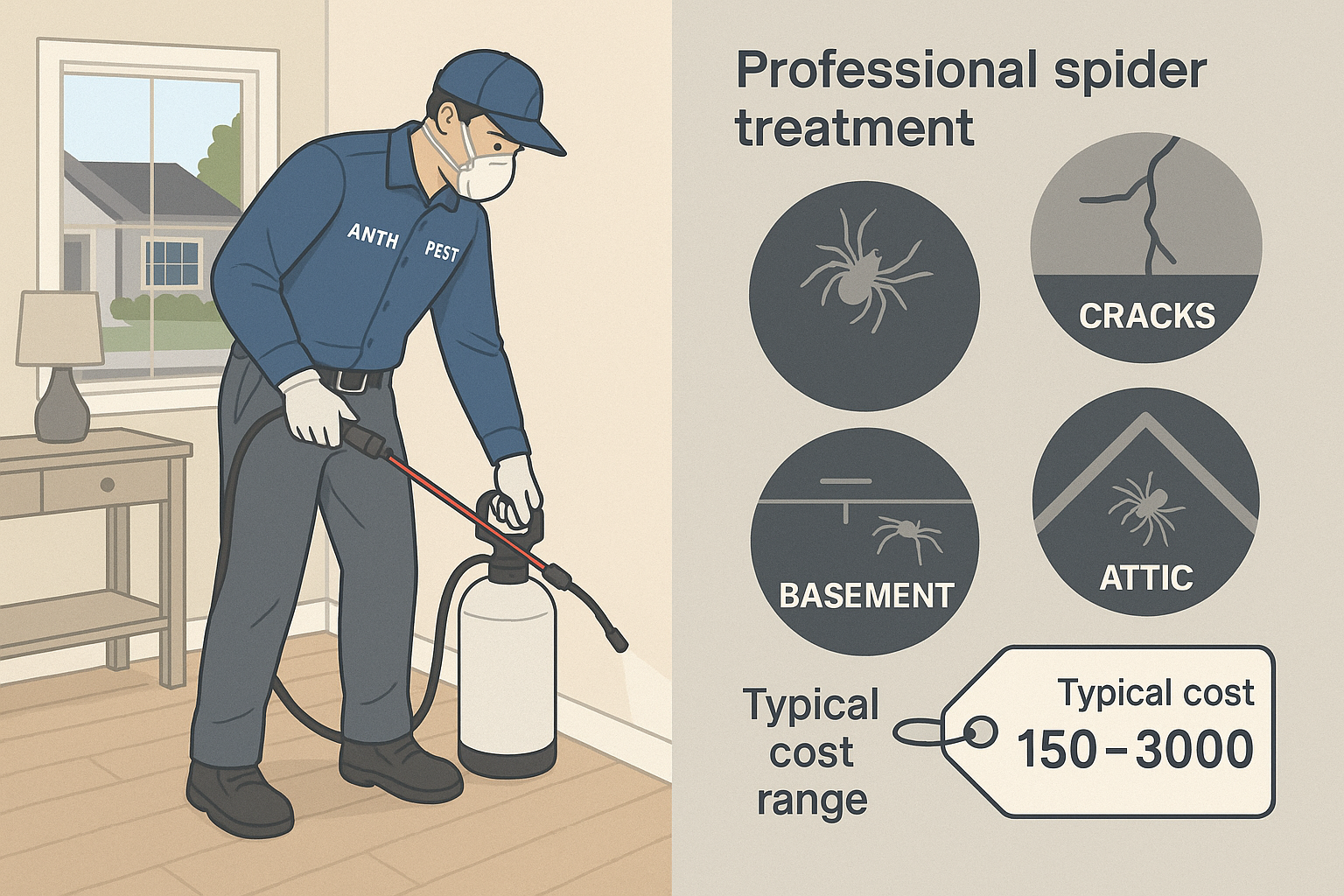
When a certified technician arrives, the first 30‑45 minutes are spent walking through your home with a flashlight and a magnifying glass. They locate common entry points such as door cracks, window screens, and utility openings, then map out existing spider webs, egg sacs, and any signs of activity. By documenting these hotspots, the professional creates a targeted treatment plan that avoids unnecessary chemical use and protects family members and pets.
2. Targeted Low‑Toxicity Spray Application
Anthem Pest Control relies on EPA‑approved, low‑toxicity sprays that are specifically formulated for arachnids. The technician applies the product only where spiders have been observed or where they are likely to travel—baseboards, corners, and outdoor perimeters. These sprays act quickly to incapacitate adult spiders while leaving a residual barrier that deters new arrivals for weeks. Because the chemicals meet strict EPA safety standards, they pose minimal risk to humans, children, and pets when used as directed.
3. Dusting Cracks and Voids for Residual Control
In addition to liquid sprays, professionals dust hard‑to‑reach areas such as wall voids, attic spaces, and floorboard gaps with a fine, EPA‑registered insecticide dust. The dust adheres to surfaces and remains effective for months, providing ongoing protection against hatchlings emerging from hidden egg sacs. This step is especially important in older homes where spiders can hide in structural voids that are difficult to spray directly.
4. Follow‑Up Visit(s) – Ensuring Success
Most spider infestations are resolved after one to two visits. During the follow‑up, the technician re‑inspects the treated zones, checks for any new webs or egg sacs, and may apply a second, lighter spray if needed. Studies show that a two‑visit protocol yields a success rate of over 90 % for residential spider control. The follow‑up also gives homeowners a chance to ask questions about prevention and maintenance.
5. Pricing – What You Can Expect
Anthem Pest Control offers transparent pricing based on the size of the home and the severity of the infestation. A standard residential treatment typically falls between $150 and $300. Larger properties, multi‑family units, or severe spider problems that require extensive dusting and multiple follow‑ups can reach up to $500. These figures align with the 2024 EPA pesticide pricing guidelines, which set a benchmark for safe, effective, and affordable pest‑management services.
By following this step‑by‑step process—inspection, low‑toxicity spray, targeted dusting, and a diligent follow‑up—professional exterminators eliminate spiders while keeping your household safe and your budget in check.
DIY Steps to Keep Spiders Out Year‑Round
Spiders are attracted to the same things that draw other insects—cracks, clutter, and bright lights. By tackling these entry points and habitat‑friendly conditions, you can dramatically reduce the chance of an unwanted eight‑legged guest showing up on your walls. The good news? Most of these actions cost less than a weekend DIY project.
1. Seal Cracks, Gaps, and Utility Openings
Every gap around windows, doors, pipes, and vents is a potential spider highway. Use a silicone‑based caulk for interior seams and an exterior‑grade, paint‑able sealant for outside cracks. Weatherstripping around doors and windows not only blocks drafts but also cuts off the tiny insects spiders hunt. According to a 2023 University of Georgia Extension study, homeowners who sealed entry points reported a 60% drop in spider sightings (UGA Extension 2023).
2. Reduce Indoor Clutter
Basements, attics, and storage rooms are spider hideouts when they’re filled with boxes, laundry, or old furniture. Keep these spaces tidy: store items off the floor, use clear plastic bins with tight‑fitting lids, and vacuum corners regularly. A clutter‑free zone eliminates the dark, undisturbed corners spiders love.
3. Optimize Exterior Lighting
Bright white bulbs attract flies, moths, and other insects that serve as spider food. Swap to warm‑tone, yellow‑light LED bulbs on porch and patio fixtures. The softer glow draws fewer insects, which in turn makes your home less appealing to spiders looking for a buffet.
4. Landscape Smartly
Vegetation that brushes against your foundation creates a bridge for pests. Trim shrubs, vines, and tree branches at least 12 inches away from the house. Keep mulch or wood chips at least a foot from the siding; these organic piles retain moisture and attract insects, inviting spiders to set up shop nearby.
5. Keep Moisture in Check
Spiders gravitate toward damp areas. Fix leaky faucets, direct downspouts away from the foundation, and use a dehumidifier in basements if humidity stays above 60%. Dry spaces are far less inviting for both spiders and the insects they prey on.
By integrating these straightforward steps into your regular home‑maintenance routine, you’ll create an environment that’s hostile to spiders without spending a fortune. Consistency is key—once the entry points are sealed and the habitat is less hospitable, you’ll notice fewer webs and fewer surprise encounters throughout the year.
When to Schedule Inspections
Timing is everything when it comes to keeping spiders out of your home. If you’re considering hiring a spider exterminator near me Druid Hills, aligning inspections with the bugs’ natural rhythms helps you catch them before they turn your living spaces into a web-filled hallway. Below is a quick seasonal guide that helps you stay one step ahead.
Spring (March) – Peak Mating Season
As temperatures climb, male spiders flood the neighborhood looking for mates. This is the moment they’re most visible outside, but also the time they start scouting for indoor shelters. A pre‑season inspection in early March lets a professional identify vulnerable entry points and apply a preventative barrier before the swarm reaches your doors.
Summer – Active Hunting
During the hot months, many species shift from mating to hunting. They’re drawn to cool, dark corners inside homes—basements, attics, and closets. Schedule a mid‑summer check‑up if you notice increased activity around windows or light fixtures. A targeted treatment can reduce indoor populations before they become a nuisance.
Fall (October) – Seeking Shelter
When the leaves start to fall, spiders look for warm, protected places to ride out the winter. October is the ideal time for a post‑season follow‑up. An inspection now helps seal cracks and gaps that might otherwise become permanent entryways, keeping the next year’s infestation at bay.
Local Insight: Druid Hills Micro‑Habitats
Neighborhoods along Ponce de Leon Avenue and the Emory University campus are especially prone to spider activity. The dense canopy and abundant garden beds create micro‑habitats that harbor a variety of species. Homeowners in these areas should consider an extra inspection in early spring and a thorough seal‑up before the first frost.
Quick Answers for Homeowners
Are spider bites dangerous?
Most spider bites are harmless, causing only minor redness and itching that usually fade quickly. However, a few species—such as the black widow or brown recluse—can inject venom that leads to more serious symptoms like muscle cramps, fever, or necrotic lesions. Signs of a concerning bite include rapid swelling, intense pain, nausea, or a spreading ulcer. If you notice any of these, seek medical attention promptly. For an overview of spider‑bite risks and first aid, see the CDC spider bite information.
How long does treatment last?
After a professional Integrated Pest Management (IPM) program, residual protection typically remains effective for 3 – 6 months. Our technicians apply low‑toxicity, EPA‑approved products that continue to deter spiders while we monitor for any resurgence. Most homeowners see a drop in activity after the first visit, and we schedule a follow‑up inspection to confirm the barrier is still intact. In high‑risk seasons—late summer and fall—we may recommend a spot‑treatment to keep the protection window at its maximum.
Is treatment pet‑safe?
Yes. Anthem Pest uses EPA‑approved formulations with low toxicity to mammals, applied in a way that limits exposure—targeting cracks, voids, and baseboards rather than open surfaces. The products are low‑odor and dry quickly, but we advise keeping pets off treated zones for 2‑4 hours and storing food or dishes out of reach until the area is dry. Ventilating the space for a short period after application adds a layer of safety. Detailed safety guidelines are available on the EPA pesticide safety page.
Fast, Local Service at Your Fingertips
When a spider or any unwanted guest shows up, you need help now. Call 877‑371‑8196 and you’ll be connected directly to Anthem Pest’s Druid Hills team, ready to dispatch a certified technician within hours.
Our locally based crews arrive in fully stocked trucks, equipped with EPA‑approved treatments that protect your family and pets while eliminating spiders fast.
We make scheduling effortless – just click our Druid Hills landing page to book a free, no‑obligation inspection. There’s no fee, no pressure, and you’ll get a detailed report of any pest activity in your home.
- Same‑day or next‑day appointments
- Licensed, background‑checked technicians
- Transparent, upfront pricing
- Eco‑friendly solutions safe for children and pets
Our coverage isn’t limited to the heart of Druid Hills. We proudly serve neighboring Decatur and the residence halls and apartments surrounding Emory University, ensuring every homeowner in the corridor receives the same rapid, professional response.
Don’t wait for the problem to grow. Pick up the phone, hit the link, and let Anthem Pest protect your home today.
Protect Your Home and Family Today
We’ve covered the basics you need to keep spiders out of your Druid Hills home:
- Identify the most common household spiders, from harmless cellar spiders to the bite‑risk brown recluse.
- Recognize warning signs such as irregular webs in corners, droppings, or a sudden increase in sightings.
- Choose a licensed, EPA‑compliant local exterminator who knows the area’s specific species.
- Apply preventive measures—seal cracks, reduce outdoor lighting, and keep clutter to a minimum.
Timely professional treatment not only stops bites and allergic reactions, it also protects your property from damage caused by spider webs and egg sacs.
When you’re ready for a pest‑free environment, let Anthem Pest take care of the job. Our Druid Hills team delivers EPA‑approved solutions, transparent pricing and a free, no‑obligation quote.
Call us today at 877-371-8196 if you’re searching for a trusted spider exterminator near me Druid Hills, or visit Anthem Pest Control to schedule your inspection.