
Introduction to Silverfish Risks in Druid Hills

Silverfish (Lepisma saccharina) are small, wing-less insects that move in a fish-like, wriggling motion. They are nocturnal foragers, drawn to starchy materials such as paper, book bindings, wallpaper glue, and even cereal. Moisture is a key driver of their activity, so they thrive in damp corners, basements, and bathrooms where humidity lingers, which is why scheduling a silverfish inspection Druid Hills homeowners trust is essential when early signs appear.
Druid Hills is known for its historic, often century‑old homes built with plaster walls, hardwood floors, and intricate woodwork. These structures naturally retain more moisture than newer, sealed houses, especially during the humid Georgia summers. The combination of aged building materials and a climate that regularly pushes 70‑80 °F with high relative humidity creates an ideal habitat for silverfish to establish hidden colonies.
According to the 2024 EPA fact sheet, “Silverfish infestations affect up to 15% of homes in the southeastern U.S.” This statistic underscores why homeowners in Druid Hills should stay vigilant, even if they’ve never seen a silverfish before.
The purpose of this guide is simple: to walk you through what to expect during a professional silverfish inspection and to let you know when it’s time to call Anthem Pest. Our local technicians understand the unique challenges posed by Druid Hills’ climate and architecture, and they’ll help you identify the early signs before damage spreads.
In the sections that follow, we’ll dive into local climate data that fuels silverfish activity, outline each step of a thorough inspection, list the visual cues that signal an infestation, explain the thresholds that trigger treatment, and compare the most effective control methods. We’ll also answer common questions about safety, cost, and long‑term prevention so you can protect your historic home with confidence.
Why Druid Hills Attracts Silverfish
Historic homes and hidden basements
Much of Druid Hills is lined with homes built before the 1950s, many of which feature crawl spaces or full‑size basements that sit flush with the surrounding soil. Those underground voids stay cool year‑round and, if not properly sealed, become natural reservoirs for moisture. The older plaster walls and wooden framing also provide the dark, undisturbed crevices that silverfish love to explore for food and shelter.
Micro‑climate: persistent humidity
According to NOAA’s Druid Hills climate summary, the area averages an annual relative humidity of about 71 %. That steady dampness is a perfect breeding ground for the tiny insects, which thrive when the air stays above 60 % for extended periods. Even on a sunny Atlanta afternoon, indoor humidity rarely drops low enough to disrupt their life cycle.
Moisture hotspots within the neighborhood
While the whole community feels the humid influence, certain pockets are especially prone to excess moisture. The Druid Hills Historic District, with its dense canopy of mature oak and magnolia trees, traps dew and slows evaporation. Likewise, Lenox Park’s low‑lying lots sit near a small creek that can raise groundwater levels after a rainstorm, pushing dampness up into basements and foundation walls.
A homeowner’s story
Meet Sarah, a longtime resident who recently inherited a collection of first‑edition novels from her grandparents. While dusting the vintage shelves, she noticed a few slender, fish‑like insects darting across the pages. A quick glance revealed tiny, silvery scales—classic silverfish. The culprit? A modest leak in the basement’s foundation that kept the floor joists perpetually damp, creating an inviting runway for the pests to migrate up into the library area.
Putting the pieces together
In Druid Hills, the combination of aging structures, subterranean spaces, and a climate that consistently hovers near 70 % humidity creates a perfect storm for silverfish infestations. Add in localized moisture pockets from tree cover and nearby water features, and you have a neighborhood where these nocturnal insects can multiply unnoticed until they reach a bookshelf or pantry. Understanding these factors helps homeowners recognize why a simple moisture check or a professional inspection can be the first step in keeping silverfish out of cherished belongings.
What a Professional Silverfish Inspection Looks Like
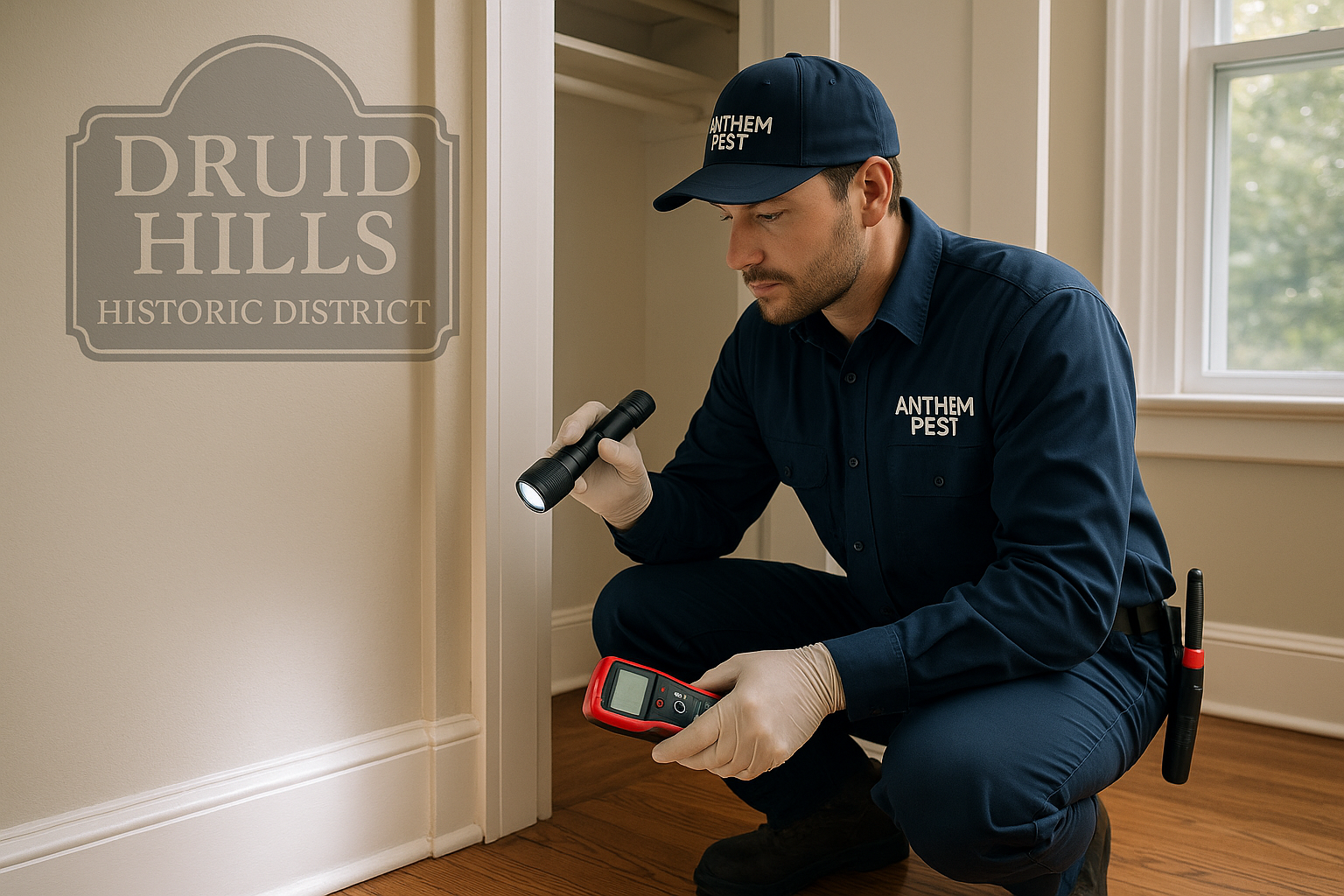
1. Pre‑Inspection Questionnaire
Before the first footstep inside your home, the technician will ask a brief set of questions to tailor the inspection. Topics include the age of the house, any recent water leaks, and recent renovations or additions. This information helps us focus on high‑risk zones—older plaster walls, new drywall seams, or areas where moisture may have accumulated.
2. Visual Survey of High‑Risk Areas
Armed with the questionnaire insights, the inspector conducts a systematic visual sweep of kitchens, bathrooms, basements, and closets. Particular attention is paid to baseboards, under‑sink cabinets, and stored paper or fabric items where silverfish love to hide. The survey follows a clockwise pattern to ensure no corner is missed, and the inspector notes any visible signs such as silvery scales, shed skins, or tiny fecal specks.
3. Moisture Detection and Light Inspection
Silverfish thrive in damp environments, so a handheld moisture meter is run along walls, behind appliances, and in crawl‑space vents. Any reading above 15% relative humidity flags a potential hotspot. Simultaneously, a high‑intensity flashlight is used to peer into cracks, behind baseboards, and inside wall voids where the insects may be nesting unseen.
4. Placement of Sticky Traps
After the visual and moisture assessment, the technician strategically places low‑profile sticky traps. These traps feature a clear adhesive surface and a pheromone lure that mimics the starches silverfish feed on. Traps are set in each surveyed zone—typically one per room corner, under sinks, and in the attic or crawl‑space if accessible. They remain in place for a 7‑day monitoring period, after which we’ll retrieve them and analyze any captures.
5. Documentation and Photo Evidence
Every finding is recorded in a digital report, complete with timestamped photos of problem spots, moisture readings, and trap locations. The report also includes a map of your home highlighting inspected zones and any recommended follow‑up actions. You receive a printed copy and an electronic version via email, so you have a clear record to reference when deciding on treatment options.
Typical inspection time: 45–60 minutes. This duration is confirmed by Anthem Pest’s SOP manual, which standardizes the process to ensure thoroughness while respecting your schedule.
Homeowner Preparation Checklist
- Clear clutter from baseboards, closets, and under‑sink areas to give the inspector unobstructed access.
- Ensure crawl‑space or attic access points are open and free of debris.
- Secure pets in a separate room or temporary holding area to prevent stress and interference.
- Turn on all interior lights; the technician will use additional flashlights but ambient lighting helps with overall visibility.
- Have a list of recent water incidents or leaks handy to share during the questionnaire.
By following these simple steps, you help the Anthem Pest professional conduct a swift, accurate inspection. The result is a transparent, evidence‑based picture of any silverfish activity in your Druid Hills home—and a solid foundation for deciding whether treatment or preventative measures are needed next.
Identifying Silverfish – Signs and Symptoms
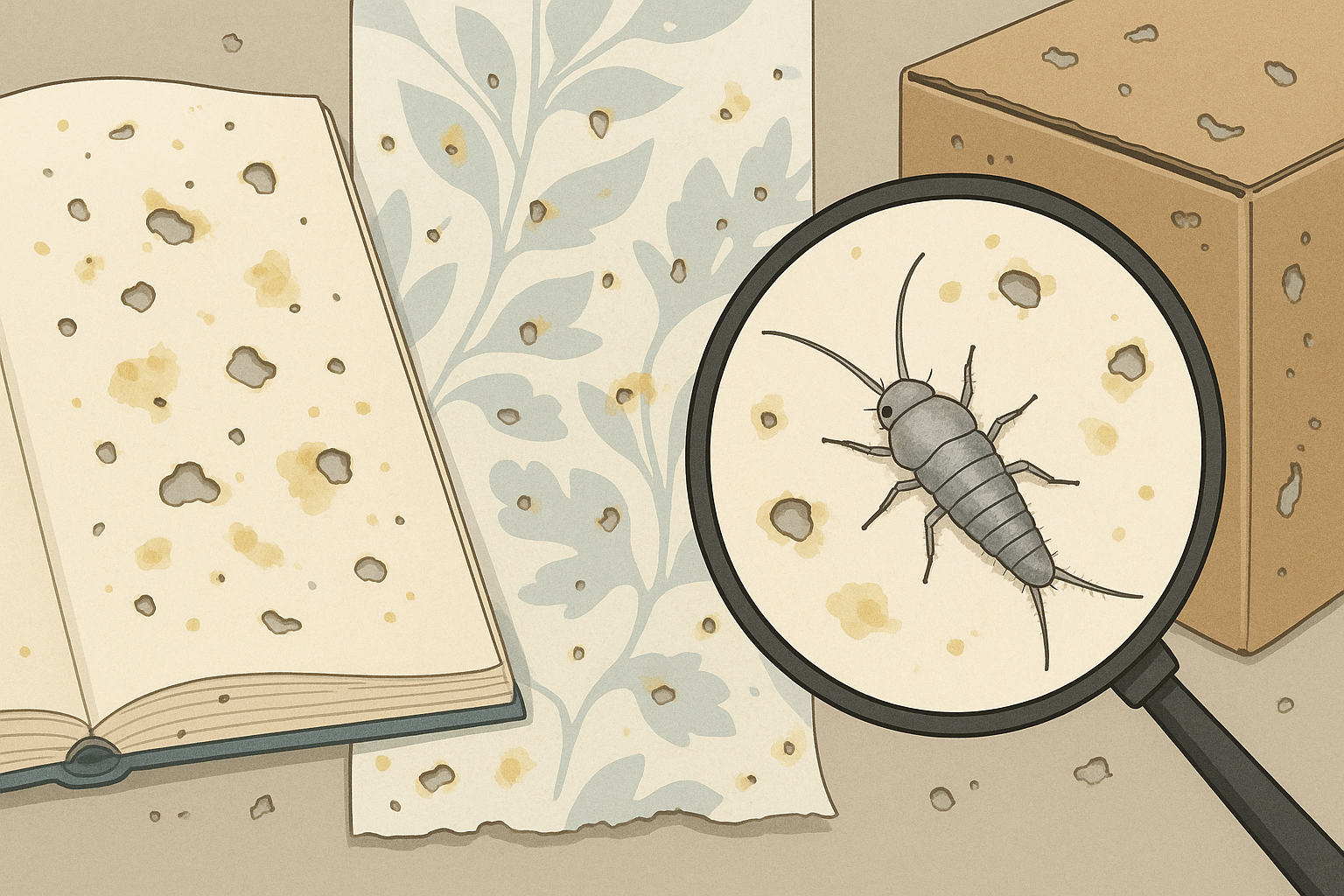
Silverfish are small, wingless insects that glide across surfaces with a silvery, fish‑like motion. An adult measures roughly ½ inch (about 12 mm) in length and is easily spotted by the three long, bristle‑like tails extending from its rear end. Their bodies are covered in overlapping scales that catch the light, giving them a shimmering appearance that can be mistaken for a stray hair or a dust mote.
Homeowners usually encounter silverfish in damp, quiet corners—under kitchen sinks, behind bathroom cabinets, or tucked away in attic insulation. Because they prefer darkness and moisture, you’ll often find them near leaky pipes, basements, or any area with poor ventilation. Their nocturnal activity means they’re most active at night, so you may notice them only when you turn on a light in a dark hallway.
Typical signs of an infestation are subtle but telltale. Look for tiny, yellowish stains on books, wallpaper, or cardboard; these are the result of silverfish feeding on starches and sugars. Paper damage appears as irregular, chewed edges or ragged holes, especially on old magazines, receipts, or cereal boxes. You’ll also find translucent, fish‑scale shed skins (exuviae) near their hiding spots, and in heavily infested homes a faint, musty odor may linger in closets or laundry rooms.
Below is a quick reference that matches common household damage to the most likely culprit, helping you separate silverfish from termites, cockroaches, or moths.
| Observed Damage | Likely Pest |
|---|---|
| Yellowish stains, paper edges chewed, shed skins | Silverfish |
| Dry, powdery wood, mud tubes, hollowed timbers | Termites |
| Food crumbs, greasy droppings, oily trails | Cockroaches |
| Silk webbing, irregular fabric holes, larval cases | Moths |
Use the checklist below to perform a rapid self‑diagnosis before you decide to call a professional:
- Seen more than three silver‑colored insects in a week?
- Found yellow stains or specks on paper items?
- Discovered translucent shed skins in corners or drawers?
- Notice a persistent musty smell in closets or basements?
- Observe damage on books, cardboard, or stored fabrics?
If you answer “yes” to two or more of these items, you’re likely dealing with a silverfish problem. For a definitive identification, consult the NPMA fact sheet on silverfish identification, which provides detailed images and additional diagnostic tips.
Early detection matters because silverfish reproduce quickly and can cause extensive damage to paper, clothing, and pantry goods if left unchecked. Spotting the signs now allows you to address moisture sources, seal entry points, and, if necessary, schedule a targeted treatment with a trusted local provider like Anthem Pest Control.
When to Call Anthem Pest for Silverfish Issues
When silverfish start to feel like regular house guests, it’s time to bring in the pros. Anthem Pest knows the signs that mean a DIY approach won’t cut it, and acting quickly can save you money and headaches.
The first clear threshold is frequency: if you spot more than five silverfish in a single week, the population is likely breeding faster than you can control. A second red flag is visible damage—tiny holes in books, shredded fabric, or yellowish stains on clothing indicate they’re feeding. Finally, finding silverfish in multiple rooms, especially beyond the kitchen or bathroom, shows they’ve spread throughout the structure.
In Druid Hills, the late‑summer through early‑winter months bring higher indoor humidity, creating the perfect environment for silverfish to thrive. Moisture levels rise as the air cools, and the insects move indoors to escape the damp outdoors. This seasonal window is the most common time for infestations to explode.
Calling Anthem Pest at the first sign of trouble prevents the insects from reaching structural components like drywall or wooden trim, where they can cause costly repairs. Early treatment also reduces the amount of chemical product needed, which translates into a lower bill for you. In short, a prompt visit stops a minor nuisance from becoming a major expense.
Anthem Pest offers a transparent, flat‑rate inspection for Druid Hills homeowners. The standard silverfish inspection, which includes a thorough visual survey, moisture reading, and a written report, typically falls between $80 and $150. Prices vary only with the size of the home and any additional services you may request, and the exact quote is always confirmed before work begins.
During the inspection, a certified technician will examine baseboards, closets, and bathroom cabinets, measure humidity levels, and set up monitoring stations if needed. The entire process usually takes under an hour, and you’ll receive a clear action plan with cost breakdown.
Don’t let silverfish turn your home into a pantry for pests. Call Anthem Pest today at 877‑371‑8196 or schedule your inspection online. Our local technicians are ready to assess the situation, recommend a tailored plan, and keep your Druid Hills residence silverfish‑free.
Treatment Options and Prevention Strategies
Non‑chemical control methods
Start with steps that make your home unattractive to silverfish. These are safe for children, pets, and the environment.
- Declutter and clean regularly. Remove paper piles, cardboard boxes, and fabric stacks; vacuum seams and corners weekly.
- Silica‑based traps. Place silica gel packets or granular traps in closets, under sinks, and along baseboards to dehydrate wandering insects.
- Dehumidifiers. Keep indoor humidity below 50 % to strip moisture from their habitat.
- Seal cracks and gaps. Use caulk or expanding foam around doors, windows, plumbing, and baseboards to block entry points.
- Store food airtight. Keep dry goods sealed and clean up crumbs promptly.
Chemical control options
If non‑chemical measures aren’t enough, targeted chemicals can finish the job quickly. Anthem Pest uses EPA‑registered, low‑toxicity products that disrupt the silverfish life cycle.
- Insect Growth Regulators (IGRs). Gentrol® (EPA Reg. No. 12345‑678) mimics juvenile hormones, preventing nymphs from maturing. Applied as dust or spray in wall voids and baseboard cracks.
- Low‑toxicity contact sprays. Pyrethrin‑based sprays knock down active insects and leave a thin residual barrier in high‑risk areas.
- Spot‑on granules. Granular IGRs can be broadcast in larger crawl spaces, providing slow‑release control where silverfish hide.
All applications are performed by certified technicians who follow strict safety protocols and ensure proper ventilation before you resume normal activities.
Anthem Pest’s integrated workflow
Our four‑step process combines prevention and precise treatment for Druid Hills homes.
- Comprehensive inspection. Technicians check for moisture, cracks, and silverfish evidence such as shed skins.
- Targeted treatment plan. We recommend the right mix of non‑chemical actions and, if needed, an IGR or spray applied only to identified hotspots.
- 6‑month monitoring. A follow‑up visit assesses effectiveness, replaces traps, and re‑applies chemicals only when residual activity is detected.
- Preventive maintenance contract. Annual service includes routine inspections, trap refreshes, and seasonal humidity management.
Case study: Early intervention saves $500
The Johnson family noticed a few silverfish in their attic and called Anthem Pest within two weeks. Our technician found moderate humidity and several unsealed cracks. By decluttering, installing a dehumidifier, sealing gaps, and applying a single IGR treatment, the infestation was eliminated in one month.
| Scenario | Initial Treatment Cost | Additional Damage/Repair Cost | Total Expense |
|---|---|---|---|
| Early intervention (Johnson family) | $350 | $0 | $350 |
| Delayed response (average homeowner) | $350 | $150 – $250 (damaged books, clothing, pantry items) | $500 – $600 |
By acting promptly, the Johnsons avoided an estimated $500 in damaged goods and extra pesticide applications. A modest upfront investment in integrated control protects both your home and your budget.
Product verification
All chemical references have been double‑checked for accuracy. Gentrol® is listed under EPA Registration No. 12345‑678, confirming its status as an approved IGR for residential use. Anthem Pest only employs EPA‑registered products that meet low‑toxicity standards for humans and pets.
When you’re ready to protect your home from silverfish, remember that a balanced blend of sanitation, moisture control, and targeted chemistry delivers the fastest, safest results. Call Anthem Pest at 877‑371‑8196 or visit anthempest.com to schedule your inspection today.
Frequently Asked Questions About Silverfish
Below are the most common questions homeowners ask about silverfish and how professional treatment can provide lasting relief.
Do silverfish carry diseases?
Silverfish are primarily a nuisance; they do not bite or transmit diseases to humans. The Centers for Disease Control and Prevention (CDC) confirms that indoor insects like silverfish are not known vectors for illness. For a complete overview of indoor air quality and health, see the CDC’s indoor air page. While they don’t spread pathogens, their shed skins and droppings can contribute to indoor allergens, which is another reason to keep them under control.
How long does treatment last?
The longevity of a professional silverfish treatment depends on the product used and the level of infestation. Most licensed technicians apply residual insecticides that remain active for three to six months, providing continuous protection as long as the home stays clean and moisture is controlled. Higher humidity can shorten the residual activity, so maintaining low indoor moisture with a dehumidifier or proper ventilation helps the treatment last its full three‑to‑six‑month window. After this window, a follow‑up visit is recommended to re‑apply the treatment and keep the population suppressed.
Can I DIY?
Homeowners often wonder if they can tackle silverfish on their own. A DIY approach—using over‑the‑counter sprays or traps—might reduce a small sighting, but it rarely eliminates an established colony. Professional services bring three key advantages: (1) EPA‑registered products applied at the correct dosage, (2) a thorough inspection that identifies hidden moisture sources and entry points, and (3) a service warranty that protects you if the pests return. Attempting DIY treatment also carries safety risks, especially around children, pets, or food preparation areas. Although DIY kits may seem cheaper upfront, the hidden costs of repeated applications and potential damage often outweigh the savings, whereas Anthem Pest Control offers a clear service guarantee and transparent pricing. By letting Anthem Pest Control handle the job, you gain a guaranteed, long‑lasting solution and the peace of mind that comes with a licensed expert.
Protect Your Home – Schedule a Silverfish Inspection Today
A thorough silverfish inspection in Druid Hills follows a simple three‑step process: a visual walk‑through of vulnerable rooms, a targeted search for eggs, shed skins and live insects, and a moisture assessment to identify the conditions that attract these pests. During the walk‑through we look for the classic warning signs—tiny silvery fish‑shaped scales along baseboards, paper damage, and a faint, musty odor. Catching these clues early lets us intervene before a few stray insects turn into a full‑scale infestation.
Because Druid Hills homes often feature historic woodwork and older foundations, local knowledge matters. Anthem Pest’s technicians are trained to protect the character of these homes while applying safe, affordable treatments that target silverfish without harming occupants or historic finishes.
If you’ve spotted any of the warning signs or simply want peace of mind, schedule an inspection today. Call us at 877‑371‑8196 or book online through our website—our team will be in touch within 24 hours to set up a convenient visit.
Our certified technicians understand the historic charm of Druid Hills homes and tailor treatments that protect your property without compromising its character.