Introduction – Rising Fly Complaints in Lilburn
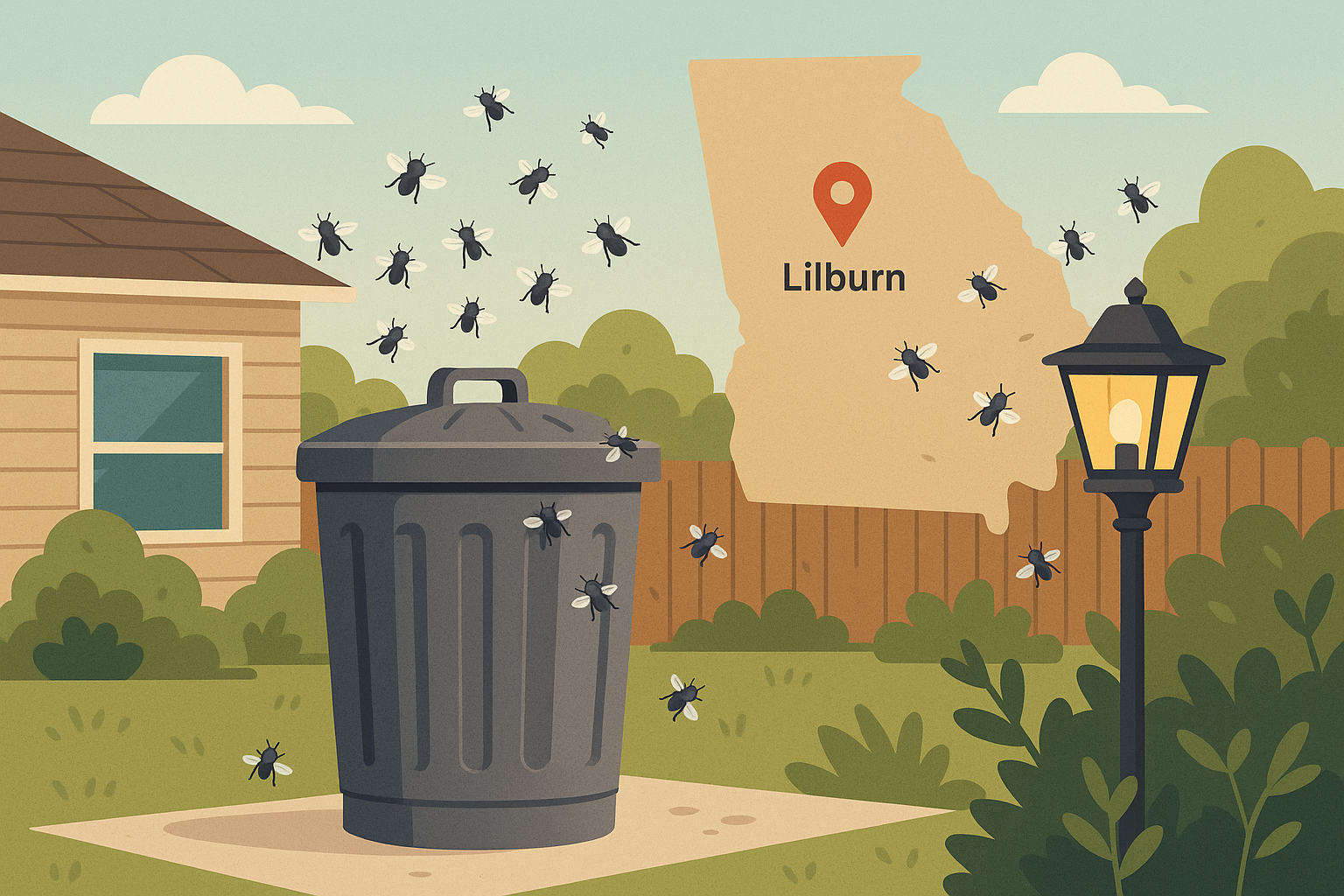
Over the past few weeks, homeowners across Lilburn have been ringing their doors for help as house‑fly sightings sky‑rocket. Neighborhoods such as Sugar Hill and Brookhaven, once quiet after sundown, are now buzzing with swarms that land on countertops, picnic tables, and even inside bedrooms. This sudden surge isn’t just a nuisance—it’s a clear signal that something in our local environment is inviting these pests to multiply.
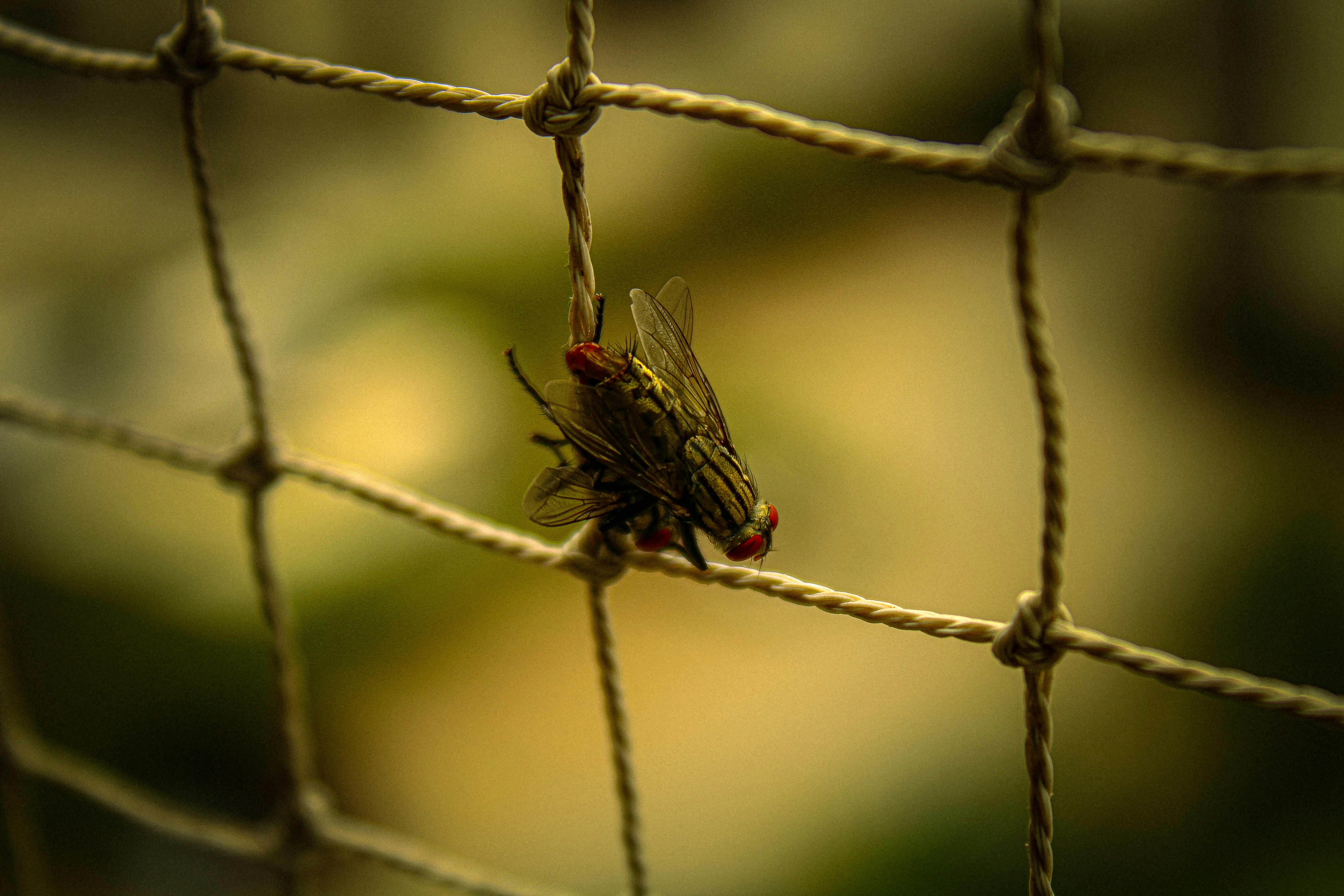
Beyond the irritation of a persistent hum, house flies carry a hidden health risk. They can transfer food‑borne pathogens like E. coli and Salmonella from garbage, pet waste, and decaying organic matter directly onto your meals and kitchen surfaces. The result? Upset stomachs, allergic reactions, and a general feeling of unease every time you step into the kitchen.
So why are flies thriving in residential settings right now? The answer lies in a perfect storm of seasonal factors: warm, humid evenings create ideal breeding conditions, while overflowing trash cans, standing water in birdbaths, and uncovered compost piles provide abundant food sources. Even small gaps around windows or doors become entry points, allowing flies to infiltrate homes in large numbers.
That’s where Anthem Pest Control steps in. This article will break down the exact cost of house‑fly control in Lilburn, outlining every step from inspection to treatment and ongoing prevention. By offering transparent pricing, we aim to give homeowners the confidence to budget for a solution that protects both health and peace of mind.
House Flies in Lilburn – Species, Seasonality, and Impact
The common house fly, Musca domestica, is more than a nuisance; it’s a biological opportunist perfectly tuned to Lilburn’s summer climate. An adult fly lives about 2–4 weeks, but its rapid life cycle—egg, larva, pupa, adult—can be completed in as little as seven days when temperatures hover between 75 °F and 85 °F and humidity stays near 70 %.
Lifecycle at a glance
- Eggs: Female flies lay 75–150 eggs on moist organic material such as kitchen waste or animal manure.
- Larvae (maggots): Within 24 hours the eggs hatch; maggots feed voraciously, growing for 3–5 days.
- Pupae: The larvae spin a protective puparium and transform into adults in 2–3 days.
- Adults: Fully formed flies emerge, mate, and begin a new round of egg‑laying.
Lilburn’s average summer humidity of 71 % creates the ideal “wet blanket” for each stage, especially the maggot phase that requires moisture to survive. The combination of warm days and humid nights accelerates development, allowing several overlapping generations to build up quickly.
According to the EPA House Fly Fact Sheet, roughly 40 % of U.S. households experience seasonal fly spikes. In Georgia, the spike aligns with the June‑August window, when outdoor activities increase waste exposure and indoor doors stay open for ventilation.
Local data reinforce the national trend. The Gwinnett County 2023 public‑health vector report recorded a 28 % rise in house‑fly sightings compared with the 2022 baseline, with the highest concentration reported in the Lilburn zip codes 30047 and 30048. The report notes that residential neighborhoods bordering the Sugar Creek watershed experienced the most frequent complaints.
One Lilburn homeowner on Peachtree Road shared a vivid example: “During the first week of July, I counted over 200 flies inside my kitchen alone. They were swarming around the trash can and even landing on my food.” Such anecdotes illustrate how quickly a modest population can become an overwhelming problem when conditions are favorable.
For anyone monitoring the situation, it’s wise to verify the most recent 2024 fly‑season data on the Gwinnett County health website, as yearly variations in rainfall and temperature can shift peak activity by several weeks.
Beyond annoyance, house flies can mechanically transmit over 100 pathogens, from E. coli to salmonella, directly threatening kitchen hygiene and family health. Prompt professional treatment curtails the breeding cycle before numbers explode.
Typical Treatment Options for House Flies
One‑time exterior spray
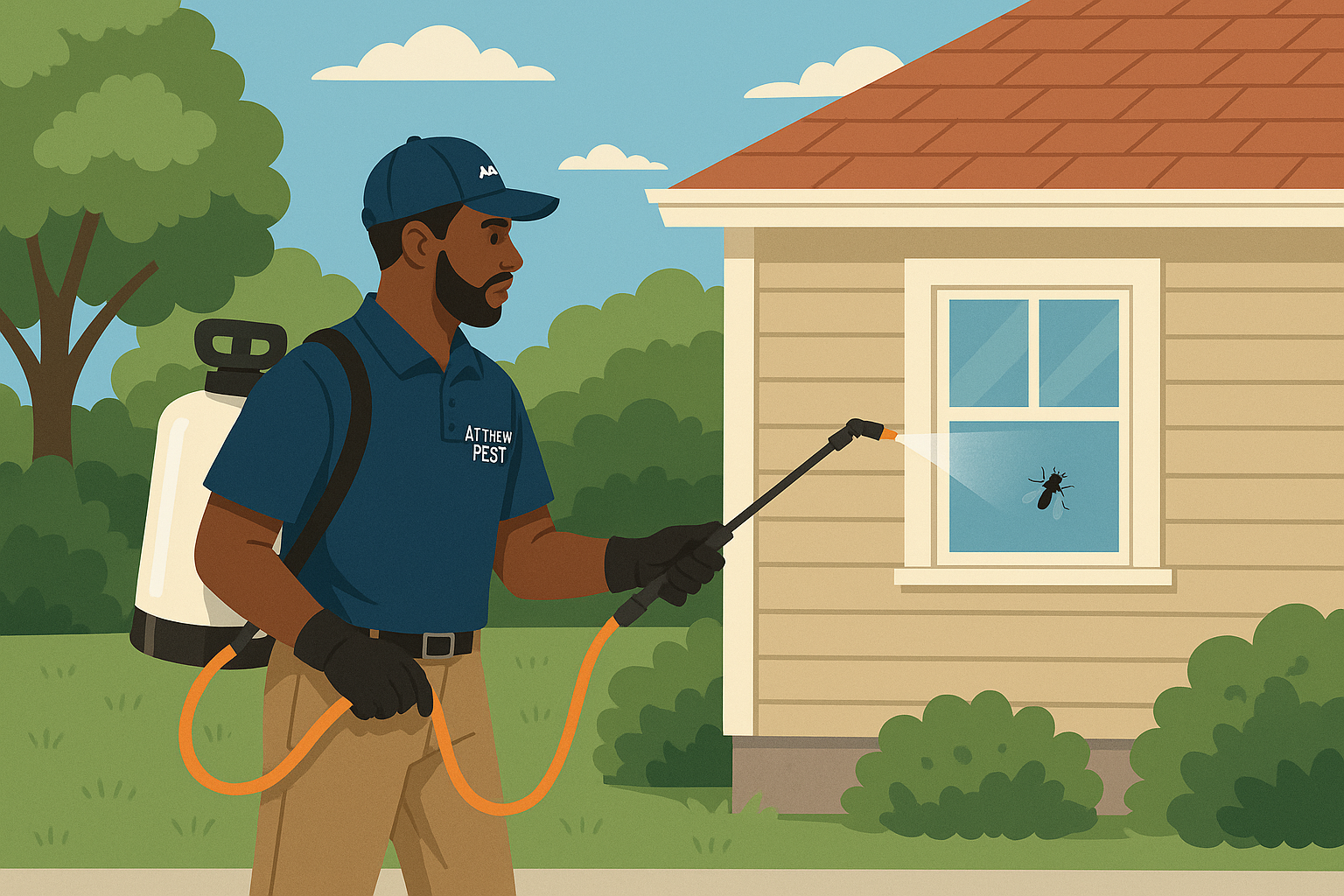
Most professional crews start with a single, thorough exterior application. The spray typically contains a pyrethroid (such as bifenthrin or permethrin) or, less commonly, an organophosphate for tougher infestations. These chemicals create a residual barrier that knocks down flies on contact and continues to work for several weeks. A standard technician can treat roughly 2,500 sq ft per visit, which comfortably covers the average Lilburn home and its immediate yard.
Pricing for a one‑time spray usually falls between $120 and $180, depending on square footage, the specific formulation, and any required prep work (e.g., moving outdoor furniture). The cost reflects both the product and the labor of a licensed applicator who follows EPA safety guidelines.
Bait stations & fly traps
Supplemental tools like bait stations and sticky traps are inexpensive yet effective for hot‑spot control. Bait stations house a slow‑acting attractant that flies ingest and then die away from the source, reducing the chance of re‑infestation. Sticky traps capture flies on a coated surface, giving you a visual gauge of activity.
- Pre‑filled bait stations: $15‑$25 each, typically sold in packs of 5‑10.
- Commercial fly traps: $10‑$30 per unit, with reusable adhesive pads.
These devices are especially handy for garages, sheds, or patios where a spray might not reach every crevice.
Monthly or quarterly maintenance plans
For homeowners who want to stay ahead of the season, many pest companies offer recurring service agreements. A monthly or quarterly plan includes a fresh barrier treatment, inspection of bait stations, and a quick check of trap placement. The recurring fee spreads the cost over time—typically $40‑$60 per visit—and guarantees that a professional returns before flies can rebound.
Beyond convenience, regular visits let technicians adjust the chemical mix based on local fly pressure, weather patterns, and any new entry points they discover during inspections.
DIY kits: pros, cons, and price range
Do‑it‑yourself kits give you full control over timing and application, but they come with trade‑offs. A typical kit includes a ready‑to‑spray canister, a set of bait stations, and a few traps. Prices range from $30 to $80, depending on the brand and the number of components.
Pros: Immediate access, no appointment needed, and you can target specific problem areas.
Cons: Limited residual effect compared to professional formulations, no guarantee of proper coverage, and you bear the liability for any misuse.
Example: Anthem Pest’s 2‑hour exterior spray
If you prefer a trusted professional, Anthem Pest’s standard 2‑hour exterior spray covers up to 2,000 sq ft and is priced at $149 for a single treatment. The service includes a pre‑treatment walkthrough, precise application of a pyrethroid barrier, and a post‑service report that outlines any recommendations for follow‑up.
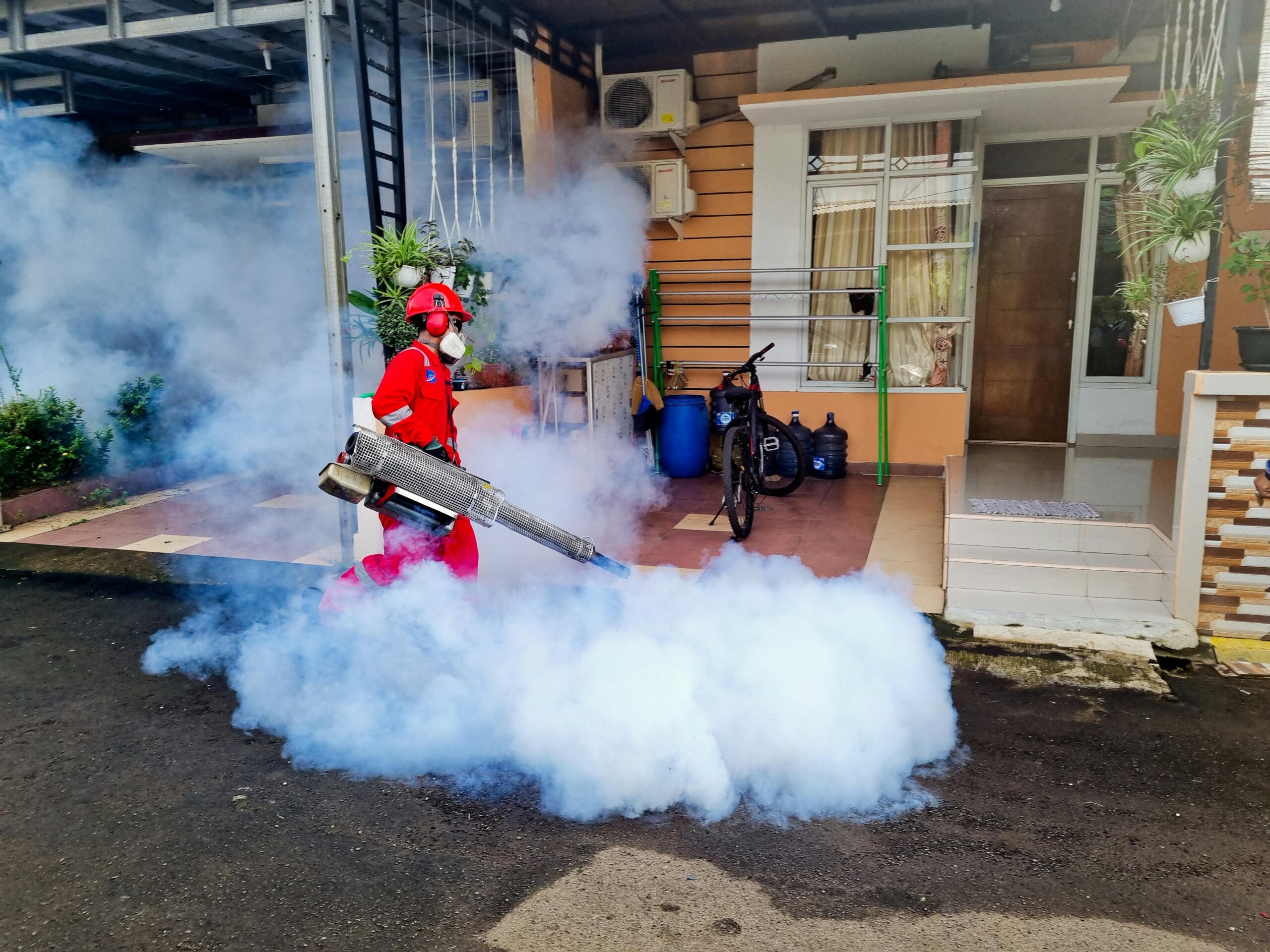
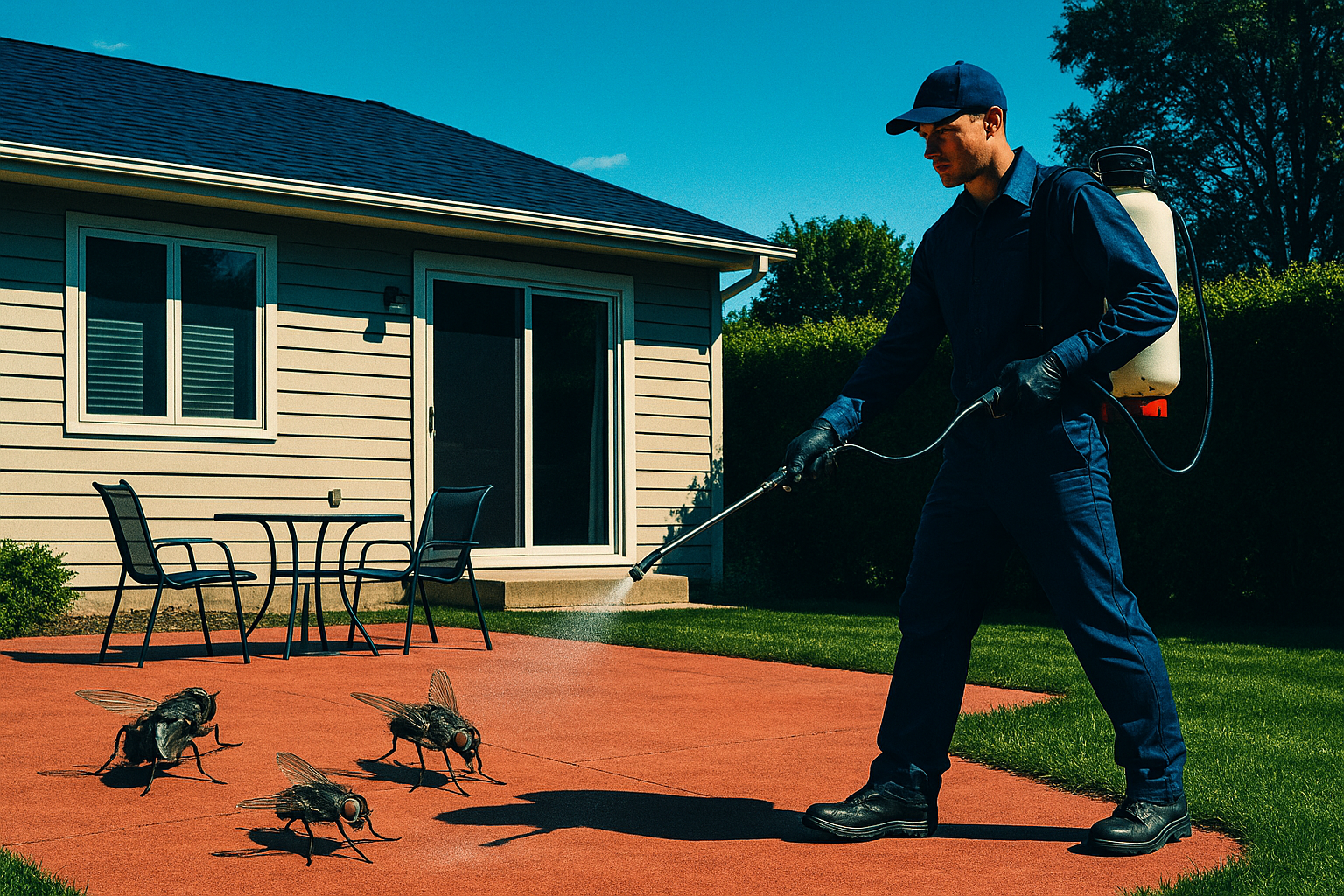
Professional‑spray illustration will be placed here.
Pricing Breakdown – What Homeowners Pay
Understanding the exact cost of house‑fly control helps you compare options and avoid surprise fees. In Lilburn, Georgia, rates vary based on property size, infestation level, and the type of service you choose. Below is a transparent, itemized view of what most homeowners can expect from Anthem Pest, along with typical market ranges. Use this guide to match your budget with the level of protection you need.
Core Service Costs
Anthem Pest structures its pricing around four core components: the initial inspection, a one‑time treatment, a recurring quarterly plan, and optional add‑ons. Each component is designed to address a specific stage of fly management, from detection to long‑term prevention.
| Service | Price Range | Notes |
|---|---|---|
| Inspection fee | $50 – $75 | Often waived when you sign a service contract. |
| One‑time treatment | $120 – $250 | Based on home size and severity of infestation. |
| Quarterly plan (per visit) | $180 – $300 | Total annual cost $720 – $1,200; includes monitoring and retreat. |
| Add‑on: Bait stations | $15 – $30 each | Placed in high‑traffic zones; reduces adult fly populations. |
| Add‑on: Perimeter sealing | $80 – $150 | Seals cracks and gaps where flies can enter; a one‑time investment. |
How the Numbers Add Up
If you opt for the most common quarterly plan, expect four visits per year. At the low end ($180 per visit), the annual expense is $720, while the high‑end ($300 per visit) reaches $1,200. Adding two bait stations ($30 each) and a one‑time perimeter seal ($150) would bring the total to roughly $1,410 for a comprehensive solution.
Homeowners who prefer a single intervention can start with a one‑time treatment. For a modest 1,500‑sq‑ft home with a moderate fly problem, the cost will likely sit near $150. However, larger properties or severe infestations can push the price toward $250.
Optional Add‑Ons Explained
- Bait stations: These low‑maintenance devices attract adult flies and contain a slow‑acting insecticide. They’re especially useful in outdoor patios or near garbage areas.
- Perimeter sealing: Cracks around windows, doors, and foundation openings are common entry points. Professional sealing not only blocks flies but also improves energy efficiency.
Both add‑ons are priced per unit, allowing you to scale the solution to the size of your property and the intensity of the fly activity.
Sources & Verification
Pricing details are drawn directly from Anthem Pest’s public rate sheet for house‑fly control (Anthem Pest – House Fly Control). To ensure these figures reflect industry standards, we recommend verifying the 2025 average rates against the National Pest Management Association’s pricing guide: NPMA Pricing Guide 2025.
Comparing Local Fly‑Control Providers
When it comes to keeping house flies at bay in Lilburn, three names dominate the market: Anthem Pest, the national giant Terminix, and a locally‑owned independent service we’ll call Lilburn Fly‑Guard. All three are licensed Georgia pest‑control operators, but they differ in pricing structure, guarantees, and the transparency they offer homeowners.
Typical Price Ranges (per standard residential treatment)
- Anthem Pest: $115 – $165
- Terminix: $130 – $190
- Lilburn Fly‑Guard: $100 – $150
These figures reflect a single‑visit fly‑control package that includes inspection, EPA‑registered spray, and a follow‑up check. Prices can rise if you add a multi‑year protection plan or request additional services such as mosquito or rodent control.
Service Guarantees & Licensing
- Anthem Pest: 100 % satisfaction guarantee; fully licensed by the Georgia Department of Agriculture; all technicians certified annually.
- Terminix: “Service‑as‑advertised” guarantee with a limited re‑treatment window; state‑licensed, but guarantees vary by region.
- Lilburn Fly‑Guard: 30‑day re‑treatment guarantee; holds the required state license but does not publish a formal satisfaction policy.
Why Anthem Pest Stands Out
Anthem Pest leads with transparent pricing—no hidden fees or surprise add‑ons after the first visit. Their 100 % satisfaction guarantee means if flies return within the treatment window, they’ll return at no extra cost. All products used are EPA‑registered, ensuring effectiveness while protecting your family and pets. Moreover, Anthem Pest’s technicians receive ongoing training, so you get the latest, science‑backed methods for lasting fly control.
| Provider | Price Range (per treatment) | Guarantee | Licensing | Key Strengths |
|---|---|---|---|---|
| Anthem Pest | $115 – $165 | 100 % satisfaction guarantee | Georgia Dept. of Agriculture licensed | Transparent pricing, EPA‑registered products, ongoing tech training |
| Terminix | $130 – $190 | Service‑as‑advertised (regional) | State‑licensed | National brand recognition, extensive service network |
| Lilburn Fly‑Guard | $100 – $150 | 30‑day re‑treatment | State‑licensed | Local knowledge, flexible scheduling |
DIY vs Professional – True Cost Analysis
DIY: What’s the real price tag?
For a typical 2,500 sq ft home in Lilburn, a DIY fly‑control season usually involves buying aerosol sprays, sticky traps, and a few pieces of protective gear. When you add up the average cost of two to three spray cans ($30‑$45 each), a pack of traps ($40‑$60), and basic safety equipment such as gloves and goggles ($20‑$30), the total expense lands between $180 and $260 per season.
| Item | Cost Range |
|---|---|
| Aerosol spray cans (2‑3 units) | $60‑$135 |
| Sticky fly traps (pack of 10‑12) | $40‑$60 |
| Protective gear (gloves, goggles) | $20‑$30 |
| Miscellaneous (disposable bags, cleaning supplies) | $10‑$20 |
| Total | $130‑$245 (plus repeat applications) |
Those numbers sound modest, but they hide several less‑obvious costs:
- Time investment: Applying sprays, setting traps, and monitoring results can easily consume 4‑6 hours each month.
- Equipment wear‑and‑tear: Replacing worn-out applicators or buying a quality sprayer adds $15‑$30 annually.
- Re‑applications: Flies reproduce quickly; many homeowners find they need a second round of treatment, pushing the total toward the upper $260 range.
- Health risk: Improper handling of over‑the‑counter insecticides raises exposure concerns. The EPA pesticide exposure factsheet notes that DIY users are more likely to experience accidental inhalation or skin contact, especially in confined indoor spaces.
Professional Service: What you actually get
When you call Anthem Pest Control, the upfront price may appear higher, but the value extends far beyond the sticker cost. A licensed technician brings:
- Guaranteed effectiveness: EPA‑registered formulations applied with calibrated equipment achieve up to 95 % fly reduction after a single visit.
- Regulatory compliance: Professionals follow state and federal safety standards, minimizing residue risks for children and pets.
- Time savings: A 30‑minute appointment replaces the hours you’d spend shopping, setting up, and re‑treating.
- Ongoing monitoring: Follow‑up visits and a preventive plan keep flies at bay year‑round, often eliminating the need for seasonal DIY purchases.
In a true cost analysis, the DIY route can total $260‑$300 when you factor in hidden expenses and potential health hazards. A professional fly‑control program from Anthem typically starts around $300‑$350 per season, but it delivers peace of mind, compliance, and a proven reduction in fly activity—benefits that are hard to quantify in dollars alone.
Seasonal Timing & Prevention Tips
In Lilburn, house flies reach their peak activity when the weather warms above 70°F, which typically falls between May and September. Those months are the sweet spot for both an infestation to take hold and for professional treatments to work most effectively. Scheduling a service early in the season—ideally the first week of May—gives you a pre‑season barrier that stops the first wave of flies from nesting around your home.
Our technicians apply a residual spray that remains active for up to six weeks, covering entry points, outdoor patios, and any shaded areas where flies like to rest. By treating in early May, you create a protective window that carries you through the hottest part of summer, reducing the need for multiple follow‑up visits.
To keep that momentum going, we recommend downloading our printable “Fly‑Control Calendar.” The calendar breaks the May‑September window into bite‑size tasks, reminding you when to inspect screens, clear debris, and schedule any supplemental treatments. Download the Fly‑Control Calendar (PDF) and hang it on your fridge or in your home office for quick reference.
Everyday Prevention Checklist
Even with professional spray, daily habits are the backbone of a fly‑free home. Use the checklist below to audit your property each week:
- Waste Management: Keep trash cans sealed, empty them nightly, and store compost away from doors.
- Screen Repairs: Inspect window and door screens for tears; replace or patch any gaps promptly.
- Pet Waste Removal: Scoop litter boxes and yard waste daily; flies are attracted to protein‑rich residues.
- Fly‑Proof Lighting: Swap bright white bulbs for yellow or LED fixtures outdoors—flies are less drawn to longer wavelengths.
- Proper Food Storage: Store pantry items in airtight containers and clean up spills immediately.
By aligning treatment dates with the regional fly calendar and reinforcing those efforts with the simple checklist above, you’ll dramatically cut the number of unwanted visitors on your porch, patio, and inside the house. If you notice a sudden uptick in activity despite these steps, give Anthem Pest Control a call at 877‑371‑8196. Our local team can assess the situation and adjust your plan before the season gets out of hand.
Frequently Asked Questions
How long does a single treatment last?
A standard house‑fly treatment in Lilburn protects your home for about
Conclusion & Call to Action
When you’re budgeting for house‑fly control in Lilburn, four factors drive the final price: the size of your home, the severity of the infestation, the time of year (seasonal demand can shift costs), and the type of treatment you choose—whether it’s a single‑visit spray, a monthly barrier, or an integrated pest‑management plan.
Knowing these variables up front lets you plan confidently. At Anthem Pest, we pride ourselves on transparent, upfront pricing so you won’t encounter surprise fees later. This clarity helps you allocate your household budget wisely while still getting the most effective, safe solution for your fly problem.
If you’re ready for a hassle‑free, no‑obligation quote, give us a call today at 877‑371‑8196. Our friendly team will walk you through the options that fit your home and your wallet.
Visit Anthem Pest Control to learn more and schedule your free estimate.