Mosquito Control Costs in Lawrenceville – What Homeowners Need to Know

Mosquitoes are more than a nuisance—they’re a health risk and a constant summer headache for Lawrenceville families. Each bite can bring itching, allergic reactions, and, in rare cases, transmit diseases like West Nile virus. That’s why understanding the true cost of keeping your yard mosquito‑free matters as much as the bite itself.
Our goal with this guide is simple: demystify mosquito‑control pricing so you can make an informed decision without guessing. We’ll break down every dollar you might spend, from one‑time treatments to seasonal contracts, and explain why those numbers vary from neighbor to neighbor.
Here’s a quick roadmap of what’s coming up:
- Why mosquitoes matter in Lawrenceville – health risks and seasonal spikes.
- Common control methods (sprays, traps, barrier treatments) and how they differ.
- Key pricing factors: property size, treatment frequency, and local regulations.
- DIY versus professional services – when to call in the pros.
- What Anthem Pest offers, including special packages for Lawrenceville homeowners.
- Best timing for treatments to maximize effectiveness.
- Frequently asked questions and a concise call‑to‑action for quick quotes.
This guide is built on real data from local pest‑control records, climate trends, and pricing surveys specific to Lawrenceville, GA. By focusing on the numbers that actually appear on your invoice, we help you avoid surprise fees and choose a solution that fits both your budget and your peace of mind.
Why Lawrenceville Residents Should Care About Mosquitoes
Mosquitoes are more than a summer nuisance in Lawrenceville—they are a direct threat to health and outdoor enjoyment. Understanding which species are active locally helps homeowners gauge the real risk and take targeted action.
Common Mosquito Species in Gwinnett County
Three species dominate the area:
- Aedes: a day‑biting mosquito known for aggressive, itchy bites. It can transmit Zika, dengue and chikungunya.
- Culex: primarily active at dusk and night, this species is the principal carrier of West Nile virus in the United States.
- Anopheles: rare in Georgia but still present; it is the historic vector for malaria and can occasionally carry other pathogens.
Health Risks Backed by CDC Data
The Centers for Disease Control and Prevention reports that Georgia consistently ranks among the states with the highest West Nile virus activity. In 2023, the Georgia Department of Public Health recorded 112 confirmed West Nile cases, with 38 % originating from the Gwinnett County region [CDC source]. Although Zika cases remain low, the presence of Aedes mosquitoes means the virus could reappear if conditions become favorable.
Why Early Intervention Matters
West Nile virus can cause flu‑like symptoms, and in severe cases it leads to neurological complications that may require hospitalization. Aedes‑borne illnesses such as Zika often present mild rash or fever but pose serious risks to pregnant women. Prompt mosquito control reduces the chance that a single bite becomes a medical emergency.
Impact on Families and Outdoor Life
For a typical Lawrenceville household, mosquito bites translate into sleepless nights, irritated skin, and a reluctance to enjoy backyards, decks, or community parks. More seriously, the disease‑carrying potential of Culex and Aedes species creates a tangible health risk for children, seniors, and anyone with compromised immunity. By recognizing the species and their seasonal patterns, residents can schedule timely treatments, eliminate standing water, and protect both comfort and safety.
Community and Economic Impact
Beyond personal discomfort, high mosquito populations drive down property values and deter neighborhood events. Municipal crews often allocate extra budget for larvicide applications when complaints rise, a cost that homeowners can avoid through proactive, professional treatments.
Professional Mosquito‑Control Methods Explained
When you call a professional like Anthem Pest Control, the technician will evaluate your property and recommend one or more of the following proven methods. Understanding each option helps you choose the right balance of speed, safety, and long‑term protection.
Adulticide Spray
Adulticide sprays target flying mosquitoes directly. Technicians apply a fine mist that creates an immediate knock‑down, often within minutes of treatment. Because the chemicals break down quickly, re‑applications are usually needed every 2‑4 weeks during peak season. Safety protocols include keeping pets indoors until the spray dries and using EPA‑registered products that meet state regulations. Because the chemicals act on contact, you’ll notice fewer bites the same evening, making it a popular choice for outdoor gatherings.
Larvicide Treatment
Larvicides work at the source—standing water where mosquito larvae develop. Professionals identify breeding sites such as birdbaths, gutters, or clogged drains and apply a biologically based larvicide that remains effective for weeks. This method reduces future adult populations and requires fewer follow‑up visits, but it hinges on thorough site discovery and homeowner cooperation to eliminate excess water. These products are low‑toxicity and approved for use around children and pets, giving you peace of mind while the larvae are eliminated.
Barrier (Residual) Treatments
Barrier treatments form a protective perimeter around a home’s exterior. A residual insecticide is applied to landscaping, fences, and foundation walls, creating a zone that kills mosquitoes on contact for up to 30 days. The advantage is long‑lasting coverage with a single service, though heavy rain or landscaping changes can shorten effectiveness. Re‑treatments are typically scheduled after heavy rain or major landscaping work to keep the protective barrier intact.
| Method | Pros | Cons |
|---|---|---|
| Adulticide Spray | Fast knock‑down; visible results after one visit | Requires frequent re‑application; limited residual effect |
| Larvicide Treatment | Targets next generation; long‑term population control | Needs thorough water‑site identification; may require homeowner prep |
| Barrier (Residual) | One‑time application protects for weeks; covers large area | Effect reduced by rain or landscaping changes; higher upfront cost |
All three approaches align with the NPMA Integrated Mosquito Management guidelines, which recommend combining adulticide, larvicide, and barrier treatments for the most effective, environmentally responsible control.
Factors That Influence Mosquito‑Control Pricing
Property size
The larger the lawn and surrounding perimeter, the more product and labor are required. Most companies calculate a base rate per 1,000 sq ft, then add a modest surcharge for irregular shapes or extensive edging. A 1,500‑sq‑ft yard will cost noticeably less than a 3,500‑sq‑ft property because the technician spends less time mixing and spraying.
Level of infestation
Infestation intensity determines how many treatment passes are needed. Light activity often resolves with a single spray, while moderate or heavy populations may require two to three passes spaced a week apart. Each additional pass adds roughly 30‑40 % to the per‑visit price.
Treatment frequency options
Homeowners can choose a one‑time visit, a quarterly program, or a full‑year contract. Quarterly plans spread the cost over four visits and usually include a small discount per visit. Annual contracts often lock in the lowest per‑visit rate because they guarantee repeat business.
Service type distinction
“Spray‑only” treatments focus on adult mosquitoes and are the most affordable option. Full‑service packages add larvicide applications, perimeter barrier monitoring, and follow‑up inspections, which raise the price but provide longer‑term protection.
Seasonal timing impact
Peak summer months (June‑August) see higher demand, so rates climb during that window. Many providers offer off‑season discounts in early spring or late fall when mosquito activity wanes, allowing savvy homeowners to save 10‑15 %.
Real‑world example
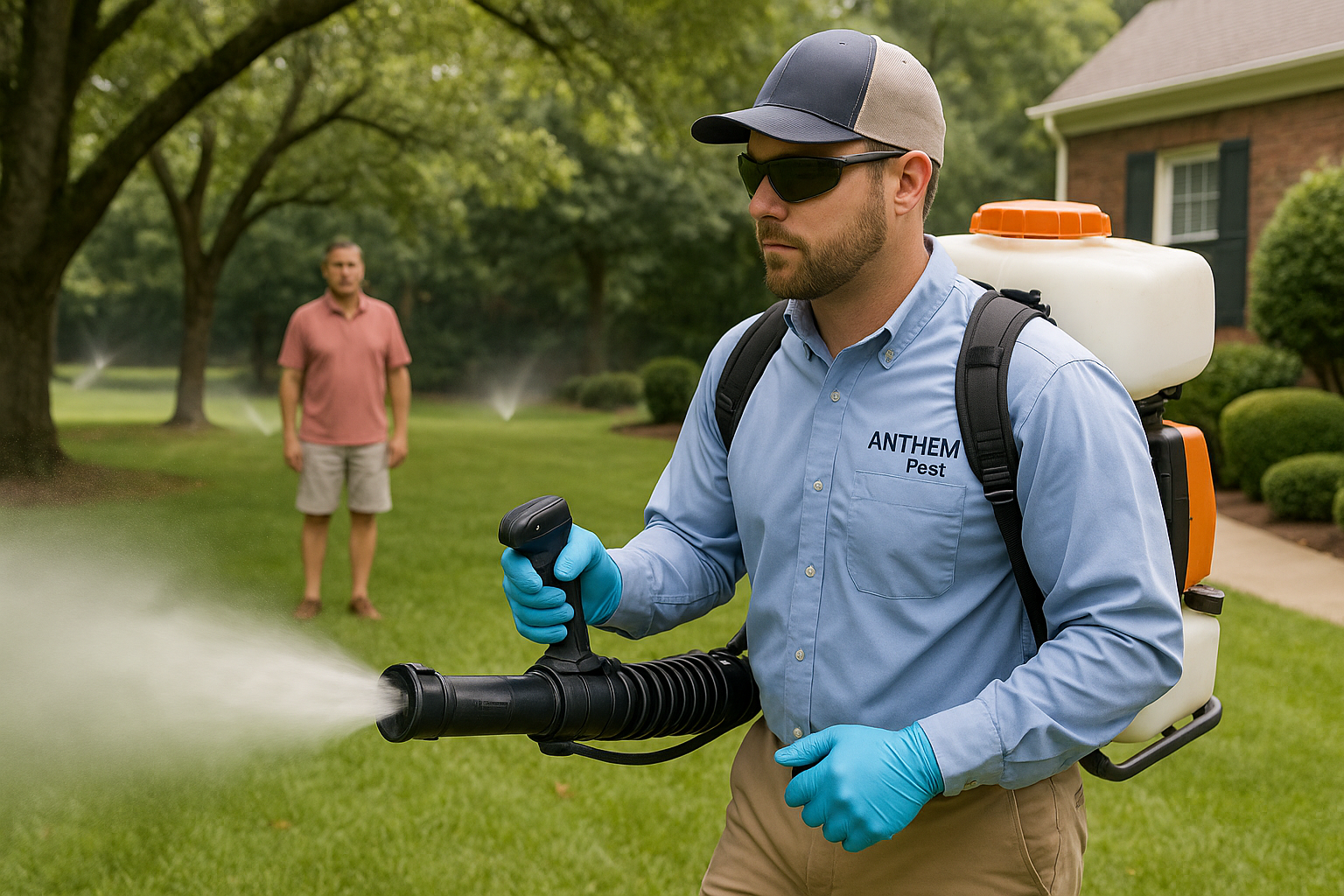
Consider a typical 2,500‑sq‑ft yard with a moderate infestation. Most technicians will schedule 1‑2 spray passes, each costing between $120 and $180. Opting for a quarterly program could bring the per‑visit cost down to roughly $110, while an annual contract with added larvicide might total $150 per visit but deliver year‑round peace of mind.
Typical Mosquito‑Control Cost Ranges in Lawrenceville
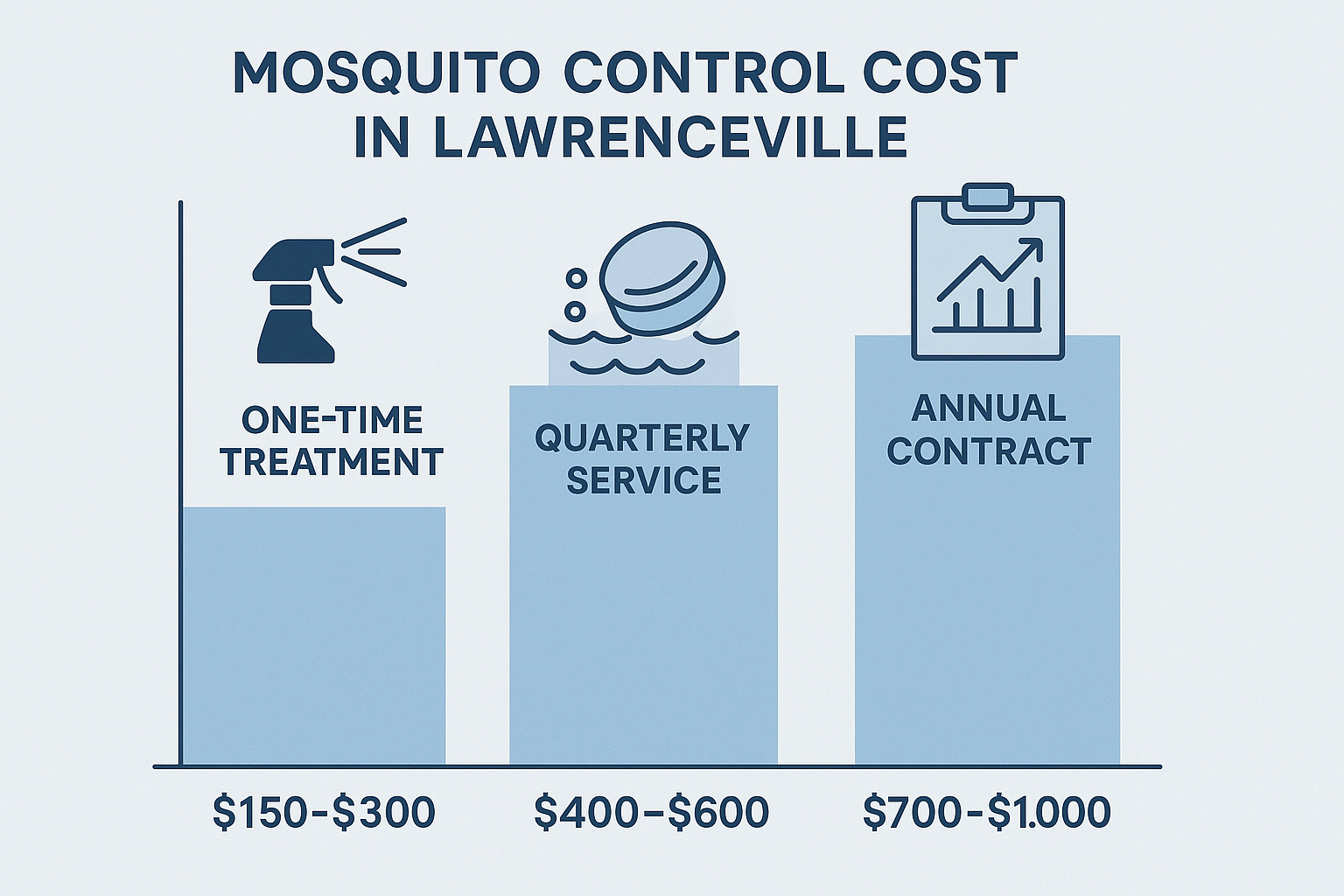
In Lawrenceville, mosquito‑control pricing reflects both the region’s humid climate and the higher labor rates typical of Gwinnett County. Below you’ll find three common service packages, each broken out by price range so you can quickly see what fits your budget.
One‑time Adulticide Spray
| Service | Price Range |
|---|---|
| Adulticide Spray | $100 – $150 |
Quarterly Barrier Treatment (4 Visits)
| Service | Price Range |
|---|---|
| Barrier Treatment | $350 – $500 |
Annual Comprehensive Plan
| Service | Price Range |
|---|---|
| Comprehensive Plan | $800 – $1,200 |
Cost‑per‑Square‑Foot Benchmark
| Service | Low Cost | High Cost |
|---|---|---|
| One‑time Spray | $40 | $60 |
| Quarterly Barrier | $140 | $200 |
| Annual Plan | $320 | $480 |
When you compare the numbers, the one‑time spray is the most affordable entry point, but it only protects for a few weeks. The quarterly barrier adds a protective coating to the perimeter and foliage, extending control through the peak season. The annual plan bundles monitoring, larvicide applications, and four adulticide sprays, delivering the most consistent protection for larger properties.
Homeowners can use the per‑square‑foot figures to estimate a realistic budget. For a 2,500 sq ft yard, the quarterly barrier works out to roughly $140‑$200, while the annual plan averages $320‑$480. These estimates help you decide whether to spread costs over the year or invest in a single, comprehensive service.
The EPA’s 2024 Mosquito‑Control Cost Survey lists a national median of $650 for a full‑season program. Georgia applies a 10 % adjustment factor, nudging local averages upward. Lawrenceville’s prices sit a few dollars above the state‑adjusted median because local contractors factor in higher insurance costs, stricter EPA compliance for residential spraying, and the need for more frequent treatments in dense, vegetated neighborhoods.
DIY Options vs. Professional Services
When mosquitoes start buzzing around your patio, the first impulse is often to reach for a quick‑fix kit from the hardware aisle. The most common DIY solutions are standalone traps that use UV light or CO₂, and homeowner‑applied larvicides such as granules or liquid concentrates. A single trap typically costs between $30 and $55, while a bottle of larvicide ranges from $40 to $80, depending on brand and coverage area.
Those numbers look attractive, but the science tells a different story. A University of Georgia Extension study found that DIY treatments usually achieve only a 30‑40 % reduction in mosquito counts, whereas professionally applied programs—often a combination of barrier sprays and targeted larviciding—cut populations by 80‑90 %.
Hidden costs of a DIY approach
- Time: Setting up traps, calibrating them, and re‑positioning after rain can consume several hours each week.
- Safety gear: Protective gloves, goggles, and proper disposal containers are essential when handling chemicals.
- Repeated purchases: Most traps lose effectiveness after a few weeks, and larvicides require re‑application every 2‑4 weeks during peak season.
- Limited reach: DIY products rarely address hidden breeding sites such as clogged gutters, underground storm drains, or shaded yard depressions.
When DIY might make sense
- Small rental properties where the lease term is short and a full professional program would be overkill.
- Homeowners who enjoy hands‑on pest management and are willing to invest the time each weekend.
- Budget‑tight situations where a single trap can provide modest relief for a few weeks.
When to call a professional
If you have a large yard, dense landscaping, or recurring mosquito complaints from neighbors, a licensed service like Anthem Pest Control can map breeding hotspots, apply EPA‑approved treatments safely, and deliver the 80‑90 % reduction the study shows is possible. Professional plans also include follow‑up visits, warranty coverage, and the peace of mind that comes from knowing the job is done right.
Anthem Pest’s Value Proposition for Lawrenceville Homeowners
Local expertise you can trust
Our technicians are trained specifically on the mosquito species that thrive in Georgia—Aedes, Culex, and Anopheles. They understand the breeding habits, peak activity periods, and the most effective control methods for each. Because they work exclusively in Lawrenceville, they know the neighborhoods, water features, and landscaping trends that influence mosquito populations.
Fully licensed and inspected
Every field professional holds a current license from the Georgia Department of Agriculture. You can verify our credentials at our licensing page. This state‑approved certification guarantees that we follow Georgia’s strict safety and environmental standards.
Transparent, all‑in‑one service package
- Free initial inspection to identify problem hotspots.
- Customized treatment plan based on your yard’s size, shade, and water sources.
- 100 % satisfaction guarantee—if you’re still being bitten, we’ll re‑treat at no extra cost.
- Clear, upfront pricing displayed on our website, so there are no surprise fees.
“Anthem Pest arrived within hours of my call, treated the backyard, and the mosquito bites dropped dramatically. I felt confident knowing the tech was licensed and knew exactly what to target.” – A Lawrenceville homeowner
Why Lawrenceville homeowners choose Anthem Pest
We combine science‑backed treatments with a community‑first mindset. Our crews use EPA‑approved larvicides that target mosquito larvae without harming pets, children, or beneficial insects. After each service, we provide a simple “what to watch for” checklist so you can maintain a bite‑free yard between visits. Our local office in Lawrenceville means same‑day response for urgent mosquito spikes.
Ready for a free quote?
Give our dedicated line a call at 877‑371‑8196. Our friendly staff will schedule your complimentary inspection and walk you through the pricing details, ensuring you get the protection you need without hidden costs.
Best Timing and Scheduling for Mosquito Treatments
In Lawrenceville, the mosquito life cycle follows a predictable rhythm that you can use to your advantage. The first major spike occurs in early May when eggs hatch into larvae in standing water, and a second surge hits in late July as those larvae mature into biting adults. Understanding these peaks lets you lock in treatment dates that keep the buzz—and the bill—down.
Recommended three‑step schedule
- Early‑May pre‑season treatment: Apply a residual barrier before larvae even emerge. This early strike prevents the first generation from establishing a foothold, which means you’ll need fewer follow‑up applications later.
- Mid‑season boost in July: As temperatures climb, a supplemental spray targets the adult surge that follows the larval bloom. This “mid‑season top‑up” curtails the rapid population explosion that typically peaks in late July.
- September fall wrap‑up: A final application before cooler weather sets in eliminates any late‑season survivors and reduces overwintering eggs, setting the stage for a lighter start next spring.
Think of the schedule as a simple calendar: three highlighted windows—early May, mid‑July, and early September—each representing a critical control point. Mark them on your wall planner or phone reminder, and you’ll never miss a beat.
Why early treatment saves you money
Starting in early May locks in lower service rates because technicians can treat a relatively small, localized population rather than a full‑blown infestation. Early intervention also reduces the amount of product needed, which translates into a lower overall invoice. By preventing the first wave, you avoid the domino effect of a massive adult surge that would demand extra visits, higher chemical loads, and—ultimately—higher costs.
Sticking to this three‑window plan gives Lawrenceville homeowners a proactive, cost‑effective defense against mosquitoes all season long.
Frequently Asked Mosquito‑Control Questions
Secure Professional Mosquito Control Today
When it comes to protecting your Lawrenceville home, understanding the price spectrum helps you make an informed decision. Most homeowners encounter three common pricing models:
- One‑time treatment: $120 – $250 per application, ideal for a quick fix after a sudden mosquito surge.
- Quarterly plan: $350 – $550 per year, spreading the cost over four visits to keep the yard consistently hostile to mosquitoes.
- Annual full‑service package: $600 – $950, covering regular treatments, perimeter barriers, and a follow‑up inspection for the best long‑term value.
While DIY sprays may seem cheaper, professional services bundle expertise, EPA‑approved products, and a systematic approach that maximizes every dollar spent. The result? Fewer bites, lower disease risk, and a yard you can enjoy without constantly reaching for a repellent.
For Lawrenceville families, the health‑risk reduction is priceless. Mosquitoes are more than a nuisance; they can transmit West Nile virus, Zika, and other illnesses that threaten children, seniors, and pets. A professional barrier not only slashes those risks but also restores the peace of mind that comes from knowing your outdoor space is safe for backyard barbecues, evening playtime, and weekend relaxation.
Ready to take the next step? Call 877‑371‑8196 today for a free, no‑obligation inspection. Our local team will assess your property, recommend the most cost‑effective plan, and lock in this season’s best rates before the mosquito population peaks.
Anthem Pest Control’s technicians live and work right here in Lawrenceville. They know the neighborhood’s unique challenges, use proven treatment protocols, and back every job with a satisfaction guarantee. When you choose Anthem, you choose a partner who cares about your home as much as you do.
Visit Anthem Pest Control for more information.