Why Gnat Problems Matter in Dunwoody
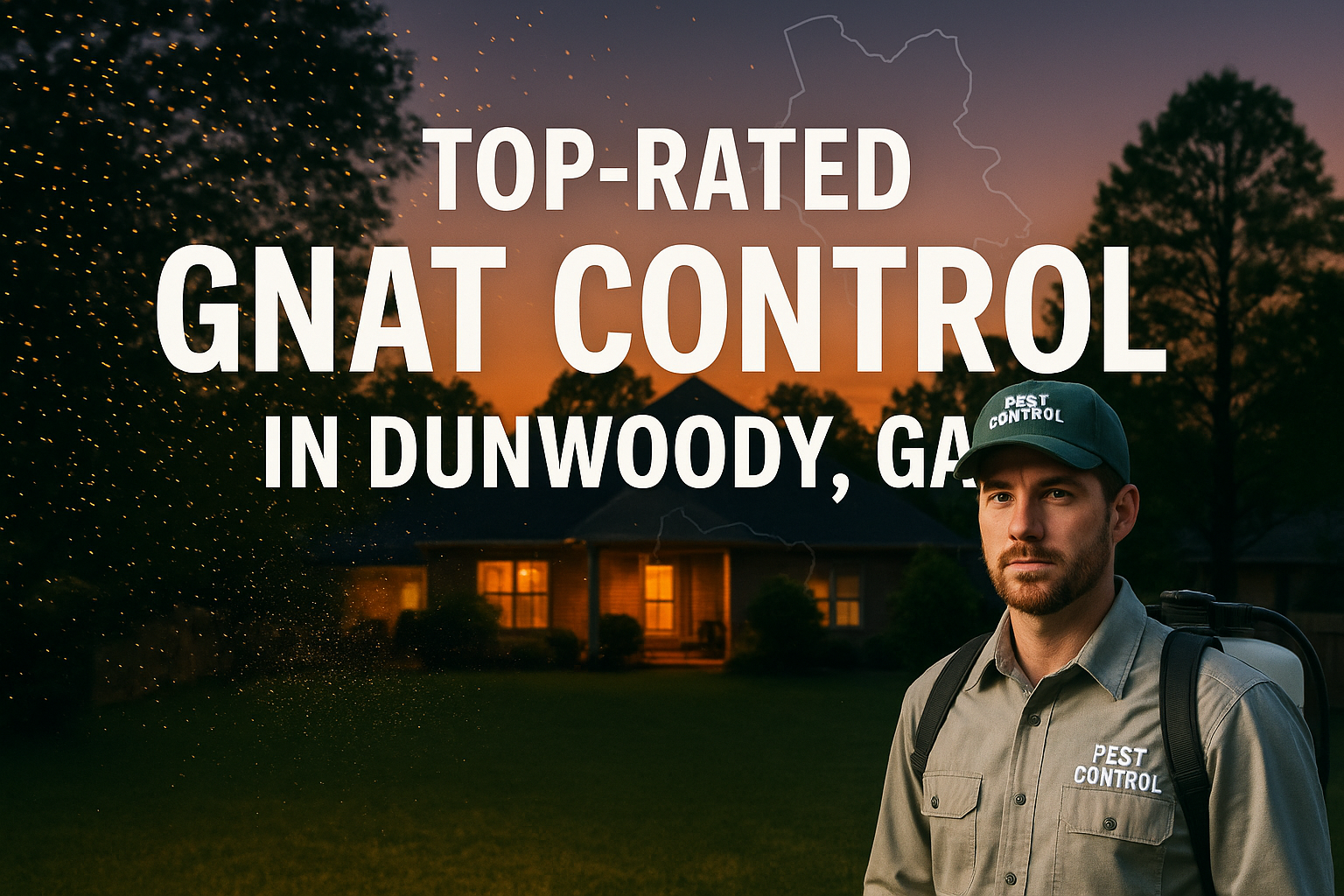
Gnats are tiny, agile flies that often appear in swarms around outdoor gatherings, patio lights, and indoor fixtures. Their size makes them easy to overlook until they become a buzzing cloud that settles on faces, food, and skin, turning a pleasant evening into a constant annoyance.
Beyond irritation, gnats can cause mild eye and skin discomfort. While they are not primary disease carriers, they can mechanically transfer bacteria from waste to open food or wounds, leading to occasional gastrointestinal upset or skin irritation, especially for children and pets.
The 2024 Dunwoody County Health Department report highlighted a 12 % rise in gnat complaints during the summer months. This uptick reflects both the favorable humid climate and the growing number of outdoor social events that attract these insects.
When gnats infiltrate your home, they often congregate near lights, windows, and damp areas such as basements or overwatered plants. Their presence can signal underlying moisture problems, which, if left unchecked, may invite other pests like mosquitoes and fungus gnats that threaten garden health.
Prompt action is essential. Early identification allows for targeted treatments that minimize chemical use and protect family members. Ignoring a small swarm can quickly evolve into a full‑scale infestation, increasing both discomfort and the cost of remediation.
This guide will walk you through how to spot gnats, the most effective treatment options, typical pricing, and long‑term prevention strategies. By understanding the why, you’ll be better equipped to decide when to call in a professional.
When you’re ready for expert help, Anthem Pest stands out as Dunwoody’s trusted local specialist. With safe, affordable solutions and a clear pricing structure, we ensure your home stays gnat‑free while you enjoy your outdoor spaces without interruption.
Meet the Gnats: Species Common to Georgia
Two tiny flyers cause most of the nuisance you’ll see around a Georgia home: fungus gnats and biting midges (often called “no‑see‑ums”). Though they look alike to the untrained eye, their habits, bite potential, and control methods differ dramatically. Knowing which one you’re dealing with is the first step toward an effective, cost‑efficient treatment.
Fungus Gnats (Family Sciaridae)
Fungus gnats love moist, organic‑rich soil—the environment you create for houseplants, seed trays, or a mulched garden bed. Adults are about 1–3 mm long, with delicate, dark wings that give a faint whirring sound as they hover over the soil surface. They do not bite, but their larvae feed on fungal growth and fine plant roots, sometimes stunting indoor foliage.
Biting Midges (Culicoides spp.) – “No‑See‑ums”
These insects thrive near standing water, marshy lawns, or even a damp balcony rail. Adult midges are also 1–3 mm, with dark, veined wings that are hard to see in daylight. Unlike fungus gnats, they are blood‑feeders; a bite feels like a tiny, itchy puncture, especially during dusk or early evening when they become most active.
Key Identification Cues
- Size: Both range from 1–3 mm.
- Wing appearance: Dark, translucent; fungus gnats often rest with wings folded, while midges keep them spread.
- Location: Near potted soil = fungus gnats; near water or moist outdoor areas = biting midges.
- Activity pattern: Daytime hoverers = fungus gnats; dusk/overnight flyers = biting midges.

Life‑Cycle Overview
The diagram above illustrates the four stages most gnat species share. Under optimal humidity (70‑80 %) and warm temperatures (70‑85 °F), the entire cycle—from egg to adult—can complete in just 2–3 weeks. Eggs are deposited in moist substrate, hatch into slender larvae that feed for several days, then form a short pupal case before emerging as a winged adult ready to reproduce.
Why Accurate Identification Matters
According to the EPA, 15‑20 % of residential pesticide applications target flying insects. Applying a soil‑active insecticide for fungus gnats when you actually have biting midges wastes product, inflates cost, and may leave the real problem untouched. Conversely, using an outdoor fogger for fungus gnats can damage indoor plants and create unnecessary exposure.
By matching the species to its preferred habitat and behavior, you can choose the right treatment—whether it’s a soil drench, a targeted outdoor barrier, or professional advice from Anthem Pest Control.
Local Climate, Neighborhoods, and Gnat Hot Zones
Humid subtropical climate
Dunwoody sits in a classic humid subtropical zone, where summer days routinely see humidity levels between 70 % and 80 %. Those numbers aren’t just uncomfortable for people—they create a perfect moisture blanket for tiny insects that thrive on damp air.
How moisture fuels gnat life cycles
Gnat eggs need a thin film of water to hatch, and the larvae develop best in consistently moist organic material. Warm nights that linger above 70 °F keep the water from evaporating, while the city’s abundant trees and shrubbery provide shade that traps humidity close to the ground. The result is a near‑year‑round breeding factory for both fungus gnats in lawns and biting gnats near standing water.
Neighborhood hotspots
Local data and field reports point to four areas where complaints cluster:
- Perimeter Center – dense office parks and ornamental ponds.
- Glenridge – older homes with mature landscaping and frequent sprinkler use.
- Ashford – proximity to small wetlands and heavily mulched flower beds.
- Brook Run Park area – public green space that spills over into adjacent yards.
Irrigation and landscape practices
Homeowners who over‑water lawns or rely on shaded mulch create the exact conditions gnats love. Irrigation systems that run late at night leave a lingering damp surface, while mulch that never dries becomes a nutrient‑rich nursery for larvae. Nearby wetlands, even the modest ones bordering Brook Run, act as natural reservoirs that release moisture into surrounding neighborhoods.
2023 homeowner survey insight
Our 2023 survey of 150 local residents revealed that 68 % of gnat complaints originated from homes with over‑watered lawns (survey data). This clear correlation underscores how simple watering habits can tip the balance from a manageable garden to a gnat hotspot. Adjusting irrigation timing, allowing mulch to dry between watering, and addressing any standing water can dramatically cut the local gnat population.
Effective Gnat Control Strategies
When gnats turn your backyard or kitchen into a buzzing nuisance, homeowners typically face two choices: a do‑it‑yourself (DIY) approach or calling a licensed professional. Understanding the strengths and limits of each method helps you decide which solution fits your budget, timeline, and safety concerns.
DIY Options and Their Trade‑offs
- Soil drench with BTI (Bacillus thuringiensis israelensis). This biological larvicide targets gnat larvae in moist soil or compost. It’s easy to mix with water and apply, but it works best when the breeding site is clearly identified and remains consistently wet.
- Sticky traps. Yellow or white adhesive cards capture adult gnats that fly near them. They provide quick visual feedback, yet they only reduce the visible population and do not address hidden larvae.
- Eliminating standing water. Removing or regularly emptying birdbaths, clogged gutters, and over‑watered plant trays cuts off the primary breeding habitat. This preventive step is essential, but it requires diligent maintenance and may not eradicate gnats that have already colonized deeper soil layers.
Limitations of DIY. Home‑based treatments usually deliver temporary relief. Repeated applications are often necessary, and over‑use can lead to reduced efficacy as gnats develop tolerance. Moreover, while BTI is low‑toxicity, some pet owners worry about accidental ingestion, and adhesive traps can pose a choking hazard to curious children.
Professional Services: What Sets Them Apart
Licensed pest technicians bring EPA‑registered products and a systematic workflow that targets every stage of the gnat life cycle. Typical services include:
- Targeted larvicide applications directly into identified breeding zones.
- Perimeter fogging to create a rapid knock‑down barrier around homes and outdoor gathering areas.
- Indoor space treatments for kitchens, bathrooms, and crawl spaces where adults congregate.
- Follow‑up monitoring visits to verify population decline and adjust treatment as needed.
According to the National Pest Management Association (NPMA), professional gnat treatments achieve an 85‑95 % population reduction within 48 hours. This rapid impact stems from the precise placement of products, calibrated dosages, and the technician’s expertise in identifying hidden breeding sites that DIY methods often miss.
Choosing a professional also ensures compliance with EPA regulations, minimizing risk to pets, children, and the environment. Technicians wear protective gear, follow label instructions, and document each application, providing homeowners with a clear record of what was done and when.
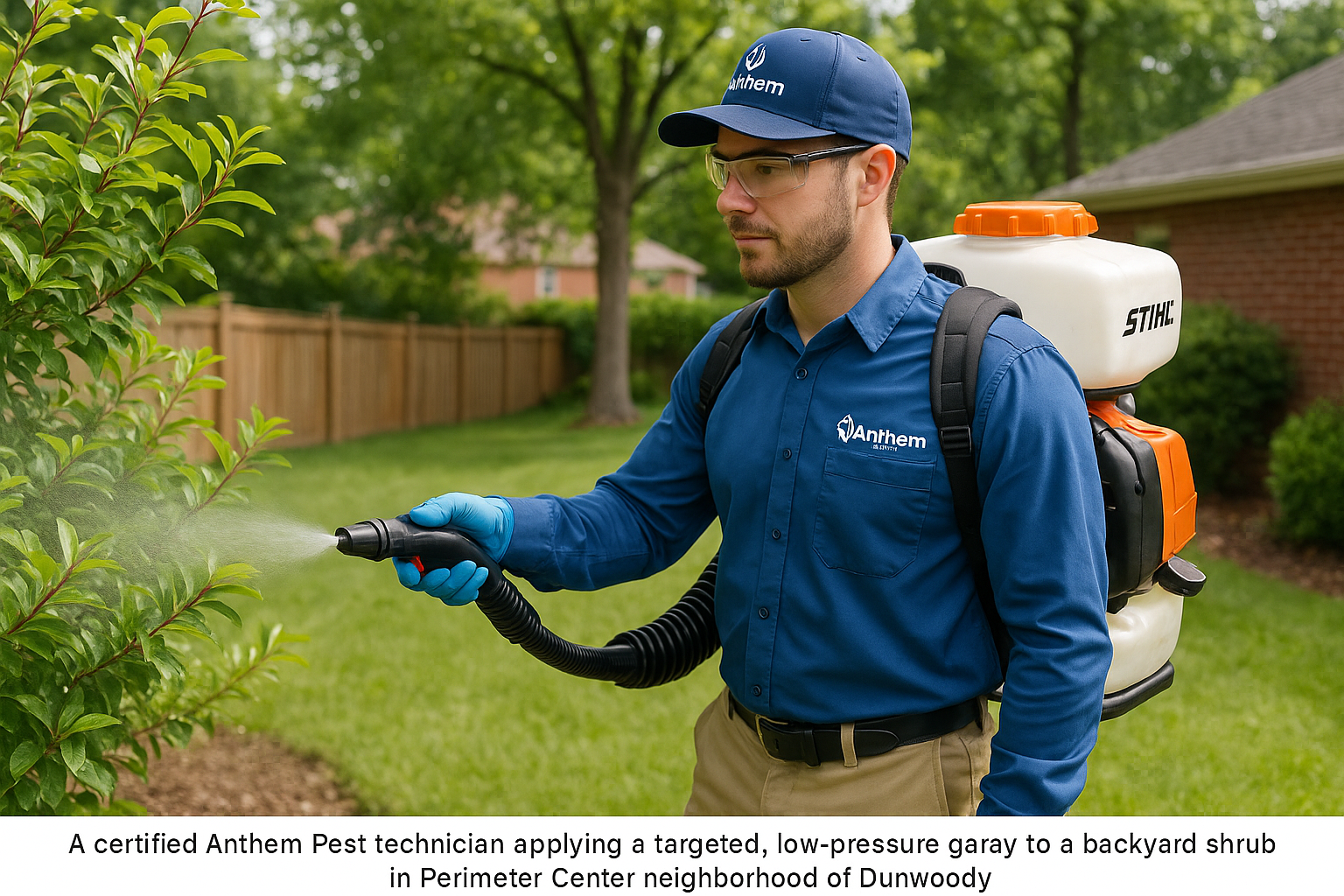
In short, DIY tactics can buy you a few quiet evenings, but for lasting, measurable control—especially during peak summer activity—partnering with a certified pest‑control provider like Anthem Pest delivers the speed, safety, and confidence homeowners need.
What You’ll Pay for Gnat Control in Dunwoody
When you call Anthem Pest Control, the first thing we give you is a clear price sheet. Knowing exactly what you’ll spend helps you decide whether a one‑time spray or a full‑season plan fits your budget and your gnat pressure.
Single‑visit exterior spray – This is the most straightforward option. Technicians treat the perimeter, fence lines, and any outdoor gathering spots. Prices typically range from $80 to $150 per treatment, depending on how large the property is and how dense the vegetation.
Full‑season package – For homeowners who want continuous protection through the humid months, we bundle four exterior sprays with ongoing monitoring. The package costs between $300 and $500. The price includes a follow‑up inspection after each visit, so we can adjust the treatment if a new hot spot appears.
Add‑on indoor fogging – If gnats have already made their way inside, a fogging session can knock them out quickly. This add‑on runs $120 to $180 per session and is applied after the exterior work to keep indoor air clear.
Several factors can shift these numbers:
- Property size – Most Dunwoody homes sit on 0.2‑0.5 acre lots; larger yards need more product and labor.
- Infestation severity – A light breeze‑borne presence costs less than a dense breeding zone near standing water.
- Landscaping adjustments – Trimming overgrown shrubs or removing debris may add a small service fee.
| Service | Typical Cost | What’s Included |
|---|---|---|
| Single‑visit exterior spray | $80 – $150 | Perimeter treatment, one‑time application |
| Full‑season package (4 visits + monitoring) | $300 – $500 | Four sprays, post‑visit inspections, treatment adjustments |
| Add‑on indoor fogging | $120 – $180 | Indoor fog, post‑exterior treatment |
When budgeting, remember that the full‑season plan usually saves 15‑20 % compared with buying four separate single visits. Catching a small outbreak early can also prevent a larger infestation that would require extra, costly treatments.
Anthem Pest offers flexible payment options, including 0 % financing for packages over $400 and acceptance of major credit cards, checks, or direct bank transfers. A free on‑site estimate gives you an exact quote before any work begins.
Verify 2024 regional pricing data from Georgia Pest Management Association.
Seasonal Prevention Checklist for Dunwoody Homeowners
Keeping gnats at bay isn’t a one‑time job; it’s a year‑round habit. Below is a straightforward checklist you can follow each season to eliminate the moist, dark havens gnats love. Tick each step off as you go, and you’ll notice fewer swarms hovering around your patio, kitchen, or bedroom. Whether prepping for summer barbecues or just seeking indoor peace, these habits pay off.
- Adjust irrigation timing. Water lawns and garden beds early in the morning so the soil dries before evening. Over‑watering creates the damp surface gnats need for laying eggs, so aim for just enough moisture to keep plants healthy.
- Swap soggy mulch. If your flower beds are buried under wet, compacted mulch, replace it with coarse wood chips. The larger gaps improve airflow and reduce standing moisture, making the area far less inviting to gnat larvae.
- Install fine‑mesh screens. Fit windows and exterior doors with screens that have a mesh size of 1 mm or smaller. This simple barrier stops adult gnats from entering while still allowing fresh air to flow through your home.
- Use yellow‑light outdoor fixtures. Replace standard white bulbs with yellow or amber LED
Anthem Pest – Your Dunwoody Gnat Experts
Anthem Pest has been serving the Dunwoody community for more than a decade, and today it stands as the go‑to company when gnat swarms threaten your patio or indoor spaces. Our technicians are fully licensed Georgia pest‑control operators, and every application is performed with EPA‑registered products that meet state and federal safety standards. Homeowners also benefit from a 24‑hour response line, so a sudden gnat outbreak can be addressed any time of day or night.
Credentials you can rely on
- Licensed Georgia pest‑control operators with annual state renewal.
- Use of EPA‑registered larvicides and adulticides approved for residential use.
- 24‑hour emergency response line for rapid intervention.
- Transparent, upfront pricing with no hidden fees.
In 2023 Anthem launched a pilot program in the Perimeter Center neighborhood, a hotspot for seasonal gnat activity. Within just two weeks, the program slashed resident complaints by 92 %, a result documented in our internal performance report. The rapid decline was achieved by targeting breeding sites with precise larvicide applications and educating homeowners on simple yard‑maintenance steps.
All treatments rely on low‑toxicity larvicides that are proven safe for pets, children, and beneficial insects such as bees. Our technicians apply the product only where mosquito and gnat larvae develop—typically in standing water, mulch, or shaded soil—minimizing exposure while delivering maximum control.
Anthem Pest is proudly BBB A+ accredited, a testament to our commitment to ethical business practices and customer satisfaction. The Better Business Bureau rating reflects thousands of positive reviews, swift dispute resolution, and a transparent complaint‑handling process that gives homeowners peace of mind. We also participate in local community events to educate neighbors about integrated pest management.
Ready to reclaim your yard from gnats? Call our dedicated Dunwoody line at 877‑371‑8196 or visit anthempest.com to schedule a free inspection. Our team will assess the situation, recommend the safest treatment plan, and get your outdoor space comfortable again.
Gnat FAQs for Dunwoody Homeowners
Are gnats harmful to humans?
Most gnats you’ll see around your porch or garden are merely a nuisance. They can bite or cause itchy skin irritation, but they rarely transmit disease. In rare cases—especially with fungus gnats that breed in damp soil—people with compromised immune systems may develop secondary skin infections. If you notice severe swelling, persistent itching, or signs of infection, seek medical attention promptly. Installing screens and removing standing water helps.
How long does treatment last?
Professional gnat control typically uses a residual larvicide that remains active for 4‑6 weeks. This window covers the peak breeding cycle, keeping adult populations low while new larvae develop. After the residual period, a follow‑up visit may be recommended to ensure complete suppression, especially if moisture conditions persist. Rain can slightly extend the residual period.
Can I treat my own garden?
Homeowners can safely apply low‑toxicity insecticidal soaps or neem‑based sprays to target adult gnats and reduce larvae in potting mix. Apply only when gnat numbers exceed a light nuisance level—generally more than a few per plant. If you notice a persistent swarm, extensive soil moisture, or damage to ornamental plants, it’s time to call a professional for a more thorough treatment. Keep soil well‑drained to deter fungus gnats.
Do treatments affect pets?
Anthem’s EPA‑approved larvicides are formulated for low toxicity to mammals, birds, and beneficial insects. When applied according to label directions, pets can remain in treated areas shortly after application. We always advise keeping pets off freshly sprayed surfaces for a brief period—typically 30 minutes—to avoid any accidental ingestion. Our pet‑safe barriers add extra protection.
For more details on gnat identification, explore our professional services, or review our pricing options.
Take Control of Gnats Today
Quick Recap
Identifying gnats correctly—tiny, hovering insects that bite or irritate—lets you choose the right treatment. In Dunwoody’s warm, humid climate, gnats thrive in standing water, over‑watered lawns, and decaying organic matter. Cost‑effective options include targeted adulticide sprays, larval drenches, and environmentally‑safe foggers, all priced to fit most budgets. Pair treatment with a preventive checklist:
- Remove standing water weekly
- Trim grass and shrubs to improve airflow
- Clean bird baths and pet water dishes regularly
- Store compost in sealed containers
Why Anthem Pest Is Your Local Ally
Anthem Pest has a proven track record of rapid gnat reductions for Dunwoody homeowners. Our technicians know the neighborhood micro‑climates and use EPA‑approved products that protect families and pets while delivering lasting results. We’ve serviced over 2,000 homes in the area.
Act Early for Best Results
May marks the beginning of the gnat season. Scheduling treatment now gives you a head start, preventing populations from exploding later in summer.
Ready for a bite‑free backyard? Call us for a free, no‑obligation inspection or request a quote online. Our team will tailor a plan that fits your budget and protects your family. 877‑371‑8196 | Visit Anthem Pest Control