Why Silverfish Matter in Druid Hills Homes
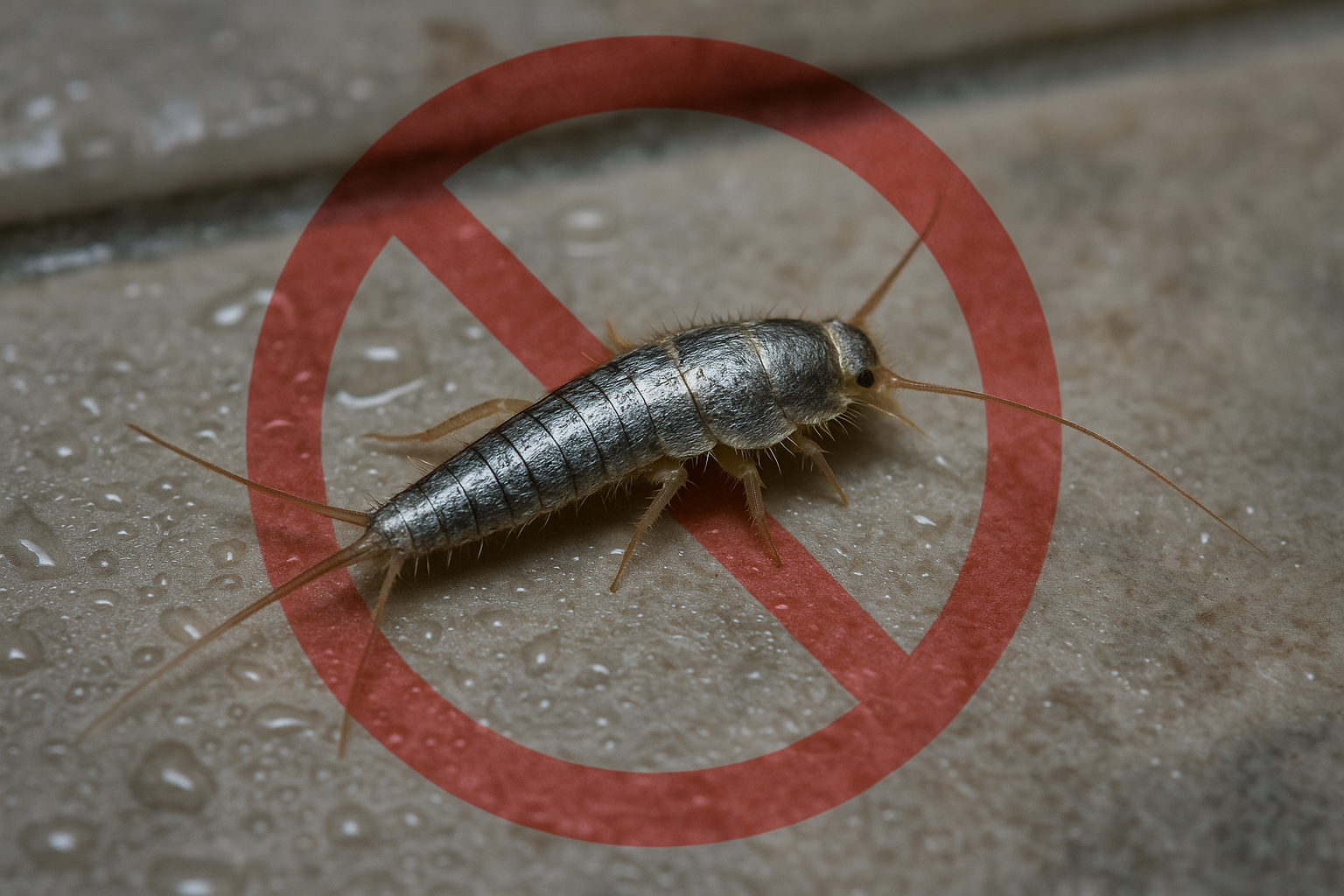
Silverfish Exterminator Druid Hills services are increasingly in demand as more homeowners discover these destructive pests hiding inside bathrooms, basements, and closets. Silverfish (Lepisma saccharina) are tiny, wingless insects that resemble a silvery fish ribbon. Adults are about ½-inch long, with three rear bristles and a tapered, scale-covered abdomen that gives them a metallic sheen. They emerge from eggs in 2–3 weeks, mature in 6–12 months, and can live up to three years, thriving in dark, humid spaces where paper, crumbs, and natural fibers are available.
Why They Thrive Indoors
Silverfish love moisture, darkness, and a steady supply of starchy or protein‑rich debris. Leaky pipes, damp basements, and unsealed cracks in foundation walls create micro‑habitats where they multiply unnoticed, especially in older Druid Hills homes built before modern moisture barriers.
According to the U.S. Environmental Protection Agency, “Silverfish infestations affect up to 10% of U.S. households” EPA Indoor Pest Management. This national figure translates directly to neighborhoods like Druid Hills, where many homes share the same moisture‑rich conditions that silverfish love.
Health and Property Impact
While silverfish don’t bite or transmit disease, their shed skins and droppings can aggravate asthma and allergies. More importantly, their constant nibbling on paper products and fabrics can erode the value of cherished belongings over years.
In the past year, Druid Hills Homeowners Association newsletters have logged a noticeable uptick in resident complaints—up 27% compared with 2022. Neighbors in Decatur, Brookhaven, and North Druid Hills report similar spikes, highlighting a community‑wide trend.
Beyond being unsightly, silverfish chew on paper, book bindings, wallpaper, and even clothing fibers. Over time, their feeding can damage heirloom photographs, tax documents, and delicate fabrics, turning a minor inconvenience into a costly preservation problem. That’s why contacting a trusted Silverfish Exterminator Druid Hills homeowners rely on is often the smartest way to protect valuable belongings before the damage spreads.
That’s why this guide is written for Druid Hills homeowners who want an expert‑backed roadmap. Whether you live in historic Druid Hills, newer Decatur developments, or family‑friendly Brookhaven and North Druid Hills, understanding silverfish biology and local trends is the first step toward effective control.
Spotting Silverfish Inside Your Home
Spotting silverfish early can save you from costly damage to books, clothing, and drywall. These tiny, fish‑like insects thrive in hidden corners, so knowing exactly what they look like and where they love to hide is the first step to a swift, effective response.
Physical characteristics to watch for:
- Length: about ½–¾ in, slender and elongated.
- Silvery‑blue or metallic scales that catch the light.
- Three tail‑like appendages (cerci) protruding from the rear.
- Rapid, darting movement when the insect is disturbed.
Common hotspots inside a typical Druid Hills home:
- Bathrooms and shower stalls where humidity is high.
- Kitchens, especially under sinks or behind appliances that collect water.
- Basements, crawl spaces, or any area with a leaky pipe or standing moisture.
- Bookcases, closets, and paper piles that lack proper airflow.
Silverfish are drawn to environments that combine moisture with a steady supply of starches or proteins. Bathrooms and kitchens provide constant humidity from showers and sinks, while the cardboard backing of books, paper, and fabric in closets offers the food they need to reproduce. Basements often have pipe leaks or condensation, creating the perfect breeding ground that can go unnoticed for months.
Take the experience of Susan Miller, a homeowner in the historic Druid Hills neighborhood. While inspecting a small leak beneath her basement utility sink, she spotted several silvery specks darting across the concrete. Within minutes she identified them as silverfish, noting the characteristic three‑pointed tail and the metallic sheen that glimmered in the dim light. Susan’s quick identification allowed her to call Anthem Pest Control before the insects spread to her stored family photo albums and old books.
In addition to spotting the insects themselves, homeowners should watch for tiny, pepper‑like droppings near baseboards or under appliances. These dark specks are the excrement of silverfish and often appear in clusters. You may also notice irregular, papery damage along the edges of books, wallpaper, or cereal boxes—areas where the insects have been feeding. Early detection of these clues can prevent larger problems down the line.
Designer note: Create a one‑page “Silverfish Identification Checklist” featuring a thumbnail of the insect, size range, key color cues, and a quick list of high‑risk rooms. Use a clean, high‑contrast layout so homeowners can print and hang it in laundry rooms or garages.
For broader context on household pests, see the CDC Household Pests Fact Sheet.
Why DIY Methods Usually Fall Short
Most homeowners start with what’s readily available at the hardware store: aerosol sprays that claim “instant kill,” sticky traps that promise to catch the wandering insects, and do‑it‑yourself boric‑acid mixes that are touted as a cheap, low‑toxicity solution. While these products can knock back a few silverfish, they rarely address the hidden colonies that lurk behind baseboards, under appliances, and inside wall voids.
- OTC aerosol sprays – fast‑acting but lose potency after a few hours.
- Sticky traps – good for monitoring, not for eradication.
- Boric‑acid powder or paste – effective when applied correctly, yet often spread too thinly or placed in inaccessible spots.
According to the NPMA 2023 survey, 62% of DIY attempts fail to eliminate the infestation after 4 weeks. Homeowners report seeing a few dead insects, then watching the population bounce back once the product degrades or the insects discover untreated refuge areas.
Below is a side‑by‑side snapshot of what you can typically expect from a DIY boric‑acid approach versus a professional silverfish treatment.
| Factor | DIY Boric‑Acid | Professional Service |
|---|---|---|
| Speed of reduction (first week) | 10‑20% drop in activity | 60‑80% drop in activity |
| Residual effect | 1‑2 weeks | 4‑6 weeks (treated with EPA‑approved residuals) |
| Coverage area | Limited to visible cracks and floor seams | Whole‑home inspection; treatment reaches voids, crawl spaces, and wall cavities |
| Re‑infestation risk | High – untreated nests remain | Low – follow‑up monitoring and preventive barriers |
The biggest gap isn’t just the chemicals themselves; it’s the expertise behind their application. Professionals use calibrated equipment, target concealed harborages, and apply residual products that stay active long after the technician leaves. That level of thoroughness simply isn’t achievable with a bottle of spray and a handful of powder.
Safety is another hidden cost. Mis‑applied boric‑acid can linger where children or pets play, and aerosol sprays often contain volatile organic compounds that affect indoor air quality. A licensed pest‑control technician follows strict safety protocols, ensuring the treatment is both effective and harmless to your family.
Professional Silverfish Extermination Solutions
When silverfish start leaving their tell‑tale silvery trails across your pantry shelves or bathroom tiles, a DIY spray often only masks the problem. A licensed provider like Anthem Pest brings a science‑backed, guarantee‑driven approach that protects your home, your family, and your peace of mind.

Integrated Pest Management (IPM) Inspection Process
Anthem’s certified technicians begin every silverfish job with a thorough IPM inspection. This isn’t a cursory glance; it’s a step‑by‑step walkthrough that includes:
- Habitat identification: locating dark, damp zones where silverfish thrive—under sinks, behind baseboards, and inside closets.
- Moisture assessment: using moisture meters to pinpoint leaks or condensation sources that fuel infestations.
- Activity mapping: documenting egg‑case clusters, shed skins, and feeding signs to determine the infestation’s size and spread.
- Risk evaluation: reviewing household occupants, pets, and food storage practices to tailor a safe, effective plan.
By gathering this data first, Anthem can recommend the most efficient treatment while minimizing unnecessary chemical use—a core principle of IPM.
Targeted Treatment Options
Once the inspection is complete, Anthem deploys a three‑pronged arsenal that attacks silverfish at every stage of their life cycle.
- Gel baits: Low‑viscosity gel is applied in cracks, behind appliances, and along baseboards. Silverfish are attracted to the food‑based attractant, ingest the bait, and carry it back to hidden colonies, delivering a lethal dose from within.
- Residual sprays: A professional‑grade, child‑ and pet‑safe formulation is misted on walls, ceiling corners, and other travel routes. The spray remains active for weeks, creating a protective barrier that kills any silverfish that cross it.
- Structural moisture‑control techniques: Technicians seal gaps, install dehumidifier recommendations, and advise on proper ventilation. Reducing humidity removes the essential water source silverfish need to survive, turning your home into an inhospitable environment.
Transparent Pricing for Druid Hills Homeowners
Anthem believes that clear, upfront pricing builds trust. Based on 2024 local quotes, the typical residential package for a standard Druid Hills home includes:
- Initial treatment: $150 – $250, covering the full IPM inspection, gel bait placement, residual spray, and moisture‑control recommendations.
- Follow‑up visit: $75 – $120, which includes a re‑inspection, touch‑up applications, and verification that the silverfish population is under control.
These figures are averages; the final quote reflects the specific size of your home, the severity of the infestation, and any additional services you may request (such as whole‑home dehumidification).
What Homeowners Gain
Choosing Anthem isn’t just about eradicating silverfish; it’s about long‑term protection and confidence.
- >90 % guaranteed reduction: Most clients see a dramatic drop in activity after the first visit, with the remainder eliminated during scheduled follow‑ups.
- Warranty period: A 90‑day service guarantee ensures that if silverfish reappear, Anthem will return at no extra cost to re‑treat the affected areas.
- Child‑ and pet‑safe formulations: All chemicals comply with EPA standards and are specifically chosen for low toxicity to humans and animals.
- Ongoing prevention advice: Technicians leave a customized checklist—covering pantry storage, bathroom ventilation, and basement sealing—to keep silverfish from returning.
Ready to put an end to those nocturnal rustlers? Explore the full scope of Anthem’s silverfish program and schedule your inspection today.
Anthem Silverfish Extermination
Seasonal Timing and Prevention Tips
Silverfish love the warm, damp months that Druid Hills experiences from May through September. When indoor humidity climbs above 60 %, the insects reproduce faster and can quickly become a nuisance in kitchens, bathrooms, and basements. The smartest move is to schedule a pre‑emptive treatment in early May, before the humidity spike gives them a breeding advantage.
Why Humid Summer Boosts Silverfish Populations
These nocturnal insects thrive in moisture‑rich environments because their eggs need damp surfaces to hatch. As outdoor temperatures rise, homes retain more humidity, especially in older homes with less efficient ventilation. A single untreated summer can add dozens of new silverfish to your home, making later control efforts more intensive and costly.
Prevention Checklist for Year‑Round Protection
- Fix leaks promptly – drips from pipes, roofs, or appliances create perfect hideouts.
- Use dehumidifiers in basements and crawl spaces to keep indoor humidity below 60 %.
- Store food in airtight containers – pantry items, pet food, and cereals are attractive food sources.
- Seal cracks and crevices around windows, doors, and foundation walls with caulk or expanding foam.
- Maintain proper ventilation in bathrooms and laundry rooms by running exhaust fans.
EPA Humidity Data Highlights
According to the EPA Humidity Report, indoor humidity levels above 60 % increase silverfish activity by roughly 30 %. Keeping humidity under this threshold is one of the most effective, low‑cost ways to deter infestations.
Printable Seasonal Calendar (Designer Note)
For Druid Hills homeowners, we’ve created a handy one‑page calendar that marks the ideal weeks for inspection, treatment, and preventive actions. Download the PDF, hang it on your fridge, and tick off each task as you complete it – a simple visual reminder that keeps silverfish at bay all year long.
Exterior Treatment Illustration

Regular perimeter spraying in early May creates a protective barrier that stops silverfish from entering through foundation cracks or siding gaps. Pair this external treatment with the indoor checklist above, and you’ll enjoy a silverfish‑free home even during the most humid months.
Frequently Asked Questions About Silverfish Treatment
How long does a treatment last?
Anthem’s silverfish treatment is designed to keep your home protected for 8 to 12 weeks after the application. The residual efficacy comes from a blend of low‑toxicity insect growth regulators and a fast‑acting contact spray that continues to work as long as the product remains on the treated surfaces. To give you peace of mind, Anthem backs every service with a 12‑week warranty. If you notice any new activity within that window, simply call us and we’ll re‑inspect at no extra charge.
Are the chemicals safe for pets?
Absolutely. All products used by Anthem meet the EPA’s safety guidelines for residential use. We prioritize pet‑friendly formulations that have a proven low toxicity profile for cats, dogs, and other household animals. In addition, our technicians are trained to apply the treatment in a way that minimizes exposure—such as avoiding direct contact with food preparation areas and allowing a short ventilation period before pets return to the treated rooms.
What if the infestation returns?
Silverfish can be persistent, especially in humid environments. That’s why Anthem offers a follow‑up visit policy as part of the initial service agreement. If you spot silverfish again during the warranty period, we’ll schedule a complimentary re‑treatment and conduct a thorough inspection to identify any missed entry points or moisture issues that might be fueling the problem. Our goal is not just to eliminate the current population but to create long‑term barriers that keep them out.
Do I need to do anything after the treatment?
While Anthem’s products provide lasting protection, a few simple homeowner steps can extend that protection. Keep kitchen counters clear of crumbs, fix leaky pipes, and reduce clutter where silverfish like to hide. These habits, combined with our professional treatment, give you the best chance of a silverfish‑free home for the full warranty period and beyond.
Local Resources and Community Support
Staying ahead of a silverfish invasion is easier when you tap into the neighborhood’s collective knowledge. The Druid Hills Neighborhood Association runs a dedicated pest‑watch program that sends quarterly updates, maps recent sightings, and offers free workshops on preventative steps. To join, simply register on the association’s website, opt‑in for email alerts, and attend the next community meeting.
For official health guidance, the Atlanta‑area public health department maintains a real‑time pest alerts page. The site lists emerging infestations, seasonal risk factors, and recommended treatment timelines—information that complements the services we provide at Anthem Pest Control.
Don’t underestimate the power of neighbor‑to‑neighbor communication. Sharing your silverfish experience on platforms like Nextdoor or your HOA’s online forum helps identify hotspots early and encourages collective action. A quick post about where you spotted the insects, what treatments you tried, and the outcome can save a whole block from costly damage.
By leveraging these local resources, you create a stronger, more informed community that can spot problems before they spread. Anthem Pest Control is always ready to back up neighborhood efforts with professional, safe, and affordable extermination solutions.
Take Action with Anthem Pest Today
Choosing a local, licensed professional brings three immediate advantages:
- Rapid results: Our technicians arrive promptly and use proven treatments that eliminate silverfish and other pests quickly.
- Safety first: All products are EPA‑approved and applied according to strict safety guidelines to protect your family and pets.
- Peace of mind: A thorough inspection and a written guarantee mean you won’t have to worry about a repeat invasion.
Give us a call today at 877‑371‑8196 or schedule your appointment online in just minutes; the process is simple, secure, and fits your busy schedule.
Our free, no‑obligation quote outlines every step, so you know exactly what to expect and how much it will cost—no hidden fees, just transparent pricing you can trust.
Ready to protect your home? Visit Anthem Pest Control now to lock in your free estimate and start enjoying a pest‑free environment.
Let our Druid Hills team take care of the pests while you focus on what matters most.