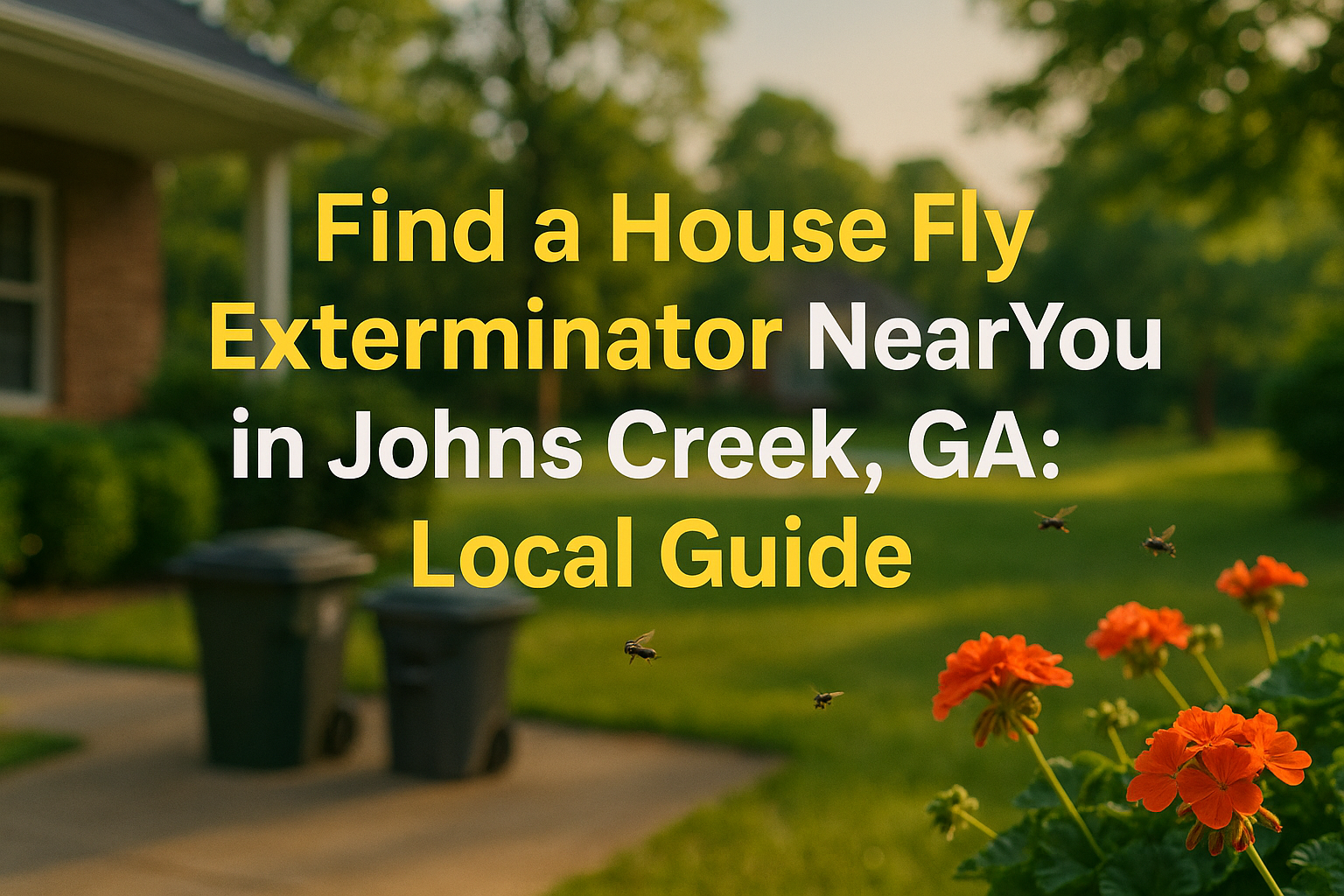
Hearing Cricket Chirps at Night? Your Druid Hills Guide
Cricket exterminator Druid Hills services are in high demand during Georgia’s warm months, when nighttime chirping turns peaceful evenings into sleepless frustration. Imagine stepping onto your porch after dinner, only to be greeted by a relentless chorus of crickets that seems louder than the cicadas in summer. For many Druid Hills homeowners, that nightly soundtrack becomes more than background noise — it disrupts sleep, invades living spaces, and signals a growing infestation that needs professional attention.
This guide is designed to cut through the noise—literally and figuratively—by showing you how to find a reliable cricket exterminator, compare treatment options, and put safeguards in place so the next summer’s serenade stays outside your windows. We’ll walk you through the signs that a cricket infestation is more than a seasonal nuisance, explain the most effective control methods, and give you a clear checklist for choosing a service that fits both your budget and your home’s unique layout.
When it comes to local expertise, Anthem Pest Control stands out as a trusted partner in Druid Hills. With years of experience handling the region’s most common pests, Anthem combines science‑backed treatments with transparent pricing, ensuring you get safe, effective relief without surprise fees.
Read on for a data‑driven, step‑by‑step roadmap that empowers you to reclaim quiet nights and protect your home from future cricket invasions.
By the end of this article, you’ll have a clear action plan and know exactly who to call when the chirps become a nightly intrusion.
Common Cricket Species in Druid Hills

House‑cricket Species You’re Likely to Meet
The two primary crickets that find their way into Atlanta‑area homes are Gryllus assimilis (the Jamaican field cricket) and Acheta domesticus (the common house cricket). Both species are small, brown‑gray, and capable of producing the familiar chirping that signals a summer night.
Life Cycle and Seasonal Peaks
Crickets follow a simple egg → nymph → adult progression. Females lay eggs in moist soil or mulch in late spring. Nymphs emerge within a few weeks, shedding their exoskeleton six to eight times before reaching adulthood. In Druid Hills, adult populations typically peak from late May through early September, coinciding with warm, humid nights that amplify their mating calls.
Preferred Habitat
Both species gravitate toward environments that stay damp and sheltered. Moist leaf litter, garden mulch, and the shaded foundations of older homes provide the perfect micro‑climate for eggs and nymphs to develop safely. Crickets also seek out cracks in siding, gaps under decks, and any crevice that offers protection from direct sunlight.
Why Druid Hills Is a Cricket Magnet
Druid Hills is renowned for its historic homes, mature trees, and lush landscaping. The dense canopy creates shaded, humid zones, while the abundance of mulch and leaf litter supplies ample food and breeding sites. These conditions turn a typical suburban yard into a cricket haven, making occasional indoor sightings almost inevitable during the peak season.
According to the NPMA, crickets rank among the top 5 outdoor nuisance insects in the Southeast, underscoring why homeowners in Druid Hills should stay vigilant and consider professional prevention.
Spotting an Infestation and Understanding Health Risks
One of the first clues that crickets have moved indoors is the unmistakable nightly chirp. Unlike the occasional outdoor serenade, a persistent soundtrack echoing from basements, closets, or crawl spaces usually means a small colony has taken up residence. Look for live crickets scurrying across tile floors or hiding behind stored boxes, and don’t overlook tiny black droppings that resemble pepper specks. Even indoor plants can give up the secret: chewed leaves, wilting tips, or a faint, musty odor often signal cricket activity.
Health concerns you shouldn’t ignore
While crickets are generally harmless, their exoskeletons contain proteins that can trigger allergic reactions in sensitive individuals. Symptoms range from mild skin irritation to sneezing and watery eyes—much like a dust mite allergy. More worrisome is the risk of food‑storage contamination. Crickets are opportunistic feeders; they’ll chew through pantry bags, leaving behind feces and shed shells that can spoil grains, cereals, and dried fruit. In rare cases, certain parasites carried by wild crickets could be transferred to humans, a scenario documented by the CDC.
Real‑world example
Take the case of a homeowner on Ponce de Leon Avenue who discovered a handful of crickets in his pantry. After opening a box of flour, he found tiny droppings and a faint, musty smell. The family promptly discarded the contaminated items, sealed the pantry, and called a local pest professional. A targeted treatment eliminated the hidden colony and prevented further health risks.
Recognizing these visual cues early can save you from costly food loss and potential allergic flare‑ups. If you notice any of the signs above, it’s time to act—contact a qualified cricket exterminator in Druid Hills to assess the situation and implement a safe, effective solution.
Why Professional Extermination Beats DIY
Common DIY traps and their limited success
Homeowners often turn to sticky pads, homemade glue boards, or simple bait stations bought at a hardware store. While these tools can catch a few crickets, they rarely address the underlying entry points or breeding sites. The result is a short‑lived reduction followed by a rapid rebound, leaving you chasing the same problem month after month.
EPA regulations and the need for certified applicators
The Environmental Protection Agency (EPA) strictly regulates pesticide formulations, labeling, and application methods for residential settings. Only licensed pest‑control operators are authorized to purchase and apply many of the most effective products, and they must follow state‑mandated safety protocols. This ensures that chemicals are used at the correct concentration, placed in the right locations, and applied in a manner that protects family members, pets, and the environment.
“EPA requires pest‑control operators to follow Integrated Pest Management (IPM) protocols for indoor treatments.”
Benefits of professional treatment
When you hire a certified provider like Anthem Pest Control, you receive a comprehensive service package: a thorough inspection, precise dosage calculations, and the use of safety‑grade equipment that minimizes exposure risks. Professionals also apply treatments in hard‑to‑reach areas—wall voids, attics, and crawl spaces—where DIY methods simply can’t reach. Most importantly, reputable companies offer follow‑up guarantees, revisiting your home if the initial treatment doesn’t achieve the expected control level.
Choosing a licensed exterminator means you’re complying with EPA standards, leveraging proven IPM strategies, and investing in a solution that delivers lasting relief—something most DIY attempts simply can’t match.
How to Find a Local Cricket Exterminator – Step‑by‑Step Checklist
If you’ve heard the nightly chirp of crickets invading your Druid Hills home, you need a trusted professional who knows how to handle orthopteran pests safely and effectively. Follow this concise, five‑step process to vet every candidate before you sign a contract.
Step 1 – Verify License and Insurance
Start at the Georgia Department of Agriculture’s online portal. Enter the company’s name or business license number to confirm that the pest‑control operator holds a current state license and carries liability insurance. A valid license proves the technician meets state training standards; insurance protects you if accidental damage occurs during treatment.
Step 2 – Research Local Reviews
Check Google, Nextdoor, and the Better Business Bureau for real‑world feedback from Druid Hills neighbors. Look for patterns: consistent praise for punctuality, thoroughness, and courteous staff, or recurring complaints about hidden fees. A solid BBB rating (A‑ or B‑) combined with five‑star Google reviews is a strong indicator of reliability.
Step 3 – Confirm Orthopteran Expertise
Not all pest companies specialize in crickets or katydids. Ask the provider directly whether they have specific experience treating orthopteran infestations. A qualified firm will explain the life cycle of crickets, the preferred treatment methods (e.g., perimeter sprays, indoor fogging), and any seasonal considerations for the Atlanta metro area.
Step 4 – Request a Written Estimate
Insist on a detailed, itemized quote before any work begins. The estimate should list the inspection fee, the type of pesticide or treatment plan, the number of applications, and a clear follow‑up schedule. Written estimates prevent surprise costs and give you a reference point when comparing multiple providers.
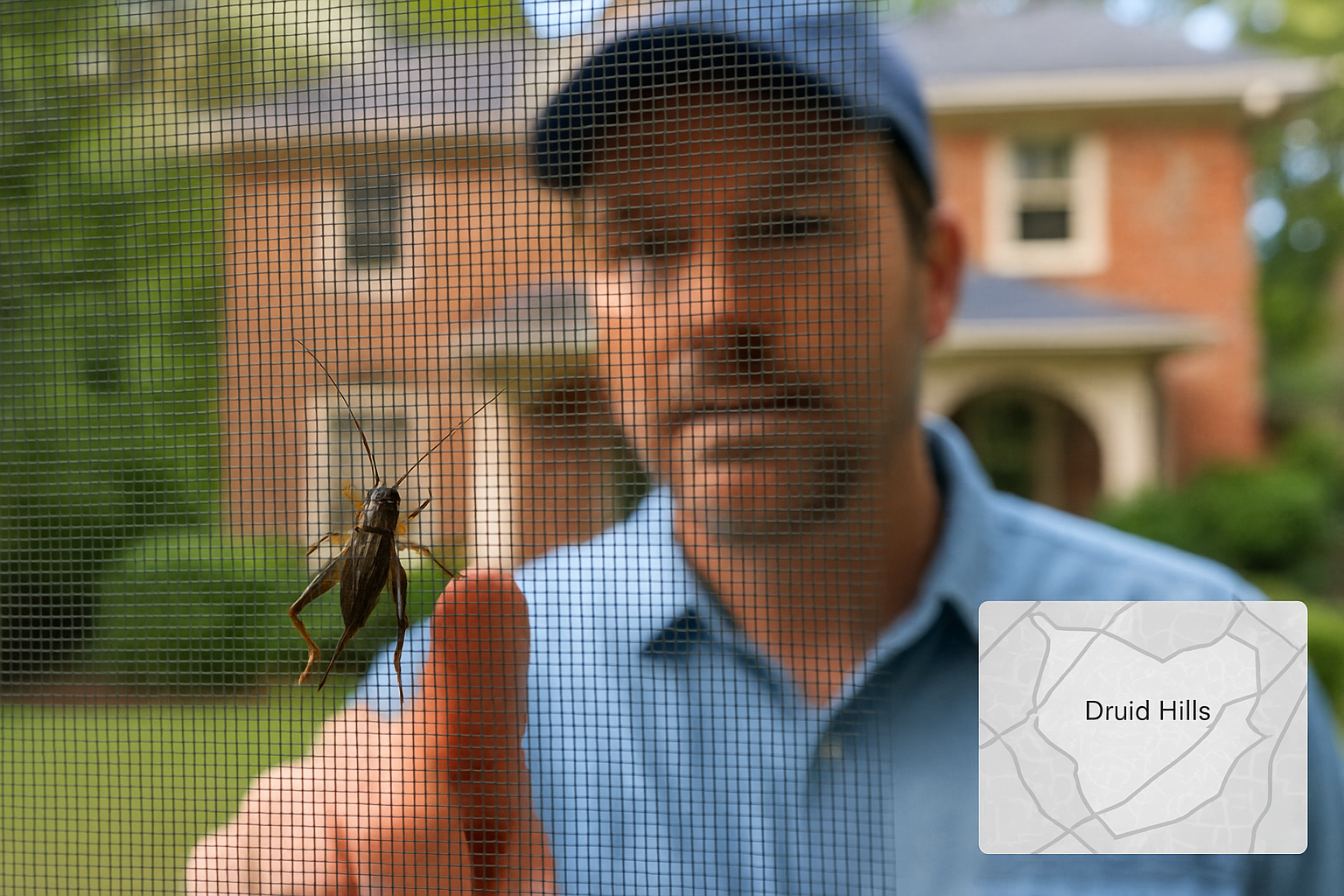
Printable Checklist
- Verify Georgia license number on the Department of Agriculture site
- Confirm active liability insurance coverage
- Read at least three recent Google or Nextdoor reviews from Druid Hills residents
- Check BBB rating and note any unresolved complaints
- Ask if the company specializes in crickets/katydids (orthopteran pests)
- Obtain a written estimate that breaks down inspection, treatment, and follow‑up costs
- Verify written guarantees or service warranties are included
Never sign a contract without a written guarantee that outlines the treatment’s effectiveness and any warranty period. A reputable exterminator will stand behind their work with a clear service warranty, giving you peace of mind that the cricket invasion won’t return after the first visit.
Treatment Options – Sprays, Baits, and Integrated Pest Management
Chemical Sprays
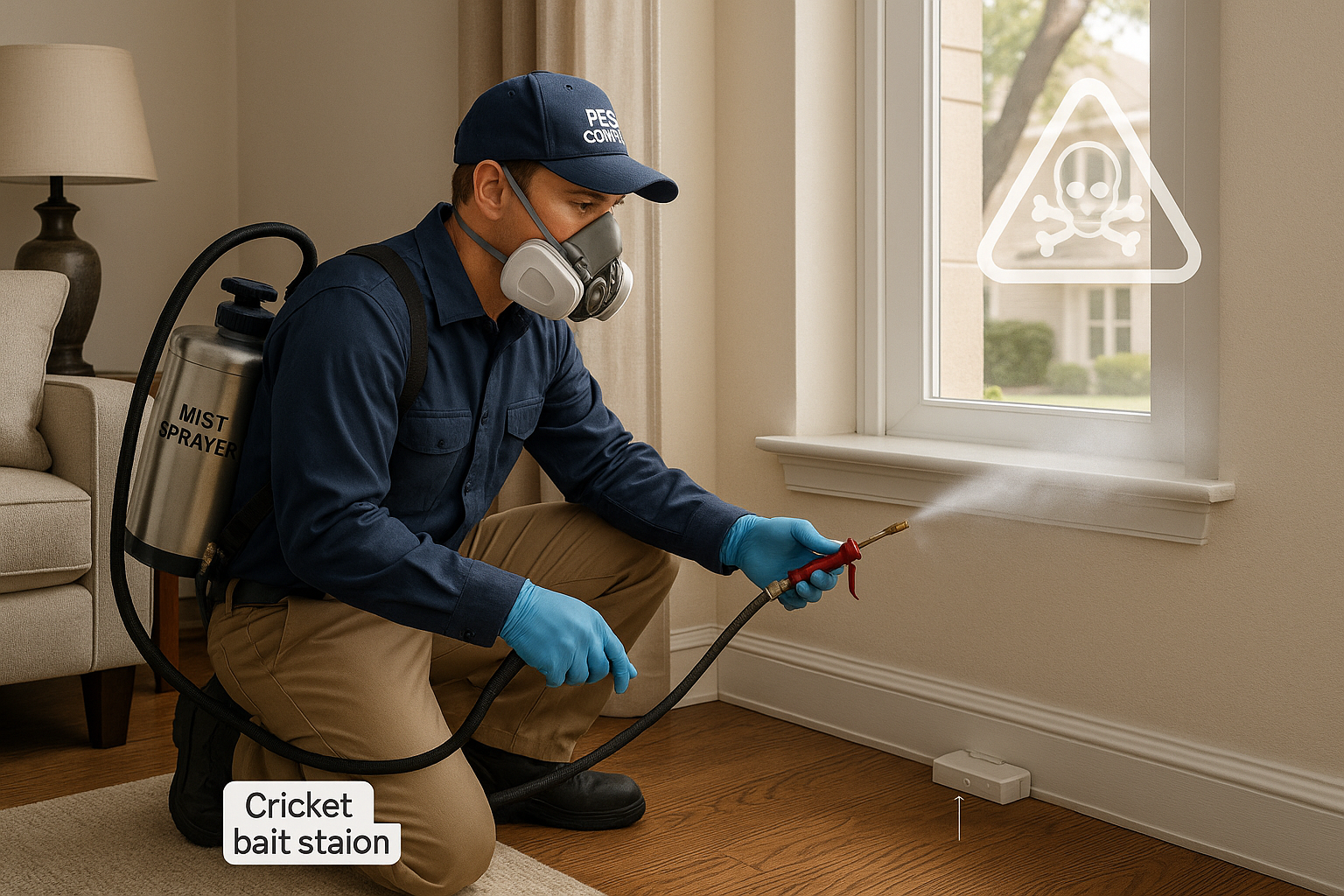
When crickets invade a home, a professional cricket exterminator Druid Hills homeowners trust will use targeted, science-backed treatments rather than temporary DIY sprays. Anthem Pest uses only EPA-registered products that have been vetted for efficacy and human safety. Technicians focus on high-risk zones such as foundation walls, crawl spaces, and exterior perimeters, where crickets typically enter and breed.
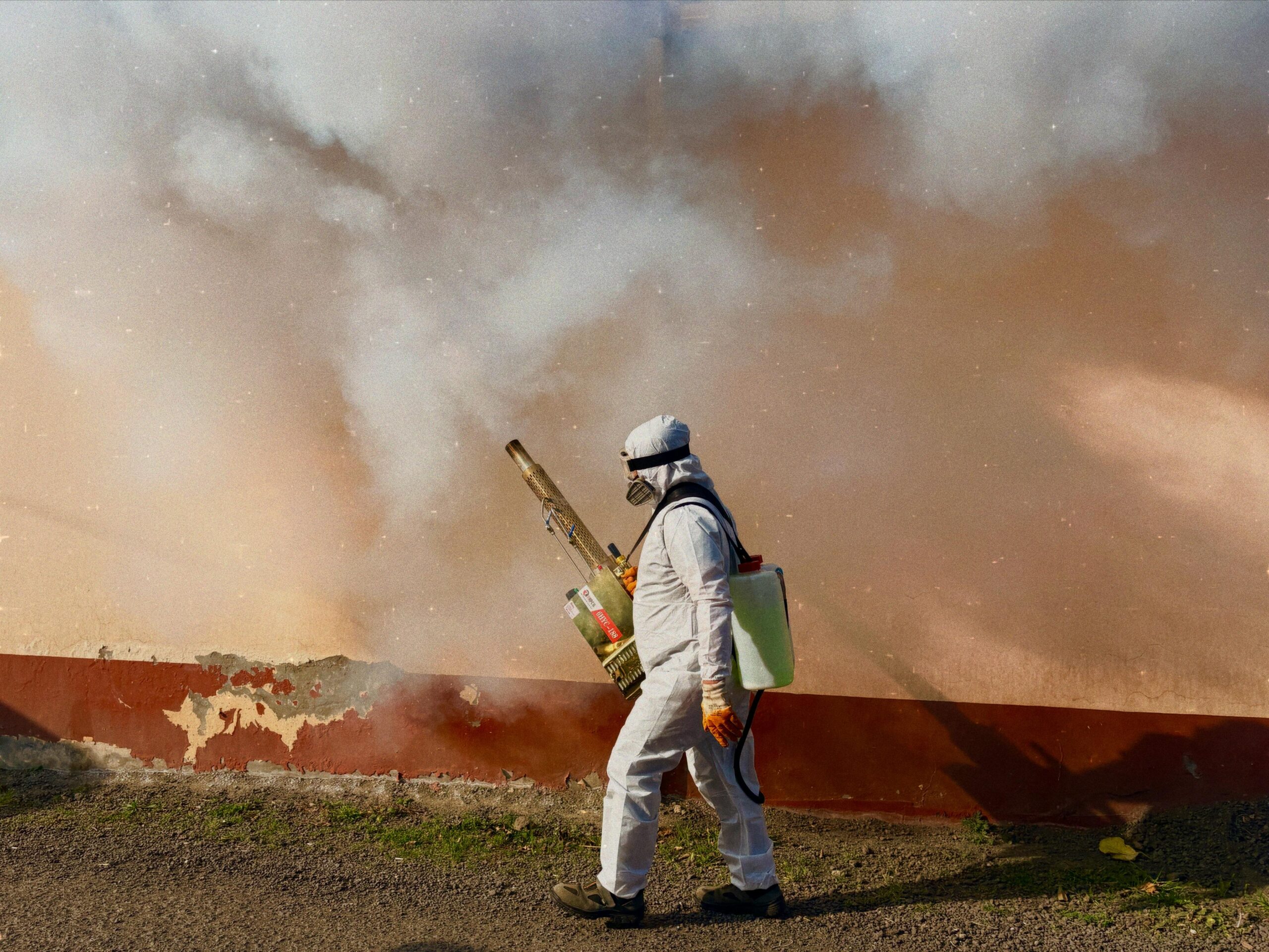
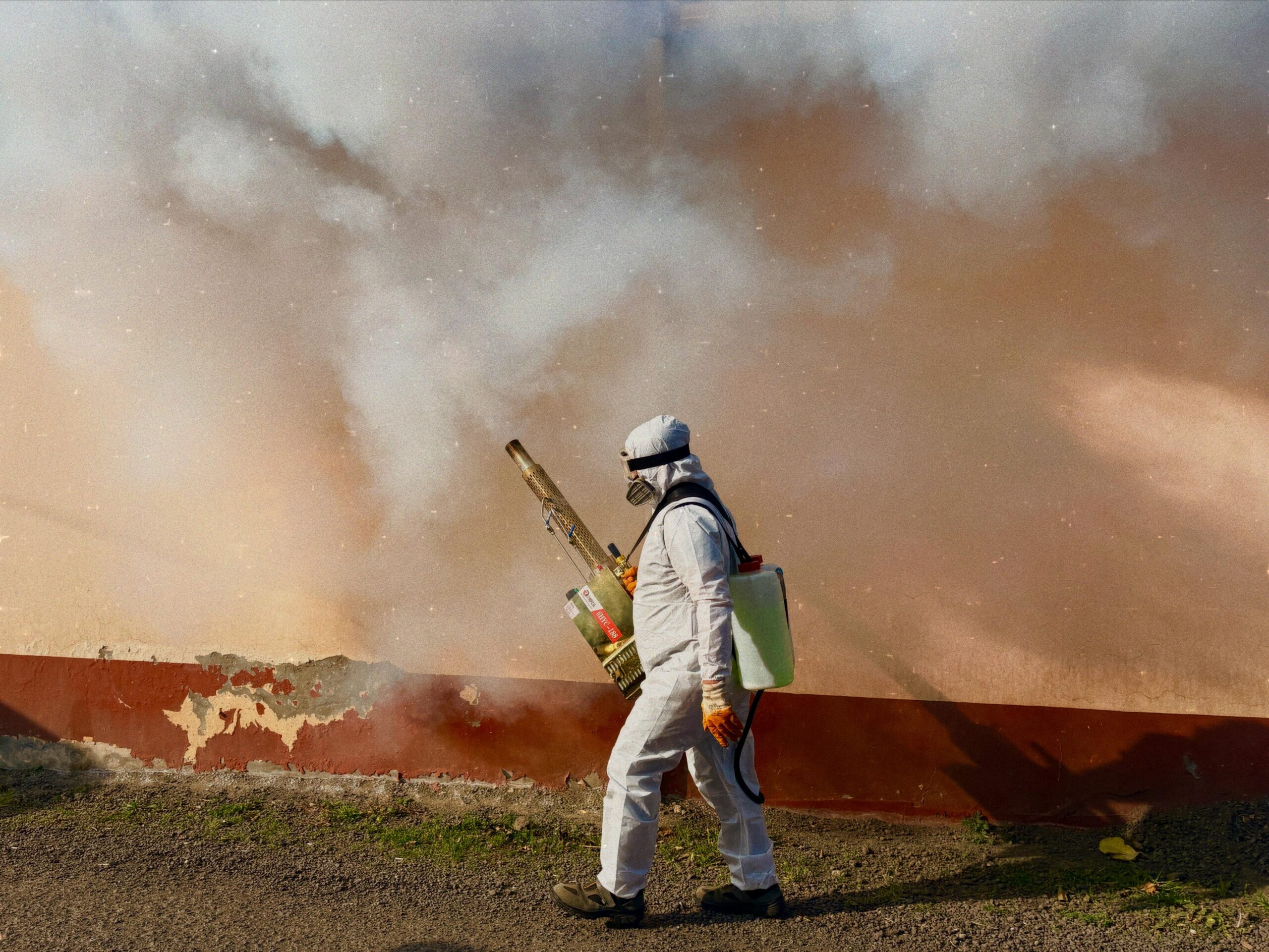
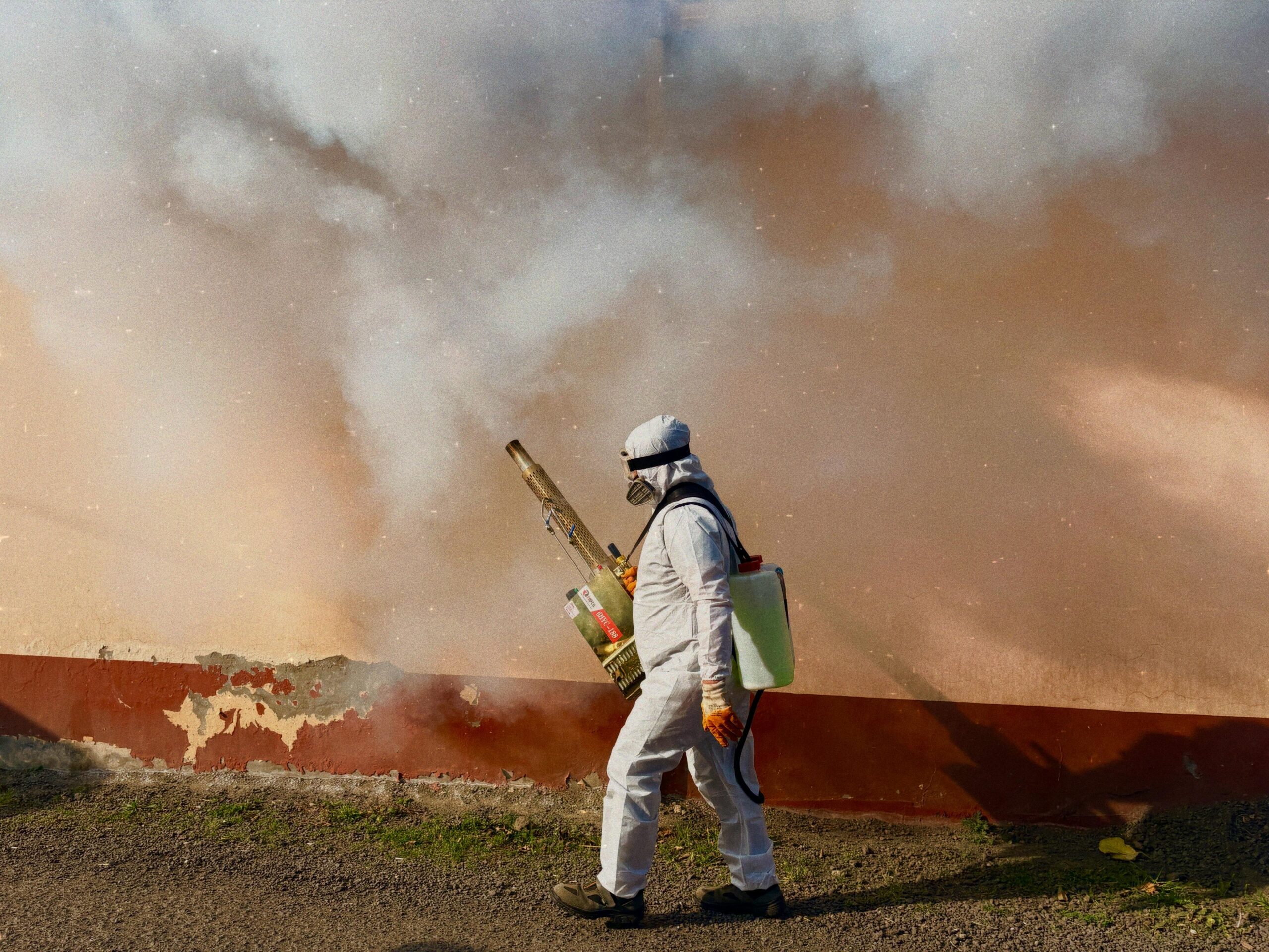
Safety is paramount. Proper ventilation during and after application reduces inhalation risks, and technicians wear personal protective equipment (PPE) including gloves, goggles, and respirators. For occupants, we advise keeping children and pets out of treated areas for at least two hours, or until the label’s re‑entry interval expires.
Bait Stations
Bait stations work on a “carry‑back” principle: crickets eat the bait, return to their hiding spots, and share the toxin with nest mates. This method targets the colony rather than just the visible insects.
Optimal placement is key. A professional cricket exterminator Druid Hills residents rely on will install bait stations near known entry points—often around doorways, window sills, and foundation cracks. A typical home requires three to five stations, checked and refreshed every 30–45 days during peak cricket season to maintain maximum effectiveness.
Integrated Pest Management (IPM)
IPM blends chemical and non‑chemical tactics to create a long‑term, low‑risk solution. First, we assess the property’s habitat: excess moisture, cluttered landscaping, and open cracks all invite crickets.
Simple modifications—repairing leaky gutters, installing dehumidifiers, and sealing foundation gaps—dramatically cut the insects’ food and shelter sources. Landscaping adjustments, such as trimming grass away from the home’s base and removing debris, further reduce hiding spots.
By combining these preventive steps with targeted sprays or baits, homeowners enjoy fewer repeat treatments and a healthier indoor environment.
Cost Comparison
| Treatment Type | Unit Cost | Typical Quantity per Home | Total Cost Range |
|---|---|---|---|
| Chemical Spray | $80‑$120 per treatment | 1‑2 applications per season | $80‑$240 |
| Bait Stations | $5‑$8 each | 3‑5 stations | $15‑$40 |
According to the 2024 EPA cost‑analysis report for residential insect control, sprays tend to have higher upfront costs but provide immediate knock‑down, while bait stations offer a more economical, colony‑focused approach when paired with IPM practices.
Pricing Overview for Druid Hills Residents
When it comes to hiring a cricket exterminator Druid Hills homeowners can trust, knowing exactly what you’ll pay helps you plan ahead and avoid surprise invoices. In the Atlanta metro area—including Druid Hills—most reputable pest-control firms charge within a narrow band for the core services you need. Below is a quick snapshot of the typical price ranges you’ll encounter.
Standard service fees
- Inspection fee: $50 – $75 – A licensed technician visits your home, identifies cricket hotspots, and recommends the most effective treatment plan.
- One‑time spray treatment: $80 – $120 – Covers interior and perimeter zones, using EPA‑approved products that target adult crickets and nymphs.
- Bait‑station package (5 stations + follow‑up): $120 – $180 – Stations are placed strategically around your property, then revisited after two weeks to ensure the bait is working.
These figures reflect the market average for Druid Hills and surrounding neighborhoods. Prices can shift slightly based on square footage, accessibility, or the severity of the infestation, but any reputable company will keep you within these limits.
Why Anthem Pest stands out
Anthem Pest prides itself on transparent pricing—what you see on the quote is what you pay. In 2025 the company is running a seasonal discount of 10 % off all one‑time spray treatments booked before May, and a bundled‑service credit for customers who combine cricket control with any other pest‑prevention plan.
Before you sign a contract, we always recommend double‑checking the latest rates on Anthem Pest’s pricing page. That way you can confirm you’re getting the advertised discount and avoid any hidden fees.
By understanding these price points, Druid Hills homeowners can compare options confidently and choose a solution that fits both their budget and their need for a cricket‑free yard.
Seasonal Timing and Prevention Strategies
In Georgia, crickets reach their peak activity from late summer through early fall—roughly July to October. During these months the warm nights and abundant moisture create the perfect breeding ground, so you’ll hear the familiar chirping chorus most loudly after sunset.
Month‑by‑Month Checklist
- July: Inspect exterior door seals and repair any gaps.
- August: Trim vegetation away from the house, check screens, and clear standing water.
- September: Vacuum corners and baseboards to remove egg cases; seal cracks in foundations.
- October: Store firewood away from the home and clean gutters to prevent moisture buildup.
- November: Perform a final interior sweep and consider a preventive treatment before winter.
- December–June: Keep the property tidy, monitor for early activity, and schedule routine inspections.
Neighborhood‑Specific Tips for Druid Hills Historic District
The historic homes of Druid Hills feature elegant stone foundations and mature landscaping. To keep crickets at bay, maintain proper drainage by ensuring that downspouts direct water at least three feet away from the foundation. Avoid piling mulch directly against the house; a two‑foot gap allows air circulation and reduces moisture that attracts crickets.
For ongoing peace of mind, consider enrolling in Anthem Pest’s seasonal maintenance program. The service includes quarterly inspections, targeted treatments, and expert advice tailored to the Druid Hills climate, helping you stay one step ahead of cricket invasions year-round.
Frequently Asked Questions
How long does a treatment last?
Most professional spray applications provide a residual effect of 4‑6 weeks, keeping crickets inactive while the product continues to work on contact. Bait stations, when placed correctly and inspected regularly, can stay effective for up to three months. At Anthem Pest Control we schedule follow‑up checks to ensure the bait remains fresh and the surrounding environment stays hostile to crickets. According to EPA guidelines, the labeled residual period is the maximum timeframe you can expect under normal indoor conditions.
Are the chemicals safe for pets and children?
We use EPA‑approved products that are proven safe when applied exactly as the label directs. Our technicians wear protective gear, follow strict application protocols, and keep treated areas off‑limits until the product dries—usually a matter of minutes. Once dry, the residues pose minimal risk to pets and children. EPA safety data sheets confirm that, under proper use, these formulations have low toxicity to mammals while remaining lethal to insects.
Can I prevent crickets without chemicals?
Absolutely. Integrated Pest Management (IPM) focuses on habitat modification: eliminate standing water, fix leaky pipes, and reduce excess mulch or leaf litter that retains moisture. Seal cracks around doors, windows, and foundations to block entry points. Trim back vegetation that touches your home’s exterior, because crickets love to jump from plants onto walls. These non‑chemical steps dramatically cut down the conditions crickets need to thrive, and they work hand‑in‑hand with any professional treatment you may choose.
Choosing Anthem Pest – Local Expertise & Guarantees
Credentials You Can Trust
Anthem Pest is a fully licensed pest‑control provider in the state of Georgia, meaning every technician is vetted, insured, and trained to meet the Georgia Department of Agriculture’s strict standards. Homeowners in Druid Hills benefit from a guaranteed 24‑hour response window—if you call, a qualified operator will be on the way within the day. Every service is backed by a satisfaction guarantee: if the pests return within the treatment window, Anthem will re‑treat at no extra cost.
Our Guarantees
Every treatment is covered by a 90‑day guarantee. If crickets, ants, or any treated pest return within that period, Anthem Pest will return, re‑treat, and if necessary, issue a full refund. The guarantee is written into the service contract, so you never have to guess what’s covered.
What Druid Hills Homeowners Say
“We discovered crickets in our backyard after a warm weekend, and Anthem Pest showed up the same afternoon. The technician explained the treatment, set up a perimeter spray, and within 48 hours the crickets were gone. Two months later we still haven’t seen a single one. Their prompt, professional service gave us peace of mind.” – Emily R., Druid Hills, GA
How to Get Started
Ready for a pest‑free home? Call 877‑371‑8196 or visit anthempest.com to schedule a free, no‑obligation inspection. Our local team will assess your property, recommend a tailored plan, and lock in a price before any work begins. Experience the Anthem Pest difference—local expertise, clear guarantees, and lasting results.
Take Action for a Cricket‑Free Home Today
Crickets multiply fast, and a small night‑time nuisance can quickly become a full‑scale infestation. Prompt, professional treatment stops the breeding cycle before it spreads to walls, insulation, and outdoor spaces. By acting now, you protect your family’s comfort and avoid costly repairs later.
Refer back to the step‑by‑step checklist and the seasonal timing tips we covered earlier. Those simple actions—sealing entry points, reducing moisture, and scheduling a pre‑summer inspection—lay the groundwork for a lasting solution. When you combine those DIY steps with a licensed exterminator’s expertise, the results are immediate and durable.
Ready for a free, no‑obligation quote? Our team at Anthem Pest will evaluate your home, customize a treatment plan, and explain every cost upfront. We pride ourselves on transparent pricing, reliable service, and a guarantee that the crickets stay silent.
When you choose Anthem Pest, you’re partnering with a local team that understands Druid Hills’ unique homes and delivers transparent pricing, reliable service, and a guarantee of results.
Call us today at 877‑371‑8196 or visit Anthem Pest Control to schedule your inspection.