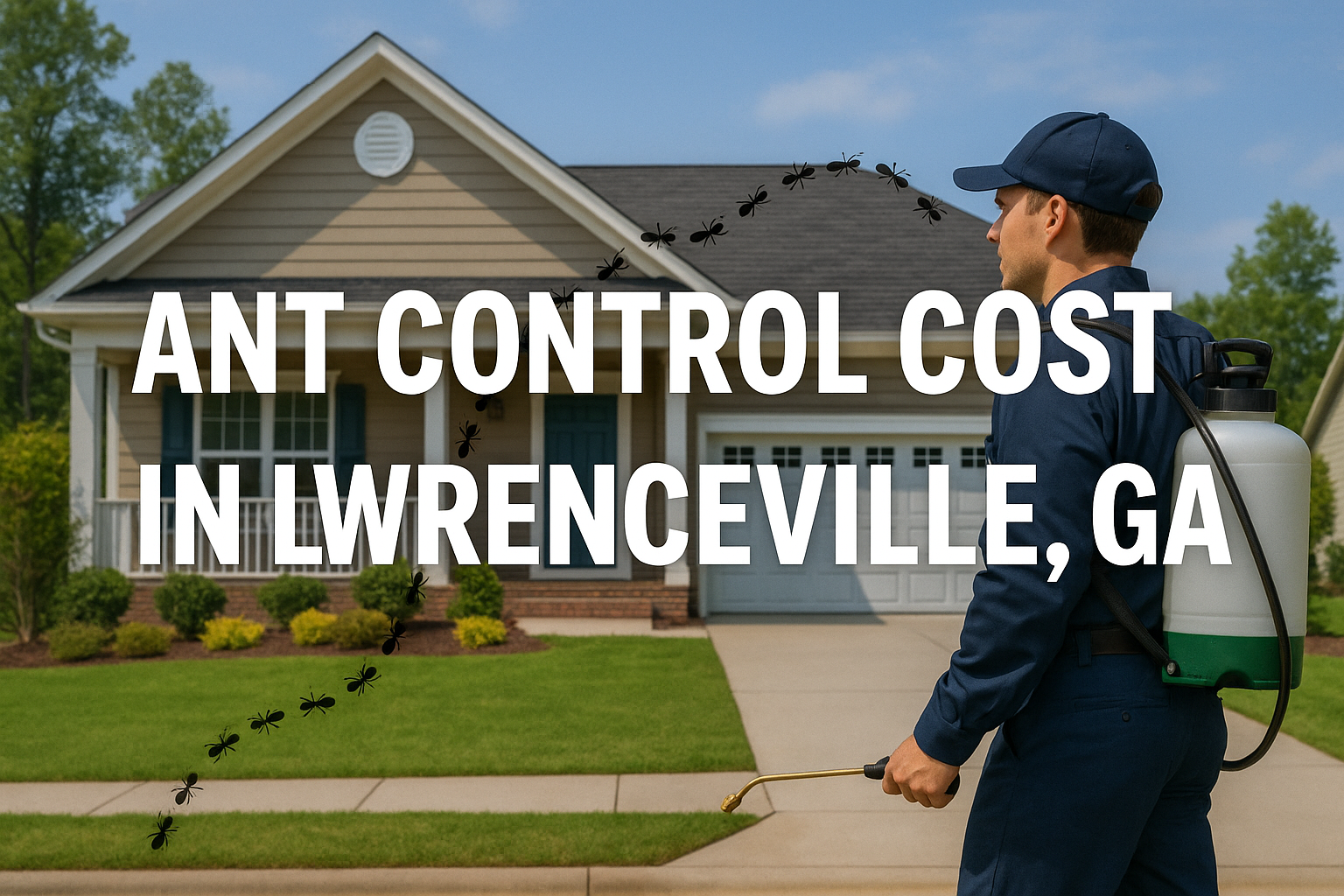
Why Ant Costs Matter in Lawrenceville Summer
Lawrenceville’s summers are a perfect storm for ants. When temperatures climb above 80°F and humidity stays high, the city’s lush lawns, mature trees, and abundant mulch become an all‑you‑can‑eat buffet for colonies looking for water and food. Within weeks, a single forager can recruit dozens of workers, and what starts as a few trail lines in the kitchen can quickly turn into a full‑blown invasion of the home’s interior and exterior.
For homeowners, the timing feels inevitable: you’ve just finished mowing the lawn, the kids are playing in the backyard, and suddenly you spot a line of tiny black ants marching across the countertop. The frustration isn’t just the nuisance; it’s the cost uncertainty that follows. Many residents report receiving a “standard” quote only to discover hidden fees for follow‑up visits, extra treatments for hard‑to‑reach areas, or premium rates for “specialty” ant species that weren’t mentioned up front. Those surprise invoices can turn a manageable budget line into an unexpected expense, especially when families are already juggling summer activities and utility bills.
Anthem Pest understands that transparent pricing is as important as effective treatment. Our mission is to replace guesswork with data‑driven solutions, so you know exactly what you’re paying for before any technician steps onto your property. We start with a detailed inspection, identify the ant species, map their activity zones, and then present a clear, itemized estimate that includes the number of applications, any necessary monitoring, and the exact cost of each service component.
This approach does more than protect your wallet—it builds confidence. When you see a breakdown that explains why a two‑step treatment might be required for carpenter ants versus a single‑visit spray for odorous house ants, you can make an informed decision that aligns with your budget and your home’s specific needs. It also eliminates the dreaded “you’ll be charged later” scenario that leaves many homeowners feeling trapped.
In the sections that follow, we’ll dive into the actual numbers you can expect for common ant treatments in Lawrenceville. From one‑time spot treatments to comprehensive seasonal plans, you’ll see how clear, upfront pricing helps you protect your home without any unpleasant surprises.
Common Ant Species in Lawrenceville
Odorous House Ants
Odorous house ants are the most frequently spotted indoor ant in Lawrenceville homes. Workers are small—about 2.5 mm long—and display a uniform light‑brown to dark‑brown color. When crushed, they release a faint, citrus‑like smell, which is where their common name comes from.
These ants love to nest in warm, moist areas. You’ll often find them trailing along kitchen countertops, around sink cabinets, or inside wall voids where humidity is high. They’re attracted to sugary foods, so spilled soda or unattended pet food can turn your kitchen into a highway.
While odorous house ants rarely cause structural damage, their presence is a clear sign that food sources or moisture are inviting them inside. A homeowner who notices them should focus on sealing food containers, fixing leaky pipes, and reducing clutter to keep the colony at bay.
Carpenter Ants
Carpenter ants are the heavyweight contenders in Georgia’s ant problems. Workers range from 6 mm to 12 mm, making them noticeably larger than most indoor ants. Their bodies are black or dark brown with a faint reddish‑brown thorax, giving them a “two‑tone” appearance.
Unlike termites, carpenter ants don’t eat wood; instead, they excavate it to create nests. They prefer damp, decayed wood found in roof voids, wall cavities, or beneath decks. Over time, their galleries can weaken structural members, leading to costly repairs if left unchecked.
According to the Georgia Department of Agriculture pest report, carpenter ants account for ~30% of residential ant complaints in Georgia. This statistic highlights why early detection matters. Look for tell‑tale signs such as sawdust‑like frass near wood, rustling sounds inside walls, or winged alates during the spring swarming period.
Pavement Ants
Pavement ants are outdoor foragers that frequently wander indoors in search of food and shelter. Workers measure about 3 mm and are dark brown to black, with a slightly darker abdomen. Their colonies are usually established under sidewalks, driveways, or building foundations—hence the name.
These ants are most active in the spring and fall when temperatures hover between 60 °F and 80 °F. They’ll use cracks in foundation walls, gaps around utility lines, or any small opening as entry points. Once inside, they form visible trails to kitchen countertops or pantry shelves.
Although pavement ants cause minimal structural damage, their sheer numbers can become a nuisance, especially when they invade food storage areas. Sealing foundation cracks, maintaining a clear perimeter, and trimming vegetation away from the house are effective preventative steps.
Factors That Influence Ant Control Pricing
Inspection depth
A thorough visual walk‑through can spot obvious trails, but a detailed bait‑station mapping survey digs deeper. Technicians place bait stations at strategic points, monitor activity for 24‑48 hours, and adjust treatment plans based on real‑time data. The more comprehensive the inspection, the higher the upfront cost—but it also reduces the chance of missed colonies and costly repeat visits.
Treatment type options
Homeowners can choose from several methods, each with its own price point:
- Spray applications—quick, surface‑level knock‑down, ideal for immediate relief.
- Bait programs—slow‑acting stations that workers carry back to the nest, offering long‑term control.
- Dust treatments—effective in voids and wall voids where sprays can’t reach.
- Perimeter barriers—a protective ring around the home that deters foraging ants.
Choosing multiple methods typically raises the bill, but it also builds a layered defense that many homeowners find worthwhile.
Infestation severity
Most pest companies categorize ant problems as light, moderate, or severe. A light infestation might need a single spray and a few bait stations, while a severe outbreak could require repeated applications, multiple bait placements, and possibly structural treatments. Pricing scales directly with the level of activity detected.
Property size
Square footage matters because larger homes demand more product and more labor hours. A typical single‑family residence of 1,500‑2,500 sq ft often falls within a standard service tier. Larger properties—think 3,500 sq ft or more—usually incur additional travel time and extra material, pushing the price upward.
Seasonal demand impact
Ant activity spikes in spring when colonies expand and workers forage aggressively. In Lawrenceville, this seasonal surge can lift rates by 10‑15 percent as technicians schedule more jobs. Planning an early‑summer or fall treatment can sometimes lock in lower, off‑peak pricing.
Warranty and follow‑up visits
Many companies, including Anthem Pest Control, offer warranties that cover a second visit if ants return within a set period. Adding a warranty or scheduled follow‑up typically adds a flat fee—often 15‑20 percent of the initial service cost—but it provides peace of mind and protects against hidden nests.
Real‑world example
Consider a 2,000 sq ft home in Lawrenceville with moderate carpenter ant activity. After a detailed bait‑station mapping, the technician recommends two targeted spray treatments to knock back foragers, plus a three‑month bait program placed along the foundation. The base price for the sprays runs $180, the bait program $120, and a 12‑month warranty adds $50. The total comes to roughly $350—a typical figure that reflects inspection depth, treatment mix, home size, and seasonal timing.
Typical Ant Control Price Ranges in Lawrenceville
When you’re faced with an ant invasion, the first question on most homeowners’ minds is “how much will it cost to get rid of them?” In Lawrenceville, pricing varies based on the scope of treatment, the products used, and the length of protection you desire. To make sense of the options, we’ve compiled the most common service tiers into a single, easy‑to‑read table. This snapshot reflects the 2024 Georgia Pest Management Association pricing survey, which aggregates data from dozens of licensed operators across the state.
| Service | Description | Price Range |
|---|---|---|
| Basic one‑time spray | Single application targeting visible ant trails and nests. | $80 – $150 per visit |
| Bait‑only program (3‑month supply) | Placement of ant bait stations designed to eliminate colonies over time. | $120 – $200 |
| Comprehensive package | Full inspection, perimeter spray, bait placement, plus a 2‑month follow‑up. | $250 – $400 |
| Monthly maintenance plans | Regular visits with preventative treatment and a 12‑month service guarantee. | $30 – $60 per month |
The table above lets you instantly compare what you’re paying for. A basic spray is the most affordable entry point, perfect for a one‑off problem or for homeowners who want to test a provider’s effectiveness before committing. Bait‑only programs, while slightly pricier, target the colony at its source and typically require less frequent re‑treatment.
For families seeking long‑term peace of mind, the comprehensive package bundles inspection, perimeter protection, and a follow‑up visit—all designed to keep ants out for months after the initial service. Although the upfront cost is higher, many customers find the all‑in‑one approach saves money in the long run by reducing repeat visits.
Monthly maintenance plans spread the expense over time and lock in a 12‑month guarantee. This model is ideal for homeowners who prefer predictable budgeting and want continuous protection against not only ants but also other seasonal pests that often share the same entry points.
By laying out each option side by side, you can match your budget to the level of protection you need. If you’re unsure which tier fits your situation, a quick call to Anthem Pest Control (877‑371‑8196) will connect you with a local specialist who can assess your home, explain the trade‑offs, and recommend the most cost‑effective solution for Lawrenceville residents.
DIY vs. Professional Ant Solutions
When an ant trail appears on the kitchen counter, most homeowners instinctively head to the nearest hardware aisle. The shelves are stocked with cheap baits, granules, and aerosol sprays that promise “instant” relief. While these products are convenient and fit a tight budget, they are only one piece of a larger puzzle. Understanding what’s inside the box—and what’s left out—helps you decide whether a quick DIY fix is enough or if a professional’s expertise is worth the extra spend.
What’s on the shelf?
Typical over‑the‑counter (OTC) options include:
- Ant bait stations: usually priced between $10 and $30 for a pack of 10–15 stations.
- Liquid or aerosol sprays: range from $5 to $15 per can, designed for surface contact.
- Granular powders: $8–$12 per bag, meant for outdoor perimeter treatment.
These products work on the principle of “kill the colony by feeding the workers.” However, they assume you can correctly identify the species, place the bait where foraging ants will find it, and wait long enough for the poison to travel back to the nest.
How well do DIY methods work?
Real‑world data tells a sobering story. A 2022 study by the National Pest Management Association (NPMA) found that DIY treatments fail 45 % of the time against carpenter ants, the most destructive indoor ant species. Failure often stems from three hidden pitfalls:
- Misidentification: Sprays that work on pavement ants may be ineffective—or even harmful—against carpenter ants.
- Improper placement: Bait stations need to be positioned near active foraging trails; a misplaced station can be ignored entirely.
- Insufficient exposure time: Many homeowners abandon the bait after a few days, not realizing that a colony can take 2–4 weeks to collapse.
Beyond the obvious cost of the product, repeated purchases, wasted time, and the risk of structural damage from an undetected infestation can quickly turn a $20 solution into a $500 problem.
Why many choose a professional
Licensed pest‑control technicians bring a suite of advantages that DIY kits simply cannot match:
- Accurate species identification: Professionals use visual cues and, when needed, lab analysis to pinpoint the exact ant species, ensuring the right treatment.
- Safe, EPA‑approved pesticide application: Trained applicators know how to apply chemicals at the correct dosage and in the safest locations, protecting children, pets, and indoor air quality.
- Comprehensive treatment plan: A typical Anthem Pest Control package includes an interior inspection, targeted baiting, perimeter spraying, and a follow‑up visit to verify elimination.
- Warranty and monitoring: Many services offer a 30‑day guarantee and ongoing monitoring, so you’re not left guessing whether the ants have truly gone.
- Long‑term cost savings: By eradicating the nest early, you avoid costly wood repairs, structural reinforcements, or repeated DIY purchases.
Cost comparison snapshot
| Option | Typical Cost | Expected Success Rate | Potential Hidden Costs |
|---|---|---|---|
| DIY Bait & Spray Kit | $10–$30 (one‑time) | ≈55 % | Repeated purchases, ineffective treatment, possible structural damage |
| Professional Comprehensive Package (Anthem Pest) | $200–$400 (includes inspection, treatment, warranty) | ≈90 % | None beyond quoted price; warranty covers follow‑up |
In short, a DIY kit can be a useful first step for a minor trail, but when the infestation is persistent, involves wood‑eating carpenter ants, or threatens the integrity of your home, the expertise, safety guarantees, and higher success rate of a professional service usually provide the better value.
What Anthem Pest’s Packages Include
When you call Anthem Pest for ant control in Lawrenceville, you’re not just getting a spray and a promise—you’re getting a complete, step‑by‑step service plan that tackles the problem from every angle. Our certified technicians start with a meticulous, full‑home inspection, then move through a series of targeted treatments, follow‑up checks, and a rock‑solid guarantee.
1. Full‑Home Inspection by a Certified Technician
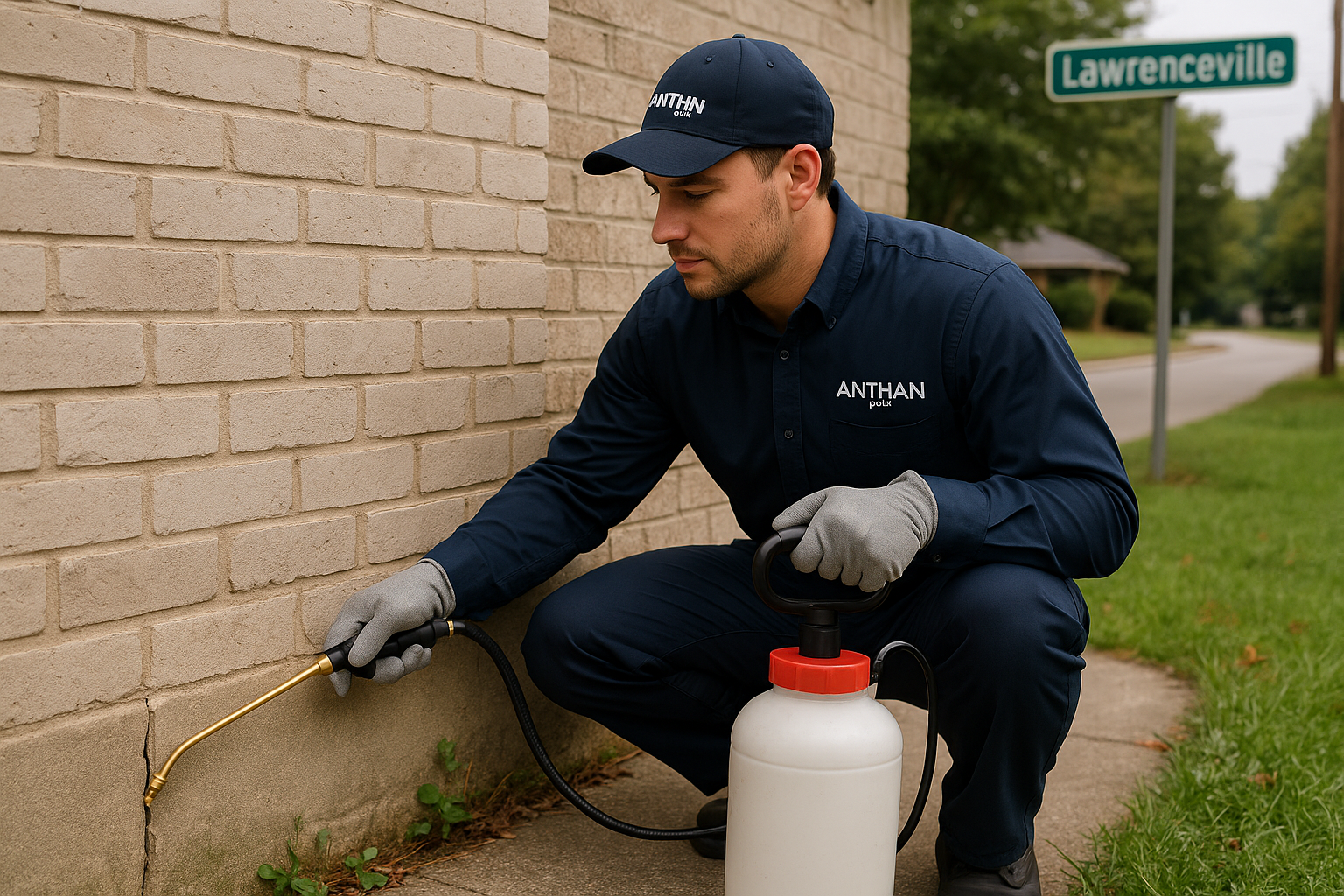
Our journey begins with a certified technician walking through every room, crawl space, and exterior entry point. Using flashlights, moisture meters, and a keen eye for ant trails, we pinpoint the exact species, locate nests, and identify conditions that attract ants. This inspection creates a customized roadmap, ensuring no hidden colonies are missed.
2. Targeted Indoor Spray + Outdoor Perimeter Barrier
Once the hotspots are mapped, we apply a low‑odor, EPA‑approved indoor spray directly to ant activity zones—baseboards, cabinets, and cracks where workers travel. Simultaneously, a perimeter barrier is sprayed around the foundation, doorways, and windows, forming an invisible wall that stops new ants from marching inside.
3. Strategic Placement of Bait Stations
We don’t rely on chemicals alone. Bait stations are discreetly positioned in kitchens, basements, and along the property’s edge. These stations contain a slow‑acting attractant that worker ants carry back to the colony, eradicating the source over several days. The placement is calibrated to the ant species identified during the inspection.
4. 30‑Day Follow‑Up Visit
After the initial treatment, a technician returns within 30 days to assess the results. We check bait consumption, re‑inspect vulnerable areas, and apply a touch‑up spray if needed. This visit guarantees the ants are truly gone and gives you peace of mind.
5. Our Guarantee: Free Repeat Treatment
We stand behind our work. If ants reappear within the 30‑day window, we’ll return at no extra cost to re‑treat the affected zones. This guarantee reflects our confidence in the comprehensive approach and our commitment to protecting your home.
“Ants kept marching out of my kitchen cabinets for weeks. Anthem Pest sent a tech who inspected every corner, set up bait stations, and sprayed a perimeter barrier. Within a few days the trails vanished, and the follow‑up visit confirmed the problem was solved. I’d recommend them to any Lawrenceville homeowner.”
— Emily R., Lawrenceville, GA
Transparency is at the heart of our service. By breaking down each component—inspection, indoor and outdoor treatments, bait placement, follow‑up, and a no‑risk guarantee—you can see exactly where your investment goes and why Anthem Pest consistently delivers effective, lasting ant control.
Seasonal Timing and Discount Opportunities
Ant colonies in Lawrenceville follow a predictable growth pattern that peaks in late spring. During the early months—particularly March and April—queen ants are still establishing new brood chambers, and worker numbers are relatively low. Treating at this stage interrupts the reproductive cycle, preventing the exponential expansion that typically floods homes by June.
Local climate data supports this timing. The National Oceanic and Atmospheric Administration reports an average March temperature of 58 °F in Lawrenceville. Those mild days are warm enough for ants to be active above ground, yet cool enough that they haven’t yet retreated deep into walls or foundations. A spring‑time spray reaches the foraging trails before they become entrenched, delivering maximum impact with fewer applications.
Why March‑April Is the Sweet Spot
- Colony size is still manageable. A smaller workforce means chemicals penetrate more thoroughly.
- Foraging routes are visible. Workers are actively searching for food, so bait stations and perimeter sprays are readily encountered.
- Weather conditions favor treatment. Consistent daytime temps and low humidity reduce drift and improve product adhesion.
Seasonal Discount: Save 10% When You Book Early
Anthem Pest Control rewards proactive homeowners with a 10 % discount on all ant‑control packages booked before May 1. This limited‑time offer not only lowers your out‑of‑pocket cost but also guarantees a spring appointment slot—critical in a busy market where last‑minute bookings can push service dates into the hotter summer months.
Tips to Lock In Savings and Secure Your Spring Service
- Mark your calendar for the first week of March and call ahead to discuss a customized treatment plan.
- Ask the technician to perform a pre‑treatment inspection; this helps confirm the exact species and colony hotspots, ensuring the discount covers the most effective service.
- Confirm the promotional code “SPRING10” when you schedule online or over the phone to activate the discount.
- Set a reminder to complete payment within 48 hours of the quote—delays can forfeit the promotional rate.
By aligning your ant‑control service with the early‑spring growth cycle and taking advantage of Anthem’s seasonal discount, you protect your home before the infestation escalates and keep your budget in check.
Neighborhood Cost Variations in Lawrenceville
When you call Anthem Pest Control for an ant‑control estimate, the price you receive isn’t just a flat rate—it reflects the unique characteristics of your neighborhood. Two of the biggest factors are the age of the home and where it sits within Lawrenceville. Understanding these variables helps you anticipate where extra dollars might appear on the invoice.
Historic Downtown Homes
Many properties in Lawrenceville’s historic downtown were built with solid wood framing and feature intricate crawl‑spaces that are perfect hiding spots for carpenter ants. Because these ants can cause structural damage, technicians often need to perform a more thorough inspection, add wood‑treatments, and sometimes set up bait stations inside walls. This extra work typically adds $50‑$100 to the standard ant‑control package.
West End Newer Subdivisions
The West End is dominated by post‑2000 subdivisions with concrete slab foundations and sealed utility penetrations. Ant activity in these newer homes usually stays at the perimeter, allowing technicians to rely on a single perimeter spray and a few bait stations around the foundation. The streamlined approach keeps the cost close to the base price, often saving homeowners $30‑$70 compared to older neighborhoods.
Map placeholder: a visual map of Lawrenceville neighborhoods will be inserted here.
Why a Local Inspection Matters
Even within the same zip code, two houses can require entirely different treatment plans. A quick walk‑through might miss hidden galleries in an older home or overlook a newly built deck that attracts pavement ants. Our certified technicians perform a detailed, on‑site inspection, identify the ant species, and map out entry points. That hands‑on assessment ensures you receive a quote that matches the exact work needed—no surprise fees, no under‑treated zones.
Bottom line: whether you live in a charming Victorian on the historic square or a brand‑new ranch in the West End, a personalized inspection is the only reliable way to lock in an accurate ant‑control cost. Reach out to Anthem Pest Control, and let a local expert tailor the solution to your neighborhood’s specific challenges.
Frequently Asked Questions About Ant Control
How long until I see results?
Most homeowners notice a reduction in ant activity within 24–48 hours after we place bait stations. The bait contains a slow‑acting attractant that worker ants carry back to the colony, gradually eliminating the source. If we apply a perimeter or indoor spray, visible results typically appear in 1–2 weeks as the residual chemistry disrupts foraging trails and the queen’s ability to reproduce. Factors such as colony size, species, and weather can affect timing, but our technicians monitor progress and adjust treatment if needed.
Is the pesticide safe for pets?
Yes. Anthem Pest Control exclusively uses EPA‑approved products that are classified as low‑toxicity for mammals. These formulations are designed to target insects while posing minimal risk to dogs, cats, and other household pets when applied according to label directions. We place baits out of reach of curious paws and apply sprays in a controlled manner, avoiding areas where pets eat or rest. For extra peace of mind, we provide a safety data sheet with every service, outlining any necessary precautions.
Can ants return after treatment?
While our treatments are highly effective, no method guarantees a 100 % permanent eradication without ongoing vigilance. That’s why we offer a 12‑month warranty on most ant control packages. If ants reappear within the warranty period, we’ll return at no additional cost to reassess and retreat.
To keep ants from returning, we recommend a few proactive steps:
- Seal cracks and entry points around foundations, windows, and doors.
- Eliminate standing water and fix leaky pipes, as moisture attracts many ant species.
- Store food in airtight containers and promptly clean up crumbs or spills.
- Schedule a seasonal follow‑up visit to refresh barrier treatments and inspect for new colonies.
These best‑practice guidelines align with the recommendations of the National Pest Management Association (NPMA) and help extend the life of your treatment.
Sources and Further Reading
When you’re digging into ant control costs, it helps to back up what you read with trusted sources. Below are a few reputable references that can give you deeper insight into ant biology, treatment safety, and the latest pricing trends in Lawrence‑on‑the‑Lake, Georgia.
- EPA guide on ant control and safety – The U.S. Environmental Protection Agency provides comprehensive information on the safest pesticide options, application methods, and indoor‑air‑quality considerations. Read the EPA guide.
- National Pest Management Association (NPMA) ant statistics – NPMA’s annual reports break down infestation rates, seasonal spikes, and average treatment costs across the United States, giving you a national benchmark for what to expect. Explore NPMA statistics.
- Georgia Department of Agriculture ant pest overview – This state‑run portal details the most common ant species in Georgia, their habits, and recommended control measures specific to our climate. Visit the GA Department of Agriculture.
Important note: Pricing can shift from year to year. For the most accurate 2024 figures in Lawrenceville, consult the Georgia Pest Management Association’s latest survey. Their data reflects local labor rates, product costs, and any seasonal discounts that may apply.
Anthem Pest Control regularly reviews these publications and updates its pricing sheets to reflect the most recent market conditions. Homeowners can request a free, itemized quote that references the current Georgia Pest Management Association data, ensuring transparency and confidence before any service is scheduled.
Choose Anthem Pest for Transparent Ant Control
When it comes to ants in Lawrenceville, the most common culprits are carpenter, odorous house, and pavement ants. Their presence, the size of the infestation, and the treatment method are the primary cost drivers. In most cases, homeowners see a price range of $150‑$350 for a single‑visit treatment, with seasonal discounts and multi‑year plans lowering the bill further. Professional treatment not only eliminates the colony quickly but also protects your home from future invasions.
- Species you’ll likely encounter: carpenter, odorous house, pavement
- Cost drivers: infestation size, treatment type, season
- Typical price range: $150‑$350 per visit
- Benefits of pro treatment: fast elimination, lasting protection
- Seasonal discounts & local expertise add value
Anthem Pest stands behind a promise of safe, effective, and affordable ant control. Every quote is itemized so you know exactly what you’re paying for, and all services come with a satisfaction guarantee. Our technicians are trained in the latest low‑impact chemicals and integrated pest‑management techniques, ensuring your family and pets stay safe while the ants disappear.
Choosing Anthem means peace of mind. We combine deep local knowledge of Lawrenceville’s ant hotspots with transparent pricing that eliminates surprise fees. Whether you need a one‑time knock‑down or a preventive program, our team tailors the solution to fit your budget and your schedule.
Ready to reclaim your home? Call us today at 877‑371‑8196 for a free, no‑obligation quote or to schedule a thorough inspection. Visit Anthem Pest Control to learn more about our guarantee and see why Lawrenceville homeowners trust us for clear‑cut ant control.