
Understanding Mouse Risks in Vinings Homes

It’s 2 a.m., and you’re lying in bed when a faint, rapid scurrying echoes from the attic. The sound is unmistakable—tiny feet pattering across insulation, a soft squeak as a mouse darts behind a wall cavity. In a typical Vinings home, that nocturnal chorus is often the first warning sign that an unseen invader has moved in.
Mice are more than a nuisance; they carry serious health threats. Hantavirus can be transmitted through inhalation of aerosolized droppings, while salmonella and other bacteria spread when rodents contaminate food, countertops, or pet dishes. Their fur and urine also trigger allergic reactions and asthma flare‑ups, especially in children and seniors. The CDC notes that rodent‑borne diseases affect thousands of Americans each year, underscoring why prompt action matters.
Beyond health, the structural damage mice cause can be costly. Their ever‑growing incisors gnaw through electrical wiring, creating fire hazards that jeopardize entire households. Insulation is shredded as they create nests, leading to higher heating bills and reduced energy efficiency. In severe cases, they chew through drywall and even compromise foundation supports, paving the way for moisture intrusion and mold growth.
These risks are not anecdotal—they’re backed by science. The CDC’s rodent‑borne disease overview provides a comprehensive list of illnesses linked to mice, while the EPA’s integrated pest management guidelines emphasize prevention, monitoring, and safe, targeted treatment. Throughout this guide, Anthem Pest Control will rely on such data‑driven resources to help Vinings homeowners protect health, property, and peace of mind.
Spotting Mouse Activity in Your Vinings Home
Detecting a mouse problem early can save you time, money, and the peace of mind that comes with a quiet home. In Vinings, where homes sit close to wooded areas and the Vinings Bridge corridor, rodents can slip in through the smallest cracks. Knowing what to look for lets you act fast—before a few curious critters turn into a full‑blown infestation.
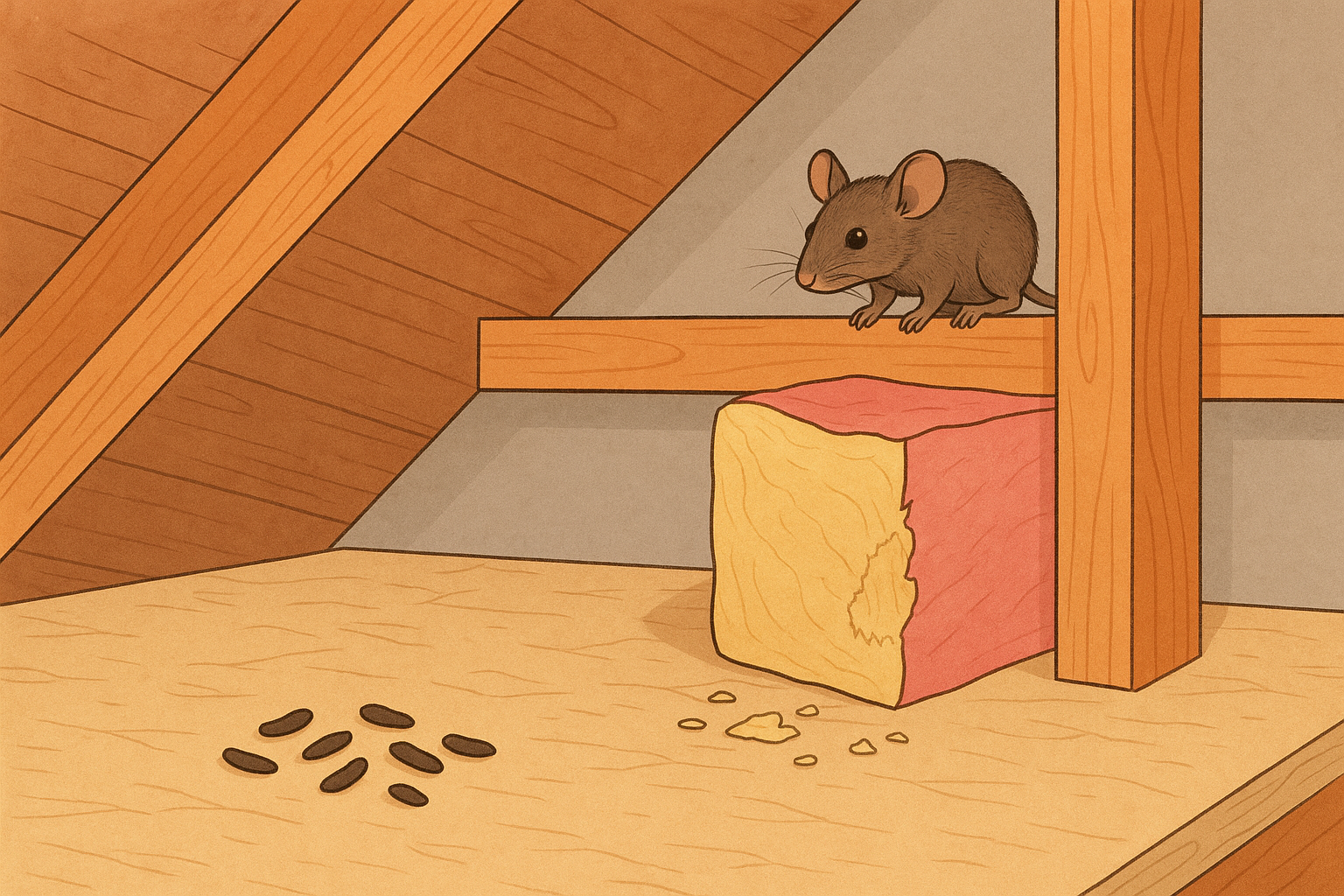
Visual clues that mice leave behind
- Droppings: Small, dark pellets about 1–2 cm long, often found along baseboards, under appliances, or in cabinets.
- Gnaw marks: Fresh, clean cuts on wood, plastic, or wiring—look for parallel lines that are brighter than the surrounding material.
- Rub marks: Dark smudges where a mouse’s oily fur has brushed against walls or furniture.
- Shredded nesting material: Bits of paper, fabric, or insulation piled near hidden corners.
- Audible signs: Scratchy scurrying or faint squeaks, especially at night when mice are most active.
Quick self‑inspection checklist
- Gather your tools. Grab a flashlight, disposable gloves, and a magnifying glass.
- Inspect entry points. In North Vinings, check the gap under the driveway ramp and the vent openings near the Vinings Bridge parkway. In the main house, examine the space around utility lines, garage doors, and the foundation for cracks wider than ¼ in.
- Scan the kitchen. Look under the sink, behind the refrigerator, and inside pantry boxes for droppings or gnaw marks.
- Check storage areas. Closets, attics, and crawl spaces often hide nests. Pull back stored items and feel for shredded material.
- Listen. Stand quietly near walls for a few minutes after dark; a faint scratching sound can pinpoint activity.
- Document findings. Note the location, type of evidence, and any entry points you discover. This information speeds up professional treatment if needed.
“30 % of U.S. homes report mouse sightings annually” – 2024 NPMA Rodent Report
Useful tools for the job
- Bright LED flashlight – illuminates dark corners without disturbing the rodents.
- Disposable gloves – protect your hands from germs and potential allergens.
- Magnifying glass – helps you see the fine details of droppings and gnaw marks.
- Small sealable bag – safely collect any evidence for later reference.
When it’s time to call a professional
If your inspection uncovers more than a handful of droppings, gnaw marks in multiple rooms, or signs of nesting material, the problem is likely beyond DIY control. Likewise, any evidence of damage to wiring or structural wood warrants immediate attention. In Vinings, a qualified technician from Anthem Pest Control can perform a thorough inspection, seal hidden entry points, and apply safe, targeted treatments that keep your family and pets protected.
Professional vs. DIY: Real Cost‑Benefit Analysis
When a mouse scurries across the kitchen floor, the first instinct is often to grab a trap from the garage. While a DIY approach can feel empowering, it rarely addresses the full scope of a rodent infestation. Below we break down the practical differences between do‑it‑yourself methods and hiring a licensed professional like Anthem Pest Control.
Typical DIY Methods
- Snap traps: Inexpensive metal devices that kill instantly, but require precise placement and frequent checking.
- Glue boards: Cheap and easy to set, yet they can cause prolonged suffering for the mouse and pose a hazard to curious pets.
- Homemade bait stations: Often involve peanut butter or cheese in a makeshift container; effectiveness drops dramatically if the bait is not refreshed or positioned correctly.
The main drawbacks of these tactics are improper placement, limited area coverage, and the need for constant monitoring. A single trap might catch a mouse, but it won’t prevent new entrants or address hidden nesting sites.
Why Professionals Matter
Licensed technicians from Anthem Pest bring three key advantages:
- EPA‑approved low‑toxicity baits: Formulated to eliminate rodents while minimizing risk to children and pets.
- Comprehensive inspection: Experts locate entry points, assess structural vulnerabilities, and map activity hotspots—something a homeowner rarely sees.
- Follow‑up visits: A single treatment is rarely enough; scheduled re‑inspections ensure the problem stays solved.
All of this expertise is bundled into a transparent service fee, eliminating the hidden costs of buying multiple trap types, replacement bait, and wasted time.
True Cost Comparison
| Option | Initial Cost | Ongoing Cost | Coverage |
|---|---|---|---|
| DIY traps & bait | $10‑$30 (starter kit) | $15‑$40 per month (replacements) | Limited to visible pathways |
| Professional treatment (Anthem Pest) | $150‑$300 per visit | Included in service plan (usually 1‑2 follow‑ups) | Whole‑home inspection & treatment |
For up‑to‑date pricing details, visit the Anthem Pest Rodent Control service page.
Safety for Children and Pets
DIY solutions often rely on poisons or sticky surfaces that can be accidentally touched by a child’s hand or a pet’s paw. Anthem Pest’s low‑toxicity baits are specifically engineered to be unattractive to non‑target species while remaining lethal to mice. Moreover, technicians seal bait stations out of reach, apply exclusion measures, and provide homeowners with clear safety guidelines.
In short, while the upfront price of a snap trap looks appealing, the hidden costs—time, incomplete coverage, and safety risks—can quickly outweigh the savings. A professional, full‑service approach delivers lasting protection, transparent pricing, and peace of mind for every Vinings homeowner.
Anthem Pest’s Mouse Control Solutions for Vinings
Inspection & Assessment
Our technicians start every mouse‑control job with a thorough inspection and assessment. In Vinings, we pay special attention to the older homes that line the Chattahoochee River, because historic foundations, exposed crawl spaces, and dense vegetation create perfect entry points for rodents. We map each sign of activity—chewed wires, droppings, gnaw marks—and document the exact locations of nests, wall voids, and utility openings. This detailed map becomes the blueprint for every subsequent step, ensuring no hidden pathway is overlooked. We also use infrared cameras to spot hidden activity behind insulation and moisture meters to locate damp areas that attract mice. After the walk‑through, we provide a written report with prioritized recommendations and a timeline for remediation.
Exclusion & Sealing
Once we know where the mice are getting in, we seal every gap with industry‑grade materials. Steel‑wool is packed into larger holes because rodents cannot chew through it, while high‑quality caulk closes cracks around windows, pipes, and baseboards. Door sweeps are installed on all exterior doors to block the tiniest openings. For a typical Vinings residence, the entire exclusion package runs between $75 and $120, a modest investment that stops new mice from entering and protects the home’s structural integrity for years. We don’t forget the less obvious routes—vent openings, utility penetrations, and even pet doors receive the same treatment. After sealing, we install monitoring devices that alert us to any new intrusion attempts, allowing a quick response before an infestation rebuilds.
Baiting & Trapping
Our baiting strategy follows the latest EPA safety guidelines (updated 2023). We deploy EPA‑registered bait stations that are tamper‑resistant and placed out of reach of children and pets. In addition to bait stations, we set snap traps in high‑traffic zones and offer live‑capture options for homeowners who prefer non‑lethal removal. Our bait stations contain low‑dose anticoagulant pellets that are lethal to rodents but pose minimal risk to non‑target species. For families with children, we recommend the snap‑trap and live‑capture options, which are completely chemical‑free. The treatment plan includes an initial deployment, a follow‑up visit after two weeks to replenish bait and check trap success, and a final inspection at one month to confirm that the mouse population is eliminated. The two‑week follow‑up lets us assess bait consumption and adjust placement, while the one‑month visit confirms that the population is fully suppressed.
Real‑World Success: A Vinings Homeowner’s Story
John Miller, a Vinings homeowner, called Anthem Pest after noticing nightly rustling in his attic and droppings near the kitchen cabinets. Our team performed the full three‑step program: inspection, exclusion, and baiting. Over three visits spanning six weeks, we sealed every entry point, installed four bait stations, and set six snap traps. By the final visit, John reported a 95 % reduction in mouse sightings—only a single stray mouse was captured, and none have been seen since. John also appreciated the transparent pricing—he paid a flat $299 for the complete three‑visit package, with no surprise fees. “I felt confident knowing the technicians explained every step,” he says, “and the fact that the bait stations are EPA‑approved gave me peace of mind for my kids and pets.” The reduction in sightings translated into lower utility bills, as fewer mice meant less damage to wiring and insulation. The case illustrates how a systematic, data‑driven approach can virtually eradicate a rodent problem in a short time frame.
All bait stations used in the program meet the most recent EPA safety standards, giving homeowners peace of mind that the chemicals are applied responsibly and safely around family members and pets.
Year‑Round Mouse Prevention in Vinings
Even though mice can appear any time of year, Vinings homeowners see a noticeable spike from late summer through early winter. As temperatures dip, mice leave fields and woodlots, seeking the warmth of homes to store food and raise their young. Understanding this pattern lets you act before the infestation takes hold.
Tip 1 – Trim vegetation within 2 feet of the house
Trim all shrubs, vines, and low‑lying branches so they stop within two feet of your foundation. Overgrown plants act as natural bridges, giving mice a safe runway from the yard to the roofline or crawl spaces. Regular pruning eliminates that pathway and reduces the chances of a mouse slipping inside.
Tip 2 – Store firewood off the ground and away from the foundation
When you stock firewood, keep the pile at least a foot off the ground and at least three feet away from the house. Use pallets or a fire‑wood rack to prevent moisture buildup, which attracts insects that in turn lure rodents. A well‑ventilated, distant stack removes a cozy hiding spot right next to your foundation.
Tip 3 – Seal gaps larger than ¼ inch with steel‑wool and caulk
Inspect the exterior for cracks, gaps around pipes, vents, and utility entries. Any opening larger than a quarter‑inch can be a mouse’s invitation. Fill these voids with steel‑wool, then cover with a high‑quality caulk or expanding foam. Steel‑wool won’t be chewed through, creating a long‑lasting barrier.
Tip 4 – Keep pantry airtight; regularly clean crumbs and spills
Your kitchen is the most tempting room for a foraging mouse. Store grain, cereal, and pet food in airtight containers, and wipe down countertops after each meal. Vacuum crumbs from the floor and clean under appliances weekly. By removing food sources, you make your home far less appealing than the great outdoors.
For additional guidance, see the EPA’s seasonal rodent‑control tips. Their recommendations align closely with the steps outlined above.
Local events like the Vinings Farmers Market generate extra foot traffic and food waste. When trash isn’t secured, it becomes a beacon for mice looking for an easy meal. Dispose of market leftovers in sealed containers and keep the area around your home free of stray crumbs.
Staying ahead of the seasonal surge protects your home and peace of mind.
Mouse Control FAQs for Vinings Homeowners
How long does a treatment take?
Our mouse control process typically begins with a 30‑minute on‑site inspection, during which a certified technician identifies entry points, nesting areas, and activity hotspots. After the assessment, we place low‑toxicity bait stations and seal obvious gaps—this step usually takes another 45 minutes. Most homeowners see a noticeable drop in sightings within 3‑5 days, and we schedule a follow‑up visit one week later to verify results and replace any depleted baits. The entire service, from first call to final follow‑up, is usually completed within 10‑14 days.
Are the chemicals safe for pets?
Yes. Anthem Pest only uses EPA‑approved rodent baits that contain a fraction of the active ingredient found in traditional poisons. These baits are formulated to be low‑toxicity and are placed in tamper‑resistant stations that prevent cats, dogs, and other non‑target animals from accessing them. Our technicians also follow strict safety protocols: they clear the work area, keep pets in a separate room during placement, and provide clear after‑care instructions. If you have a particularly sensitive pet, we can discuss alternative exclusion‑only strategies that rely on sealing and trapping instead of chemicals.
What warranty does Anthem Pest offer?
We stand behind every mouse control job with a 90‑day satisfaction guarantee. If you notice any new activity within that period, we’ll return at no extra charge to reassess, re‑bait, and re‑seal as needed. For homes that require ongoing protection, we offer an optional quarterly maintenance plan that includes regular inspections, bait replenishment, and a written service agreement. This warranty gives you peace of mind knowing that we’ll keep your home rodent‑free long after the initial treatment.
Ready to protect your Vinings home? Call us today at 877‑371‑8196 for a free, no‑obligation inspection. Our local experts are standing by to design a mouse‑control solution that fits your budget and keeps your family safe.
Choose Anthem Pest for Mouse Control in Vinings
Professional, data‑driven mouse control isn’t a luxury—it’s a necessity for Vinings homeowners who want to protect their families and property. DIY traps may catch a few visitors, but they rarely address the hidden nests, seasonal influxes, or the health risks that come with a thriving rodent population. That’s why a trained technician using real‑time monitoring and scientifically backed treatments makes all the difference.
Anthem Pest brings a uniquely local perspective to every job. Our technicians live in the Metro Atlanta area, so they know the exact entry points, landscaping quirks, and building styles that invite mice into Vinings homes. We rely exclusively on EPA‑approved baits and exclusion techniques, and we lay out every cost up front—no hidden fees. In a recent case study, a family saw a 95 % reduction in mouse activity within two weeks of our integrated program, and the results held steady through the winter.
Scheduling a free inspection takes just a few clicks or a quick call, and our team works around your calendar. Once the plan is approved, we back our work with a comprehensive warranty that guarantees continued protection or a complimentary revisit at no extra charge.
If you’re ready to stop guessing and start seeing real results, give us a call at 877‑371‑8196 for a no‑obligation quote. Our friendly staff will walk you through the process, answer any questions, and set up a treatment that fits your budget.
Visit Anthem Pest Control