Introduction to Earwig Issues in Druid Hills
Imagine it’s late‑night in Druid Hills. You’re reaching for a glass of water when a sudden rustle catches your eye—dozens of tiny, dark insects dart across the kitchen counter, their long, forceps‑like tails flicking in the dim light. The surprise of seeing earwigs in your home is enough to make any homeowner pause, wonder where they came from, and ask, “Do I need a professional?
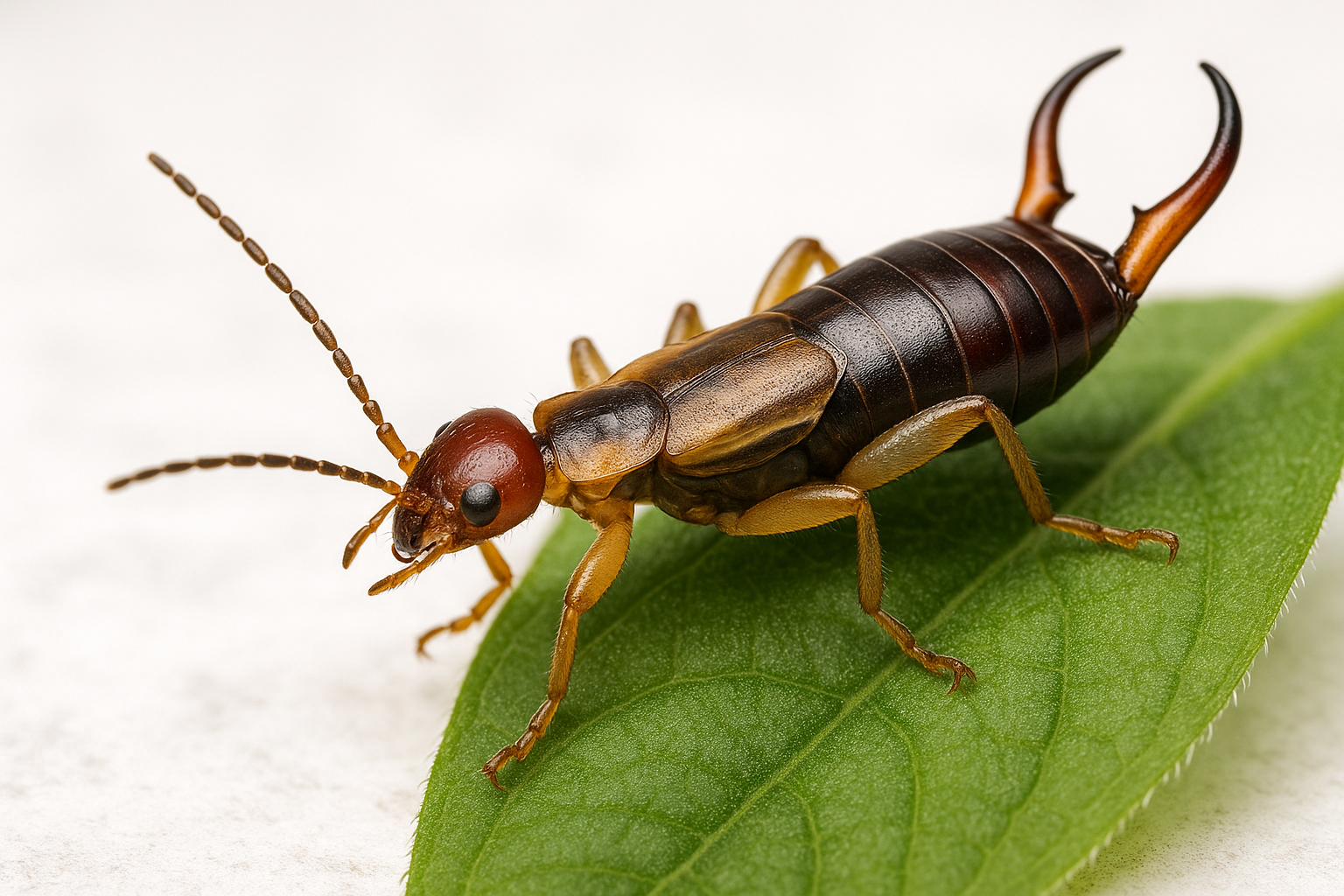
Earwigs belong to the species Forficula auricularia. They are easily recognized by their elongated, flattened bodies, a glossy dark‑brown hue, and the characteristic pair of pincer‑shaped cerci protruding from the rear. Adults typically measure 12–25 mm, and their nocturnal habits keep them hidden during the day, only emerging when lights turn on.
These insects are drawn indoors primarily by moisture. Leaky pipes, damp basements, or even a humid kitchen sink create an inviting environment. Because earwigs are nocturnal, they seek shelter at night, slipping through cracks, gaps around windows, or under siding to find a cool, damp refuge. Once inside, they may forage for decaying plant matter, fungi, or even small insects, but they rarely cause structural damage.
Druid Hills sits in a humid subtropical zone, receiving roughly 50 inches of precipitation annually. Summers routinely climb above 85 °F, while humidity stays high year‑round. This combination of warmth and moisture creates an ideal breeding ground for earwigs, accelerating their life cycle and prompting them to explore nearby homes in search of stable microclimates.
According to the EPA’s 2024 data, over 70 % of U.S. homes report occasional earwig sightings. While most encounters are harmless, the sheer prevalence underscores why earwig activity should not be dismissed, especially in moisture‑rich neighborhoods like Druid Hills.
That’s why a focused earwig inspection matters: it pinpoints entry points, assesses moisture sources, and determines whether a simple DIY fix will suffice or if a professional service—such as Anthem Pest Control—should step in to protect your home and peace of mind.
Why Earwig Inspections Matter in Druid Hills
Earwig Behavior
Earwigs are often misunderstood because they hide in plain sight. These nocturnal insects love moisture, so you’ll find them slipping into homes after a summer rainstorm, crawling along baseboards, under cabinets, or nesting in the tiny cracks around windows and door frames. Their elongated pincers aren’t a threat to people, but they use them to dig through soft material—soil, mulch, even the roots of indoor houseplants. Because they’re active at night, most homeowners only notice the damage after it’s already begun.
Local Risk Factors
Druid Hills creates a perfect storm for earwig activity. The neighborhood surrounds Emory University’s expansive green spaces, which provide a constant source of damp leaf litter and compost beds—ideal breeding grounds. Many homes in the Druid Hills Historic District and along Briarcliff Road were built in the early 1900s with wood siding and decorative trim; the aging mortar and occasional gaps in the siding give earwigs easy entry points. Add the region’s heavy summer rain events, and moisture seeps into basements and crawl spaces, turning ordinary cracks into highways for these insects.
Neighborhood Examples
A quick walk through the area illustrates the risk. In the historic district, older Victorian homes often feature ornamental woodwork that can be stained by earwig secretions. North Druid Hills, with its newer subdivisions, still suffers when landscaping mulch sits against the foundation, creating a damp bridge for earwigs to cross. Even well‑maintained homes on Briarcliff Road report occasional sightings of earwigs emerging from potted ferns, only to discover chewed roots and wilted foliage the next morning.
Potential Damage & Costs
The damage may seem minor, but it adds up. Earwigs will chew on the roots of indoor plants, causing wilting and, in severe cases, plant death—replacing a mature plant can run $30‑$80. Their secretions can stain or discolor woodwork, especially the delicate trim on historic homes, requiring sanding and refinishing that typically costs $150‑$500 according to local contractor estimates. When you compare those repair bills to the price of a professional inspection—often less than $100—the cost‑benefit becomes crystal clear. Early detection lets you intervene before earwigs turn a simple moisture problem into a pricey repair.
What to Expect During a Professional Earwig Inspection
When you call Anthem Pest for an earwig inspection, the process is designed to be clear, thorough, and respectful of your time and budget. Our technicians follow a step‑by‑step protocol that lets you know exactly what’s happening at each stage, so there are no surprises.
1. Pre‑visit Phone Call
Before the technician steps onto your property, a friendly office specialist will give you a quick call. They’ll ask about the sighting—when you first noticed earwigs, the exact location, and any recent weather patterns that might have driven them indoors. A few construction details, such as the type of siding or foundation, also help us tailor the inspection to your home’s unique layout.
2. Exterior Assessment
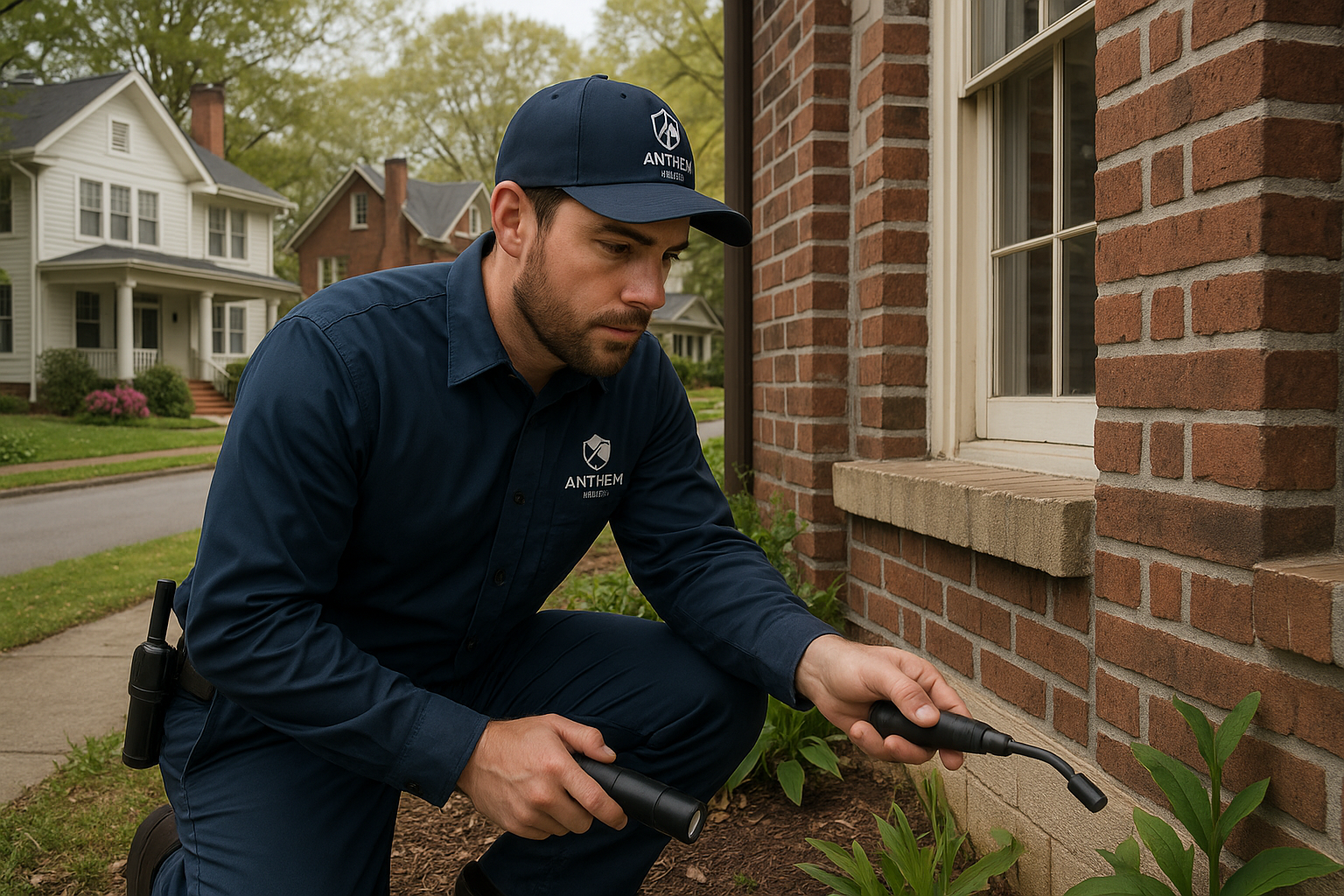
Our inspector starts outside, walking the perimeter with a flashlight and a moisture meter. They check the foundation for cracks, evaluate drainage slopes, and note vegetation that may provide a bridge for earwigs to enter. Any gaps around windows, doors, or utility penetrations are marked for later sealing.
3. Interior Inspection
Inside, the focus shifts to the rooms earwigs favor most: kitchens, bathrooms, basements, and attics. Using bright flashlights and handheld magnifiers, the technician scans corners, baseboards, and under appliances. They look for the tell‑tale signs—small, elongated bodies, silvery‑gray wings, or the characteristic “pinching” forceps at the rear.
4. Species Identification
When an earwig is found, the inspector captures a close‑up photo for species confirmation. This visual verification (often compared to a macro earwig image in our reference library) ensures that the treatment plan targets the right pest, not a harmless relative.
5. Reporting
Within 24 hours you’ll receive a written report. It includes annotated photos, a map of inspected areas, and a clear list of findings. The report also outlines recommended actions—whether it’s a simple exclusion fix or a full‑scale treatment—so you can make an informed decision.
6. Typical Duration
A comprehensive inspection of a single‑family home usually takes between 45 and 60 minutes. This time frame allows the technician to be meticulous without overstepping your schedule.
7. Pricing Transparency
Anthem Pest believes in straightforward pricing. The inspection fee ranges from $79 to $99, depending on home size and location. If treatment is needed, the average earwig service costs between $120 and $180, as listed on our pricing page. No hidden fees—just the cost you see up front.

Treatment Options and Prevention Strategies
Chemical Treatments: Low‑Toxicity Sprays
When earwigs become a nuisance, a targeted insecticide spray can knock down the population quickly. EPA‑approved products that are low in toxicity to humans and pets include Tempo SC Ultra, Talstar P, and Bifenthrin 0.05% Concentrate. These formulas are designed for indoor use on baseboards, window sills, and other entry points where earwigs hide during daylight hours. Applied with a fine mist, the spray creates a thin barrier that kills insects on contact and provides residual protection for up to three weeks. Because the active ingredients break down relatively fast, they meet EPA safety standards while still delivering effective control.
Non‑Chemical Methods: Seal, Drain, Light, and Clean
Earwigs thrive in damp, cluttered environments. Simple home‑maintenance steps can make your property far less inviting:
- Seal cracks and gaps around foundations, doors, and utility penetrations with silicone caulk or expanding foam.
- Improve drainage by grading soil away from the house, installing gutter extensions, and fixing leaky downspouts.
- Reduce outdoor lighting or switch to yellow‑tinted bulbs that attract fewer insects, thereby lowering the food supply for earwigs.
- Remove leaf litter, mulch, and debris from the perimeter, especially near firewood piles or compost bins where earwigs shelter.
These measures not only curb earwig activity but also help prevent other moisture‑loving pests such as termites and carpenter ants.
Seasonal Timing: When to Act
Earwig numbers in Druid Hills typically surge in early spring, when the soil warms and moisture levels rise. Scheduling an inspection in March‑April lets you treat the insects before they reach peak breeding. A follow‑up in late summer (July‑August) can catch any late‑season hatchlings that survived the first round, ensuring a clean yard before the cooler months set in.
DIY vs. Professional: Cost and Success Rates
Many homeowners consider a do‑it‑yourself kit to keep expenses low. A typical DIY spray kit costs between $30 and $60, but field studies show a success rate of only 30‑40 %. In contrast, a professional treatment from Anthem Pest Control runs about $120‑$180 per visit and delivers an 85‑95 % reduction in earwig sightings, according to a National Pest Management Association (NPMA) study.Source. The higher success rate reflects not just the potency of the product, but also the expertise in locating hidden harborage sites, applying the correct dosage, and integrating non‑chemical barriers.
Real‑World Success: A Druid Hills Homeowner’s Story
Mrs. Alvarez, a longtime Druid Hills resident, noticed earwigs crawling across her kitchen floor each night. After a single professional visit from Anthem Pest, technicians applied a low‑toxicity spray to interior baseboards and exterior foundation cracks, then recommended a few simple landscaping tweaks: trimming back mulch, installing a French drain, and swapping bright porch lights for amber LEDs. Within two weeks, earwig sightings dropped by 90 %. Mrs. Alvarez reported that the few remaining insects were confined to a single, isolated spot—easily addressed with a spot‑treatment spray.
Combining chemical precision with proactive home maintenance offers the most reliable defense against earwigs. Whether you choose a DIY approach for a minor incursion or enlist Anthem Pest’s seasoned technicians for a comprehensive solution, timing, thoroughness, and ongoing prevention are the keys to keeping your Druid Hills home earwig‑free.
When to Call a Pro Immediately
If you spot any of the warning signs below, waiting can turn a manageable situation into a full‑blown infestation. In Druid Hills, earwigs multiply quickly, and the sooner a certified technician arrives, the easier it is to protect your home and garden.
Red‑flag signs that demand swift action
The most urgent indicators are listed below, and each one signals that professional help should be on the way within hours.
- Large numbers of earwigs inside living areas – seeing dozens crawling across floors, countertops, or beds means the colony has breached your interior and will continue to grow if left untreated.
- Visible damage to seedlings or indoor plants – earwigs chew tender leaves, roots, and flower buds, often leaving ragged edges that can kill young plants and weaken established ones.
- Discovery of egg sacs – a gelatinous, oval‑shaped sac containing dozens of tiny eggs is a clear sign the population will explode in the coming weeks.
Health considerations
While earwigs are not known carriers of serious diseases, their presence can still affect sensitive residents. Some people experience mild skin irritation or allergic reactions after handling large numbers, especially if they have pre‑existing conditions like eczema or asthma.
Why rapid response matters
Earwigs lay eggs in moist cracks, and a small infestation can become a large one in just a few weeks. Professional treatment not only eliminates the current adults but also targets the hidden egg sacs, breaking the life cycle before numbers surge.
What Anthem Pest does on an emergency call
We perform a thorough inspection, identify entry points, and apply a low‑toxicity, fast‑acting spray that’s safe for children and pets. We also provide a follow‑up visit to ensure the problem is fully resolved.
Emergency contact
If any of these red‑flag signs appear, call Anthem Pest’s 24/7 hotline at 877‑371‑8196 right away. Our certified technicians prioritize emergency earwig calls and typically arrive within 24 hours, often sooner for Druid Hills customers, to assess the infestation and implement a targeted treatment plan.
When you see more than five earwigs in a single room, treat it as an emergency and schedule service today.
Frequently Asked Questions
Below are quick answers to the most common questions we hear from Druid Hills homeowners about earwigs, their behavior, and what to expect from a professional treatment.
Do earwigs bite?
Earwigs are not aggressive feeders, so they rarely bite humans. A bite‑like pinch can occur only if you handle them directly or crush them against skin. The sensation is usually a mild, short‑lived pinch rather than a painful sting, and it heals without any medical treatment. In most cases you’ll simply feel a tiny pressure and then notice the insect is gone.
Are earwigs harmful to pets?
Generally earwigs pose no danger to dogs, cats, or other household pets. They do not carry diseases that affect animals, and they rarely bite. However, a heavy infestation can cause pets to become stressed as they encounter countless moving insects, and in rare cases the tiny pincers may cause minor skin irritation if an animal tries to catch or play with them. Keeping the yard and foundation sealed helps prevent both the insects and any unnecessary pet anxiety.
How long does treatment last?
A professional earwig treatment typically includes an insecticide that leaves a residual barrier on the exterior walls, foundation cracks and around entry points. Most products used by certified technicians remain effective for about six to eight weeks, giving you a full season of protection before the next application is needed. The exact duration can vary depending on the formulation, weather conditions and the level of infestation, so we always schedule a follow‑up inspection to confirm that the barrier is still active.
If you have additional concerns, our certified technicians are ready to help you protect your home.
Conclusion and Call to Action
Early earwig inspections in Druid Hills protect your historic home from plant damage, costly wood repairs, and a nuisance infestation that can spread to other pests. Catching the problem before it multiplies saves you time, money, and the peace of mind that comes with a well‑maintained property.
Anthem Pest brings more than a generic service; our technicians live and work in Druid Hills and DeKalb County, so we understand the unique construction styles, mature trees, and landscaping quirks of the area. With over 15 years of local experience and a data‑driven approach, we pinpoint hotspots, tailor treatments, and track results to keep your home pest‑free year after year.
Ready for a free, no‑obligation inspection? Call us today at 877‑371‑8196 or schedule online through our website. Our certified team will assess your property, explain any findings, and recommend a solution that fits your budget and schedule.
Our certified technicians understand the unique historic homes of Druid Hills and will tailor a solution that protects your family and property without compromising safety. We use EPA‑approved products and focus on long‑term prevention, so you can enjoy your garden and porch without worrying about earwigs or other invaders.
Take the first step toward a healthier home—Visit Anthem Pest Control now and let us safeguard your property.