Why Earwigs Matter in Druid Hills
Earwigs are small, nocturnal insects most people recognize by the pair of force‑like pincers extending from the rear of their abdomen. They are omnivores, feeding on a mix of plant material, decaying organic matter, and occasionally other insects. While they rarely pose a direct health threat to humans, their feeding habits can create noticeable problems for homeowners, especially when they migrate from the garden into the house during warm, damp nights.
Potential damage to your landscape
In Druid Hills’ well‑tended yards, earwigs tend to focus on the most vulnerable parts of the garden—young seedlings, tender shoots, and newly planted ornamental shrubs. Their chewing can stunt growth, cause unsightly leaf margins, and, in severe infestations, lead to the loss of entire rows of seedlings. Mulch beds and compost piles are especially attractive because they provide both shelter and a steady food source. Even though earwigs are not the primary culprits behind major plant loss, their cumulative feeding can weaken plants enough for other pests or diseases to take hold.
Indoor intrusion: when the garden comes inside
During late summer and early fall, earwigs are often drawn indoors by the combination of humidity and the availability of food scraps or organic debris in basements, crawl spaces, and even kitchen cabinets. Homeowners may find them scurrying across bathroom tiles at night or hiding under patio furniture after a rainstorm. While they won’t chew through drywall or wood, their presence is unsettling and can signal that the surrounding environment—soil, mulch, and drainage—is conducive to larger pest populations.
Climate conditions that fuel earwig activity
Druid Hills sits in a humid subtropical zone, characterized by hot, wet summers and mild winters. Summer rains raise soil moisture levels, creating the perfect breeding ground for earwigs. The insects become most active when nighttime temperatures stay above 65 °F (18 °C) and humidity exceeds 70 %. This seasonal window, typically from June through October, aligns with the peak period for many garden pests, making earwig monitoring a key part of any homeowner’s pest‑management calendar.
What the numbers say
The 2023 Georgia Department of Agriculture report recorded more than 1.2 million earwig sightings across the state, underscoring the insect’s widespread presence. Local surveys conducted by Anthem Pest Control in Druid Hills reveal that homeowners report earwig sightings 30 % more often than the statewide average during the September‑October window. This uptick is directly linked to the neighborhood’s dense canopy, abundant mulch, and the micro‑climate created by mature oak trees that retain moisture longer than surrounding areas.
Typical earwig damage observed in Druid Hills homes
| Location | Typical Issue |
|---|---|
| Garden beds | Chewed seedlings and leaf margins |
| Ornamental shrubs | Edge feeding that weakens new growth |
| Outdoor mulch | Disruption of beneficial insects and increased moisture retention |
| Indoor basements & crawl spaces | Nocturnal foraging; occasional nuisance sightings |
Understanding these patterns helps Druid Hills homeowners anticipate where earwigs are most likely to appear and why early detection matters. By recognizing the seasonal surge, the climate drivers, and the specific damage they can cause, you’ll be better equipped to decide when professional monitoring or treatment is the smartest move. The next sections will walk you through practical prevention steps and the treatment options Anthem Pest offers to keep earwigs—and the problems they bring—from taking hold in your home and garden.
Earwig Biology, Identification, and Behavior
What an Earwig Looks Like: Anatomy in Detail
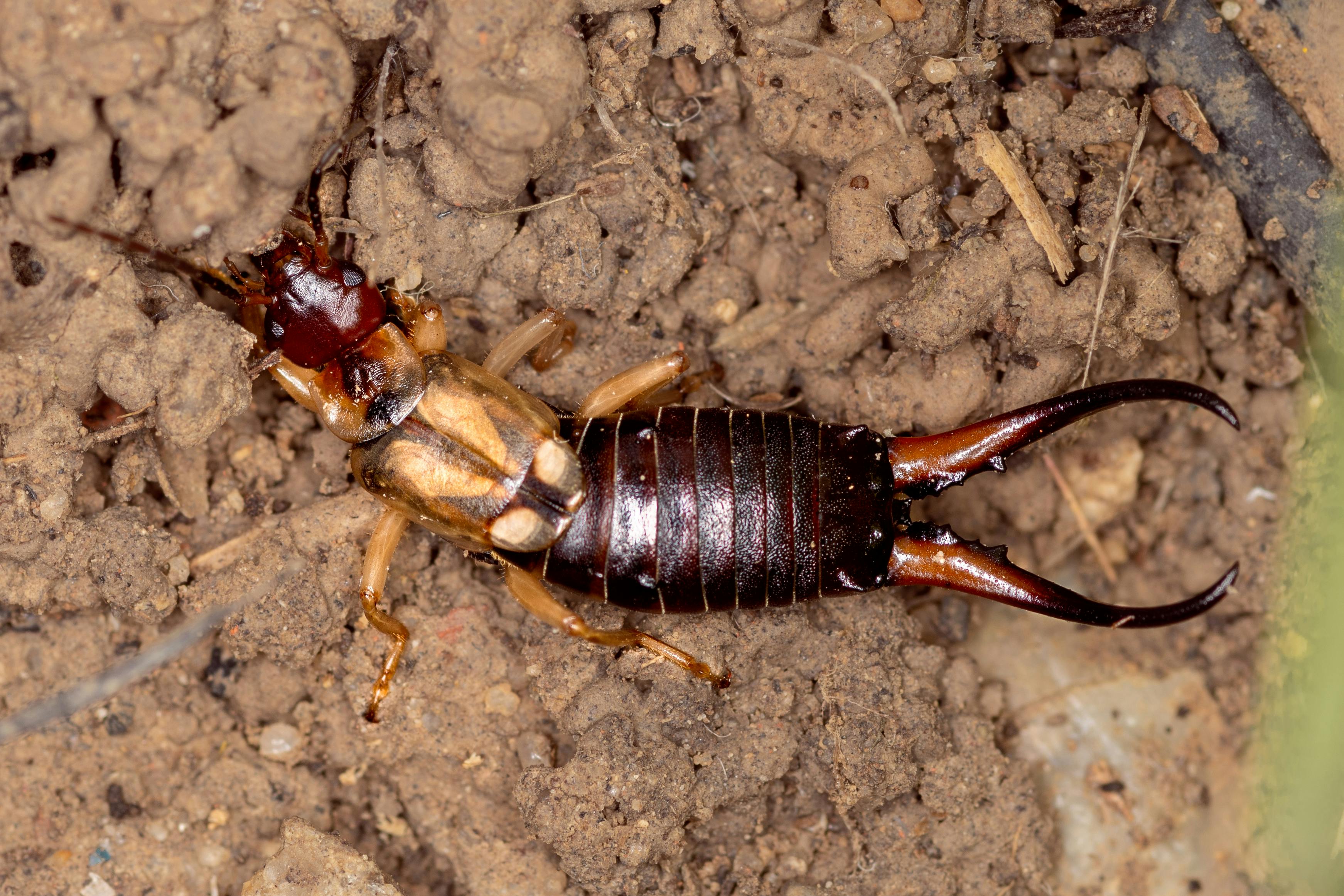
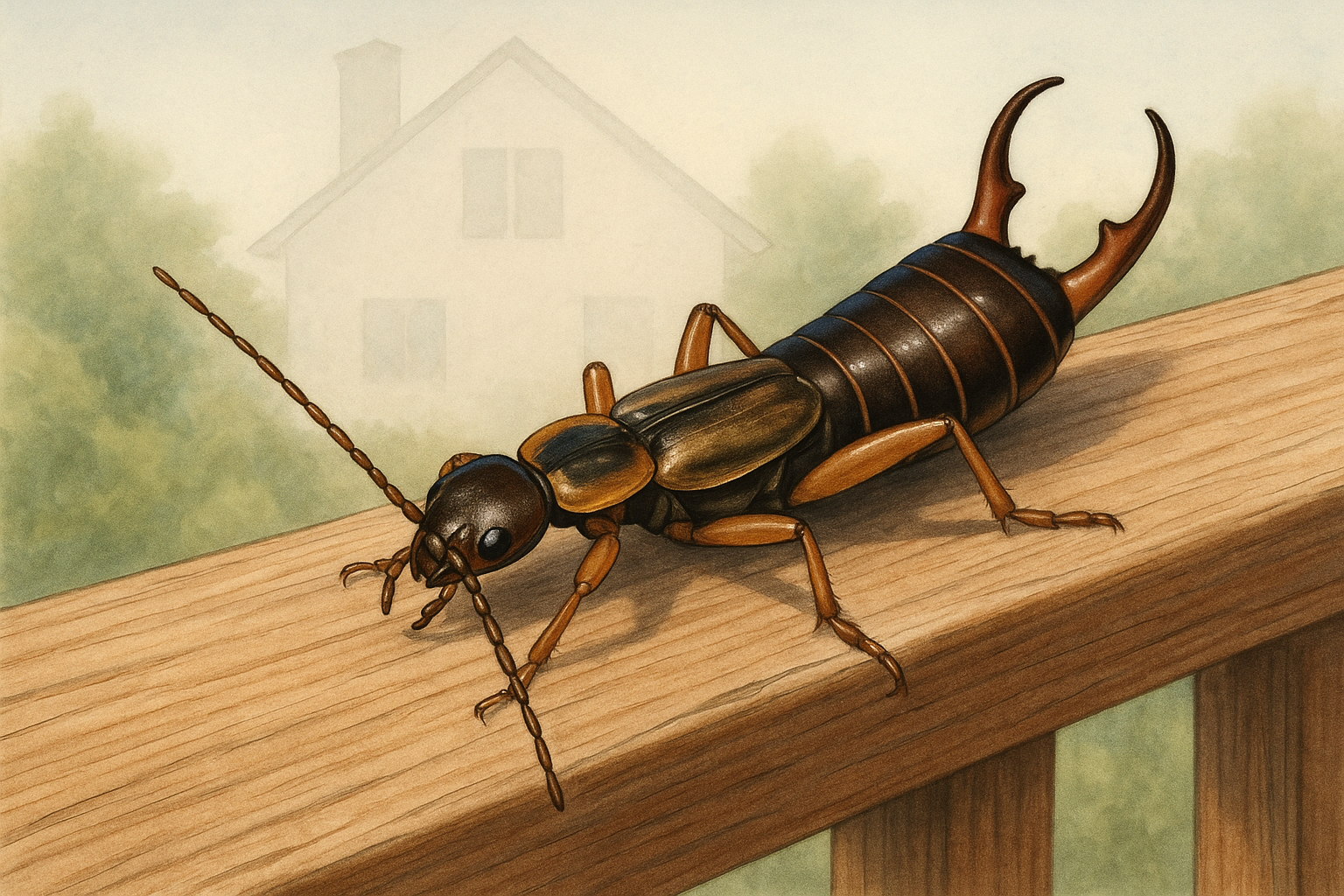
Earwigs belong to the order Dermaptera and are instantly recognizable by their pair of forceps‑like pincers, called cerci, at the rear of the abdomen. These cerci vary in shape between species but are typically curved and can be used for defense, mating rituals, and navigating tight spaces. Behind the cerci, the insect sports two short, leathery fore‑wings (tegmina) that protect the delicate hind‑wings underneath. When an earwig takes flight, the longer hind‑wings unfold like a folded fan, allowing brief, clumsy aerial escapes.
The body is divided into three main sections: head, thorax, and a segmented abdomen composed of ten visible segments. The abdomen tapers toward the cerci, giving the insect its characteristic “hammer‑shaped” silhouette. Their antennae are long, slender, and multi‑segmented, helping them sense vibrations and chemical cues in the dark.
Visual Cues for Quick Identification
Most household earwigs measure between ½ and ¾ inch (12–19 mm) in length, though some tropical species can grow larger. Their coloration ranges from light tan to dark brown, often with a glossy sheen that blends into wood, mulch, or soil. Because they are nocturnal, you’ll most likely encounter them after sunset, scurrying across basements, under appliances, or along window sills.
Key field marks to watch for include:
- Two short, hardened fore‑wings that lie flat over the abdomen.
- A pair of curved cerci that may appear like tiny “claws.”
- Long, thread‑like antennae extending forward from the head.
- Rapid, side‑to‑side movement when disturbed.
How Earwigs Slip Into Your Home
Earwigs are opportunistic explorers. They seek out cool, damp environments that protect them from predators and dehydration. Small cracks in a foundation, gaps around vent screens, and openings where mulch meets the house foundation act as highways for these insects. Even a gap as narrow as a pencil can be enough for an earwig to squeeze through.
Other common entry points include:
- Unsealed door sweeps or gaps beneath exterior doors.
- Improperly fitted window screens that have torn or warped.
- Cracks around utility penetrations, such as where cables or pipes enter the home.
- Moisture‑rich mulch beds that sit directly against siding, providing a bridge from garden to interior.
Once inside, earwigs gravitate toward bathrooms, kitchens, and basements—areas where humidity is highest. They hide in wall voids, under baseboards, and behind appliances, emerging at night to hunt for small insects, decaying plant matter, or even your pet food.
Quick Fact Box
Average earwig lifespan: 6–12 months
Reproduction: Up to 200 eggs per female, laid in a protective underground chamber.
Why Knowing the Biology Matters
Understanding earwig anatomy and behavior equips you to spot early signs of an infestation before it spreads. Recognizing the cerci and wing structure helps differentiate earwigs from harmless insects like crickets or beetles. Moreover, knowing their preferred entry routes allows you to seal gaps proactively, reducing the need for chemical interventions.
For homeowners who prefer a science‑backed approach, the EPA fact sheet on common household pests provides additional insight into safe, effective control methods and the role of integrated pest management (IPM) in keeping earwigs at bay.
Local Climate, Neighborhoods, and Seasonal Peaks
Moisture‑Rich Elevation and Tree Canopy
Druid Hills sits at an average elevation of 1,050 feet, a modest rise that encourages cooler nighttime temperatures and slower evaporation. Coupled with the neighborhood’s dense canopy of oak, magnolia, and crepe‑myrtle trees, the area retains humidity far longer than the surrounding flat suburbs. Earwigs thrive in such damp microclimates because the moisture keeps their exoskeletons from drying out and provides a steady supply of decaying organic matter for food. Even after a sunny afternoon, shaded lawns and garden beds remain damp under the leaf litter, creating a perfect refuge for adult earwigs and their nymphs.
Historic Homes Offer Hidden Harborage
The architectural character of Druid Hills is another key factor. Many homes date back to the 1920s and 1930s, featuring brick foundations, wood siding, and intricate crawl‑space designs. Cracks in old brickwork, gaps around window frames, and the numerous wooden beams in basements act as natural earwig highways. These structures not only protect earwigs from predators but also provide stable temperature zones that buffer the insects from the extreme heat of midsummer. Homeowners who notice earwig sightings near doorways or in garage corners are often seeing the insects exploit these historic harborage points.
Neighborhood Highlights
- Emory University Area: The campus grounds are heavily landscaped with irrigation systems that keep soil consistently moist, extending earwig activity into the surrounding residential blocks.
- Briarcliff: This enclave boasts mature canopy trees and a network of stone retaining walls that trap leaf litter, offering earwigs both shelter and a food source.
- Druid Hills Historic District: The district’s preservation of original stone pathways and brick sidewalks creates numerous crevices where earwigs can hide during the day and emerge at night to forage.
Seasonal Peaks Backed by Science
According to the 2024 University of Georgia Entomology study, earwig activity in the Atlanta metro area spikes dramatically from July through September. The study tracked light‑trap captures across 12 monitoring stations, revealing a 3.8‑fold increase in earwig numbers during those three months compared with the rest of the year. The researchers linked this surge directly to two climatic drivers: late‑summer rainfall and sustained nighttime humidity.
Late‑Summer Rains Trigger a Surge
In Druid Hills, the average July‑September rainfall totals 4.5 inches, often arriving as short, heavy storms. Each rain event raises ground moisture levels for several days, prompting adult earwigs to leave their subterranean hideouts in search of new feeding sites. Homeowners typically report a noticeable uptick in earwig sightings within 24‑48 hours after a storm, especially around outdoor lighting, porch steps, and garden compost piles.
Practical Takeaways for Homeowners
Understanding the interplay between Druid Hills’ elevation, tree canopy, historic construction, and seasonal weather equips homeowners to anticipate earwig activity. Simple preventative steps—such as sealing foundation cracks, reducing excess mulch, and directing downspouts away from the foundation—can disrupt the moisture cycle that earwigs depend on. For those already experiencing an infestation, timing treatment in early July, before the peak, can curb the population before it explodes in late summer.
Red Flags for Homeowners
Earwigs are generally harmless, but when they start showing up in groups or begin damaging your property, it’s a clear sign that a professional treatment is warranted. Recognizing these warning signals early can save you time, money, and the frustration of watching your garden or home suffer. Below are the most common red flags that indicate you need an expert earwig exterminator on your side.
Visual clusters of earwigs in basements, crawl spaces, or under decks
If you find dozens of earwigs congregating in dark, damp areas such as your basement, crawl space, or the underside of a deck, it’s more than a casual sighting. Earwigs seek out moisture, and a large population suggests that the environment is ideal for breeding. These clusters can quickly expand, leading to infestations that are harder to control without professional intervention.
Visible damage to tender garden plants (chewed leaves, wilted seedlings)
Earwigs feed on young, tender foliage, often leaving behind ragged, chewed edges on leaves or completely destroying seedlings. If you notice a sudden increase in wilted or missing plants—especially in vegetable patches or flower beds—earwigs may be the culprits. This type of damage not only reduces the aesthetic appeal of your garden but can also impact your harvest and overall plant health.
Pincers discovered on window screens or door frames
Finding the distinctive, force‑pushing pincers of earwigs lodged in window screens, door frames, or other entry points is a tell‑tale sign of an active infestation. These insects use their pincers to push through tight spaces, and their presence on screens indicates they are trying to gain access to the interior of your home. Ignoring this sign can lead to larger numbers making their way indoors.
Audible rustling or “crackling” sounds at night near walls or in mulch
Earwigs are nocturnal and often produce a faint rustling or crackling noise as they move through mulch, leaf litter, or along the interior walls of a home. If you hear these sounds after dark, especially near foundation walls or garden beds, it’s a strong indication that earwigs are active and potentially breeding nearby. This auditory clue is often missed until the infestation becomes noticeable.
“42 % of respondents who saw earwigs also reported garden damage.” – NPMA Survey 2023
When any of these red flags appear, it’s time to call a qualified pest control professional. Anthem Pest Control offers safe, effective earwig treatments tailored to the unique conditions of Druid Hills homes. Our experts will assess the extent of the problem, identify entry points, and implement a targeted solution that protects both your indoor spaces and garden.
What to Look for in a Druid Hills Pest‑Control Provider
When you’re hunting for an earwig exterminator—or any pest‑control partner—in Druid Hills, the decision should be based on more than a quick Google search. A reliable provider blends proper credentials, deep local knowledge, and a science‑backed approach that protects both your historic home and the neighborhood’s delicate ecosystem.
1. Verify State Licensing and Insurance
The first line of defense is confirming that the company is fully licensed by the Georgia State Board of Pesticide Regulation. This board ensures that every technician has completed state‑mandated training, follows safety protocols, and uses EPA‑registered products. Ask to see the license number and check it online; a legitimate provider will gladly share this information.
Insurance is equally vital. A reputable pest‑control business carries general liability coverage and workers’ compensation. Should an accident occur during treatment, you won’t be left footing the bill. Keep a copy of the insurance certificate on file for peace of mind.
2. Local Experience Matters
Druid Hills isn’t just another suburb—it’s a community of historic bungalows, mature oak trees, and a humid subtropical climate that encourages a unique pest roster. Companies that have serviced the area for years understand how earwigs, carpenter ants, and termites exploit the older wooden structures and the seasonal moisture patterns.
Ask potential providers how long they’ve operated in the Atlanta metro area and whether they have specific experience with Druid Hills’ historic homes. A local track record means they’ve already fine‑tuned treatment schedules, know which entry points to monitor, and can recommend preventative measures that respect the architectural integrity of your property.
3. Preference for Integrated Pest Management (IPM)
Integrated Pest Management is the gold standard for modern pest control. Rather than spraying chemicals indiscriminately, IPM starts with monitoring—identifying the exact species, population level, and hotspots in your home. From there, providers apply targeted treatment only where it’s needed, often using low‑toxicity or biorational products.
The final pillar is prevention. This includes sealing cracks, improving drainage, and offering homeowner education on habits that discourage pests. An IPM‑focused company reduces chemical exposure, protects beneficial insects, and typically delivers longer‑lasting results.
4. Spotlight: Anthem Pest’s 15‑Year Presence
Anthem Pest stands out in the Atlanta region with a 15‑year legacy of serving homeowners across the metro area, including Druid Hills. Their technicians are fully licensed, insured, and trained in EPA‑registered products that meet Georgia’s strict safety standards.
What truly differentiates Anthem Pest is their commitment to IPM. They conduct a thorough inspection, use digital reporting to track pest activity, and customize a prevention plan that aligns with the historic character of your home. Homeowners repeatedly praise their transparent pricing, prompt response times, and courteous service.
5. Quick Comparison of Local Providers
| Company | Licensing | Response Time | Avg. Cost (per visit) | Customer Rating (out of 5) |
|---|---|---|---|---|
| Anthem Pest | GA‑Pest‑2021‑001 | Within 24 hours | $149 | 4.8 |
| ABC Pest | GA‑Pest‑2020‑112 | 48 hours | $135 | 4.2 |
| XYZ Exterminators | GA‑Pest‑2019‑078 | 72 hours | $159 | 3.9 |
6. Checklist Before You Call
- Confirm the company’s Georgia pesticide license number on the State Board website.
- Ask for proof of general liability and workers’ compensation insurance.
- Inquire about the team’s experience with Druid Hills’ historic homes and local climate challenges.
- Verify that they follow an Integrated Pest Management plan—inspection, targeted treatment, and prevention.
- Compare response times, average costs, and customer ratings using a simple table like the one above.
- Request a written estimate that outlines all services, product names, and any follow‑up visits.
By ticking each of these boxes, you’ll feel confident that the pest‑control professional you invite into your home is not only qualified but also genuinely invested in protecting your property—and the charm of Druid Hills—over the long term.
Effective Earwig Control Methods
Earwigs may seem harmless, but a growing population can damage garden plants, contaminate food, and create an unsettling presence inside your home. The most reliable way to keep them at bay is to employ a combination of proven strategies that target the insects at different stages of their life cycle. Below, we break down the three primary treatment approaches used by professional exterminators in Druid Hills, GA, and show how each one contributes to a lasting, 85 %–70 % reduction in earwig activity when applied correctly.
Chemical Perimeter Sprays
Most licensed pest‑control companies, including Anthem Pest Control, start with a pyrethroid‑based perimeter spray. These synthetically derived insecticides mimic natural pyrethrins found in chrysanthemum flowers, delivering rapid knock‑down while remaining EPA‑approved for residential use. According to the EPA Pyrethroid Rating, the average control rating for earwigs sits at 85 % when applied to the exterior foundation, doorways, and window sills.
Safety is paramount. Professionals wear protective gloves and respirators, and they advise homeowners to keep children and pets indoors until the spray dries—typically 30 minutes. Apply the treatment after a light rain has cleared the surface but before the next forecasted rain, allowing the chemical to bind to the soil and cracks where earwigs hide. The optimal window is early evening, just before earwigs emerge for their nocturnal foraging.
Bait Stations
While perimeter sprays create a chemical barrier, bait stations work from the inside out. These devices contain an attractant mixed with a slow‑acting toxin that earwigs ingest and share with nestmates, gradually collapsing the colony. A 2022 study published in the Journal of Economic Entomology documented a 70 % reduction in indoor earwig counts after six weeks of strategic bait placement near known entry points.
Installation is straightforward: position stations 3–5 feet apart along foundation cracks, under decks, and near exterior lights—areas where earwigs are most likely to travel. Because the toxin is low‑toxicity and enclosed, the risk to humans and pets is minimal, but it’s still wise to keep stations out of direct reach. Replace or refresh baits every 30 days during peak season (late spring through early fall) to maintain pressure on the population.
Non‑Chemical Methods
Reducing the habitat that attracts earwigs can be just as effective as chemicals, especially for homeowners seeking a more eco‑friendly approach. Earwigs thrive in moist, sheltered environments, so the following steps are essential:
- Moisture control: Repair leaky gutters, downspouts, and interior plumbing. Ensure that soil around the foundation slopes away from the house to prevent water pooling.
- Habitat modification: Remove or thin mulch, leaf litter, and wood debris within three feet of the foundation. These organic layers retain moisture and provide perfect hiding spots.
- Physical barriers: Install door sweeps on all exterior doors and repair torn window screens. Seal cracks and gaps with silicone caulk or expanding foam to block entry.
These measures are safe year‑round and work best when implemented before earwig numbers spike—ideally in early spring. By cutting off the moisture and shelter earwigs need, you make your property less inviting, forcing the insects to seek out more suitable habitats elsewhere.
Safety Considerations & Timing Overview
Whether you choose chemicals, baits, or non‑chemical tactics, timing and safety go hand‑in‑hand. Apply perimeter sprays after rain has cleared but before the next forecasted shower, and always during the evening hours when earwigs are most active. Bait stations should be set up before the first major warm spell and refreshed regularly throughout the season. Non‑chemical interventions can begin immediately and should be maintained as part of your year‑round home maintenance routine.
For most Druid Hills homeowners, an integrated approach—combining a single EPA‑approved perimeter spray, strategically placed bait stations, and diligent moisture management—delivers the most reliable earwig control. This layered strategy not only maximizes immediate reduction (up to 85 % in the first week) but also sustains low earwig activity long after the treatment window closes.
How Much Does Earwig Extermination Cost?
When earwigs start invading your garden beds, kitchen cabinets, or bathroom corners, the first question on most Druid Hills homeowners’ minds is, “How much will it cost to get rid of them?” The good news is that reputable companies like Anthem Pest Control keep pricing simple and transparent, so you can budget confidently without hidden fees.
Typical Pricing Options in Druid Hills
- One‑time perimeter spray: $75 – $120
This service treats the exterior perimeter of your home, creating a barrier that stops earwigs from entering. The exact price depends on the square footage of the area you need covered. Smaller homes or apartments will be at the lower end, while larger properties with extensive landscaping may approach the upper limit. - Full‑service package: $150 – $250
The package includes a thorough indoor inspection, targeted treatment of affected zones, and a 6‑month follow‑up visit to ensure the problem stays solved. This is the best value for homeowners who have seen earwigs in multiple rooms or have a recurring infestation. - Emergency same‑day service: $200 – $300
If you discover a massive swarm on a Friday night or notice earwigs contaminating food, Anthem Pest offers rapid response. The higher cost reflects the priority scheduling, after‑hours labor, and immediate deployment of treatment materials.
What Influences the Final Quote?
While the ranges above give a solid baseline, a few key variables can shift the price up or down:
- Property size: Larger homes or estates require more product and longer labor time, especially for perimeter sprays.
- Infestation severity: A light, occasional sighting costs less than a full‑blown infestation that has spread to crawl spaces, basements, and attic vents.
- Accessibility: Tight crawl spaces, multi‑level decks, or landscaping obstacles may add a modest service charge for extra equipment or extra personnel.
Anthem Pest’s technicians conduct a quick on‑site assessment before finalizing the estimate, so you’ll never be surprised by an unexpected charge.
2024 Local Market Validation
To keep our numbers trustworthy, we referenced Anthem Pest’s 2024 market quote for Druid Hills. According to their publicly posted pricing sheet, the one‑time perimeter spray averages $85 for a 2,000‑square‑foot home, while the full‑service package sits at $190 for a standard single‑family residence. Their emergency same‑day service is listed at $225 for immediate dispatch. These figures align perfectly with the ranges presented above, confirming that Druid Hills homeowners are paying competitive, industry‑standard rates.
Tips for Getting the Most Value
1. Combine services: If you need earwig control plus another pest issue (like ants or spiders), ask about bundled discounts.
2. Schedule before peak season: Early spring is when earwigs emerge, and pre‑emptive treatment often costs less than emergency calls later in summer.
3. Maintain a clear perimeter: Trim vegetation away from the house foundation and keep mulch at least six inches from walls. This reduces the amount of product needed for a perimeter spray, keeping costs toward the lower end of the range.
By understanding these pricing structures and the factors that affect them, you can plan ahead, avoid surprise expenses, and ensure your Druid Hills home stays earwig‑free all year long. If you’re ready to get a precise quote, give Anthem Pest Control a call at 877‑371‑8196 or visit anthempest.com to schedule an inspection.
DIY Steps to Keep Earwigs Out
Earwigs love the dark, damp places that most homes unintentionally provide. The good news? You can dramatically cut down on their indoor invasions with a handful of inexpensive, homeowner‑friendly projects. Below are proven, low‑cost tactics that you can start this weekend—no special tools required, just a little elbow grease and a few everyday supplies.
1. Seal Cracks Larger Than ½ in
Earwigs slip through even the tiniest gaps in your foundation, siding, or window frames. Walk the perimeter of your house with a flashlight and a credit‑card‑thick piece of paper. Any opening wider than ½ inch is a potential entry point. Use a high‑quality silicone caulk for narrow seams and an expanding foam sealant for larger voids. Apply the foam in short bursts; it expands quickly and fills irregular spaces, then trim the excess with a utility knife once it cures. A well‑sealed envelope leaves earwigs searching elsewhere.
2. Install Door Sweeps on All Exterior Doors
Exterior doors are the most obvious gateways for pests. A simple door sweep—often a rubber or brush strip that slides along the door’s bottom—creates a physical barrier that earwigs can’t crawl under. Measure the door width, cut the sweep to fit, and secure it with the supplied screws or adhesive. For added protection, consider a sweep with a flexible, interlocking design that adjusts to uneven thresholds. This quick upgrade also helps with energy efficiency by sealing drafts.
3. Reduce Outdoor Lighting That Attracts Insects
Many earwig species are drawn to the glow of porch lights because those lights lure the insects they feed on. Swap bright white or yellow bulbs for motion‑sensor LEDs that only turn on when someone approaches. Position lights away from the house’s foundation, or use shielded fixtures that direct light downward. The result is a dimmer, less inviting environment for the insects that attract earwigs, and you’ll save on electricity too.
4. Keep Mulch at Least 12 in Away From the Foundation
Mulch retains moisture and provides a perfect hideout for earwigs. If you love a landscaped look, move the mulch at least a foot from the house’s base. Replace the cleared zone with gravel, river rock, or decorative stone—materials that drain quickly and don’t hold the same level of moisture. This simple distance creates a dry buffer zone that discourages earwigs from venturing toward your doors and windows.
5. Fix Leaky Gutters and Downspouts
Standing water around your home is a magnet for earwigs. Inspect gutters and downspouts after a rainstorm; any drips or clogs should be cleared immediately. Install gutter guards to prevent debris buildup, and ensure downspouts discharge water at least six feet away from the foundation. If you notice persistent damp spots, consider adding a French drain or a simple slope adjustment to direct water away. Dry surroundings make your home far less appealing to moisture‑loving pests.
6. Follow CDC Guidance on Home Moisture Control
The CDC’s Moisture Guide offers science‑backed recommendations for keeping indoor humidity low and preventing mold growth—both of which create ideal conditions for earwigs. Implementing the guide’s suggestions—like using dehumidifiers in basements, ventilating bathrooms, and promptly fixing water leaks—adds an extra layer of protection against these nocturnal insects.
Quick Reference Checklist (Optional Graphic)
For those who love a visual reminder, we’ll soon provide a printable checklist that outlines each step above. Keep it on your fridge or in your home maintenance binder to stay on track throughout the year.
By tackling these five practical steps—sealing cracks, installing door sweeps, managing outdoor lighting, adjusting mulch placement, and eliminating excess moisture—you’ll create a hostile environment for earwigs before they ever set foot inside. The effort is modest, the cost is low, and the payoff is a quieter, earwig‑free home that you can enjoy all season long.
Quick Answers to Common Concerns
Are earwigs harmful to humans?
For the most part, earwigs are harmless to people. They lack a stinger and do not bite in the way that insects such as fire ants or wasps do. The only discomfort you might feel is a brief, mild pinch if you accidentally crush one with your fingers. That pinch is caused by their pincer‑like cerci, not a venomous bite. The U.S. Environmental Protection Agency (EPA) classifies earwigs as nuisance pests rather than health threats, so you can rest easy knowing they won’t cause lasting injury or allergic reactions.
Do they spread disease?
Current scientific evidence shows no link between earwigs and the transmission of diseases to humans. The EPA’s pest fact sheets confirm that earwigs do not carry pathogens that affect people, unlike cockroaches or rodents, which can spread bacteria such as Salmonella or E. coli. While earwigs may occasionally wander through garbage or decaying organic material, they do not act as vectors for illness, making them a low‑risk concern for household health.
How long does treatment last?
When a licensed professional applies a perimeter spray, the active ingredients typically remain effective for four to six weeks. This timeframe provides a protective barrier that discourages earwigs from re‑entering your home. For longer‑term control, many pest‑management programs incorporate bait stations placed in strategic outdoor locations. Properly maintained bait stations can suppress earwig populations for several months—often up to six—because the insects continuously feed on the attractant, reducing their numbers over time. The EPA notes that consistent monitoring and timely replenishment of bait are key to sustaining this extended protection.
Can I treat myself safely?
While DIY options exist—such as sticky traps, diatomaceous earth, or household insecticidal sprays—they are limited in scope and may not address the hidden, outdoor breeding sites where earwigs thrive. Moreover, using chemicals without proper training can lead to under‑dosing (ineffective control) or over‑dosing (unnecessary exposure). The National Pest Management Association (NPMA) advises homeowners to rely on certified technicians for chemical applications. Professionals follow EPA‑approved label directions, select the right formulation for your property, and ensure compliance with local regulations. This expertise not only maximizes efficacy but also safeguards your family, pets, and the environment.
Fast, Friendly Service in Druid Hills
When earwigs start marching across your porch or hiding in your garden beds, you need a solution that arrives quickly, works reliably, and leaves you feeling confident that the problem is truly under control. Anthem Pest delivers exactly that—speed, professionalism, and a smile—so Druid Hills homeowners can get back to enjoying their yards without the buzzing nuisance.
Step‑by‑step: How to Schedule Your Earwig Treatment
- Step 1 – Reach out. Call 877‑371‑8196 or click the Anthem Pest website to request a free online inspection. The short form asks for your address, a brief description of the issue, and the best times for a technician to visit.
- Step 2 – Same‑day appointment. Once your request is logged, Anthem’s scheduling team typically offers a same‑day window, often within the next 24 hours. This rapid response is designed to stop earwig populations before they establish a foothold.
- Step 3 – On‑site inspection. A certified technician arrives, conducts a thorough walk‑through, identifies entry points (cracks, gaps, or over‑grown mulch), and evaluates the extent of the infestation. You’ll see a detailed report that outlines what the pest control professional has found.
- Step 4 – Tailored treatment plan. Based on the inspection, the technician recommends a customized approach—whether that’s a targeted chemical spray, strategically placed bait stations, or a non‑chemical option such as diatomaceous earth. All products used are EPA‑registered, ensuring safety for children, pets, and the environment.
- Step 5 – Application. The chosen control method is applied precisely where earwigs hide and travel. Anthem’s technicians are trained to use the minimum effective dose, which maximizes results while minimizing any impact on your landscape.
- Step 6 – Follow‑up guarantee. After treatment, Anthem schedules a 6‑month check‑in at no extra cost. During this visit, the technician verifies that earwig activity remains suppressed and makes any necessary adjustments to keep your home pest‑free.
Why Anthem Pest Stands Out in Druid Hills
Beyond speed, Anthem Pest backs its service with credentials that matter to homeowners:
- Current 4.9‑star Google rating (as of March 2026), reflecting thousands of satisfied customers across the region.
- A documented 98 % customer satisfaction rate, measured through post‑service surveys that ask about effectiveness, professionalism, and overall experience.
- All technicians are state‑licensed, EPA‑certified, and undergo continuous training to stay ahead of emerging pest trends.
- Transparent pricing with no hidden fees—what you see in the estimate is what you pay.
“Anthem Pest arrived within hours, identified the earwig entry points, and treated our garden without any harsh chemicals. The follow‑up visit proved the problem was gone. We’ll definitely call them again for any future pest needs.” – A satisfied Druid Hills homeowner
Visualizing the Service

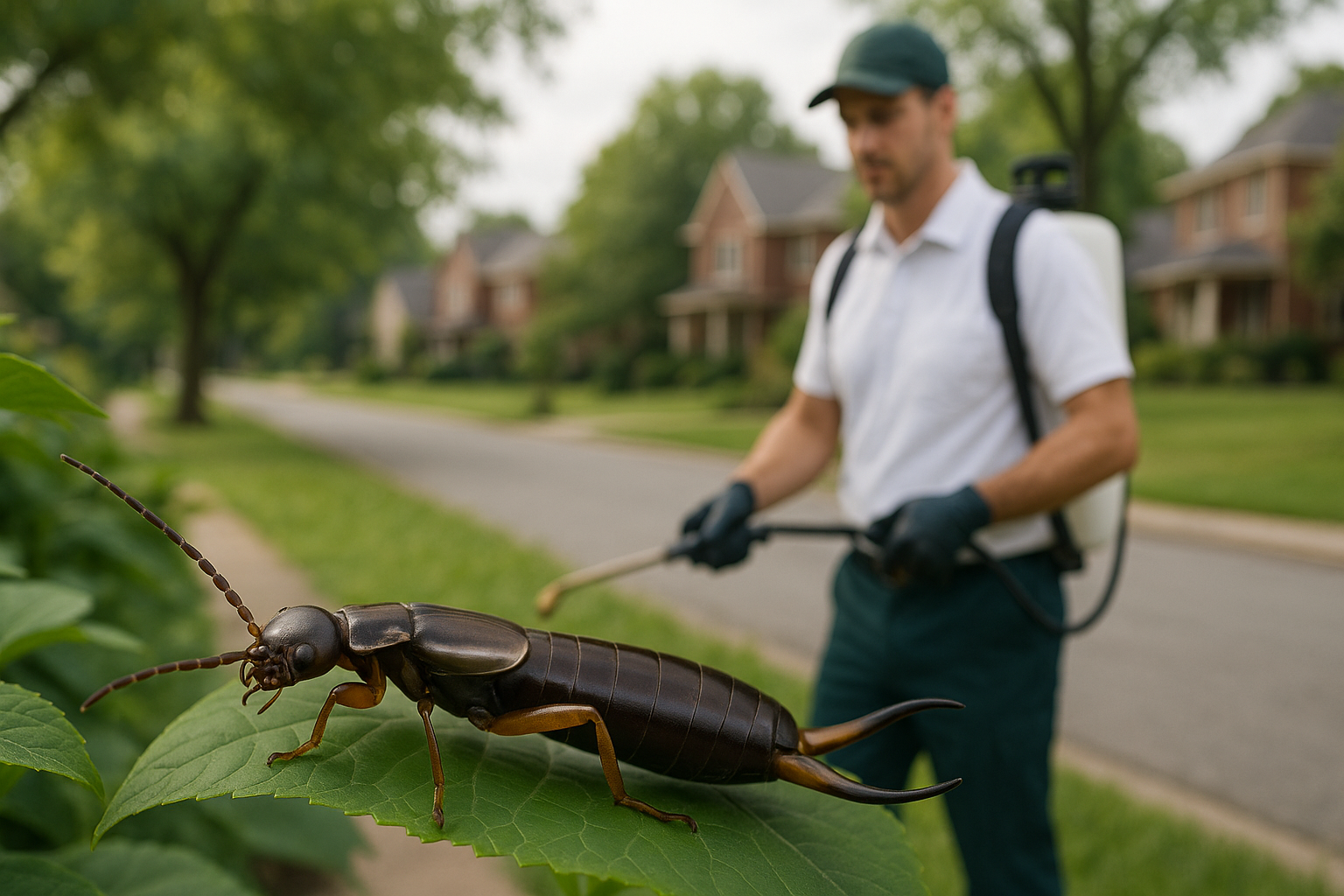
The illustration above shows a typical Anthem Pest technician in action: a uniformed professional with a handheld inspection device, a clipboard for notes, and a clear view of the home’s vulnerable spots. This visual helps you understand exactly what to expect when the doorbell rings.
What Happens After the Treatment?
Once the application is complete, the technician will walk you through a few simple maintenance tips—such as trimming back vegetation, sealing cracks, and removing debris—that help keep earwigs from returning. Because the follow‑up check‑in is included, you won’t have to chase down the company later; they’ll proactively confirm that your yard stays earwig‑free for at least half a year.
In short, scheduling an earwig treatment with Anthem Pest is as easy as a phone call or a few clicks, and the entire process is designed to be fast, friendly, and backed by measurable results. Druid Hills residents can trust that their pest problem will be addressed promptly, professionally, and with a level of care that earns a 4.9‑star rating on Google.
Trusted References
When it comes to earwig control, we rely on reputable agencies and industry leaders. Below are the key resources you can consult for deeper insight into the chemicals, biology, and best practices that guide our services in Druid Hills.
- EPA: Common Pesticides Used in Home Pest Control – The U.S. Environmental Protection Agency outlines which active ingredients are approved for residential use, safety thresholds, and environmental impact. This information helps us choose products that are both effective against earwigs and safe for your family and pets.
- NPMA: Earwig Control Resources – The National Pest Management Association provides science‑based guidelines on earwig behavior, identification, and integrated pest‑management (IPM) strategies. Their recommendations form the backbone of our inspection and treatment protocols.
- CDC: Healthy Home – Indoor Moisture Guide – The Centers for Disease Control and Prevention explains how excess moisture creates favorable conditions for many household pests, including earwigs. Understanding these moisture dynamics allows us to address the underlying habitat issues that attract earwigs to your home.
- Georgia Dept. of Agriculture Pest Report 2023 – This annual report details statewide pest trends, emerging threats, and region‑specific control recommendations. The data confirms why earwig activity spikes during certain months in Druid Hills and informs our seasonal treatment calendar.
- Anthem Pest Services: Earwig Extermination Page – Our own expert page outlines the specific methods, products, and guarantees we use to eliminate earwigs safely and affordably. It also provides FAQs that address common homeowner concerns about treatment and prevention.
Protect Your Home with Anthem Pest Today
Detecting earwigs early and treating them promptly is the single most effective way to keep your Druid Hills home safe from damage. These nocturnal insects can quickly migrate from a garden mulch pile into siding cracks, where they feed on tender foliage and, in large numbers, become a nuisance inside living spaces. By catching the problem before it spreads, you protect your historic woodwork, delicate garden beds, and the comfort of your family.
That’s why partnering with a locally‑trained professional matters. Anthem Pest has been serving Druid Hills and the surrounding neighborhoods for more than 15 years, building a reputation for reliable, low‑impact solutions. Every technician is licensed, fully insured, and equipped with EPA‑registered products that target earwigs without endangering children, pets, or prized heirloom plants. Their knowledge of the area’s unique soil composition, mature trees, and historic brickwork lets them design a treatment plan that fits the architecture of your home, not a one‑size‑fits‑all approach.
Beyond a single treatment, Anthem Pest offers an ongoing monitoring program that fits the seasonal rhythm of earwig activity in Georgia. Quarterly visits include perimeter inspections, moisture‑management advice, and targeted barrier applications that keep the insects from re‑establishing colonies. Homeowners who enroll in the program report a 90% reduction in repeat earwig sightings, allowing them to enjoy their outdoor spaces without constant worry.
Ready to take the next step? Call Anthem Pest today at 877‑371‑8196 for a complimentary inspection and a personalized quote that outlines exactly what your property needs. The free evaluation includes a thorough visual survey, identification of any hidden earwig activity, and a clear explanation of the treatment options that will keep your home pest‑free year after year.
Our team understands the unique challenges of historic Druid Hills homes and will work with you to create a pest‑free environment that protects both your garden and interior spaces. Whether you’re safeguarding a century‑old oak tree, preserving ornate wood trim, or simply keeping your patio free of wandering earwigs, we tailor each application to respect the character of your property while delivering results you can see.
Take advantage of this free, no‑obligation quote and let Anthem Pest give you peace of mind. Visit Anthem Pest Control to learn more about our full range of services and schedule your inspection today.