
Rising Ant Activity in Vinings – An Overview
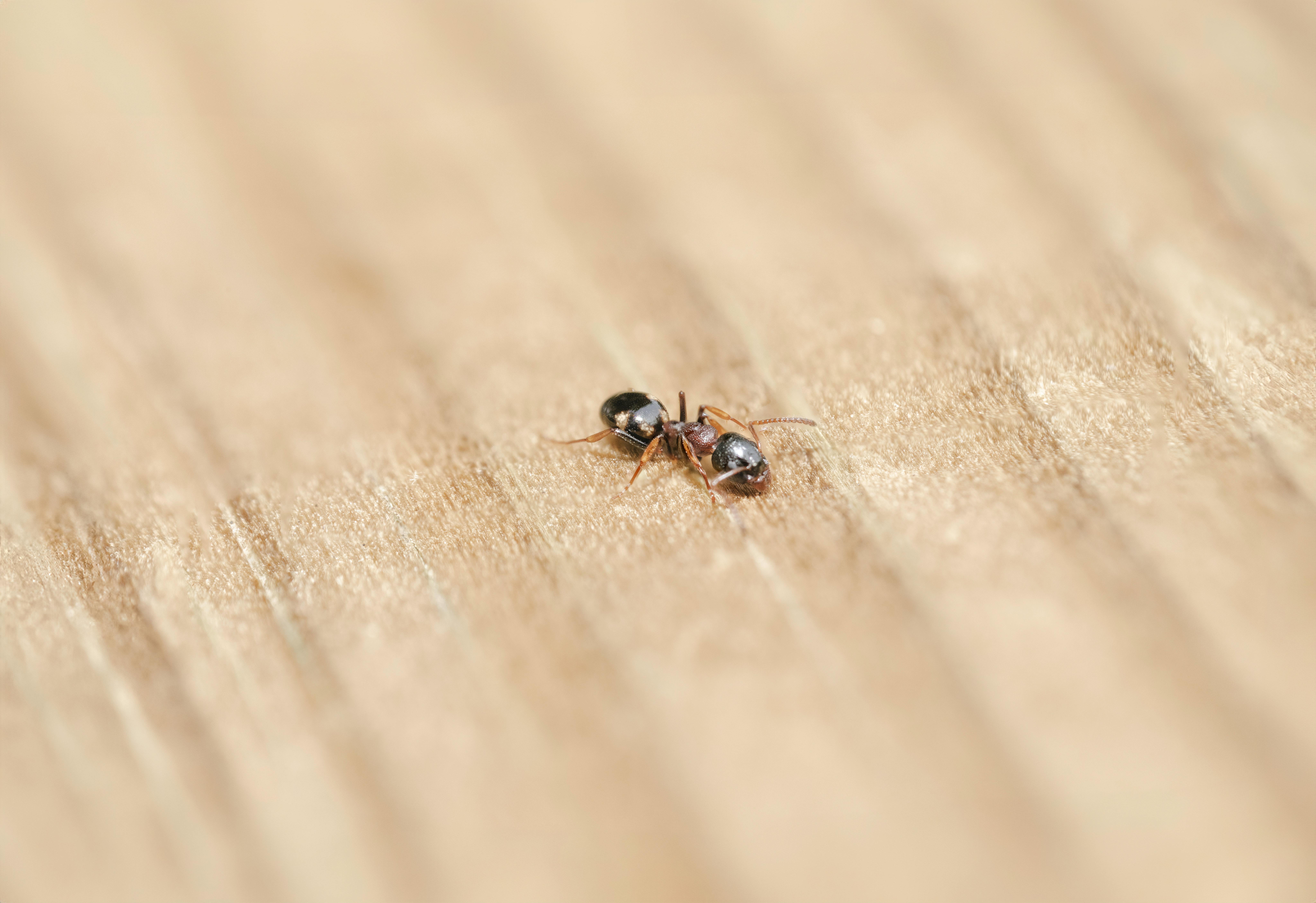
If you’ve ever opened a kitchen window in late April and watched a line of tiny soldiers march across the sill, you’re not alone. Vinings experiences a dramatic surge in ant activity each spring, and the numbers only climb through the hot summer months. Homeowners report a 40‑percent jump in service calls between May and August, making it the busiest time of year for local pest professionals.
Why the buzz? Unlike flies or mosquitoes, ants can become structural villains and kitchen contaminants in the same season. Carpenter ants, for example, hollow out sound wood to build their galleries, compromising beams, decks, and even foundation supports if left unchecked. Meanwhile, foraging trails bring tiny insects into pantry shelves, contaminating stored grains, sugary snacks, and pet food with bacteria and mold spores.
In this guide we’ll walk you through everything you need to tame the invasion. First, we’ll help you identify the most common Vinings species—from the black carpenter ant to the fast‑moving odorous house ant—so you know exactly what you’re dealing with. Next, we’ll compare professional treatments with DIY shortcuts, highlighting when a licensed exterminator is truly worth the investment.
We’ll also break down the cost landscape—what you can expect to pay for a one‑time elimination, ongoing maintenance plans, and any hidden fees that sometimes pop up in the fine print. Seasonal prevention tips will show you how simple landscaping tweaks and proper food storage can keep colonies from ever setting up shop.
To give you a local perspective, we’ll reference the Georgia Department of Agriculture 2023 Ant Report, which maps hotspot neighborhoods, identifies rising species, and offers statewide recommendations. (Link will be added once the report is verified.) This data‑driven approach ensures the advice you’re reading isn’t generic—it’s tailored to Vinings’ unique climate and building styles.
By the end of this section you’ll know why ant activity spikes, what damage to watch for, and where the guide will lead you.
Identify the Enemy – Common Vinings Ant Species
First step in any ant battle is knowing who you’re up against. In Vinings, three species show up most often, and each brings a different kind of trouble. Spotting their size, color, and where they like to live will help you decide if you need a simple bait or a full‑scale treatment.
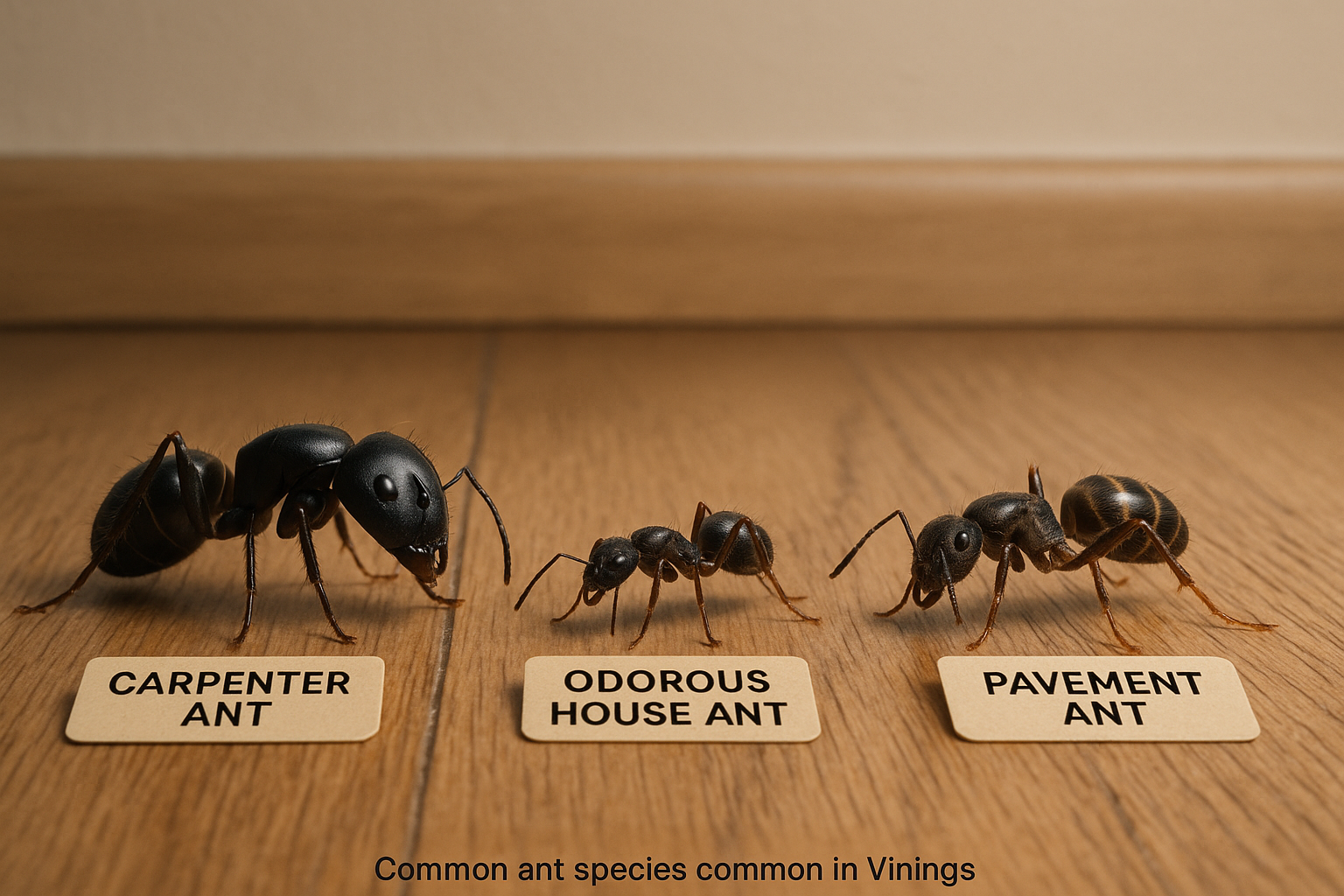
Identifying the enemy helps you pick the right treatment before the problem spreads.
Carpenter Ant (Camponotus pennsylvanicus)
These are the giants of the ant world in Georgia, ranging from ¼ to ½ inch long. Their bodies are black or dark brown with a glossy sheen, and the workers have a distinct “waist” that narrows near the middle. Carpenter ants don’t eat wood; they hollow it out to build nests, which can eventually weaken beams, joists, or porch railings. If you notice smooth, clean tunnels in wood or rust‑colored frass (sawdust‑like debris) near a window frame, you’re likely dealing with a carpenter colony.
Key signs: large black ants, sawdust, hollow wood, night activity.
Odorous House Ant (Tapinoma sessile)
Small, about ⅛ inch, and light‑brown to yellowish, these ants release a faint, rotten‑egg smell when crushed—hence the name. They love indoor foraging, often marching along baseboards, behind appliances, or inside cabinets in search of sugary crumbs and protein. While they rarely damage structures, their presence can contaminate food and trigger allergic reactions in sensitive individuals.
Key signs: tiny brown ants in kitchens, sour egg smell when crushed, sugary food trails.
Pavement Ant (Tetramorium caespitum)
Pavement ants are dark brown to black, roughly ¼ inch long, and favor nesting under sidewalks, driveways, or in the soil beneath foundations. They are primarily outdoor foragers, but they’ll slip inside through cracks, especially during hot summer days. Their damage is usually limited to nuisance sightings, though large colonies can create unsightly soil mounds near entry points.
Key signs: dark ants on sidewalks, soil mounds at cracks, indoor foraging during heat.
Statistical insight: According to the Georgia Department of Agriculture, carpenter ants account for 45 % of residential ant reports in Fulton County in 2023.Georgia Department of Agriculture, 2023
Armed with this knowledge, you can match sightings to a species and decide if a simple bait or a professional service is needed.
| Species | Typical Size | Nesting Site | Damage Risk |
|---|---|---|---|
| Carpenter Ant | ¼–½ in | Wood structures, hollowed timber | High – can compromise structural integrity |
| Odorous House Ant | ≈⅛ in | Indoor walls, cabinets, cracks | Low – food contamination only |
| Pavement Ant | ≈¼ in | Soil under sidewalks, driveways | Low – mainly nuisance |
Professional Ant Control vs. DIY Solutions
Many homeowners reach for the nearest over‑the‑counter spray or bait when ants invade their kitchen. Products such as generic contact sprays, sugar‑based baits, or pepper‑infused powders promise quick relief, but they often fall short. The active ingredients in these consumer items degrade after a few days, leaving a short residual life that allows surviving ants to repopulate the same entry points. Moreover, ant colonies can develop resistance to common chemicals like boric acid or pyrethroids, rendering repeated DIY attempts ineffective and frustrating.
Licensed technicians, on the other hand, work with EPA‑registered professional formulations that are specifically engineered for long‑lasting control. These products maintain efficacy for weeks or even months, creating a protective barrier that disrupts the foraging trail and eliminates the queen’s ability to reproduce. Because the chemicals are applied according to strict safety protocols, homeowners benefit from reduced exposure risks while still achieving a high level of kill‑rate. The professional approach also includes thorough inspection, precise placement of baits, and targeted spot treatments—steps that most DIY kits simply cannot replicate.
Another decisive advantage is the warranty that comes with a certified service. Anthem Pest Control offers a satisfaction guarantee that covers re‑treatment if ant activity returns within the agreed timeframe. This safety net not only protects your investment but also signals confidence in the treatment’s durability—something you rarely receive from a store‑bought can.
“EPA reports that professional treatments reduce ant populations by up to 92% compared to DIY methods” – EPA 2024 study
In short, while DIY products may provide a temporary visual fix, they lack the residual power, resistance management, and accountability that a licensed professional brings to the table. Choosing a qualified service like Anthem Pest Control ensures a comprehensive, long‑term solution that protects your home and peace of mind.
Treatment Options and Pricing Explained
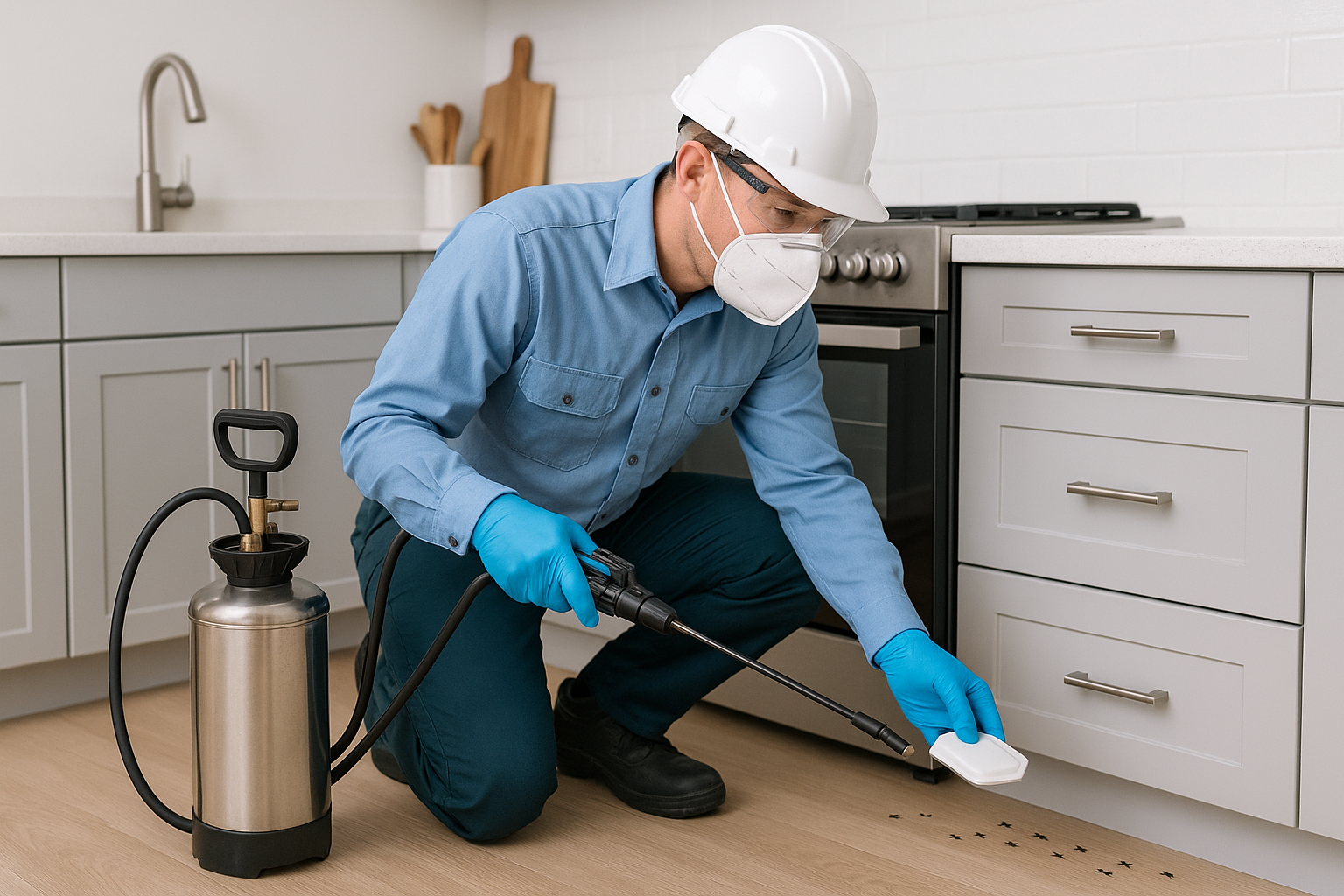
Choosing the right ant control method depends on the species you’re battling, how far the infestation has spread, and your comfort level with chemicals. Below we break down the three most common treatment modalities used by Anthem Pest Control in Vinings, Georgia, along with realistic price ranges you’ll see on an invoice.
Chemical Sprays & Dusts
Chemical sprays and dusts deliver a fast knock‑down effect, making them ideal for homeowners who need immediate relief on active foraging trails. Technicians apply a residual spray along baseboards, entry points, and any visible ant highways, while dust formulations target hidden crevices where ants nest. The typical cost for a single visit ranges from $80 to $130, depending on the size of the home and the severity of the trail activity.
Safety considerations: The products we use are EPA‑registered and applied at concentrations that are safe for families and pets when instructions are followed. Technicians wear protective gear and advise you to keep children and pets out of treated zones for at least two hours.
Follow‑up schedule: Because sprays lose potency over time, we recommend a re‑inspection and touch‑up treatment after 30 days, especially if you continue to see new trails.
Bait Stations
Bait stations work at the colony level, offering a low‑toxicity solution that attracts foraging ants and carries a slow‑acting poison back to the nest. This method shines against carpenter ants, which often hide deep within wood structures where sprays can’t reach. A full‑home bait package typically costs between $120 and $180, covering placement of multiple stations in kitchens, bathrooms, and exterior perimeters.
Safety considerations: Bait stations are sealed, preventing direct contact with humans or pets. The active ingredient is selected for its low toxicity profile, making it a popular choice for families with young children or indoor pets.
Follow‑up schedule: Ants may take several days to transport the bait back to the queen. We schedule a check‑in after two weeks to replace any depleted stations and assess colony activity. A second visit is often enough to achieve long‑term suppression.
Integrated Pest Management (IPM)
Integrated Pest Management is a comprehensive, multi‑step approach that goes beyond chemicals. It starts with a thorough inspection to locate nests, followed by exclusion techniques (sealing cracks, repairing screens), moisture control (fixing leaks that attract ants), and strategic landscaping adjustments (removing mulch that contacts the foundation). The IPM package, which bundles all these services, is priced between $250 and $350 for a typical single‑family home.
Safety considerations: Because IPM relies heavily on non‑chemical tactics, exposure risks are minimal. When chemicals are needed—usually as a targeted spray or dust—they are applied sparingly and only in the most critical zones.
Follow‑up schedule: IPM is an ongoing partnership. After the initial treatment, we conduct a detailed follow‑up at 45 days to verify that exclusion measures remain intact and that ant activity has not rebounded. Annual inspections are recommended to keep the property ant‑free year after year.
Source: NPMA 2024 Pricing Guide
Detailed Cost Breakdown for Vinings Homeowners
When you call a professional ant‑control service, the first question is always “how much will it cost?” Below is a concise, text‑based table that shows the most common service packages offered to Vinings residents and the price range you can expect before any discounts or taxes are applied.
Several variables shape the final invoice, so the ranges above reflect typical scenarios rather than a fixed rate. Understanding these drivers helps you gauge why a quote might be higher or lower for your specific home:
- Square footage: Larger homes require more product and longer labor times.
- Ant species: Carpenter ants often need deeper wood treatment than pavement ants.
- Infestation severity: A light trail can be handled in a single visit, while a colony spread across multiple rooms may need additional follow‑ups.
- Access challenges: Homes with tight crawl spaces or hard‑to‑reach wall voids increase labor costs.
- Preferred treatment method: Bait‑only programs are usually less expensive than combined spray‑and‑bait approaches.
- Seasonal demand: Spring and early summer are peak months; scheduling in off‑peak periods can sometimes yield modest savings.
| Service Type | Frequency | Typical Cost (USD) |
|---|---|---|
| Single‑Visit Treatment | One‑time | $120 – $170 |
| Quarterly Maintenance | 4 visits per year | $350 – $460 |
| Annual Contract | 12 visits (monthly
Seasonal Timing and Prevention ChecklistAnt colonies follow a predictable rhythm that aligns closely with Georgia’s climate. In Vinous, the first major surge occurs in early spring when queens emerge from overwintering sites and begin expanding their nests. Workers start scouting for food, and you’ll notice a flurry of activity along foundations, sidewalks, and garden beds. By late summer, the foraging drive hits its peak as colonies send out thousands of workers to exploit the abundant outdoor food sources—picnic leftovers, fallen fruit, and even sugary drinks from outdoor gatherings. This seasonal rhythm means that the window between April and July is the most critical period for proactive defense. According to the CDC 2024 report, Georgia experienced a 27 % increase in indoor ant sightings during May–July. The spike is not random; it reflects the combined effect of warm temperatures, increased humidity, and the natural foraging surge of ant colonies. Homeowners who act before this window closes can dramatically reduce the likelihood of an indoor invasion. Four‑Step Prevention Checklist
Neighborhood‑Specific Tips
By aligning your prevention actions with the natural ant calendar and tailoring them to the quirks of your Vinings neighborhood, you’ll stay one step ahead of the pests. A short, disciplined checklist now saves you from costly treatments and sleepless nights later. Selecting a Trusted Ant Control ProviderWhen you’re battling an ant invasion, the right professional can mean the difference between a quick fix and a lingering problem. Not all pest‑control firms are created equal, so use these five checkpoints to weed out the amateurs and lock in a partner who truly protects your home. Key selection criteria
Why Anthem Pest stands outAnthem Pest checks every box on the list. With a 15‑year service record in Vinings, the company has honed its ant‑control strategies to the specific species that trouble local homeowners. Their 4.8‑star Google rating reflects countless satisfied customers who praise prompt, courteous service and lasting results. When you call the 24‑hour response line at 877‑371‑8196, a trained technician is ready to schedule an inspection, often the same day. Anthem Pest also backs its work with a comprehensive warranty, giving you peace of mind that any resurgence will be addressed without extra cost. Ready to experience a professional, no‑nonsense approach to ant control? Visit Anthem Pest’s Ant Control service page to learn more about their treatment options, transparent pricing, and how they keep Vinings homes ant‑free. Frequently Asked Questions About Ant TreatmentsHow long does a professional ant treatment last?A typical residential ant service provides residual protection for 4 to 8 weeks, depending on the product used and the species targeted. Sprays and perimeter barriers keep foraging ants away, while bait stations continue to attract and poison hidden colonies for several months. Most technicians recommend a follow‑up visit within 2 weeks to verify that the colony has collapsed and to apply a booster if activity persists. Most homeowners see ant activity drop within five days. Are pets safe during and after treatment?Yes—when applied according to EPA‑approved guidelines, professional ant products are safe for dogs and cats. Technicians observe a re‑entry interval of 30 minutes to 2 hours for most sprays, after which pets can return to treated areas. Low‑toxicity bait stations are placed out of reach and contain food‑grade insecticides that pose negligible risk even if a pet nudges a station. Any pet reaction should be reported to your vet promptly. Can ants return after treatment?Ants can rebound if the source colony remains outside the treated zone or if food and moisture sources are not addressed. Heavy rain, landscaping changes, or new entry points can also invite fresh invasions. That’s why Anthem Pest Control pairs chemical control with a prevention plan: sealing cracks, removing standing water, and advising homeowners on proper sanitation. By eliminating both the existing colony and the conditions that attract new ants, the likelihood of reinfestation drops dramatically. Schedule a quarterly check‑up to keep the perimeter sealed. Secure Your Home with Anthem Pest Control TodayAccurately identifying the ant species invading your home, choosing a professional treatment, and staying ahead of seasonal activity are the three pillars of lasting ant control. Knowing whether you’re dealing with carpenter ants, odorous house ants, or fire ants determines the right product, placement, and timing, while a licensed technician ensures the chemicals are applied safely and effectively. Regular, season‑based prevention—especially in the warm months when colonies surge—keeps the pests from re‑establishing.
At Anthem Pest Control, our Vinings team brings years of local expertise to every job. We combine science‑backed methods with transparent, upfront pricing so you never face surprise fees. Our technicians are trained in eco‑friendly formulations that protect your family, pets, and the environment. To make the first step risk‑free, we offer a complimentary ant inspection for Vinings homeowners, followed by a detailed, no‑obligation quote that outlines all recommended actions. Ready to protect your family and property? Call us now at 877‑371‑8196 or click the link below to request your free quote. Let Anthem Pest handle the ant problem so you can enjoy a pest‑free home. Related articles Top-Rated Stink Bug Control in Brookhaven, Georgia: Cost, Treatment & TipsDiscover professional stink bug control in Brookhaven, GA—costs, top providers, proven treatments, and practical prevention tips to protect your home this season.  Top-Rated Centipede Control in Marietta, Georgia: Cost, Treatment & TipsDiscover how Marietta homeowners can effectively eliminate centipedes with expert treatment options, transparent pricing, and proven prevention tips from local specialists.  Emergency Flea Control in Dunwoody, Georgia: What to Do Right NowLearn fast, effective steps to eliminate a flea outbreak in Dunwoody, GA, with expert DIY tips, professional treatment options, pricing guidance, and local prevention strategies to protect your home and family.  How much does fruit fly control cost in Chamblee, Georgia?Discover the true cost of professional fruit fly control in Chamblee, GA, with transparent pricing, effective treatment options, and local expertise to keep your home pest‑free.  Tick Inspection in Dunwoody, Georgia: What to Expect and When to Call a ProLearn exactly what a professional tick inspection in Dunwoody entails, when to schedule it, and how Anthem Pest can protect your home and family from tick-borne threats.  Emergency Termite Control in Vinings, Georgia: What to Do Right NowLearn the urgent steps Vinings homeowners must take when termites strike, why fast professional help matters, and how Anthem Pest delivers safe, effective, and affordable emergency solutions. 
trust the top google rated pest company in georgia!
Get a Free Quote for Pest, Mosquito & Termite ControlAnthem Pest experts are trained to identify and treat all types of pest issues. Since every home is unique, we customize a treatment plan tailored specifically to your property and needs.
trust the top google rated pest company in georgia!
Get a Free Quote for Pest, Mosquito & Termite Control Today!Anthem Pest experts are trained to identify and treat all types of pest issues. Since every home is unique, we customize a treatment plan tailored specifically to your property and needs.   Duluth Office
3305 Breckenridge Blvd
Ste 130 Duluth, GA 30096 |