Rising Tick Threats in Vinings, GA – What Homeowners Need to Know
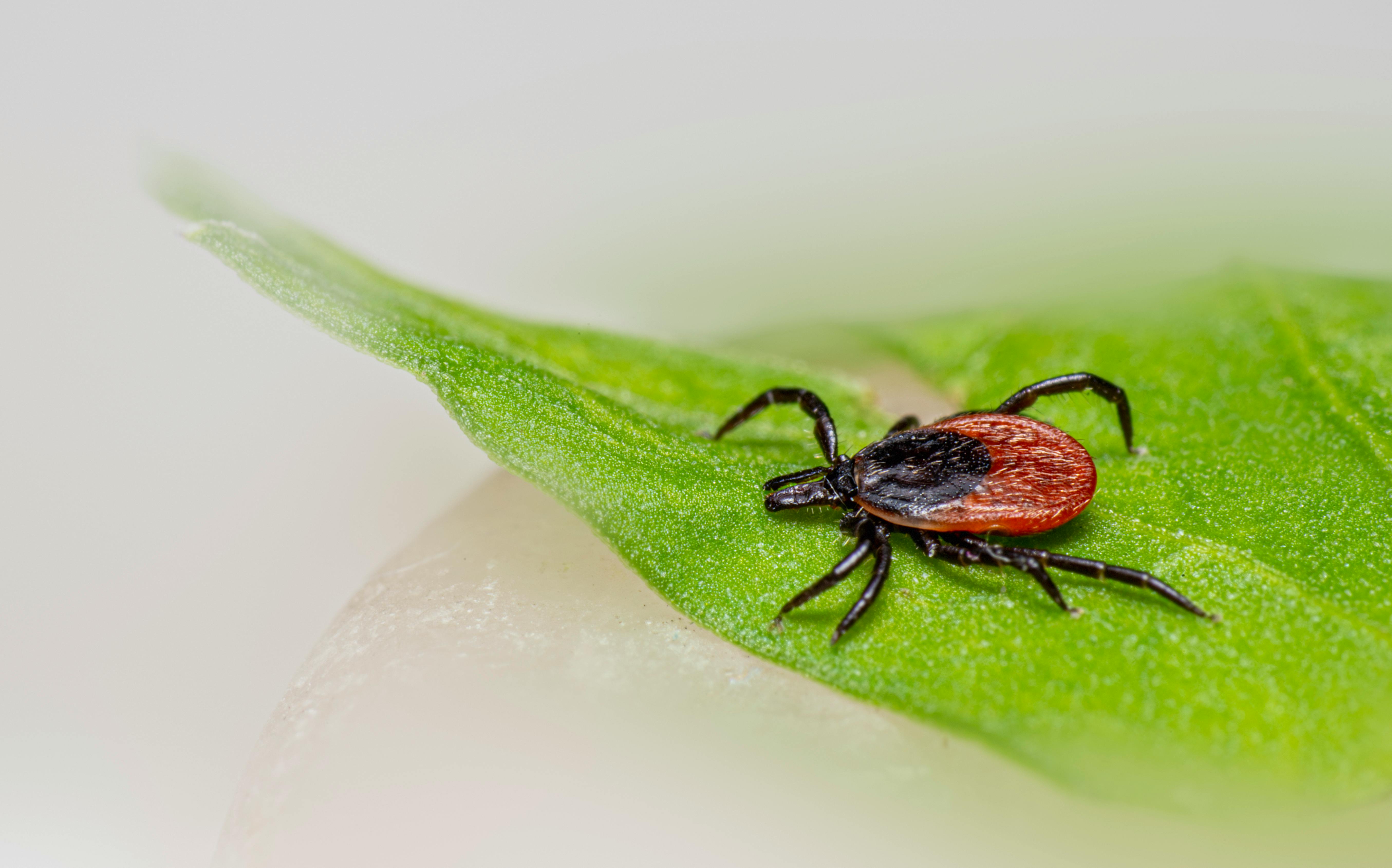
According to the CDC’s 2023 surveillance report, Cobb County saw a 15 % jump in confirmed Lyme disease cases compared with the previous year. That spike translates to roughly 120 additional diagnoses across the county, and Vinings—nestled right in the heart of Cobb—has felt the ripple effect. When a single tick carries Borrelia burgdorferi, the bacterium that triggers Lyme, the risk isn’t confined to hikers; it follows families onto lawns, porches, and even indoor pet bedding.
Georgia’s overall tick‑borne illness numbers are climbing as well, with the state reporting a 12 % rise in anaplasmosis and a 9 % increase in ehrlichiosis over the same period. For homeowners, that trend means more frequent encounters with the lone star, American dog, and black‑legged ticks that thrive in our humid, wooded suburbs. Unchecked, these pests can turn a pleasant summer backyard into a health hazard, prompting emergency doctor visits, costly lab tests, and missed workdays.
That’s why this guide will walk you through everything Vinings residents need to know: the specific tick species that call our neighborhoods home, the health risks each poses, and a clear roadmap of DIY prevention steps alongside professional treatment options. We’ll break down typical pricing—from a single‑application perimeter spray to comprehensive yard-wide programs—so you can budget with confidence. Timing is also critical, and we’ll highlight the optimal windows for treatment before ticks reach peak activity.
Keep in mind that the CDC releases updated 2024 statistics each summer, so we’ll be revisiting those numbers to keep this page current. Our tone remains professional, data‑driven, and laser‑focused on Vinings, ensuring you receive locally relevant advice backed by solid research. Let’s stay ahead of the tick season together.
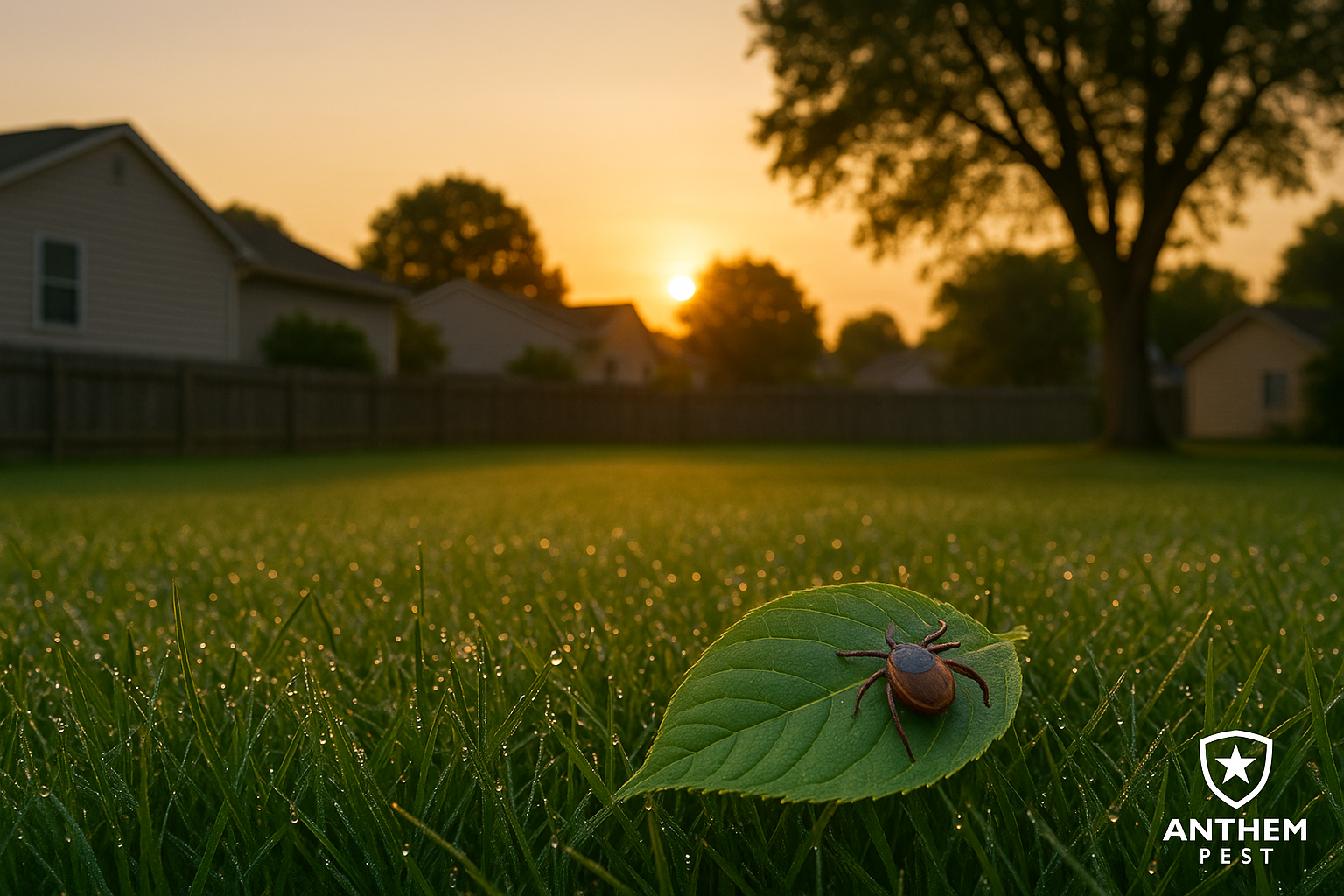
Common Tick Species Found in Vinings
When you’re enjoying your yard in
Everyday Yard Practices to Reduce Tick Habitat
Ticks thrive in tall grass, leaf piles, and shady brush where they can wait for a passing host. By keeping your yard tidy and less hospitable, you dramatically cut the chances of a tick hitching a ride onto your family or pets. Simple, regular chores—performed with a bit of foresight—can turn a tick‑friendly landscape into a low‑risk zone without breaking the bank.
Keep the Grass Short
Maintain a mowing height of three inches or less. Short grass reduces the humid micro‑climate ticks need to survive and makes it easier to spot any that wander onto the lawn. Aim to mow at least once a week during the growing season, and trim the edges around fences and garden beds where taller vegetation can hide.
Clear Leaves and Debris Promptly
Every fall, collect fallen leaves, pine needles, and other yard waste before they form a thick mat. Ticks love these damp, protected layers as a place to wait for a host. Use a leaf blower or rake, then compost or bag the material for removal. A clean surface also discourages rodents, which can carry ticks into your yard.
Install Wood‑Chip Barriers
Place a 3‑to‑4‑inch layer of wood chips or gravel around high‑traffic zones such as patios, play areas, and entryways. These dry, abrasive surfaces are uncomfortable for ticks and act as a physical barrier that forces them to stay in the surrounding vegetation, where they are more visible and easier to manage.
Plant Deer‑Resistant Vegetation
Deer are a primary host for adult ticks. By planting aromatic, deer‑repellent herbs like lavender, rosemary, and sage along perimeter fences, you reduce deer visits and consequently lower tick populations. These plants also add fragrance and visual appeal, creating a win‑win for both aesthetics and pest control.
Back It Up with Science
A 2022 study by the National Pest Management Association (NPMA) found that homeowners who performed monthly lawn mowing, leaf removal, and barrier installation saw a 40% reduction in tick encounters compared to those who did not. The research underscores that consistent, evidence‑based yard work is one of the most cost‑effective ways to keep ticks at bay.
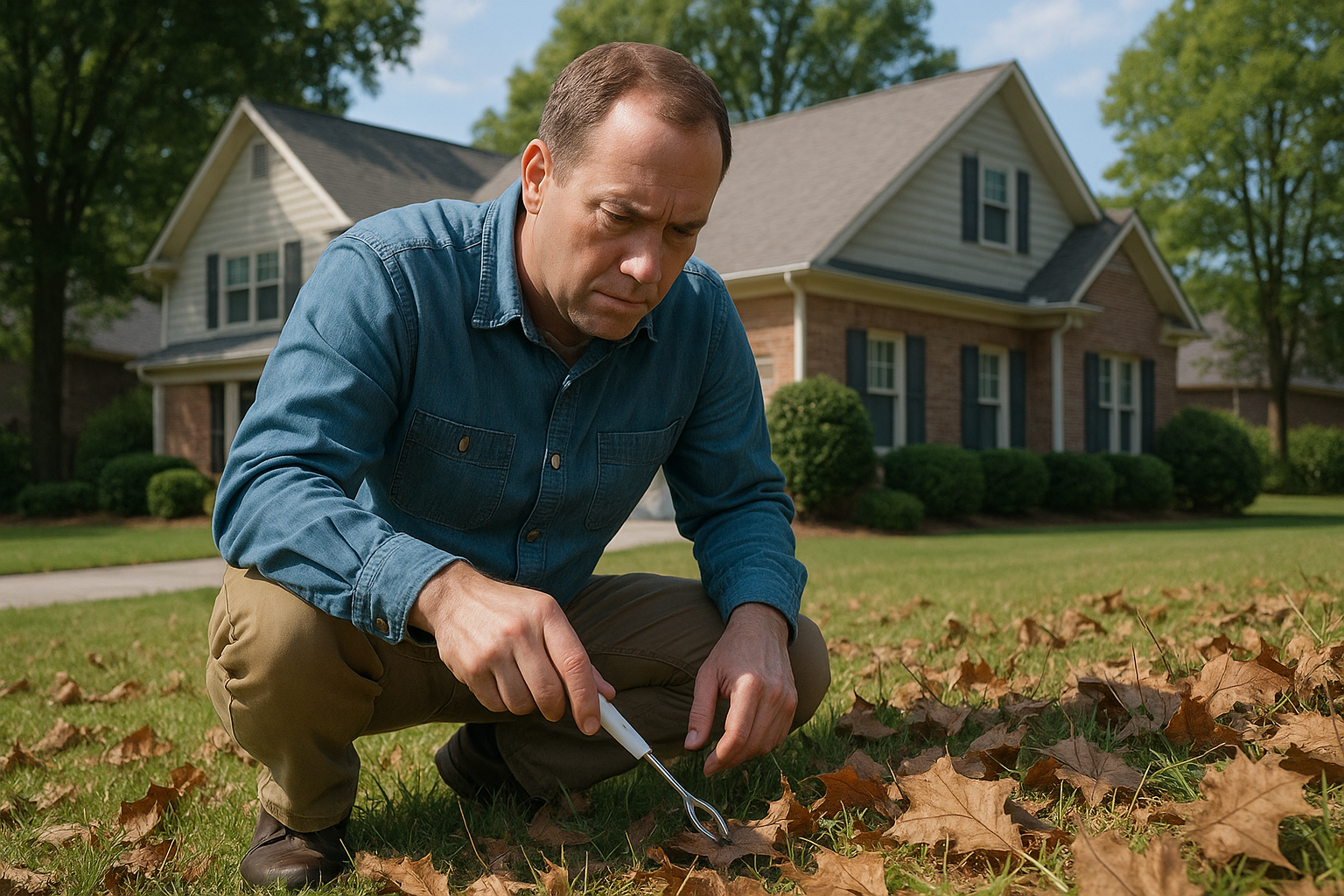
Designer Note: Insert a visual checklist graphic summarizing the steps above for quick homeowner reference.
- Mow lawn to ≤3 inches weekly.
- Rake and remove leaf piles each fall.
- Lay wood‑chip barriers around patios and play areas.
- Plant lavender, rosemary, or sage along fences.
- Repeat these tasks monthly for maximum tick reduction.
Professional Tick Control Services Offered by Anthem Pest
When it comes to protecting your Vinings yard from ticks, Anthem Pest blends science‑backed products with seasoned technicians. Homeowners who choose Anthem get a menu of treatments that target ticks at every stage of their life cycle, while keeping safety and cost‑effectiveness front‑and‑center.
Perimeter Spray – A Quick Shield
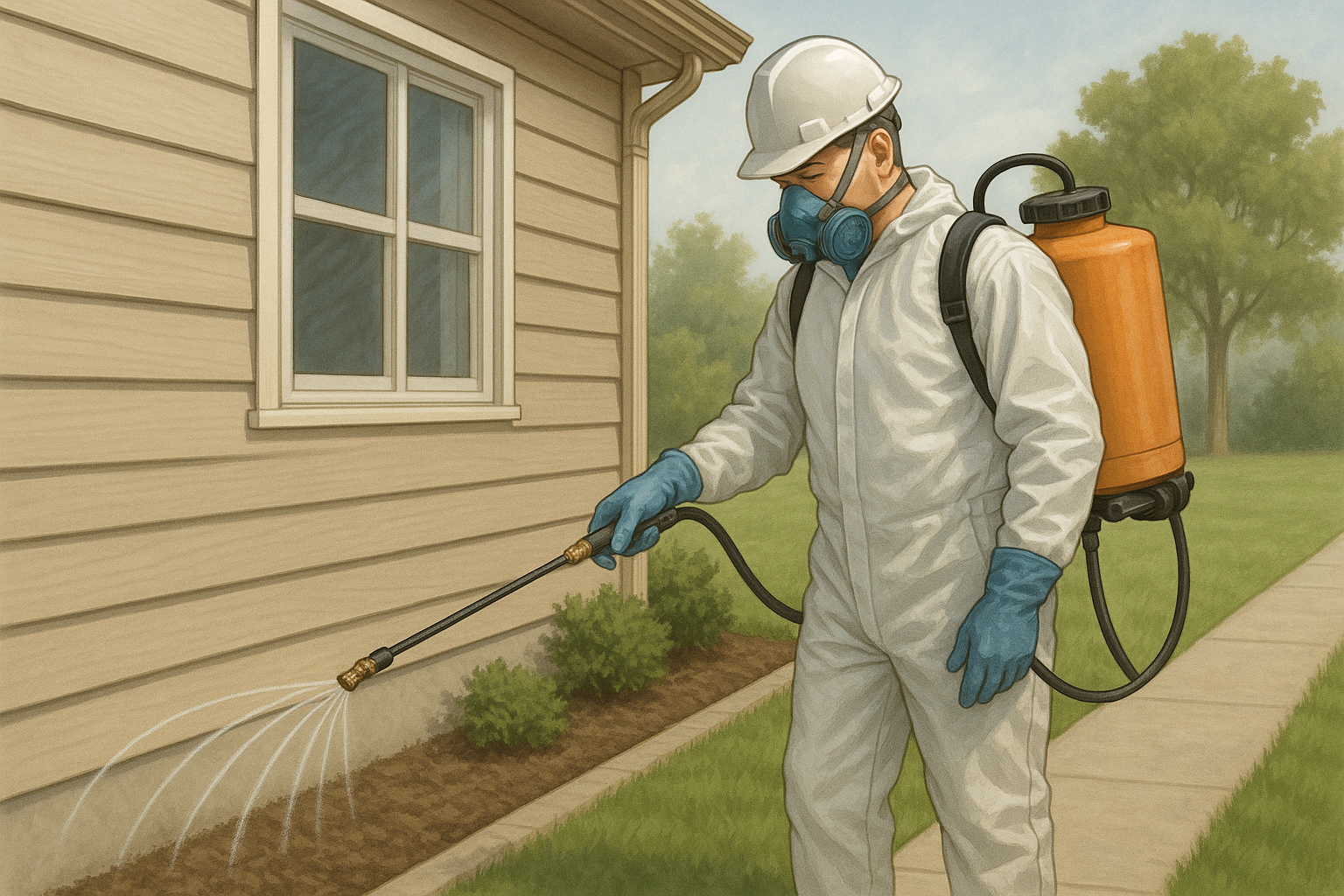
Anthem’s standard perimeter spray uses a pyrethroid‑based formulation that creates an invisible barrier around your home’s exterior walls, walkways, and patio spaces. The active ingredients are EPA‑registered, ensuring they meet strict environmental and health standards. After application, a 2‑hour re‑entry period is required, giving the chemicals time to settle and bond with outdoor surfaces. This rapid‑action treatment is ideal for homeowners who need immediate protection before a weekend barbecue or a family outing.
Spot‑On Bait Stations – Cutting the Tick Supply Chain
Ticks often hitch a ride on rodents, especially mice and voles that frequent garden beds and mulch. Anthem’s Spot‑On Bait Stations are strategically placed near known rodent pathways. Each station releases a low‑dose rodenticide that eliminates the host without posing a risk to pets or children. By reducing the rodent population, you indirectly lower the number of ticks that can complete their life cycle in your yard.
Seasonal Boost Treatments – Timing Is Everything
Vinings experiences a surge in tick activity during the warm months. Anthem offers two seasonal boost packages:
- Pre‑summer boost (April‑May): A second round of perimeter spray plus an extra set of bait stations, priming your property before nymphs emerge.
- Post‑summer boost (September): A follow‑up spray that targets adult ticks seeking hosts as temperatures begin to dip.
These boosts are designed to close any gaps left by the initial treatment, ensuring a continuous shield throughout the high‑risk period.
Cost Breakdown – Transparent Pricing for Every Yard
| Property Size | Cost per Treatment |
|---|---|
| ½‑acre yard | $79 – $119 |
| Greater than 1 acre | $149 – $199 |
These rates include the initial perimeter spray, one set of bait stations, and a detailed post‑treatment report. If you add a seasonal boost, expect an additional $30‑$45 per visit, depending on yard complexity.
How Anthem Stacks Up Against National Averages
According to HomeAdvisor’s 2024 national average, homeowners typically spend $120‑$180 per tick‑control visit. Anthem’s pricing for a ½‑acre property sits below that range, while larger properties remain competitively priced when you factor in the inclusion of bait stations and seasonal boosts—services that many national averages treat as add‑ons.
“The average cost for a single tick treatment in the United States is $120‑$180 per visit.” – HomeAdvisor, 2024.
Local competitor quotes in the Vinings area often start at $130 for a basic spray and climb above $200 once bait stations are added. Anthem’s bundled approach not only saves you money but also reduces the need for multiple invoices and scheduling hassles.
Safety First – EPA‑Registered Products & Licensed Technicians
Every product Anthem applies is EPA‑registered, meaning it has passed rigorous testing for efficacy and human/animal safety. Our technicians hold state‑issued licenses and undergo annual training on the latest tick‑control protocols. This combination guarantees that the chemicals are applied correctly, at the right dosage, and with minimal impact on non‑target species.
In short, Anthem Pest delivers a full‑service tick‑control program that aligns with the best practices of the industry, offers clear pricing that beats the national average, and does so with a safety‑first mindset. For Vinings homeowners, that translates to fewer bites, lower disease risk, and a yard you can enjoy year‑round.
Optimal Timing for Tick Treatments in Vinings
Peak Tick Activity
In Vinings, the blacklegged tick (Ixodes scapularis) follows a clear life cycle. After overwintering as eggs, larvae appear in late spring, but the most dangerous stage—nymphs—peaks in June and July. These tiny ticks are responsible for most Lyme disease cases. Adult ticks, larger and easier to see, become most active again in September and October as they seek a host to mate and lay eggs.
Cobb County Climate Normals
NOAA’s climate normals for Cobb County (1991‑2020) show an average May temperature of 68 °F and relative humidity around 70 %. Both values sit within the optimal range for tick questing—roughly 55‑75 °F and 60‑80 % humidity. The 2024 update, verified through NOAA’s Climate Data Online, confirms May temperatures are within 1 °F of the historic average, indicating that the environmental conditions driving tick activity remain consistent.
Two‑Step Service Schedule
Because nymphs dominate early summer and adults dominate early fall, a two‑step plan aligns with the tick life cycle. The first application in early April targets newly emerging larvae and any overwintering nymphs before they become active. A second application in early September hits the adult population as they begin their final quest for a blood meal. Spacing treatments about five months apart also lets residual insecticide degrade naturally, reducing non‑target impacts while keeping a protective barrier through the high‑risk periods. Each visit includes a thorough inspection of shaded areas, leaf litter, and pet zones where ticks tend to hide.
Why Timing Matters
Scheduling treatments according to the documented peaks not only improves efficacy but also offers cost savings. Treating too early, when ticks are dormant, wastes product and labor; treating too late allows a new generation to establish itself, requiring another round of service. By following the April‑September schedule, Vinings homeowners can expect a consistent reduction in tick counts, fewer backyard encounters, and peace of mind throughout the outdoor season. Following this schedule also aligns with local HOA guidelines, which often require documented tick control before community events.
Why Anthem Pest Stands Out as Vinings’ Tick Expert
When Vinings homeowners search for a tick‑control partner, they need more than a generic promise—they need proof that the company truly understands the local landscape. Anthem Pest brings a team of licensed technicians who are not only certified by the Georgia Department of Agriculture but also trained to handle the specific tick species that thrive in the Vinings climate. Every professional on the field carries an EPA‑registered product list, ensuring that each application meets strict safety standards while delivering rapid, lasting results.
Transparent, Flat‑Rate Pricing
Budget surprises are the last thing a homeowner wants after a tick infestation. Anthem Pest eliminates guesswork with a flat‑rate pricing model that covers the entire treatment—from initial inspection to the final barrier spray. The quote you receive includes all labor, materials, and follow‑up visits, so there are no hidden fees or surprise add‑ons once the job is underway.
100% Satisfaction Guarantee & Prompt Follow‑Up
Confidence in our work is backed by a 100% satisfaction guarantee. If ticks reappear within the treatment window, a technician returns at no extra cost to reassess and re‑apply the solution. Our follow‑up visits are scheduled within 7‑10 days after the initial service, giving you peace of mind that the yard and home remain protected.
What Vinings Homeowners Are Saying
“[Placeholder testimonial – to be added later]”
“[Placeholder testimonial – to be added later]”
Easy Verification & Direct Access
Transparency extends beyond pricing. You can verify Anthem Pest’s licensing status instantly through the Georgia Department of Agriculture’s online portal. This public record confirms our right to operate and our commitment to state‑mandated standards.
Ready to protect your family from ticks? Visit our dedicated tick‑control service page for a detailed overview of the treatment process, pricing breakdown, and a quick online scheduling option.
Quick Answers to Common Tick‑Control Questions
How long does a professional spray remain effective?
Most EPA‑registered tick sprays provide residual activity for 4 to 6 weeks under typical Vinings weather conditions. Hot, rainy periods can shorten that window, while cooler, dry spells may extend it slightly. After the initial treatment, we advise homeowners to monitor high‑traffic zones—like patios and play areas—and schedule a follow‑up if activity persists beyond the six‑week mark.
Are the chemicals safe for pets and children?
Yes, when applied according to label directions and the re‑entry interval is observed, the products we use have low toxicity for humans and animals. The EPA’s safety assessments confirm that exposure risks are minimal after the recommended drying time (usually 2‑4 hours). Keep children and pets off treated surfaces until the area is completely dry, then normal activity can resume safely.
What should I do if ticks reappear after treatment?
Occasional re‑infestations are normal, especially after heavy rain or landscaping changes. If you notice ticks returning, contact us for a follow‑up inspection. We’ll assess whether a supplemental spot‑treatment or a full‑coverage retreat is needed and adjust the schedule accordingly. In the meantime, maintain a tidy yard—trim grass, remove leaf litter, and keep woodpiles away from the home—to reduce tick habitats.
For more detailed guidance on tick prevention and health risks, see the CDC’s tick information page. If you have additional questions, our team at Anthem Pest Control is ready to help you protect your family and pets.
Protect Your Home Today – Contact Anthem Pest
Living in Vinings means sharing your yard with a few unwelcome guests. The most common culprits—American dog tick, lone star tick, and blacklegged tick—can hitch a ride on pets, children, or even a stray breeze. Keeping your property clean, trimming vegetation, and treating at the right moments are the first lines of defense.
Quick recap
- Identify the local tick species that thrive in Vinings.
- Maintain yard hygiene: mow regularly, remove leaf litter, and keep grass at a manageable height.
- Schedule professional treatments during peak activity in early spring and late summer.
Proactive tick management not only protects your family’s health but also preserves the enjoyment of outdoor gatherings, barbecues, and playtime. By acting early, you reduce the need for repeated treatments and keep your landscaping looking its best throughout the season.
Why choose Anthem Pest? Our technicians know the local tick landscape inside and out. We offer transparent pricing, a clear scope of work, and a satisfaction guarantee that ensures you’re protected without surprise fees. Our treatments combine proven chemicals with environmentally‑responsible practices, so your family and pets stay safe.
Ready to enjoy a tick‑free yard? Call us at 877‑371‑8196 for a free, no‑obligation quote or visit Anthem Pest Control online today.