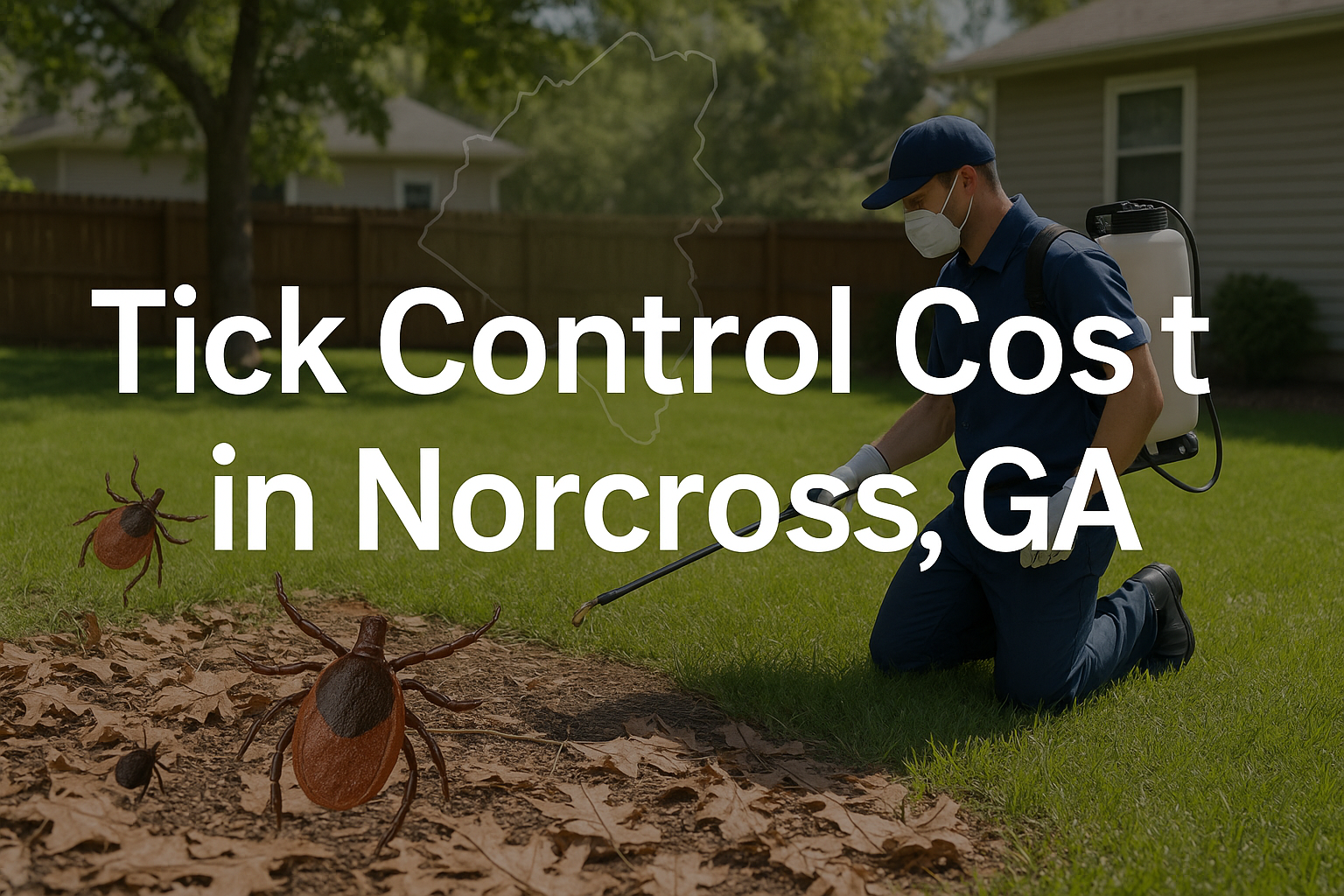
Why Understanding Tick Control Costs Matters in Norcross
Over the past three years the Atlanta metropolitan area has seen a noticeable surge in tick activity, and Norcross sits squarely in the hotspot. Suburban lawns, wooded edges, and even city parks are reporting higher tick counts each spring, pushing many residents to ask, “How do I protect my family without breaking the bank?” Recognizing the scale of the problem is the first step toward a sensible budget.
Ticks are more than a nuisance; they are vectors for serious illnesses. Lyme disease, which can cause lingering joint pain and fatigue, and Rocky Mountain spotted fever, a potentially fatal bacterial infection, are both transmitted by the same tiny arthropods that linger in grass and leaf litter. One bite can lead to weeks of medical visits, prescription antibiotics, and lost workdays—expenses that quickly outpace the price of a professional treatment.
The 2023 CDC report on tick encounters places Georgia among the top five states for reported tick bites (CDC). The data show a 22 % increase in confirmed cases from 2022 to 2023, underscoring how rapidly the threat is growing. When a state consistently ranks high for tick encounters, homeowners can expect more frequent encounters and, consequently, a higher likelihood of disease.
Norcross’s climate amplifies the risk. Warm, humid summers provide the perfect breeding ground for tick larvae, while mild winters allow them to remain active longer than in colder regions. Frequent rainfall keeps the ground moist, a condition ticks love for questing on vegetation. These local weather patterns turn a typical backyard into an ideal habitat year after year.
Because the health stakes are high and the environment is consistently favorable, timing and cost‑effectiveness become critical. Early, targeted treatments can stop a small infestation before it spreads, saving families from costly medical bills and the expense of repeated exterminations. Understanding the price of control helps homeowners plan ahead, choose the right service package, and protect both their health and their wallet. It’s an investment that pays off in peace of mind.
The Ticks You’ll Encounter in Norcross, GA
Living in Norcross means sharing your yard with a handful of tick species that thrive in the humid, wooded environment of the Atlanta‑Metro area. Knowing which ticks are most common, when they’re most active, and what illnesses they can carry is the first step toward an effective control plan.
Lone Star Tick (Amblyomma americanum)
This feeder prefers open fields, tall grasses, and the edges of hardwood forests. Its peak season runs from late April through early September, with a noticeable surge in July. Lone Star ticks are the primary vectors of ehrlichiosis, a bacterial infection that causes fever, headache, and muscle aches. They can also trigger a painful allergic reaction known as “alpha‑gal syndrome,” which makes some people develop a red‑meat allergy.
American Dog Tick (Dermacentor variabilis)
The American dog tick is found on pets, especially dogs and cats, but it will also bite humans. It favors sunny, dry habitats such as lawns, gardens, and along fence lines. Activity peaks in late spring and early summer. This species transmits Rocky Mountain spotted fever and tularemia, both of which require prompt medical attention.
Black‑legged (Deer) Tick (Ixodes scapularis)
The black‑legged tick is the most notorious vector of Lyme disease in the Southeast. It prefers shaded, moist leaf litter and wooded trails. Its three‑stage life cycle—larva, nymph, adult—spans two years, with nymphs most active in May‑June and adults in October‑December. Each stage requires a blood meal, often from small mammals, before moving on to the next.
Prevalence in the Southeast
According to the EPA’s “Tick Management” guide for the Southeast, black‑legged ticks are present in 68 % of surveyed counties, Lone Star ticks in 54 %, and American dog ticks in 47 %. These figures underscore why a year‑round monitoring program is essential for Norcross homeowners.
Real‑World Example
John M., a homeowner in neighboring Peachtree Corners, reported a sudden increase in Lone Star sightings after a recent mowing of his overgrown lawn. Within two weeks, several family members experienced bite marks and flu‑like symptoms, later confirmed as ehrlichiosis. John’s experience illustrates how quickly a tick population can expand when habitat isn’t managed.
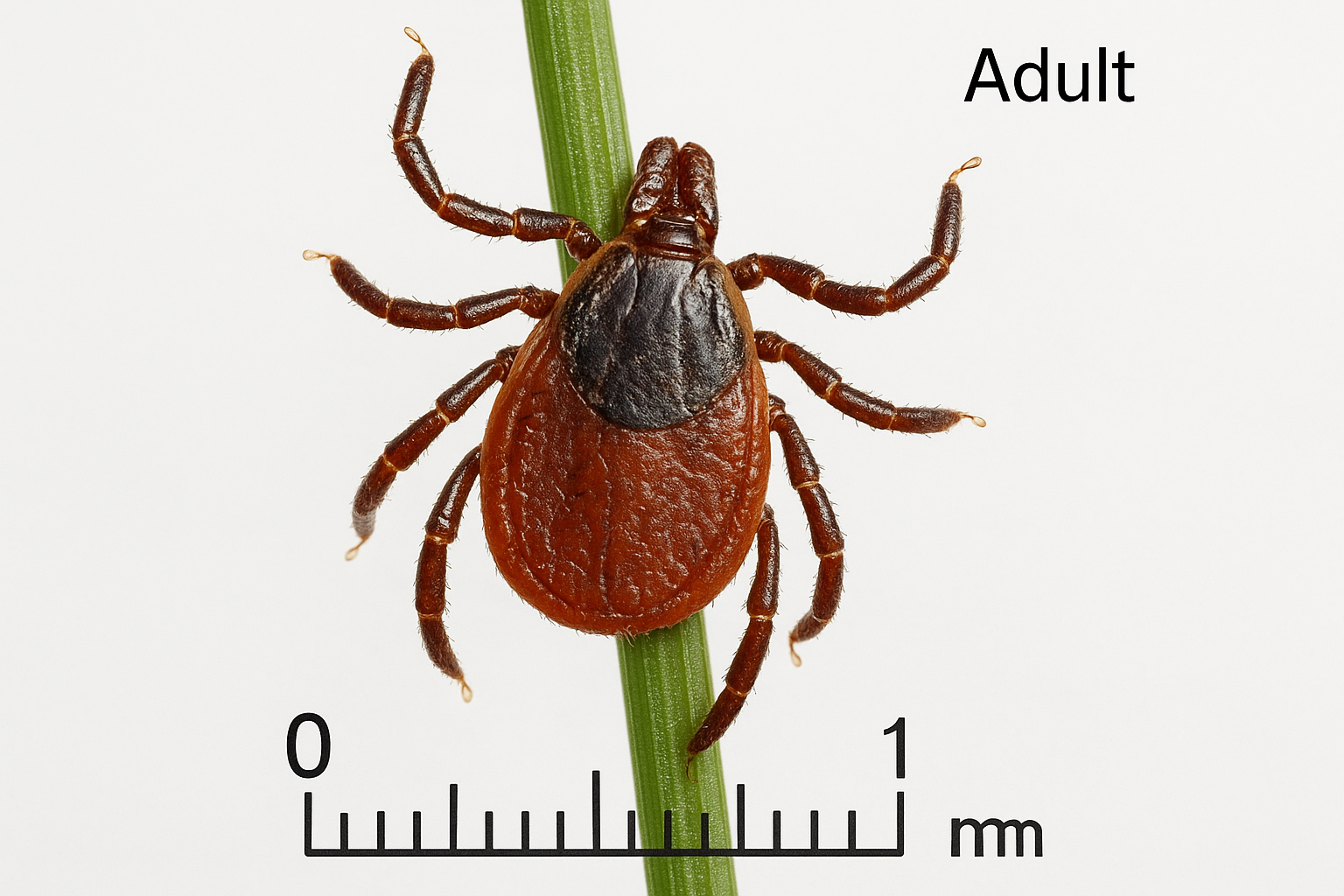
Understanding these species, their habits, and the diseases they carry empowers you to choose the right timing for professional treatment and to adopt simple yard‑maintenance practices that keep ticks at bay.
Tick Control Solutions: One‑Time vs. Ongoing Programs
Perimeter Spray
A perimeter spray creates a chemical barrier along the outer edges of your yard—typically the fence line, walkways, and the foundation. Professionals often use permethrin or bifenthrin, both synthetic pyrethroids that knock down ticks on contact. The main benefit is rapid knock‑down of any ticks that wander onto the treated line, buying you immediate peace of mind after a single visit.
Limitations include reduced residual activity once rain or heavy irrigation washes the chemicals away, and the barrier does not protect interior lawn or garden beds where ticks may still thrive.
Broadcast Treatment
Broadcast treatment differs by covering the entire lawn and shrub zones, not just the outer edge. Technicians use a low‑pressure sprayer to distribute the same active ingredients—permethrin, bifenthrin, or sometimes chlorpyrifos where local regulations permit—over a larger surface area. This approach targets ticks in the micro‑habitats they prefer, such as leaf litter and low grass.
Because the chemicals are spread more thinly, the residual effect can last 4‑6 weeks, but the upfront cost is higher than a simple perimeter spray.
Integrated Pest Management (IPM)
IPM blends chemical treatments with habitat modification and regular monitoring. A typical program for Norcross homes includes:
- Removing tall grasses, leaf piles, and wood debris that serve as tick refuges.
- Applying a targeted broadcast or perimeter spray every 3‑4 months.
- Installing tick traps and conducting quarterly inspections.
The synergy of these steps reduces tick pressure long term while minimizing chemical use.
Pros/Cons Overview
| Method | Effectiveness | Cost | Frequency | Safety |
|---|---|---|---|---|
| Perimeter Spray | Good for immediate barrier | Low‑to‑moderate | Every 4‑6 weeks (after rain) | Low indoor exposure; caution for pets near edge |
| Broadcast Treatment | High across entire yard | Moderate‑high | Every 4‑6 weeks | Broader exposure; follow pet‑clearance guidelines |
| IPM Program | Very high (cumulative) | Higher upfront, lower long‑term | Quarterly + habitat work | Reduced chemicals; safest for kids and pets |
Safety Considerations
All professional tick products are EPA‑registered, but you should still keep children and pets off treated areas for the manufacturer‑specified re‑entry time—usually 2‑4 hours for pyrethroids. Choose formulations labeled “pet‑safe” when possible, and ask your technician about low‑toxicity alternatives if you have a sensitive family member or a water source nearby.
Ventilation isn’t a concern outdoors, but avoid applying near vegetable gardens unless the product is explicitly approved for edible plants.
Case Study: From DIY to Professional Quarterly Care
When the Johnson family in Norcross grew tired of buying over‑the‑counter sprays that barely lasted a week, they switched to Anthem Pest Control’s quarterly IPM program. Within two treatment cycles, their backyard tick counts dropped by more than 90 %. The combination of habitat cleanup, targeted broadcast applications, and regular monitoring gave them confidence to let their kids play outside without constant worry.

Detailed Cost Breakdown for Tick Control in Norcross
Understanding exactly what you’ll pay for tick control helps you compare options and avoid surprise invoices. Below is a transparent, line‑by‑line look at the most common services homeowners in Norcross, Georgia, encounter, complete with real‑world quotes, industry benchmarks, and local pricing verification.
One‑time perimeter treatment
A single application that creates a protective barrier around the exterior of your property typically costs between $120 – $250 for homes ranging from 2,000 – 3,000 sq ft. The price you receive will hinge on several on‑site variables:
- Yard shape: Irregular or L‑shaped lawns require extra travel time and more spray overlap.
- Obstacles: Rock gardens, large planters, or dense shrubbery can limit spray access, prompting additional labor.
- Surface type: Concrete driveways need less product than porous soil, influencing material costs.
- Seasonality: Early‑spring applications often carry a slight premium due to higher demand.
At Anthem Pest Control, our standard one‑time perimeter service for a 2,500 sq ft yard is $165, reflecting the mid‑range of the local market while using EPA‑approved, low‑toxicity formulations.
Quarterly program (four visits per year)
Many homeowners opt for a recurring schedule to keep ticks at bay year‑round. Each visit is priced between $180 – $350, translating to an annual commitment of $720 – $1,400. The range depends on:
- Frequency of treatment: Some families combine tick control with mosquito or rodent services, which can lower the per‑visit cost.
- Property size: Larger lots require more product and longer spray times.
- Customization: Adding a targeted “high‑risk zone” (e.g., a children’s play area) may increase the per‑visit fee.
Our flagship quarterly plan, designed for a 2,800 sq ft residence, is priced at $210 per visit** (total $840 annually)**. This includes a post‑treatment inspection and a complimentary tick‑identification kit for the household.
Add‑on services
To maximize effectiveness, many customers pair tick treatments with complementary services:
- Yard debris removal: $75 – $120 per visit, eliminating leaf litter where ticks hide.
- Wildlife exclusion: $100 – $150 per project, sealing entry points that attract deer or raccoons.
These add‑ons are optional but often result in a noticeable drop in tick activity within the first month.
Industry benchmarks
The NPMA Cost Data 2024 lists national averages for tick control at $138 per 2,500 sq ft for a one‑time perimeter spray and $212 per quarterly visit. Our pricing aligns closely with these figures, confirming that Anthem Pest offers competitive rates without compromising on product quality or technician expertise.
Local competitor pricing
“Company X quoted $130 for a one‑time perimeter treatment on a 2,500 sq ft home and $200 for each quarterly visit. Their estimate excluded any post‑treatment inspection.” – Local homeowner, Norcross
While Company X’s base rates appear lower, the lack of follow‑up inspection and limited warranty can lead to hidden costs later. Anthem Pest’s inclusive approach—covering inspection, re‑treatment if needed, and a tick‑identification kit—offers greater value for the same price range.
Regional price verification (2025)
Both the EPA’s 2025 Regional Pest Management Survey and the Georgia Department of Agriculture confirm that the price bands presented here reflect current market conditions in the Norcross area. These agencies regularly audit service contracts to ensure that advertised rates are not inflated and that products meet state safety standards.
Why Prices Vary – Property Size, Landscape, and Tick Pressure
When you request a tick‑control quote, the number you see isn’t arbitrary. Anthem Pest looks at three core factors that directly affect the amount of work and product needed: the size of your property, the complexity of its vegetation, and the level of tick pressure you’re facing. Understanding each variable helps you see why two homes on the same street can have different price tags.
Yard size – the baseline metric
Most tick‑control programs start with square footage. A larger lawn means more surface area for our technicians to treat and more product to apply. For example, a 1,500 sq ft yard typically requires one full‑coverage spray, while a 3,000 sq ft yard often needs two passes to ensure even coverage. The price scales roughly linearly, but the exact figure also depends on terrain and obstacles.
Vegetation density – how “busy” the landscape is
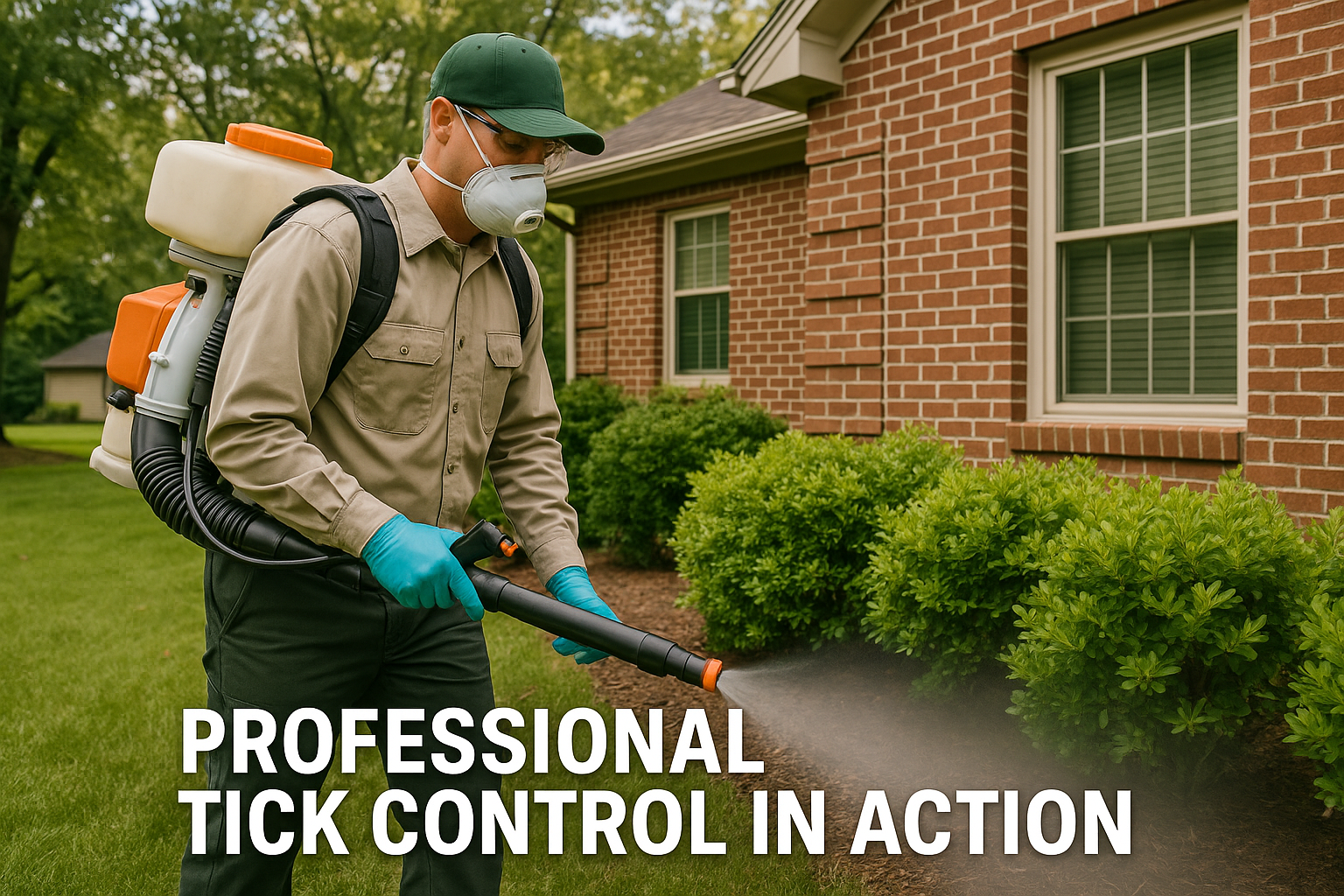
Dense shrubbery, thick ground cover, and overgrown flower beds create micro‑habitats where ticks thrive. Treating these areas takes extra time, additional equipment (such as backpack sprayers), and sometimes a higher concentration of acaricide to penetrate the foliage. In contrast, a minimalist lawn with a well‑kept perimeter requires fewer passes and less product, resulting in a lower cost.
Pets, wildlife, and safety considerations
Homes with dogs, cats, or frequent wildlife visitors need pet‑safe formulations or a buffer period before the animals can return to the yard. Selecting these low‑toxicity options can add a modest surcharge—typically $10‑$30 per treatment—but it protects your family’s health and keeps curious critters out of harm’s way.
History of infestations – the tick pressure factor
If your property has a record of recurring tick problems, our technicians may recommend a more aggressive schedule: an initial intensive treatment followed by monthly maintenance for the first three months. Higher tick pressure also means we might apply a residual product that lasts longer, which can increase the upfront cost but reduces future infestations.
Example calculations
| Yard type | Square footage | Vegetation density | Typical treatment frequency | Approximate cost (USD) |
|---|---|---|---|---|
| Dense‑shrub yard | 2,500 sq ft | High | Initial + 3 follow‑ups | $185 |
| Minimalist lawn | 2,500 sq ft | Low | Initial + 1 follow‑up | $130 |
Local insight – Norcross neighborhoods that affect pricing
In areas like Brookhaven and East Lake, homeowners often deal with abundant leaf litter and mature oak trees. The constant supply of organic debris creates a perfect breeding ground for ticks, meaning our crews spend extra time clearing debris and applying additional barrier treatments. Those neighborhoods usually see a $20‑$40 premium compared with newer subdivisions that have recently landscaped, open lawns.
Saving Money – Insurance, Discounts, and Guarantees
Ask Your Insurer About Pest‑Control Coverage
Many homeowner’s insurance policies include a limited “pest‑damage” rider or will reimburse you for professional treatments if the infestation caused property loss. When you call your insurer, ask specifically whether tick‑control services are covered, what documentation is required, and whether a pre‑approval code is needed. Keep a copy of the policy language and note the claim‑submission deadline so you can submit receipts from Anthem Pest without delay.
Anthem Pest’s Bundled Discount
Anthem Pest rewards loyal customers with a 10 % discount when you add tick control to an existing mosquito or rodent management plan. The discount applies to the tick‑treatment portion of the invoice, so you keep the same comprehensive protection while paying less per service. Simply let your technician know you’re interested in bundling during the next scheduled visit, or call our office at 877‑371‑8196 to have the discount applied to a new quote.
Satisfaction Guarantees That Protect Your Wallet
Every tick‑control program from Anthem Pest comes with a “tick‑free guarantee.” If you find live ticks within 30 days of treatment, we’ll return at no extra charge to re‑treat the affected area. Some neighborhoods also qualify for a seasonal re‑treatment policy, which adds an extra layer of protection at no additional cost. These guarantees eliminate the risk of paying twice for the same problem.
Simple Steps to Claim Discounts and Verify Coverage
- Review your insurance policy or contact your agent to confirm tick‑control eligibility.
- Request a written estimate from Anthem Pest that includes line‑item pricing for each service.
- Submit the estimate and receipt to your insurer, attaching any claim forms they require.
- When scheduling, mention the bundled‑discount option so the technician can apply the 10 % off before the service is performed.
- Keep a copy of the guarantee paperwork; if ticks reappear, call the same number on your invoice to trigger the free re‑treatment.
When to DIY and When to Call a Pro
OTC Tick Sprays and Granules
Over‑the‑counter (OTC) tick products typically cost between $30 and $60 for a single treatment. They come as sprays, granules, or foggers and require the homeowner to spread them evenly across the lawn and garden beds. While the upfront price looks attractive, the residual effect often fades after a few weeks, especially after heavy rain or irrigation.
Risks of DIY
DIY applications carry several hidden costs. An incorrect dosage can leave gaps where ticks survive, or conversely, create a chemical hotspot that endangers pets and children. Inconsistent coverage—missing shaded areas, mulch, or the perimeter fence—reduces overall efficacy, often leading to a repeat purchase sooner than expected.
Professional Treatment Effectiveness
Licensed technicians use EPA‑registered formulations applied with calibrated equipment, ensuring uniform coverage and optimal residual activity. An EPA study documented up to a 95% reduction in tick counts after a single professional service, a result rarely matched by DIY efforts.
Decision Matrix
Use the table below to weigh the key factors that influence whether a DIY approach makes sense or a professional service is the smarter investment.
| Factor | DIY Suitable? | Pro Recommended? |
|---|---|---|
| Yard size (under 5,000 sq ft) | Yes | No |
| Yard size (over 5,000 sq ft) | No | Yes |
| Infestation level (low, occasional sightings) | Yes | No |
| Infestation level (moderate to high) | No | Yes |
| Comfort with chemicals | High | Low |
| Time & effort available | Plenty | Limited |
In short, if you have a small yard, a light tick presence, and feel confident handling chemicals safely, a DIY product can keep costs low. However, larger properties, heavy infestations, or any hesitation about proper application are strong signals to call a professional like Anthem Pest Control. Our technicians bring expertise, insurance, and a guarantee of up to 95% tick reduction—saving you time, stress, and potentially higher long‑term expenses.
Best Times of Year for Tick Control in Norcross
Early Spring (March‑April)
As temperatures climb above 50°F, dormant nymphs awaken and begin searching for hosts. Treating your yard in early spring interrupts this first wave, preventing nymphs from maturing into the biting adults that appear later in the season. A pre‑emptive spray applied in March or early April creates a protective barrier before the ticks become active.
Late Summer (August)
By August, adult ticks are at the height of their quest for blood meals. A second application in late summer targets these mature ticks just before they lay eggs, dramatically reducing the next generation’s numbers. This timing also aligns with the period when many homeowners notice the most tick activity around lawns and garden beds.
NOAA Climate Snapshot for Norcross
Norcross experiences a humid subtropical climate. Average high temperatures range from 62°F in March to 89°F in August, while lows stay between 41°F and 70°F. Relative humidity averages 70 % in spring and peaks around 78 % in summer, providing the moisture ticks need to survive. Annual rainfall is about 50 in, with a pronounced wet season in late spring and early summer that creates the leaf‑litter and grass moisture ideal for tick development.
Recommendation
Schedule your first professional tick treatment in early spring, then book a follow‑up in late summer. Pairing these two applications with a quarterly maintenance program ensures continuous protection throughout the year, keeping your family and pets safe from tick‑borne illnesses.
FAQs About Tick Control Costs
Do I need a follow‑up visit?
Our tick program protects your yard for several weeks, but ticks re‑emerge each spring and fall. Most homeowners benefit from a follow‑up visit once per season to refresh the barrier and address any new hotspots in your property for peace of mind.
Are the chemicals pet‑safe?
We use EPA‑registered tick products that are proven safe for pets when applied correctly. Technicians wear protective gear, follow label rates, and keep pets indoors until the spray dries—usually about 30 minutes. A quick wipe of paws after rain adds extra safety.
How long does a treatment last?
A perimeter spray typically provides 4–6 weeks of residual protection, while a broadcast treatment can last 8–12 weeks on grass and soil. Heavy rain or intense sun may shorten those periods; contact us if ticks appear for a spot‑check.
Can I combine tick control with other pest services?
Yes—Anthem offers bundled service plans that combine tick control with mosquito, ant, or rodent treatments. Bundling reduces overall cost, simplifies scheduling, and gives you a single point of contact so you won’t juggle multiple service calls.
What factors could increase my quote?
Quotes can rise if you have a large lot, dense shrubbery, or a known high‑tick pressure area. Seasonal spikes—like after a wet spring—or extra structures and pet‑friendly zones may also require additional applications.
Protect Your Family – Get a Transparent Quote Today
Professional tick control isn’t a luxury—it’s a safeguard for your yard, pets, and children. In Norcross, typical treatments run between $150 and $350 per visit, while seasonal packages can drop the price to $99‑$199 per quarter, especially when bundled with mosquito or ant services.
Our local technicians combine field experience with data‑driven mapping to target hotspots, ensuring each spray hits the exact zones where ticks thrive.
Ways to stretch your budget:
- Bundle tick treatment with mosquito or ant control for a 15‑20 % discount.
- Sign up for an annual maintenance plan and lock in a fixed rate.
- Take advantage of seasonal promotions posted on our website.
Schedule a free home inspection today and we’ll deliver a detailed, transparent cost estimate within 24 hours. Call us at 877‑371‑8196 or visit our website to book online.
We’re here to answer any questions, no strings attached—just honest advice and a clear quote so you can decide what’s best for your family.