Stink Bug Surge in Vinlings, GA

The brown marmorated stink bug (Halyomorpha halys) has quietly marched northward from its native Asia, and recent NPMA data shows a noticeable uptick in sightings across Fulton County. In just a few short years, neighborhoods that once greeted summer without a second thought are now reporting dozens of bugs per backyard. For Vinings homeowners, this isn’t a distant agricultural issue—it’s a backyard reality that’s expanding faster than the local fire‑ant season.
Why should you care? First, the stink bug’s signature odor can turn a kitchen pantry into an olfactory nightmare after a single squish. Second, feeding on tomatoes, beans, and ornamental shrubs, they can leave wilted, discolored foliage and ruined harvests that cost both money and pride. Finally, when temperatures dip, these insects swarm indoor spaces, seeking warm cracks and crevices. A single homeowner in Vinings reported a full‑scale “bug invasion” that clogged light fixtures and forced a costly deep‑cleaning of upholstery.
“I was pulling a tray of apples from the pantry in early October when I spotted a tight cluster of brown bugs crawling across the counter,” says longtime Vinings resident Mariah L. “Within minutes, more showed up on the windowsill, and I realized they’d already started planning their winter hide‑out inside my home.”
This anecdote underscores a critical timing window. Stink bugs seek shelter as soon as the first frost whispers through the trees, and once they’re inside, they’re far harder to eradicate. Early detection—regularly inspecting garden beds, window sills, and outdoor lighting—gives you the advantage of a targeted treatment before the bugs settle in for the season. Acting now not only protects your garden’s yield but also spares you the unpleasant surprise of a kitchen‑wide infestation when winter rolls around.
Biology and Seasonal Patterns of Stink Bugs in Georgia
Physical Description
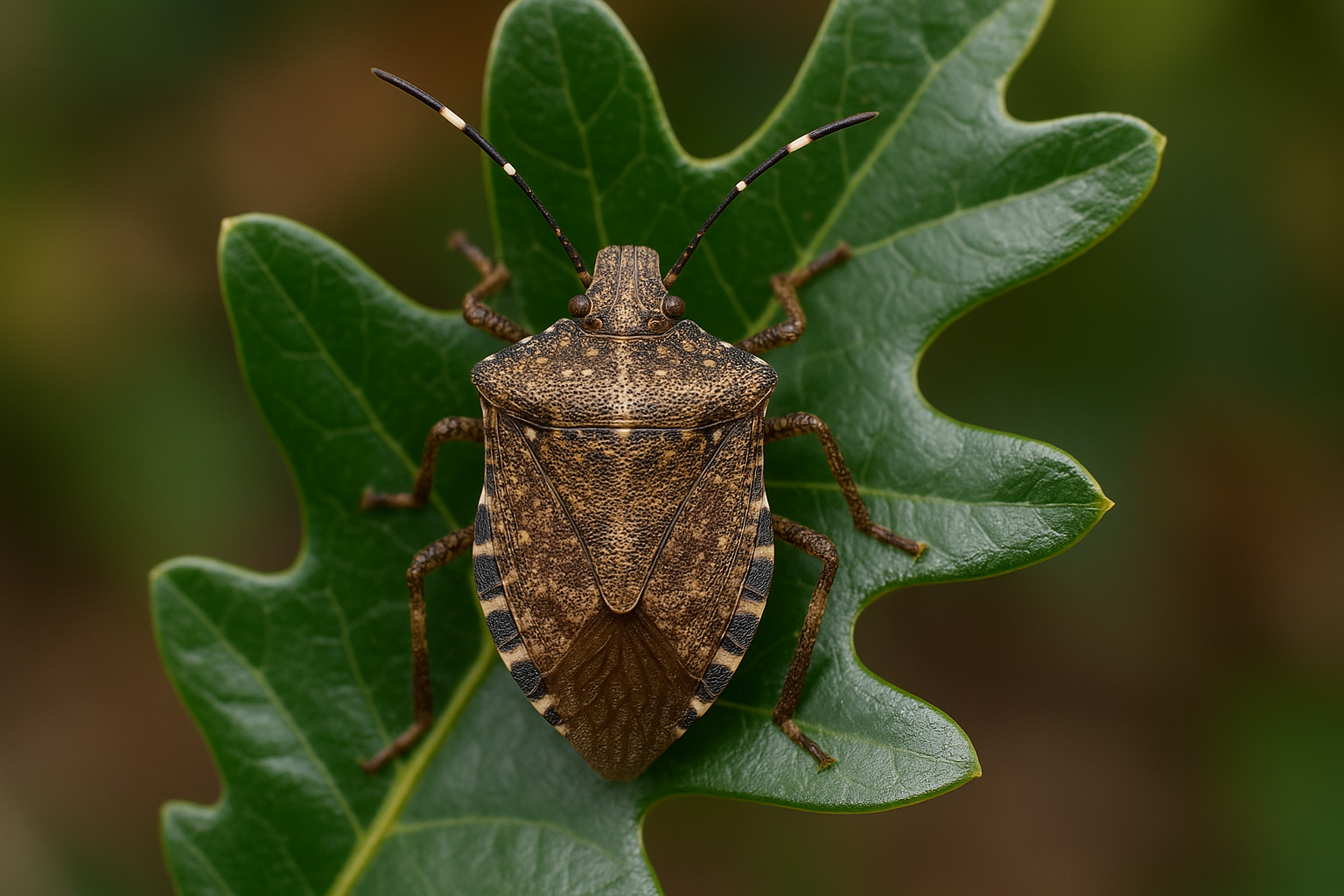
Stink bugs that invade Vinings homes are typically ½ to ¾ inch long with a distinctive shield‑shaped back. Their coloration ranges from brown to gray, and the antennae feature a contrasting white band near the tip—exactly what you’ll see in the close‑up image above. These traits make them easy to spot on windowsills, garden plants, or inside your kitchen.
Life‑Cycle Stages
In Georgia, stink bugs follow a four‑stage life cycle that aligns with the region’s climate:
- Eggs: Laid in clusters on the undersides of leaves in late spring (April‑May).
- Nymphs: Pass through five instars from early summer through August, gradually gaining the adult’s shield shape.
- Adult: By late summer, fully formed adults emerge, ready to reproduce and, later, seek shelter for the winter.
The timing can shift a week or two depending on yearly temperature swings, but the pattern remains consistent across the state.
Seasonal Behavior
From late September to December, adult stink bugs leave their outdoor feeding grounds and hunt for warm, protected sites. A 2023 report from the Georgia Department of Agriculture documented a 42 % rise in residential complaints during this window, underscoring how aggressively they invade homes when temperatures dip.
Why Vinings Is a Hotspot
Vinings’ blend of older homes, mature landscaping, and inevitable foundation gaps creates the perfect entry corridor. Cracks around windows, gaps beneath siding, and open eaves act like invitation cards for these insects. Once inside, the bugs cluster in sunny corners, attics, or kitchen cabinets—areas that retain heat and mimic their natural outdoor shelters.
Understanding these biological cues helps you anticipate when stink bugs are most likely to appear and informs the timing of preventative treatments. By addressing entry points before the September rush, you can keep your Vinings home stink‑bug free.
Economic Impact and Homeowner Costs
Stink bugs may seem like a nuisance, but the dollars they chew through are anything but trivial. Nationwide, the EPA and USDA estimate that stink‑bug infestations cost growers over $37 million annually in lost apple harvests alone. In Georgia, where peach, blueberry, and ornamental fruit trees dot many backyards, a proportional slice of that loss translates to tens of thousands of dollars in reduced yields for local farms each season.
For the average Vinings homeowner, the damage shows up in more familiar places. Ornamental shrubs and garden roses can develop unsightly, watery lesions that weaken growth and invite secondary disease. Backyard fruit trees—peaches, plums, or even small citrus—may produce shriveled, bitter fruit that is uneatable. Inside the house, stink‑bug secretions stain fabrics, upholstery, and even drywall, leaving brown‑orange spots that are difficult to scrub out without professional cleaning or replacement.
When a single item requires repair, costs quickly add up. Typical expenses in the Atlanta metro area fall within these ranges:
- Stained sofa or chair upholstery: $150–$300
- Damaged curtains or drapery: $120–$250
- Replacement of a small garden shrub or ornamental tree: $200–$500
- Professional cleaning of carpet or rug: $100–$250
Beyond the direct repair bills, homeowners also face indirect costs such as lost enjoyment of a healthy garden, reduced property resale value, and the time spent cleaning. A single untreated infestation can force multiple trips to the hardware store for replacement paint, sealants, or new planting stock, easily adding another $200–$400 to the season’s expenses.
Multiply those figures by the number of items a household might lose during a heavy summer infestation, and the total can exceed $1,000 in a single season—money that most homeowners cannot recoup through insurance. That is why early detection and a targeted treatment plan are essential to keep both the garden and the living room intact.
For a full breakdown of the national pest‑cost data, see the EPA’s stink‑bug overview. Understanding the financial stakes underscores why professional, cost‑transparent services from Anthem Pest Control are a smart investment for Vinings residents.
Effective Treatment Options for Vinings Residents
Stink bugs can turn a quiet Vinings home into a noisy nuisance, especially when they seek shelter inside during the cooler months. The most reliable way to keep these pests at bay is to blend professional treatments with smart DIY steps. Below are the three core approaches homeowners in Vinings rely on, complete with pricing and safety details.
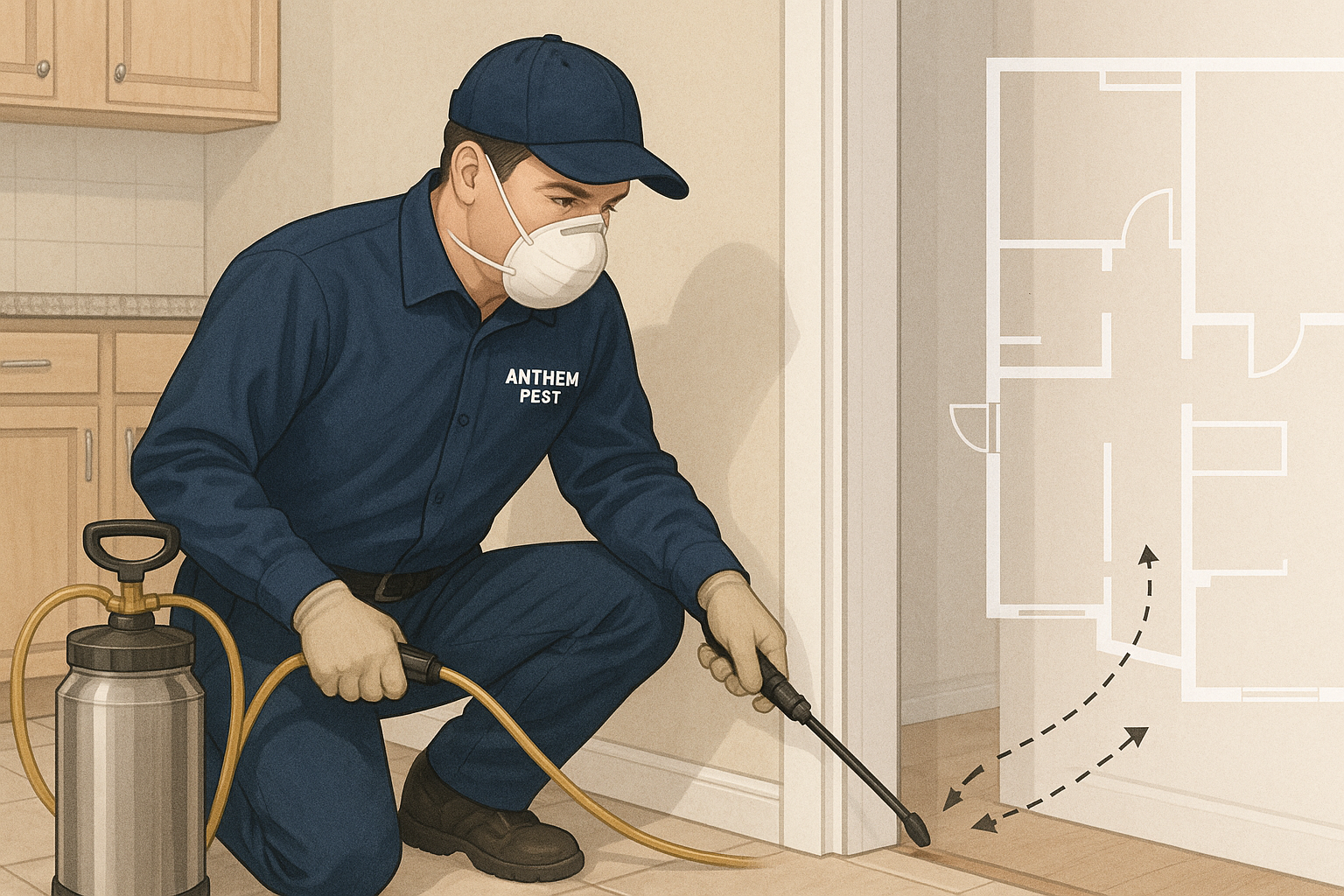
Professional Interior Spraying
Anthem Pest’s interior service uses EPA‑registered residual insecticides such as bifenthrin and permethrin. These chemicals create a protective layer on walls, baseboards, and other surfaces where stink bugs travel, killing them on contact while remaining safe for humans and pets when applied correctly. Technicians follow strict application guidelines, ensuring low‑odor, low‑residue coverage that protects your family for weeks.
- Typical price for a 1,200‑sq‑ft home: $180–$250
- Larger properties (over 2,000 sq ft): $250–$350
- One‑time treatment includes a thorough inspection, targeted spray, and a 30‑day warranty against re‑infestation.
Exterior Barrier Treatments
Creating a defensive perimeter around your home stops stink bugs before they even reach the interior. Technicians focus on foundation cracks, window and door frames, and any vegetation that touches the house. By applying a thin, weather‑resistant barrier, the treatment remains effective through rain and heat, denying bugs a foothold on the outside.
- Cost per exterior barrier application: $120–$180
- Recommended frequency: once in early fall and again in late spring for optimal protection.
- Includes treatment of crawl spaces, garage doors, and screened porches.
Integrated Pest Management (IPM) Strategies
IPM blends chemical control with preventative habits that homeowners can manage themselves. The goal is to reduce stink bug entry points and eliminate attractants, lowering the need for repeated chemical applications.
DIY Checklist for Vinings Homeowners
- Seal cracks and gaps around foundations, utility penetrations, and window screens using silicone caulk or expanding foam.
- Trim back shrubs, vines, and tree branches that touch the house to remove bridge pathways.
- Remove leaf litter, mulch, and debris from the perimeter where bugs hide.
- Install simple light traps (UV bulbs with sticky boards) near entry zones to monitor activity.
- Vacuum any indoor stink bugs promptly and dispose of the bag in a sealed container.
If you prefer a professional hand, a local handyman can implement these steps for a labor cost of $50–$80 per visit, saving you time and ensuring the job is done correctly.
Combining Interior and Exterior Services for Comprehensive Control
While each method works on its own, the most effective defense against stink bugs in Vinings comes from pairing interior spraying with exterior barrier treatments. The interior spray neutralizes any bugs that slip through, while the exterior barrier blocks the majority from entering in the first place. Adding an IPM routine on top of these services creates a long‑term, low‑maintenance solution that protects your home season after season.
Anthem Pest Pricing and Service Packages
When it comes to stink bugs in Vinings, knowing exactly what you’ll pay and what you’ll get is half the battle. Anthem Pest offers two straightforward packages designed for the typical Vinings home, each with clear coverage limits and built‑in follow‑up care.
Basic Indoor Spray – $199
This entry‑level option targets the interior of homes up to 1,500 sq‑ft. A certified technician applies a fast‑acting, low‑odor spray that attacks adult stink bugs and their hiding spots. The package includes one follow‑up visit within two weeks to ensure the treatment took hold and to address any late‑season intruders. The treatment is EPA‑registered and safe for children and pets when used as directed.
Premium Exterior + Interior – $329
For homeowners who want a full‑house shield, the premium plan adds a perimeter barrier around the foundation, an attic treatment to stop bugs climbing from the roof space, and a one‑year warranty that covers any re‑infestation. The same indoor spray used in the basic package is applied, but the exterior work creates a “moat” that makes it far harder for stink bugs to breach your home during the peak entry months. Our technicians also inspect for cracks and gaps, sealing them to prevent future entry points.
Seasonal Savings
September is the prime entry season for stink bugs, and Anthem Pest rewards proactive scheduling with a 10 % discount on any package booked before October 1. That means the Basic Indoor Spray drops to $179 and the Premium plan falls to $296, giving you premium protection without premium cost. Discounts apply when you mention “September Savings” during booking.
Ready to lock out stink bugs before they find a foothold? Call 877‑371‑8196 or visit Anthem Pest to schedule your treatment today.
Local Prevention Strategies for Vinings Neighborhoods
Top Vinings Subdivisions & Common Entry Points
Vinings homeowners often notice stink bugs appearing as soon as the first cool breeze arrives. In The Village at Vinings, Riverwalk, and nearby Country Club Estates, the most frequently reported entry points are cracks wider than a quarter‑inch in foundation walls, uncovered attic vents, and gaps around door frames. These openings are just large enough for a mature stink bug to slip through, especially when seasonal pressure drives them toward any available shelter.
Step‑by‑step prevention checklist
- Apply silicone caulk to every crack larger than a quarter‑inch—foundation joints, window frames, and siding seams.
- Install a door sweep on each exterior door to block the gap where bugs crawl under.
- Trim trees and shrubs so they stop at least six inches from the house, creating a dead zone.
- Replace white porch lights with warm‑yellow LEDs or turn off unnecessary lighting to reduce attraction.
For an easy, printable version of this list, download the free PDF from Anthem Pest’s resource page. The file includes space for homeowners to mark completed tasks, set reminders, and note the date of their last professional inspection. Click here to download the checklist and keep it on your fridge for quick reference.
By targeting the specific vulnerabilities found in The Village at Vinings, Riverwalk, and surrounding communities, you’ll cut down the number of entry points that stink bugs exploit. Consistent maintenance—sealing cracks, managing vegetation, and controlling lighting—creates a hostile environment that encourages these pests to move on, letting you enjoy a bug‑free home all year long.
Frequently Asked Questions About Stink Bugs
Do stink bugs carry disease?
According to the Centers for Disease Control and Prevention, stink bugs are not known to transmit diseases to humans or pets. They feed on plant juices, not blood, so they pose no direct health risk. The characteristic odor is simply a defensive chemical, and while crushing a bug may cause minor skin irritation, it does not spread pathogens.
How many treatments are needed per year?
In Vinings, most homeowners benefit from two to three professional applications annually. We typically start with an interior spray in early fall to knock down any bugs that have entered the home, follow with a perimeter barrier in late winter, and offer an optional spring touch‑up if outdoor activity spikes. If you notice a heavy fall population, a supplemental mid‑summer spot treatment can be added to protect outdoor patios and entry points.
Are the chemicals safe for pets and children?
EPA safety data sheets list the active ingredients we use—such as pyrethroids and neonicotinoids—as low‑toxicity when applied according to label directions. Properly applied barrier sprays leave no residue on surfaces where children play or pets lounge, making them safe for typical household use. We also recommend keeping treated areas ventilated for a short period after application and storing all pesticide containers out of reach of children.
Can I treat the attic yourself?
DIY sprays may reach exposed corners, but attic spaces often hide cracks, vents, and insulation gaps that professionals can seal and treat more thoroughly. A licensed technician can apply a residual barrier that penetrates hidden voids, reducing the chance of a future resurgence. If you choose a DIY approach, use a UL‑registered indoor spray, wear protective gloves, and understand it may not reach the deep voids where bugs hide.
What signs indicate a re‑infestation?
Watch for these early warnings before numbers get out of control:
- New clusters of bugs on windowsills, door frames, or light fixtures.
- Fresh brownish stains on walls or furniture—stink bug excrement.
- Unusual “musty” odor when bugs are disturbed.
- Increased sightings during warm evenings, especially near exterior cracks.
Sources and Verification Notes
At Anthem Pest, we believe that every claim in our guide should be traceable to a reliable source. Below you’ll find the exact URLs we consulted while assembling the cost, treatment, and regulatory information for stink‑bug control in Vinings, GA. If any data point is still pending confirmation, it is clearly flagged so you know where we stand.
We cross‑check each statistic with at least two independent agencies; if a source is pending release, we flag it and keep monitoring.
- NPMA guide – https://www.npmapestworld.org/pest-guide/stink-bug/
- EPA pest page – https://www.epa.gov/pests/stink-bug
- CDC stink‑bug facts – https://www.cdc.gov/rodents/pests/stinkbugs.html
- Georgia Department of Agriculture 2023 complaint report – (link to be added once located)
- Anthem Pest service page – https://anthempest.com
Items Marked for Verification
The following figures are currently under review and will be confirmed as official sources become available.
- 2023 Georgia complaint increase statistic (reported as a 42 % rise). The official DGA report has not been publicly released yet.
- Exact EPA cost‑impact figures for Georgia growers. EPA provides national estimates, but state‑specific numbers are still being compiled.
- Anthem Pest 2024 pricing sheet details. Our internal pricing guide is being updated for the upcoming season; final numbers will be posted on the website shortly.
These gaps are actively being addressed by our research team.
Transparency is a core part of our service to Vinings homeowners. By sharing what we know and what’s still being confirmed, you can decide on stink‑bug control with confidence.
We will update this section as soon as the missing data becomes available, ensuring our readers always have the most accurate information.
Protect Your Vinings Home – Call Anthem Pest Today
Stink bugs won’t wait for the perfect season to invade. Catch them early, treat them with a professional‑grade solution, and keep a preventive barrier in place year‑round. Early detection lets you stop a few bugs before they turn into a full‑blown nuisance, while a thorough treatment eliminates hidden nests that hide in wall voids, attics, and outdoor vegetation. Ongoing prevention—such as sealing entry points and seasonal inspections—keeps your home safe long after the first spray.
Why Anthem Pest Is Your Vinings Partner
- Local expertise: Our technicians know the Vinings climate, common entry routes, and the species that cause the most trouble in this area.
- 24/7 support: Pests don’t keep office hours, and neither do we. Call any time, day or night, for immediate assistance.
- Transparent pricing: No hidden fees—just a clear, upfront quote that matches the scope of work.
Ready to protect your home without the guesswork? Anthem Pest offers a free, no‑obligation inspection so you can see exactly what’s happening and how we’ll fix it. Our team will walk you through the findings, recommend a customized treatment plan, and schedule the service at a time that fits your busy life. Give us a call at 877‑371‑8196 or click the link below to schedule your inspection today.