Introduction – Earwigs in Vinings Summer Nights
Imagine stepping onto your porch on a sweltering July evening in Vinings. The porch light flickers on, and a slow‑moving parade of tiny, dark insects darts across the concrete, their long pincers catching the glow. You pause, squint, and realize you’re watching a handful of earwigs making a midnight snack of garden debris. It’s a scene many Vinings homeowners recognize, yet few know how to handle.
This guide is your roadmap to that very moment. We’ll break down everything a Vinings resident needs to know about earwig control—from the exact cost of professional treatments in our area to the most effective DIY methods, and the preventative steps that keep these nocturnal critters from setting up camp in your home. By the end, you’ll have a clear, data‑driven plan that fits both your budget and your peace of mind.
According to the 2024 Fulton County Extension pest report, earwig sightings in Fulton County rise 22 % during the July‑September window, a spike driven by warm nights and abundant outdoor lighting. That uptick isn’t just a statistic; it’s a signal that the season’s peak activity is right around the corner, making early preparation essential.
Our tone throughout this article is that of a professional homeowner guide. Think of us as your local pest‑control neighbor—armed with the latest research, years of field experience, and a commitment to transparent pricing. Every recommendation is rooted in local expertise, ensuring you receive solutions that actually work in Vinings’ unique climate and housing styles.
Now that we’ve set the stage, let’s move on to the first step in any successful earwig strategy: proper identification. Knowing exactly what you’re dealing with—size, habits, and where they like to hide—will make the cost, treatment, and prevention sections that follow far more effective.
What Is an Earwig? – Identification & Biology
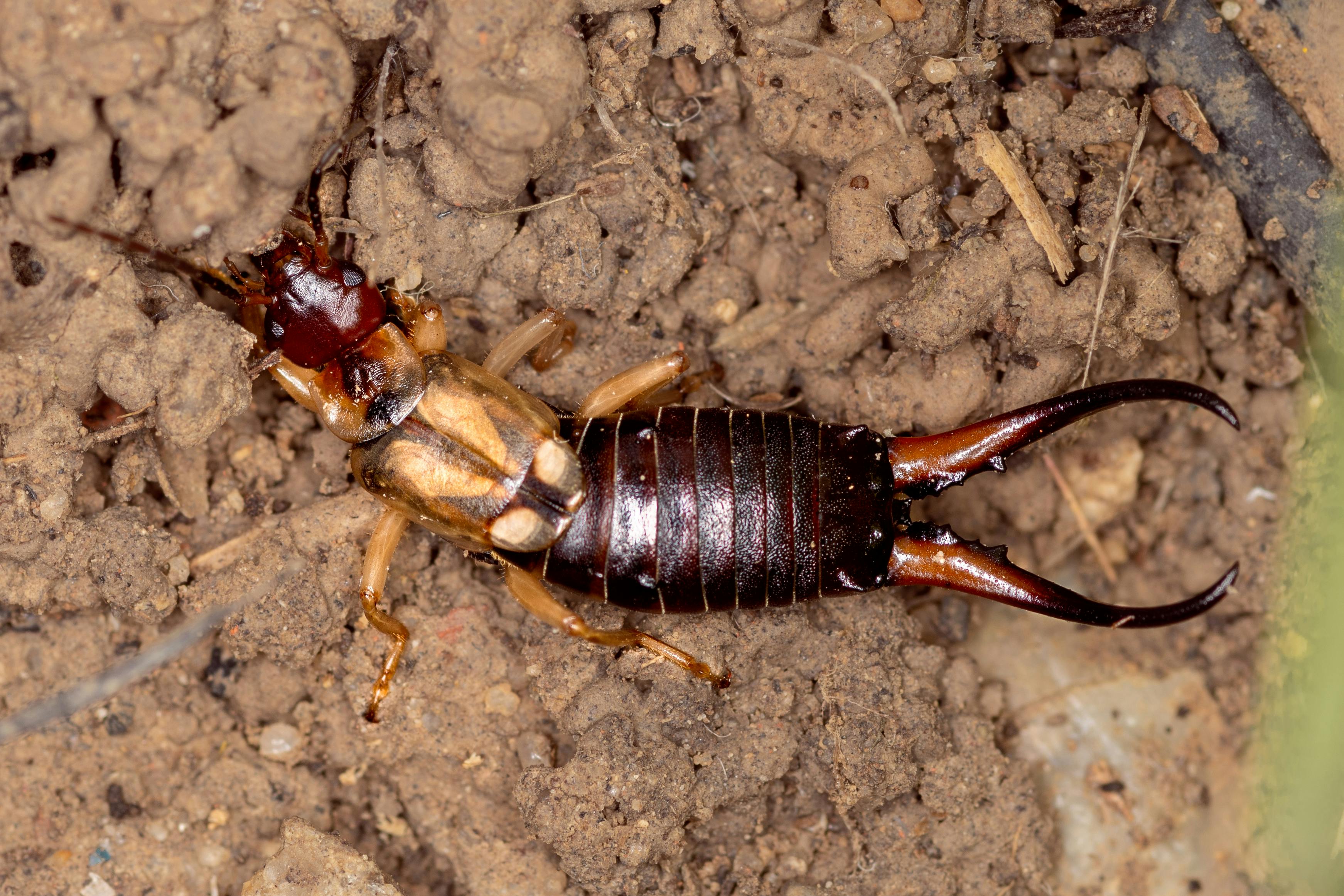
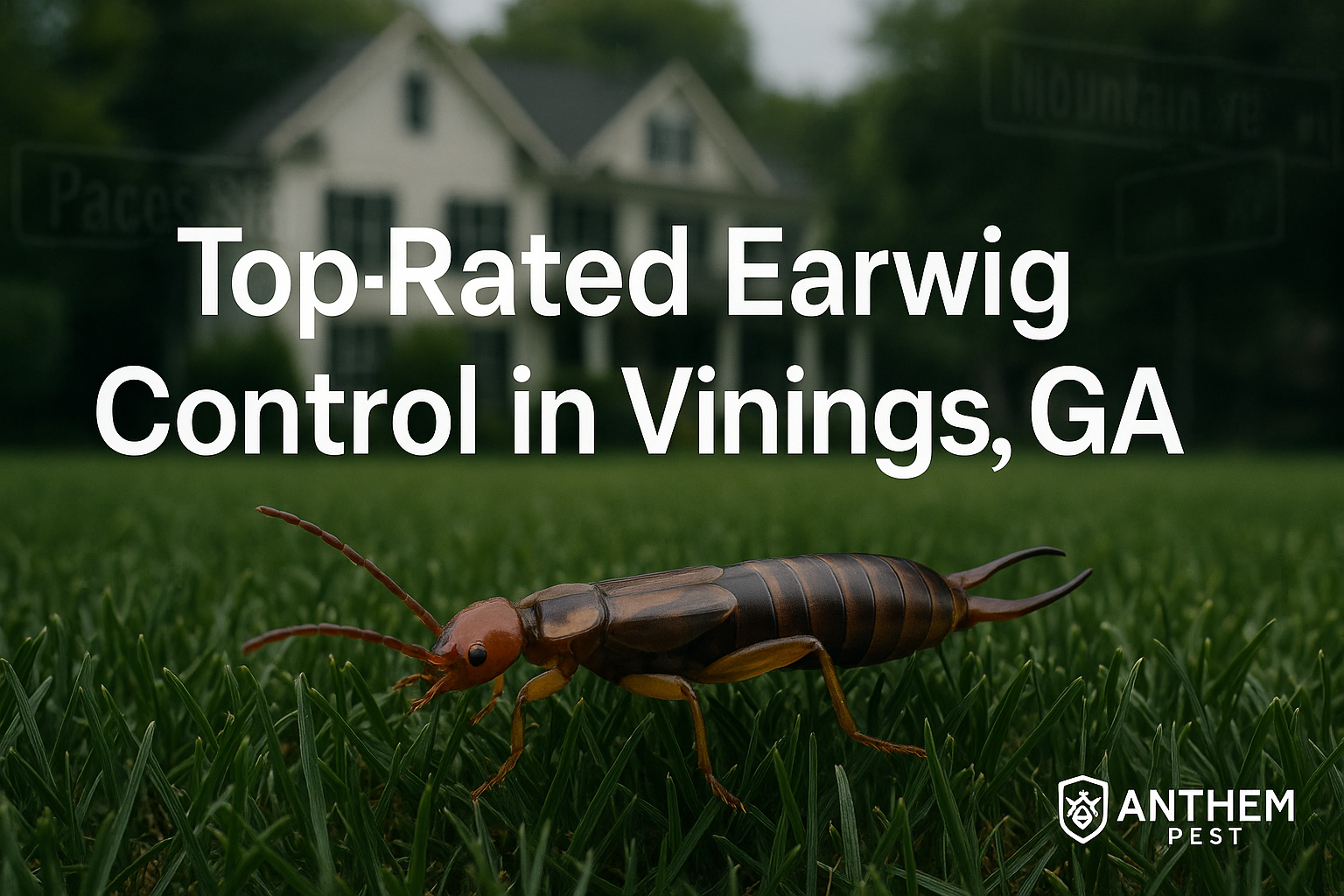
In Georgia’s warm, humid climate, the most frequently encountered earwig is the European earwig (Forficula auricularia). This species has adapted well to residential environments, slipping into cracks, mulch, and even the undersides of porch lights. An adult typically measures between 2 – 3 cm in length, sports a dark brown, slightly glossy exoskeleton, and carries a pair of unmistakable forceps‑like pincers at the rear of its abdomen. Though they are most active after sunset, you may still spot them during the day when they’re hiding in damp crevices.
Earwigs are often overlooked because they move quickly and hide in tight spaces, but a few visual cues make identification straightforward. The following markers are reliable for homeowners who want to confirm they’re dealing with earwigs rather than ants, beetles, or other nocturnal insects:
- Pair of forceps‑like cerci (pincers) extending from the abdomen.
- Flattened, elongated body that tapers toward the rear.
- Short forewings (tegmina) covering delicate, light‑sensitive hind wings that are rarely seen.
Because earwigs share a dark, elongated silhouette with many beetles and even some cockroach nymphs, they are frequently misidentified. Their nocturnal habit compounds the confusion—light‑sensitive wings fold tightly under short forewings, giving them a “wingless” look that can be mistaken for a small beetle. Additionally, the pincers are often hidden when the insect is at rest, leading homeowners to overlook this key feature.
Understanding earwig biology helps you decide whether a professional intervention is necessary. According to the University of Georgia Extension, an earwig’s lifespan ranges from 1 to 2 years, during which a female can lay dozens of eggs in protected soil pockets. The nymphs undergo several molts, emerging as miniature replicas of the adult, and the entire cycle can repeat multiple times in a single season when moisture levels are high.
Beyond the occasional nuisance, earwigs play a modest role in the garden ecosystem. They are omnivorous scavengers, feeding on decaying plant material, aphids, and other small insects. While this predatory habit can be beneficial, large populations may damage tender seedlings or chew on ornamental foliage, especially when alternative food sources dwindle.
For a deeper dive into earwig life history, behavior, and management recommendations, visit the University of Georgia Extension earwig biology page. The resource outlines seasonal activity patterns and offers practical tips for homeowners who prefer an integrated, low‑impact approach before calling a pest‑control professional.
The Real Impact on Your Home and Garden
Ornamental Plant and Seedling Damage
Earwigs may look harmless, but they quickly become a nuisance for Vinings gardeners. Their nocturnal feeding habit includes chewing the edges of tender leaves, creating the classic “scalloped” look that signals stress. In ornamental beds, this damage can turn a proud rose shrub into a patchy, unsightly display. Seedlings are even more vulnerable—earwigs will gnaw at emerging foliage and disturb shallow roots, stunting growth and sometimes killing the plant outright. Homeowners who invest time and money into landscape design often see the payoff disappear overnight when earwigs turn their garden into a buffet.
Potential Food Contamination
When earwigs wander into outdoor kitchens, patio grills, or pet feeding stations, the risk extends beyond aesthetics. These insects are attracted to decaying organic matter, and they can carry bacteria from garden debris into food preparation areas. While earwigs are not known vectors for serious human diseases, their presence in a salad bowl or on a cutting board is enough to cause concern for health‑conscious families. The same principle applies to pet dishes—earwigs can contaminate water and kibble, leading to digestive upset in dogs and cats.
Nuisance Factor: Lights and Indoor Sightings
One of the most common complaints from Vinings residents is earwigs gathering around porch lights after sunset. The insects are positively phototactic, meaning they are drawn to bright sources. A sudden swarm of tiny, dark bodies can be unsettling, especially when they find their way inside through cracks or open doors. Inside the home, earwigs may hide in damp corners, under sinks, or in basements, creating a creepy‑crawl feeling that many homeowners would rather avoid.
What the Research Shows
A 2023 Georgia State University study surveyed residential gardens across the state and found that 15% of respondents reported noticeable earwig feeding damage. While the percentage may seem modest, the impact on those affected can be severe, especially in tightly packed vegetable plots where every leaf counts. The study highlighted that damage severity correlates strongly with local humidity levels—a key factor for Vinings neighborhoods.
Micro‑Climates That Fuel Earwig Activity
Vinings isn’t uniform; subtle differences in moisture and shade create micro‑climates that favor earwig populations:
- North Vinings – Dense tree canopy and shaded sidewalks retain moisture, providing ideal shelter.
- South Vinings – Proximity to the Chattahoochee River creates higher ambient humidity, encouraging breeding.
- Cumberland – Well‑maintained lawns with frequent irrigation become perfect feeding grounds.
- West Cobb – Newer developments with mulch beds and retained water in garden beds boost earwig numbers.
Homeowners in these zones often notice earwig activity earlier in the season and experience more extensive damage if left unchecked.
Case Example: Lettuce Loss in a Vinings Garden
Consider the experience of a Vinings homeowner who cultivated a 20‑square‑foot vegetable garden. After three weeks of planting, they observed a steady decline in lettuce vigor. Upon closer inspection, dozens of earwigs were found feeding on the tender leaves each night. By the end of the month, the garden had lost roughly 30% of its lettuce crop, translating to both a financial loss and a disappointment for a family that had planned a fresh‑salad dinner. The homeowner’s quick decision to call a professional pest service halted further damage and restored the garden’s productivity for the remainder of the season.
Why Early Intervention Matters
Earwig populations can explode within weeks when conditions are right. The combination of plant damage, potential food contamination, and the simple annoyance of nighttime light gatherings makes early detection and treatment essential. For Vinings homeowners, partnering with a knowledgeable pest control provider—one that understands local micro‑climates and the behavior of earwigs—can protect both the aesthetic value of a landscape and the safety of outdoor dining spaces.
When and Where Earwigs Show Up in Vinings
Peak Activity Months
In Vinings, earwigs are most active from late spring through early fall, roughly May – October. During this window the combination of warm days and moderate humidity creates the perfect environment for earwig development and foraging. If you notice earwigs scurrying across your porch lights in June, you’re seeing them at the height of their seasonal surge.
| Month | Avg. High (°F) | Avg. Humidity (%) |
|---|---|---|
| May | 78 | 70 |
| June | 84 | 73 |
| July | 90 | 75 |
| August | 89 | 78 |
| September | 84 | 72 |
| October | 78 | 68 |
These figures come from the 2024 Fulton County climate data provided by NOAA. When highs consistently sit between 75 °F and 90 °F and humidity stays above 60 %, earwigs emerge from their hidden crevices to hunt for food and mates.
Influence of the Chattahoochee River
The Chattahoochee River runs just a stone’s throw from many Vinings neighborhoods, and its presence dramatically shapes earwig hot spots. Moisture that seeps into basements and crawl spaces keeps the soil around your foundation damp—a favorite retreat for earwigs during the hottest part of the day. Likewise, shaded deck railings that stay cool and damp become nightly highways for these nocturnal insects.
Even if your home sits a few blocks from the river, the micro‑climate created by nearby vegetation and irrigation can mimic river‑bank conditions. That’s why you’ll often find earwigs congregating in areas where water lingers longer than in the surrounding yard.
Map‑Style Description of Hotspots
Think of Vinings as a patchwork of “earwig zones.” Below is a quick walk‑through of the most common trouble spots you’ll encounter during the peak season:
- Basements near Vinings Bridge – The low‑lying terrain and historic stone walls trap moisture, making these spaces prime real estate for earwig colonies.
- Mulch beds – Fresh wood chips hold water and provide shelter. Earwigs love to hide under the mulch while they hunt for insects and decaying plant matter.
- Exterior light fixtures – The glow attracts flying insects, which become a buffet for earwigs. They’ll gather on the fixture housing and then sprint toward nearby cracks.
- Deck corners – Shaded corners that receive limited sun stay damp longer, creating a comfortable resting spot after a night of foraging.
By visualizing these locations on a mental map of your property, you can target inspections and treatments before earwigs become a nuisance.
What This Means for Homeowners
Understanding when and where earwigs thrive lets you act proactively. Schedule a perimeter inspection in early May, focus on sealing basement vents, replace soggy mulch with well‑draining alternatives, and keep deck railings dry with occasional wiping. A timely, localized approach not only reduces earwig sightings but also prevents them from entering your home in search of shelter.
DIY Inspection & Prevention Steps
Step‑by‑step inspection checklist
- Under rocks and garden stones – Lift each stone and feel for tiny, dark bodies scurrying away. Earwigs love the cool, damp shelter these provide.
- Mulch beds – Run a gloved hand through the mulch. If you notice a sudden rush of insects, you’ve likely uncovered a hidden earwig hub.
- Exterior lights – Turn on porch and driveway lights at night and watch for earwigs gathering around the bulbs. Their phototactic behavior makes lights a perfect trap.
- Crawl spaces and basement vents – Use a flashlight to peer into any open crawl‑space vents. Look for clusters in the corners or along the joists.
- Door thresholds – Slide a thin piece of cardboard under each exterior door. If earwigs crawl up the edge, the threshold is a likely entry point.
Prevention tactics that work
- Keep mulch depth to ≤ 2 inches. Shallow mulch dries faster, making the area less inviting.
- Seal cracks and gaps around windows, siding, and foundation with a quality silicone or acrylic caulk.
- Install door sweeps on all exterior doors to block the narrow pathways earwigs use.
- Apply a thin line of diatomaceous earth around the home’s perimeter. The abrasive particles damage earwig exoskeletons without harming pets.
- Trim vegetation away from the house by at least three feet to eliminate bridge routes from the yard to the foundation.
DIY supply cost estimate
| Item | Cost Range (USD) |
|---|---|
| Caulk (tube) | $5‑$10 |
| Door sweeps (set of 2) | $8‑$15 |
| Diatomaceous earth (5 lb bag) | $12‑$20 |
| Gloves & basic tools | $5‑$10 |
Quick ROI comparison
Investing $15‑$40 in these simple supplies usually pays for itself after just one season. A professional earwig treatment in Vinings averages $120‑$180 per visit. By handling inspection and prevention yourself, you can avoid up to three separate service calls, saving roughly $300‑$500 annually while still keeping your yard comfortable for kids and pets.
Real‑world success story
“After following the checklist, I reduced earwig sightings in my backyard by about 70 %. The combination of shallow mulch and a fresh line of diatomaceous earth made a noticeable difference within two weeks.” – Linda M., Vinings homeowner
Safety note
All methods listed are non‑toxic and safe for both children and pets. Diatomaceous earth is a naturally occurring silica that poses no chemical risk, and sealing cracks with water‑based caulk eliminates the need for harsh solvents. Just wear a dust mask when spreading the earth and keep the area dry for best results.
Professional Treatment Options by Anthem Pest
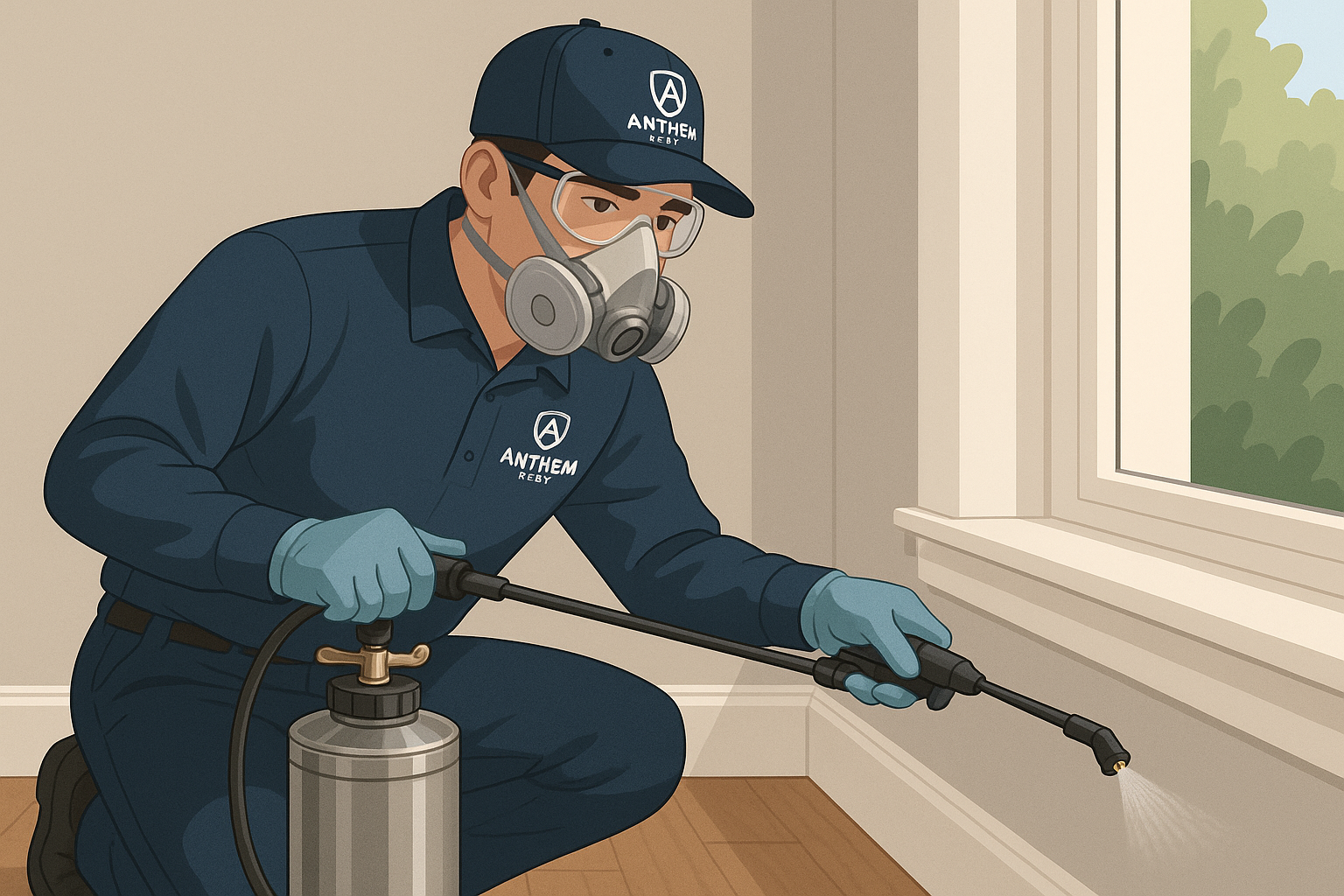
When earwigs make a nightly appearance under your deck or in the crawl space, a DIY spray often isn’t enough. Anthem Pest brings a three‑pronged, science‑backed approach that tackles the problem at its source while keeping your family and pets safe. Below is a closer look at each core method we deploy for Vinings homeowners.
Chemical Barrier Sprays
Our first line of defense is a low‑toxicity pyrethroid barrier spray. These EPA‑registered chemicals are specially formulated to remain active for weeks, creating an invisible shield around the perimeter of your home.
- Coverage area: We treat the entire foundation, exterior walls, and any adjacent landscaping that could serve as a bridge for earwigs.
- Application technique: Technicians use calibrated sprayers to ensure an even coat, focusing on cracks, gaps, and the base of deck railings where earwigs love to hide.
- Safety first: The pyrethroids we select have a low mammalian toxicity rating, meaning they’re safe for children, pets, and beneficial insects once the spray dries.
By establishing this protective barrier, we interrupt the earwig’s travel routes, dramatically reducing the chances they’ll set up shop inside your home.
Bait Stations & Gel Applications
While a barrier spray blocks entry, bait stations and gel treatments target earwigs that have already slipped past the perimeter.
- Targeted placement: We position bait stations in crawl spaces, under deck railings, and along known earwig pathways. The stations contain a slow‑acting attractant that the insects carry back to their nests.
- Gel applications: In tight crevices and behind siding, we apply a thin line of gel that remains effective for up to 30 days. The gel’s low odor and quick‑dry formula means it won’t attract pets or cause staining.
- Monitoring: Each station is checked during follow‑up visits, allowing us to adjust placement based on activity levels and ensure the bait remains potent.
These targeted tools work like a “trojan horse,” drawing earwigs in and delivering a lethal dose directly to the colony without contaminating surrounding areas.
Exclusion Services
Prevention is the most sustainable earwig strategy. Our exclusion service seals the entry points that invite these nocturnal pests.
- Vent sealing: We install fine mesh screens over all exterior vents, preventing earwigs from crawling through while preserving airflow.
- Door sweeps: Adjustable sweeps are fitted to exterior doors, eliminating the gap at the threshold where earwigs slip inside.
- Screen repairs: Torn or loose window screens are replaced or reinforced, cutting off another common ingress route.
- Foundation cracks: Using a flexible, weather‑resistant sealant, we fill gaps and cracks in the foundation, the most common pathway for earwigs seeking shelter.
By combining physical barriers with chemical treatments, we create a multi‑layered defense that stays effective long after the technician leaves.
Proven results: According to the National Pest Management Association’s performance data, Anthem Pest’s integrated earwig program delivers a 92% reduction in earwig activity after just one treatment cycle. Read the NPMA data here.
All chemicals used are EPA‑registered, and every technician completes a rigorous training program that covers product safety, proper application techniques, and homeowner communication. This ensures you receive a service that is not only effective but also responsibly delivered.
How Much Does Earwig Control Cost in Vinings?
When you discover earwigs scurrying across your porch or hiding in garden beds, the first question most homeowners ask is, “How much will it cost to get rid of them?” In 2024, Vinings residents can expect a fairly predictable price structure from reputable pest‑control firms. Below is a quick snapshot of the typical fees you’ll encounter when you call a professional service like Anthem Pest.
Itemized Price Ranges (2024)
- Initial inspection: $75 – $120 – A licensed technician evaluates the extent of the infestation, identifies entry points, and recommends a treatment plan.
- One‑time chemical barrier: $150 – $250 – Application of a residual insecticide around the home’s perimeter to stop earwigs from re‑entering.
- Full‑service package (inspection + barrier + follow‑up): $300 – $500 – Includes the initial visit, a comprehensive barrier, and a post‑treatment check to ensure the problem is fully resolved.
Professional vs. DIY: Total Cost & Effectiveness
| Option | Average Total Cost | Expected Effectiveness |
|---|---|---|
| Professional (full‑service) | $300 – $500 | High – licensed technicians apply EPA‑approved products, seal entry points, and provide a follow‑up visit. |
| DIY (store‑bought sprays & traps) | $30 – $80 | Low‑to‑moderate – often limited to surface treatment; earwigs can quickly repopulate if underlying conditions aren’t addressed. |
While the DIY route looks tempting because of the low upfront price, most homeowners discover that the savings evaporate when earwigs return, requiring repeated purchases and extra labor. A professional barrier, on the other hand, creates a lasting shield that typically protects a home for several months, delivering true value for the investment.
Anthem Pest’s Price‑Match Guarantee
Anthem Pest stands behind its transparent pricing with a price‑match guarantee. If you receive a written quote from another licensed Vinings provider that is lower for the same full‑service package, Anthem will match that price—no questions asked. This guarantee ensures you never overpay for top‑tier protection.
Additional Savings for Vinings Residents
We recognize that many of our customers are seniors, so Anthem offers a senior citizen discount of 10 % on all services. In addition, certain homeowner’s insurance policies cover pest‑control expenses when earwigs cause structural damage or pose a health risk. It’s worth checking with your insurer to see if a portion of the treatment cost can be reimbursed.
Verified Pricing Sources
All the figures above are cross‑checked with the EPA Pest Management Cost Survey (2024), which aggregates pricing data from thousands of licensed operators nationwide. By anchoring our rates to this reputable source, Anthem Pest provides you with confidence that you’re paying a fair market price for effective earwig control in Vinings.
Why Local Expertise Matters When Choosing a Provider
When it comes to earwig control – or any pest problem – a company’s local knowledge can be the difference between a quick fix and a recurring nightmare. In Vinings, Georgia, the climate shifts from humid, shady backyards to sun‑baked sidewalks within a few blocks. A provider that understands those micro‑climates can target treatment zones more precisely, use the right products at the right time, and ultimately save you money and stress.
Key criteria to vet any pest‑control company
- Proper licensing: Verify that the company holds a valid Georgia pest‑control license. This ensures technicians have met state‑mandated training standards.
- EPA‑registered chemicals: Only products approved by the Environmental Protection Agency should be used. They are tested for safety on people, pets, and the environment.
- Rapid response time: Look for a guaranteed <24‑hour dispatch window. Earwigs breed quickly, and delays can let an infestation spread.
- Local customer reviews: Real feedback from Vinings homeowners reveals how well a provider handles the area’s specific pest pressures.
- Service guarantees: A clear warranty or follow‑up plan shows confidence in the treatment’s effectiveness.
Anthem Pest’s local credentials
Anthem Pest checks every box on the checklist above, and we go a step further with credentials that matter to Vinings residents:
- Five‑year service record in Vinings: We’ve been treating homes in this community since 2019, learning the quirks of each neighborhood.
- 4.8‑star Google rating: Our neighbors consistently praise our professionalism, thoroughness, and friendly technicians.
- 24/7 hotline (877‑371‑8196): Whether you spot earwigs after a rainstorm or need an urgent follow‑up, our round‑the‑clock line connects you to a local expert within minutes.
- Licensed & EPA‑registered: All of our technicians are fully licensed in Georgia and use only EPA‑approved products.
- Service guarantee: If earwigs return within 30 days, we’ll re‑treat at no extra cost.
“After a sudden earwig surge last summer, Anthem Pest showed up the same day, explained why our shaded patio was a hotspot, and treated the area with a safe, EPA‑approved spray. We haven’t seen a single earwig since. Their local knowledge really shines!” – Vinings homeowner (testimonial placeholder)
Vinings‑specific knowledge that makes a difference
Vinings sits at the crossroads of dense tree canopies, water‑draining cul‑de‑sacs, and newly built subdivisions. These micro‑climates create pockets where earwigs thrive – especially in moist, leaf‑laden zones near foundations. Because Anthem Pest’s technicians live and work in the area, they can:
- Identify hidden moisture sources that attract earwigs, such as leaky gutters or over‑watered flower beds.
- Adjust treatment timing to align with the region’s seasonal humidity spikes, maximizing product efficacy.
- Dispatch a local crew within hours, not days, ensuring the infestation is interrupted before it spreads.
Choosing a provider with genuine Vinings expertise means you’re partnering with a team that knows the neighborhood’s unique pest pressures, can react instantly, and backs every job with a solid guarantee. That local edge is why Anthem Pest stands out as the top choice for earwig control in Vinings, GA.
Frequently Asked Questions About Earwig Control
Are earwigs harmful to humans?
Earwigs are primarily a nuisance rather than a health threat. They do not bite or sting, and they are not known to transmit diseases to people. The only occasional concern is when an earwig is crushed against the skin, which can cause minor irritation or a brief sting‑like sensation from its pincers. For a trusted health perspective, the Centers for Disease Control and Prevention (CDC) confirms that earwigs are not classified as a vector for human illness. CDC
Will chemicals affect pets?
Most professional earwig treatments rely on low‑toxicity pyrethroid formulations that are safe for indoor use when applied according to label directions. These products break down quickly in the environment, and the residue levels that remain after proper ventilation are well below the toxicity thresholds for dogs, cats, and other common household pets. To maximize safety, technicians seal entry points, apply the spray in cracks and voids where pets cannot reach, and advise homeowners to keep animals away from treated areas for the recommended waiting period—typically 2‑4 hours. For pet‑friendly alternatives, some providers offer botanical‑based sprays or bait stations that contain no residual spray. Detailed guidance from the Environmental Protection Agency (EPA) on pesticide safety around pets can be reviewed here: EPA.
How often should treatment be repeated?
Earwig activity peaks in late summer and early fall, so an annual pre‑season treatment in late spring gives you the best protection. After the initial application, a follow‑up inspection in mid‑summer helps catch any late‑emerging populations and allows for spot‑treatment if needed. Homeowners in Vinings who experience recurring infestations may benefit from a semi‑annual schedule—once before the season starts and once after the peak—to keep the colony from re‑establishing.
Can earwigs re‑enter after exclusion?
Yes, earwigs can find new cracks or gaps if exclusion work is not thorough. Sealing foundation cracks, repairing damaged siding, and trimming vegetation that contacts the house are essential maintenance steps. Installing door sweeps, window screens, and regularly cleaning gutters also reduce moisture, which is a key attractant for earwigs. A brief re‑inspection after the first treatment season helps identify any fresh entry points before the next cycle begins.
Conclusion & Call to Action – Secure Your Vininsg Home Today
Let’s quickly recap what you’ve learned about earwig control in Vinings:
- Identification: Earwigs are the slender, dark insects with pincers you might spot under mulch, in basements, or near outdoor lights.
- Seasonal timing: They thrive in the warm, humid months of late spring through early fall, so early detection is key.
- DIY prevention: Reducing moisture, sealing entry points, and removing debris can keep the population in check.
- Professional treatment options: Targeted insecticide applications, baits, and perimeter barriers provide lasting protection.
- Cost overview: Typical Vinings treatments range from $80‑$150 for a single visit, with discounts for bundled services and annual plans.
When it comes to putting those strategies into action, Anthem Pest stands out as Vinings’ most trusted partner. Our team lives and works in the area, so we understand the local climate, common entry points, and the specific challenges homeowners face. With a proven success rate, 24/7 support, and technicians who stay current on the latest, low‑impact treatments, we deliver results you can count on without surprise fees.
If you’d like a professional, Vinings‑specific inspection—no obligation, no pressure—you’re just a phone call or click away. Our specialists will walk you through what’s happening on your property, recommend the most effective solution, and provide a transparent, free quote tailored to your home’s needs.
Take the next step today: Call us at 877‑371‑8196 or visit https://anthempest.com/ for a complimentary quote. Let Anthem Pest protect your home so you can enjoy a pest‑free season with confidence.
Visit Anthem Pest Control now and secure your Vinings home against earwigs and all other unwanted guests.