Why Millipedes Suddenly Appear
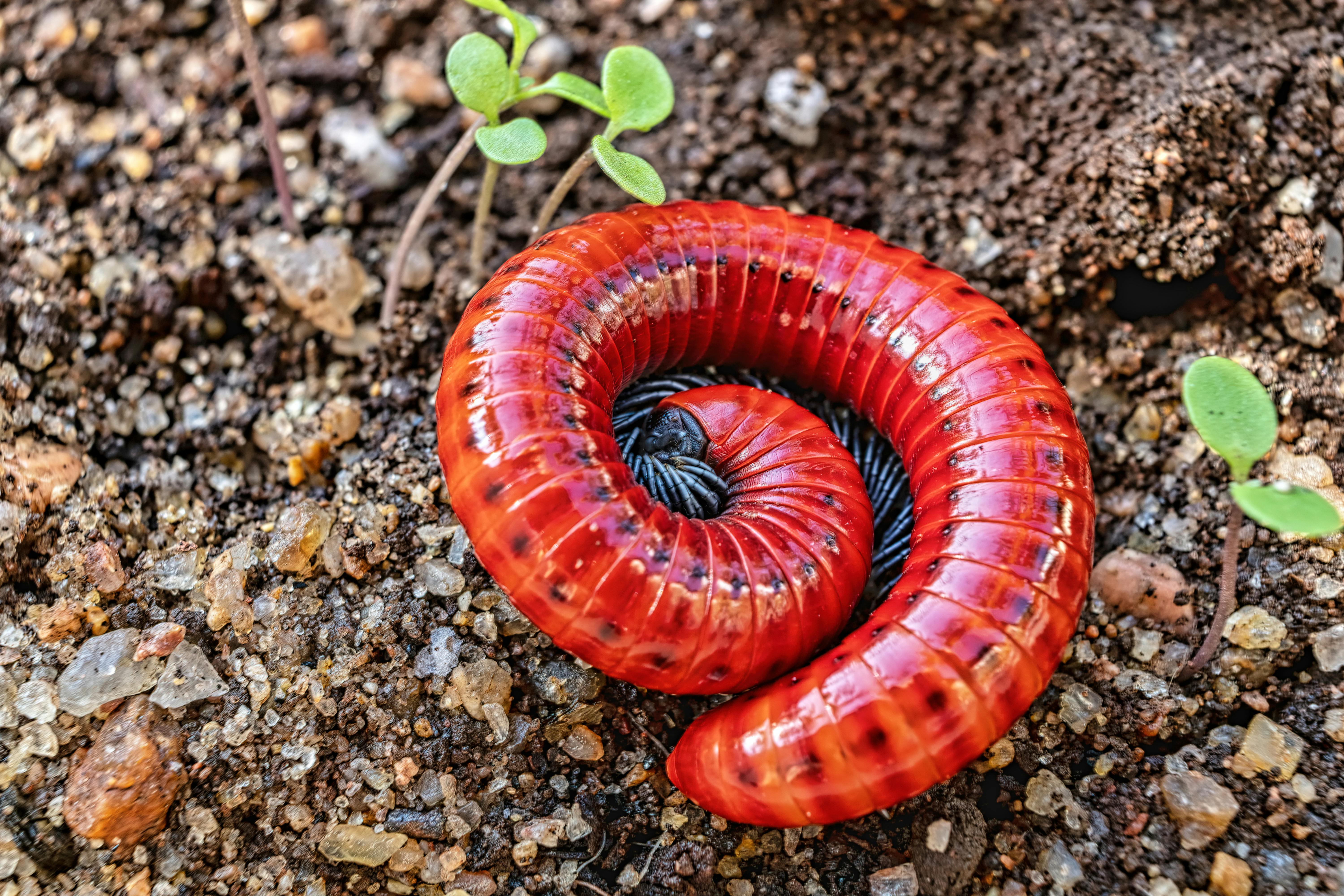
Millipedes may look harmless, but when they flood your doorway they signal a deeper environmental shift, leading many homeowners to search for millipede control Dunwoody GA to stop the sudden invasion. These arthropods belong to the class Diplopoda, sporting two pairs of legs per body segment and a hard, segmented exoskeleton that protects them from predators and desiccation. Their life cycle begins with tiny eggs laid in the moist leaf litter of forests, gardens, or mulch beds; larvae emerge as miniature adults and spend several months—sometimes up to a year—moulting and growing before reaching full size.
Moisture‑Loving Biology
Because millipedes breathe through tiny pores called spiracles, they require a consistently damp habitat to keep those openings from drying out. You’ll often find them under rocks, in compost piles, or crawling along the edges of irrigation lines where humidity is high. This preference for moisture explains why they become active after a rainstorm: the soil’s water content spikes, creating a perfect highway for them to explore new territory.
Weather Triggers and Landscaping Changes
Heavy rains act as a double‑edged sword for homeowners in Dunwoody. First, the sudden influx of water pushes millipedes out of their underground shelters in search of drier refuge. Second, runoff can carry them directly onto sidewalks, foundations, and finally into cracks around doors and windows. Recent landscaping trends—such as the popular use of mulch beds and decorative stone pathways—add additional moisture‑retaining layers that inadvertently become millipede highways.
Data‑Backed Spike in Activity
The 2024 EPA pest‑season report documented a 22 % increase in millipede sightings across the Southeast, a rise directly linked to above‑average precipitation patterns. In Dunwoody, August 2024 recorded an average of three inches of rain over the month, with several neighborhoods experiencing localized flooding. These conditions create a perfect storm for millipedes to migrate indoors, especially in flood‑prone cul‑de‑sacs where water pools near foundations.
Why Speed Matters
Once a few millipedes breach your threshold, the population can double in just 48 hours under optimal humidity. That rapid growth means a minor nuisance can quickly become a full‑blown infestation, overwhelming door sweeps and baseboard cracks. Recognizing the link between weather events, landscaping choices, and millipede biology is the first step toward an emergency response—delaying treatment only gives the pests more time to multiply and embed themselves in your home’s structure.
Identifying a Millipede Infestation
Millipedes are easy to spot once you know what to look for. In Georgia they typically measure between one and two inches long, sport a dark brown to black exoskeleton, and flaunt dozens of tiny legs that give them a “caterpillar‑like” silhouette. They love moisture, so you’ll most often find them in damp basements, crawl spaces, under foundation walls, or tucked into mulch beds where the soil stays cool and wet.
What a homeowner should notice
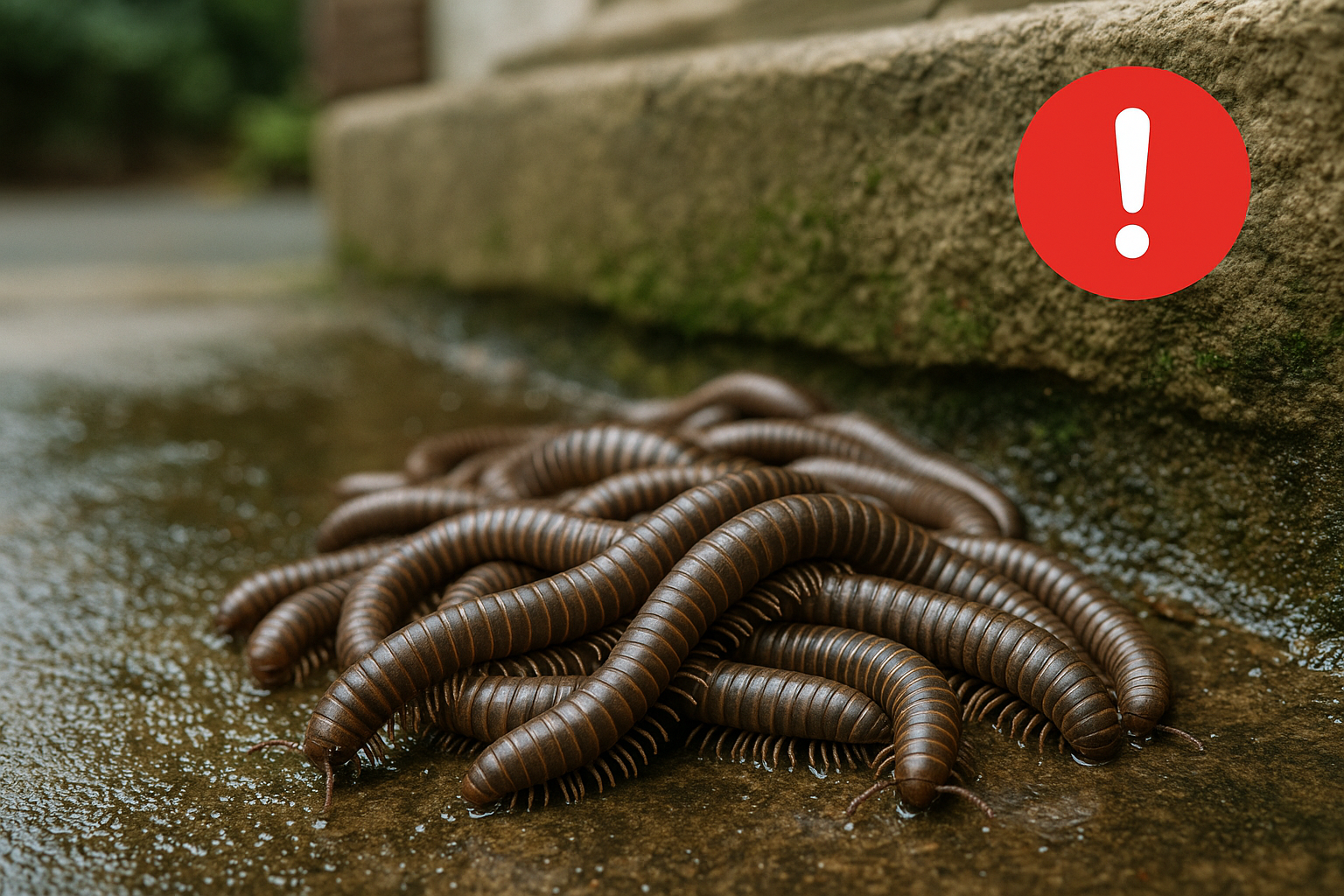
When a millipede population takes up residence, it leaves a trail of clues. The first sign is usually a handful of live millipedes scurrying across a porch step or bathroom floor at night. Shortly after, you’ll start spotting their shed exoskeletons – thin, translucent shells that look like tiny, cracked tubes. A faint, oily slime trail may appear on concrete or wood surfaces, especially after rain. In heavily mulched flower beds you might see patches of organic mulch that appear chewed or displaced, and clusters of millipedes gathering in the corners of doorways or on the edges of steps.
- Live millipedes observed moving on interior or exterior surfaces
- Shed exoskeletons (empty shells) near entry points
- Shiny slime trails on concrete, wood, or tile
- Noticeable damage or disturbance in organic mulch beds
- Clusters of millipedes on porch steps, entryway thresholds, or crawl‑space vents
According to the National Pest Management Association, “Millipedes rank in the top 10 nuisance pests for Georgia homeowners, with a 12 % increase in reports during 2023‑2024” [NPMA 2024]. That surge reflects the recent wet summers and the expanding mulch industry in the Atlanta metro area.
Quick visual guide
If you see a cluster of dark, many‑legged critters on a porch step or near a basement door, you likely have an infestation that needs professional attention. The combination of live millipedes, shed skins, and slime trails is a reliable “red flag” that the pests are breeding nearby and could soon spread to other damp areas of your home.
Immediate DIY Actions (First 24 Hours)
Discovering a millipede surge in your Dunwoody home means the first 24 hours are critical; quick action can stop spreading and keep your porch or kitchen from turning into a moving carpet.
1. Reduce Moisture at the Source
Locate standing water, leaky pipes, or over‑watered flower beds. Repair drips, redirect downspouts, and add a slight slope so water moves away from the foundation. Replace soggy mulch with cedar or pine chips, which stay drier and deter other pests. Clean clogged gutters and extend downspouts at least 6 in from the house; a shallow French drain can help persistent moisture.
2. Indoor Containment and Exclusion
Inside, use a shop‑vac with a hose attachment to gently suction live millipedes from walls, floors, and baseboards—dispose of the bag immediately. Seal every crack wider than ½ in with caulk or expanding foam, focusing on windows, utility penetrations, and the foundation. Install door sweeps on all exterior doors. Place a few glue‑board traps along the perimeter to catch stragglers, and run a dehumidifier in damp rooms to keep humidity below 50 %.
3. Quick‑Kill EPA‑Approved Sprays
For an immediate knock‑down, reach for an EPA‑approved pyrethrin‑based spray. Follow the label exactly—usually 2 oz of concentrate mixed with 1 gal of water treats about 100 sq ft, or use a ready‑to‑spray can that covers the same area per can. Over‑the‑counter cans sell for $8‑$20 each and are stocked at Home Depot, Lowe’s, and Amazon. If pyrethrin isn’t on hand, a bifenthrin concentrate (0.5 fl oz per 100 sq ft) works equally fast. Never spray directly on food‑prep surfaces, and always test a hidden spot first to confirm there’s no discoloration. Apply the spray along baseboards, under sinks, and in any outdoor cracks where millipedes congregate.
4. Safety First
Wear disposable gloves, long sleeves, and closed‑toe shoes while you work. Keep pets and children out of treated zones until the product dries—usually 30 minutes. Open windows or use a fan to clear fumes, and store any leftover product in its original container, out of reach of children and pets. If skin irritation occurs, rinse the area with soap and water and seek medical advice.
When to Call a Professional – Anthem Pest’s Emergency Service
When the situation escalates, Anthem Pest’s emergency service steps in with a proven, rapid‑response workflow:
- 24‑hour call‑out: You call our hotline, and a certified technician is on the road within the hour.
- On‑site inspection: The technician locates entry points, checks crawl spaces, and identifies hidden colonies.
- Targeted perimeter spray: EPA‑registered products are applied around the home’s exterior to create a protective barrier.
- Interior spot‑treatment: If millipedes have already entered, we focus on hot spots—basements, bathrooms, and any moisture‑prone areas.
- Follow‑up visit: Within 48 hours we return to verify that the treatment held and to address any lingering activity.
Our pricing is transparent and reflects the urgency of an emergency call:
| Service | Price Range |
|---|---|
| Exterior perimeter spray | $199 – $259 |
| Interior spot‑treatment | $149 – $199 |
| Full‑home emergency package | $349 – $429 |
Anthem Pest serves the entire Dunwoody area, with dedicated crews for the following zones:
- Brook Run
- Dunwoody Village
- Perimeter Center
- Peachtree Corners
“The team arrived within hours and eliminated the millipedes—our basement is dry again!” – Local homeowner, Dunwoody
Every emergency job carries our 24‑hour guarantee: if millipedes reappear within a day of treatment, we’ll return at no extra cost. All applications use EPA‑registered products that are safe for families and pets while delivering a decisive knock‑out to the pests.
If you’ve tried a DIY spray and still see millipedes marching across your floor, or if you discover a large colony in a crawl space, it’s time to let Anthem Pest take over. Our rapid response, clear pricing, and local expertise ensure the problem is solved quickly—so you can get back to a pest‑free home.
Treatment Options & How They Work
Chemical Barrier – The 12‑Month Shield
Our technicians apply an EPA‑registered insecticide in a continuous band around the exterior foundation, crawl spaces, and any entry points. The product contains a neurotoxic contact agent that interferes with the millipede’s nerve signaling. When a millipede walks over the treated surface, the chemical penetrates its exoskeleton, causing rapid paralysis and death. Because the formulation adheres to concrete and soil for up to twelve months, it creates a long‑lasting “protective wall” that stops new invaders before they can enter your home.
Bait Stations – Reducing the Food Source
Although bait stations are not the primary tool for millipedes, they play a supportive role. Millipedes are attracted to decaying organic matter such as leaf litter and mulch. By placing bait stations that contain low‑toxicity attractants, we reduce the surrounding food supply, making the perimeter less inviting. This indirect approach helps keep the overall population pressure low while you focus on other control measures.
Biological Control – Beneficial Nematodes
For homeowners who prefer a non‑chemical option, we can introduce Steinernema spp. nematodes into the soil. These microscopic worms seek out and release bacteria that kill millipedes from the inside. A 2023 study by the University of Georgia Extension reported a 78 % reduction in millipede numbers after a single nematode application, proving the method’s effectiveness without leaving residues.
Safety Notes – Low‑Toxicity Formulations
- All chemicals used are approved for residential use and meet EPA safety standards.
- Formulations contain reduced toxicity levels, making them safe around children, pets, and edible plants when applied correctly.
- Re‑application is typically required only after heavy rains or every 12 months for the barrier spray; bait stations are refreshed quarterly.
Choosing the right mix of these treatments depends on the severity of the infestation and your comfort level with chemicals. At Anthem Pest Control, we tailor each plan to your home’s layout, local climate, and family needs, ensuring effective millipede control while keeping your household safe.
Long‑Term Prevention Strategies
Landscape Best Practices
Keeping your yard tidy is the first line of defense against millipedes. Place mulch at least 2 inches away from the foundation so insects can’t bridge the gap and crawl inside. Opt for cedar mulch, which naturally repels many arthropods, and regularly turn it to avoid compacted pockets. Finally, prune shrubs, vines, and trees so foliage doesn’t touch your walls; this eliminates the “highway” millipedes use to reach your home.
Moisture Management
Millipedes thrive in damp environments, so controlling excess moisture is crucial. Install gutter extensions or splash blocks to direct roof runoff at least six feet from the house. Where water tends to pool, consider a French drain or a low‑profile surface drain to keep the soil dry. Inside, a basement dehumidifier set to 50‑55 % relative humidity will deter the moisture‑loving critters from gathering in crawl spaces and basements.
Seasonal Inspection Schedule
Proactive checks are more effective than emergency calls. Schedule a thorough inspection with Anthem Pest technicians in early spring, before millipedes emerge from their winter hideouts, and again in late fall, after they’ve completed their seasonal activity. Our experts will spot hidden entry points, assess moisture levels, and apply targeted treatments that keep your home millipede‑free year after year.
Special Offer for Dunwoody Homeowners
Act now and receive a free preventive quote when you schedule an inspection within 30 days. This exclusive Dunwoody promotion includes a customized plan that aligns with your property’s unique landscape and moisture profile—no obligation, just peace of mind.
Quick Self‑Audit Checklist
After each seasonal inspection, run through this short checklist to ensure you’ve covered the basics:
- Mulch is at least 2 inches from the foundation and made of cedar.
- All vegetation is trimmed back at least 12 inches from walls.
- Gutters and downspouts divert water away from the house.
- Basement humidity stays between 50‑55 % RH.
- No new cracks or gaps in siding, foundation, or window frames.
Frequently Asked Questions
Do millipedes damage my home?
Millipedes are primarily detritivores—they feed on decaying leaves, wood, and other organic matter. Because they don’t chew on structural wood or fabrics, the risk of them causing any real damage to your home is extremely low. The occasional millipede may wander onto a porch or into a crawl space, but it won’t chew through siding, drywall, or flooring. CDC 2024
Are they dangerous to pets?
Millipedes are non‑venomous and lack stingers. The biggest concern is a defensive crush—if a pet steps on a millipede, the animal may experience mild skin irritation or a brief rash from the millipede’s defensive secretions. These reactions are usually short‑lived and not life‑threatening. Keep an eye on your pet’s skin and clean the area if irritation occurs. CDC 2024
How long does a treatment last?
Our chemical barrier treatments are formulated to remain effective for up to 12 months when applied correctly around the home’s perimeter. Biological options, such as entomopathogenic fungi, typically provide control for 3‑6 months before re‑application is advisable. The exact duration can vary based on weather, property conditions, and the level of infestation. CDC 2024
What to do next? If you’ve spotted millipedes inside your home or around the foundation, give Anthem Pest Control a call for a professional assessment. Our technicians will identify the source, recommend the most effective treatment plan, and help you protect your property year‑round. Call us at 877‑371‑8196 or visit anthempest.com to schedule your service today.
Act Fast, Protect Your Home
A few millipedes crawling across your porch might seem harmless, but after a heavy rainstorm they can flood your crawl space, basement, or entryways in a matter of hours. Moisture drives these tiny arthropods from the soil into the lowest points of your home, and what starts as a few dozen can quickly swell into a massive nuisance that clogs drains, damages insulation, and creates a slippery, unsightly mess. Ignoring the early signs means you’ll spend more time cleaning, more money on repairs, and more stress trying to keep your family safe.
That’s why you need a partner who knows Dunwoody’s climate and the behavior of millipedes inside local homes. Anthem Pest Control’s technicians are trained to identify the exact entry points, assess moisture levels, and apply treatments that target millipedes without endangering pets or children. Our 24‑hour emergency response means a crew can be at your door within a day, and our transparent pricing ensures you get effective protection without surprise fees. Whether you need a quick perimeter spray, a crawl‑space barrier, or a full‑home integrated plan, we tailor the solution to fit your budget and timeline, keeping your property safe and dry.
If you’re seeing millipedes in your basement or on your porch, give us a call for a free emergency assessment. Our Dunwoody team is ready to protect your home today. Call now at 877‑371‑8196 or visit Anthem Pest Control to schedule your service.