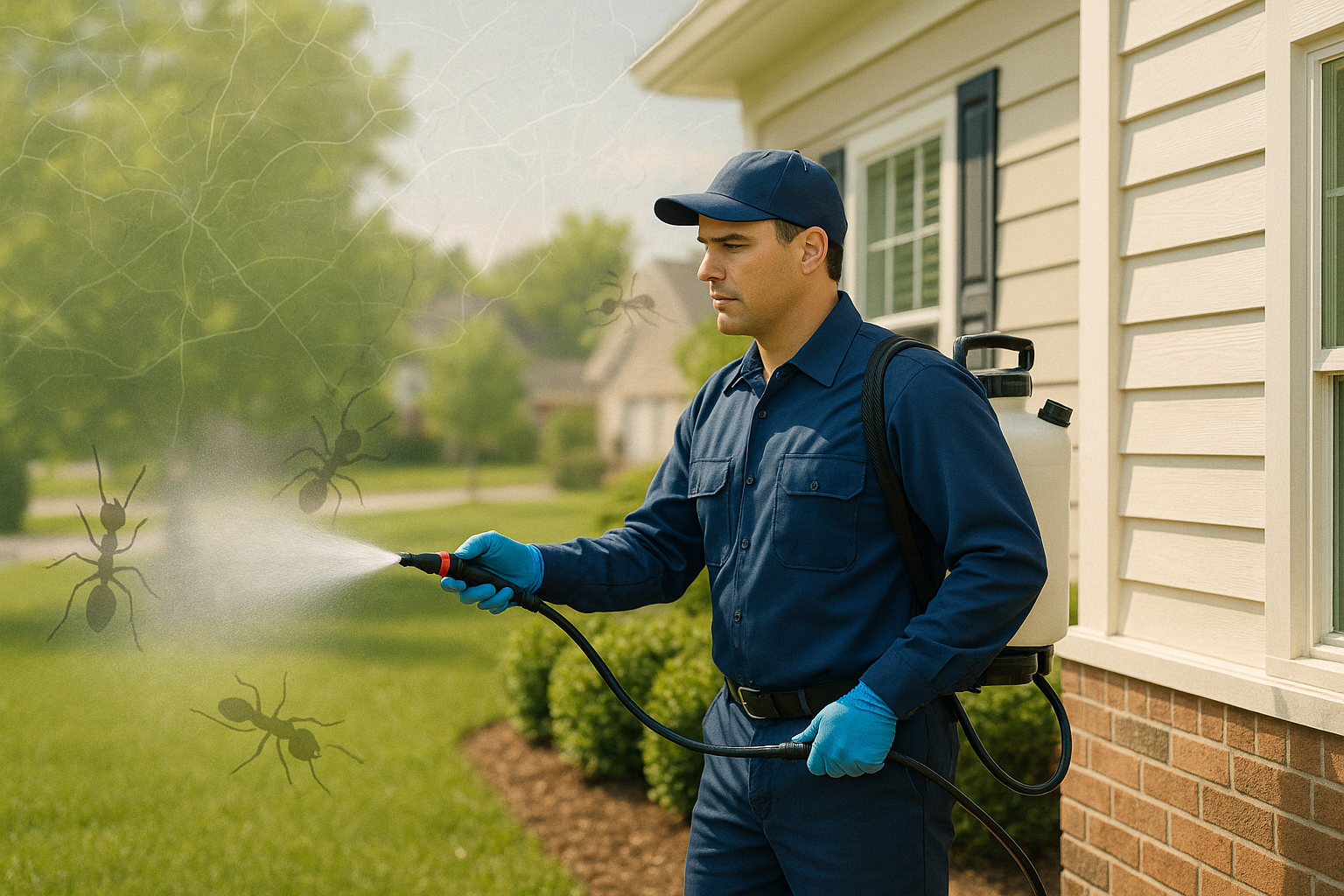
Ant Infestations: Why Prompt Action Matters in Brookhaven
Ants are master scouts. In Brookhaven’s humid climate, a colony often establishes a trail to a hidden moisture source—leaky pipes, damp wood, or a roof leak you haven’t noticed yet. That moisture not only fuels the ants but also creates the perfect breeding ground for mold, termites, and even rodents. In other words, the tiny procession you see today could be the first step toward a cascade of secondary pest problems.
Delaying treatment carries a double cost. Financially, a small ant trail can balloon into a full‑scale infestation that requires extensive chemical treatments, structural repairs, and possibly even mold remediation. Health‑wise, many ant species contaminate food surfaces with bacteria they pick up on their journey, increasing the risk of food‑borne illness for your family. The longer you wait, the deeper the colony embeds itself, and the harder—and more expensive—it becomes to eradicate.
That’s why this guide exists. Our goal is simple: to connect you with a vetted ant exterminator in Brookhaven, GA, who understands the local pest landscape and can recommend the most effective, affordable treatment plan. We’ll compare common options—bait stations, perimeter sprays, and eco‑friendly dusts—so you can choose a solution that fits your home and budget.
Everything you’ll read here is data‑driven, based on real‑world service calls, seasonal trends, and the specific building styles found throughout Brookhaven. By the end of the guide, you’ll not only know how to hire a qualified professional, but also how to prevent future colonies from taking up residence in the first place.
The Hidden Costs of Ant Infestations in Brookhaven
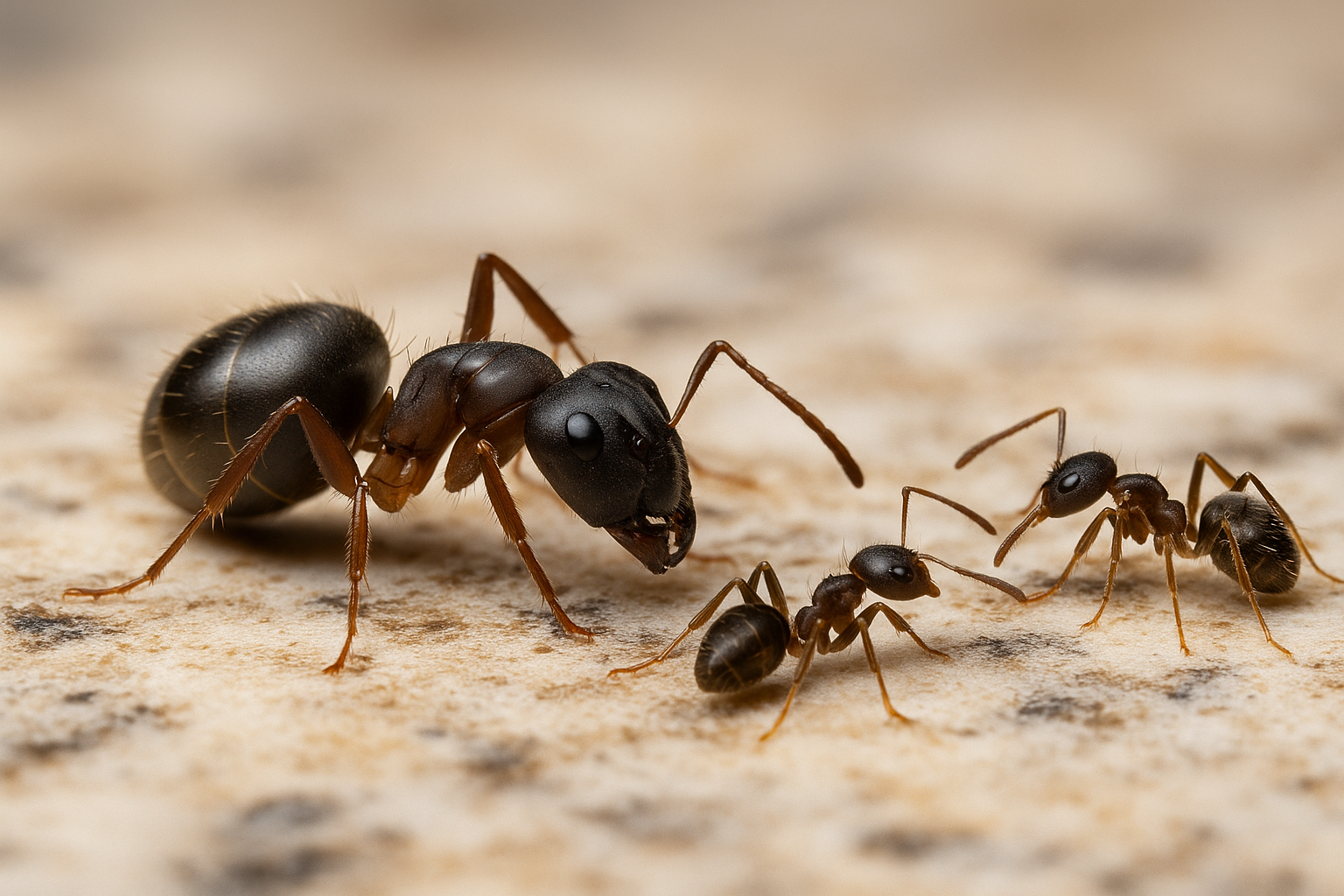
When an ant trail appears on your kitchen counter, the visible nuisance is only the tip of the iceberg. In Brookhaven, the three ant species that most frequently turn a simple nuisance into a costly problem are carpenter ants, odorous house ants, and pavement ants. Understanding how each one damages your home helps you see why early intervention is a smart financial move.
Carpenter Ants
Carpenter ants are the “structural engineers” of the pest world, but they build for all the wrong reasons. They tunnel through moist or decayed wood to create galleries for their colonies. Over time, these tunnels weaken load‑bearing beams, floor joists, and window frames. Homeowners often discover the damage only after a visible collapse or after a professional inspection reveals hollowed‑out wood. Repairing compromised framing can run from a few hundred dollars for minor patches to several thousand for extensive structural reinforcement.
Odorous House Ants
Odorous house ants are notorious for contaminating food supplies. As they forage, they leave behind a sweet, rotten‑egg scent that can transfer to pantry items, pet food, and even countertops. This contamination forces homeowners to discard bulk purchases, leading to waste that can quickly add up—especially during holiday seasons when groceries are bought in larger quantities. Moreover, the presence of these ants often signals moisture problems, which, if ignored, can foster mold growth and further increase remediation costs.
Pavement Ants
Pavement ants thrive in cracks around foundations, sidewalks, and driveways. While they rarely cause structural damage, their colonies can expand into wall voids and crawl spaces. Once they breach interior walls, they create pathways for other pests—such as termites or spiders—to follow. The indirect cost of a pavement ant infestation, therefore, lies in the heightened risk of secondary invasions that demand additional treatment and repair.
According to the EPA, ants rank among the top three household pests in the Southeast, causing up to $200 million in annual damage. This statistic underscores how widespread and financially draining ant problems can be, even in seemingly modest neighborhoods like Brookhaven.
The Fulton County Extension Service recently reported a sharp surge in carpenter ant reports for the past six months, attributing the rise to unusually wet springs that left many homes with increased moisture in wooden structures. This local spike highlights why Brookhaven homeowners should treat ant sightings as early warning signs rather than minor annoyances.
Beyond direct repair bills, unchecked ant infestations can depress property values. Prospective buyers often request a pest inspection, and a report of active ant colonies can lower offers or even derail a sale. Additionally, the damage created by carpenter ants can necessitate expensive foundation repairs, while contaminated food and secondary pest invasions increase ongoing maintenance costs. In short, the hidden expenses of an ant infestation compound quickly—making professional detection and treatment a cost‑effective safeguard for your home and your wallet.
Spot the Difference: How to Identify the Ants Invading Your Kitchen
When you see a line of tiny invaders marching across your countertop, the first instinct is to swat them away. But a quick visual check can tell you exactly which ant is inside your home—and that knowledge is the fastest route to an effective treatment. Below are the three traits you’ll notice first: size, coloration, and where the colony prefers to nest.
Key Identification Traits
- Size range: Ants can be as small as 1 mm (pharaoh ants) or as large as 13 mm (carpenter ants).
- Coloration: From jet‑black to light brown, some species even have a reddish sheen.
- Odor: A faint, sweet or musty smell often accompanies odorous house ants, while most others are scent‑free.
- Typical nest locations: Moist wood, soil, wall voids, or directly under appliances.
Quick‑Reference Table
| Species | Size (in.) | Color | Preferred Nest | Odor |
|---|---|---|---|---|
| Carpenter Ant | ¼‑½ | Black to reddish | Moist wood, structural voids | None |
| Odorous House Ant | ⅛‑¼ | Light brown | Wall cracks, under sinks | Sweet, coconut‑like |
| Pharaoh Ant | ⅛ | Yellow‑tan | Hidden indoor spaces (electrical boxes) | None |
| Pavement Ant | ⅛‑¼ | Dark brown | Outdoor soil, foundations | None |
DIY Inspection Checklist
- Turn off and pull out appliances (refrigerator, dishwasher). Look for ant trails on the back or underside.
- Inspect the pantry: open cabinets, check the corners of shelves, and feel for any damp wood or crumbling plaster.
- Walk the exterior perimeter of your home. Spot any ant activity near foundation cracks, mulch, or firewood piles.
- Observe trail patterns. Straight lines often signal odorous house ants; erratic zig‑zags may point to pavement ants.
- Take a clear photo of the worker ant—include a ruler or a coin for scale. A quick snap helps a professional confirm the species without a home visit.
Armed with these visual cues and a systematic walk‑through, you’ll know exactly which guest has crossed your kitchen threshold. When you have a photo and a checklist in hand, calling Anthem Pest Control becomes a simple next step—because the right solution starts with the right identification.
Brookhaven Areas with Higher Ant Activity
Dense landscaping is a key driver. Mature oak and magnolia trees drop leaf litter that traps moisture, while well‑kept flower beds create shaded, humid micro‑environments. Ants love these pockets of damp soil because they provide both a water source and a protected runway to forage. Older construction compounds the problem. Many homes built before 2000 feature foundation cracks, recessed entryways, and wooden siding that can retain moisture after rain. Such features act as natural shelters, allowing colonies to establish satellite nests under decks, in crawl spaces, or within garden beds.
The Peachtree Parkway corridor adds another layer of risk. Heavy traffic and frequent irrigation create a constant supply of water runoff, which seeps into adjacent lawns and mulch. This creates a moist belt that ants use to travel between food sources and nesting sites. The survey (2023 Fulton County pest‑survey) shows a clear concentration of ant activity along this strip, especially near vacant lots and newer apartment complexes.
When you assess your own property, take note of how close you sit to any of these hotspots. Even a short walk from Brookhaven Village or the Parkway can increase the likelihood of an early infestation. If your home borders dense trees, older foundations, or the irrigated parkway zone, consider scheduling a professional inspection now. Early detection and targeted treatment are the most cost‑effective ways to keep ant colonies from turning your yard into a highway.
Effective Ant Extermination Methods for Georgia Homeowners
Method 1 – Baiting
Bait stations use a slow‑acting poison that worker ants carry back to the nest. Because the toxin doesn’t kill on contact, the colony continues its normal foraging long enough for the poison to spread throughout the queen’s brood chamber. In a typical Georgia home, technicians place bait stations along ant trails, near entry points, and in concealed areas such as under appliances or behind baseboards. The stations are sealed, child‑proof, and designed to attract ants while keeping pets safe. Baiting is especially effective against carpenter ants and odorous house ants, which rely on a well‑organized colony structure.
Method 2 – Direct Sprays
When you see a visible trail or a sudden infestation, a quick‑knock‑down spray can provide immediate relief. Professionals apply a residual insecticide directly to the trail, cracks, and voids where ants travel. This method is ideal for indoor hot‑spot treatment or for outdoor perimeters during a seasonal surge. Safety is paramount: technicians wear protective gear, ensure proper ventilation, and keep the treated area off‑limits for at least two hours. Direct sprays should never replace a long‑term solution, as they only eliminate the ants you see, not the hidden colony.
Method 3 – Integrated Pest Management (IPM)
IPM blends prevention, monitoring, and targeted treatment into a single, sustainable plan. First, a thorough inspection identifies entry points, moisture problems, and food sources. Homeowners are then guided on sanitation—like sealing food containers and fixing leaks—to make the environment less inviting. Exclusion steps may include caulking gaps, repairing screens, and installing door sweeps. After the habitat is less hospitable, technicians employ a combination of baiting and spot‑sprays, followed by regular monitoring visits to catch any resurgence early. IPM not only reduces the immediate ant problem but also lowers the chance of future invasions.

| Method | Price Range (USD) |
|---|---|
| Baiting | $100 – $300 |
| Direct Sprays | $150 – $350 |
| Full IPM Program | $250 – $500 |
All treatments follow the NPMA guidelines on pesticide safety. Technicians use EPA‑registered products, apply the minimum effective dose, and provide homeowners with clear post‑treatment instructions to protect children, pets, and the indoor air quality.
Choosing a Reliable Ant Exterminator in Brookhaven
Red flags to watch for
- Missing state license: A reputable company must display a valid Georgia pest‑control license. Without it, they’re operating illegally.
- No EPA‑registered products: If the technician can’t name an EPA‑approved pesticide, the treatment may be ineffective or unsafe.
- Vague or “too good to be true” pricing: Extremely low quotes that don’t include a breakdown of labor, chemicals, and follow‑up visits often hide hidden fees.
Green lights to look for
- Certified technicians: Look for certifications from the National Pest Management Association (NPMA) or state‑approved training programs.
- Written service contracts: A clear contract outlines the scope of work, warranty terms, and cancellation policy.
- Verified local reviews: Check Google, Yelp, or the Better Business Bureau for consistent five‑star feedback from Brookhaven residents.
- NPMA affiliation: Membership signals a commitment to industry best practices and ongoing education.
- Transparent cost breakdowns: The estimate should list product costs, labor hours, and any additional service fees.
Why Anthem Pest stands out
Anthem Pest is fully Georgia‑licensed and uses only EPA‑approved products for ant control. Homeowners benefit from a 24‑hour response line, ensuring rapid treatment when an infestation spikes. Their local Brookhaven office means technicians are familiar with the area’s specific ant species and seasonal patterns, delivering faster, more targeted solutions.
Phone‑call checklist
- Ask for the company’s Georgia pest‑control license number and verify it on the state website.
- Request the names of EPA‑registered products they plan to use.
- Inquire about technician certifications and NPMA membership.
- Ask for a written estimate that separates product cost, labor, and any follow‑up visits.
- Request references or links to recent local reviews.
- Confirm the availability of a 24‑hour emergency line and the location of their nearest office.
Choosing a provider with proven local experience saves you time, money, and the frustration of repeated treatments. By following the red‑flag/green‑light checklist and using the phone‑call guide, Brookhaven homeowners can confidently select a pest‑control partner—like Anthem Pest—that delivers safe, effective, and transparent ant extermination.
Immediate Steps to Reduce Ant Activity Before the Technician Arrives
Before the professional arrives, a few simple actions can dramatically cut ant traffic and give the treatment a better chance of success. Think of it as clearing the stage so the exterminator can work without distractions.
Seal cracks and gaps
Ants use the tiniest openings to slip inside. Walk the perimeter of your home with a flashlight and caulk any cracks around the foundation, windows, doors, and utility penetrations. Pay special attention to where pipes and wires enter the house; expanding foam works well for larger gaps.
Eliminate food residues
Every crumb is an invitation. Wipe down countertops with a mild detergent, sweep floors after meals, and vacuum upholstery regularly. Store dry goods—flour, sugar, cereals—in airtight containers. A clean kitchen removes the scent trail that ants follow.
Secure pet food
Pet bowls are a hotspot for foraging ants. Keep dry pet food in sealed bins and wash feeding areas each night. If you leave water out, use a shallow dish that can be emptied and rinsed before bedtime.
Trim vegetation away from the house
Branches, vines, and shrubs that touch the foundation act as highways for ants. Prune trees and bushes to stay at least two feet from the exterior walls. This reduces moisture buildup and eliminates bridge routes into your home.
Quick “Do vs. Don’t” reference
| Do | Don’t |
|---|---|
| Caulk cracks around windows and doors. | Leave gaps unfilled. |
| Wipe spills immediately. | Leave food crumbs on counters. |
| Store pantry items in sealed containers. | Keep snacks in open bags. |
| Keep pet food in airtight bins. | Leave bowls out overnight. |
| Trim trees and shrubs at least 2 ft from the foundation. | Allow branches to rest on the house. |
Frequently Asked Questions About Ant Treatments
How long does a treatment last?
Professional baiting programs typically provide residual control for six to twelve months. The bait stations remain attractive to foraging ants, allowing the colony to consume the slow‑acting toxin over time. In contrast, liquid sprays or foggers offer a shorter window—generally one to three months—because the chemicals degrade when exposed to sunlight, moisture, and regular cleaning. Longevity also depends on colony size, ant species, seasonal temperature, and how well the home is kept free of food debris.
Will the chemicals affect my children or pets?
All products used by licensed technicians are registered with the EPA and have undergone rigorous safety testing. When applied according to the label, the risk to humans and animals is minimal. Nonetheless, it’s essential to follow the post‑treatment re‑entry times—usually 2–4 hours for sprays and up to **24 hours for foggers**—and keep children and pets out of treated zones until the area is declared safe. Professional applicators also take extra precautions, such as placing bait stations out of reach and using low‑odor, low‑toxicity formulations.
How many visits are typically required?
Most ant control plans start with an initial treatment to target the active foragers and the nest. This is followed by one to two follow‑up visits, usually spaced two to four weeks apart, to monitor the colony’s response and apply additional bait or spot‑treat as needed. Larger infestations or hard‑to‑reach colonies may require extra visits, but the standard three‑visit schedule covers the majority of residential situations.
Conclusion and Next Steps
When ants infiltrate your Brookhaven home, every day they linger increases the chance of structural damage, food contamination, and allergic reactions. A swift, professional response stops the colony before it spreads, saving you from expensive repairs and health concerns later on.
At Anthem Pest Control, our certified technicians know the local ant species and their habits. We use EPA‑approved products that are both effective and safe for families and pets, and we tailor each treatment to the specific conditions of Brookhaven neighborhoods. Our proven methods not only eliminate the current infestation but also create a barrier that deters future invasions.
Ready to protect your home? Call us today at 877‑371‑8196 for a complimentary inspection. Our team will assess the situation, explain the recommended plan, and answer any questions you have—no obligation.
We understand that choosing a pest‑control partner can feel overwhelming, which is why we offer a free, no‑pressure quote. Simply let us know the details of your ant problem, and we’ll provide a clear, transparent estimate so you can decide with confidence.
Beyond a one‑time treatment, Anthem Pest offers seasonal monitoring and preventative maintenance to keep your property ant‑free year after year. Our local technicians will revisit your home at key times, adjusting treatments as needed and providing you with peace of mind.