Why Flea Inspections Matter in Brookhaven
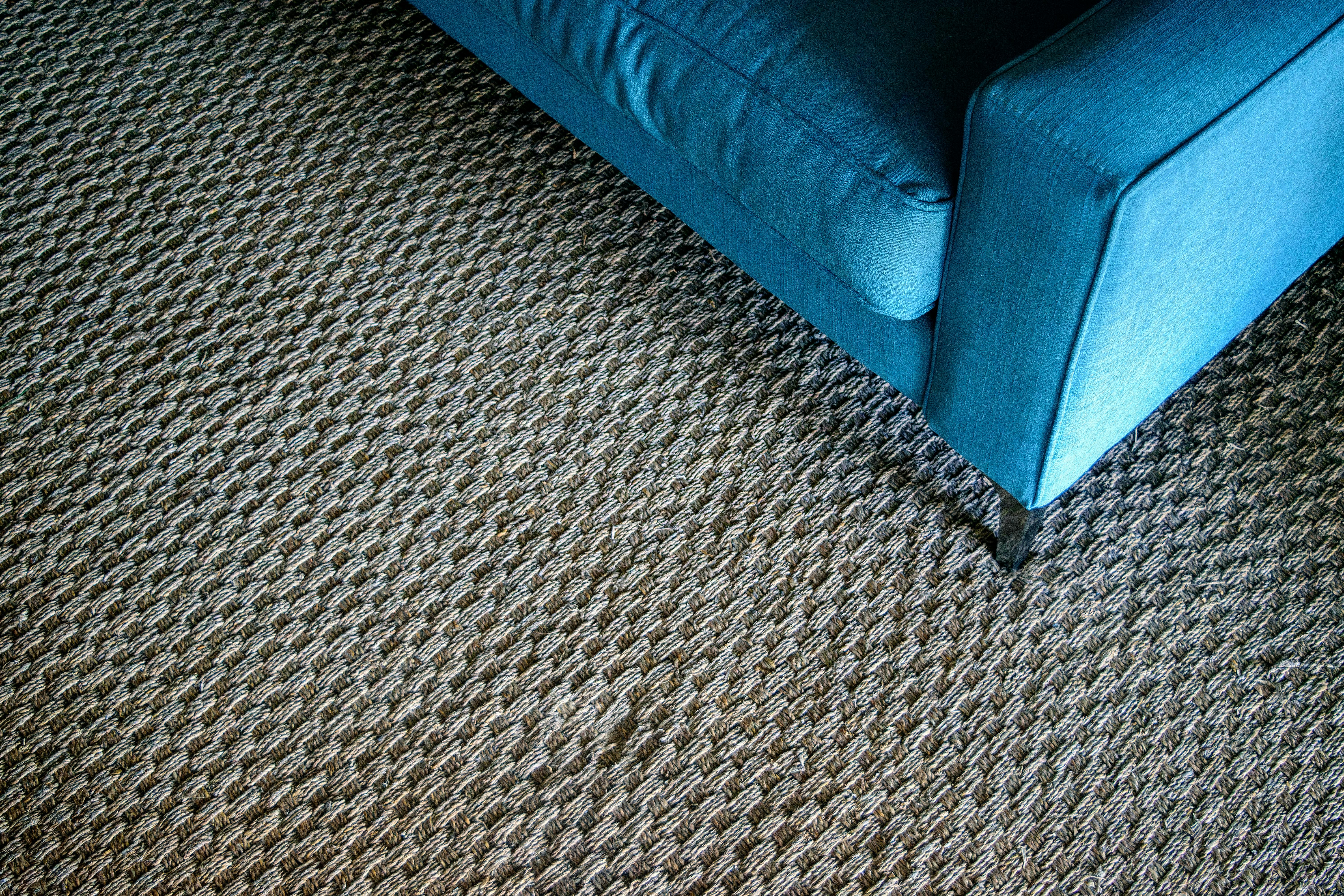
Beyond health, fleas can damage the very fabric of your home. Their excrement and blood meals leave dark, rust‑colored stains on carpets and rugs, while repeated feeding on upholstery accelerates fabric wear and tear. In severe infestations, flea larvae can accumulate in wall voids and under floorboards, creating a hidden reservoir that compromises structural integrity and encourages other pests.
Brookhaven’s dense residential layout and the city’s high pet‑ownership rates create a perfect storm for flea proliferation. Neighbors live close together, so an untreated pet in one yard can quickly become a problem for the next door. According to the CDC, roughly 15 % of U.S. households own pets and consequently face a higher risk of flea exposure (source).
Local data reinforce the urgency. The EPA reported a 12 % rise in flea‑related service calls across the Atlanta metropolitan area in 2023 (source). While the EPA’s figures are based on service‑provider surveys, they provide a reliable snapshot of growing demand for professional flea control in our region.
Verifying the EPA increase is straightforward: compare the 2022 and 2023 call volumes published in the agency’s annual pest‑control summary. The upward trend confirms that Brookhaven homeowners are encountering more flea activity, making regular inspections a proactive safeguard for health, comfort, and property value.
Flea Biology and the Life Cycle

Understanding flea development helps you spot an infestation early and choose the right treatment. A flea’s life is a four‑stage cycle, each hiding in a different part of your home.
Egg stage
Adult fleas drop tiny white eggs onto the pet’s fur. Within minutes the eggs slip off and settle in warm spots—pet bedding, carpet seams, under furniture, or floor cracks. Because eggs are barely visible, they often go unnoticed until they hatch.
Larval stage
After 2‑5 days, the eggs hatch into legless larvae that avoid light. These tiny creatures feed on organic debris such as dead skin cells, hair, and especially the adult flea’s feces (which is rich in protein). They stay hidden in carpet fibers, under rugs, or in cracks, making detection difficult.
Pupal stage
When the larva is ready, it spins a silky cocoon and enters the pupal stage. The cocoon protects the developing flea for up to several weeks. Vibrations, carbon dioxide, or the scent of a passing host can trigger the adult to break free, which is why a sudden “jump” in flea activity often follows a pet’s return home.
Adult stage
Fully grown fleas are only a few millimeters long but can jump 100 times their body length. They feed exclusively on blood, usually within minutes, and a single female can lay up to 50 eggs per day (NPMA). Within a week, an adult female can produce hundreds of offspring, turning a few fleas into a full‑blown infestation.
Why targeting every stage matters
Because each stage hides in a different environment, an effective inspection looks for eggs in bedding, larvae in carpet, pupae in cracks, and adults on pets. Professional treatments combine adulticides, growth regulators, and thorough cleaning to break the cycle at every point.
Red Flags Every Homeowner Should Notice
Fleas are tiny, but the clues they leave behind are anything but subtle. Spotting the warning signs early can save you weeks of scratching, costly treatments, and stress for both you and your pets.
- Pet scratching and visible irritation. If your dog or cat scratches more than usual—especially around the neck, tail base, or belly—it’s a strong sign fleas are present.
- Flea “dirt” on bedding or floor. These tiny black specks are flea feces; a damp paper test will turn them reddish‑brown, confirming a bite.
- Bite clusters on humans. Flea bites appear in groups of three or four, usually on ankles or calves, and itch intensely.
- Pet fur loss or thinning. Heavy infestations often cause bald patches around the tail and back as pets groom themselves.
Often, two or more of these clues show up at the same time, giving you a clear picture that fleas have taken hold.
Local insight: In Brookhaven, neighborhoods such as Brookhaven Forest, Brookhaven Village, and North Druid Hills see more flea reports because of dense pet ownership. Brookhaven’s pet density is about 1.2 pets per household, nearly 20% higher than the state average, creating a perfect breeding ground for fleas.
According to the CDC, untreated homes can experience 5–10 flea bites per night on average. The CDC’s study of homes across the U.S. found that untreated residences average five to ten bites each night, underscoring how quickly fleas can become a nuisance. Source
If any of these red flags appear, give Anthem Pest Control a call at 877‑371‑8196. Our local technicians will assess your home, recommend a safe treatment plan, and help you reclaim a bite‑free environment.
Step‑by‑Step Walkthrough of Anthem Pest’s Inspection Process

Pre‑visit preparation
Before the technician arrives, take a few minutes to tidy up high‑traffic areas. Clear clutter from floors, move pet toys aside, and pull back any blankets or cushions that might hide flea activity. Identify the spots where your pets spend the most time—pet beds, feeding stations, and favorite lounging spots—so you can point them out to the inspector. Finally, ensure every room is accessible; unlock interior doors and keep pathways clear so the technician can move freely.
Technician arrival
When the professional arrives, they’ll wear a company‑issued badge and introduce themselves by name. Anthem Pest emphasizes safety, so the technician will explain any protective measures they’ll take, such as wearing gloves or using low‑odor UV lights. This brief introduction builds trust and lets you know exactly what to expect during the inspection.
Room‑by‑room assessment
The inspection proceeds systematically, starting at the entryway and moving through each space. The technician conducts a visual sweep, looking for adult fleas, larvae, and tell‑tale signs like flea dirt (tiny black specks). A handheld UV light highlights flea dirt that’s invisible to the naked eye. In addition, small flea traps are strategically placed to capture any jumping fleas for later analysis.
Sample inspection checklist
- Check pet bedding, crates, and carrier interiors.
- Inspect under furniture, especially sofas and chairs.
- Examine baseboards, carpet edges, and floor seams.
- Look behind appliances and in closet corners.
- Survey outdoor pet shelters and entryways.
Reporting and next steps
After the walkthrough, the technician provides a written summary that outlines findings, severity, and any immediate concerns. The report includes recommended treatment options, a projected timeline for resolution, and preventive measures you can implement right away. All recommendations are backed by transparent pricing, so you know exactly what each service will cost.
Inspection fee range
Deciding Between DIY Solutions and Professional Help
When a flea problem surfaces in your Brookhaven home, the first question is whether to tackle it yourself or call in a licensed professional. Both paths have merit, but the decision hinges on three core factors: how well the method works, how safe it is for children and pets, and how it aligns with local regulations.
Common DIY Options
- Over‑the‑counter sprays and foggers
- Flea powders or granules applied to carpets and pet bedding
- Home‑made traps using dish soap, water, and light sources
Effectiveness Comparison
A University of Georgia Extension study found professional treatments achieved a 78% success rate, while typical DIY attempts only reached 42%. The research tracked households over a six‑week period, measuring how many flea eggs and adult fleas remained after each intervention.
Safety Concerns
DIY chemicals often contain pyrethrins or organophosphates that can irritate skin, eyes, and respiratory passages. Improper application—such as over‑spraying or neglecting ventilation—puts children, seniors, and especially pets at risk. Professionals follow EPA‑approved protocols, use calibrated equipment, and wear protective gear, dramatically reducing accidental exposure.
Long‑Term Control
Home remedies usually require repeated applications every few days, and the results fade quickly if the life cycle isn’t fully interrupted. A licensed pest‑control service implements an integrated approach: targeted adulticide, larvicide, and environmental treatments combined with follow‑up visits to ensure the infestation stays suppressed.
Brookhaven HOA Restrictions
The Brookhaven Homeowners Association prohibits the use of certain broad‑spectrum insecticides on shared walkways and front yards. Many over‑the‑counter products fall into this category, meaning a DIY effort could violate HOA rules and trigger fines. Professional technicians are familiar with approved formulations and can obtain any necessary permits on your behalf.
Verifying the UGA Study Findings
The extension publication (C896) is publicly available on the University of Georgia’s website and includes a detailed methodology, sample size, and statistical analysis. Homeowners can review the PDF to confirm that the 78% versus 42% success rates reflect real‑world conditions, not just laboratory results.
Proven Flea Elimination Methods
When fleas invade a Brookhaven home, a single‑track approach rarely works. Anthem Pest relies on an Integrated Pest Management (IPM) strategy that blends low‑toxicity chemicals, mechanical removal, and pet‑safe options. The goal is to crush the flea life cycle while keeping your family and furry friends safe.
Chemical Component: Low‑Toxicity Insecticides
Our technicians apply EPA‑approved, low‑toxicity insecticides directly to cracks, baseboards, and areas where pets spend time. These products target adult fleas and emerging larvae without lingering odors or harsh residues. By concentrating treatment in hidden pathways, we prevent re‑infestation from eggs that have already hatched in wall voids or under flooring.
Mechanical Component: Vacuuming and Steam Cleaning
Even the best insecticide can’t reach every flea egg lodged in carpet fibers or upholstery. That’s why a thorough vacuuming session is mandatory on the first visit. We follow up with high‑temperature steam cleaning on carpets, rugs, and pet bedding. The heat instantly kills eggs, pupae, and adult fleas, while the vacuum removes debris that could shelter surviving insects.
Pet‑Safe Treatments
Anthem Pest works hand‑in‑hand with veterinarians to recommend spot‑on products and oral medications that are proven safe for cats and dogs. These treatments continue to kill fleas on the animal’s body for weeks after the home‑wide service, creating a dual barrier that stops new fleas from jumping back onto your pets.
Three‑Visit Protocol
- Initial Treatment: Chemical application, deep vacuuming, and steam cleaning to knock down the current infestation.
- 2‑Week Follow‑Up: Re‑application of insecticide to catch any survivors emerging from pupae, plus a quick vacuum sweep.
- 4‑Week Final Check: Inspection of all treated zones, final chemical touch‑up if needed, and verification that the flea cycle is fully broken.
Pricing Overview
The full IPM package for homes between 1,500 sq ft and 2,500 sq ft ranges from $180 to $320, depending on the square footage and specific pet‑safe products chosen. Prices are transparent, with no hidden fees, and reflect the comprehensive three‑visit schedule. We always advise homeowners to verify current pricing on the Anthem Pest website before scheduling, as rates may adjust seasonally.
Why Choose Anthem Pest?
Our IPM approach isn’t just a checklist—it’s a science‑backed method that respects your home’s ecosystem. By combining low‑toxicity chemicals, rigorous mechanical removal, and veterinarian‑approved pet treatments, we eliminate fleas at every stage of their life cycle. The result? A flea‑free home, peace of mind for you, and a happy, itch‑free pet.
Best Times of Year to Schedule Inspections
Key Inspection Windows
- Pre‑emptive inspection in March – As temperatures rise above 55 °F, adult fleas start emerging and laying eggs. A March check catches the first wave before the breeding season really gets underway.
- Follow‑up inspection in September – After the summer surge, September offers a chance to assess any lingering hotspots and apply a final treatment before winter dormancy.
- Spot checks during peak months – If you notice increased pet scratching or wildlife activity, a quick inspection in May, June, or July can prevent a full‑blown infestation.
According to the U.S. Environmental Protection Agency, 65% of flea reports occur between May and September. This statistic reinforces why the March and September windows are so critical: they bracket the period when most homeowners encounter problems, allowing you to act before the bulk of complaints surface.
Brookhaven’s community calendar also influences exposure. The bustling Farmers Market and seasonal pet‑friendly gatherings draw crowds and animals outdoors from April through August, creating additional opportunities for fleas to hitch a ride onto clothing, shoes, or pets. Scheduling inspections around these events—especially before they kick off—helps you stay one step ahead of any accidental introductions.
During a professional inspection, technicians will:
- Identify flea life‑stage hotspots in carpets, pet bedding, and outdoor lounging areas.
- Assess environmental conditions that favor rapid breeding, such as shaded mulch or damp leaf litter.
- Recommend a tailored treatment plan that aligns with the upcoming season’s risk level.
By timing your inspections to match the natural flea cycle and local community activities, Brookhaven homeowners can keep their homes comfortable year‑round while minimizing the need for emergency pest control.
Quick Answers for Brookhaven Homeowners
We hear the same flea questions from neighbors across Brookhaven. Below are straight‑to‑the‑point answers so you can decide quickly whether it’s time to call Anthem Pest.
- How long does a full treatment take? – A complete flea elimination program usually requires three visits spaced over four weeks. The first visit targets adult fleas, the second hits emerging eggs and larvae, and the final visit ensures any hidden survivors are gone.
- Is treatment safe for cats and dogs? – Yes, when we use pet‑safe products and follow technician guidelines. Our technicians apply low‑toxicity insect growth regulators and spot‑on sprays that are approved for use around cats and dogs, and we advise you to keep pets away from treated zones for the short drying period.
- Will fleas return after treatment? – Proper Integrated Pest Management (IPM) dramatically lowers recurrence, but no method is 100 % guarantee. Ongoing monitoring, regular vacuuming, and prompt pet grooming keep the environment hostile to new fleas.
- Do I need to treat the yard? – Often, yes. If your pets spend time outdoors or you have shaded mulch, grass, or garden beds, treating the perimeter creates a barrier that stops adult fleas from jumping back inside.
- How soon will I see results? – Most homeowners notice fewer bites and less flea activity within 3–5 days after the first visit. Full eradication becomes evident after the third visit when the life cycle is fully disrupted.
Still have a question? Our local Brookhaven team is ready to walk you through the process and tailor a plan that fits your family and pets.
Simple Steps to Secure Your Home
When you’re ready to protect your Brookhaven home from fleas, Anthem Pest makes the booking process as painless as possible.
Pick up the phone
Dial 877‑371‑8196 and you’ll be connected to a friendly scheduling specialist. They’ll confirm the address, ask a few quick questions about the flea activity you’ve noticed, and lock in a convenient time slot.
Or book online in minutes
Visit the Anthem Pest website, click the “Flea Inspection” service, and choose the date and time that fits your calendar. The system automatically saves your contact details and sends a provisional reservation.
24‑hour response guarantee
Brookhaven residents enjoy Anthem’s 24‑hour response guarantee. After you submit a request—by phone or online—a technician will reach out within one business day to confirm the appointment and answer any last‑minute questions.
What you’ll receive next
- Confirmation email with a clear prep checklist (remove clutter, vacuum floors, and secure pets).
- Direct phone number for the assigned technician.
- Link to verify the 24‑hour guarantee on Anthem’s service page.
By following these simple steps, you’ll have a qualified professional on the way, and you’ll know exactly what to do before they arrive—giving you peace of mind and a flea‑free home.
Protect Your Brookhaven Home Today
Catching a flea problem early is more than a convenience—it’s a safeguard for your family’s health, your home’s furnishings, and your wallet. Early detection stops itching and allergic reactions before they spread, prevents damage to carpets and upholstery, and eliminates the costly, repeated treatments that come with a full‑blown infestation.
Anthem Pest knows Brookhaven inside and out. We understand how the humid Georgia summers, the shade‑filled oak canopies, and local HOA pest‑policy nuances create a perfect breeding ground for fleas. Our technicians use that climate‑specific insight to choose the most effective monitoring tools and treatment schedules, ensuring compliance with community guidelines while delivering results that last. We also stay current with Brookhaven’s seasonal pest alerts, so you receive proactive treatments before fleas can establish a foothold.
Give yourself peace of mind by scheduling a free, no‑obligation quote. Our certified inspectors will walk your property, pinpoint any early signs, and outline a customized prevention plan.