Quick Overview of Millipede Invasions in Dunwoody
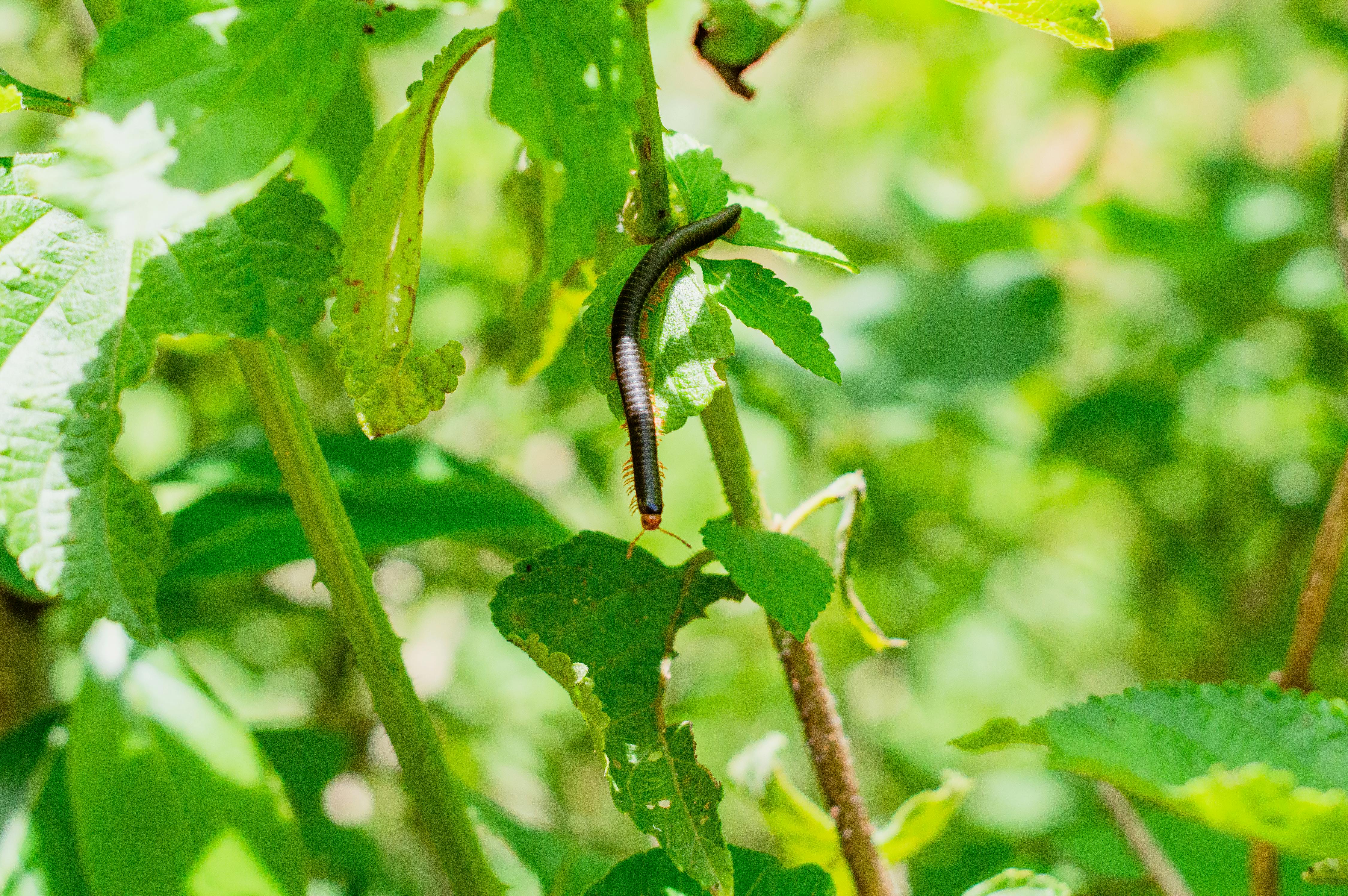
Millipedes aren’t looking for a snack; they’re after shelter, humidity, and a safe place to hide. When outdoor conditions become too wet, they crawl indoors seeking dry basements, bathrooms, and even kitchen cabinets where moisture accumulates. Their soft bodies can slip through tiny cracks, and once inside, they congregate in damp corners, feeding on decaying organic matter. While they’re harmless to humans, a large infestation can be unsettling and may indicate broader moisture problems that need attention.
That’s where Anthem Pest Control steps in. As Dunwoody’s trusted, locally‑based exterminator, Anthem Pest offers rapid, professional millipede relief that’s both safe for your family and effective against the pests. Our technicians arrive on schedule, assess the entry points, and apply targeted treatments that eliminate the current invasion while preventing future incursions.
In the sections that follow, we’ll walk you through everything you need to know: how to identify millipedes, the risks they pose, the most reliable treatment options, transparent pricing, practical prevention tips, and answers to the most common questions. By the end of this guide, you’ll have a clear roadmap to reclaim a millipede‑free home—quickly and confidently.
Know the Pest – Millipede Basics
Millipedes belong to the class Diplopoda, a group of arthropods that thrives in the moist soils of Georgia. The most common species you’ll encounter in the Dunwoody area are the Oxidus gracilis (greenhouse millipede) and the Narceus americanus (American giant millipede). Both are native to the Southeast and appear most frequently after heavy rains. They belong to the order Polydesmida, family Paradoxosomatidae, which includes garden species that wander indoors during damp periods.
Physical traits you’ll spot
These creatures have a cylindrical, segmented body covered in a hard exoskeleton that ranges from dark brown to almost black. Each segment typically bears two pairs of legs, giving them the “many‑legged” appearance that can be startling but is harmless. An adult millipede can have anywhere from 30 to 400 legs, depending on its species and growth stage. Their short antennae wave as they navigate leaf litter, and dorsal plates show faint ridges that retain moisture.
Millipede vs. centipede: quick visual guide
- Leg count: Millipedes – two pairs per segment (30‑400 legs); Centipedes – one pair per segment (15‑177 legs).
- Speed: Millipedes move slowly, often a few centimeters per second; Centipedes are fast runners, capable of sprinting across a floor.
- Bite risk: Millipedes do not bite and are considered harmless; Centipedes possess venomous forcipules and can bite if provoked.
How common are they?
According to the EPA 2024 survey, roughly 30 % of U.S. homes report millipede sightings during wet seasons. In the Southeast, reports rise to nearly 45 % of homes, highlighting the rainfall‑millipede link. The numbers climb in Georgia, where humidity and seasonal rains create an ideal environment for these detritivores.
Why they matter to you
Millipedes do not damage wood, drywall, or wiring, but large numbers can become a visual nuisance, especially when they gather near entryways or crawl across countertops. Homeowners often find them in basements, laundry rooms, or near outdoor lights before seeking shelter. Understanding their harmless nature helps you decide whether a simple exclusion strategy or a professional treatment is the right move for your home.
Why Dunwoody Becomes a Millipede Hotspot
Dunwoody sits in a humid subtropical zone, meaning warm summers and mild winters with plenty of moisture in the air. Average annual precipitation tops 50 inches, and the region rarely experiences the dry spells that keep many soil‑dwelling pests at bay.
Rainfall isn’t evenly spread throughout the year. Spring showers and summer thunderstorms deliver sustained moisture, while fall brings gentle drizzles that keep the ground damp well into October. These wet windows line up perfectly with the life cycle of millipedes, which hatch and mature in moist soil.
Neighborhood landscaping amplifies the natural humidity. In subdivisions like Brookhaven, Peachtree Corners, and Dunwoody Village, homeowners favor thick mulch beds, sprawling leaf litter, and dense tree canopies. Mulch retains water, leaf piles act as shelters, and a closed canopy reduces sunlight, slowing evaporation and creating a cool, damp micro‑climate right at the curb.
A 2023 Georgia Cooperative Extension report highlighted a sharp rise in moisture‑related pest activity across Fulton County during the months of April through September (Extension 2023). Millipedes were among the top responders, with trap counts doubling in areas that combined heavy mulch with high canopy cover.
Because these conditions cluster in specific neighborhoods, a map‑style graphic showing “high‑risk zones” can help homeowners visualize where millipedes are most likely to appear. Such a map would pinpoint streets with extensive mulching, older tree lines, and frequent leaf accumulation.
When the soil stays wet, millipedes venture out to avoid drowning, often seeking refuge in crawl spaces, basements, or under siding. Understanding the local climate and landscaping habits is the first step in cutting off their pathway into your home.
Risks Millipedes Pose to Your Home
Although millipedes are harmless to humans, a large swarm can become a serious nuisance inside a residence. Their primary threat is structural. Millipedes feed on decaying plant material, but when they encounter organic debris inside walls, insulation or stored wood, they will chew it indiscriminately. This activity can weaken soft framing, create unsightly staining on drywall, and leave a greasy residue that attracts mold. In addition, the tiny bodies and shed exoskeletons easily slip into floor drains and bathroom traps, forming blockages that cause slow‑draining sinks or even overflow during heavy use.
From a health perspective, millipedes are non‑venomous and do not bite or sting. However, the proteins in their hemolymph can trigger allergic reactions in sensitive occupants. Symptoms range from mild skin irritation to respiratory discomfort, especially for individuals with asthma or existing allergies. The risk is amplified when a swarm dies en masse, releasing dust that can be inhaled or come into contact with skin.
Real‑world example: A Dunwoody homeowner reported a 15‑square‑foot carpet stain after a sudden millipede invasion. The insects released a dark, oily fluid that seeped into the fibers, leaving a permanent discoloration that required professional cleaning and, in some cases, carpet replacement.
These impacts underscore why early detection and prompt treatment are essential. The National Pest Management Association (NPMA) notes that millipede activity can lead to both structural damage and health concerns if left unchecked.NPMA 2024
Because millipedes thrive in moist, cluttered areas, sealing cracks, reducing humidity, and removing leaf litter around the foundation are first‑line defenses. When an infestation is already visible, a licensed exterminator can apply targeted baits and barrier treatments that eliminate the colony safely and prevent recurrence.
Anthem Pest’s Fast Millipede Extermination Process
Step 1 – Inspection
Our certified technicians begin with a meticulous walk‑through of the property. We locate every possible entry point—cracks in the foundation, gaps around utility penetrations, and openings in siding. Simultaneously, we assess moisture sources such as leaky gutters, damp basements, or standing water in crawl spaces, because millipedes are attracted to humidity. Every observation is documented with photos and a detailed infestation level rating, giving you a clear picture of the problem before any chemicals touch your home.
Step 2 – Treatment
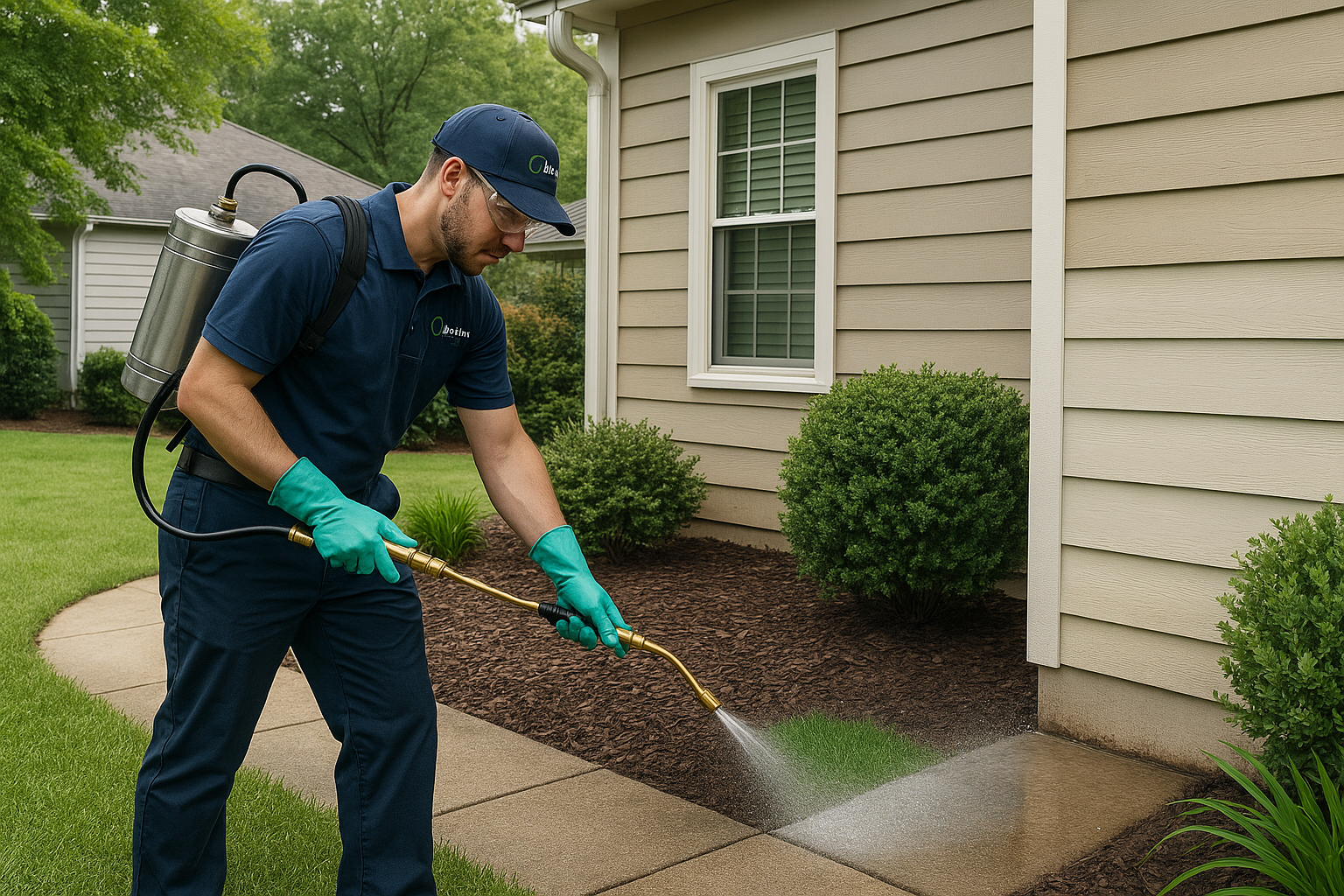
With the inspection complete, we move to the treatment phase. Anthem Pest applies an EPA‑registered, low‑odor bifenthrin spray directly to the foundation perimeter, crawl‑space voids, and interior entry zones identified during the inspection. Bifenthrin is a proven, fast‑acting insecticide that targets millipedes on contact and provides residual protection for weeks. Our technicians use calibrated equipment to ensure an even, precise application, minimizing any overspray and keeping the treatment virtually invisible to occupants.
Step 3 – Prevention
Elimination alone isn’t enough; we equip homeowners with practical steps to keep millipedes out for good. Recommendations include trimming vegetation away from the house, installing proper drainage to divert water away from foundations, and sealing cracks with high‑quality caulk or expandable foam. For homes with crawl‑space ventilation issues, we suggest installing dehumidifiers or vent fans to lower humidity levels—a key factor that discourages millipedes from returning.
Safety Assurance
All products we use are EPA‑approved and, when applied according to label directions, are safe for children and pets. Our technicians wear protective gear and follow strict safety protocols, so you can feel confident that the treatment will not linger on surfaces or in the air. We also provide post‑treatment instructions, such as keeping pets and small children away from treated zones for a short, defined period.
Ready to see the full scope of our millipede services? Visit our dedicated Anthem Millipede Service page for detailed pricing, FAQs, and customer testimonials. With Anthem Pest, you get a fast, reliable solution that protects your home today and prevents tomorrow’s pest problems.
Transparent Pricing and Service Guarantees
Itemized Pricing
- Inspection fee: $50 – a thorough visual assessment of your property, identifying entry points and infestation hotspots.
- Treatment application: $70‑$150 – depends on square footage and the level of activity; we apply a targeted, low‑toxicity solution that reaches cracks, baseboards, and outdoor perimeters.
- Optional follow‑up visit: $30 – a one‑time check‑up to ensure the treatment remains effective, especially after heavy rain or landscaping changes.
The total cost for a complete service typically falls between $120 and $250, aligning with the range outlined in Section 5. Smaller homes or apartments on the lower end of the square‑footage spectrum will see the $120 figure, while larger properties with extensive landscaping may approach $250.
We stand behind our work with a 30‑day guarantee. If millipedes reappear within thirty days of treatment, we’ll return at no extra charge to re‑treat the affected areas.
Because we list every charge up front, you’ll never encounter hidden fees or surprise invoices—just a straightforward plan that fits your budget. Our friendly team is available 24/7 to answer questions and arrange service at a time that works for you.
Ready to protect your home? Call us today at 877‑371‑8196 and schedule your transparent, risk‑free millipede solution.
Year‑Round Prevention Strategies for Dunwoody Homeowners
Landscape Practices that Starve Millipedes
Millipedes love the cool, damp refuge that mulch and leaf litter provide. Keep mulch layers no thicker than 2 inches and pull back any excess that touches your foundation. Regularly rake away fallen leaves, especially after the first autumn rains, to eliminate their favorite hiding spots.
Trim shrubs, vines, and any ground‑cover vegetation so it stays at least a foot away from the house. This creates a dry buffer zone that makes it harder for millipedes to climb onto your walls or slip under doors.
Home Maintenance Essentials
Seal any cracks or gaps in your foundation with a high‑quality silicone or polyurethane caulk. Even tiny openings can become highways for millipedes during wet weather. Install door sweeps on all exterior doors; the simple brush barrier stops them from marching straight into your living space.
Basements and crawl spaces are natural moisture magnets. Run a dehumidifier to keep humidity below 60 % and fix any drainage issues that let water pool near the footing. Dry conditions are the most effective deterrent.
Seasonal Timing for Proactive Treatments
Schedule a post‑rain follow‑up in early fall (September‑October) after the summer storms subside. This second application catches any survivors that have taken shelter and prevents them from reproducing over the winter.
Local Resources and Expert Guidance
The Fulton County Extension Office offers region‑specific advice on soil moisture management, native plant selection, and pest‑proof landscaping. Visit their website for detailed recommendations and printable checklists: Fulton County Extension.
Partnering with a knowledgeable pest‑control professional, like Anthem Pest Control, ensures that your prevention plan aligns with local conditions and the latest best practices. A quick call to 877‑371‑8196 can set you up with a customized, year‑round protection package.
Frequently Asked Questions About Millipedes
Below are answers to the most common questions homeowners ask about millipedes and our treatment process.
Do millipedes bite?
No, millipedes do not bite humans. Their mouthparts are designed for feeding on decaying plant material, not for piercing skin. When they feel threatened, they may release a harmless, sometimes odorous fluid as a defensive measure. This secretion can stain surfaces but poses no health risk.EPA, 2022
How long does treatment last?
A professional millipede treatment typically provides protection for 4–6 weeks, assuming you follow our recommended prevention steps such as reducing moisture and sealing entry points. Re‑inspection may be scheduled to ensure the population remains under control and to determine if a follow‑up application is needed.NPMA, 2023
Can I keep pets during treatment?
Yes, pets can remain in the home, but they should be kept away from treated zones for 2–4 hours until the product has dried. All products we use are EPA‑approved for residential use and are pet‑safe when applied exactly as instructed. After the drying period, normal pet activity can resume.
What if I have other pests?
Anthem Pest Control offers an integrated pest management (IPM) approach. If you’re dealing with ants, spiders, or other common household pests, we can coordinate simultaneous treatments, selecting compatible products that address multiple issues without compromising safety or effectiveness.
If you have additional concerns, our certified technicians are happy to provide personalized guidance and ensure your home stays millipede‑free.
Fast Relief and Next Steps
When millipedes swarm your yard or crawl inside, swift action is essential. A quick response stops structural damage from moisture‑related decay, eliminates health risks linked to allergens, and prevents the insects from establishing a lasting foothold that can trigger recurring infestations.
Anthem Pest knows Dunwoody’s unique climate, soil composition, and seasonal patterns better than anyone. Our technicians are trained to identify the exact entry points and breeding sites that are common in this area, and we offer same‑day scheduling so you’re not left waiting while the problem spreads.
Ready for fast, reliable relief? Request a free, no‑obligation quote today and let our local experts design a tailored millipede‑extermination plan that fits your budget. Call us now at 877‑371‑8196 or visit Anthem Pest Control to schedule your service.