Fruit Fly Surge in Dunwoody – Why Immediate Action Matters
Fruit flies may seem harmless, but they’re carriers of bacteria that thrive on fermenting sugars. When they land on countertops, cutting boards, or open containers, they can deposit pathogens like E. coli and Salmonella, turning a simple fruit salad into a health hazard. Moreover, their larvae feed on decaying matter, contaminating pantry items and compromising food safety for the entire household. Ignoring the problem can quickly evolve into a costly cleanup and potential illness for family members.
The fruit‑fly life cycle is lightning‑fast. An adult can lay up to 150 eggs on a single piece of overripe fruit, and those eggs hatch in 24‑48 hours. Within a week, the larvae mature into adults ready to reproduce again. This exponential growth means that a handful of flies spotted today could become a full‑blown swarm by next weekend if left unchecked.
Because fruit flies multiply before you even notice them, every day of delay gives them a larger foothold. Prompt action stops the breeding cycle, protects your food, and saves you from expensive professional treatments later.
Don’t wait for the infestation to take over your kitchen. In the next sections we’ll walk you through a step‑by‑step plan—identifying breeding sites, eliminating attractants, and applying targeted treatments that are safe for children and pets. And when the job calls for professional expertise, Anthem Pest is the trusted local partner that offers fast, affordable, and EPA‑approved solutions right here in Dunwoody.
Spot the Culprit – How to Identify Fruit Flies
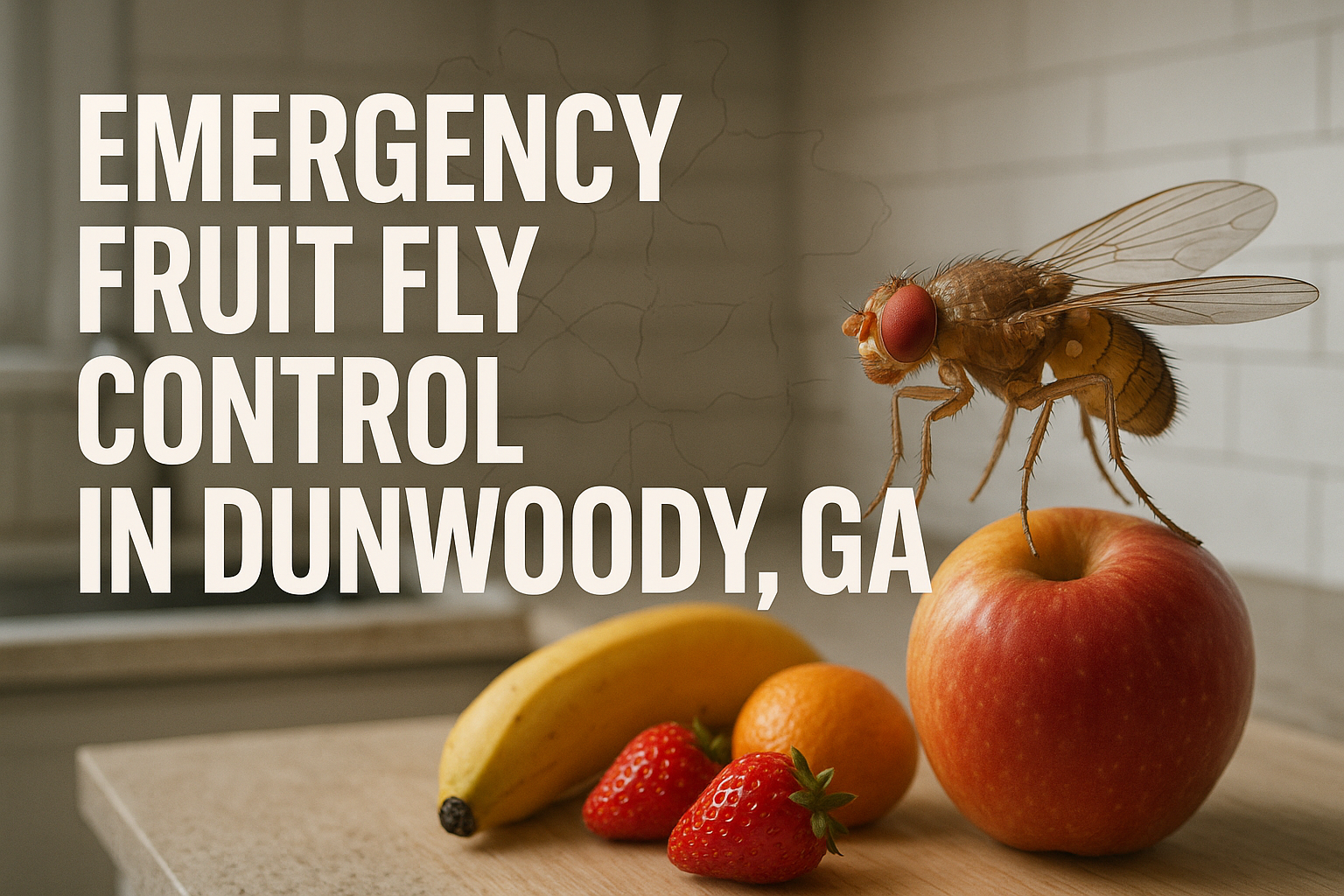
Fruit flies are tiny, measuring just 1‑3 mm from head to wing tip. Their bodies are a muted tan‑brown, and the wings show a faint, speckled pattern that catches the light when they hover. Unlike house flies, fruit flies beat their wings at a blistering rate, creating a rapid, erratic flight that seems to dart in and out of sight within seconds.
These insects are drawn to anything fermenting. Overripe fruit, a bowl of sweet‑ened coffee, a clogged drain, or even a sticky residue behind the dishwasher can become a magnet. Once they locate a source, they’ll linger, laying eggs in the soft flesh or the film of liquid that forms. That’s why you often see a sudden cloud of flies hovering near a fruit bowl or a kitchen sink.
Take Mrs. Alvarez from Brookhaven, a neighbor just a few miles north of Dunwoody. She noticed a thin line of tiny flies buzzing around a bowl of bananas left on her counter overnight. Within an hour the flies multiplied, and she realized the bananas were beginning to turn mushy. The moment she saw the speckled wings and the characteristic jittery flight, she knew she was dealing with fruit flies, not ants or gnats.
You’re not alone. According to the U.S. Environmental Protection Agency, fruit flies account for roughly 15 % of all indoor pest complaints in the Southeast region (EPA 2024 data). That makes them one of the most common indoor nuisances during the warm months.
 Don’t Wait – Risks of Delaying ControlFruit flies reproduce at a speed that can turn a handful of insects into a full‑blown infestation before you even notice the first buzzing. An egg hatches in roughly 24 hours, and within 7‑10 days the larva matures into a reproductive adult. Each adult can lay 150‑200 eggs during its two‑week lifespan, so the population can double or even triple every week under ideal conditions. In practical terms, five flies spotted in a kitchen can become 200 in just fourteen days if left unchecked.
Georgia’s public‑health records confirm how quickly that growth translates into real danger. The CDC’s 2023 food‑borne illness report lists 42 fruit‑fly‑related outbreaks in the state, accounting for an estimated 1,200 cases and 15 hospitalizations [CDC 2023 stats]. Those numbers represent families who suffered nausea, vomiting, and, in severe cases, secondary infections because contaminated fruit or produce was consumed.
In a recent case from Peachtree Corners, a homeowner first noticed a few flies near a ripening peach. Within three days the count rose to 25, and by the end of the second week the kitchen was swarming with roughly 200 adult flies. The family reported a bout of food‑poisoning that required a doctor’s visit, and the infestation forced them to discard several days’ worth of groceries.
The health impact is not evenly distributed. Children’s developing immune systems and seniors’ weaker defenses make them especially vulnerable to the bacteria and pathogens fruit flies can carry. Even low‑level contamination can trigger severe gastrointestinal distress in these groups, leading to dehydration, missed school or work, and costly medical bills.
Because the life cycle moves so quickly, every day you wait gives the flies another generation to multiply and another opportunity to spread disease. Prompt professional treatment stops the cycle in its tracks, protects the most at‑risk members of your household, and saves you the expense of lost food and medical care.
Where Fruit Flies Hide in Dunwoody Homes
Fruit flies are tiny but they know every moist, sugary nook in a house. By learning the exact places they love, you can cut off their breeding cycle before an infestation spreads.
Common Breeding Sites
- Kitchen counters and sink edges where fruit juices or spilled soda linger.
- Compost bins or indoor trash cans that hold food scraps.
- Indoor potted plants, especially those with damp soil or over‑watering.
- Pet food dishes left out overnight.
- Bathroom and kitchen drains that collect organic residue.
- Garbage disposals with leftover food particles.
Neighborhood Hotspots
Even within Dunwoody, certain areas see higher fruit‑fly activity because of local landscaping and housing density. In Brookhaven, many homes have community gardens and shared compost stations, creating perfect micro‑habitats. Lenox Park features newer homes with high‑efficiency appliances, but the sleek designs often hide tight gaps around sinks and dishwasher seals. Around Dunwoody Village, the proximity to the shopping center means more packaged snacks and fruit deliveries, which can unintentionally provide fresh bait for flies.
Self‑Inspection Checklist
- Inspect every fruit bowl or open produce container; discard over‑ripe items and wipe the surface.
- Run hot water down kitchen and bathroom drains for at least 30 seconds, then follow with a cup of baking soda and vinegar.
- Lift each potted plant, check the soil’s surface for mold or standing water, and allow the soil to dry between watering.
- Empty and clean pet food dishes nightly; rinse with soap and hot water.
- Take the trash can lid off, look for hidden food crumbs, and clean the interior with a disinfectant spray.
- Turn on the garbage disposal, run a slice of lemon and a handful of ice to dislodge debris, then rinse thoroughly.
If you spot any of these conditions, call Anthem Pest today. We offer a free 30‑minute on‑site assessment to pinpoint hidden breeding zones and recommend a targeted, low‑toxicity treatment plan that fits your budget.
Long‑Term Prevention Strategies
Seasonal Timing in Dunwoody
Daily Home Habits to Starve Fruit Flies
Even with professional help, the everyday habits you adopt at home are the most reliable line of defense. Follow these simple, low‑cost steps to deny fruit flies any foothold:
- Refrigerate produce promptly. Store ripe fruit, berries, and vegetables in the fridge or sealed containers. If you prefer to keep them out, place a bowl of vinegar with a drop of dish soap nearby to trap any stray flies.
- Clean drains weekly. Fruit flies love the organic film that builds up in kitchen and bathroom drains. Pour a kettle of boiling water down each drain every week, or use an enzymatic cleaner that breaks down residue without harsh chemicals.
- Seal compost bins. Outdoor compost should be kept in a tightly‑lidded bin. Inside the home, avoid leaving fruit scraps in open containers; instead, toss them directly into a sealed trash can.
- Use tight‑fitting garbage can lids. Flies can easily enter cans with loose tops. Opt for cans with snap‑on lids and empty them regularly, especially during the summer months.
- Wipe down countertops after food prep. A quick wipe with a mild detergent removes sugary residues that attract flies. Pay special attention to edges of appliances, sink backsplashes, and the area around the trash chute.
Anthem Pest’s Preventive Maintenance Plan
For homeowners who want a hands‑off approach, Anthem Pest offers a preventive maintenance plan that includes scheduled inspections, routine treatments, and a customized action checklist. The plan is designed to keep fruit flies—and other pests—out of your home year‑round, while providing transparent pricing and a single point of contact for any emerging issues.

Choosing Anthem Pest – Local Expertise
When a fruit‑fly invasion hits your kitchen in the middle of the night, you need a partner that’s already on call in Dunwoody. Anthem Pest has a permanent local office, which means our team can roll out a 24/7 emergency response within minutes of your call. Our technicians are not only fully certified in integrated pest management, they also carry EPA‑registered products that are proven safe for families and pets while delivering rapid knock‑down of adult flies and their breeding sites.
What sets us apart in Dunwoody
We understand the unique landscape of Fulton County—dense residential neighborhoods, humid summers, and the proximity of fruit‑bearing trees that attract flies. Because we service this area every day, we’ve fine‑tuned a treatment protocol that combines targeted bait stations, thorough source elimination, and a follow‑up schedule that prevents re‑infestation before it starts.
“I called Anthem Pest after spotting fruit flies near my kitchen sink. A technician arrived the same evening, explained the whole process, and had the flies gone by the next morning. Their friendly service and quick results gave me peace of mind.” – Linda M., Dunwoody homeowner
Our commitment doesn’t end with a one‑time fix. Every new client receives a complimentary home inspection, during which we identify any hidden breeding hotspots and advise on long‑term prevention. To schedule your free inspection, call 877‑371‑8196 or visit anthempest.com. With Anthem Pest, you get a neighbor‑level understanding of Dunwoody’s pest challenges backed by national expertise and a guarantee of rapid, effective service.
Frequently Asked Questions
Below are answers to the most common questions we hear from Dunwoody homeowners facing fruit‑fly emergencies.
How long does a treatment take?
Typical on‑site service lasts 30‑45 minutes. Our certified technicians arrive with all the equipment needed, so you won’t be left waiting for an extended period. During the visit we focus on a swift, thorough application that targets adult flies, larvae, and hidden breeding sites. After the spray, we walk you through what was treated, point out any preventive measures, and answer any follow‑up questions you may have.
Are the chemicals safe for pets?
We use only EPA‑approved products that are proven safe for families and animals when applied exactly as directed. Safety protocols include keeping pets in a separate room, ensuring proper ventilation, and allowing the treatment to dry before allowing normal activity. For detailed guidelines, see the EPA pet‑safety facts. Following those steps guarantees your furry companions stay out of harm’s way while we eliminate the infestation.
Can I DIY before calling a pro?
Short‑term DIY traps—such as a vinegar‑water bowl, a commercial sticky card, or a fruit‑fly bait spray—can reduce the visible numbers for a few days, but they do not break the life cycle or reach the hidden sources where eggs are laid. Professional treatment applies a residual spray that penetrates cracks, drains, compost bins, and other breeding hotspots, delivering complete eradication and preventing re‑infestation. Think of DIY as a temporary band‑aid; we provide the cure that removes the problem at its source.
If you have additional concerns, our experienced technicians are ready to assess your situation, recommend a customized plan, and keep your kitchen fruit‑fly‑free.
Take Action with Anthem Pest Today
Fruit flies reproduce in days, and a tiny infestation can quickly turn into a health hazard as they contaminate food and surfaces. That’s why immediate action is essential—delaying treatment lets the population explode and increases the risk of bacterial spread.
Remember the three‑step plan that keeps your home safe:
- Identify the source and breeding sites, such as overripe fruit, trash cans, or damp drains.
- Treat with targeted, fast‑acting solutions that eliminate adults and larvae.
- Prevent future invasions through regular sanitation and proper food storage.
If you’re spotting fruit flies now, let Anthem Pest’s local experts handle the problem quickly and safely. We offer transparent pricing, a free on‑site inspection, and a solution that protects your family without breaking the bank. Our certified technicians use low‑toxicity products and follow EPA guidelines.