Why Fruit Flies Strike Fast in Dunwoody Homes

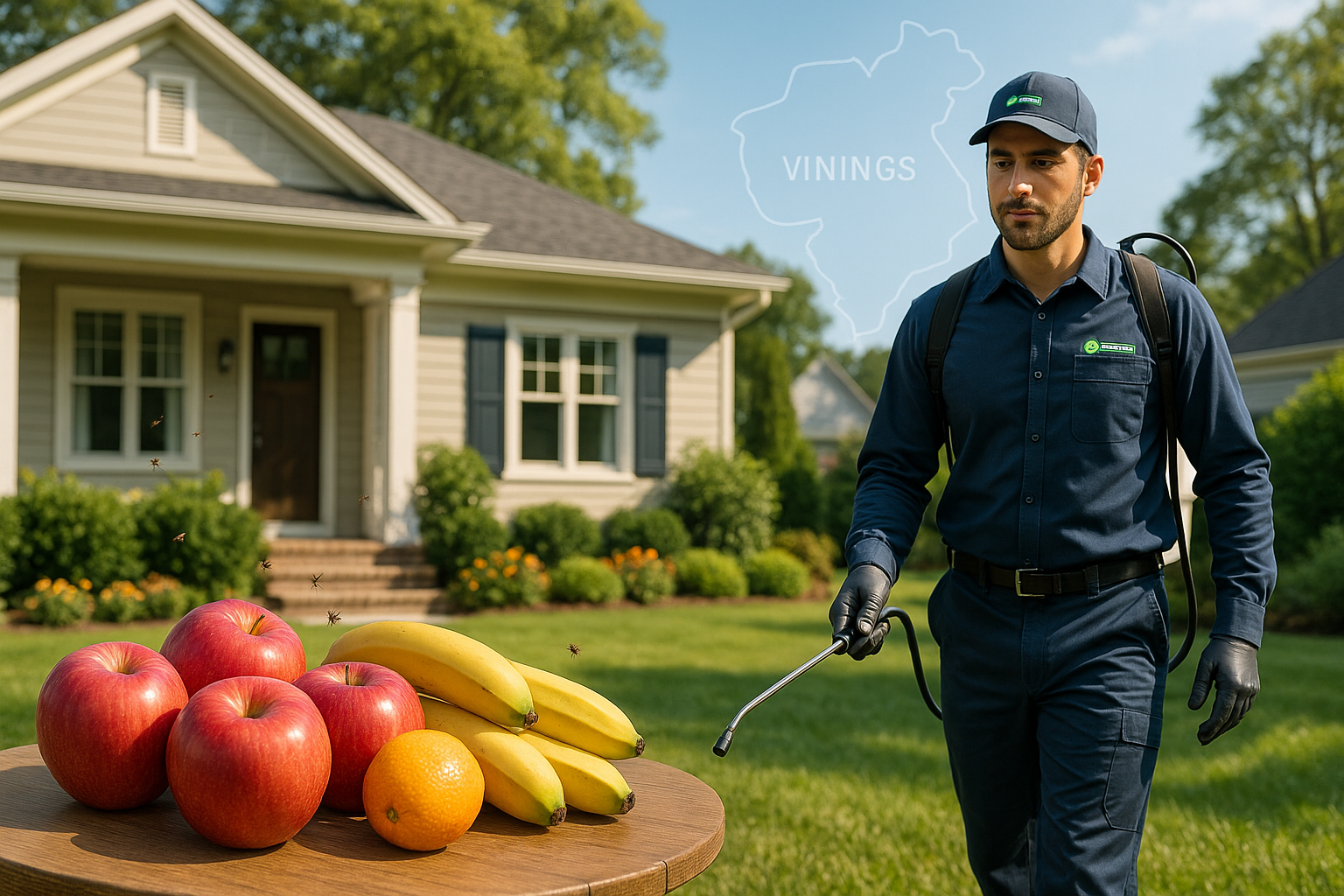
Inside the home, the kitchen becomes a perfect breeding ground. Open fruit bowls, sugary drinks, and even damp dishcloths supply the sugary moisture fruit flies crave. Warm countertops and poorly sealed trash cans create micro‑environments where females lay dozens of eggs each day. Because the flies are attracted to the scent of fermenting fruit, a single overripe banana can support multiple generations in a matter of days.
“According to the EPA, fruit flies are the most common indoor flying pest in the Southeast, with infestations rising 12% during summer months.” — EPA Fruit Fly Fact Sheet
Delaying treatment has a tangible cost. As populations multiply, flies contaminate food, accelerate spoilage, and force homeowners to discard perfectly good produce. The longer the problem lingers, the more extensive the treatment required—often involving multiple visits, higher chemical usage, and increased labor fees. In extreme cases, fruit‑fly larvae can infiltrate drains and garbage disposals, creating hidden reservoirs that are difficult to eradicate.
Because fruit flies reproduce so quickly, swift action is essential. Early detection, combined with professional extermination and simple preventive steps—like sealing fruit, cleaning spills promptly, and emptying trash daily—can halt the breeding cycle before it spirals out of control. For Dunwoody homeowners, a rapid response not only protects food and finances but also restores the comfort of a fly‑free home.
Spotting the Signs: Early Detection in Your Kitchen
Fruit flies are tiny, tan‑thorax insects that love the sweet aroma of ripening fruit. In a kitchen they often hover around fruit bowls, trash cans, or any fermenting waste. Their larvae look like tiny, creamy‑white worms hidden in the soggy pulp of over‑ripe bananas or the muck at the bottom of a compost bin. A well‑placed sticky trap will catch the adult flies, giving you a visual confirmation that the problem is brewing.
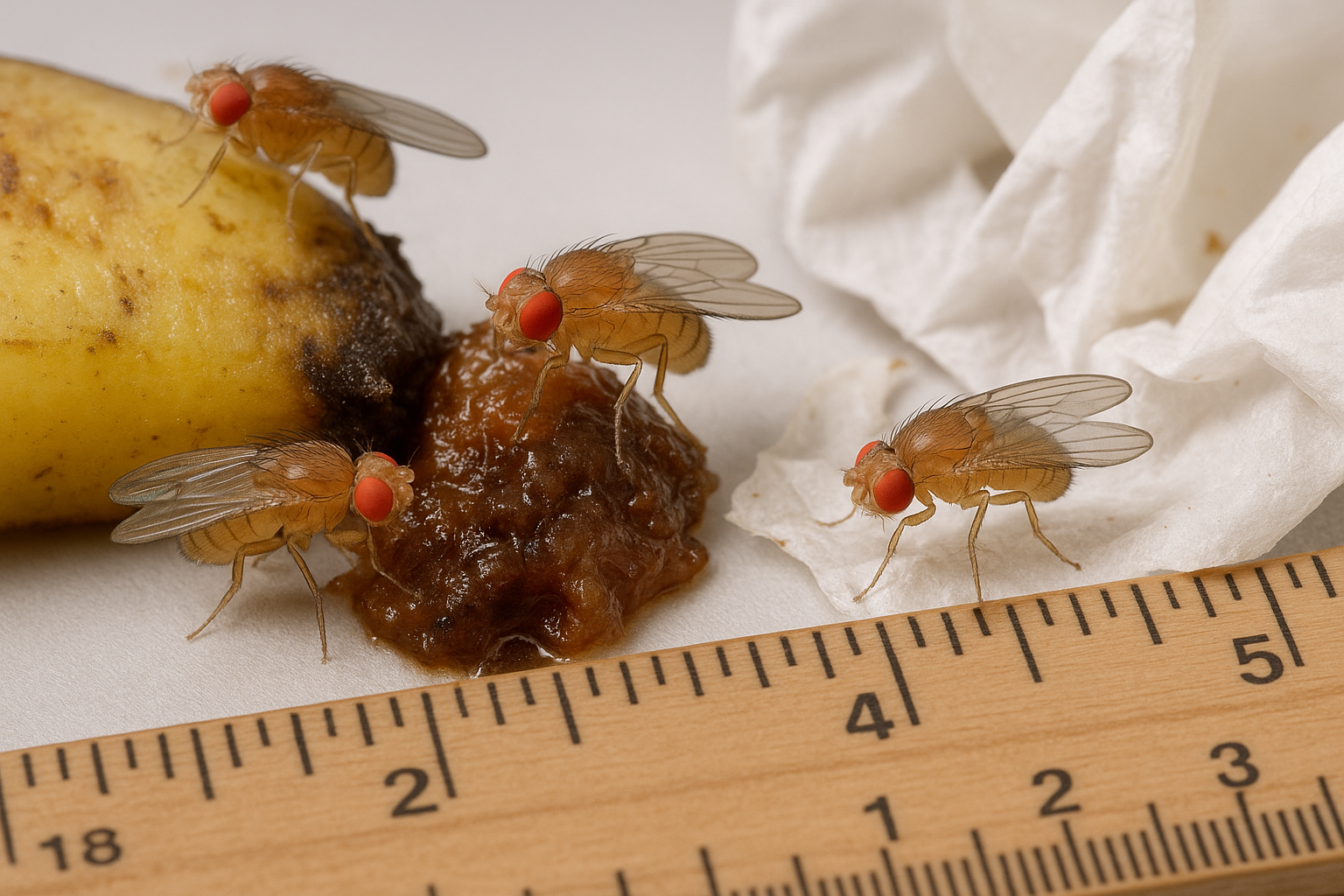
Local Reports, North Brookhaven & Peachtree Road
Our technicians in North Brookhaven have logged a 45 % increase in fruit‑fly complaints since early June, largely tied to the surge in outdoor farmers’ markets and backyard berry patches. Just a few miles away on Peachtree Road, homeowners report clusters of flies around kitchen counters after a weekend barbecue, when leftover fruit smoothies sit unattended. These real‑world snapshots show how quickly a few stray berries can turn a quiet kitchen into a breeding ground.
DIY Apple Cider Vinegar Trap – Step‑by‑Step
The fastest, cheapest way to confirm an infestation is a homemade apple cider vinegar trap. Follow these three steps and you’ll see results within 24 hours.
- Mix the bait. Combine 1 cup of apple cider vinegar, 1 tsp sugar, and a few drops of dish soap in a small glass jar. The vinegar’s scent lures the flies; sugar boosts attraction; soap breaks surface tension so they can’t escape.
- Seal and perforate. Cover the jar with plastic wrap and poke 4‑5 tiny holes using a toothpick. Place the trap where flies congregate—near fruit bowls, the sink, or the trash can.
- Set and wait. Leave the trap for at least 24 hours. Expect to catch 5‑15 adults per trap in a moderately infested kitchen; a higher count signals a larger hidden larval population.
Quick Daily Tip
Each night, give drains a quick rinse with boiling water followed by a splash of baking soda‑vinegar mixture. Remove any over‑ripe produce, seal it in a bag, and store it in the refrigerator. Consistent daily checks cut the life cycle before larvae can mature, keeping your kitchen fly‑free.
The Hidden Risks of Over‑the‑Counter Fixes
Reaching for a store‑bought spray may feel like a quick fix, but the chemistry behind those cans often tells a different story. While a DIY product can knock down a few fruit flies, it usually lacks the potency, lasting residual action, and safety safeguards that a licensed professional’s EPA‑registered solution provides.
| Product Type | Typical Active Ingredient(s) | Residual Effect | Safety Features |
|---|---|---|---|
| Common DIY aerosol | Pyrethrin, Permethrin (≤0.5%) | Minutes‑to‑hours | No ventilation guidance; pet‑unsafe at full strength |
| EPA‑registered professional spray | Cyfluthrin, Bifenthrin, or Spinosad (formulated for indoor use) | Days‑to‑weeks | Label‑required ventilation, child‑ and pet‑protective formulations |
The CDC’s pesticide safety guidelines stress that indoor applications must be performed in well‑ventilated spaces and that many over‑the‑counter aerosols pose inhalation risks for both people and pets. Without proper airflow, volatile compounds linger, potentially irritating eyes, lungs, and skin. Moreover, many DIY cans lack clear pet‑safety warnings, leaving cats and dogs vulnerable to accidental exposure.
A 2022 market‑research report from the National Pest Management Association (NPMA) revealed a troubling trend: households that relied solely on DIY treatments experienced a 45 % re‑infestation rate within three months. The study linked this spike to pesticide resistance—repeated low‑dose applications allow fruit flies to adapt, rendering the chemicals progressively ineffective. In contrast, professional applicators rotate actives and apply calibrated doses that break the resistance cycle.
Bottom line: a cheap spray may seem like a win‑win, but it can compromise indoor air quality, endanger pets, and set the stage for a stubborn resurgence. Trusting a certified technician ensures you get a product with proven residual power, built‑in safety protocols, and a strategy designed to keep fruit flies—and the risks they bring—out of your home for good.
Keeping Fruit Flies Out for Good
Daily & Weekly Habits That Make a Difference
Fruit flies love any open food source, so the first line of defense is airtight storage. Transfer pantry staples—flour, sugar, cereal—into sealed containers or heavy‑duty zip‑lock bags. This simple habit cuts off their primary food supply.
Take out the trash at least once a day, especially if it contains fruit scraps or sugary liquids. Use a trash can with a tight‑fitting lid and line it with a disposable bag that you replace before it overfills.
Drains are a hidden breeding ground. Once a week, pour a kettle of boiling water down kitchen and bathroom drains. For extra protection, follow the hot water with a cup of white vinegar and a brief scrub of the drain grate.
Inspect windows, doors, and any exterior openings for cracks or gaps. Seal them with caulk or weatherstripping. Even a tiny opening can serve as a highway for adult flies looking for a place to lay eggs.
Seasonal Checklist for Dunwoody Homeowners
Because fruit flies thrive on seasonal conditions, a tailored checklist helps you stay ahead of the problem throughout the year.
- Spring – After the local fruit harvest, promptly remove fallen fruit and compost it in a sealed bin. Clean outdoor tables and patio surfaces before the first warm days arrive.
- Summer – High humidity fuels fly reproduction. Run a dehumidifier in kitchens and basements to keep relative humidity below 60 %. Increase ventilation by opening windows or using exhaust fans while cooking.
- Fall – As leaves drop, keep gutters clear to avoid standing water that can attract flies. Manage your compost pile by turning it regularly and covering it with a tight‑fitting lid.
Stay Aligned with Local Guidelines
For waste‑disposal specifics that affect fruit‑fly prevention, consult the City of Dunwoody Waste Management page. Following municipal rules on organic waste and recycling reduces the amount of food residue that can lure flies into your home.
Why Consistency Beats Quick Fixes
Fruit flies reproduce faster than most pests—one female can lay hundreds of eggs in a single week. That means a single missed step can undo a whole week’s effort. By turning the habits above into a routine, you create a barrier that’s hard for flies to breach.
Remember, prevention isn’t a one‑time project; it’s an ongoing partnership between you and your home’s environment. When you combine airtight storage, regular drain cleaning, and seasonal upkeep, you’ll see a dramatic drop in fruit‑fly sightings—often without needing a professional treatment.
If a sudden infestation does appear despite your best efforts, a quick call to Anthem Pest Control (877‑371‑8196) can provide targeted, safe solutions that protect your family and your peace of mind.
Why Dunwoody Homeowners Choose Anthem Pest
Anthem Pest maintains a dedicated Dunwoody office that serves the city and its surrounding neighborhoods. The local team works from a storefront off Peachtree Industrial Boulevard, giving us a deep understanding of the community’s layout, housing styles, and the seasonal pest pressures unique to the Atlanta metro area. Because we’re on‑site, we can dispatch a licensed technician to any address in Dunwoody within under two hours after a call comes in.
Our 24‑hour emergency line (877‑371‑8196) never sleeps. Whether a fruit fly swarm appears after a weekend BBQ or a sudden ant invasion threatens a family’s kitchen, you can reach a person at any hour. The call is routed directly to the Dunwoody dispatch center, where a scheduler matches you with the nearest certified specialist.
“I called Anthem late Friday night after spotting fruit flies in my kitchen. A technician was at my door by 9 p.m., treated the problem, and gave me a clear prevention plan. Professional, fast, and friendly – exactly what we need in this neighborhood.” – Resident, Sandy Springs
Our technicians receive ongoing training focused on Georgia’s humid subtropical climate. They learn how temperature swings, rainfall patterns, and local vegetation affect pest behavior, allowing them to choose the most effective products and application methods for Dunwoody homes.
FAQ – Fast Fruit Fly Relief
- How long until flies disappear after treatment?Most homeowners see a dramatic drop in fruit fly activity within 24–48 hours of our EPA‑registered application. The fast‑acting formula targets adult flies and disrupts the life cycle, so you’ll notice fewer flies buzzing around the kitchen and trash areas by the next day. Persistent hotspots may clear a little later, but the majority of the infestation is gone within two days.
- Is the treatment safe for pets and children?Yes. Anthem uses low‑odor, EPA‑registered products that are proven safe for families when label directions are followed. Our technicians wear protective gear and apply the solution only in targeted zones, keeping it away from food prep surfaces. As a precaution, we recommend keeping pets and children out of treated areas for the short drying period—usually 30 minutes.
- Does Anthem offer a guarantee?We stand behind our work with a 30‑day re‑treatment guarantee. If fruit flies return within that window, simply call us and we’ll schedule a follow‑up visit at no extra cost. The guarantee applies to the original service area and assumes that basic sanitation guidelines are maintained during the guarantee period.
- Can I prevent future infestations myself?Absolutely. Keep fruit and vegetable waste sealed in airtight containers, clean up spills promptly, and empty kitchen trash daily. Repair any leaky drains or over‑flowing sinks, and store ripe produce in the refrigerator. Regularly wipe down countertops with a mild disinfectant, and consider a quarterly maintenance spray from Anthem to stay ahead of new arrivals.
- What if I have a multi‑unit building?We offer a specialized commercial‑residential plan that coordinates treatment across multiple units, ensuring the source of fruit flies is eliminated building‑wide. Our technicians assess shared spaces—like laundry rooms, hallways, and garbage chutes—and apply targeted treatments while respecting each tenant’s safety. This comprehensive approach reduces the chance of re‑infestation from neighboring units.
Fast Relief, Long‑Term Protection
Fruit flies multiply faster than you can swat, so each day you wait lets the infestation spread into cabinets, drains, and walls. DIY sprays or homemade traps may knock a few flies out of sight, but they rarely reach hidden breeding sites, and many over‑the‑counter products leave residues that can endanger children or pets. In short, a quick professional response is the only reliable way to stop the problem before it overwhelms your kitchen.
Anthem Pest’s proven three‑step process eliminates fruit flies at the source: a thorough inspection to locate breeding hotspots, targeted treatment using low‑toxicity, fast‑acting agents, and a follow‑up visit to verify that every colony is gone. Because our technicians live and work in the Dunwoody area, they know the typical entry points in local homes and can tailor solutions to the climate‑driven habits of the flies you’re battling. Best of all, our pricing is upfront—no hidden fees, no surprise add‑ons—so you know exactly what you’re paying for peace of mind.
Beyond immediate eradication, Anthem Pest sets up a preventative plan that keeps fruit flies at bay for months. We seal entry points, recommend proper waste management, and schedule periodic inspections so you never face another surprise swarm.