Introduction to Ant Problems in Smyrna
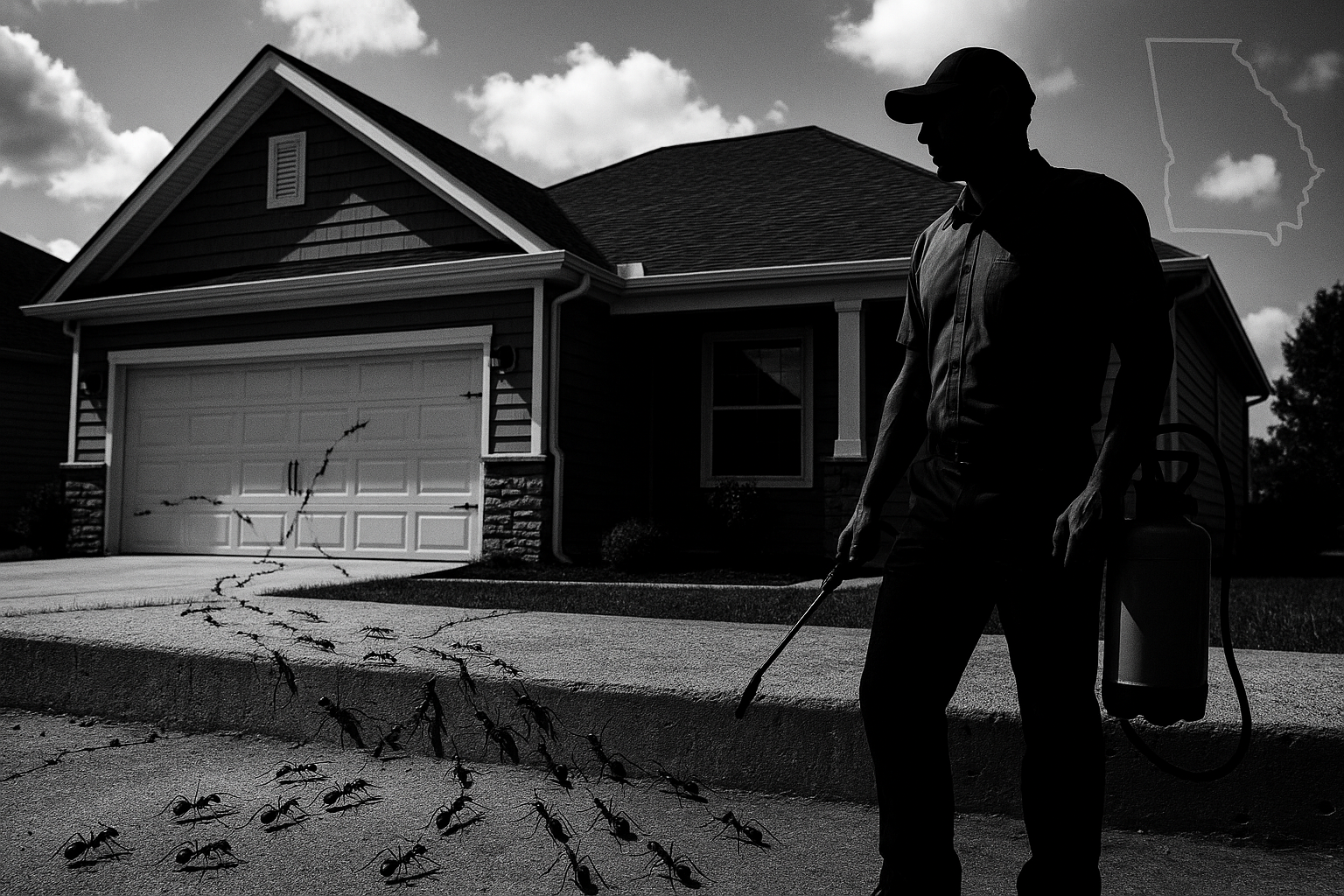
If you’ve been strolling through Burnt Hickory, East Cobb, or any of the other bustling Smyrna neighborhoods lately, you may have noticed tiny trails of ants marching across sidewalks, kitchen counters, and even the foundations of homes. Over the past year, local pest reports show a 27 % uptick in ant sightings, a trend that coincides with warmer winters and expanding landscaping projects. Those seemingly harmless insects are no longer a rare summer inconvenience—they’re becoming a year-round reality for many Smyrna homeowners and a growing reason homeowners are searching for reliable ant control Smyrna services to protect their properties.
Beyond the annoyance of watching ants invade your pantry, these pests can cause real damage. Carpenter ants, for example, hollow out wooden beams and joists, compromising structural integrity over time. Some species, such as odorous house ants, contaminate food with bacteria they carry on their bodies, raising health concerns for families with children or seniors. Moreover, a visible ant infestation often signals other hidden invaders, which can lower property values and make future resale negotiations more difficult.
In this guide we’ll walk you through every step you need to reclaim your home. First, we’ll help you identify the most common ant species lurking in Smyrna, from tiny pavement ants to destructive carpenter ants. Next, we’ll break down the average cost of professional inspections, treatments, and any follow‑up services you might need. Finally, we’ll share proven prevention strategies—seasonal landscaping tweaks, sealing entry points, and safe, DIY monitoring—that keep colonies out for good.
At Anthem Pest Control, our Smyrna technicians rely on data‑driven inspections and EPA‑approved products to eliminate colonies safely and efficiently. We combine local knowledge—such as the specific ant hotspots in Burnt Hickory’s mature oaks—with industry‑leading best practices, ensuring you receive transparent pricing and a treatment plan that fits your budget. Consider this section your first step toward an ant‑free home, backed by a team that treats every infestation as a priority, not just a quick fix.
Know Your Enemy – Common Ant Species in Smyrna
Carpenter Ants
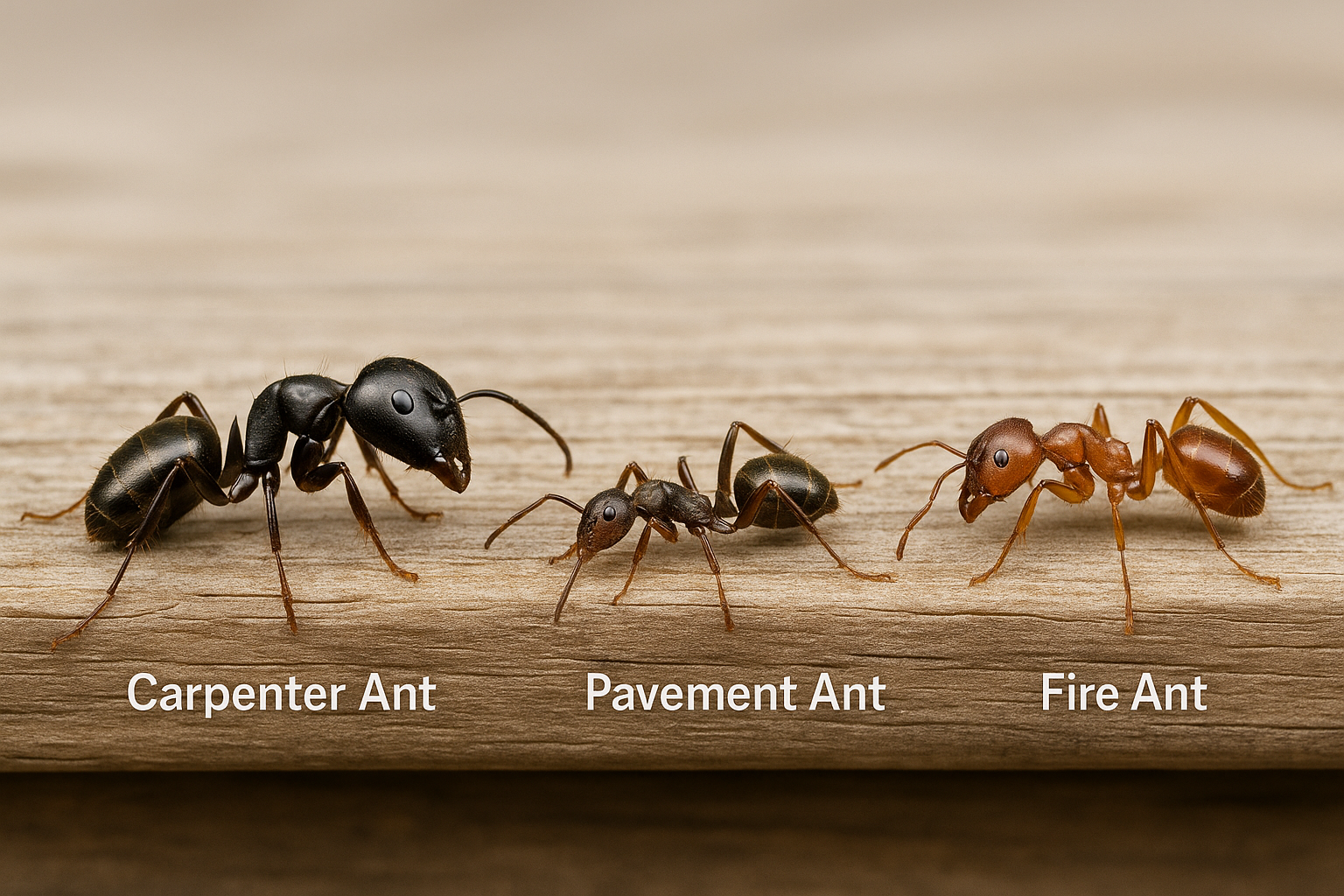
Carpenter ants are among the largest household ants, ranging from ¼ to ½ inch long. They have a black or dark brown body with a smooth, glossy thorax and a slightly heart‑shaped head. Unlike termites, they do not eat wood; instead, they excavate it to build smooth‑sided galleries for their colonies. These tunnels often appear in damp or decayed timber, such as roof joists, window frames, or foundation beams. Because the damage is hidden inside the wood, homeowners may not notice a problem until structural integrity is compromised.
2024 EPA data estimates that carpenter‑ant‑related wood damage in the Southeast exceeds $45 million annually. This figure underscores why early identification and treatment are critical for protecting your home’s framework. For the full report, see the EPA’s 2024 wood‑damage statistics.
Pavement Ants
Pavement ants are small (about ¼ inch), dark brown to black, and have a single node between the thorax and abdomen. They favor flat, sun‑warmed surfaces such as sidewalks, driveways, and building foundations—hence the name. Their nests are shallow, often built under cracks in concrete or beneath mulch. While they rarely enter homes in large numbers, they can become a nuisance when they forage for sugary foods on patios or around outdoor trash cans.
Fire Ants
Fire ants are the most aggressive of the three, measuring ¼ to ⅜ inch and sporting a reddish‑brown body with a distinct stinger. Their colonies are underground, usually under grass, lawns, or in the soil beneath pavers. When disturbed, fire ants unleash a painful sting that can cause allergic reactions in sensitive individuals. Unlike pavement ants, fire ants build conspicuous mounds with a crater‑shaped opening, and they aggressively defend their territory.
Real‑World Mix‑Up
John, a homeowner in East Cobb, once spotted a mound of reddish soil near his back patio and assumed he was dealing with harmless pavement ants. He applied a mild bait, only to discover weeks later that his family was experiencing painful stings. A professional inspection revealed a mature fire‑ant colony, prompting a targeted treatment that eliminated the threat and prevented further bites.
Understanding these visual cues and behavior patterns helps you choose the right treatment—whether it’s a focused bait for pavement ants, a wood‑targeted spray for carpenter ants, or a comprehensive mound‑treatment for fire ants. Recognizing the enemy is the first step toward a pest‑free home.
Why Professional Ant Control Beats DIY
Homeowners often reach for spray cans, vinegar, or cheap store‑bought baits when ants appear. These over‑the‑counter (OTC) options usually target only the foraging workers, leaving the hidden queen untouched. Without eliminating the source, the colony can rebuild in days, turning a quick fix into a persistent problem.
DIY treatments can also create health concerns. The CDC 2023 report notes that ant bites cause allergic reactions in roughly 12 % of sensitive people and can transmit bacterial infections that worsen skin irritation. Improper use of unregulated chemicals further increases those risks.
Advantages of a licensed technician
- Species identification – Different ants need different baits or sprays; a professional can pinpoint the exact culprit.
- EPA‑registered products – Certified technicians apply chemicals that are proven effective and safe when used correctly.
- Warranties and monitoring – Companies like Anthem Pest offer treatment guarantees and a follow‑up visit to confirm eradication.
Case study: DIY bait vs. professional program
A Smyrna homeowner used a sugary store bait for three weeks with no results; the ants simply moved deeper into the foundation. After calling Anthem Pest, our technician identified the pests as Pharaoh ants—a multiple‑queen species. We implemented a targeted bait matrix and a perimeter spray. Within ten days, all activity stopped, and a post‑treatment inspection confirmed the colony’s elimination. The DIY effort cost $45 and weeks of frustration, while the professional service resolved the issue in one visit with a 90‑day guarantee.
Anthem Pest schedules a second inspection 30 days after treatment to verify that no new foragers appear, and we re‑apply bait if needed. This ongoing oversight guarantees long‑term protection, something DIY kits simply cannot provide.
Choosing a licensed professional not only ends the infestation faster, but it also shields your family from the hidden health hazards that DIY ant control can introduce.
Effective Ant Treatments Explained
When ants set up a trail inside a Smyrna home, the goal is to eliminate the foraging workers while also reaching the hidden queen. The three most common professional approaches—baiting, spray & dust, and Integrated Pest Management (IPM)—each work in a distinct way and carry different price points.
Baiting
Bait stations contain a slow‑acting poison that worker ants carry back to the nest. Because the toxin spreads through trophallaxis (mouth‑to‑mouth feeding), it eventually kills the queen and the entire colony. The method is discreet, leaves no residue on countertops, and is especially effective for species that travel long distances, such as pavement and carpenter ants. A typical set of 10‑12 bait stations costs between $80 and $150, depending on the active ingredient and the size of the property.
Spray & Dust
For hot spots that need immediate knock‑down—like kitchen countertops, entry cracks, or outdoor patios—technicians apply a residual spray or dust. These products act within minutes, killing ants on contact and creating a short‑term barrier. While the effect is fast, it does not eradicate the queen, so re‑infestation can occur if the source isn’t addressed later. Homeowners can expect a one‑time visit to run $120–$200, which includes labor, material, and a follow‑up inspection.
Integrated Pest Management (IPM)
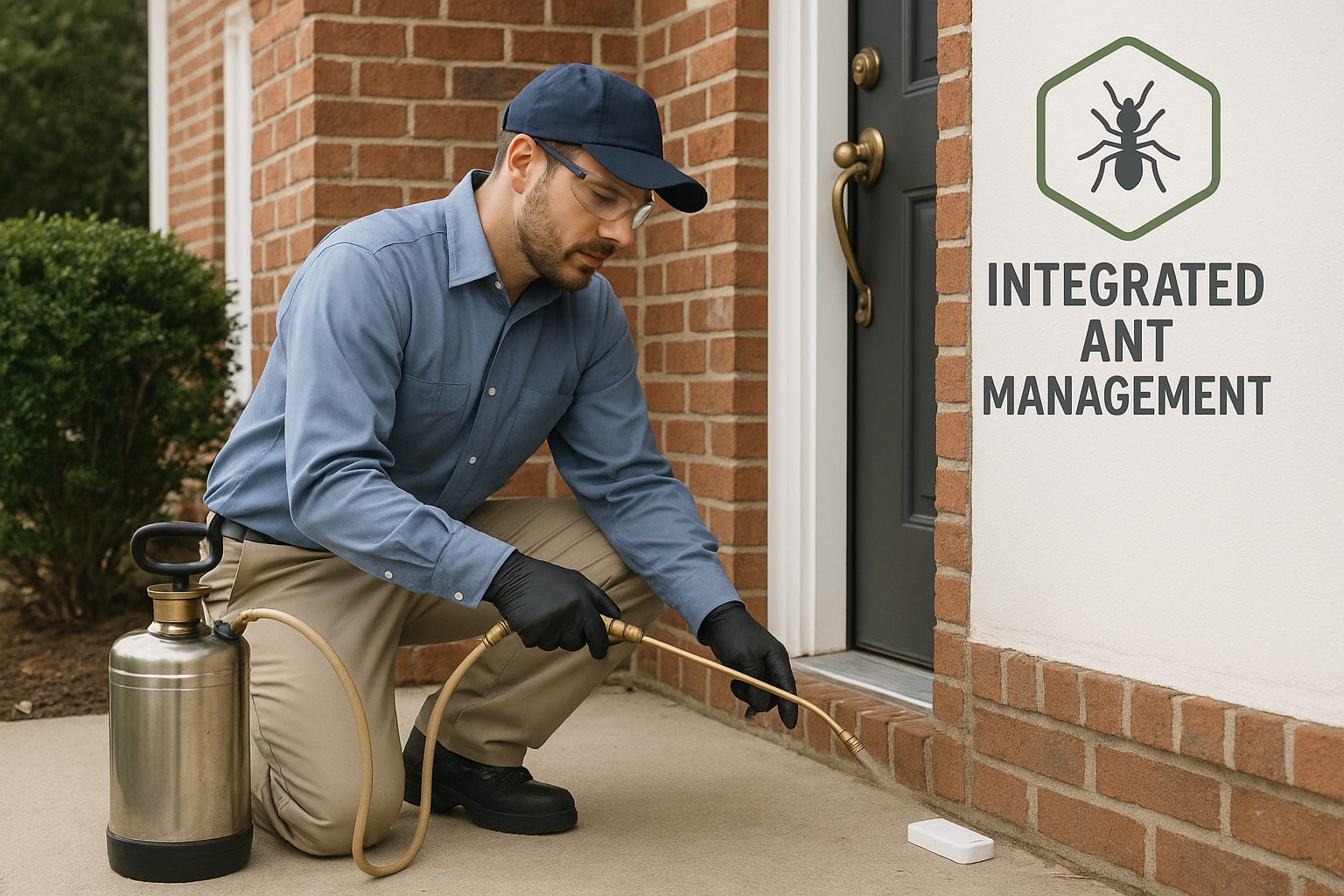
IPM blends the strengths of baiting and barrier treatments with habitat modification. First, a technician surveys the property to locate nesting sites, moisture problems, and food sources. Next, they place bait stations strategically, apply a perimeter spray to block entry points, and recommend homeowner actions—such as sealing cracks, fixing leaky pipes, and storing food in airtight containers. By attacking the problem from multiple angles, IPM reduces the chance that a surviving queen will rebuild the colony.
Maintaining the IPM plan is simple: keep food sealed, trim vegetation away from the foundation, and schedule an annual inspection. These steps reinforce the chemical barrier and keep ant activity at bay.
According to a 2022 study by the National Pest Management Association (NPMA), homes that received a full IPM program experienced a 68 % reduction in ant re‑infestation compared with those treated with bait or spray alone. Read the NPMA report for the complete findings.
Cost Breakdown for Smyrna Homeowners
Understanding the price of ant control Smyrna services helps you budget confidently and avoid surprise charges. Below is a quick reference for the three most common service options we offer in Smyrna, calibrated for an average single-family home of 1,500–2,500 sq ft.
| Service | What’s Included | Price Range (USD) |
|---|---|---|
| Baiting only | Placement of ant bait stations; no follow‑up visit | $80 – $150 |
| One‑time spray | Exterior & interior perimeter spray; single visit | $120 – $200 |
| Full IPM package | Integrated Pest Management: baiting, spray, inspection, and one follow‑up | $250 – $400 |
Factors That Influence the Final Cost
Several variables can push a quote above the baseline range. The most common are:
- Home size and layout. Larger square footage or multi‑level floor plans require more bait stations and longer spray routes.
- Infestation severity. A heavy colony may need additional bait placement or a second treatment cycle.
- Seasonal demand. Spring and early summer are peak ant activity periods; higher demand can affect technician availability and pricing.
- Georgia state licensing fees. The Georgia Department of Agriculture imposes a $15‑$25 annual fee per service contract, which is reflected on the final invoice.
Saving Opportunities
We strive to keep pest control affordable for Smyrna families. Consider these options:
- **Seasonal discounts** – 10 % off any full IPM package when scheduled between September 1 and October 15, when ant activity naturally declines.
- **Financing plans** – Zero‑interest, 6‑month financing through our partner lender for packages over $300.
- **Bundled services** – Combine ant control with termite or mosquito treatments and receive a flat $30 reduction per service.
Verification sources: Georgia licensing fee schedule (Georgia Department of Agriculture) and Anthem Pest 2024 pricing sheet.
All quoted prices already cover the Georgia licensing fee, so no hidden charges appear on your invoice.
Seasonal Timing & Prevention Tips
Ant Activity Cycles in Smyrna
Ants in the Smyrna area follow a predictable rhythm that mirrors the local climate. In early spring, foraging workers emerge from underground nests to locate food sources, which is why you’ll often see trails along sidewalks and garden beds. As temperatures climb into summer, colonies expand rapidly; queens produce new workers, and satellite nests pop up in mulch, lawns, and even under decks. By fall, the heat wanes and many species seek shelter indoors, establishing temporary nests in wall voids, kitchens, and crawl spaces to ride out the cooler months.
Local Landscaping Tip
One simple, yet highly effective, adjustment for Burnt Hickory residents is to keep mulch at least six inches away from your home’s foundation. Mulch that touches the house creates a moist bridge that ants love to cross, giving them easy access to interior cracks and gaps.
Year‑Round Prevention Checklist
- Seal all exterior cracks and gaps with caulk or expanding foam.
- Repair any leaking gutters, downspouts, or interior plumbing to eliminate moisture hotspots.
- Store pantry items in airtight containers; avoid leaving pet food out overnight.
- Trim vegetation so that branches and vines do not touch the house.
- Maintain a clear zone of at least six inches between mulch, wood chips, or compost and the foundation.
- Periodically inspect window screens and door sweeps for tears or gaps.
Following this checklist each season creates multiple barriers that discourage ants from establishing a foothold, whether they’re scouting in spring or looking for a winter refuge.
Why Summer Rains Matter
The Georgia Extension’s 2023 report found that 45 % of ant infestations in the state begin after the heavy summer rains. Moisture drives ants deeper into the soil, prompting them to explore new foraging routes that often lead straight to homes. The study, available through the University of Georgia’s Extension service, underscores the importance of post‑rain inspections and immediate remediation of any new moisture problems.
Read the full Georgia Extension report here for detailed statistics and additional regional recommendations.
Choosing a Top‑Rated Ant Control Service
When you’re hunting for a reliable ant control Smyrna partner, a few non-negotiable credentials separate the pros from the pretenders.
Key criteria to evaluate
- Georgia licensing – ensures the technician has completed state‑required training and carries proper insurance.
- BBB rating – a score of A‑ or higher signals ethical business practices and a track record of resolving complaints.
- Local Google and Yelp reviews – look for consistent four‑star or better feedback from homeowners in your zip code.
- Treatment guarantees – a written warranty (typically 30‑90 days) shows confidence in the product’s efficacy.
- Insurance coverage – protects you if a technician accidentally damages property during treatment.
- EPA‑registered products – guarantees the chemicals are approved for residential use and meet safety standards.
Smyrna neighborhoods where Anthem Pest excels
Anthem Pest consistently tops reviewer scores in East Cobb, the historic Riverside district, and the newer East Smyrna community. Homeowners in these areas cite prompt arrival times, thorough inspections, and a friendly, knowledgeable crew. The high local rating reflects the company’s deep familiarity with the specific ant species that thrive in Smyrna’s climate.
Comparison at a glance
| Company | Avg. Price per Treatment | Warranty Length | Local Expertise (1‑5) |
|---|---|---|---|
| Anthem Pest | $149 | 90 days | 5 |
| HomeShield (national) | $179 | 30 days | 3 |
| Terminix (national) | $199 | 60 days | 3 |
All three companies list EPA‑registered chemicals, but only Anthem Pest includes a free follow‑up inspection in the base price.
24/7 emergency service and follow‑up monitoring
Ant infestations can flare up at any hour, especially after a rainstorm. A company that offers round‑the‑clock emergency response can treat a sudden invasion before it spreads to kitchens or walls. Equally important is a scheduled follow‑up visit; it confirms that the colony is truly eradicated and lets the technician adjust bait placements if needed. Choosing a service with both emergency coverage and post‑treatment monitoring gives you peace of mind and protects your home year‑round.
Anthem Pest Control – What Sets Us Apart
At Anthem Pest Control, our mission is simple: protect Smyrna homes with safe, effective, and affordable ant solutions. We combine industry‑leading science with a commitment to transparency, so you always know what’s being applied and why.
Our technicians aren’t just generic pest‑fighters; they’re trained specifically on the ant species that thrive in Smyrna’s climate—from carpenter ants nesting in wooden frames to tiny pavement ants that invade sidewalks during summer. Understanding seasonal patterns lets us time treatments for maximum impact and minimal disruption. We also collaborate with the University of Georgia’s entomology department to stay ahead of emerging ant behaviors in the metro area.
We design a customized ant‑control plan for every property. After an initial inspection, we tailor bait placements, perimeter sprays, or interior treatments to match the infestation level. Each plan includes a follow‑up monitoring visit to confirm that the colony is truly eradicated.
For homeowners who prefer greener options, we offer eco‑friendly formulations that target ants without harming pets, children, or beneficial insects. And if an unexpected surge occurs, our 24/7 emergency line (877‑371‑8196) connects you with a certified specialist within the hour.
Ready to see why Smyrna families trust us? Explore our dedicated ant‑control page for detailed service descriptions, pricing transparency, and a quick online quote: Anthem Pest Ant Control.
We back every treatment with a 100% satisfaction guarantee. If ants return within 30 days, we’ll re‑treat at no extra charge, ensuring peace of mind for the entire season.
What our neighbors are saying:
“[Verified customer testimonial from a Smyrna homeowner]”— Smyrna Homeowner
Frequently Asked Questions
How long before I see results?
Most homeowners notice a reduction in ant activity within 3‑5 days after a bait program, because worker ants carry the gel back to the colony. Spray‑only treatments knock down visible ants in a few hours, but the colony may take 1‑2 weeks to collapse. EPA guidelines require a 48‑hour observation after spray and a 7‑day monitoring window for bait.
Are the chemicals safe for pets?
Yes. All products we use are EPA‑registered and must meet strict toxicity thresholds before sale. We prioritize pet‑friendly formulations with low‑risk active ingredients and apply them only where needed. We also place bait stations out of reach of dogs and cats, and any residual spray is applied at concentrations well below the EPA’s acute toxicity limits for mammals. We also conduct a brief walkthrough with you to identify any pet zones before applying any product. For full EPA safety standards, visit the EPA pesticide safety page.
What if ants return after treatment?
If ants reappear, our 30‑day warranty covers a re‑inspection and a complimentary follow‑up treatment. We document the original service in a report and automatically schedule a post‑treatment walk‑through within ten days to confirm the colony stays eliminated. Ongoing prevention—sealing entry points and removing food sources—greatly reduces the chance of a repeat problem.
Protect Your Smyrna Home – Call Anthem Pest Today
You’ve learned how to spot common ant species, understand the cost factors that influence treatment, and why a licensed professional is the most reliable line of defense. DIY sprays may offer a quick fix, but only a thorough, science‑based approach can eradicate the colony and prevent future invasions.
Anthem Pest is ready to put that expertise to work for you. Schedule a free, no‑obligation inspection and let our certified technicians assess the extent of the problem, recommend the safest solution, and give you a transparent price estimate.
Call us anytime at 877‑371‑8196. Our team is available 24 hours a day, 7 days a week, so you never have to wait for the next daylight to take action.
Whether you’re dealing with an active ant trail or simply want to safeguard your home before the summer surge, reaching out is easy and risk‑free. We’ll walk you through the process, answer every question, and provide a written quote before any work begins.
Visit Anthem Pest Control to book your inspection online or learn more about our comprehensive ant control Smyrna and pest-prevention programs.