Why Flea Control Matters in Smyrna

Fleas in the Southeast
The humid, warm climate of the southeastern United States creates an ideal breeding ground for fleas. From the pine-covered suburbs of Georgia to the coastal towns of the Carolinas, these tiny parasites thrive year-round, often going unnoticed until an infestation reaches a tipping point. In Smyrna, where homes sit close to grassy yards and wooded patches, the seasonal surge of outdoor activity—yard work, pet walks, and neighborhood gatherings—means fleas can hop from one yard to the next with alarming speed. Because of this constant exposure, flea control Smyrna homeowners rely on has become essential for preventing infestations before they spread throughout homes and neighborhoods.
Health Risks for Pets and People
Fleas are more than a nuisance; they’re a health hazard. For dogs and cats, a single bite can trigger intense itching, skin inflammation, and allergic dermatitis that may lead to hair loss and secondary infections. In humans, flea bites often cause red, itchy welts that can become infected if scratched. Beyond irritation, fleas are vectors for serious diseases such as murine typhus, cat‑scratch fever, and, in rare cases, plague. The discomfort and potential medical costs make early detection and control essential for every Smyrna household.
Numbers that Matter
The Centers for Disease Control and Prevention reports over 15,000 flea‑borne disease cases annually in the United States. While many of these infections are mild, the sheer volume underscores how widespread flea exposure truly is. This data, combined with regional climate patterns, tells a clear story: fleas are a persistent threat that demands proactive measures, not reactive band‑aid solutions.
Why Smyrna Homeowners Must Act Now
For Smyrna residents, the stakes are higher than the national average. The city’s dense residential layout means a single untreated yard can quickly become a source of reinfestation for neighboring homes. Moreover, local wildlife—raccoons, opossums, and stray cats—often share the same green spaces, serving as reservoirs for flea populations. Waiting for an obvious infestation can result in weeks of hidden breeding, making eradication far more costly and time‑consuming.
From Biology to Control
Understanding flea biology explains why control is challenging. Adult fleas live only a few weeks, but their eggs hatch in 1–2 days, and larvae develop in the surrounding debris, feeding on organic matter before maturing into new adults. This rapid life cycle means that a single missed treatment can allow the colony to rebound. By grasping these details, Smyrna homeowners can appreciate the need for a comprehensive approach—one that targets adults, eggs, and larvae simultaneously.
Flea Life Cycle and Health Threats
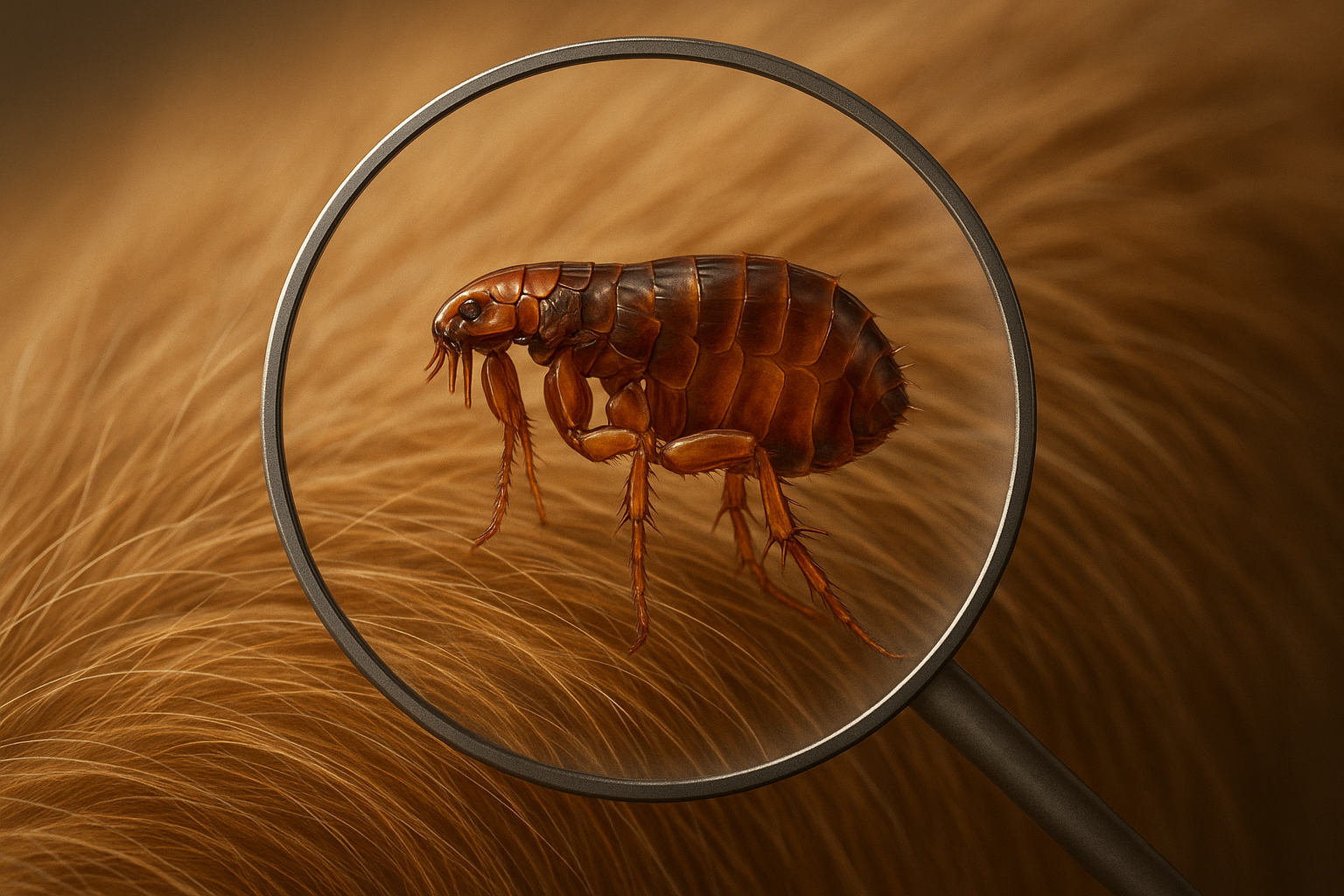
Egg Stage – A Prolific Beginning
Female fleas can lay up to 2,500 eggs over their short lifespan, according to the EPA. Those tiny, oval‑shaped eggs are deposited on the host’s fur, but they fall off within minutes and scatter across carpets, bedding, and cracks in the floor. In a typical home, a single flea can seed an entire infestation before you even notice the first bite.
Larval Stage – Feeding on the Hidden Mess
Once hatched, flea larvae are blind, legless, and utterly dependent on organic debris. They consume dead skin cells, flea feces (which contain partially digested blood), and any other microscopic detritus they can find. This stage lasts anywhere from 5 to 11 days, depending on temperature and humidity. Warm, humid conditions accelerate development, turning a modest problem into a full‑blown outbreak in just a week.
Pupal Stage – The Protective Cocoon
After the larval stage, fleas spin a silky cocoon and enter the pupal phase. Inside this shield, they can remain dormant for weeks, months, or even a full year if conditions are unfavorable. The cocoon’s resilience is why fleas often reappear after you think the problem is solved—disturbances such as vacuuming or a new host’s movement can trigger emergence.
Adult Stage – The Blood‑Sucking Menace
Adult fleas are the only stage that feeds on blood. A single bite can cause intense itching, red welts, and in some cases, allergic reactions. Their remarkable jumping ability—up to 150 times their own body length—lets them hop from pet to pet and from pet to human in seconds. Beyond the nuisance, fleas are vectors for serious diseases like murine typhus and can transmit the tapeworm Dipylidium caninum to both pets and people.
Why the Life Cycle Makes Eradication Tough
The four‑stage cycle creates multiple hiding places that standard sprays can’t reach. Eggs and larvae hide in carpet fibers, while pupae stay sealed in cocoons deep within floor cracks. By the time you see adult fleas, dozens of unseen stages are already thriving. This is why a single‑method approach—such as only vacuuming or only applying a topical pet treatment—rarely provides lasting relief.
Integrated Treatment: Targeting Every Stage
Effective flea control requires a coordinated strategy that attacks each life‑stage. Professional technicians often combine:
- Adulticides to kill jumping fleas on contact.
- Insect Growth Regulators (IGRs)—EPA‑registered products that mimic juvenile hormones, preventing larvae from maturing into adults.
- Thorough vacuuming and steam cleaning to remove eggs, debris, and pupae from carpets and upholstery.
- Regular pet‑focused treatments to stop new eggs from being laid.
EPA‑Registered IGRs – Disrupting Development
Compounds such as methoprene and pyriproxyfen are the gold standard for breaking the flea life cycle. When applied to indoor environments, these IGRs remain active for weeks, ensuring that any larvae emerging from pupae are unable to progress to adulthood. The result is a gradual collapse of the population, with fewer adult bites and a faster return to a flea‑free home.
Health Risks You Can’t Ignore
Beyond the itchy bites, fleas pose real health threats. Their saliva can trigger allergic dermatitis, especially in children and sensitive adults. In rare cases, flea bites can lead to secondary skin infections if scratched excessively. Moreover, flea‑borne pathogens can cause fever, headaches, and in severe instances, life‑threatening complications. Prompt, comprehensive treatment is essential to protect both your family and your pets.
Understanding each stage of the flea life cycle empowers you to make informed decisions about control measures. By partnering with a professional service that employs adulticides, EPA‑registered IGRs, and thorough environmental cleanup, you can outsmart the flea’s rapid reproduction and safeguard your home’s health.
Local Climate, Neighborhoods, and Flea Pressure
Smyrna sits squarely in the humid subtropical zone that defines much of the Deep South. Summers regularly climb into the high‑80s °F (30 °C) with humidity hovering above 70 %, while winters are mild, rarely dipping below 40 °F (4 °C). This temperature swing creates a long, active season for fleas, giving them more weeks to mature from egg to adult.
Why warmth and moisture matter
Flea eggs, larvae, and pupae thrive in environments that stay damp and warm for several days. Moist soil, leaf litter, and shaded grass retain the moisture fleas need to develop. When the air stays humid, the larvae can feed on organic debris and flea feces without drying out, dramatically boosting survival rates.
Neighborhoods that become flea hot spots
In Smyrna, certain pockets amplify those ideal conditions. Burnt Hickory’s mature oaks cast deep shade, allowing grass and garden beds to stay cool and moist well into the evening. East Cobb’s larger lot sizes often feature tall, untrimmed borders that become perfect breeding grounds. Even the historic downtown area, with its charming older homes and landscaped courtyards, can harbor pockets of dense vegetation where flea larvae hide.
Local data tells the story
A 2022 study by Georgia Extension found that 68 % of suburban yards in Cobb County reported flea activity during the summer months [Georgia Extension]. The survey highlighted a clear correlation between yard size, shade coverage, and the frequency of flea sightings, confirming what residents experience anecdotally.
Moisture, vegetation, and flea life cycles
When grass is allowed to grow tall and organic matter accumulates, it creates a micro‑environment rich in humidity and food sources. Flea larvae feed on the feces of adult fleas—tiny, protein‑rich pellets that settle in the top inch of soil. In a damp yard, those pellets stay viable longer, allowing more larvae to mature and eventually emerge as adult fleas ready to jump onto pets.
Early detection is your first line of defense
Because the climate keeps flea development active for most of the year, waiting until you see a pet scratching isn’t enough. Homeowners should start scouting in late spring—checking pet bedding, under decks, and the edges of shaded lawns—for the tell‑tale “flea dirt” (black specks that turn reddish when moistened). Spotting these early signs can save weeks of infestation growth.
Tailoring treatment timing to Smyrna’s rhythm
Effective flea control Smyrna homeowners rely on hinges on proper timing. A pre-emptive treatment applied in early May, just as temperatures consistently rise above 65 °F (18 °C), targets the first wave of emerging adults. A follow-up in late July, when humidity peaks, helps knock down any larvae that survived the initial spray. Finally, a late-summer touch-up in September curtails the last generation before cooler weather slows development.
Neighborhood‑specific strategies
For Burnt Hickory, regular mowing and trimming of shade trees reduce the cool, damp pockets where larvae hide. East Cobb homeowners benefit from removing leaf piles and compost heaps close to the house, cutting off food sources. In historic downtown, sealing cracks around foundations and treating patio pavers can prevent fleas from moving between homes.
Putting it all together
Understanding Smyrna’s climate, the layout of its neighborhoods, and the local flea pressure data equips you to act before a minor annoyance becomes a full‑blown infestation. By aligning detection and treatment with the city’s warm, humid rhythm, you protect your family, your pets, and your peace of mind—all without waiting for the fleas to call the shots.
Common Signs of Fleas in Your Home
Fleas are tiny, but their impact can be huge. Spotting the first clues early makes it far easier to stop an infestation before it spreads to every carpet, couch, and bedroom. Below are the visual cues every Smyrna homeowner should watch for.
Pet behavior that screams “fleas”
Our dogs and cats are the first line of detection because they feel every bite. Look for:
- Excessive scratching, especially around the neck, tail base, and belly.
- Constant licking or chewing of paws and legs.
- Small, dark specks of “flea dirt” (digested blood) that turn reddish when moistened with water.
Household signs you might miss
Fleas leave a trail wherever they hide and feed. Check these areas regularly:
- Tiny black specks—flea feces—on pet bedding, under furniture, and in carpet fibers.
- Red, itchy bumps on family members that appear in clusters.
- Live fleas or shed skins near floorboards, cracks, or pet sleeping spots.
Human symptoms to watch for
Flea bites are small, red welts that often form a line or cluster on the ankles, calves, and lower legs. The bites can become inflamed, develop a halo, or trigger a mild allergic reaction that intensifies the itching.
Statistically speaking, the National Pest Management Association’s 2023 survey found that 42% of homeowners first notice fleas after their pet starts scratching [NPMA]. This highlights the importance of monitoring your pets as the earliest warning system.
Quick self‑inspection checklist
Use this room‑by‑room guide to confirm whether fleas have set up shop. A few minutes each week can catch an outbreak before it multiplies.
- Living room & common areas: Run a white sheet or paper towel over carpet and upholstery; any tiny black specks that cling are likely flea dirt.
- Bedrooms: Pull back sheets and inspect mattress seams and pillowcases for flea feces or live insects.
- Pet zones (crate, bed, favorite rug): Shake out bedding into a bright light; flea dirt appears as fine, pepper‑like particles.
- Bathrooms: Examine tile grout and under‑sink cabinets for adult fleas or shed skins.
- Outdoor entry points: Check door mats and porch steps for stray fleas that may have been brought in on shoes or pet paws.
When you tick off one or more of these signs, it’s time to move from detection to action. Confirmed evidence of fleas paves the way for targeted treatment options—whether you choose a professional spray, a pet‑safe fogger, or a combination plan tailored to your home’s layout.
From DIY Kits to Professional Extermination
When fleas start hopping around your home, the first instinct for many homeowners is to reach for a quick‑fix from the hardware aisle. While over‑the‑counter (OTC) products can be a useful stopgap, they rarely offer the comprehensive, long‑lasting protection that a trained technician provides. Understanding the strengths and limits of each approach helps you decide whether a simple spray will do the job or if you need a full‑service treatment from a company like Anthem Pest.
Over‑the‑counter sprays
OTC flea sprays are widely available at big‑box stores and garden centers. Most formulas rely on active ingredients such as permethrin, bifenthrin, or pyrethrins, which knock down adult fleas on contact. They are typically sold in 16‑ to 32‑ounce containers for about $15–$40, and manufacturers recommend treating only a single room or a limited square‑footage area per application.
- Pros: Immediate knock‑down, low upfront cost, easy DIY application.
- Cons: Short residual effect (often less than two weeks), limited coverage, and the potential for resistance if used repeatedly.
Spot‑on treatments for pets
Spot‑on products like Frontline, Advantage, or Revolution are applied directly to your dog or cat’s skin. They work by spreading a micro‑dose of insecticide across the animal’s coat, killing fleas that attempt to bite. These treatments are highly effective at protecting the pet, but they do not address flea eggs, larvae, or pupae hidden in carpets, bedding, or yard soil.
- Effectiveness: Excellent at preventing new adult fleas from establishing on the animal.
- Safety considerations: Must match the product to the pet’s weight and species; some animals (especially young kittens, pregnant dogs, or pets with skin conditions) may react adversely.
- Limitation: Flea life‑stage control still requires an environmental treatment.
Professional extermination services
Professional pest control teams bring a toolbox that goes far beyond what you can buy at a retail shelf. Technicians typically employ insect growth regulators (IGRs) such as methoprene or pyriproxyfen, which interrupt the flea life cycle by preventing eggs and larvae from maturing. Low‑toxicity foggers or micro‑encapsulated sprays are used to treat both indoor spaces (carpets, cracks, and crevices) and outdoor zones (yard, under decks, and pet hangouts). Because the application is calibrated to your home’s layout, coverage is thorough and residual protection can last up to three months.
Cost comparison: DIY vs. professional
A single DIY spray regimen might cost you $15–$40, while a full spot-on regimen for a household of two pets can add another $30–$60 per month. In contrast, a one-time professional visit from Anthem Pest typically ranges from $120 to $250, depending on square footage and the extent of indoor/outdoor treatment required. For many homeowners comparing options for flea control Smyrna, professional services provide a more comprehensive solution. Although the upfront price is higher, the professional approach often eliminates the need for repeated purchases, reduces the risk of re-infestation, and saves you time spent chasing a persistent problem.
When DIY may suffice vs. when professional help is essential
If you’ve just noticed a few adult fleas on a single pet and your home is relatively small (under 1,200 sq ft), a targeted OTC spray combined with a spot‑on product can sometimes keep the infestation under control. However, the moment you see signs of a growing population—such as flea dirt in bedding, larvae in carpet fibers, or repeated bites across multiple family members—professional intervention becomes essential. A trained technician can locate hidden breeding sites, apply IGRs that break the life cycle, and provide a treatment plan that protects both indoor and outdoor environments.
In the next section we’ll break down the specific costs you can expect from Anthem Pest for a comprehensive flea control program, so you’ll know exactly how the investment aligns with your budget and peace of mind.
What You’ll Pay for Effective Flea Management
Understanding the true cost of flea control helps you avoid surprise invoices and choose a plan that fits your budget. In Smyrna, Georgia, prices can vary widely depending on the depth of the service, the size of your home, and whether you opt for a one‑time fix or an ongoing maintenance schedule. Below, we break down each pricing component so you know exactly what you’re paying for and why it matters for long‑term flea elimination.
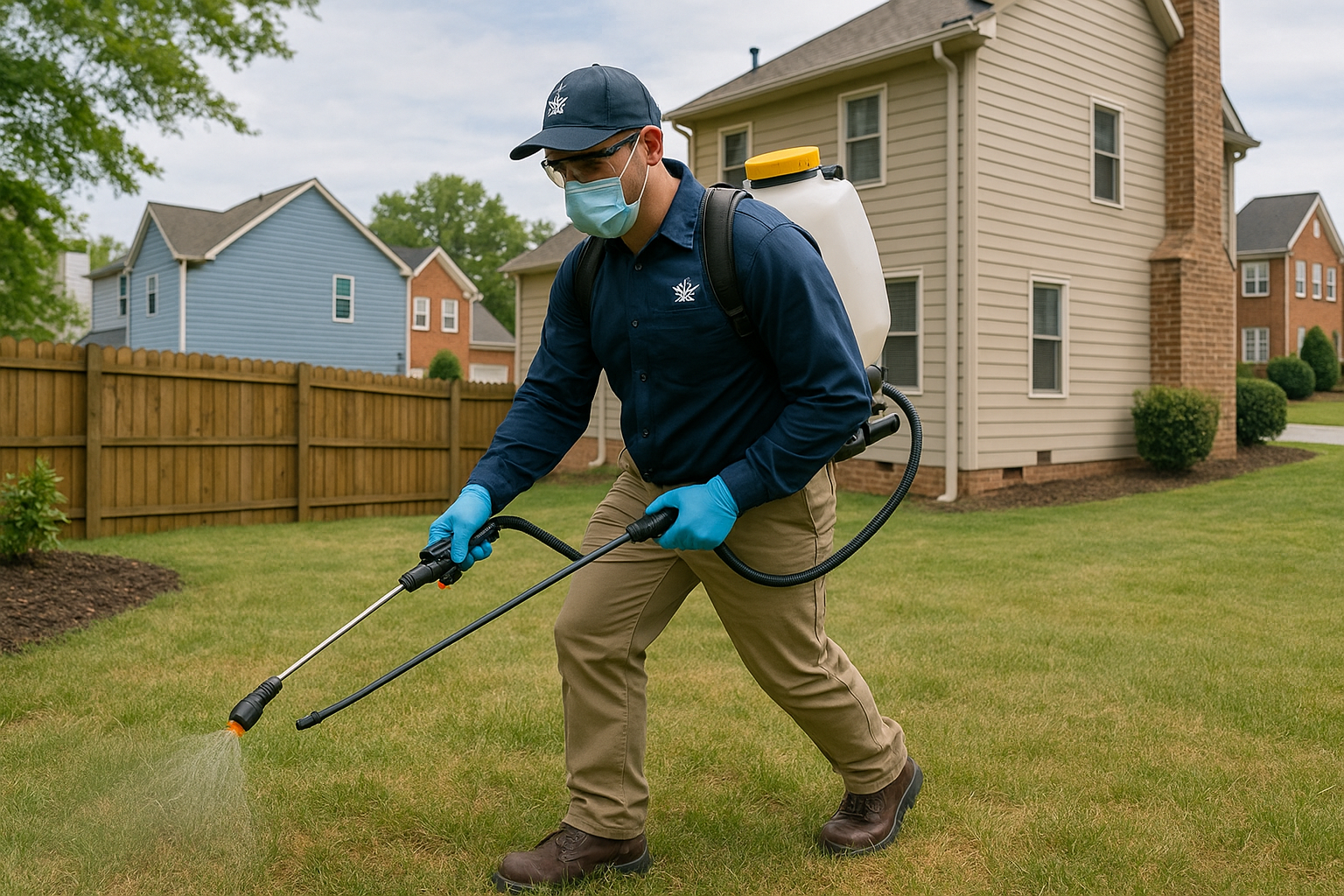
Initial Inspection Fee – Most professional pest companies charge a nominal fee, typically $30‑$50, to assess the extent of a flea infestation. Anthem Pest often waives this fee when you purchase a treatment package, effectively turning the inspection into a complimentary service. The inspection includes a thorough review of carpeted areas, pet bedding, and outdoor perimeters, ensuring the technician identifies hidden hotspots before any chemicals are applied.
One‑Time Treatment Cost – If you need an immediate solution, a single comprehensive treatment usually falls between $120 and $250 for an average‑sized home (up to 2,000 sq ft). This range reflects differences in product choice (organic vs. synthetic), the number of treatment zones, and any additional services such as pet‑safe fogging or yard sprays. The price typically covers:
- Application of a residual insecticide to interior flooring and baseboards.
- Targeted treatment of pet sleeping areas and high‑traffic zones.
- A post‑treatment walkthrough to ensure coverage and answer homeowner questions.
Quarterly Maintenance Plans – Fleas reproduce quickly, so many homeowners opt for a quarterly schedule to stay ahead of new hatches. In Smyrna, these plans usually run from $180 to $300 per year, broken down into four visits. Each visit includes:
- Re‑application of a residual barrier that remains active for 8‑12 weeks.
- Spot treatment of any new infestations detected during the visit.
- Seasonal advice on yard maintenance, pet hygiene, and indoor vacuuming techniques.
Choosing a maintenance plan often locks in a lower per‑visit cost and eliminates the need for separate inspection fees each time.
Anthem Pest 3‑Step Flea Elimination Package – For homeowners who want a clear, all‑in‑one solution, Anthem offers a bundled package at $199. The package includes:
- Comprehensive on‑site inspection (normally a $40‑$50 fee, now waived).
- Full‑home treatment using EPA‑approved, pet‑safe products.
- A 30‑day follow‑up visit to assess effectiveness and apply a touch‑up if needed.
When you compare this to the national average cost for a similar three‑step approach—typically ranging from $180 to $300—Anthem’s flat rate stands out for its predictability and inclusion of a guaranteed follow‑up.
| Service | Anthem Pest Price | National Average |
|---|---|---|
| One‑Time Treatment | $120‑$250 | $150‑$300 |
| Quarterly Maintenance (Annual) | $180‑$300 | $200‑$350 |
| 3‑Step Elimination Package | $199 (incl. inspection & 30‑day follow‑up) | $180‑$300 (often extra fees for follow‑up) |
Bundling services not only simplifies billing but also maximizes the effectiveness of each application. With Anthem Pest, the $199 package eliminates hidden costs, guarantees a post‑treatment check, and leverages the company’s local expertise in Smyrna’s climate—where humidity and warm temperatures can accelerate flea life cycles. Homeowners who choose the bundled option typically see faster eradication and fewer repeat visits, translating into real savings over the long haul.
Key Factors When Selecting a Service
Choosing the right flea exterminator isn’t just about finding the cheapest price tag. It’s about confidence that the professional you invite into your home has the credentials, tools, and local knowledge to eradicate fleas safely and permanently. Below are the non‑negotiables every Smyrna homeowner should verify before signing a contract.
1. Verify State Licensing
In Georgia, pest control operators must hold a valid Georgia State Pest Control License. Look for the license number—Georgia State Pest Control License #12345—on the company’s website or on the service agreement. The Georgia Department of Agriculture maintains a public lookup, so you can confirm that the license is active and in good standing. An unlicensed provider may cut corners, putting your family and pets at risk.
2. EPA‑Registered Products and Insect Growth Regulators (IGRs)
Effective flea control hinges on products that have passed rigorous EPA evaluation. Ask the technician to name the brand and EPA registration number of the insecticide they’ll use. Modern flea programs also incorporate IGRs, which disrupt the flea life cycle by preventing eggs and larvae from maturing. A reputable service will combine an adulticide with an IGR to attack fleas at every stage, delivering faster, longer‑lasting results.
3. Local Reviews and Testimonials
Fleas behave differently in a humid Georgia summer than they do in a dry northern climate. That’s why you need a provider with proven success in Smyrna. Scan Google, Yelp, and the company’s own testimonial page for recent reviews from neighbors. Pay attention to comments about punctuality, thoroughness, and post‑treatment follow‑up—these are the real indicators of reliability.
4. Guarantee Policies and Follow‑Up Visits
Even the best‑trained technicians can’t always reach every hidden flea hotspot on the first pass. Look for a clear guarantee that includes at least one complimentary follow‑up visit if fleas reappear within a specified window (typically 30‑60 days). A written guarantee protects you from hidden costs and shows the company stands behind its work.
5. Anthem Pest Credentials
When you choose Anthem Pest, you’re opting for a provider that checks every box:
- Licensed and insured – fully compliant with Georgia state regulations.
- NPMA membership – adherence to the National Pest Management Association’s best‑practice standards.
- Local expertise – technicians who understand Smyrna’s micro‑climates, landscaping trends, and common flea reservoirs.
- Transparent pricing – no hidden fees, with a detailed quote before any work begins.
6. Homeowner Checklist for Vetting Providers
- Confirm a current Georgia State Pest Control License (ask for the license number).
- Ask for EPA registration numbers of all chemicals and verify the inclusion of IGRs.
- Read at least five recent Smyrna‑specific reviews; note any patterns of missed appointments or ineffective treatments.
- Request a written guarantee that outlines the follow‑up schedule and any refund or re‑treatment clauses.
- Check for professional affiliations such as NPMA membership.
- Ensure the company provides a detailed, itemized estimate and explains each step of the treatment plan.
By systematically checking these factors, you’ll feel confident that the flea exterminator you hire—whether it’s Anthem Pest or another vetted local provider—has the legal authority, scientific backing, and community reputation to protect your home and your loved ones from a flea infestation.
When to Treat and How to Keep Fleas Away Year‑Round
Fleas thrive when the weather is warm and humid, which means the best defense starts long before you see the first bite. In Smyrna, Georgia, the seasonal rhythm is predictable: adult fleas emerge in early spring as temperatures rise above 65 °F, and another surge occurs in late summer when the heat spikes again. By planning your treatments for March‑April and again in July‑August, you stay one step ahead of the life cycle, preventing the insects from establishing a foothold inside your home.
Early‑spring treatment is all about breaking the flea’s reproductive cycle before it gains momentum. This is the ideal window to apply a perimeter spray or a professional indoor fogger, targeting the eggs and larvae that have been hibernating in your yard’s soil and mulch. Once the first generation is suppressed, the risk of indoor re‑infestation drops dramatically, giving you a calmer summer and a solid foundation for fall maintenance.
Late‑summer treatment works in reverse. After the intense heat of July and August, flea populations often explode, spilling over onto pets and into homes. A second round of professional treatment at this time knocks down the new generation before it can lay eggs that survive the cooler months. Pair this with a quick indoor vacuuming session and you’ll dramatically reduce the number of fleas that could survive into the winter.
Yard Maintenance: Your First Line of Defense
- Keep grass trimmed to less than 3 inches to expose flea larvae to sunlight and predators.
- Remove leaf litter, pine needles, and other organic debris where fleas love to hide.
- Rake or power‑wash patios and walkways weekly during peak months.
- Consider a targeted, low‑toxicity perimeter spray around the home’s foundation.
Indoor Hygiene: Simple Habits That Make a Difference
- Wash all pet bedding, blankets, and washable toys at a minimum of 130 °F (or use a hot‑water cycle on your dryer).
- Vacuum carpets, rugs, and upholstery daily during high‑risk periods; empty the canister outside immediately.
- Use a flea‑specific shampoo on pets once a month, following the product’s recommended dosage.
- Replace or clean area rugs and floor mats regularly to eliminate hidden eggs.
Anthem Pest Control recommends pairing these DIY steps with a professional treatment plan. Our technicians know the exact timing for Smyrna’s micro‑climate, applying EPA‑registered products that target adult fleas, larvae, and eggs while minimizing exposure to pets and children. A single, well‑placed treatment in early spring followed by a follow‑up in late summer creates a “flood‑and‑drain” effect, flushing the environment of every life stage.
When you combine professional service with the preventive habits above, you create a layered defense that’s far more effective than any single approach. Think of it as a security system: the alarm (professional spray) alerts you to an intrusion, while the locks (yard trimming, indoor cleaning) keep the intruder from getting back in. Homeowners who stay consistent with both see up to 90 % fewer flea sightings and enjoy a healthier environment for pets and family alike.
For a deeper dive into the science behind this strategy, check out the EPA Integrated Pest Management guide. It outlines how timing, habitat modification, and targeted pesticide use work together to keep pests at bay without over‑reliance on chemicals.
FAQ – Flea Control for Smyrna Homeowners
Are flea sprays safe for kids and pets?
Modern flea sprays are formulated with low‑toxicity active ingredients that target insects without lingering hazards for people or animals. When applied according to the label, the chemicals break down quickly, especially with proper ventilation. We always recommend keeping children and pets out of the treated area until the spray has dried—usually 15‑30 minutes.
How long until I see results?
Most reputable flea products begin killing adult fleas within 24‑48 hours of application. However, fleas develop through egg, larva, and pupa stages, so a complete eradication cycle typically takes 2‑3 weeks. Re‑treating the perimeter and maintaining a strict cleaning schedule helps close the life‑cycle loop faster.
Do I need to treat my whole yard?
Not always. If the infestation is isolated to a specific spot—like under a deck or near a pet’s favorite hangout—a targeted spot treatment can be sufficient. For larger or recurring problems, a perimeter treatment creates a protective barrier around the home, reducing the chance of new fleas hopping in from neighboring lawns.
According to the CDC, properly applied flea products present less than 0.01% risk of adverse human reactions [CDC].
Additional quick tips for lasting flea control
- Pet grooming: Bathe and brush your pets weekly with a flea‑comb to remove adult fleas and eggs before they return to the yard.
- Regular vacuuming: Vacuum carpets, rugs, and upholstery daily for the first two weeks after treatment; discard the bag or clean the canister to eliminate hidden larvae.
- Monitor hotspots: Keep an eye on high‑traffic zones—pet beds, entryways, and shaded garden patches—and re‑apply spot treatments if you notice new activity.
- Maintain yard hygiene: Trim grass, remove leaf litter, and keep compost piles away from the house to reduce ideal breeding grounds for flea larvae.
By combining low‑toxicity sprays with diligent home‑care practices, Smyrna homeowners can protect their families and pets while keeping flea populations under control. If you’re unsure which treatment plan fits your situation, our certified technicians at Anthem Pest Control are ready to assess your property and design a safe, effective solution tailored to your needs.
Protect Your Home Today with Anthem Pest
Fleas may seem tiny, but in Smyrna’s warm, humid climate they quickly become a household nightmare. A single flea can lay up to 2,000 eggs in its lifetime, and those eggs hatch into larvae that hide in carpets, pet bedding, and even the cracks of your foundation. Left unchecked, the infestation spreads from pets to people, causing itchy bites, allergic reactions, and the ever‑present risk of disease transmission. That’s why a comprehensive, year‑round approach—combining immediate knock‑down, ongoing prevention, and thorough home monitoring—is essential for keeping your family and pets comfortable.
Why Anthem Pest’s 3‑Step Package Works
- Step 1 – Targeted Treatment: Our licensed technicians apply a fast‑acting, EPA‑approved insecticide to the exact spots where fleas thrive—under furniture, along baseboards, and in pet zones. This rapid knock‑down eliminates adult fleas and stops the life cycle in its tracks.
- Step 2 – Preventive Barrier: A residual spray creates a protective shield that remains effective for weeks, preventing newly hatched fleas from maturing and re‑infesting your home.
- Step 3 – Ongoing Monitoring & Follow‑Up: We schedule a convenient revisit to assess results, re‑treat high‑risk areas, and provide you with a simple checklist to keep fleas at bay between visits.
What sets Anthem Pest apart is our local expertise. Our technicians live and work in the Smyrna area, so they understand the specific micro‑climates, landscaping patterns, and pet‑ownership trends that influence flea activity. This knowledge allows us to tailor each treatment plan, ensuring maximum efficacy while using the smallest amount of product necessary for safety.
Ready for a Flea‑Free Home?
We believe you deserve clear, upfront pricing and a service you can trust. That’s why we offer a free, no‑obligation quote—no hidden fees, no surprise charges. Simply give us a call at 877‑371‑8196 or visit Anthem Pest Control to schedule your assessment. Our friendly staff will walk you through the process, answer any questions, and set up a treatment date that fits your calendar.
With Anthem Pest, you also receive a satisfaction guarantee. If you’re not completely happy with the results, we’ll return promptly to re-treat at no extra cost. Transparent pricing, licensed professionals, and a commitment to your peace of mind make us the trusted choice for flea control Smyrna homeowners rely on when they refuse to let fleas take over their homes.