Introduction to Mouse Control Costs in Tucker

After an unusually mild winter in 2024, Tucker homeowners are reporting a sharp uptick in mouse sightings. The warm, damp conditions have coaxed rodents out of their burrows and into attics, basements, and even kitchen cabinets. If you’ve noticed fresh droppings, gnawed wires, or the faint squeak of a nocturnal visitor, you’re not alone—your neighbors are experiencing the same surprise invasion.
Understanding the cost of mouse control isn’t just about the price tag on a single service; it’s about protecting your home’s structural integrity, safeguarding your family’s health, and avoiding hidden expenses that can snowball quickly. Mice chew through insulation, wiring, and even drywall, creating fire hazards and costly repairs. Moreover, they carry pathogens that can contaminate food and surfaces, turning a small nuisance into a serious health risk.
That’s why budgeting for rodent management should be a top priority on any homeowner’s checklist. Transparent pricing lets you weigh the immediate expense against the long‑term savings of preventing damage, medical bills, and the stress of a recurring infestation. In the sections that follow, we’ll break down the typical price ranges you’ll encounter in Tucker, from one‑time treatments to ongoing prevention plans, and we’ll explain what factors drive those numbers.
Our goal is simple: give you a data‑driven, easy‑to‑follow roadmap so you can make confident decisions without surprise fees. You’ll learn how to assess the severity of a mouse problem, what you can expect from a professional inspection, and the step‑by‑step actions you should take before, during, and after treatment. By the end of this guide, you’ll have a clear picture of the investment required to keep your home mouse‑free.
Anthem Pest Control, a trusted local expert with years of experience serving Tucker and the surrounding areas, has compiled the most up‑to‑date cost information for the region. Their transparent pricing model, combined with safe and effective treatment methods, makes them a reliable partner for homeowners who refuse to let rodents dictate their budget. Whether you’re dealing with a single mouse or a full‑blown infestation, Anthem’s team can tailor a solution that fits both your needs and your wallet.
Stay with us as we dive into the specifics: the average cost of a standard mouse exclusion service, the price of emergency call‑outs, and the value of preventive maintenance contracts. We’ll also highlight the hidden costs you might overlook—like structural repairs and increased utility bills—that can quickly turn a modest mouse problem into a major financial headache.
Understanding Mouse Infestations in Tucker
When a mouse slips into a Tucker home, it’s not just a fleeting nuisance—it’s a sign that a hidden problem is brewing. Most homeowners notice the tell‑tale scurrying at night or the occasional gnaw mark on baseboards, but few realize how quickly a single mouse can turn into a full‑blown infestation. By understanding the creature’s habits, how it gains entry, and the health dangers it carries, you can spot the warning signs early and act before the problem escalates.
Typical Mouse Habits
House mice (Mus musculus) are fundamentally nocturnal foragers. After sunset, they emerge from concealed nests to search for crumbs, seeds, and any food source they can find. In Tucker, they often set up nests close to the foundation, using insulation, shredded paper, or even old clothing as bedding. Their instinct to chew is relentless; a mouse’s teeth grow continuously, so they gnaw on anything that offers resistance—electrical wiring, wooden beams, and even plastic pipe sleeves. This behavior not only creates structural damage but also raises the risk of electrical fires.
Common Entry Points
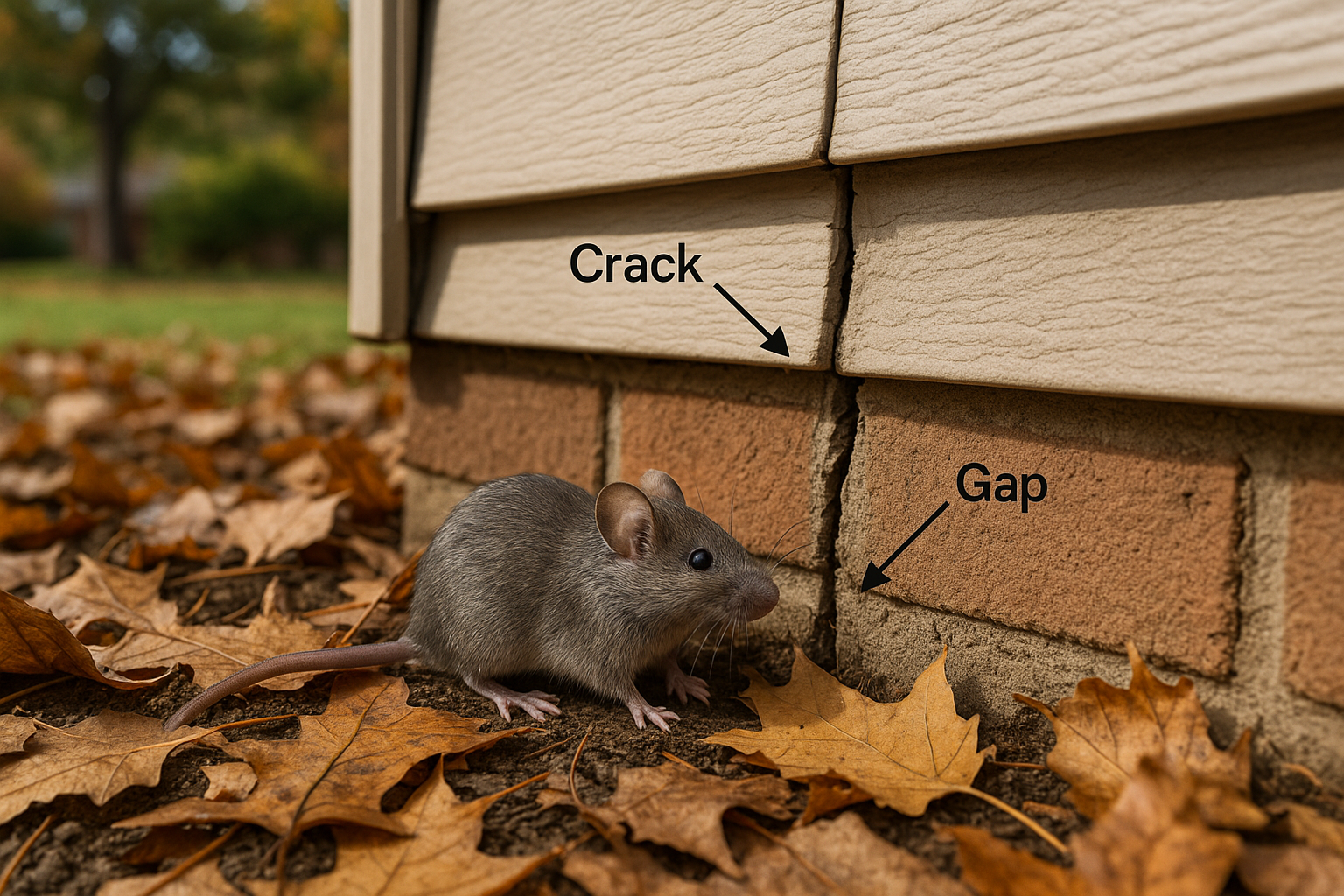
Mouse entry is usually a matter of opportunity rather than intent. The most frequent gateways in Tucker homes include:
- Cracks in the concrete foundation, especially where the slab meets the soil.
- Gaps around utility lines, such as water, gas, and electrical conduits that penetrate the exterior wall.
- Unsealed vent openings, including dryer vents, attic fans, and crawl‑space vents.
- Damaged or missing weather‑stripping on doors and windows.
Because mice can squeeze through openings as small as a quarter‑inch, even seemingly minor gaps become viable highways into your living space.
Health Risks
Beyond property damage, mice pose serious health threats. They are carriers of several rodent‑borne pathogens that are prevalent in the Southeast:
- Hantavirus: Transmitted through inhalation of aerosolized droppings, urine, or saliva. In severe cases, it can cause hantavirus pulmonary syndrome, a life‑threatening condition.
- Salmonella: Often spread when contaminated mouse droppings come into contact with food preparation surfaces.
- Allergens: Mouse dander and urine proteins can trigger asthma attacks and allergic reactions, especially in children and the elderly.
According to the CDC’s 2024 rodent disease statistics, the Southeast region reports higher incidences of hantavirus and salmonellosis linked to rodent exposure than many other parts of the United States. These figures underscore why swift, professional mouse control is essential for Tucker homeowners.
Local Anecdote: A Real‑World Wake‑Up Call
Consider the experience of a Lake Forest resident who recently called Anthem Pest Control. Over a two‑week span, the homeowner reported five separate mouse sightings—one perched on a kitchen counter, another gnawing at the pantry door, and three more scurrying along the basement wall. The rapid increase in activity convinced the family that a larger colony had taken residence nearby. After a thorough inspection, Anthem identified several tiny cracks around the utility entry points and a vent opening that had been left unsealed during a recent remodel. The homeowner’s swift decision to engage professional treatment prevented potential structural damage and eliminated the health hazards associated with prolonged exposure.
Understanding these behaviors, entry routes, and health implications equips you to recognize early signs of a mouse problem. When you spot droppings, gnaw marks, or hear nocturnal scurrying, remember that a proactive approach—starting with a professional inspection—can safeguard both your home’s integrity and your family’s well‑being.
Factors Influencing Mouse Control Pricing
When you call Anthem Pest Control for a mouse‑control quote, the number you hear isn’t random. It reflects a handful of concrete variables that determine how much work is needed and what resources we must deploy. Understanding these factors helps you anticipate the cost and choose the most cost‑effective plan for your Tucker home.
1. Property Size
Square footage matters because it dictates how many entry points, hiding spots, and interior spaces must be inspected and treated. A typical Tucker residence averages about 1,800 sq ft. For a home of this size, a standard mouse‑control package—inspection, bait stations, and basic exclusion—usually falls in the mid‑range of our pricing scale.
Larger estates, especially those with multiple wings, basements, or detached structures (guest houses, sheds, garages), require more extensive coverage. Each additional 500 sq ft can add roughly 5‑10 % to the labor and material costs, as technicians need extra time to set traps, place baits, and seal gaps across a broader footprint.
2. Infestation Severity
The number of mice we encounter during the initial inspection directly influences the intensity of the treatment. We categorize severity into three tiers:
- Light – A few sightings or one‑two active traps. Usually resolved with a minimal set of bait stations and a quick exclusion sweep.
- Moderate – Dozens of mice, evidenced by multiple droppings, gnaw marks, or several active traps. This level typically requires a combination of bait stations, snap/trap systems, and a more thorough sealing of entry points.
- Severe – Hundreds of mice, often indicated by widespread droppings, gnawed insulation, and frequent trap activity. Severe infestations demand an intensive Integrated Pest Management (IPM) approach, including multiple visits, extensive bait placement, and comprehensive exclusion work.
Each tier adds a predictable increment to the quote: light infestations may start around the base price, moderate cases add 15‑25 %, and severe situations can increase the total by 30‑45 % due to the extra labor, materials, and follow‑up visits required.
3. Treatment Type
Not all mouse‑control methods are created equal, and the choice of treatment shapes the final cost:
- Bait Stations – Safe, low‑maintenance options that attract mice to a concealed poison. Ideal for light to moderate infestations; pricing is largely material‑driven.
- Snap/Trap Systems – Mechanical traps placed in high‑traffic zones. Effective for immediate knock‑down, especially in severe cases, but require more labor to set and monitor.
- Exclusion Work – Sealing cracks, gaps, and utility entry points. This is a one‑time investment that prevents re‑entry and is essential for long‑term control.
- Integrated Pest Management (IPM) – A holistic approach combining bait, traps, exclusion, and ongoing monitoring. IPM carries the highest upfront cost but delivers the most durable results, especially for chronic or severe problems.
Anthem Pest Control customizes the mix based on your home’s profile, ensuring you never pay for unnecessary services.
4. Seasonal Timing
Mouse activity spikes in the cooler months as rodents seek shelter indoors. In Tucker, demand for rodent control climbs in the fall, which can lead to a modest price premium of 5‑10 % due to higher technician scheduling and supply demand.
Conversely, spring often brings promotional discounts because many homeowners focus on insects and weeds at that time. Scheduling your mouse treatment during the spring can shave a few dollars off the base rate, provided the infestation isn’t urgent.
5. Local Regulations
Starting in 2024, the City of Tucker adopted an ordinance that requires all residential properties to seal exterior entry points for rodents. The code (Tucker Municipal Code § 13‑12‑04) mandates that any professional pest service must document the sealing of gaps larger than ¼ inch.
Compliance adds a small, transparent fee to the quote—typically $30‑$50—to cover the extra materials (steel wool, caulk, hardware cloth) and the documentation paperwork. This fee ensures your home meets city standards and protects you from potential fines.
By breaking down these five variables—property size, infestation severity, treatment type, seasonal timing, and local regulations—you can see why mouse‑control quotes vary from one Tucker homeowner to the next. At Anthem Pest Control, we provide a clear, itemized estimate that reflects each factor, so you know exactly where your money is going and how it contributes to a mouse‑free home.
Typical Pricing Options in Tucker, GA
When you call Anthem Pest Control, the first thing we discuss is cost. Transparent pricing helps you compare options, budget for the season, and avoid surprise fees. Below is a breakdown of the most common mouse‑control packages we offer to homeowners in Tucker, Georgia, along with the services each tier includes.
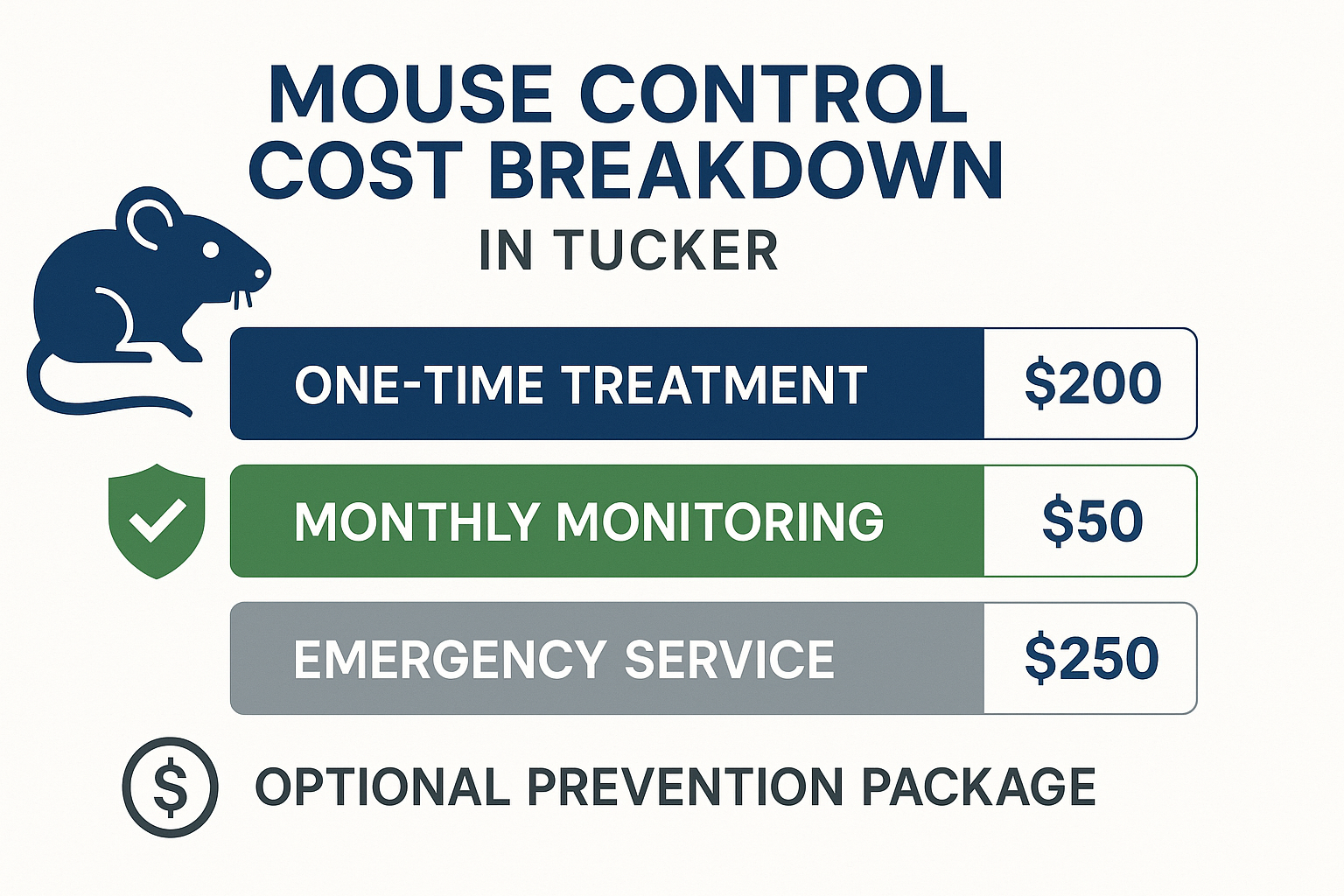
One‑Time Treatment
A single, intensive visit runs between $150 and $300. Our technicians spend up to 90 minutes installing bait stations, sealing obvious entry gaps, and applying targeted rodent‑specific products. This option is ideal for homeowners who have just discovered a mouse problem and want a fast, thorough knock‑down without a long‑term commitment.
Monthly Monitoring
For ongoing vigilance, the $30‑$50 per month plan provides regular trap checks, bait replenishment, and a brief inspection of high‑risk zones. Monthly monitoring catches new activity early, keeping your home mouse‑free throughout the year while spreading the cost into manageable payments.
Emergency/After‑Hours Service
If mice appear at the worst possible moment—say, a weekend dinner party or a late‑night discovery—you can request our rapid‑response team. Expect an additional $200‑$350 on top of any existing service tier for a same‑day visit, priority scheduling, and expedited treatment.
Pre‑Season Prevention Package
Planning ahead pays off. The $250‑$400 package includes a comprehensive inspection, exclusion work (door sweeps, vent covers, foundation sealing), and six months of monitoring. This bundle is perfect for families who want to avoid the scramble when mouse activity spikes in spring and summer.
| Service Tier | Price Range | What’s Included |
|---|---|---|
| One‑Time Treatment | $150‑$300 | 90‑minute service, bait stations, gap sealing |
| Monthly Monitoring | $30‑$50 / month | Trap checks, bait replenishment, brief inspection |
| Emergency/After‑Hours Service | $200‑$350 (extra) | Same‑day visit, priority response, rapid treatment |
| Pre‑Season Prevention Package | $250‑$400 | Inspection, exclusion work, 6‑month monitoring |
These figures are anchored in the 2025 EPA Rodent Control Guidelines, which compile statewide pricing trends for professional pest services. By aligning our rates with EPA‑backed data, Anthem Pest Control ensures you receive fair market value while benefiting from our local expertise.
Choosing the right tier depends on how quickly you need relief, how often you want us to check your property, and whether you prefer a proactive, season‑long shield. Whatever your situation, our transparent pricing lets you make an informed decision without hidden fees.
Seasonal Considerations & Timing
Fall Surge: Mice Seek Shelter
As the evenings grow cooler in Tucker, the native white‑footed mouse and its relatives start looking for warm, dry places to overwinter. The drop in temperature triggers a natural instinct to move indoors, where food, water, and protection are readily available. By late September, you’ll notice an uptick in gnaw marks on stored pantry items and a higher likelihood of hearing scurrying in walls or attics. This seasonal influx isn’t random—it’s a survival strategy that aligns with the region’s climate patterns.
Early Spring Activity: Hunger Drives Return
When March rolls around, the outdoor environment is still recovering from winter. Food sources such as seeds, insects, and fresh vegetation remain scarce, prompting mice to venture back inside homes in search of sustenance. Even if you managed a clean fall, the early spring months can bring a second wave of activity as rodents explore new entry points created by thawing foundations or shifting landscaping. The result is a renewed need for vigilance, especially around kitchens, basements, and crawl spaces.
Recommended Inspection Windows
To stay ahead of these natural cycles, Anthem Pest Control advises homeowners to schedule professional inspections during two key windows:
- Late September – A thorough pre‑fall check helps seal cracks, clear clutter, and set up preventive bait stations before mice begin their indoor migration.
- Early March – A spring assessment catches any new entry points formed over winter and addresses early‑season foraging before populations explode.
These inspections are most effective when paired with a proactive treatment plan that includes both exclusion (blocking access) and targeted control measures (baits, traps, and habitat modification). By acting during these windows, you dramatically reduce the chance of a full‑blown infestation later in the year.
Local Data Supports the Timing
Recent statistics reinforce the importance of fall and early spring vigilance. According to the DeKalb County pest‑service report 2023, there was a 42% increase in mouse service calls in October 2023 compared to the monthly average. This spike aligns perfectly with the documented fall surge, confirming that Tucker homeowners experience a tangible rise in rodent activity as temperatures dip.
Practical Tips for Homeowners
Beyond scheduling inspections, consider these quick actions to complement professional services:
- Store pantry items in sealed containers and keep countertops clutter‑free.
- Trim tree branches and shrubs away from the house to eliminate bridge routes.
- Seal gaps around utility penetrations, vents, and foundation cracks using steel wool and caulk.
- Maintain a tidy yard—remove leaf piles, firewood stacks, and debris that can serve as outdoor nesting sites.
Implementing these steps during the recommended windows creates a hostile environment for mice, making it far less likely they’ll establish a foothold inside your home.
Why Timing Matters for Cost‑Effective Control
Addressing mouse activity early, before populations multiply, translates directly into lower treatment costs. A single, well‑timed inspection and preventive treatment can prevent the need for multiple follow‑up visits, extensive baiting, or structural repairs caused by gnaw damage. At Anthem Pest Control, our transparent pricing reflects the efficiency gained from acting during the optimal seasonal windows—saving you both time and money while keeping your home rodent‑free.
DIY vs. Professional Mouse Control
When mice start making a home in your Tucker, Georgia, house, the first question most homeowners ask is, “Should I tackle this myself or call a pro?” The answer isn’t one‑size‑fits‑all. Below we break down the two approaches—DIY traps and baits versus a full‑service pest‑control plan—so you can weigh cost, effectiveness, safety, and long‑term peace of mind.
DIY Options: What You Can Do Yourself
Do‑it‑yourself mouse control typically involves three main tools:
- Snap traps – Classic wooden or plastic devices that deliver an instant kill.
- Glue boards – Sticky pads that immobilize rodents, requiring later disposal.
- Homemade bait stations – Simple containers filled with peanut butter, cheese, or oats to lure mice.
According to the NPMA Rodent Control Statistics (2024), the average homeowner spends between $20 and $80 on these supplies. While the upfront price looks attractive, the survey reports a success rate of only 30‑45 % for DIY methods. That means you may need multiple rounds of traps, frequent checking, and constant re‑baiting—time and effort that add up quickly.
Professional Services: What a Licensed Technician Brings
Hiring a professional pest‑control company like Anthem Pest Control changes the equation dramatically. Our technicians use EPA‑approved, low‑toxicity baits that are safe for families and pets when applied correctly. We also conduct a thorough inspection to locate entry points, nest sites, and food sources—something most DIY kits overlook.
Success rates for professional mouse control typically fall between 80‑95 %. In addition to eradication, we provide:
- Warranty coverage that protects you if mice return within the guarantee period.
- Compliance with local health and building codes, eliminating liability concerns.
- Long‑term exclusion services, such as sealing gaps and installing door sweeps, to keep rodents out permanently.
Side‑by‑Side Comparison
| Factor | DIY | Professional |
|---|---|---|
| Initial Cost | $20‑$80 for traps, glue boards, and bait | $150‑$350 for inspection, treatment, and warranty (varies by home size) |
| Success Rate | 30‑45 % (NPMA 2024) | 80‑95 % (industry averages) |
| Time Commitment | Hours of setting, checking, and resetting traps | One‑time visit plus optional follow‑up; we handle monitoring |
| Safety | Risk of accidental snap, exposure to glue, and bait ingestion by pets/children | EPA‑approved low‑toxicity products; technicians trained in safe placement |
| Liability | No warranty; homeowner bears re‑infestation costs | Warranty coverage; professional liability insurance protects you |
| Long‑Term Prevention | Limited to occasional sealing; often overlooked | Comprehensive exclusion plan, including gap sealing and structural advice |
Safety First: Protecting Kids and Pets
Snap traps can snap shut with enough force to injure a curious child’s finger, while glue boards can trap a wandering cat’s paw. Even “homemade” baits may contain ingredients that attract pets, leading to accidental ingestion. Professional pest control mitigates these risks by placing baits in tamper‑resistant stations and using formulations that are low in toxicity yet lethal to mice.
Liability and Peace of Mind
When a DIY method fails, the homeowner is left to troubleshoot—often without a clear understanding of why the infestation persists. This can lead to repeated purchases, wasted time, and growing frustration. A professional service includes a written guarantee, and our technicians carry insurance that shields you from potential claims related to mishandled chemicals or structural damage.
Why Many Tucker Homeowners Choose Anthem Pest Control
Beyond the numbers, the real value lies in confidence. Knowing that a certified expert has inspected every corner, applied the safest products, and sealed entry points lets you focus on what matters—enjoying your home without the constant worry of mice gnawing wires, contaminating food, or spreading disease. If you’re ready to move beyond the hit‑or‑miss nature of DIY, give us a call at 877‑371‑8196 or visit anthempest.com for a free quote.
Neighborhood Spotlight – Tucker Hotspots
Lake Forest
Lake Forest is known for its charming, older homes—many of which sit atop full‑basement foundations. While these spaces add valuable living area, they also create a perfect conduit for mice seeking shelter. The most common entry points are the crawl‑space vents, foundation cracks, and any gaps around utility lines.
Key prevention steps for Lake Forest homeowners:
- Inspect and seal all crawl‑space vents with stainless‑steel mesh.
- Apply a high‑grade silicone or polyurethane caulk to foundation cracks larger than ¼ inch.
- Install door sweeps on basement doors and ensure they close tightly.
- Use metal flashing around pipe penetrations rather than rubber gaskets, which mice can chew through.
“After sealing the vents and adding metal flashing, we haven’t seen a single mouse in the basement for months. It’s a huge relief.” – Jane D., Lake Forest
South Lake
South Lake’s newer subdivisions boast modern layouts and beautifully landscaped yards. However, the dense shrubbery and thick mulch beds can hide tiny mouse pathways, allowing rodents to travel unnoticed from the street to homes.
Targeted actions for South Lake residents:
- Trim shrubs and hedges at least 6 inches away from the house foundation every 4–6 weeks.
- Remove excess mulch that sits directly against the foundation; replace it with a 2‑inch gap or use stone bark.
- Keep firewood stacked at least 18 inches off the ground and away from the home’s exterior walls.
- Install a continuous strip of copper or steel mesh along the perimeter of the foundation to block burrowing.
“We thought our new home was mouse‑free until we noticed droppings near the mulch. Trimming the bushes and pulling back the mulch stopped the problem instantly.” – Mark L., South Lake
West End
The West End sits adjacent to the active railroad line, a natural corridor for mice traveling between freight yards and residential areas. This proximity means a higher traffic volume of rodents seeking shelter in nearby homes.
Prevention checklist for West End homeowners:
- Install metal flashing around all utility penetrations, especially where electrical, gas, and water lines enter the structure.
- Seal gaps around vent pipes, dryer exhausts, and HVAC ducts with heavy‑duty steel wool followed by caulking.
- Maintain a clear buffer zone of at least 12 inches between the house siding and any stored items or debris.
- Schedule quarterly inspections with a professional pest service to catch early signs of mouse activity.
“The railroad was the culprit we never considered. Adding metal flashing around the utility lines made a noticeable difference—no more mouse sightings.” – Rita S., West End
By tailoring these simple, location‑specific steps, Tucker homeowners can dramatically reduce the likelihood of mouse invasions. Anthem Pest Control recommends pairing these DIY measures with a professional inspection to ensure every potential entry point is addressed and to receive a customized treatment plan that fits your budget.
Frequently Asked Questions
Will traps kill my pets?
Pet owners often worry that a snap trap or an electronic device could harm a curious cat or dog. At Anthem Pest Control we prioritize safety, so we recommend pet‑safe snap traps that are designed with a concealed spring mechanism, making them difficult for pets to trigger. Electronic traps use a low‑voltage shock that is lethal to mice but harmless to larger animals because the chamber only activates when a mouse’s size and weight are detected. In addition to traps, we offer exclusion methods—sealing entry points and installing barrier materials—so you can control the mouse population without any devices inside the home. For households with especially active pets, we can schedule treatments during times when pets are out of the treatment zones, ensuring a completely risk‑free environment.
How long before mice disappear?
Most homeowners see a noticeable drop in mouse activity within 1‑3 weeks after a professional treatment. Our technicians apply a combination of bait stations, targeted dusts, and exclusion work, which together create a rapid decline in the infestation. In fact, 85% of our customers report a reduction in mouse sightings within the first two weeks. While the majority of the problem is often resolved in that window, we typically schedule a follow‑up visit after 10‑14 days to assess any remaining activity and apply a second round of treatment if needed. This two‑step approach helps ensure that any surviving mice are captured and that the colony cannot rebound.
Do I need to vacate the house?
No, you do not need to leave your home during or after a mouse control service. Our products are low‑toxicity and applied in a way that minimizes exposure to occupants. We do ask that you seal food items, store pantry goods in airtight containers, and remove clutter where mice like to hide. During the actual treatment, we recommend keeping pets and children away from the specific zones where we place bait or apply dust—usually a matter of a few minutes per room. After the technician finishes, the treated areas are safe to re‑enter almost immediately. By following these simple steps, you can maintain a comfortable living environment while we eliminate the rodent problem.
Final Takeaways & Call to Action
When it comes to mouse control in Tucker, Georgia, the numbers can feel confusing. Here’s a quick refresher on the typical price brackets you’ll encounter, broken down by service type:
- One‑time eradication: $150 – $300 for a full‑home treatment that eliminates an active infestation.
- Monitoring & follow‑up visits: $40 – $80 per visit, often bundled into a quarterly or semi‑annual plan.
- Emergency “same‑day” service: $250 – $450, reflecting the added labor and rapid response required.
- Preventive exclusion packages: $180 – $350 annually, covering seal‑up work, habitat reduction, and seasonal inspections.
These figures are not arbitrary—they reflect the true cost of a comprehensive approach. A cheap, DIY trap may seem attractive, but it rarely addresses the root cause. Professional exclusion, which seals entry points and removes attractants, prevents future invasions and ultimately saves you money.
Seasonal timing is another hidden factor. Mice are most active in the cooler months, and Tucker experiences a noticeable surge in activity as fall approaches. By scheduling a professional assessment before the first frost, you lock in a proactive stance that stops the problem before it spreads to insulation, wiring, and stored food. Our local technicians know the specific entry hotspots in Tucker homes—gaps around utility lines, foundation cracks, and attic vents—so they can target treatment where it matters most.
Local expertise translates directly into cost‑effective, long‑term solutions. Anthem Pest’s technicians are trained on the unique rodent pressures of the Atlanta metropolitan area, and they use region‑specific data to prioritize high‑risk zones. This knowledge means fewer repeat visits, less chemical usage, and a faster return on your investment.
Acting now, before the typical fall surge, protects both your property and your family’s health. Mice carry pathogens that can contaminate countertops, pantry items, and even your children’s toys. An unchecked infestation can also gnaw through insulation and wiring, creating fire hazards and costly repairs. A timely professional intervention eliminates these risks and gives you peace of mind throughout the colder months.
Ready to take the next step? Give Anthem Pest a call at 877‑371‑8196 for a free, no‑obligation quote. Our friendly staff will walk you through the options that fit your budget and schedule. Prefer to set things up online? Visit our portal for easy, 24/7 scheduling and see exactly what’s included in each service package.
Don’t wait for the mice to make themselves at home—reach out today and let Tucker’s trusted pest professionals safeguard your household.