Tick Threats in Smyrna, GA – An Overview

Smyrna enjoys a mild, humid climate with warm summers and relatively mild winters—conditions that create an ideal playground for ticks. The city’s abundance of parks, wooded trails, and well-kept lawns provides the perfect habitat for these tiny arachnids to hide, quest for a host, and multiply, making professional tick control Smyrna Georgia essential for protecting your home and family.
Beyond the greenery, Smyrna’s location within the Atlanta metropolitan area means it sits in a natural corridor for wildlife such as white‑tailed deer, raccoons, and squirrels. These animals are primary hosts for adult ticks, and when they wander through residential neighborhoods, they inadvertently drop tick eggs and larvae into backyards and playgrounds.
Recent data from the Georgia Department of Public Health (DPH) shows a noticeable uptick in tick‑related encounters across Fulton County. In the past two years, reported cases of tick bites and tick‑borne illnesses have risen by roughly 22%, a trend that mirrors the broader Southeast surge in tick activity.
Why does this matter to you, the homeowner? Each tick bite carries a risk of transmitting diseases such as Lyme disease, Rocky Mountain spotted fever, and ehrlichiosis. Even a single bite can lead to costly medical visits, time off work, and anxiety for your family.
That’s why this guide is essential. We’ll walk you through the typical costs of professional tick control in Smyrna, explain the most effective treatment methods—ranging from targeted sprays to landscape modifications—and share practical prevention tips you can start using today.
Our goal is to empower you with the knowledge to protect both your loved ones and your pets. Dogs and cats are especially vulnerable because they spend time outdoors sniffing around grass and leaf litter, where ticks wait to latch on.
By understanding the local tick threat, you’ll be better positioned to make informed decisions about when to call a licensed pest‑control professional and how to maintain a tick‑free yard year‑round.
Throughout the rest of this article, Anthem Pest Control will break down the financial side of tick management, compare DIY versus professional options, and outline a seasonal calendar so you never feel caught off guard by a sudden tick invasion.
Stay with us, and you’ll learn exactly how to safeguard your home, keep your family healthy, and enjoy Smyrna’s beautiful outdoor spaces without the constant worry of hidden, blood‑sucking pests.
What Ticks Are Common in Smyrna, GA?
Smyrna’s humid climate and wooded backyards create an ideal habitat for several tick species that regularly bite humans and pets. Knowing which ticks you’re likely to encounter helps you spot them early and choose the right control strategy.
American Dog Tick (Dermacentor variabilis)
The American dog tick is the most frequently reported tick in the Smyrna area. Adult females are a reddish‑brown color with white‑gray patches on their backs, while males appear darker and lack the distinctive markings. They thrive in grassy fields, along fence lines, and in the leaf litter of suburban yards.
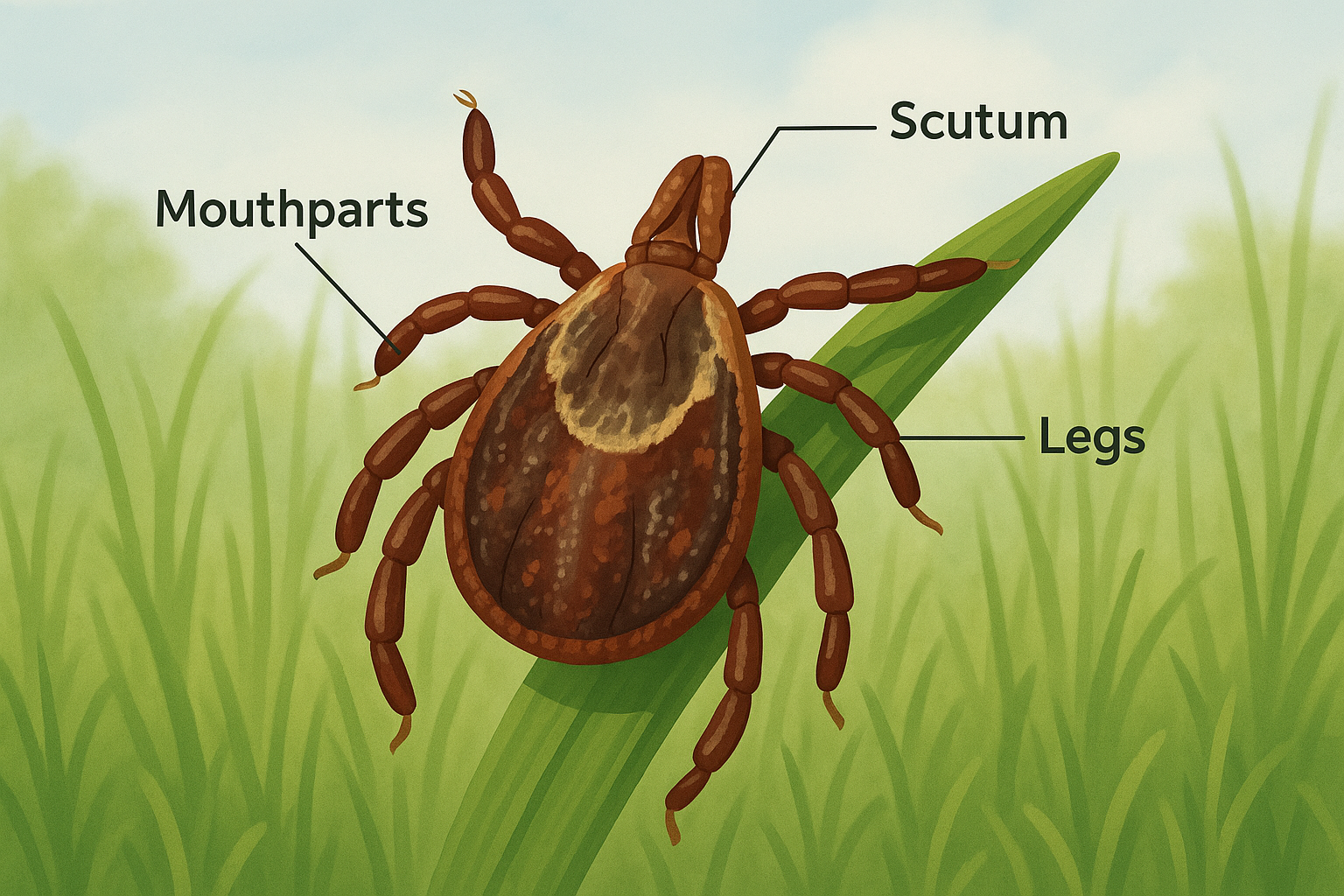
Key identifying features (see illustration above):
- Size: 3–5 mm when unfed; can swell to 10 mm after a blood meal.
- Scutum (shield) on the back with a pale, irregular “M”‑shaped pattern.
- Six‑legged nymph stage and eight‑legged adult stage; legs are relatively long compared with body length.
- Engorged females appear balloon‑like as they fill with blood.
Lone Star Tick (Amblyomma americanum)
The Lone Star tick earned its name from the single white spot found on the back of adult females. Males lack the spot, which can make identification tricky. This species prefers tall grasses, brushy edges, and outdoor recreation areas. In Smyrna, it is most active from early spring through late summer and is a known carrier of ehrlichiosis and southern tick‑associated rash illness (STARI).
Blacklegged (Deer) Tick (Ixodes scapularis)
Often called the deer tick, the blacklegged tick is smaller—about 2 mm when unfed—making it easy to miss. Its reddish‑brown body and dark, almost black legs give it a “black‑legged” appearance. This tick is the primary vector for Lyme disease, anaplasmosis, and babesiosis in Georgia. It thrives in shaded, moist environments such as leaf piles, forest edges, and even garden mulch.
Local statistics: According to the Georgia Department of Public Health, tick encounters in the state rose by roughly 18 % between 2022 and 2023. While the agency has not yet broken the data down by county, Smyrna’s increasing residential development and proximity to wooded parks suggest the trend mirrors the statewide surge.
Real‑world example: One Smyrna homeowner in the Clifton Springs neighborhood reported seeing ticks almost every week during May and June. The family’s 0.3‑acre backyard, bordered by mature oak trees and a small creek, became a hotspot for both adult and nymph stages. After a single bite, their Labrador Retriever developed a red, expanding rash—prompting the homeowner to call Anthem Pest Control for a comprehensive tick‑management plan that included perimeter barrier treatments, targeted lawn applications, and homeowner education on daily yard inspections.
Understanding the species that dominate Smyrna’s tick population—and their preferred habitats—gives you a solid foundation for prevention. If you notice any of the characteristics described above, consider a professional inspection. Anthem Pest Control’s technicians are trained to identify ticks on sight, assess infestation levels, and recommend a treatment regimen that protects both your family and your pets.
Diseases You Need to Know – Lyme, RMSF, and More
icks in Georgia aren’t just a nuisance; they’re carriers of several serious illnesses that can affect anyone who spends time outdoors. While a single bite may seem harmless, the pathogens hidden beneath the tiny mouthparts can trigger long‑lasting health problems if left untreated. Understanding the most common tick‑borne diseases in our region is the first step toward effective tick control Smyrna Georgia to protect your family and pets.
Lyme Disease
Lyme disease, caused by the bacterium Borrelia burgdorferi, is the most frequently reported tick‑borne illness in Georgia. In 2023, the state recorded approximately 1,200 confirmed cases according to the CDC. The primary vector is the black‑legged (deer) tick, which thrives in wooded and grassy areas throughout the state.
Typical symptoms appear 3‑14 days after the bite and may include a distinctive “bull’s‑eye” rash, fever, chills, headache, fatigue, and muscle aches. If untreated, the infection can spread to the joints, heart, and nervous system, leading to chronic pain and neurological issues.
Rocky Mountain Spotted Fever (RMSF)
Despite its name, RMSF is a real threat in Georgia, transmitted by the American dog tick (D. variabilis) and the lone star tick (A. americanum). The Georgia Department of Public Health reported over 150 cases in 2023, a noticeable rise from previous years.
Early signs often mimic flu—fever, severe headache, muscle pain, and nausea—followed by a rash that starts on the wrists and ankles before spreading to the trunk. Without prompt antibiotic treatment, RMSF can cause organ failure, neurological damage, or even death.
Other Tick‑Borne Illnesses to Watch
- Southern Tick‑Associated Rash Illness (STARI): A milder rash and flu‑like symptoms, usually linked to the lone star tick.
- Ehrlichiosis: Causes fever, headache, muscle aches, and sometimes a rash; transmitted by the lone star tick.
- Babesiosis: A malaria‑like illness that attacks red blood cells, leading to fatigue, fever, and anemia.
While each disease has its own profile, they share common transmission factors: an infected tick must be attached for at least 24–48 hours to pass the pathogen. That’s why regular tick checks and prompt removal are critical.
Real‑World Story: A Cautionary Tale from East Cobb
Last summer, the Miller family from East Cobb took their 7‑year‑old son to a local park for a weekend picnic. After a day of playing near the wooded trail, they noticed a small, engorged tick clinging to his leg. They removed it, but three days later he developed a fever, headache, and a faint circular rash on his thigh.
A visit to their pediatrician led to a rapid Lyme disease test, which came back positive. The Miller’s were started on a two‑week course of doxycycline and made a full recovery, but the experience left them shaken. “We thought a quick tick removal was enough,” the mother recalled, “but we learned that early testing and treatment are lifesavers.” Their story underscores how quickly a seemingly harmless bite can turn into a serious health issue, especially for children who spend more time playing outdoors.
Why Prevention Matters for Children and Pets
Kids and pets are the most vulnerable because they often explore tall grass, leaf litter, and wooded areas without realizing the risk. Ticks can latch onto fur or clothing and hitch a ride into the home, where they may attach to family members later. Regular use of veterinarian‑approved tick preventatives for dogs and cats, combined with routine tick checks after outdoor activities, dramatically reduces the chance of disease transmission.
For homeowners, a proactive tick‑control plan—such as perimeter treatments, landscape management, and professional inspections—creates a barrier that keeps ticks away from your yard and, ultimately, your loved ones.
For the latest CDC guidance on tick‑borne diseases and prevention strategies, visit the CDC Tick Information page. Staying informed and taking early action are the best defenses against the hidden threats that Georgia’s ticks carry.
When Are Ticks Most Active in Smyrna?
Peak Activity Months
In Smyrna, Georgia, ticks follow a fairly predictable seasonal rhythm. The first surge arrives in early spring and runs through the height of summer, typically from April to July. After a brief lull in the hottest weeks of August, a second, smaller wave appears in the cooler months of October and November. These periods line up with the life stages when adult females are searching for a host and larvae are emerging from the leaf litter.
How Temperature, Humidity, and Rain Shape Tick Behavior
Ticks are ectothermic, meaning their activity hinges on the environment around them. When daytime highs hover between 65°F and 85°F, metabolism speeds up and questing ticks climb onto grass blades, shrubs, or low branches, waiting for a passing host. Humidity is equally critical; ticks need at least 70 % relative humidity to stay hydrated. A damp, misty morning can keep them active for hours, while a dry, windy day forces them to retreat into the soil.
Rainfall plays a surprisingly direct role. A sudden downpour can push moisture deep into the leaf litter, creating an ideal micro‑climate for larvae and nymphs. In early May, for example, the first heavy rain at Smyrna Riverwalk sparked a noticeable spike in tick sightings—homeowners reported finding more “tiny black specks” on their dogs after the storm. Conversely, prolonged dry spells can suppress activity for weeks, giving you a natural window to schedule a preventive treatment.
Simple Chart Idea for Visual Reference
When you add a visual aid to the article, a clean line chart works best. Plot average monthly temperature on the horizontal axis and tick activity level (based on field counts or reported bites) on the vertical axis. Highlight the April‑July and October‑November peaks with shaded bands, and overlay a rain‑event marker to show how a single storm can cause a short‑term surge. This visual will help homeowners quickly grasp why a sunny, humid day in June feels “tick‑heavy” compared to a dry August afternoon.
What This Means for You
Understanding these patterns lets you time your prevention measures for maximum impact. A pre‑emptive treatment in late March, just before the spring surge, reduces the number of questing ticks that can latch onto pets or family members. A follow‑up in early October tackles the secondary wave before it peaks. By aligning your pest‑control schedule with Smyrna’s tick calendar, professional tick control Smyrna Georgia ensures you stay one step ahead of the pests while keeping your yard safe and enjoyable.
Homeowner‑Level Tick Prevention Checklist
1. Tidy Up Your Landscape
Ticks love cool, moist places where they can wait for a host to brush by. By keeping your yard clean and well‑maintained, you dramatically reduce those hide‑outs. Follow these simple habits:
- Mow the lawn weekly. Cutting grass to a height of 2‑3 inches exposes any questing ticks and makes the environment less hospitable.
- Trim low‑lying vegetation. Shrubs, vines, and groundcovers that touch the ground should be kept back at least a foot from the lawn. This creates a clear “no‑tick” zone where sunlight can dry out potential habitats.
- Remove leaf litter and debris. Fallen leaves, pine needles, and wood piles retain moisture. Rake them away regularly, especially in the spring and fall when tick activity spikes.
2. Install a Mulch Barrier
Strategically placed wood‑chip mulch can act as a physical barrier that discourages ticks from crossing into high‑traffic areas like patios or playgrounds. The University of Georgia Extension conducted a field study that showed 30% fewer ticks in yards that used a 3‑foot wide mulch strip around the perimeter compared to untreated lawns.
To replicate the results:
- Lay a continuous strip of wood chips, at least 3 feet wide, around the edges of your yard or between the lawn and garden beds.
- Maintain the mulch depth at 2‑3 inches; too deep can become a moisture trap, too shallow loses its barrier effect.
- Refresh the mulch annually to keep it clean and free of debris that could shelter ticks.
3. Plant Tick‑Repellent Herbs
While no plant can guarantee a tick‑free zone, certain aromatic herbs are known to repel ticks and other insects. Incorporating these into borders or containers adds a pleasant scent and a layer of natural defense.
- Lavender (Lavandula angustifolia) – Its strong fragrance deters ticks and also makes your garden smell wonderful.
- Rosemary (Rosmarinus officinalis) – Thrives in full sun and can be clipped for culinary use while keeping ticks at bay.
- Consider planting these herbs near entryways, decks, or play areas for maximum effect.
4. Protect Your Pets and Family
Pets are often the first to bring ticks into the home, and humans can pick them up during outdoor activities. Use these proven safeguards:
- EPA‑registered tick collars. Products such as Seresto® release continuous low‑dose insecticide that kills ticks on contact.
- Topical or oral tick preventatives. Consult your veterinarian for the best prescription‑only options.
- Human repellents. Choose DEET (20‑30%) or picaridin (20%) sprays for skin and clothing. Apply according to the label, especially before hiking or gardening.
5. Conduct Regular Yard Inspections
Even the best‑kept yard can harbor a stray tick. Schedule a quick walk‑through of your property at least once a month during peak season (April‑September). Look for:
- Small, dark specks on the edges of grass blades.
- Clusters of ticks in shaded, damp spots like the base of trees or under decks.
- Signs of tick activity on pets after they return from the yard.
If you spot any ticks, promptly remove them with fine‑tipped tweezers, grasping close to the skin and pulling straight out. Disinfect the bite area and wash your hands.
6. When DIY Isn’t Enough
Despite diligent DIY efforts, a heavy tick population may still persist, especially in larger properties or those bordering wooded areas. In those cases, a professional tick control service can target the problem at the source with EPA‑approved acaricides, creating a longer‑lasting shield for your home and family.
Anthem Pest Control offers a transparent, affordable tick‑management plan tailored to Smyrna homeowners. Our technicians assess your yard, apply targeted treatments, and provide a maintenance schedule that fits your lifestyle.
Why Professional Tick Control Beats DIY in the Long Run
When it comes to protecting your yard and family from ticks, a DIY approach can feel tempting—especially when you see a cheap spray at the hardware store. However, the hidden costs of ineffective coverage, misidentified species, and safety hazards quickly outweigh the upfront savings. Professional tick control delivers a comprehensive, science‑backed strategy that not only reduces tick populations faster but also keeps you compliant with local health regulations. In Smyrna, where the climate favors tick activity year‑round, partnering with a licensed provider like Anthem Pest Control ensures lasting peace of mind.
Treatment Options You’ll Find From a Pro
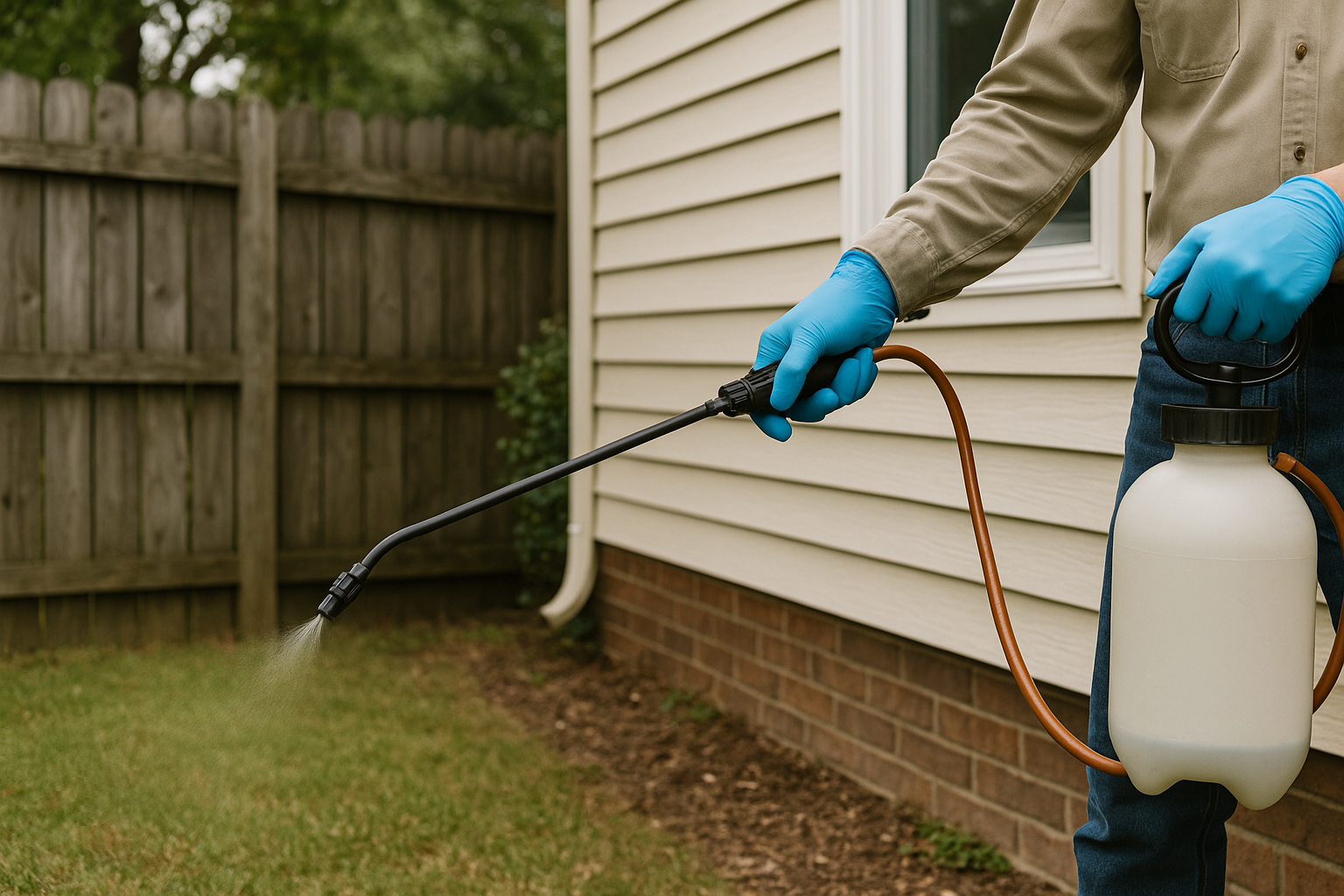
- Perimeter Barrier Sprays – A calibrated application that creates a continuous, invisible shield around the entire property, targeting the zones where ticks typically quest.
- Targeted Spot Treatments – Focused applications on high‑risk micro‑habitats such as woodpiles, shaded garden beds, and animal shelters, where ticks congregate.
- Tick Tubes – Small, biodegradable stations filled with permethrin‑treated cotton; mice collect the material for their nests, breaking the tick life cycle at its source.
- Biological Controls (Nematodes) – Microscopic, naturally occurring worms that seek out and kill tick larvae in the soil, offering an environmentally friendly alternative to chemicals.
Cost Ranges: What You’re Actually Paying For
Professional services are often perceived as pricey, but the numbers tell a clearer story. A single perimeter barrier spray for a typical 2,000‑sq‑ft home in Smyrna runs between $120 and $180 per treatment. This price includes a thorough property inspection, precise calibration of equipment, and a licensed applicator’s expertise.
For homeowners who prefer a low‑maintenance, ongoing solution, the NPMA 2024 guide lists a tick‑tube program at $80‑$120 annually. That fee covers the tubes, installation, and a follow‑up visit to assess effectiveness. When you compare these transparent rates to the hidden expenses of repeated DIY purchases, missed applications, and potential medical costs from tick‑borne illnesses, professional treatment quickly becomes the more economical choice.
Advantages Only a Professional Can Provide
- Consistent Coverage – Licensed technicians use GPS‑guided equipment to ensure no gap in the barrier, eliminating the guesswork that DIY sprayers often face.
- Expert Species Identification – Not all ticks are created equal. Professionals can differentiate between lone‑star, black‑legged, and dog ticks, tailoring the treatment to the specific threats in your neighborhood.
- Safety Compliance – Professional products are applied according to EPA regulations, with proper personal protective equipment and environmental safeguards that DIYers typically overlook.
- Integrated Pest Management (IPM) – Anthem Pest combines chemical, biological, and cultural tactics into a single, cohesive plan, reducing reliance on any one method and minimizing resistance.
- Warranty and Follow‑Up – Most services include a guarantee and a scheduled re‑inspection, giving you a clear path to address any resurgence before it becomes a problem.
In practice, this means you spend less time worrying about “Did I miss a spot?” and more time enjoying your backyard. The professional approach also protects pets and children by using formulations that are proven safe for household environments—something over‑the‑counter products rarely disclose.
Choosing Anthem Pest Control for your tick management isn’t just about buying a service; it’s about investing in a proven, long‑term defense that aligns with Smyrna’s unique climate and tick ecology. The upfront cost translates into fewer re‑treatments, lower health risks, and a yard that stays enjoyable season after season.
What Will Tick Control Cost in Smyrna?
When you’re budgeting for tick protection, the numbers matter as much as the peace of mind you’ll gain. At Anthem Pest Control we break our pricing into clear tiers so you can choose the level of coverage that fits your yard size, lifestyle, and budget.
Tiered pricing explained
- One‑time treatment: Ideal for a quick “reset” after a recent tick surge. This single application covers the entire property once and typically costs between $120 and $180 for a standard 2,500‑sq‑ft home.
- Quarterly maintenance: The most popular option. Four visits per year keep the tick population suppressed before each peak season (spring, summer, fall, and early winter). Prices are calculated per quarter and scale with square footage.
- Full‑year protection: A bundled package that combines the four quarterly visits into one annual fee, often with a small discount compared with paying each quarter separately.
Real‑world example: Historic District home
Consider a 2,500‑sq‑ft historic‑district residence in Smyrna. Our standard quote for quarterly maintenance is $149 per quarter. Over twelve months that totals $596, which includes:
- Pre‑season inspection and tick‑risk assessment
- Application of EPA‑approved acaricides to lawn, landscaping, and shaded areas where ticks hide
- Follow‑up treatment adjustments based on seasonal tick activity reports
- Unlimited homeowner support and a detailed post‑visit report
For homeowners who prefer a single payment, the same service can be bundled into a full‑year plan for $560, reflecting a modest 6 % savings versus the quarterly option.
Free inspections and price transparency
Anthem Pest offers a no‑cost, no‑obligation inspection for all Smyrna residents. A certified technician will walk your property, identify tick hotspots, and provide a written estimate before any work begins. This upfront quote includes a line‑item breakdown so you know exactly what you’re paying for—no hidden fees, no surprise add‑ons.
Seasonal discounts and bundled services
Because tick activity spikes in late spring, we frequently run limited‑time promotions:
- Early‑bird discount: Book your quarterly plan before March 1 and receive a 10 % reduction on the first year’s price.
- Combo‑service savings: Pair tick control with our mosquito barrier or rodent exclusion program and enjoy an additional $30 off each quarterly visit.
- Referral bonus: Refer a neighbor who signs up for any Anthem Pest service, and both households receive a $25 credit toward their next invoice.
All discounts are applied transparently on the invoice, and the final amount is confirmed with you before the service calendar is set.
What to expect on your bill
Each invoice lists the service date, the square‑footage covered, the product(s) used, and the exact charge for that visit. If you opt for a full‑year plan, the invoice will show the total annual amount with the discount applied, followed by a simple payment schedule (monthly, quarterly, or full upfront).
By choosing a tier that matches your needs and taking advantage of free inspections and seasonal offers, Smyrna homeowners can protect their families from ticks without any hidden costs. Ready to see the exact price for your property? Call Anthem Pest at 877‑371‑8196 or visit our website for a personalized quote.
Why Anthem Pest Is Smyrna’s Trusted Tick Control Partner
Local expertise on Georgia tick species
Ticks in Smyrna aren’t all the same. The lone star, black‑legged, and American dog tick each have distinct habits, peak activity periods, and preferred habitats. Our technicians spend months each year in field training, learning how these species behave across Fulton County’s neighborhoods, parks, and backyards. That knowledge translates into a targeted approach—we know exactly where to focus treatment, whether it’s a shaded garden bed, a dog‑run fence line, or a wood‑chip mulch pathway. With a 20‑year service record serving Smyrna and the surrounding Fulton County communities, Anthem Pest has seen every tick‑related challenge the area can throw at us and has refined a playbook that works.
Safety‑first, low‑toxicity solutions
Homeowners in Georgia care deeply about the safety of their families, pets, and the environment. That’s why Anthem Pest exclusively uses EPA‑approved products that are proven effective yet maintain a low toxicity profile. Our formulations break down quickly after application, leaving minimal residue while still delivering a residual barrier that keeps ticks at bay for weeks. For pet owners, we offer a pet‑friendly option that avoids ingredients known to irritate cats, dogs, or other household animals. All treatments are applied by certified technicians who follow strict safety protocols, from proper personal protective equipment to precise spray patterns that avoid drift onto neighboring properties.
What customers are saying
“I was skeptical about another pest‑control visit after a bad experience last summer, but Anthem Pest changed my mind. The technician identified the exact type of ticks in our yard, used a gentle spray that didn’t bother our Labrador, and within a week we saw a dramatic drop in tick activity. Professional, courteous, and truly effective.” – Jenna L., Smyrna homeowner
Stories like Jenna’s are why Smyrna residents keep coming back. We don’t just treat a problem; we educate homeowners on how to prevent future infestations, from proper yard maintenance to seasonal tick‑check routines. Our transparent pricing means you know exactly what you’re paying for—no hidden fees, no surprise add‑ons.
Ready to protect your family and pets from ticks? Call us today at 877‑371‑8196 for a free, no‑obligation quote. Our local team is standing by to schedule a same‑day inspection and put Smyrna’s most trusted tick control plan into action.
FAQ – Quick Answers for Smyrna Homeowners
How often should treatments be scheduled?
For most Smyrna yards, we recommend a treatment every 8‑10 weeks throughout the peak tick season, which runs from early spring until late fall. This interval keeps the residual barrier active while allowing new growth in grass and shrubs to be covered before ticks can re‑establish. If you notice a sudden surge in tick activity after a heavy rain or a landscaping project, an extra visit can be added to maintain protection.
If you have a large property or multiple zones, we may recommend a slightly tighter schedule, such as every 6‑8 weeks, to keep every corner protected.
Are treatments safe for children and pets?
Yes. All of Anthem’s tick applications are performed by EPA‑certified technicians using products that have been rigorously tested for safety around people and animals. We follow label directions to the letter, apply only the recommended amount, and avoid high‑traffic zones whenever possible. After a treatment, we advise keeping children and pets off treated areas for the short drying period indicated on the product label—usually 30 minutes to an hour.
Our technicians also wear protective gear and conduct a pre‑treatment walkthrough to identify any areas where children or pets spend the most time, allowing us to adjust the spray pattern accordingly.
Can tick control be combined with mosquito services?
Absolutely. Anthem offers bundled seasonal packages that include both tick and mosquito treatments. By coordinating the two services, you receive a single visit schedule, reduced travel time for our technicians, and a discount that can be as much as 15 % off the combined price. The integrated approach also ensures that the same barrier chemistry protects against both pests without compromising effectiveness.
Both tick and mosquito barriers use compatible active ingredients, so you won’t experience any chemical conflict, and the combined service typically reduces the total number of visits by half.
Where can I learn more about tick safety and pesticide regulations?
For detailed health guidance, visit the CDC’s tick page. For information on the products we use and EPA safety standards, see the EPA pesticide website. Both resources provide reliable, science‑based recommendations that complement the professional service we deliver.
The CDC site includes checklists for weekly yard inspections, while the EPA page explains how to read product labels and what the “restricted use” designation means.
Take Action Today – Protect Your Smyrna Home from Ticks
Ticks may be tiny, but the damage they cause to your family’s health and your yard’s enjoyment is anything but. Throughout this guide we’ve explored why a proactive tick‑control plan is essential—identifying the seasons when nymphs are most active, choosing cost‑effective treatments, and sealing entry points before the bugs even think about crossing your threshold.
Why a proactive approach saves you money and peace of mind
When you tackle ticks early, you avoid the exponential growth that occurs once a few adults establish a breeding ground. Early interventions such as perimeter sprays, habitat reduction, and targeted larvicide applications typically cost less than emergency treatments after an infestation has taken hold. Moreover, a well‑maintained barrier reduces the risk of Lyme disease, Rocky Mountain spotted fever, and other tick‑borne illnesses that can turn a weekend backyard barbecue into a medical emergency. By investing a modest amount now, you also protect neighbors and community pets, keeping the entire neighborhood healthier.
Professional treatment—your safety net
DIY solutions can work for minor sightings, but only a licensed professional can guarantee thorough coverage and compliance with local regulations. Anthem Pest’s technicians use EPA‑approved products, calibrated equipment, and a systematic inspection process that protects pets, children, and the environment. The result is a long‑lasting shield that lets you enjoy your lawn, garden, and porch without constantly checking for hidden hitchhikers.
Key benefits of professional tick control
- Comprehensive inspection: We locate hotspots that homeowners often miss.
- EPA‑approved products: Safe for families and pets while remaining lethal to ticks.
- Tailored treatment plan: Solutions match your property’s size, landscaping, and tick species.
- Follow‑up monitoring: Seasonal checks ensure the barrier stays effective year after year.
Ready to safeguard your home?
We understand that you want a solution that’s effective, affordable, and hassle‑free. That’s why Anthem Pest offers a complimentary home inspection—no strings attached. Our experts will walk you through the findings, explain the most suitable treatment options for your property, and provide a transparent quote so you know exactly what you’re paying for. With professional tick control Smyrna Georgia, plus our satisfaction guarantee, we’ll return if you ever notice a resurgence.
Give us a call today at 877‑371‑8196