Stink Bug Inspection Overview for Brookhaven Homeowners

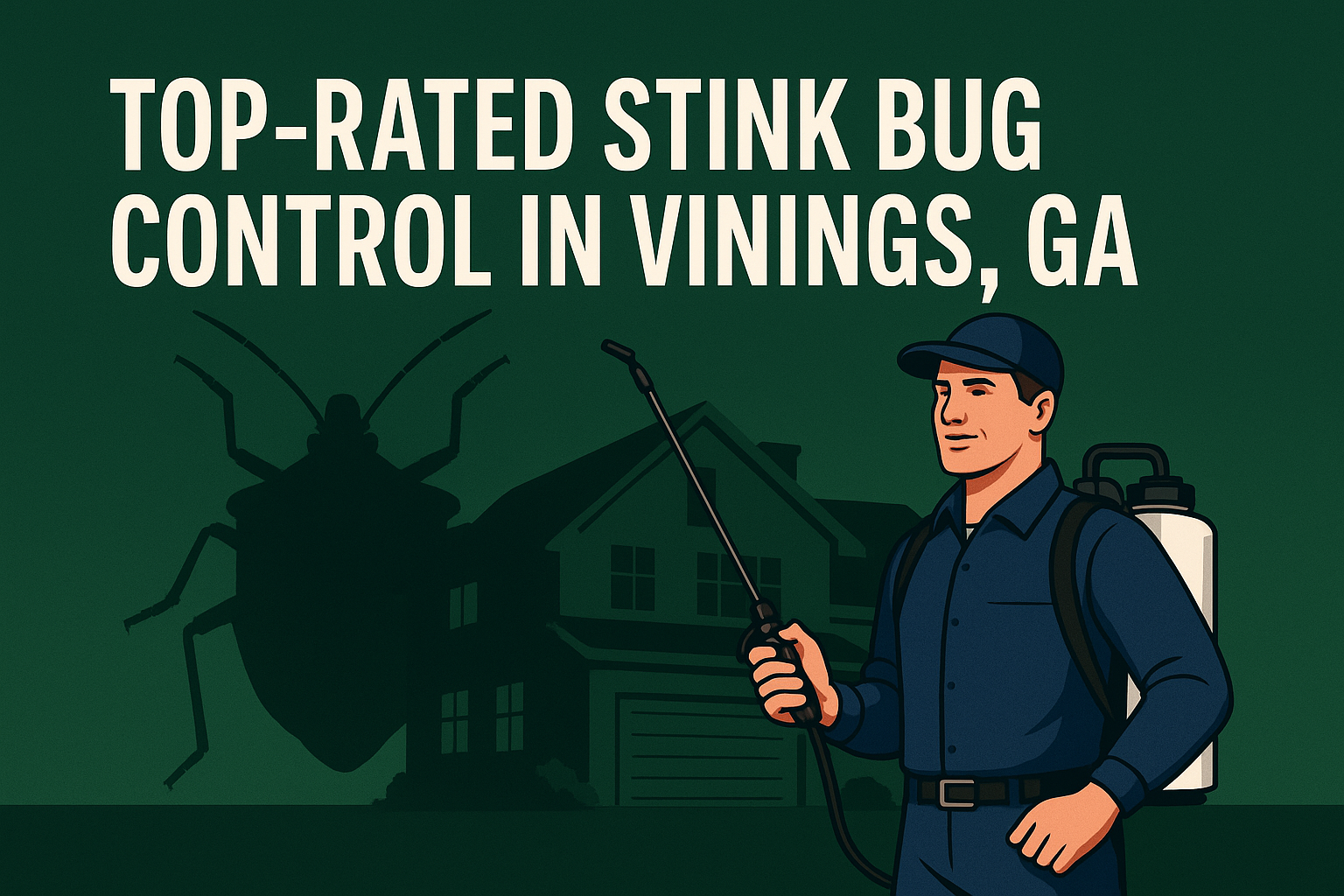
If you’ve been driving through Brookhaven Village or strolling past the homes in North Brookhaven lately, you’ve probably noticed a sudden uptick in those unmistakable, shield-shaped insects buzzing around porch lights. According to recent reports from the Metro Atlanta Extension Service, stink-bug sightings have jumped by more than 40% compared with last year, turning a once-rare nuisance into a neighborhood conversation starter and increasing the need for a professional stink bug inspection Brookhaven.
Stink bugs (Pentatomidae) follow a predictable life cycle: eggs hatch in late spring, nymphs molt five times through summer, and mature adults emerge by late August. As temperatures dip in September, the insects instinctively seek warm, protected hideaways—often the cracks around windows, attic vents, or the underside of siding. Inside a home, they congregate in sunny rooms, kitchens, and even laundry areas, feeding on fruit, vegetables, and the occasional plant sap. While they don’t damage structures, their defensive odor and sheer numbers can quickly become a household headache.
This guide will walk you through exactly what a thorough stink‑bug inspection looks like in a Brookhaven home. You’ll learn how a certified technician checks the exterior envelope, pinpoints entry points, and surveys interior spaces for the tell‑tale signs of a growing infestation—such as clusters of dead bugs, oily smears, or a lingering musty smell. By the end of the inspection, you’ll know whether a simple DIY sealing job will suffice or if professional treatment is the safest, most effective next step.
Our recommendations are backed by local data, including the EPA’s Indoor Pest Report for Georgia and the Georgia Department of Agriculture’s annual stink‑bug survey. Those sources will be referenced throughout the article to give you a clear picture of regional activity levels and the timing of peak infestations. Armed with that information, you’ll be able to decide when it’s time to call Anthem Pest Control for a targeted, environmentally‑responsible solution. A prompt inspection can prevent the bugs from establishing a winter stronghold and save you from costly damage later.
Spotting the Invader – Identification and Early Indicators
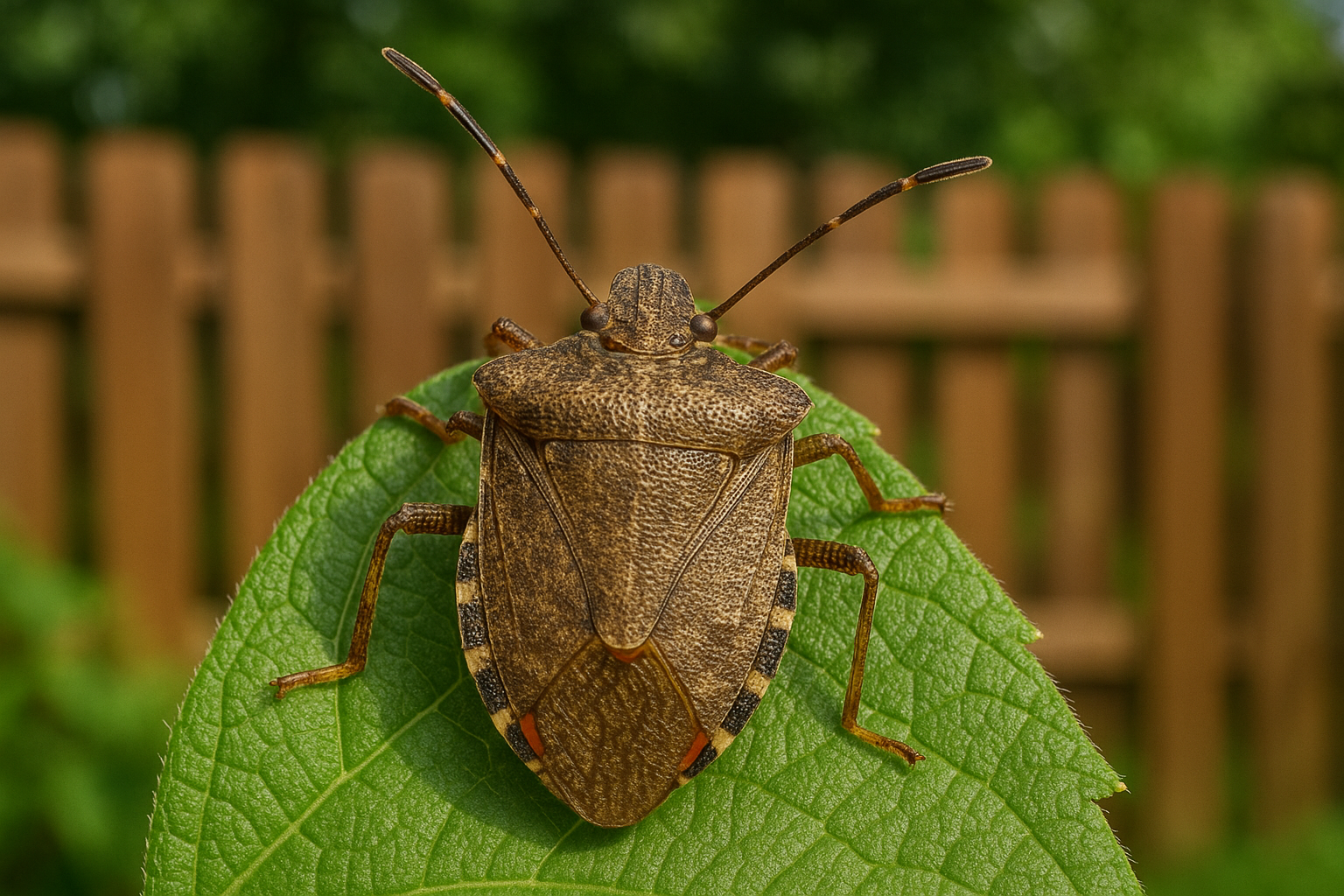
Adult brown stink bugs ( Halyomorpha halys) are unmistakable once you know what to look for. They measure roughly ½ – ¾ inch (12‑19 mm) in length, with a broad, shield‑shaped back that tapers toward the abdomen. Their coloration ranges from light brown to a deep mahogany, often mottled with darker speckles that form a faint “V” pattern on the dorsal surface. The antennae are segmented and slightly curved, and the wings lie flat over the abdomen, giving the bug a sleek, armored appearance. When threatened, they emit a pungent odor—a reliable giveaway that you’re dealing with a stink bug rather than a harmless beetle.
What the Nymphs Look Like
Stink bug nymphs pass through five growth stages before reaching adulthood. Early instars are tiny—about the size of a pinhead—and display a bright green or yellow hue that helps them blend with foliage. As they mature, they gradually darken, gaining the characteristic brown tones of the adult. Unlike the fully formed shield, nymphs have a softer, more rounded back and lack fully developed wings. Spotting these younger bugs on indoor plants or near window sills is often the first sign that an infestation is brewing.
How They Get Inside
These pests are opportunistic invaders. Common entry points in a Brookhaven home include:
- Gaps around windows and sliding doors, especially where weather‑stripping is worn.
- Door frames with cracked or missing caulk.
- Utility penetrations—think vent pipes, electrical conduits, and cable entries.
- Cracked siding or deteriorating brick mortar.
- Roof eaves and soffits that have become loose or damaged after a storm.
Once a single bug slips through, it can release a pheromone trail that attracts dozens more, turning a minor breach into a full‑blown indoor invasion within days.
“After a heavy summer thunderstorm, I opened my kitchen cabinet and found a cluster of brown stink bugs huddled together on the bottom shelf. I hadn’t seen any before, and the next morning the whole pantry was buzzing with them.” – Brookhaven homeowner, 2023
Data from the EPA indoor pest report shows a 15 % increase in indoor stink bug reports across Georgia between 2022 and 2024. The uptick aligns with warmer, wetter summers that drive these insects to seek shelter inside homes.
Quick Visual Cue Checklist
- Shield‑shaped back, ½‑¾ inch long, mottled brown coloration.
- Green or yellow nymphs on indoor plants or near light sources.
- Odor when the bug is disturbed or crushed.
- Clusters of bugs in dark, undisturbed spaces (kitchen cabinets, attic corners).
- Visible entry gaps around windows, doors, and utility penetrations.
What Happens During a Professional Stink Bug Inspection
1. Pre‑inspection consultation
Before the inspector steps onto the property, a quick phone or video chat lets the homeowner share recent sightings. Details such as the date of the first observation, the rooms where bugs were spotted, and any unusual odors help the technician focus the search. This conversation also clarifies expectations and answers immediate questions about safety and preparation.
2. Exterior survey
The inspection begins on the outside of the house. Anthem Pest specialists crawl along roof overhangs, examine soffits, and probe foundation cracks where stink bugs love to hide. Siding seams, window frames, and utility penetrations are scrutinized for gaps that could serve as entry points. By mapping these vulnerable spots, the technician can later recommend targeted sealing.
3. Interior sweep
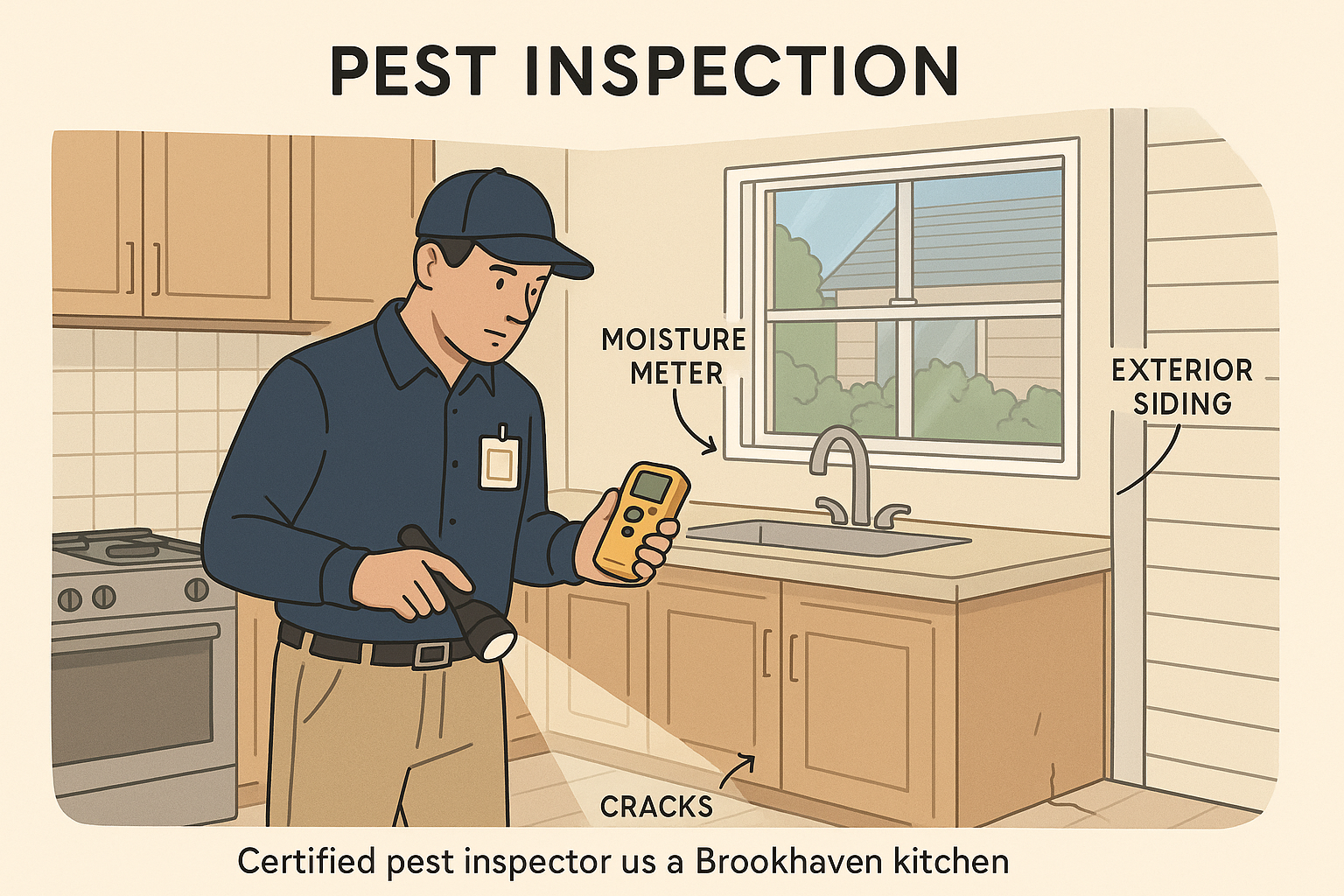
Inside, the inspector moves methodically from room to room, using a bright flashlight to expose bugs tucked behind baseboards or inside wall cavities. Sticky traps are placed temporarily to gauge activity levels, and a moisture meter checks for damp areas that attract stink bugs for breeding. Every nook—kitchen cabinets, attic corners, and even laundry closets—gets a thorough look.
4. Documentation
Every finding is photographed, creating a visual record that the homeowner can review later. The technician compiles a detailed report that lists inspected zones, identified entry points, and the current infestation level. The report concludes with a customized action plan, outlining immediate treatments, preventive measures, and a timeline for follow‑up visits.
“A typical inspection of a 2,000‑sq‑ft home takes about 30‑45 minutes. We move quickly but never sacrifice thoroughness—each exterior seam and interior corner gets the same careful attention.” – Anthem Pest technician
Pricing for a standard Brookhaven inspection ranges from $120 to $180, depending on home size and any special access requirements. Anthem Pest’s transparent pricing means you’ll know the exact cost before any work begins, with no hidden fees.
The hallmark of an Anthem Pest inspection is communication. While the technician works, they’ll point out what they’re looking for and explain why certain areas matter. Homeowners receive real‑time updates, so they understand both the problem and the proposed solution. This collaborative approach ensures that the final treatment plan aligns with the homeowner’s budget and comfort level.
In summary, a professional stink bug inspection follows a clear, four‑step process: a pre‑inspection briefing, an exterior sweep, an interior hunt, and meticulous documentation. The entire visit typically fits within a 45‑minute window and costs between $120 and $180 in Brookhaven. By choosing Anthem Pest, homeowners benefit from a certified expert who values thoroughness, transparency, and open dialogue—key ingredients for keeping stink bugs out of the home for good.
DIY Limits and Benefits of Pro Intervention
What you can handle yourself
For a lone stink bug that wanders in through an open window, a quick vacuum‑up can be an effective stop‑gap. Pair that with a diligent sweep of entry points—caulking cracks around windows, doors, and utility penetrations—plus a few indoor glue traps, and you’ll often keep a single‑sighting situation under control. These methods are inexpensive, require no chemicals, and are best suited for isolated sightings that haven’t yet turned into a visible population.
When it’s time to call a professional
Once you start counting more than ten bugs per room, or you notice egg clusters on walls, the situation has crossed the DIY threshold. Breeding evidence—such as nymphs or a steady stream of adults—signals that the infestation is establishing a foothold. Infestations that spread to the attic, crawl space, or exterior wall voids are especially problematic because they’re hidden from casual inspection. At that point, EPA‑registered insecticides and specialized equipment are needed to reach the insects where they hide, and only a licensed technician can apply those chemicals safely and legally.
Cost comparison
| Service | Price Range | What’s Included |
|---|---|---|
| DIY traps & supplies | $20‑$30 | Glue traps, basic vacuum, caulk, instructional guides |
| Professional treatment package | $150‑$300 | EPA‑registered spray, thorough inspection, attic/crawl‑space treatment, 1‑year follow‑up visit |
Risks of DIY misuse
Attempting to use over‑the‑counter pesticides that aren’t labeled for stink bugs can backfire. Improper mixing, over‑application, or targeting the wrong area often leaves a residue that’s unsafe for pets and children, while still missing the hidden colonies. Incomplete sealing—leaving even a tiny gap around a vent or pipe—allows new bugs to slip back in, turning a short‑term fix into a long‑term headache. When the stakes involve health, structural integrity, and peace of mind, professional expertise usually pays for itself.
Effective Treatment Strategies and Best Time to Act
Chemical Treatments You Can Trust
When stink bugs start gathering inside your home, a targeted chemical approach can provide quick relief. At Anthem Pest Control, our stink bug inspection Brookhaven ensures we identify entry points and hotspots before applying low‑odor, indoor‑safe sprays that are EPA‑approved for residential use. These formulations are designed to minimize fumes while still delivering a residual barrier that kills bugs on contact and deters new entrants for weeks.
The optimal window for applying these sprays is early fall—typically late August through early September in Brookhaven. By treating before the insects seek shelter for winter, you intercept the wave of bugs as they look for cracks and crevices to enter your home. Most homeowners see the best results with a single thorough application, followed by a spot‑treatment of any new activity spots discovered during routine monitoring.
Non‑Chemical Options for a Holistic Defense
Many homeowners prefer solutions that avoid chemicals altogether. Non‑chemical methods can be just as effective when combined into an integrated pest‑management plan.
- Heat treatment: Raising interior temperatures to 120 °F (49 °C) for several hours kills stink bugs in all life stages without leaving residues.
- Exclusion sealing: Professional sealing of entry points—window screens, door sweeps, foundation cracks, and utility openings—creates a physical barrier that prevents bugs from getting inside.
- Habitat modification: Removing or relocating overwintering sites such as leaf piles, wood debris, and dense vegetation near the house reduces the local bug population and lowers the pressure on your home.
These strategies are especially valuable for families with sensitivities or for homes that already employ a chemical barrier, providing an extra layer of protection.
Brookhaven Seasonal Calendar: When to Act
Stink bugs in the Atlanta metro area, including Brookhaven, follow a predictable seasonal pattern. The peak entry period runs from late August through early October, with the highest influx occurring in September. According to CDC data, 70% of Georgia homeowners report their first indoor sightings in September. This statistic underscores the importance of scheduling a professional inspection by early September at the latest.
By timing your inspection and treatment before the bugs settle in for winter, you dramatically reduce the likelihood of a full‑scale indoor infestation. Early action also means fewer bugs to treat, which translates to lower service costs and less disruption to your daily routine.
Post‑Treatment Monitoring and Re‑Inspection
Even the most thorough treatment isn’t a set‑and‑forget solution. After the initial application—whether chemical, heat, or a combination—Anthem Pest Control advises a 2‑ to 4‑week monitoring period. During this time, we place discreet sticky traps and conduct visual checks to gauge any residual activity.
If we detect lingering bugs, a targeted spot‑treatment is performed, followed by a final re‑inspection in late October. This follow‑up ensures that any late‑season stragglers are eliminated before they can establish a permanent indoor population for the next year.
By pairing the right treatment method with Brookhaven’s seasonal timing and diligent post‑treatment monitoring, you protect your home efficiently and affordably. When you’re ready to schedule an inspection or need advice on the best approach for your property, give Anthem Pest Control a call at 877‑371‑8196 or visit our website. We’re here to keep your home stink‑bug free, season after season.
Keeping Stink Bugs Out Year‑Round
Stink bugs aren’t just a summer nuisance; they’ll try to slip inside whenever a tiny opening appears, so a year‑round plan keeps them from ever getting comfortable.
Quick‑Action Prevention Checklist
- Seal cracks larger than ¼ in. Use a high‑quality silicone caulk or expanding foam to fill gaps around siding, pipe penetrations, and foundation joints.
- Install door sweeps. Attach sweeps to all exterior doors so insects can’t crawl underneath the threshold.
- Repair damaged screens. Replace or patch torn window, vent, and screen door meshes before bugs find a way in.
- Trim vegetation ≥ 2 ft from the house. Keep trees, shrubs, and garden beds pruned so foliage doesn’t touch walls or roofs, eliminating bridge pathways.
- Manage outdoor lighting during peak season. From May through October, turn off non‑essential lights after dark or switch to yellow‑tone bulbs that attract far fewer insects.
Each of these steps tackles the most common entry routes; together they create a tight barrier that makes your home unappealing to stink bugs all year long.
Seasonal timing tip: Stink‑bug activity in Brookhaven peaks in late summer. Schedule a quick exterior inspection in July and repeat it in September to catch any late‑season entrants.
Maintenance habit: Add a 15‑minute perimeter walk to your spring‑cleaning routine each April. While you’re out, check for new cracks, screen damage, or overgrown plants and address them immediately.
Local Resources
Brookhaven homeowners can tap into two free, locally‑focused resources:
- Brookhaven Homeowners Association – seasonal pest‑proofing guidelines are posted on their website.
- Fulton County Extension Service – pest‑identification hotline (📞 478‑555‑0123) and on‑site inspections for residents.
For a deeper dive, including step‑by‑step instructions, video demos, and printable checklists, visit Anthem Pest’s prevention blog. The article walks you through every item on this list and adds seasonal timing tips you won’t find elsewhere.
Quick Stink Bug FAQ
Homeowners often have quick questions about stink bugs. Below are the three most common queries we hear during inspections in Brookhaven, and concise answers you can rely on.
These answers reflect the experience our Brookhaven technicians have gained treating homes throughout the Atlanta metro area, where stink bugs become active each fall.
Do stink bugs bite?
No, stink bugs don’t bite or sting. Their only defense is a pungent odor they release when they feel threatened. The smell can be unpleasant, but it poses no health risk to people or pets. They may land on windowsills or walls, and you’ll notice the scent especially if one is crushed.
How long does treatment last?
A professional treatment typically provides protection for six to eight weeks. After that period, the bug population may rebound, so we schedule a follow-up stink bug inspection Brookhaven to confirm the results and re-apply if necessary. We also recommend sealing entry points and removing fruit or vegetable debris that can attract them, which helps extend the efficacy of the treatment.
Are treatments safe for pets?
Yes. The products we use are EPA‑approved and formulated to be safe around dogs, cats, and other household animals when applied exactly as the label directs. Our technicians wear protective gear and follow strict safety protocols, and we keep pets indoors during application and ventilate treated areas afterward to further minimize any risk.
Protect Your Brookhaven Home Today
Early detection is the cornerstone of a successful stink‑bug defense. A professional inspection uncovers hidden colonies before they spread, while timing your treatment for early fall—right before the first frost—maximizes effectiveness. By following a simple prevention checklist—seal cracks, trim vegetation, and remove debris—you create a barrier that keeps bugs from re‑entering your home.
Act now, before the chill sets in. The first frost is a natural deadline; once temperatures drop, stink bugs seek shelter inside walls and attics, where they can cause structural damage and emit an unpleasant odor. Prompt action not only protects your property but also saves you from costly reinfestations later in the season.
Ready to safeguard your home without any obligation? Anthem Pest offers a free, no‑obligation inspection quote tailored to Brookhaven residents. Our certified technicians will evaluate your property, explain the findings, and recommend a customized prevention plan that fits your budget.
Call today at 877-371-8196 to schedule your stink bug inspection Brookhaven or simply visit Anthem Pest Control for more information. Taking the first step now ensures a stink-bug-free home this winter and beyond.