Why Ant Control Costs Matter in Tucker

In the first quarter of 2024, the Tucker Homeowners Association recorded a 38 % jump in ant‑related complaints across neighborhoods like Lake Forest and South Lake. Residents reported swarms in kitchens, patios, and even basements, prompting urgent calls to local pest‑control services. This spike isn’t just a nuisance it can quickly become a costly battle if homeowners aren’t prepared, which makes understanding the ant control cost Tucker essential before hiring a professional.
Transparent pricing is the cornerstone of a smart budget. Knowing the true cost of ant control helps you avoid surprise invoices, compare treatment options, and select a plan that matches the severity of the infestation. Without clear numbers, a simple baiting job can balloon into repeated visits, chemical applications, and potential damage to landscaping or structure.
The guide that follows breaks the topic down into bite‑size, data‑driven sections:
- Species identification: Learn which ant types invade Tucker homes and why they matter.
- Professional vs. DIY: Weigh the pros and cons of each approach.
- Cost factors: Understand labor, product, and access fees.
- Price ranges: See realistic estimates for common treatments.
- Comparisons: How Tucker pricing stacks up against nearby cities.
- Seasonal timing: The best months to act for maximum effectiveness.
- FAQs: Quick answers to the most common homeowner questions.
- Why choose Anthem Pest: Our local expertise, safety‑first methods, and transparent quotes.
Consider this section your roadmap. By the end, you’ll have a clear picture of what ant control will cost in Tucker, why those numbers matter, and how to plan a treatment that protects your home without breaking the bank.
Identify the Ants Invading Your Home
In Tucker, three ant species show up more often than the rest: Carpenter Ants, Odorous House Ants, and Pavement Ants. Knowing how they look, where they slip inside, and what damage they can cause helps you act before the problem spreads.

Carpenter Ants
What they look like: Large for household ants, ¼‑½ inch long, glossy black or dark brown, with a slightly larger head. They don’t eat wood but hollow it out to build nests.
- Entry points: Cracks in foundations, gaps around windows, and any wood‑to‑soil contact.
- Damage potential: Can compromise structural beams and joists. USDA Forest Service studies show that untreated carpenter ant infestations can reduce a wooden member’s load‑bearing capacity by up to 30 %.
Odorous House Ants
What they look like: Small (about ⅛ inch), light brown to tan, with a single node on the petiole. When crushed, they emit a faint, sour smell—hence the name.
- Entry points: Gaps around doors, utility line penetrations, and any exposed soil near the foundation.
- Damage potential: Primarily a nuisance; they forage for sugary foods and can contaminate kitchen surfaces, but they rarely damage structures.
Pavement Ants
What they look like: About ⅛ inch long, dark brown to black, with a distinct, straight trail that often follows cracks in pavement or concrete.
- Entry points: Cracks in sidewalks, driveways, and foundation seams; they also enter through gaps around exterior lighting.
- Damage potential: Mostly cosmetic. They can create unsightly mounds of soil near entry sites and may attract other pests, but structural damage is uncommon.
Take a moment to compare any ant you’ve seen with the close‑up image above. Spotting the size, color, and behavior clues will tell you which of these three invaders you’re dealing with, and guide you toward the right treatment plan.
Why Professional Ant Control Beats DIY
Most homeowners reach for the first ant‑bait or spray they see on the shelf, hoping a quick fix will end the invasion. While these over‑the‑counter (OTC) products are convenient, they often fall short because they treat the symptom, not the source.
Common DIY products and their shortcomings
Typical DIY solutions include sugary baits, liquid sprays, and foggers. Baits rely on ants carrying poison back to the colony, but if the bait isn’t positioned where foragers travel, the colony never receives a lethal dose. Sprays may kill workers on contact, yet the queen and hidden brood remain untouched, allowing the problem to resurface within weeks. For many homeowners, weighing these DIY pitfalls against professional treatment makes the ant control cost Tucker an important consideration.
Evidence of DIY failure
According to the U.S. Environmental Protection Agency, 68% of DIY ant treatments fail within 30 days. The statistic highlights a systemic issue: most consumer‑grade products lack the potency, residual action, and comprehensive coverage that professional-grade formulations provide.
Safety advantages of EPA‑registered professional products
Professional pest technicians use EPA‑registered products that are rigorously tested for efficacy and human safety when applied correctly. Technicians are trained to apply these chemicals in precise locations—inside walls, under foundations, and in other hidden hotspots—minimizing exposure to family members and pets while maximizing impact on the colony.
Long‑term prevention and warranty benefits
Beyond eradication, licensed pest‑control companies offer ongoing prevention plans. Regular inspections, perimeter treatments, and targeted follow‑ups create a protective barrier that deters future ant incursions. Many providers, including Anthem Pest Control, back their work with warranties that cover re‑treatment at no extra cost if ants return within the guarantee period, delivering true value over time.
Real‑world example from Tucker
Consider a Tucker homeowner who tried three different store‑bought baits over a month, spending roughly $150. Each product faded within two weeks, prompting another purchase. After switching to Anthem Pest Control’s professional service, the homeowner received a comprehensive treatment and a six‑month warranty. The total cost was $350, but the homeowner avoided an additional $200 in repeated DIY purchases and the frustration of a lingering ant problem.
Choosing a professional service transforms a recurring annoyance into a one‑time, guaranteed solution—saving time, money, and peace of mind.
What Determines Ant Control Pricing
When you call a professional like Anthem Pest Control for ant control in Tucker, the price you see on the invoice isn’t arbitrary. It reflects a combination of measurable factors that each add to the overall service cost. Understanding these variables helps you compare quotes, avoid surprises, and choose the plan that fits both your budget and your home’s needs.
Inspection fee range
Before any treatment begins, a licensed technician conducts a thorough inspection to identify the ant species, locate nests, and assess the extent of the infestation. In Tucker, most reputable companies charge an inspection fee between $75 and $100. This fee is often credited toward the final treatment cost if you decide to proceed, so ask your provider whether the inspection is refundable or applied as a credit.
Treatment types and associated price bands
The method you select has the biggest impact on the final bill. Below are the common treatment options you’ll encounter, along with typical price ranges for a standard‑size home in the area:
- Baiting: $120 – $180 – Effective for colonies that are hidden or have established for months.
- Spray applications: $150 – $250 – Ideal for immediate knock‑down of foraging ants on interior surfaces and entry points.
- Perimeter barrier: $200 – $300 – A long‑lasting chemical barrier applied around the home’s exterior to stop new ants from entering.
These bands assume an average single‑family residence; larger or multi‑unit properties may shift the numbers upward.
Influence of property size and infestation severity
Square footage matters because more surface area requires more product and more labor time. A 2,000‑sq‑ft home with a light ant trail will fall at the low end of each price band, while a 3,500‑sq‑ft property battling a severe, multi‑colony invasion can push costs toward the higher end—or beyond, if multiple visits are needed.
Service frequency impact: one‑time vs. quarterly plans
Many homeowners opt for a single, “quick‑fix” treatment, which covers the immediate problem but may leave the home vulnerable to re‑infestation. Quarterly or semi‑annual maintenance plans spread the cost over several visits (often $80‑$120 per service) and provide ongoing monitoring, which can ultimately lower the total expense by preventing large‑scale outbreaks.
Seasonal promotions, senior discounts, and other incentives
Ant control demand spikes in the warm months, so companies frequently offer spring‑time discounts, bundled “summer shield” packages, or reduced rates for seniors and military personnel. Always ask if a current promotion applies to your situation; a $20‑$30 discount can make a noticeable difference, especially when combined with a maintenance plan.
Reference to industry cost guides
For a broader perspective, the 2024‑2025 EPA and NPMA cost guides list national average ranges that closely mirror the figures above. You can review the NPMA data here: NPMA Ant Pest Guide. While regional variations exist, these guides confirm that Tucker’s pricing aligns with national trends, giving you confidence that you’re receiving a fair market rate.
Ant Control Price Ranges in Tucker
When you call a professional pest‑control service in Tucker, the first number you’ll hear is the total cost of the job. In our market the price typically falls into three clear tiers – low‑end, median, and high‑end – each reflecting a different level of treatment intensity and follow‑up care. Understanding what you’re actually paying for helps you avoid surprise fees and choose the plan that matches the severity of your ant problem.
| Tier | Price Range | What’s Included |
|---|---|---|
| Low‑End | $120 – $180 | Basic bait placement in high‑traffic areas; one‑time interior spray; no guaranteed follow‑up. |
| Median | $200 – $280 | Combined bait + spray treatment; perimeter barrier around the home’s foundation; one scheduled follow‑up visit. |
| High‑End | $300 – $450 | Full‑home perimeter barrier, interior and exterior bait stations, quarterly follow‑up visits for a full year, and a written guarantee. |
The low‑end option is best for homeowners who have spotted a few scout ants and want a quick, affordable fix. Technicians will set a few bait stations near kitchen entry points and apply a single spray to cracks and crevices. Because there’s no ongoing monitoring, you may need to call back if the colony rebounds.
The median tier is the most popular choice in Tucker. It blends the immediate knock‑down power of a spray with the long‑term attraction of bait stations. A thin chemical barrier is applied around the exterior walls, which helps keep foraging ants from re‑entering. Importantly, the plan includes one follow‑up visit to assess effectiveness and add fresh bait if necessary – a safety net that many homeowners find worth the extra $80‑$100.
For those dealing with a persistent infestation or a large property, the high‑end package delivers the most comprehensive protection. In addition to the bait + spray combo, technicians install a continuous perimeter barrier that extends to the yard’s edge, and they schedule quarterly check‑ins for twelve months. This tier also comes with a written guarantee: if ants return within the guarantee period, the next visit is free.
“I paid $235 for a combined bait and spray service and it solved the problem.” – Anonymous Tucker homeowner
How does Tucker stack up against neighboring towns? In Lilburn, low‑end services start around $130, median plans hover near $210‑$300, and high‑end packages can climb to $470. Lawrenceville is slightly cheaper on the low end at $115‑$175, with median rates of $190‑$260 and high‑end costs topping out near $430. The modest premium in Tucker reflects the city’s higher demand for year‑round ant prevention, especially during the humid summer months when carpenter ants and odorous house ants are most active.
Choosing a local provider like Anthem means you benefit from technicians who know Tucker’s micro‑climates, soil composition, and the ant species that thrive here. That expertise translates into faster diagnosis and a treatment plan that targets the exact species invading your home.
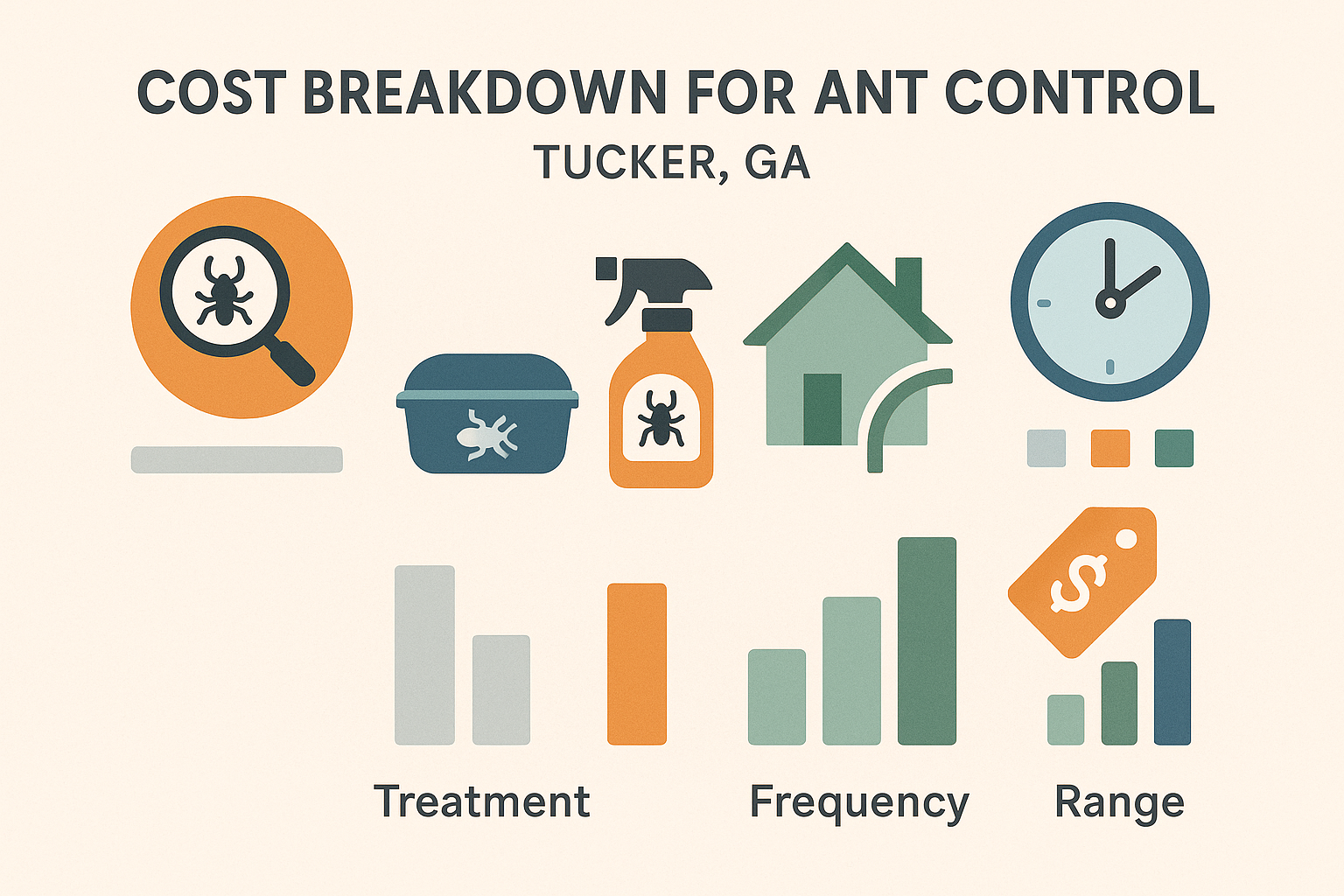
By matching the treatment level to your infestation severity and comparing local market rates, you can make an informed decision that protects your home without overspending. Whether you opt for a simple bait job or a full‑service barrier, Anthem Pest Control guarantees transparent pricing and a clear plan of action.
Cost‑Benefit Comparison: DIY vs Pro
When ants start marching across your kitchen counter, the first instinct is often to grab a cheap over‑the‑counter kit. While the upfront price looks appealing, the true cost of a DIY approach can creep up quickly. Below we break down the visible and hidden expenses so you can see whether a professional service from Anthem Pest Control offers better value over a year.
Upfront costs of DIY kits
- Basic bait stations or spray cans: $30 – $50
- Intermediate gel or granular treatments: $50 – $80
- Specialty “instant‑kill” products for severe infestations: $70 – $120
Hidden expenses you might not anticipate
- Repeat purchases: Ant colonies often rebound, forcing you to buy additional kits every 2–4 weeks. Over 12 months, that can add $200 – $400.
- Property damage: Misapplied chemicals can stain carpets, corrode metal fixtures, or ruin indoor plants, leading to repair or replacement costs.
- Health risks: Improper handling of pesticides increases exposure for children, pets, and adults with respiratory sensitivities. The CDC warns that “inadequate protective measures can result in acute or chronic health effects” (CDC, Pesticide Safety).
- Time and effort: Researching products, setting traps, and monitoring results can consume several hours each month—time that could be spent on work or family.
Professional service costs (as outlined earlier)
Anthem Pest Control typically recommends a single‑visit treatment ranging from $120 – $250, plus an optional annual maintenance plan of $300 – $500 that includes follow‑up visits, monitoring, and a guarantee of pest‑free results.
12‑month cost comparison
| Scenario | Upfront Product Cost | Hidden/Recurring Costs | Total 12‑Month Cost |
|---|---|---|---|
| DIY – Basic Kit | $45 | $250 (re‑purchases, potential damage, health safeguards) | $295 |
| DIY – Premium Kit | $90 | $300 (more frequent re‑purchases, higher risk mitigation) | $390 |
| Professional – Single Treatment | $180 | $0 (service includes warranty, no extra chemicals needed) | $180 |
| Professional – Annual Plan | $400 | $0 (includes quarterly checks and preventative barriers) | $400 |
Even when you opt for the most economical DIY kit, the total outlay can approach or exceed the price of a single professional visit, and it lacks the peace of mind that comes with expert application and a guarantee. For homeowners who value safety, consistent results, and a predictable budget, partnering with Anthem Pest Control often delivers the better return on investment.
Seasonal Timing and Best Deals in Tucker
In Tucker, Georgia, ant colonies follow the rhythm of the local climate. Activity typically surges from late spring through early fall, when warm temperatures and occasional rain create the perfect environment for foraging workers and expanding nests. During this window you’ll notice more trails along foundation cracks, porch railings, and kitchen entry points. Understanding these peaks helps you intervene before the infestation spreads to countertops, cabinets, and bedding, while also giving you insight into the ant control cost Tucker for professional treatment.
Why March‑April Is the Sweet Spot
Scheduling a professional inspection in March or early April gives you a pre‑emptive advantage. At this stage, ant queens are still establishing new colonies, and worker traffic is relatively low. A targeted treatment can disrupt the nest before the summer surge, reducing the number of chemicals needed and lowering overall costs. Moreover, early intervention means you won’t have to scramble for emergency service when ants become a visible nuisance later in the season.
Anthem Pest’s Spring Discount
To make early action even more appealing, Anthem Pest is offering a 10 % discount on your first service when you book during the spring window. Simply mention the promo code SPRING10 when you call or schedule online. The discount applies to both inspection fees and any follow‑up treatments, giving you a clear, upfront savings on a comprehensive ant‑control plan.
Community Outreach and Free Identification
Anthem Pest also connects with the Tucker community at local events such as the Tucker Farmers Market. While you browse fresh produce, you’ll find a free pest‑identification booth where certified technicians can spot early signs of ant activity, answer questions, and hand out promotional flyers. This face‑to‑face service lets you gauge the severity of a potential problem without any commitment, and you can even claim the SPRING10 discount on the spot.
By aligning your treatment schedule with the natural ant life cycle and taking advantage of Anthem Pest’s seasonal savings, you protect your home while keeping expenses predictable. A quick call to 877‑371‑8196 or a visit to Anthem Pest’s website can lock in your spring appointment and ensure Tucker homeowners stay one step ahead of invading ants.
Frequently Asked Questions About Ant Control
Below are answers to the most common questions homeowners ask about ant control, so you can feel confident in choosing a professional solution.
How long does treatment last?
Our standard baiting program is designed to keep the colony suppressed for three to six months, while a perimeter barrier can protect your home for up to twelve months when applied correctly. The exact duration depends on the species, colony size, and how well you maintain a clean interior.
Will ants return after treatment?
Ants can re‑appear if the conditions that attracted them remain unchanged. Common culprits include over‑watering or mulch that stays damp, uncovered food crumbs, and cracks that give outdoor colonies easy entry. Seasonal spikes in temperature also encourage foraging, so a yearly maintenance plan helps keep pressure low.
- Moisture‑rich mulch or over‑watered flower beds create a humid bridge from soil to foundation.
- Open food containers, pet bowls, or spilled crumbs serve as a constant food source for foraging ants.
- Cracks in siding, foundation, or around utility penetrations act as highways for ants to enter your home.
- Warm, humid summer months accelerate colony growth and increase foraging activity.
Are treatments safe for pets and kids?
Safety is a top priority for Anthem. We only apply EPA‑registered products that are formulated for low toxicity while still delivering fast knock‑down. When used according to label directions, these treatments pose minimal risk to children and pets. We also offer optional pet‑friendly options and will walk you through any precautions, such as keeping pets indoors for a short period after application. Our technicians wear protective gear, and we schedule treatments at convenient times to minimize disruption. A detailed post‑treatment guide is provided so you know exactly what to expect.
If you have any other concerns, give Anthem a call; we’re happy to tailor a plan that fits your home and lifestyle.
Why Choose Anthem Pest for Ant Control
or more than 15 years, Anthem Pest has been a trusted name in Tucker, Georgia, working door‑to‑door in neighborhoods like Lake Forest, South Lake, and the surrounding communities. Our long‑standing presence means we know the local ant species, seasonal patterns, and the construction styles that can invite colonies into homes, helping homeowners understand the ant control cost Tucker before scheduling service.
Our technicians have mapped ant hotspots in each subdivision, letting us target treatment zones accurately. Whether you live in historic Old Tucker homes or newer I‑285 corridor developments, we tailor our approach to your property’s construction and landscaping.
Transparent, No‑Surprise Pricing
Before any treatment begins, our technicians provide a detailed, written estimate that breaks down every step of the process. You’ll see exactly what products will be used, how many visits are required, and the total cost, so there are no hidden fees or last‑minute surprises.
Because we believe in honesty, the estimate includes a line‑item for any optional follow‑up service, so you can decide what level of protection fits your budget.
Safety‑First Approach
All of our treatments rely on EPA‑approved products that are proven effective yet safe for families, pets, and the environment. Our crew members are fully certified, undergo regular training, and follow strict safety protocols to protect your home while eradicating ants.
We also apply a low‑odor, fast‑drying formula that leaves no residue on countertops or pet bedding, giving you peace of mind immediately after the visit.
“Anthem eliminated our carpenter ant problem in two visits – John D., Lake Forest.”
Customer Satisfaction You Can Trust
We measure success by the smiles on our customers’ faces. Over the years, homeowners in Tucker have praised our prompt response times, thorough inspections, and the lasting results of our ant control programs. When you choose Anthem, you’re not just hiring a pest service—you’re gaining a partner who cares about the health of your home.
Our satisfaction guarantee backs every job—if ants return within 30 days, we’ll re‑treat the area at no extra charge.
Ready to reclaim your kitchen, pantry, or yard from ant invasions? Call us today at 877‑371‑8196 or visit anthempest.com to schedule your free, no‑obligation estimate.
Protect Your Home with Anthem Pest Today
When it comes to ant control in Tucker, Georgia, most homeowners should expect a service range between $100 and $300 for a single‑visit treatment, with ongoing maintenance plans typically costing $50‑$100 per quarter. Those figures reflect the true cost of professional‑grade products, technician expertise, and a guarantee that the infestation is fully eradicated—not just masked.
Choosing a licensed professional like Anthem Pest means you avoid DIY guesswork, hidden chemicals, and the risk of a recurring problem that can damage your home’s structure and value. Our technicians conduct a thorough inspection, identify the species, and tailor a treatment plan that fits both your budget and your schedule.
We invite you to schedule a free, no‑obligation inspection so we can provide an exact quote based on your unique situation. A simple phone call to 877‑371‑8196 connects you with a local specialist who will walk you through the process, answer any questions, and set up a convenient appointment.
When you choose Anthem Pest, you’re investing in peace of mind for your family and protecting your home’s value. Visit Anthem Pest Control today to take the first step toward a pest‑free home and to learn more about the ant control cost Tucker for your property.