Why Knowing Moth Control Costs Matters in Tucker

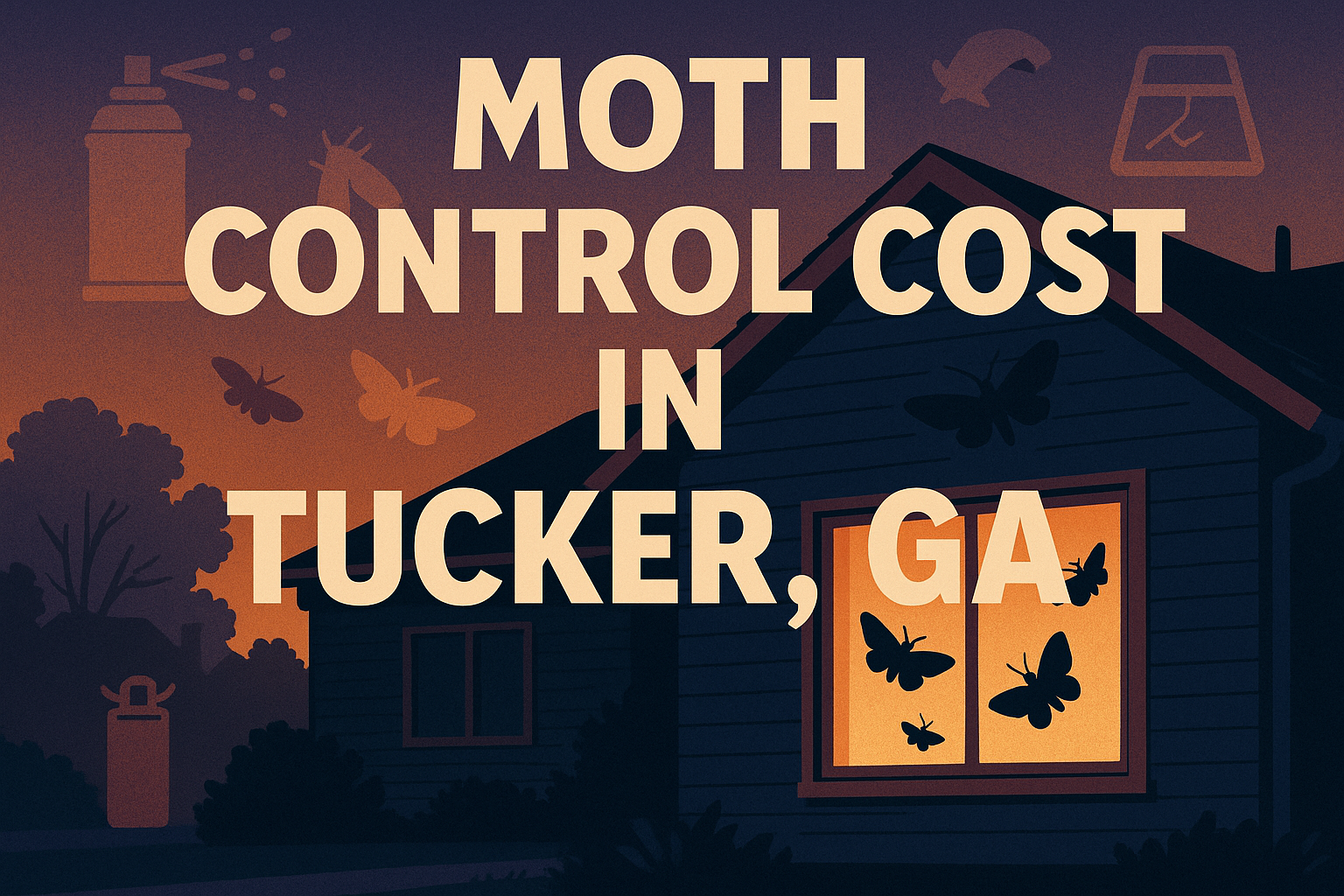
Moths may seem harmless, but their larvae can turn a tidy home into a costly repair shop. A single infestation can gnaw through wool sweaters, silk drapes, and even stored grains, leaving holes that are often irreversible. Beyond the obvious wear on fabrics, moths can contaminate pantry items, forcing you to toss spoiled flour, cereal, or spices expenses that add up quickly, leading many homeowners to consider the moth control cost Tucker when dealing with an infestation.
Hidden costs rarely make the headline but hit your wallet hard. Consider the value of a vintage coat or heirloom quilts lost to moth damage; these pieces often carry sentimental worth that money can’t replace. Spoiled food not only means waste but also the time spent cleaning and re‑stocking your pantry. And because moths reproduce rapidly, many homeowners find themselves scheduling repeat treatments, each visit adding labor charges and disrupting daily routines.
Tucker’s housing stock intensifies these financial stakes. The city blends historic bungalows—often built with natural fibers and older insulation—with modern subdivisions featuring synthetic materials and airtight construction. Older homes tend to have more nooks, cracks, and organic debris where moths love to hide, while newer homes may trap humidity in sealed walls, creating an ideal breeding ground for pantry moths. This mix means the risk—and the cost—varies dramatically from one neighborhood to the next.
To put the numbers in perspective, the average American spends about $350 on a one‑time moth control service. In Tucker, where the combination of historic architecture and newer, energy‑efficient homes creates unique challenges, estimates typically range from $300 to $500 for a comprehensive treatment plan that includes inspection, targeted application, and follow‑up visits.
Understanding these figures isn’t just about budgeting; it empowers you to make informed decisions before an infestation spirals out of control. In the sections that follow, we’ll walk you through:
- How a professional inspection pinpoints the source of the problem.
- The most effective treatment options for both fabric and pantry moths.
- A clear, itemized pricing breakdown so you know exactly where every dollar goes.
Armed with this knowledge, Tucker homeowners can protect their belongings, avoid surprise expenses, and keep their homes moth‑free year after year.
Common Household Moths in Georgia
When you hear “moth” in Tucker, most homeowners picture a fluttering insect near a light. In reality, two species cause the most damage inside our homes: the Indian Meal (Pantry) Moth and the Webbing (Clothes) Moth. Both thrive in the warm, humid climate of Georgia and can turn a tidy kitchen or closet into a costly repair project if left unchecked.
Indian Meal (Pantry) Moth
This small, tan‑gray moth measures about ½ inch across and spends most of its life hidden in stored food. Adult females lay up to 400 eggs directly on grain‑based products—cereal, flour, rice, and even pet food. Within a week, the eggs hatch into larvae that spin fine, silken webbing as they chew through kernels. Homeowners often notice the webbing as a dusty, cobweb‑like coating on the tops of opened boxes or as tiny, white caterpillars crawling along the product.
Typical entry points include gaps around pantry doors, cracked shelving, and even the tiny openings of cardboard boxes. Once a single box is contaminated, the larvae can quickly migrate to neighboring items, spreading the infestation throughout the entire kitchen.
Webbing (Clothes) Moth
The Webbing Moth, also called the Carpet Moth, is a slender, golden-brown flyer that prefers dark, undisturbed areas—think closets, dresser drawers, and under upholstered furniture. After mating, the female deposits eggs on natural fibers such as wool, silk, or cotton. The emerging larvae spin protective silk tubes (the “webbing”) and feed on the fabric for 4-6 weeks, leaving irregular holes and a faint, musty odor, which often leads homeowners to evaluate the moth control cost Tucker for effective treatment.
Because they favor low‑light, high‑humidity spots, a forgotten sweater in a basement closet or a pile of seasonal blankets can become a breeding ground. The damage may not be visible until weeks later, when you discover shredded seams or a patch of missing fibers.
According to the EPA’s 2024 report, roughly 15 % of U.S. homes experience pantry‑moth activity each year. While the study covers the entire nation, the numbers align closely with what Georgia pest professionals observe during peak summer months.
Local anecdote: A Tucker homeowner in the Brookhaven neighborhood recently opened a box of cereal only to find a carpet of tiny larvae crawling along the rim. Within 48 hours, the infestation had spread to three additional boxes and a bag of flour, illustrating how quickly pantry moths can multiply when food sources are abundant and unsealed.
Quick tip: Early detection signs
- Pantry moths: Look for fine webbing on the tops of grain products, small white caterpillars, or a faint, sweet smell in unopened packages.
- Clothes moths: Check for silky tubes in corners of closets, tiny holes in wool garments, and a subtle, musty odor near stored fabrics.
What to Expect During a Professional Inspection

When the doorbell rings, you’ll hear a friendly voice from Anthem Pest introducing themselves and confirming the appointment. The technician will spend a few minutes discussing any moth sightings you’ve noticed, recent changes to the home, and your primary concerns. This quick consultation helps them tailor the inspection to your specific situation.
Step‑by‑step walk‑through
- Visual scan: The inspector begins with a thorough visual sweep of the interior, paying close attention to corners, baseboards, and areas where fabric or stored items sit.
- Hotspot identification: Using a handheld infrared thermometer, they locate warm spots that often indicate active infestations hidden behind walls or under insulation.
- UV light examination: A UV flashlight reveals the faint glow of moth larvae and webbing that are invisible under normal lighting, especially in tight crevices.
Key areas inspected
Anthem Pest’s technicians focus on the spaces where moths love to hide:
- Attic: They lift insulation, check roof joists, and look for moth‑eaten fabrics stored up there.
- Garage: Boxes, seasonal clothing, and cardboard are examined for signs of larvae or cocoons.
- Crawl spaces: Moisture‑prone areas are inspected because damp wood can attract certain moth species.
Local note: Tucker’s historic brick homes
Many homes in Tucker’s Historic District feature older brickwork with tiny, hidden cracks. These fissures create perfect shelters for moth larvae, especially during the humid summer months. A seasoned technician will probe these cracks with a small mirror and flashlight, ensuring no hidden colonies are missed.
Inspection fee: Anthem Pest charges a transparent, upfront fee of $79–$99 for the initial inspection, depending on the size of the property. This fee covers the full walk‑through, all equipment use, and the detailed report you’ll receive afterward.
What you receive after the inspection
Within 24 hours, the technician provides a written report that outlines:
- Confirmed infestation locations and severity.
- Specific moth species identified.
- Recommended treatment options, including any preventive measures.
- Estimated costs for each option, so you can choose the solution that fits your budget.
This clear, jargon‑free documentation empowers you to make an informed decision about protecting your Tucker home from moth damage.
Choosing the Right Treatment for Tucker Homes
Chemical Sprays & Spot‑On Treatments
When moths invade a Tucker home, many homeowners reach for a quick chemical fix. EPA‑registered products such as pyrethrin‑based sprays or spot‑on granules can blanket up to 1,500 sq ft in a single application. The advantage is immediate knock‑down of adult moths and larvae hiding in closets, baseboards, and under furniture. Most reputable pest‑control firms charge between $150 and $250 per treatment, which typically includes a thorough inspection, the product application, and a follow‑up visit to confirm results. While effective, these chemicals must be applied by a licensed technician to ensure proper coverage and to avoid over‑application.
Non‑Chemical Solutions
For homeowners who prefer a gentler approach, non‑chemical options are increasingly popular in Georgia. Pheromone traps lure male moths, disrupting the breeding cycle without exposing family members to toxins. A starter kit—usually containing 5 to 10 traps—costs $50–$120 and can be placed in wardrobes, pantries, and attic corners. Heat treatment, another chemical‑free method, raises the temperature of infested spaces to 120 °F for several hours, killing eggs and larvae hidden in fabrics and carpets. Because heat treatment is labor‑intensive, providers quote per‑job rates that vary with square footage and accessibility, often ranging from $200 to $400 for an average home.
Integrated Pest Management (IPM)
Integrated Pest Management blends monitoring, sanitation, and targeted chemical use into a single, long‑term plan. An IPM package for a typical Tucker residence includes:
- Initial inspection and identification of moth species.
- Installation of pheromone traps for ongoing monitoring.
- Professional cleaning recommendations (vacuuming, laundering, decluttering).
- Spot‑on or low‑toxicity spray applied only where activity is confirmed.
- A 2‑year warranty covering re‑treatments if moths return.
The comprehensive nature of IPM means the price is higher—generally $250–$350—but homeowners receive a proactive defense that reduces future infestations and minimizes chemical exposure.
Real‑World Example: Saving Money with a Trap‑First Strategy
Take the case of a Lilburn homeowner who discovered moths fluttering near a bedroom closet. Instead of immediately scheduling a $250 chemical spray, she opted for a $70 pheromone‑trap kit from Anthem Pest Control. After two weeks, trap counts dropped from 12 to zero, confirming the population was under control. She then scheduled a single spot‑on treatment for $150 to finish the job, saving $75 compared to a full‑service chemical package. The example illustrates how starting with low‑cost, non‑chemical tools can both protect the family and stretch a budget.
Safety First: Low‑Toxicity Options in Georgia
Georgia’s Department of Agriculture (GA‑DFA) enforces strict pesticide safety guidelines that favor low‑toxicity products for residential use. Many of Anthem’s chemical sprays meet these standards, containing active ingredients that break down quickly and pose minimal risk to children, pets, and the environment. When a homeowner chooses non‑chemical or IPM solutions, the exposure risk drops even further, aligning with GA‑DFA’s recommendation to “use the least hazardous method that effectively manages the pest.” For more details, visit the GA‑DFA pesticide safety page.

From Inspection to Follow‑Up: Full Price Picture
Knowing exactly what you’ll pay at each stage of moth control helps you budget confidently and avoid surprise charges. Below is the typical line‑item pricing you can expect when you call Anthem Pest in Tucker, GA, followed by an explanation of what drives those numbers.
Typical cost breakdown for a Tucker home
- Initial Inspection: $79–$99 – A certified technician conducts a thorough walk‑through, identifies the moth species, and assesses the extent of damage. The fee includes a written report and a customized treatment plan.
- First Treatment (chemical): $150–$250 – Application of EPA‑approved insecticides to affected areas such as closets, attic spaces, and baseboards. This step targets adult moths and larvae to break the life cycle.
- Trap Kit Package: $80–$130 – A set of pheromone traps and adhesive boards placed strategically around the home. Traps continue to monitor activity after the initial spray and help catch any stragglers.
- Follow‑Up Visit (3‑month): $60–$90 – A technician returns to evaluate treatment efficacy, replace or refresh traps, and apply a touch‑up spray if needed. This visit is crucial for preventing re‑infestation.
- Annual Maintenance Plan: $180–$220 – Includes two scheduled visits per year, ongoing trap monitoring, and priority service. The plan spreads the cost over the year and keeps moth pressure low.
What influences each price?
Three primary factors shape the ranges above:
- Home square footage: Larger homes require more product and longer service times. In Brookhaven (≈2,200 sq ft) prices tend toward the higher end, while Tucker’s average home (≈1,800 sq ft) often lands near the lower end.
- Infestation severity: A light, early‑stage problem may be resolved with a single spray, whereas a heavy, multi‑room outbreak demands extra treatments and more traps.
- Neighborhood averages: Local market rates affect pricing. Tucker’s cost structure reflects its suburban density and typical housing stock, which can differ from nearby urban areas.
Cost comparison: Tucker vs. Atlanta metro
| Location | Typical total cost |
|---|---|
| Tucker, GA | $550–$790 (based on itemized pricing above) |
| Atlanta metro average | $300–$500 (HomeAdvisor 2024 data) |
The Tucker range appears higher because it reflects a comprehensive, step‑by‑step approach that includes inspection, treatment, traps, follow‑up, and an optional maintenance plan. HomeAdvisor’s metro average aggregates a broader set of service packages, some of which may omit ongoing monitoring.
Anthem Pest’s Transparent Pricing Guarantee
Anthem Pest stands behind a “Transparent Pricing Guarantee.” Before any work begins, you receive a detailed, written estimate that lists every service and its cost. There are no hidden fees, surprise add-ons, or last-minute price hikes—just the clear, upfront pricing you saw in the table, helping homeowners better understand the moth control cost Tucker.
By understanding each component, Tucker homeowners can make an informed decision, match their budget to the level of protection they need, and feel confident that Anthem Pest will deliver the promised results without any hidden surprises.
When to Act and How to Prevent Future Infestations
Moth Activity Peaks in Georgia
In the Peach State, moths follow a predictable rhythm. The NPMA 2024 seasonal pest calendar shows two major spikes: late spring (May‑June) when adult moths emerge to lay eggs, and early fall (September‑October) when a second generation seeks shelter in homes. During these windows, females can lay dozens of eggs in pantry goods or closet fibers, turning a minor nuisance into a full‑blown infestation within weeks.
Proactive Prevention Steps
- Seal dry goods. Transfer flour, grains, cereals, and pet food into airtight, BPA‑free containers to block access.
- Clean and vacuum regularly. Wipe pantry shelves, sweep crumbs, and vacuum cracks or baseboards where larvae hide.
- Rotate and scent‑protect clothing. Change seasonal wardrobes, and place cedar blocks or lavender sachets in closets to deter adult moths.
Local Timing Tip for Tucker Homeowners
Tucker’s humid summers give moths a perfect breeding ground. The smartest move is to schedule a pre‑summer inspection in early May—ideally before the first major spike. A professional check at this time lets Anthem Pest identify hidden hotspots, treat any early activity, and set up barriers that keep the summer surge at bay.
Monthly Quick‑Check Checklist
| Month | Key Action |
|---|---|
| January | Inspect pantry for any leftover eggs or larvae. |
| February | Deep‑clean shelves and vacuum cracks. |
| March | Rotate stored clothing; add fresh cedar blocks. |
| April | Seal pantry entry points; check door sweeps. |
| May | Schedule a professional pre‑summer inspection. |
| June | Use lavender sachets in closets; monitor humidity. |
| July | Check for moisture buildup in basements and crawl spaces. |
| August | Vacuum pantry corners and wipe down containers. |
| September | Perform a fall pantry sweep before the second peak. |
| October | Store out‑of‑season garments in sealed bags. |
| November | Review container seals; replace any damaged lids. |
| December | Plan next year’s inspection schedule and order preventive supplies. |
Moth Control FAQs for Tucker Homeowners
Q1: How long does a treatment last?
Most chemical sprays applied by Anthem Pest remain effective for 3–6 months, depending on the product and the severity of the infestation. The residual barrier protects against adult moths and newly hatched larvae during that window. In contrast, pheromone or sticky traps can be reused for up to a year, provided you check and replace the adhesive pads regularly and keep the monitoring area clean.
Q2: Are the chemicals safe for pets and children?
Anthem uses EPA‑registered, low‑toxicity formulations that meet Georgia Department of Food and Agriculture (GA‑DFA) safety standards. Technicians wear protective gear, apply products only in targeted zones, and follow a strict “no‑contact” protocol that keeps pets and children out of the treated area for the recommended ventilation period—usually 30 minutes to an hour.
Q3: Can I DIY vs. professional?
DIY moth traps and basic cleaning can curb a light, localized problem, especially in closets or pantries. However, moth larvae often hide in wall voids, insulation, or under floorboards where traps can’t reach. For moderate to severe infestations—or when you suspect hidden damage—professional inspection and treatment are the most reliable way to eliminate the source and prevent recurrence.
Q4: What financing options are available?
Anthem Pest offers a 0 % financing plan for up to 12 months on qualifying treatment packages, making comprehensive moth control more affordable for Tucker homeowners. To confirm eligibility and view the latest terms, visit the Anthem financing page or call 877‑371‑8196. This option lets you protect your home now while spreading the cost over a manageable period.
Sources
At Anthem Pest Control we believe in full transparency, so every cost estimate and treatment recommendation in this guide is backed by reputable industry data. Below are the primary references used to calculate moth‑control pricing for Tucker, Georgia, and to explain the factors that influence those numbers.
- EPA – “Pesticide Use and Cost Overview”: This federal resource provides nationwide averages for pesticide application rates, labor costs, and regulatory fees that shape the baseline pricing for professional moth‑control services. https://www.epa.gov/pesticides
- NPMA – “2024 Pest Management Cost Guide”: The National Pest Management Association’s annual guide compiles data from thousands of pest‑control operators, offering a detailed breakdown of service tiers, regional price adjustments, and seasonal demand spikes. https://www.npma.org/resources/cost-guide
- HomeAdvisor – “Average Moth Control Costs in Georgia”: HomeAdvisor aggregates homeowner‑reported invoices and contractor quotes, delivering a state‑specific snapshot of what residents typically pay for moth‑treatment packages. https://www.homeadvisor.com/cost/pest-control/moth-control/
These sources were cross‑checked to ensure the figures we present are accurate, up‑to‑date, and reflective of the local market in Tucker. If you have any questions about how these numbers apply to your home, feel free to reach out to our experts at Anthem Pest Control or call 877‑371‑8196.
Conclusion and Next Steps
By now you should have a clear picture of the moth species that commonly invade Tucker homes, the step‑by‑step inspection process, the treatment options available, and how each factor shapes the cost breakdown. Armed with that knowledge, you can compare quotes, ask the right questions, and choose a plan that fits both your budget and your peace of mind.
In Tucker, the age of your home, local humidity levels, and proximity to wooded areas can push treatment timing and pricing one way or another. Older homes often have more cracks and hidden voids where larvae hide, while the humid summer months accelerate moth reproduction, meaning early intervention can save you a costly follow‑up. Because we service Tucker daily, we understand the seasonal patterns that drive moth activity, so we can schedule treatments at the optimal window.
Our transparent pricing means you’ll see exactly what each service covers, with no hidden fees.
If you’re ready for a free, no‑obligation inspection, simply give Anthem Pest a call or schedule online. Call 877‑371‑8196 or visit Anthem Pest Control today to lock in your appointment.
Whether you’re dealing with a minor pantry issue or a full-scale closet infestation, Anthem Pest’s experienced technicians are ready to protect your home with safe, effective solutions and clear pricing, helping you better understand the moth control cost Tucker.