Introduction to Silverfish Issues in Tucker, GA
Silverfish control cost Tucker is a common concern for homeowners dealing with these tiny, wing‑less insects that look a bit like miniature fish swimming across the floor. Their silvery, scaled bodies and quick, wriggling movements make them easy to spot, but their real talent is hiding in the damp corners of your home where they feed on starches, paper, and even the glue that holds your wallpaper together. Because they thrive in moisture, a single leaky pipe or a perpetually humid basement can turn an ordinary house into a silverfish hotspot.
Tucker sits squarely in the humid climate zone of the American South. Summer temperatures regularly climb above 90°F, and the region’s average relative humidity hovers around 70 %. Those conditions create the perfect breeding ground for silverfish, which love warm, moist environments. Even the occasional rainstorm can raise indoor humidity levels enough for these pests to multiply behind baseboards, under kitchen cabinets, and in laundry rooms.
This guide is designed to give Tucker homeowners a clear, data‑driven picture of what it costs to control silverfish and how to prevent future invasions. We’ll walk you through the biology of the pest, highlight local factors that make Tucker especially vulnerable, break down the typical pricing for inspection, treatment, and follow‑up, and compare the most effective control methods—from targeted baits to whole‑home treatments. Throughout, we’ll point out where Anthem Pest’s transparent pricing and locally‑trained technicians can make a difference.
By the end of this article, you’ll have a solid understanding of why silverfish appear in your home, what steps you can take right now to reduce their numbers, and exactly what to expect on the invoice when you call a professional. Our aim is simple: give you the confidence to tackle silverfish without surprise costs, while keeping your family safe and your home dry.
Understanding Silverfish Biology and Risks

What a Silverfish Looks Like
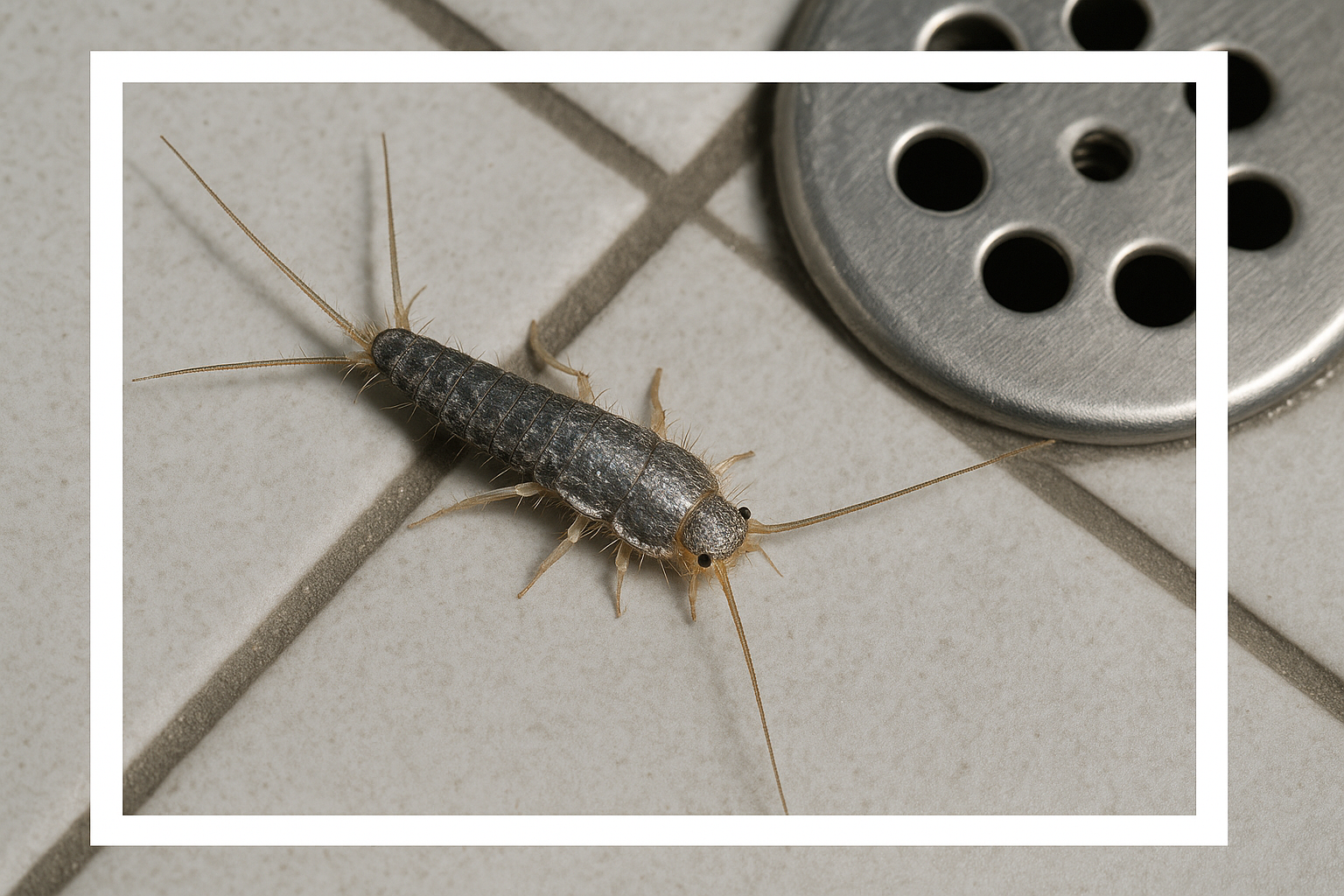
Silverfish are small, wingless insects that measure about ½‑inch long. Their bodies are covered in shiny, silvery‑gray scales that give them a fish‑like glint when light catches them. The tapered, carrot‑shaped form and quick, wriggling motion often surprise homeowners who first spot them in a bathroom or pantry.
Nocturnal Habits and Preferred Hideouts
These pests are strictly nocturnal, emerging after dark to forage while the house is quiet. They thrive in damp, dark environments—think bathrooms, basements, under sinks, and the backs of kitchen cabinets. The moisture in these areas keeps their thin exoskeleton from drying out, making them a common sight in homes with poor ventilation or occasional leaks.
What They Eat
Silverfish are opportunistic feeders. Their diet includes paper, book bindings, starches, glue, and even fabrics that contain natural fibers. Crumbs from cereal, flour, or sugar also attract them, so an unsealed pantry or a forgotten bag of rice can become a banquet. The CDC fact sheet notes that these food sources support their rapid reproduction cycle.
Potential Damage to Your Home
While silverfish are not known to bite or spread disease, the damage they cause can be costly. They chew tiny holes in book pages, damage historic documents, and create unsightly spots on clothing and upholstery. In the kitchen, they may contaminate stored grains, spices, or dried goods, forcing you to discard compromised items. Over time, this wear and tear adds up, especially in homes with valuable collections or extensive paper archives.
Health Considerations
Silverfish themselves are not disease vectors, but their shed skins and fecal pellets can become airborne allergens. Sensitive individuals may experience sneezing, itchy eyes, or mild skin irritation when exposed to these microscopic particles. Regular cleaning and moisture control reduce both the pest population and the likelihood of allergy flare‑ups, keeping your living spaces healthier.
Silverfish Presence in Tucker, Georgia
Humid subtropical climate fuels moisture
Tucker sits squarely in Georgia’s humid subtropical zone, meaning the area experiences high relative humidity year‑round and only mild, short winters. Summer dew points often hover above 65 °F, and rain is frequent during the warm months. Those conditions keep indoor humidity levels elevated, especially in homes that lack proper ventilation. Silverfish thrive in environments where moisture is readily available, so Tucker’s climate creates a natural invitation for these nocturnal insects.
Older homes and moisture‑retaining structures
Much of Tucker’s residential stock was built between the 1960s and 1990s. Many of these houses feature basements, crawl spaces, and aging plumbing systems that can develop slow leaks or condensation problems. When water accumulates in these hidden cavities, it raises the humidity in surrounding walls, floor joists, and insulation—perfect breeding grounds for silverfish. Even well‑maintained homes can become vulnerable if moisture isn’t addressed promptly.
Neighborhoods with reported moisture issues
- Lakefront – Proximity to the Yellow River and a higher water table often lead to damp basements.
- South River – Older split‑level homes with crawl spaces that lack vapor barriers.
- Brookhaven Estates – A mix of historic bungalows and newer infill homes where aging pipework can cause localized leaks.
Homeowners in these areas frequently notice silverfish near kitchen cabinets, bathroom vanities, and laundry rooms—places where moisture tends to linger.
What the local extension service says
A recent 2023 pest‑monitoring report from the University of Georgia Cooperative Extension highlighted Tucker as a “hotspot for moisture‑dependent pests,” citing a 27 % increase in silverfish sightings compared with neighboring Fulton County towns. The report attributes the rise to both the region’s climate and the prevalence of older housing structures that retain dampness.
Connecting climate, housing, and silverfish sightings
When you combine Tucker’s persistent humidity, the age‑related quirks of its homes, and documented moisture problems in specific neighborhoods, the picture becomes clear: the environment is primed for silverfish activity. Homeowners who notice the tell‑tale silver, fish‑shaped insects should consider a moisture‑reduction strategy—such as dehumidifiers, proper ventilation, and prompt repair of leaks—to make their homes less inviting to these resilient pests.
Factors Influencing Control Costs
Quotes for silverfish control vary because each job is unique. The price you see reflects the treatment you choose, how bad the infestation is, where the bugs hide, when you schedule, and the local labor market. Knowing what drives the numbers lets you compare estimates with confidence.
Treatment Type
Anthem Pest uses four main methods, each with different material and labor costs.
- Chemical spray – Quick application, low labor time, but the cost of EPA‑registered insecticide adds to the base fee.
- Bait stations – Minimal labor; the price includes the stations and future monitoring visits.
- Heat treatment – Requires specialized equipment and several hours of work, making it the most expensive option.
- Integrated Pest Management (IPM) – Combines inspection, sanitation advice, and targeted treatments; higher labor cost but often lower chemical expense.
Infestation Severity
Technicians grade a problem as light, moderate, or severe. A light case in a 1,200‑sq‑ft home may cost $150‑$200, moderate infestations typically run $250‑$350, and severe outbreaks—especially those spreading to basements and crawl spaces—can exceed $500. The square footage scales the amount of product and labor needed.
Access Challenges
Hidden spaces increase work time. Tight crawl spaces, low‑ceiling basements, or cluttered closets often require extra equipment and careful maneuvering. Many companies add a $25‑$50 surcharge for each hard‑to‑reach area, which is why two‑story homes often have higher totals than a single‑level house of the same size.
Seasonal Timing
Silverfish are most active in the humid spring months, so demand for services spikes. Some providers apply a 5‑10 % seasonal premium during this period. Scheduling in the slower fall or winter can yield a modest discount, especially if the treatment is bundled with other pest‑prevention services, helping homeowners better plan for the silverfish control cost Tucker.
2024 Georgia Labor Rates
The Georgia Department of Labor lists licensed pest‑technician wages at $27‑$35 per hour in 2024, depending on experience and certification. EPA‑mandated pesticide fees add another $5‑$10 per application[EPA]. These labor and regulatory costs form the baseline of every quote you receive.
By weighing treatment choice, infestation level, access difficulty, timing, and local labor rates, you can understand why two quotes differ and select the option that fits both your budget and your goal of a silverfish‑free home.
Typical Price Ranges in Tucker
When you’re budgeting for silverfish control, knowing the exact numbers helps you compare options without any surprise invoices. In Tucker, GA, the prices you’ll see from reputable providers—like Anthem Pest Control and other local specialists—are grounded in the region’s average labor rates, product costs, and the typical severity of infestations.
Inspection fee
A thorough inspection is the first step to any effective treatment plan. Most Tucker companies charge between $75 and $120 for a 30‑ to 45‑minute visit that includes a detailed assessment, species identification, and a written recommendation. This fee is usually applied toward the final service cost if you move forward.
Single‑visit chemical treatment
If you need a quick fix for a small to medium home (up to 1,500 sq ft), a one‑time chemical application typically runs $150–$250. The service includes targeted spraying in cracks, baseboards, and other hiding spots, plus a follow‑up check within two weeks to ensure the silverfish are gone.
Quarterly treatment package
For homeowners who want ongoing protection, a quarterly plan is the most cost‑effective route. Expect to pay $400–$600 per year for four visits, each covering a full‑home treatment, moisture monitoring, and a brief inspection to catch any new activity early.
Annual comprehensive plan
The all‑inclusive option bundles the initial inspection, four quarterly treatments, and preventative barriers such as silicone sealants and dehumidifier recommendations. Prices fall in the $550–$800 range, delivering peace of mind and a single invoice for the entire year.
Note: Prices can shift based on the square footage of your home, the severity of the infestation, and any additional services you request (e.g., structural repairs or specialized baits). Larger properties or heavily infested sites may see a modest uptick, while smaller apartments often land at the lower end of each range.
| Service | Typical Cost Range | What’s Included |
|---|---|---|
| Inspection fee | $75 – $120 | On‑site assessment, species ID, written report |
| Single‑visit chemical treatment | $150 – $250 | Targeted spray for up to 1,500 sq ft, 2‑week follow‑up |
| Quarterly treatment package | $400 – $600/yr | Four visits, full‑home spray, moisture monitoring |
| Annual comprehensive plan | $550 – $800/yr | Inspection, quarterly sprays, preventative barriers |
Local competitors echo these figures. For example, PestPro Tucker quoted $115 for an initial inspection and $190 for a single‑visit treatment on a 1,200 sq ft home in March 2024. Georgia Pest Solutions listed a quarterly package at $425 per year, including a free moisture‑level assessment.
Anthem Pest Control’s own pricing page confirms the same brackets, with the inspection fee at $85, a one‑time treatment at $175, and the annual comprehensive plan ranging from $560 to $780, depending on home size and infestation level. See the full breakdown on their website: Anthem pricing.
Treatment Options Overview
Chemical Spray
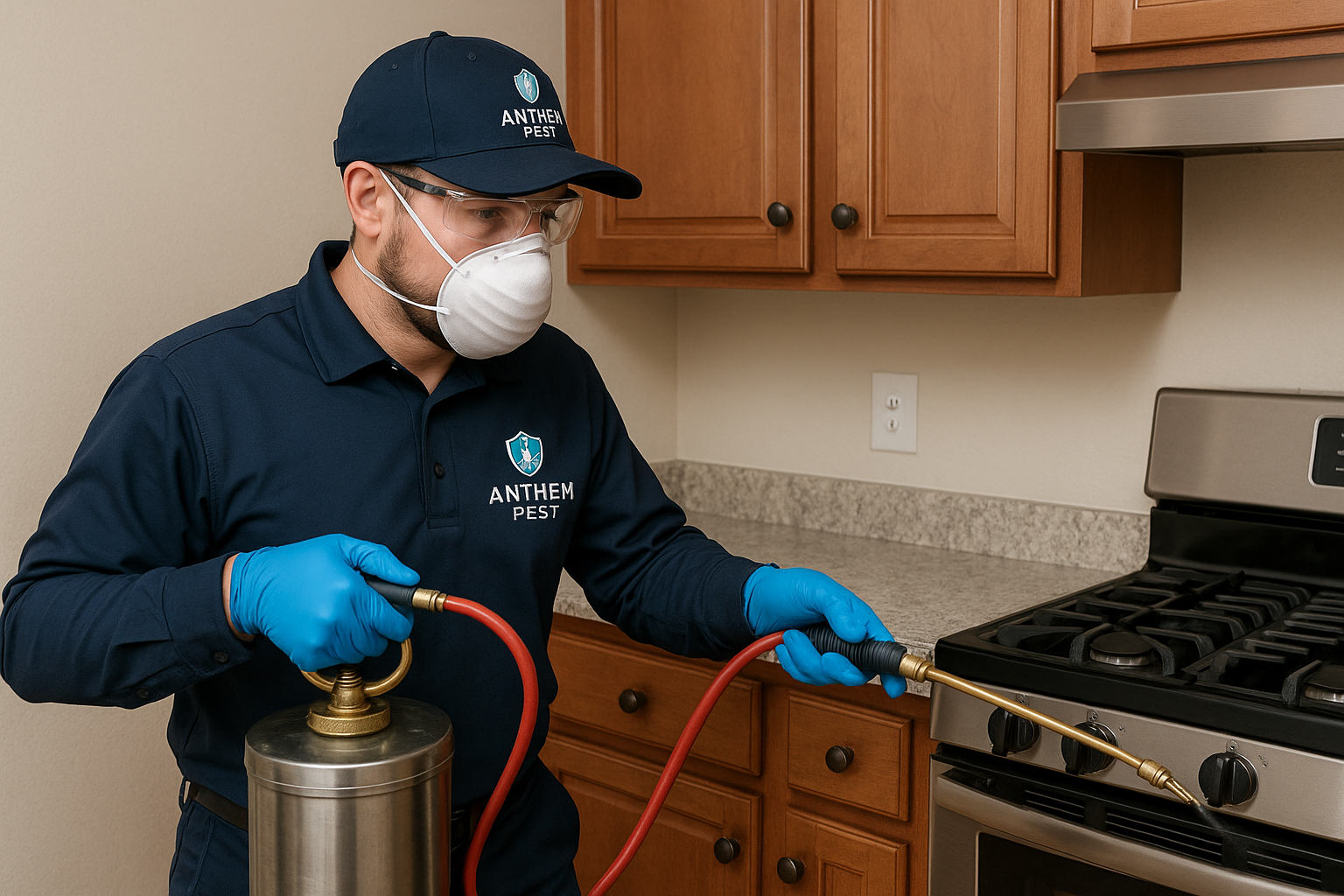
Professional technicians apply fast‑acting, EPA‑registered insecticides directly to cracks, baseboards, and other hidden areas where silverfish hide. These formulations penetrate deep into voids, delivering immediate knock‑down of both adults and nymphs. Safety is a priority: applicators wear protective gear, and homeowners are advised to ventilate rooms for at least 30 minutes after treatment. Typical residential costs range from $80 to $150 per visit, depending on the size of the home and the extent of infestation.
Bait Stations
Bait stations use low‑toxicity gel or granular attractants that silverfish consume and carry back to their nests. The slow‑acting poison provides continuous control, often eliminating the population over several weeks. A 2023 NPMA efficacy study reported an average 85% reduction in silverfish numbers within four weeks of bait deployment (NPMA).
Because baits are placed in discreet locations, they pose minimal risk to pets and children. Pricing typically falls between $120 and $180 for a full‑home baiting program, which includes placement, monitoring, and a follow‑up visit.
Heat Treatment
Heat treatment raises the indoor temperature to above 120 °F (49 °C), a threshold that kills all life stages of silverfish, including eggs. Technicians use specialized equipment to circulate hot air evenly, ensuring no refuge areas remain. The method eliminates the need for repeat chemical applications and is especially effective for severe infestations.
Costs are higher than chemical or bait options, generally ranging from $300 to $500 per treatment, reflecting the labor‑intensive nature of the service and the equipment required.
Integrated Pest Management (IPM)
IPM combines several strategies: reducing moisture sources, sealing entry points, and applying targeted treatments only where needed. By addressing the underlying conditions that attract silverfish—such as damp basements or leaky pipes—IPM delivers long‑term savings and limits chemical exposure.
Homeowners can expect an initial investment of $150 to $250 for the comprehensive assessment and implementation, with periodic maintenance visits priced lower than standalone chemical sprays.
Pros and Cons Summary
- Chemical Spray – Quick results; moderate cost; requires proper ventilation.
- Bait Stations – Low toxicity; continuous action; slower to see full effect.
- Heat Treatment – Eliminates all stages; no chemicals; higher upfront cost.
- IPM – Sustainable, minimal chemicals; best for long‑term control; may need multiple steps.
Choosing the right method hinges on infestation severity and homeowner preferences. For a light to moderate problem, bait stations or a targeted chemical spray often suffice. Severe, entrenched infestations benefit from heat treatment or a full IPM program, which tackles both the pests and the conditions that allow them to thrive. Whatever the choice, Anthem Pest Control tailors each approach to fit your budget and safety concerns.
DIY vs Professional Control
When silverfish start showing up in the pantry or bathroom, many homeowners reach for the nearest store‑bought solution. While a quick spray or a few glue traps can seem inexpensive, it’s important to weigh the true cost, effectiveness, and hidden risks against a licensed professional treatment.
Common DIY methods
- Over‑the‑counter insecticidal sprays or aerosols.
- Sticky glue boards placed in corners, closets, and under appliances.
- Portable dehumidifiers to lower moisture levels.
- Homemade mixtures such as boric acid powder or a vinegar‑water spray.
Average DIY spend
Most homeowners spend between $20 and $80 on these supplies. A typical starter kit might include a 16‑oz spray bottle ($12), a pack of glue traps ($8), and a small dehumidifier rental or purchase ($30‑$60). The expense can add up quickly if you need to replace products after each treatment cycle.
Effectiveness data
According to the National Pest Management Association (NPMA) efficacy report, DIY approaches generally achieve a 30‑40% reduction in silverfish populations. In contrast, a professional service that combines targeted chemical applications, thorough structural inspection, and moisture control can eliminate 80‑95% of the infestation. The gap in results is largely due to the limited reach of consumer‑grade products and the lack of a systematic follow‑up plan.
Hidden costs and risks
Beyond the upfront price tag, DIY methods carry hidden expenses: repeated purchases of ineffective sprays, potential damage to books, clothing, or electronics from over‑application, and safety hazards from mishandling chemicals in confined spaces. Homeowners also risk prolonged exposure, which can lead to further property damage as silverfish continue feeding on paper and starches.
When DIY may be enough—and when to call a pro
If you notice only a handful of silverfish in an isolated area, a short‑term DIY effort—such as a few glue traps combined with a dehumidifier—might keep the problem under control. However, for moderate to heavy infestations, recurring sightings across multiple rooms, or when moisture problems persist, it’s time to call a licensed professional. Anthem Pest Control offers a comprehensive inspection, customized treatment plan, and a guarantee of up to 95% reduction, ensuring the silverfish are eliminated safely and permanently.
How Anthem Pest Provides Value
Living in Tucker means dealing with the humid, wooded environment that invites silverfish and other hidden pests. Anthem Pest’s technicians have spent years mapping the neighborhoods, schools, and historic homes of Tucker, so they know exactly where silverfish like to hide—under kitchen cabinets, bathroom baseboards, and damp closets. Because the infestation can flare up at any hour, Anthem guarantees a 24‑hour response time, meaning a qualified tech will be at your door within a day of your call, even on weekends.
Safety is never an afterthought. All treatments use EPA‑approved, low‑toxicity products that protect your family, pets, and the surrounding garden. The formulas target silverfish’s moisture‑loving habits without leaving harsh residues. Every technician is fully insured and undergoes annual training on the latest integrated pest‑management techniques, so you receive a service that meets both state regulations and the highest industry standards.
Transparency starts with the price tag. Anthem’s flat‑rate model for silverfish control in Tucker ranges from $149 for a single‑visit treatment to $229 for a comprehensive two‑visit package, as outlined in Part 5 of this guide. There are no hidden fees, and you receive a no‑obligation, free estimate before any work begins. The estimate breaks down labor, product costs, and any follow‑up visits, so you can compare apples‑to‑apples with other providers and understand the silverfish control cost Tucker.
Confidence in the work is backed by a 100 % satisfaction guarantee: if silverfish reappear within 30 days of treatment, Anthem will return at no extra charge. For homeowners who prefer set‑and‑forget protection, an optional annual plan adds quarterly inspections and a preventive treatment, locking in today’s pricing and eliminating surprise costs.
“Anthem cleared our silverfish problem in just two visits. The technician explained every step, arrived on time, and the price matched the estimate perfectly. We’ve felt safe in our home ever since.” – Jenna L., Tucker, GA
With that level of service, Tucker homeowners can trust Anthem to keep their homes silverfish‑free year after year.
Seasonal Timing & Prevention Tips
When to Inspect
Silverfish thrive in the warm, damp months that follow the Georgia spring rains and the late‑summer humidity spike. For Tucker homeowners, the sweet spots for a thorough inspection are:
- Early spring (mid‑March to early April) – moisture levels rise as the ground thaws, giving silverfish a chance to emerge from basements and crawl spaces.
- Late summer (late August to early September) – the combination of high outdoor humidity and indoor air‑conditioning creates a perfect micro‑climate for these nocturnal insects.
Schedule a professional walkthrough during these windows, or set a reminder to conduct a DIY check‑over of vulnerable areas such as closets, pantry shelves, and under‑sink cabinets.
Prevention Checklist
Keeping silverfish at bay is mostly about denying them the moisture and food sources they love. Below is a quick, homeowner‑friendly checklist you can print and hang in the garage or utility room.
- Repair any leaking pipes, faucets, or roof drips immediately.
- Increase ventilation in bathrooms, kitchens, and laundry rooms – install exhaust fans or open windows when weather permits.
- Place silica‑gel packets in closets, drawers, and pantry shelves to absorb excess moisture.
- Store dry goods (cereal, flour, pet food) in airtight containers rather than cardboard boxes.
- Reduce clutter: eliminate stacked cardboard boxes, old magazines, and unused fabric piles where silverfish can hide.
- Run a dehumidifier in basements and crawl spaces, aiming for indoor humidity below 50 %.
Printable Checklist Graphic Placeholder
Dehumidifying Your Home
Basements and crawl spaces are silverfish hot spots because they stay cool and damp year‑round. A portable dehumidifier set to 45 % relative humidity can cut moisture levels in half, making the environment inhospitable for larvae and adults alike. Remember to empty the water reservoir regularly and clean the filter to maintain efficiency.
Quick Wins for Busy Homeowners
If you’re short on time, start with the low‑effort actions that deliver the biggest impact: seal any visible leaks, swap cardboard packaging for plastic containers, and drop a few silica‑gel packets in the most humid corners. These steps, combined with the seasonal inspection schedule, give you a proactive shield against silverfish before they become a costly problem.
Frequently Asked Questions
What does a typical silverfish treatment include?
Our technicians start with a thorough inspection to locate where silverfish are hiding and identify the conditions that attract them. Once the hotspots are mapped, we apply a targeted, low‑toxicity spray or strategically place bait stations to eliminate the insects where they’re most active. If the initial treatment doesn’t fully resolve the problem, we schedule a follow‑up visit to re‑treat any remaining pockets and ensure long‑term control.
How many visits are required?
The number of visits depends on the severity of the infestation. For a mild case—just a few sightings in isolated areas—most homeowners see results after one or two appointments. More entrenched infestations, especially in older homes with plenty of cracks and moisture, may need up to four visits. Each visit builds on the last, gradually reducing the population until silverfish are no longer a concern.
Are the chemicals safe for kids and pets?
Absolutely. Anthem Pest Control only uses EPA‑registered products that meet strict safety standards. Our low‑toxicity options are formulated to target insects while minimizing risk to humans and animals. Technicians follow rigorous application protocols, such as limiting spray to baseboards and concealed spaces, and they always advise a short “no‑entry” period for children and pets after treatment.
Can I get a written estimate?
Yes. After the initial inspection, we provide a free, no‑obligation quote that outlines the recommended treatment plan, the number of visits, and a clear breakdown of costs. The written estimate helps you understand exactly what you’re paying for and makes it easy to compare options before you decide.
Take Action with Anthem Pest Today
Silverfish may seem harmless, but a small infestation can quickly turn into a costly, long‑term problem if left unchecked. The earlier you act, the less you’ll spend on extensive treatments, and the transparent cost structure we outlined earlier lets you see exactly what you’re paying for—no hidden fees, no surprise charges.
That’s where Anthem Pest steps in. Our technicians live and work in Tucker, so we know the local climate, building styles, and the habits of the pests that invade our neighborhoods. We offer a 24‑hour response window, meaning you won’t be left waiting days for an appointment, and every service comes with our satisfaction guarantee—if the silverfish return, we’ll re‑treat at no extra cost.
If you’re ready for a pest‑free home, give us a call for a free inspection and a personalized quote. Our team will walk you through the recommended treatment plan, explain each step, and confirm the exact price before any work begins. Simply dial 877‑371‑8196 and one of our friendly specialists will schedule a convenient time for you.
We understand that inviting a professional into your home is a trust‑building moment, so we keep safety, effectiveness, and affordability at the forefront of every job. Let Anthem Pest take the worry out of silverfish control so you can focus on what matters most—your family and peace of mind.
Visit Anthem Pest Control to learn more about our services and start your journey toward a cleaner, healthier home today. You can also request an appointment online, and our same‑day service team will be ready to protect your home and provide an accurate estimate of the silverfish control cost Tucker.