Stink Bug Surge in Smyrna – Why Prompt Action Matters
Every September, residents of Smyrna start noticing a familiar, unwelcome visitor crawling across windowsills, garden beds, and even the kitchen counter – the brown‑marmorated stink bug. This year the sightings have been especially abundant, with neighbors reporting swarms that linger longer than usual and appear in every backyard from Vinings to the historic downtown district. Effective Stink Bug Control in Smyrna GA helps homeowners manage these pests before they become a persistent problem.
Beyond the nuisance of a crunchy, smelly critter, stink bugs bring three practical problems that can quickly turn a pleasant fall into a frustrating season. First, they feed on tomatoes, peppers, beans and other garden staples, leaving behind wilted pods and discolored fruit that can ruin a home‑grown harvest. Second, when they feel threatened they release a potent odor that clings to curtains, furniture and even clothing, making indoor spaces uncomfortable for the whole family. Finally, while they are not disease vectors, their saliva can trigger mild allergic reactions in sensitive individuals, resulting in itchy skin or respiratory irritation.
That’s why Anthem Pest Control recommends acting the moment you notice the first signs of activity. Early intervention stops the population from exploding, protects your garden, and eliminates the odor before it permeates your home. In the sections that follow you’ll find exactly what you need to budget for a professional treatment – transparent, flat‑rate pricing specific to Smyrna neighborhoods – as well as data‑driven recommendations on the most effective chemicals and non‑chemical barriers for this region.
Typical treatment appointments in Smyrna take less than an hour and are scheduled at a time that fits your busy household.
Our goal is simple: give you a clear, cost‑transparent plan that leverages local expertise so you can enjoy a stink‑bug‑free autumn. After you understand why timing matters, the next step is learning how to spot the pest with confidence. Let’s move on to the identification guide, where we break down size, shape, and behavior cues that separate stink bugs from harmless garden insects.
Know Your Enemy – Stink Bug Basics
Stink bugs are instantly recognizable by their distinctive shield‑shaped back. The adult’s body is a uniform, matte brown that ranges from light tan to deep mahogany, depending on the species and age. Two short, white antennae jut from the head, and the wings fold flat over the abdomen, giving the insect a triangular silhouette. When you disturb a stink bug, it releases a pungent, “rotten‑egg” odor that can linger in a room for minutes—hence the common name.
According to the 2024 USDA report, an estimated 2 to 3 million stink bugs cross into residential spaces each year across the Southeast. That influx translates to a noticeable uptick in indoor sightings from early summer through late fall, especially in homes situated near agricultural fields or lush gardens.
In the wild, these pests favor warm, sunny habitats where they can feed on a variety of plant juices. Garden vegetables such as tomatoes, peppers, and beans are favorite buffet stations, but they also congregate on ornamental shrubs, fruit trees, and even ornamental grasses. The bugs are most active on the sunny side of a plant, gathering in clusters that can quickly become a visual nuisance.
To help you confirm what you’re looking at, check the close‑up identification image below. Notice the rounded shield, the crisp brown tone, and the contrasting white antennae—these are the key visual markers that separate stink bugs from harmless garden beetles or ladybugs.
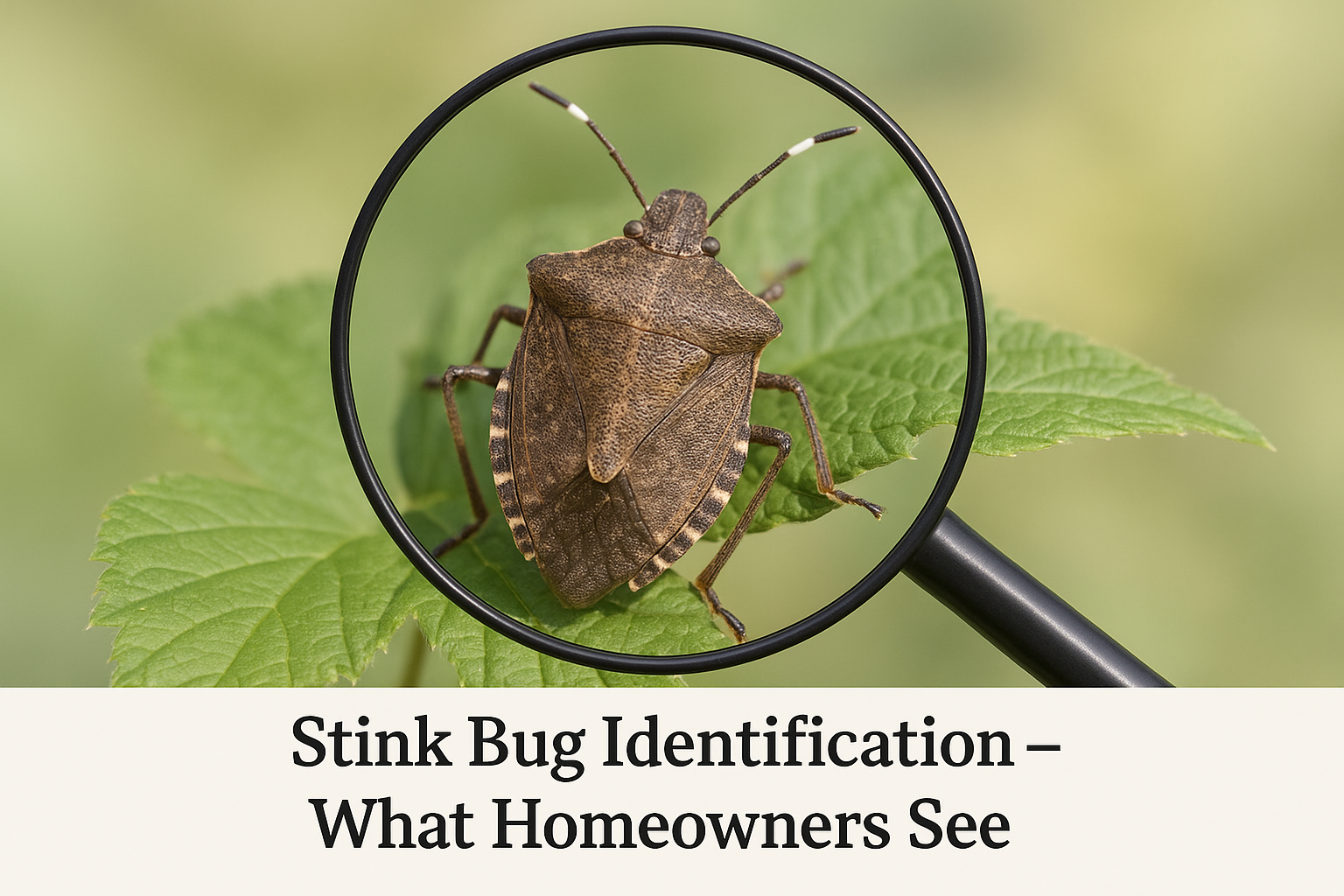
Adults are about ½–¾ inch (12–19 mm) long, making them easy to spot on leaves but also prone to slipping through window cracks. Nymphs are lighter and lack fully formed wings, so early clusters on undersides signal a growing problem.
Being able to spot a stink bug early gives you a head start on control measures. Once you recognize the shape, color, and odor, you can alert a professional pest service—like Anthem Pest Control—before the insects multiply and move indoors.
Smyrna’s Unique Risk Factors
Smyrna sits in the heart of a humid subtropical zone, where hot summers and mild winters keep the air moist for most of the year. Stink bugs thrive in that kind of environment because the moisture helps them survive the winter and the warm temperatures accelerate their breeding cycles. In Smyrna, average July highs hover around 90 °F (32 °C) with nightly lows rarely dropping below 65 °F (18 °C), creating a near‑perfect greenhouse for these pests.
Add to that Smyrna’s position on the western edge of Cobb County, where rows of soybean, corn, and cotton fields stretch for miles. Those crops act as a massive “source” zone, feeding adult stink bugs before they disperse into nearby residential areas in search of shelter. Research shows that when a field is within a two‑mile radius, trap counts in adjacent neighborhoods can jump by 30 % or more, simply because the insects have a short, easy flight path.
Within Smyrna, the data isn’t uniform. Homeowners in East Cobb, Oak Hill, and West Cobb consistently report the highest numbers of sightings, while even the bustling downtown core sees more activity than the surrounding Atlanta suburbs. The pattern mirrors the layout of green spaces and older, tree‑lined streets that provide easy bridge points for bugs moving from the fields to houses.
A 2023 Georgia Extension study quantified that difference: traps placed throughout Smyrna captured 68 % more stink bugs than identical traps set in neighboring Atlanta suburbs over a six‑month period. The researchers attributed the spike to the combined effect of climate, nearby agriculture, and the city’s dense canopy cover, confirming what local pest professionals have observed for years.
Home construction also matters. Older houses with gap‑filled vinyl siding often have tiny cracks that let stink bugs slip inside, and screened porches without fine mesh give them a landing pad, especially on the side facing the fields. Sealing cracks and adding tight screens can cut entry points by up to 40 %.
Economic Impact of Stink Bugs
Stink bugs may seem like a minor nuisance, but their presence can quickly turn into a noticeable dent in a homeowner’s budget. In Georgia’s residential gardens, the insects feed on a wide range of vegetables, fruits, and ornamental plants. The University of Georgia Extension reported that the average loss for a typical home garden falls between $150 and $300 each growing season. Those figures account for both the reduced harvest and the extra effort required to replace or re‑plant damaged crops.
Beyond the garden, stink bugs create a less obvious but equally costly problem: odor‑related food waste. When these bugs infiltrate kitchen cabinets or pantry shelves, they release a pungent scent that can spoil stored foods. Homeowners often end up discarding bulk items such as grains, nuts, and canned goods to avoid the unpleasant smell. Estimates suggest this waste adds another $50 to $100 per year to a household’s expenses.
When you combine garden losses with food waste, a single family can see an annual financial impact ranging from $200 to $400. While these numbers may vary by property size and garden intensity, they illustrate why early detection and professional treatment are worth the investment.
Upcoming cost‑benefit chart: A detailed chart (to be designed later) will break down these expenses side‑by‑side with the average cost of a professional stink‑bug treatment, helping you see the true return on investment.
Future updates: We’ll verify and refresh these figures once the 2025 pest‑damage cost statistics from the EPA and USDA are released, ensuring you always have the most accurate data for budgeting your pest‑control strategy.
Treatment Options – DIY vs. Professional
Chemical Sprays: What’s on the Shelf?
For homeowners who prefer a quick knock‑down, two chemical families dominate the market: synthetic pyrethroids (such as bifenthrin and permethrin) and botanical neem oil. In EPA‑approved indoor tests (2024), pyrethroids score an effectiveness rating of 8‑9/10 against adult stink bugs, while neem oil lags behind at 4‑5/10 because it relies on ingestion rather than contact. Both options demand strict adherence to EPA indoor pesticide guidelines: wear gloves, keep children and pets out of the treated area for at least two hours, and ensure proper ventilation before re‑entering the space.
Non‑Chemical Methods You Can Try at Home
If chemicals feel too risky, several low‑tech tactics can reduce indoor populations without a single drop of pesticide.
- Vacuuming: Use a shop‑vac with a HEPA filter to suck up bugs, then seal the bag or empty canister into a trash bin outside.
- Light traps: Position a UV‑light trap near windows at night; stink bugs are attracted to the glow and become trapped on a sticky board.
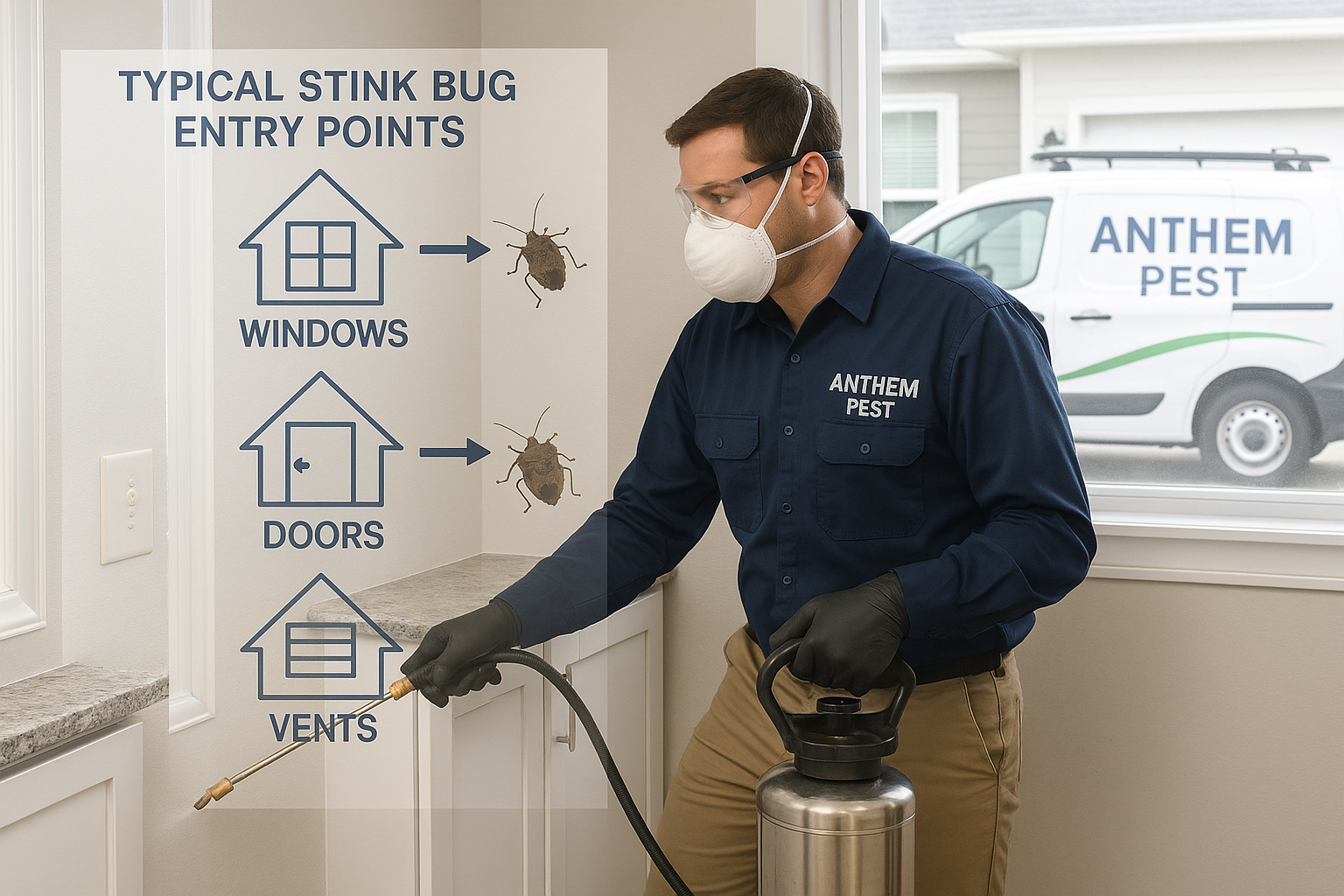
- Exclusion sealing: Caulk cracks around windows, doors, and utility penetrations; install door sweeps and screen mesh on vents to block entry points.
These methods are safe for pets and children, but they work best when combined with regular monitoring.
Integrated Pest Management (IPM): The Smart Middle Ground
IPM blends chemical and non‑chemical tools into a coordinated plan. First, set up sticky traps to monitor activity levels and identify hot spots. Next, apply a targeted barrier treatment—often a low‑dose pyrethroid—around the home’s perimeter in early summer, just before stink bugs begin seeking shelter. Finally, schedule follow‑up inspections every 30‑45 days to adjust treatments based on trap counts. By timing applications to the bug’s life cycle, IPM maximizes kill rates while minimizing overall pesticide load.
DIY Spray Recipe (2 % Pyrethrin) – How to Mix and What to Expect
Mixing a 2 % pyrethrin solution is straightforward: dissolve 2 g of commercial pyrethrin concentrate in 98 ml of water, add a few drops of mild dish soap as an emulsifier, and shake well. Transfer the mixture to a trigger‑sprayer and treat cracks, window frames, and interior walls where bugs hide. The spray offers rapid contact knock‑down, but its penetration is limited to surface insects, and residual activity fades after 5‑7 days due to sunlight and indoor humidity. For a lasting barrier, professional-grade formulations with longer‑acting additives are usually required.
When a Pro Steps In
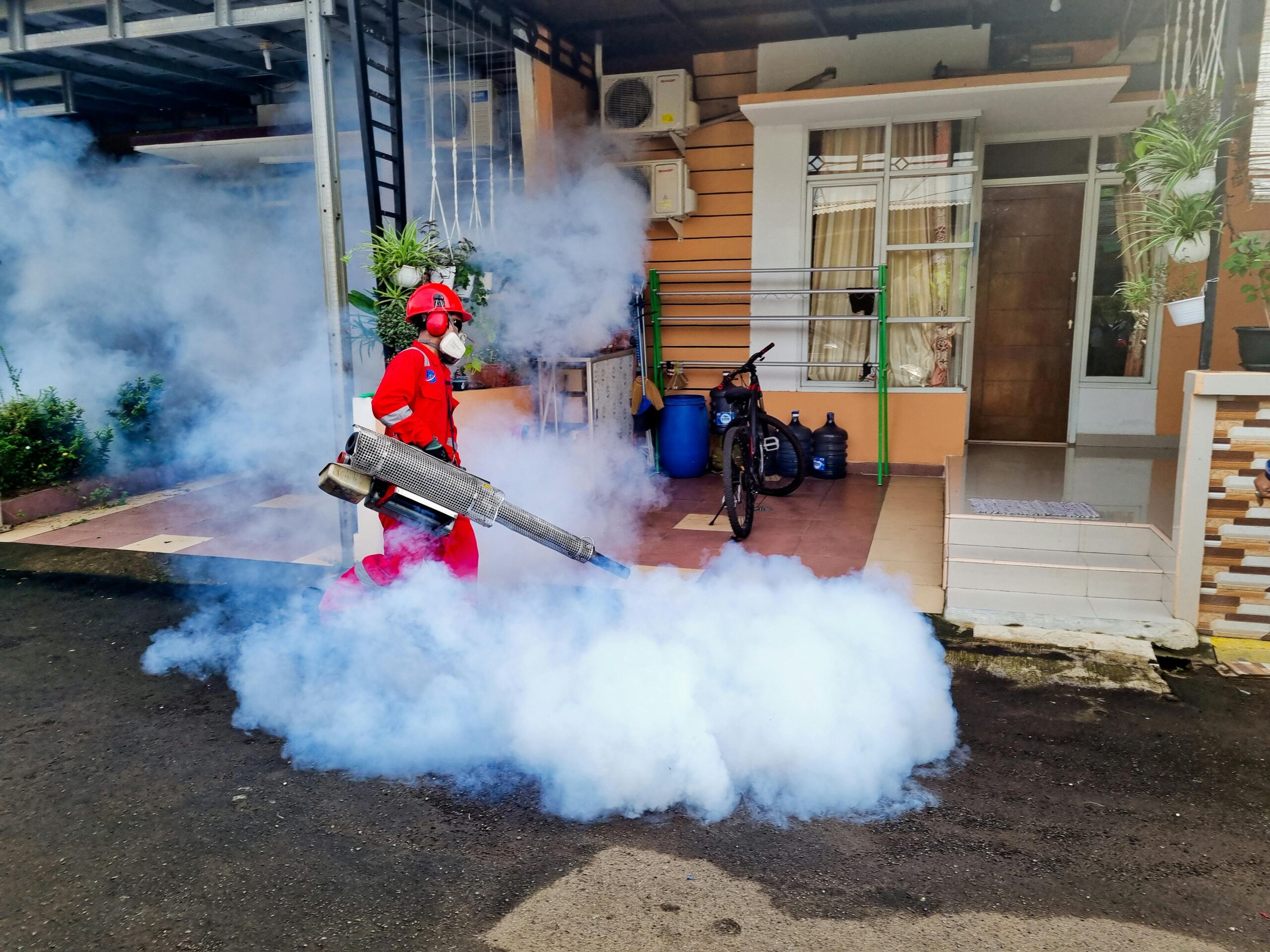
Professional technicians bring equipment and expertise that DIY kits can’t match. They apply indoor residual sprays with calibrated foggers, ensuring even coverage of hard‑to‑reach voids and structural voids where stink bugs congregate. A technician also inspects for hidden entry points—such as attic vents, foundation gaps, and utility penetrations—and seals them on the spot, reducing future infestations.
Seasonal Calendar & Prevention Tips
Stink bugs follow the rhythm of the Georgia seasons. Understanding when they’re most likely to breach your home lets you act before they become a nuisance. Below is a concise calendar and a set of proven, homeowner‑friendly steps to keep those shield‑shaped intruders out.
Peak Entry Months: September – November
In Smyrna, stink bugs begin their search for warm shelter as daytime temperatures dip below 80°F. The highest influx typically occurs from early September through late November. During this window, you’ll notice clusters gathering on sunny walls, window sills, and under eaves. If you spot even a few, it’s a clear sign that your home is on their radar.
Pre‑emptive Actions for Late Summer
Take advantage of the lull in August to seal the entry points that stink bugs will later exploit. The following measures are quick, low‑cost, and highly effective:
- Seal cracks ≤¼ inch. Use a silicone‑based caulk to fill gaps around baseboards, utility penetrations, and exterior siding. Silicone remains flexible, accommodating the slight expansion of wood in summer heat.
- Install door sweeps and window screens. A properly fitted sweep eliminates the gap under exterior doors, while fine‑mesh screens keep bugs out without sacrificing ventilation.
- Remove outdoor lights that attract bugs. Stink bugs are drawn to bright, white LEDs. Switch to amber‑tinted bulbs or relocate porch lights away from the house façade.
- Maintain garden hygiene. Regularly pick up fallen fruit, clean up leaf litter, and prune shrubs at least two feet from walls. Dense vegetation creates a bridge for bugs to reach your siding.
These steps form a defensive “seal‑and‑clean” routine that dramatically reduces the number of bugs that can even attempt to enter.
Printable Checklist (Coming Soon)
To make the process even easier, we’re preparing a downloadable checklist that walks you through each task, week by week. Keep an eye on our blog for the link—once it’s live, you can print it and tick off each action as you complete it.
Local Resource: Smyrna City Homeowners Association Pest‑Watch Newsletter
The Smyrna City HOA publishes a seasonal pest‑watch newsletter that highlights emerging pest trends, community treatment events, and local regulations. Subscribing gives you early warnings about stink‑bug hotspots in your neighborhood and often includes exclusive discounts for professional inspections.
By aligning your home‑maintenance calendar with the stink bug’s activity pattern and leveraging the resources above, you’ll stay one step ahead of the invasion. A few minutes of effort in late summer can save you weeks of unwanted indoor guests and the cost of emergency treatments later in the season.
DIY vs. Professional Cost Comparison
When a stink bug invasion shows up in your Smyrna home, the first question is usually “Should I tackle it myself or call a pro?” The answer hinges on three factors: the money you spend upfront, the time you invest, and how likely you are to eliminate the problem for good. Effective stink bug control in Smyrna GA ensures that professional strategies can save you time and prevent repeated infestations. Below is a quick side‑by‑side snapshot that lets you see the trade‑offs at a glance.
| Aspect | DIY (Do‑It‑Yourself) | Professional (Anthem Pest) |
|---|---|---|
| Materials | $30 – $70 (sprays, traps, protective gear) | Included in service fee (average $180 – $250 per treatment) |
| Labor time | 4 – 6 hours (setup, application, cleanup) | 1 – 2 hours (technician prep, application, post‑treatment briefing) |
| Success rate | 40 % – 60 % (depends on product choice and thoroughness) | 85 % – 95 % (industry‑tested formulations + follow‑up monitoring) |
On paper, a DIY kit looks cheaper, but the hidden costs quickly add up. Homeowners often need to repeat applications because the first round only knocks out a portion of the bugs. Those extra trips mean more product purchases, more time spent, and a lingering nuisance that can damage crops, garden plants, or even indoor fabrics. By contrast, Anthem Pest’s higher initial fee includes a comprehensive inspection, a targeted treatment plan, and a guarantee that reduces the need for repeat visits. Over a typical season, the professional route can save you 30 % – 45 % in total expenses when you factor in avoided re‑applications and the value of your own time.
A 2023 survey by the National Pest Management Association (NPMA) found that 78 % of homeowners who used professional pest control reported “high satisfaction” with the results, compared with just 42 % of DIY users. The same study highlighted that professionals not only achieve higher eradication rates but also provide ongoing monitoring that prevents future infestations.
In short, if you value a swift, lasting solution and want to keep your calendar free for family time, the professional option from Anthem Pest delivers both peace of mind and a better return on investment.
Frequently Asked Questions
Do stink bugs carry diseases?
No. Stink bugs are not disease vectors for humans. While they can emit a foul odor when disturbed and cause noticeable damage to garden plants and fruit, they do not transmit illnesses. They also do not bite or sting humans, and the characteristic smell comes from glands they release when squeezed or threatened.
How often should treatments be applied?
For most Smyrna homes, a single application in early fall—when bugs are seeking shelter—is sufficient. In areas with heavy infestations, a follow‑up treatment in late winter can mop up any survivors that overwintered inside. Homeowners should monitor for lingering bugs and can schedule a second visit if activity persists, especially after unusually warm winters.
Are the chemicals safe for pets and children?
Anthem Pest uses EPA‑approved products that are low‑toxicity when applied by trained technicians. Proper application and ventilation keep the environment safe for families and pets. For detailed safety information, see the EPA stink‑bug safety page. Additional questions about our protocols are answered in the Anthem FAQ. We recommend keeping windows open for at least 30 minutes after spraying, and all products are applied strictly according to label instructions.
Protect Your Smyrna Home Today
Acting quickly when stink bugs first appear can keep your utility bills low, spare your vegetable garden from the tiny puncture wounds they cause, and stop the unpleasant, musty odor that builds up inside walls and cabinets. A professional treatment reaches the insects where they hide, breaking the breeding cycle before the problem spirals.
Anthem Pest knows Smyrna’s neighborhoods like the back of a trap door. Our technicians use locally‑tested products, and we quote every step up front so you never face hidden fees. Plus, every job is backed by a 100 % satisfaction guarantee—if you’re not happy, we’ll re‑treat at no extra cost. Our flat‑rate pricing is transparent, and we use EPA‑approved products that are safe for kids and pets.
Ready for peace of mind? Call us today at 877‑371‑8196 for a free, no‑obligation quote, or schedule your service online in just a few clicks. Our team will assess your home, tailor a treatment plan, and set you up for a stink‑bug‑free season. We typically respond within 24 hours, ensuring the infestation is addressed before it spreads to neighboring homes.
We also offer seasonal monitoring as part of our stink bug control in Smyrna GA services, so you stay protected year after year, catching any new invasions before they become a problem.
Visit Anthem Pest Control to learn more.