Introduction – Why Millipede Costs Matter in Tucker
When the summer thunderstorms rolled through Tucker last month, they didn’t just leave puddles and soggy lawns. The deluge created the perfect highway for millipedes, and homeowners soon found their driveways, porches, and garden beds crawling with these many‑legged guests. In a matter of weeks, a pest that usually hides under leaf litter became a headline on neighborhood Facebook groups, prompting frantic calls to local pest professionals about millipede control cost Tucker and effective treatment options.
For a homeowner, the sudden appearance of millipedes triggers a cascade of concerns. First, there’s the fear of an unexpected bill—many people assume a quick DIY spray will solve the problem, only to discover the infestation resurfaces weeks later. Second, ineffective do‑it‑yourself attempts can waste both time and money, especially when the chemicals used are either too weak or unsafe for pets and children. Finally, while millipedes are not known for chewing through wood, they can damage delicate garden plants, create slip hazards on wet walkways, and, in large numbers, give the impression of a larger pest issue lurking nearby.
Understanding the true cost of millipede control is therefore essential. Transparent pricing removes the guesswork that often leads homeowners to over‑pay or under‑invest in a solution that won’t last. At Anthem Pest Control, we base our estimates on data collected from dozens of Tucker properties, taking into account factors such as property size, infestation severity, and seasonal activity patterns. This data‑driven approach ensures you receive a fair quote that reflects the actual work required—not a generic price tag.
In the sections that follow, we’ll walk you through everything you need to know to make an informed decision:
- Biology of the millipede – Why they thrive in our climate.
- Seasonal activity – When you’re most likely to see them.
- Inspection checklist – Spotting early signs before they spread.
- Professional treatment options – What methods work best in Tucker.
- Pricing breakdown – How costs are calculated and what’s included.
- Cost comparisons – DIY versus professional services.
- Choosing a provider – Questions to ask and red flags to watch.
- FAQs – Answers to the most common homeowner queries.
- Next steps – How to act quickly and protect your home.
Our goal is to give you a clear, actionable roadmap that demystifies millipede control costs and equips you with the knowledge to protect your home without breaking the bank. Whether you’re dealing with a handful of millipedes in the garden or a full‑scale invasion across your property, the information in this guide will help you gauge the right level of response.
Anthem Pest Control has served Tucker families for years, combining local expertise with safe, effective treatment protocols. We understand that every home is unique, and our pricing reflects that nuance—no hidden fees, no surprise add‑ons. By the end of this article, you’ll know exactly what to expect from a professional millipede control program, how to compare quotes, and why investing in a proven solution now can save you both money and hassle later.
Millipede Biology & Risks for Tucker Homeowners
What you’ll most likely see in Tucker
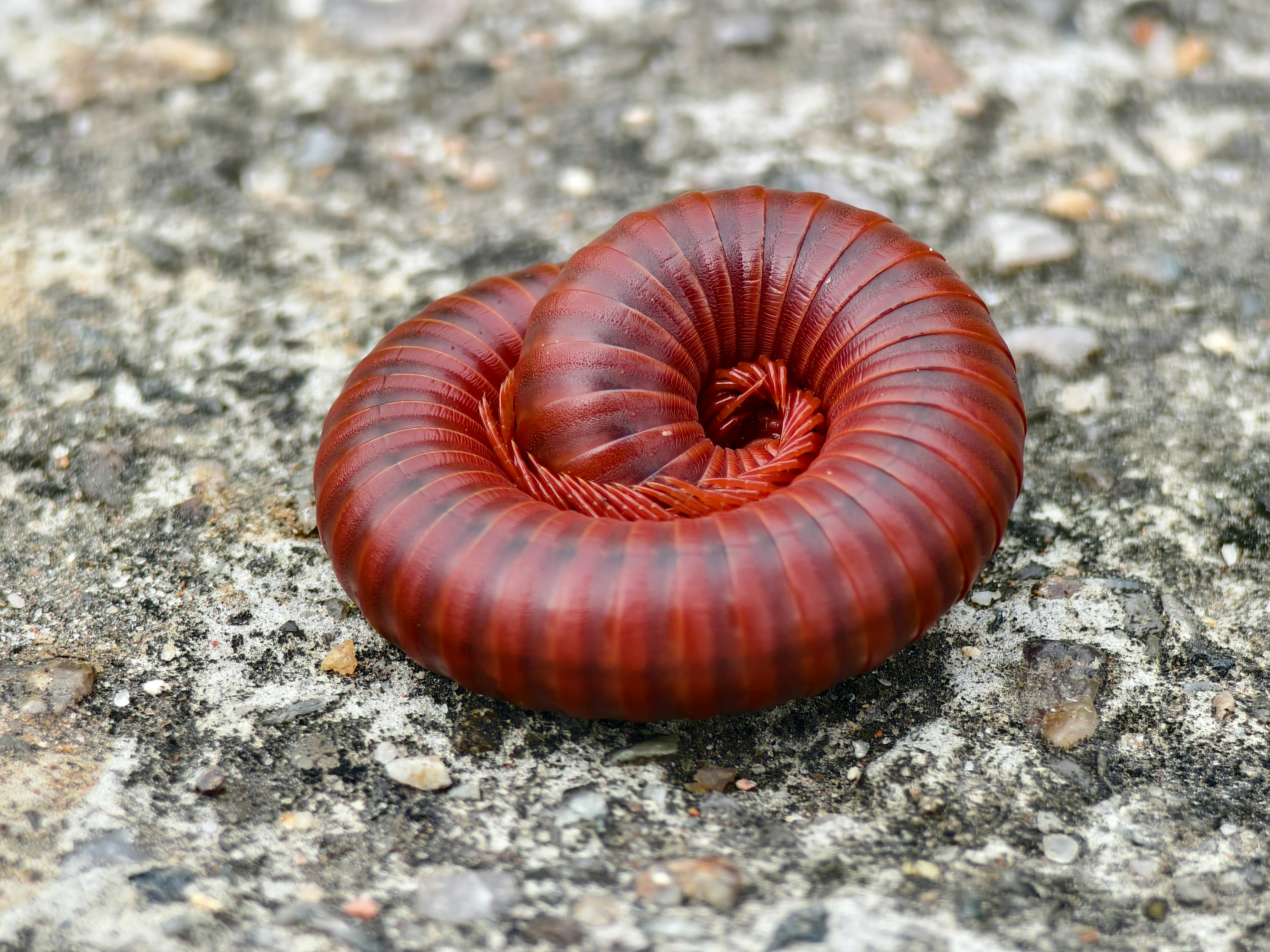
In the peach‑state backyard, two millipede species dominate the scene. The first, Oxidus gracilis, is often called the “tiny greenhouse millipede.” It measures just 1–1.5 cm, has a smooth, pale‑yellow body, and thrives in the warm, humid microclimates that Georgia’s gardens provide. The second, Narceus americanus, is the larger North‑American millipede. Adults can reach 8 cm, sport darker brown bands, and are the ones you’ll notice when they gather in noticeable piles after a rain—reminding homeowners why understanding millipede control cost Tucker is essential before infestations get out of hand.
Key biological traits
Both species share a suite of habits that make them well‑suited to Tucker’s environment:
- Moisture‑loving: Millipedes need damp conditions to keep their breathing pores (spiracles) open. A sudden downpour or an over‑irrigated lawn instantly becomes a highway for them.
- Nocturnal activity: They spend daylight hidden under leaf litter or mulch, emerging after dusk to forage.
- Detritivore diet: Their primary food source is decaying organic matter—fallen leaves, rotting wood, and compost. While this makes them beneficial decomposers, it also draws them into the very places homeowners cultivate.
Why millipedes become a nuisance
Even though they’re not aggressive predators, millipedes can create several problems for homeowners:
- Mulch congregations: After a rain, you’ll often find thousands of tiny Oxidus millipedes clustered in fresh mulch or wood chips. The sheer numbers can look unsightly and give the impression of an infestation.
- Unsightly piles: Larger Narceus individuals tend to form visible piles on patio stones, garden beds, or even the porch steps. These piles can be mistaken for pest damage, prompting unnecessary alarm.
- Mold encouragement: A dense gathering of millipedes retains moisture, creating a micro‑environment where mold spores thrive. Over time, this can lead to mildew on mulch, wood decks, and even the underside of siding.
- Soft‑root damage: While millipedes rarely chew on healthy plant tissue, they will nibble on very soft, newly sprouted roots. In a heavily infested garden, the cumulative feeding can stress delicate seedlings.
Rising complaints in Georgia
The Georgia Department of Agriculture recorded a 27 % increase in millipede complaints in 2023, a clear indicator that these harmless decomposers are becoming a growing concern for residents. The spike aligns with wetter summer patterns and the popularity of organic mulches, both of which provide ideal habitats.
Where to learn more
For homeowners who want a deeper dive into safe handling and control options, the U.S. Environmental Protection Agency’s millipede guidance offers science‑backed recommendations on cultural, mechanical, and, when necessary, chemical strategies.
Understanding the biology behind the bugs you see in your yard is the first step toward effective, low‑impact management. By recognizing the species, their moisture‑driven habits, and the specific ways they can affect your garden’s appearance and health, you’ll be better equipped to decide whether a professional treatment from Anthem Pest Control is warranted—or if simple yard‑maintenance tweaks will keep the millipedes where they belong: working the compost, not crowding your patio.
Seasonal Activity & Local Hotspots
Millipedes in Tucker, Georgia, aren’t a year‑round nuisance; they follow a predictable rhythm driven by temperature and moisture. The insects emerge from the soil when daytime highs consistently sit above 65 °F and the ground stays damp. That window typically opens in late April and closes by early October, giving them roughly a five‑month window to forage, mate, and, unfortunately for homeowners, wander onto sidewalks and decks.
Rainfall as the Spark
Even within the active season, a single rain event can trigger a sudden surge in millipede movement. Moisture softens the compacted topsoil, allowing the creatures to crawl upward in search of drier refuge. A heavy downpour of just half an inch can push thousands of millipedes out of their burrows, which explains why you might notice a “millipede parade” after a storm, even if the weather has been warm for weeks.
Local Climate Snapshot
Tucker receives about 50 inches of rain annually, spread fairly evenly across the year but peaking in late spring and early fall. This amount of precipitation creates a consistently moist environment, especially in low‑lying sections of the city. The following table breaks down the average monthly rainfall, highlighting the months that align with peak millipede activity.
| Month | Rainfall |
|---|---|
| April | 4.2 |
| May | 4.8 |
| June | 5.1 |
| July | 4.7 |
| August | 4.9 |
| September | 4.3 |
Neighborhood Hotspots
While rain is the primary driver, micro‑climates within Tucker amplify the risk in certain areas. Residents of Southlake, Westwood, and Brookhaven often report higher millipede sightings because these neighborhoods sit in natural drainage basins where moisture lingers longer. The vicinity of Lake Lanier’s southern shoreline also experiences elevated humidity, turning yards into ideal millipede corridors.
Yard Features That Invite Millipedes
Even a well‑maintained lawn can become a millipede haven if a few key conditions line up. Poorly drained soil creates pockets of standing water after rain, providing the damp refuge millipedes love. Dense mulch layers, especially those that remain moist for weeks, act like a highway, allowing the insects to travel from the garden beds to your home’s foundation. Finally, heavily shaded areas—under large oaks, pines, or built‑in structures—keep the soil cool and damp, extending the period during which millipedes feel comfortable moving outdoors.
Managing Moisture, Managing Millipedes
The U.S. Environmental Protection Agency offers practical guidance on reducing excess moisture around homes. Their moisture‑management recommendations suggest improving drainage, spacing mulch no more than three inches from foundations, and pruning overgrown vegetation to increase sunlight penetration. Implementing these steps not only discourages millipedes but also helps prevent other moisture‑related issues such as mold and root rot.
Understanding when millipedes are most active and where they thrive in Tucker equips you to act before they become a visible problem. By aligning treatment plans with the rainy months and addressing the specific yard conditions that attract these harmless yet unwelcome guests, homeowners can keep their properties millipede‑free throughout the season.
Inspection & Identification Process
When you call Anthem Pest, the first thing we do isn’t spray or set out chemicals—it’s a thorough inspection. Think of it as a detective’s walk‑through, where every corner of your home is examined for clues that a millipede infestation might be hiding. Our technicians arrive with a checklist, a flashlight, and a clear plan: locate where moisture is pooling, spot where millipedes are congregating, and confirm exactly which species you’re dealing with. Accurate identification is the cornerstone of any effective treatment, because the wrong product or the wrong timing can waste money, leave the problem untouched, and introduce unnecessary chemicals into your living space.
Step‑by‑step of a typical inspection
- Visual walk‑through – We start at the exterior, checking foundations, siding, and drainage areas. Inside, we move room‑by‑room, paying special attention to basements, crawl spaces, and bathrooms where humidity is highest.
- Placement of sticky traps – Small adhesive pads are positioned along baseboards, under sinks, and near known entry points. Traps stay in place for 24‑48 hours, giving us a snapshot of activity levels and helping us locate hidden colonies.
- Moisture meter readings – Using a calibrated moisture meter, we measure the relative humidity of wood, concrete, and soil. Millipedes thrive above 60 % moisture, so any reading over that threshold flags a potential hotspot that will need moisture control before treatment.
- Species confirmation – Collected specimens are compared against our identification guide. Some millipedes are harmless, while others can cause structural damage or allergic reactions. Knowing the exact species tells us which treatment protocol will work best and ensures we use the safest product for your family and pets.
Time estimate
For a typical 2,000‑square‑foot home in Tucker, Georgia, Anthem Pest spends roughly 30‑45 minutes on the inspection alone. Larger properties or homes with multiple levels may require a bit more time, but we always aim to complete the assessment efficiently so you can move quickly to the next step—treatment. If you schedule during peak millipede season (late summer through early fall), we often finish the inspection on the first visit, allowing us to present a treatment plan the same day.
Essential tools we bring
- Flashlights – High‑lumens LED lights reveal hidden cracks, crevices, and dark corners where millipedes love to hide.
- Calibrated moisture meters – These handheld devices give precise readings, helping us pinpoint the exact spots that need moisture control before any pesticide is applied.
- Identification guides – Our technicians carry laminated, region‑specific keys that allow rapid species verification on the spot, reducing guesswork.
- Handheld GPS – We map each hotspot in real time, creating a digital layout that guides treatment placement and future monitoring, especially useful for larger yards.
Why accurate identification matters
Imagine treating a harmless “flat‑backed” millipede with a heavy‑duty termiticide. Not only would you waste money, you could also introduce unnecessary chemicals into your home environment. Conversely, misidentifying a more aggressive species could lead to an under‑dosed application, allowing the infestation to rebound within weeks. By confirming the species during the inspection, we tailor the pesticide selection, dosage, and application method to the pest’s biology, ensuring maximum efficacy while keeping your family and pets safe. Accurate identification also helps us advise you on long‑term prevention steps, such as reducing excess moisture and sealing entry points.

Once the inspection is complete, we provide you with a concise report that outlines where millipedes were found, the moisture readings that support our findings, and a clear recommendation for treatment. This transparency lets you see exactly why a particular solution is being proposed, and it gives you confidence that Anthem Pest is handling the problem with the precision of a seasoned professional.
Treatment Options Available in Tucker
Chemical Barrier Sprays
When millipedes wander onto your porch or crawl under the house, most homeowners reach for a chemical barrier. In Tucker, the two most common classes are standard pyrethroids—such as bifenthrin and permethrin—and low‑toxicity EPA‑registered alternatives like neem‑based oils or the synthetic pyrethroid permethrin‑free product Silica‑Gel Spray. A barrier spray creates a protective “moat” around your foundation, doorways, and any cracks where millipedes can enter.
- Pros: Immediate knock‑down effect, wide coverage (up to 30 ft from the point of application), and relatively low cost per square foot.
- Cons: Pyrethroids can be toxic to beneficial insects (bees, ladybugs) and, if over‑applied, may pose health risks to pets and children. Low‑toxicity alternatives are safer but often require more frequent re‑applications.
Soil Drenches and Perimeter Treatments
Millipedes spend much of their life in the soil, especially during the cooler months. Soil drenches—mixing a liquid insecticide with water and applying it directly into the top 6‑12 inches of soil—target the insects where they feed and breed. Perimeter treatments extend the drench around the entire property line, creating a deep, continuous barrier that can stay effective for 6–12 months, depending on rainfall and soil composition.
- Pros: Reaches hidden populations that surface sprays miss, reduces the need for repeated surface applications, and can be combined with beneficial nematodes for added biological control.
- Cons: Requires specialized equipment and professional expertise to achieve proper dilution and coverage. Over‑watering after a drench can wash the chemical away, diminishing efficacy.
Physical Exclusion Tactics
Even the best chemicals can’t keep millipedes out if they have open doors to your home. Simple, non‑chemical measures often provide the longest‑lasting protection. Seal foundation cracks with polyurethane caulk, install door sweeps on all exterior doors, and ensure that windows have tight weatherstripping. Improving yard drainage—by grading soil away from the house, cleaning gutters, and adding French drains—removes the moist environment millipedes love.
- Pros: No chemicals, zero ongoing cost, and benefits extend to other pests (ants, termites) and to the structural health of your home.
- Cons: Requires upfront labor and may need professional carpentry or landscaping for larger issues.
DIY Options vs. Professional Services
Do‑it‑yourself kits are readily available at home‑improvement stores. They typically contain a ready‑to‑spray pyrethroid or a botanical oil, and the label promises “up to 30 days of control.” While tempting, DIY solutions often fall short in three key areas:
- Effectiveness: Without proper calibration, homeowners either under‑dose (no control) or over‑dose (health hazards). Professional applicators use calibrated equipment to ensure the correct concentration reaches the target zones.
- Safety: EPA‑registered products require a licensed applicator for indoor or perimeter treatments in DeKalb County. This protects you from accidental exposure and ensures compliance with local ordinances.
- Coverage: A professional service can treat the entire perimeter, foundation cracks, and underground soil in one coordinated plan, whereas a DIY spray often misses hidden entry points.
That said, if you’re dealing with a light, seasonal influx and prefer a hands‑on approach, a low‑toxicity OTC spray applied strictly according to the label can be a reasonable stop‑gap.
EPA Safety Ratings & DeKalb County Restrictions
Below is a quick reference for the most common chemicals used in Tucker for millipede control. The EPA assigns a toxicity category (Low, Moderate, High) based on acute oral, dermal, and inhalation risks. DeKalb County, which includes Tucker, restricts certain high‑toxicity pyrethroids to licensed applicators only and prohibits their use in residential areas within 50 ft of water bodies.
| Active Ingredient | EPA Toxicity Rating | DeKalb County Restriction |
|---|---|---|
| Bifenthrin (Standard pyrethroid) | Moderate | Licensed applicator only; no use within 50 ft of standing water |
| Permethrin (Standard pyrethroid) | Moderate | Licensed applicator only; same buffer as bifenthrin |
| Silica‑Gel Spray (Low‑toxicity EPA‑registered) | Low | Available to homeowners; no special restrictions |
| Neem Oil (Botanical oil) | Low | OTC use permitted; best for spot treatments |
| Beneficial Nematodes (Biological control) | Low | OTC; no restrictions |
Choosing the Right Mix for Your Home
Most Tucker homeowners benefit from a layered strategy: start with physical exclusion to eliminate easy entry points, follow with a professional perimeter spray (using a low‑toxicity EPA‑registered product whenever possible), and add a seasonal soil drench if you’ve seen deep‑soil activity. Reserve DIY sprays for spot‑treatments between professional visits, and always read the label for local compliance.
By understanding the pros and cons of each method—and the safety regulations that govern them—you can make an informed decision that protects your family, your pets, and the environment while keeping those millipedes where they belong—outside.
Cost Factors That Influence Pricing
Property size matters
In Tucker, the average single‑family home measures roughly 2,200 sq ft. A larger footprint means more perimeter to protect, which translates to additional gallons of barrier spray and extra labor time. For a 3,500‑sq‑ft lot, expect the material cost to rise by 25‑40 % compared with an average‑size home.
Infestation severity levels
Millipedes are seasonal, but when they gather in numbers they can overwhelm a yard. Technicians categorize infestations as light, moderate, or severe. A light problem might be handled with a single perimeter application, while a severe outbreak often requires two to three treatment passes spaced a week apart. Each additional pass adds both product and labor expenses.
Treatment type: single barrier vs. integrated program
A single‑barrier treatment is a one‑time application designed to keep millipedes at bay for the peak season. This option is the most affordable, typically ranging from $120 to $180 for an average Tucker home. An integrated, multi‑visit program combines barrier sprays with habitat modification, soil treatment, and follow‑up inspections. While the upfront price is higher—often $250 to $350—it reduces the likelihood of repeat visits and can protect against other pests like ants or spiders.
Seasonal discounts and bundled services
Anthem Pest Control frequently offers promotions during the early spring and late fall, when millipede activity spikes. Homeowners who schedule before the first major rainstorm can receive a 10‑15% discount. Additionally, bundling millipede control cost Tucker with other services—such as ant or spider management—often yields a package discount of $30‑$50 per service, making comprehensive protection more budget‑friendly.
Local labor rates in DeKalb County
Certified technicians in DeKalb County command hourly rates between $70 and $95. The final labor charge depends on the number of crew members, travel time to the property, and the complexity of the job (e.g., navigating steep slopes or dense landscaping). A typical two‑hour visit for a medium‑size home will fall near the middle of that range, adding roughly $150 to the total bill.
Putting the pieces together
When you request a quote, Anthem’s estimator will weigh each of these variables. For example, a 2,200‑sq‑ft home with a moderate infestation treated with a single barrier in early spring might cost around $165 + tax. The same home, but with a severe infestation requiring three passes and an integrated program, could climb to $320‑$380 after labor, product, and any applicable discounts are applied.
How to keep costs predictable
- Schedule inspections early in the season to lock in promotional pricing.
- Consider bundled services if you have multiple pest concerns; the per‑pest cost drops significantly.
- Maintain a tidy yard—removing leaf litter and wood debris reduces the amount of product needed.
- Ask for a written estimate that breaks down product, labor, and any discounts so you know exactly where each dollar goes.
Understanding these cost drivers empowers you to make an informed decision and avoid surprise fees. Anthem Pest Control prides itself on transparent pricing, so you’ll always know why a particular figure appears on your invoice.
Price Ranges for Millipede Control in Tucker
Understanding the cost of millipede control helps you budget confidently and avoid surprise charges later on. In Tucker, Georgia, prices are shaped by the scope of work, the size of the property, and the latest EPA regulations that affect product pricing. Anthem Pest Control keeps its rates transparent, so you’ll know exactly what you’re paying for—whether you need a quick inspection or a full‑service protection plan.
Basic Inspection Only
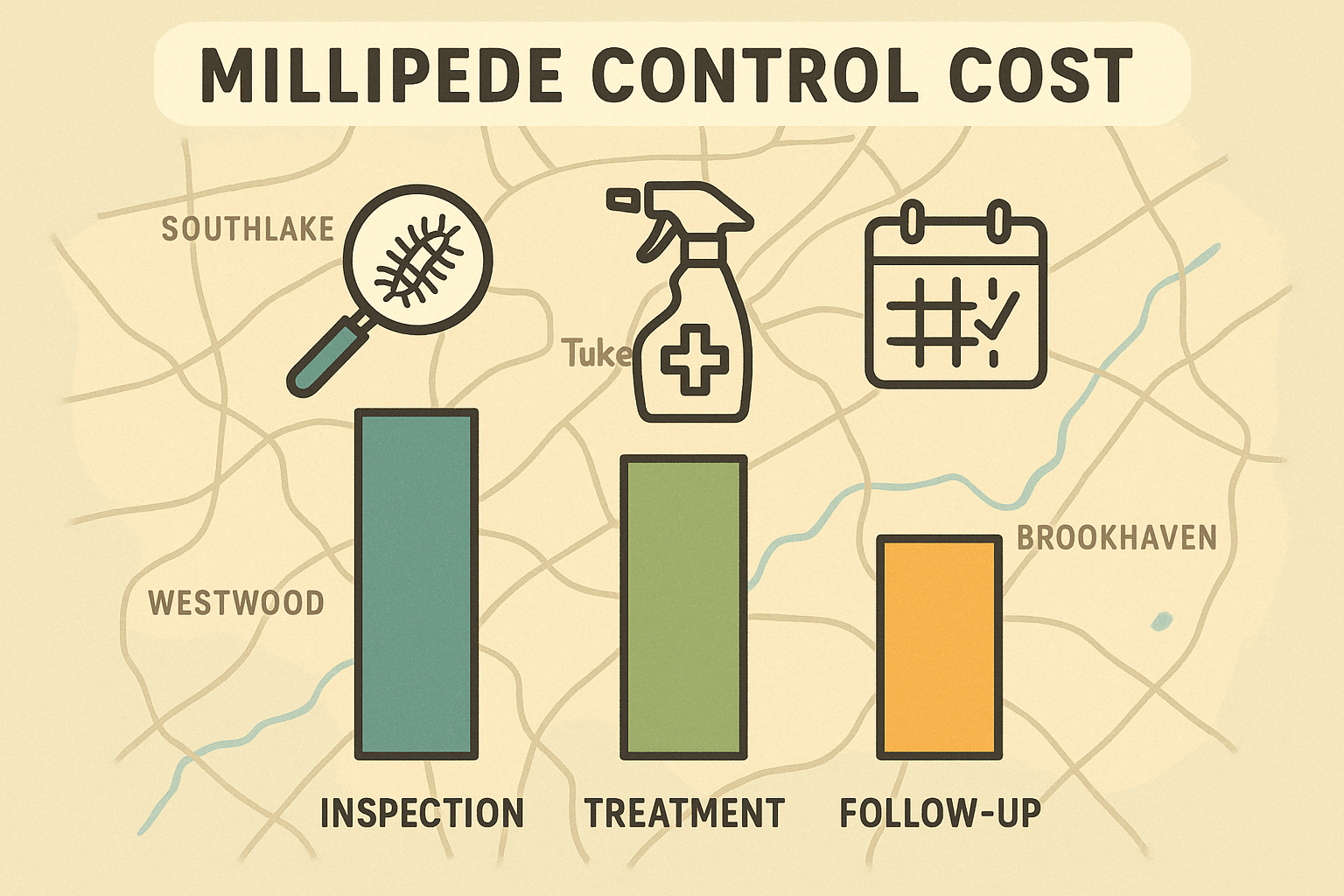
A professional inspection is the first step in any millipede management strategy. Our technicians will walk your property, identify infestation hotspots, and provide a written report with recommendations. In 2025, the typical price for this service in Tucker ranges from $75 to $120. The variation depends on property size and the level of detail required for the assessment. Even a simple inspection can save you money by pinpointing exactly where treatment is needed.
One‑Time Chemical Barrier (Up to 2,000 sq ft)
If you prefer a hands‑off approach, a one‑time chemical barrier creates a protective perimeter that deters millipedes from crossing into your home. This treatment covers up to 2,000 square feet and uses EPA‑approved products that are safe for pets and children. For Tucker homeowners, the cost falls between $180 and $250. The price reflects both the material costs and the labor required to apply the barrier evenly around the perimeter.
Comprehensive Package (Inspection + Barrier + 2‑Month Follow‑Up)
Our most popular option bundles everything you need for long‑term peace of mind. The package includes a thorough inspection, a full‑coverage chemical barrier, and a follow‑up visit two months later to assess effectiveness and re‑apply if necessary. In 2025, this all‑in‑one solution is priced between $300 and $420. By combining services, you often receive a better value than purchasing each component separately, and you gain the assurance of ongoing monitoring.
All figures above are based on the latest EPA guidelines and local industry reports for 2025. Because millipede activity can vary seasonally, we always recommend requesting a written estimate before any work begins. A written quote protects you from hidden fees and gives you a clear baseline for comparison when you speak with other providers.
| Service | Coverage | Price Range |
|---|---|---|
| Basic Inspection | Whole property (assessment only) | $75 – $120 |
| One‑Time Chemical Barrier | Up to 2,000 sq ft | $180 – $250 |
| Comprehensive Package | Inspection + Barrier + 2‑Month Follow‑Up | $300 – $420 |
Comparison with Neighboring Cities
When you’re budgeting for millipede control, it helps to see how Tucker’s pricing measures up against nearby markets. Below is a snapshot of the average cost per treatment in Tucker compared with Atlanta, Brookhaven, and a few other DeKalb County suburbs. All figures are based on typical residential services from reputable providers, including Anthem Pest Control.
| City | Avg. Cost per Treatment | Typical Range | Notes |
|---|---|---|---|
| Tucker | $180 | $150–$210 | Localized expertise; fast response |
| Atlanta | $210 | $180–$250 | 10‑15% higher due to larger service zones |
| Brookhaven | $185 | $150–$220 | Similar to Tucker; premium for historic homes |
| Decatur | $190 | $155–$225 | Mid‑range; moderate travel distances |
| Stone Mountain | $195 | $160–$230 | Slightly higher travel costs |
Why Atlanta’s rates are higher. The city’s sprawling service area means technicians often travel farther between jobs, which drives up labor and fuel expenses. Additionally, Atlanta’s larger commercial market pushes providers to price residential work at a premium to cover the higher overhead associated with office space, equipment storage, and a broader staff roster. Those extra costs inevitably filter down to the homeowner.
Brookhaven’s pricing nuance. Brookhaven sits geographically close to Tucker, so base labor rates are comparable. However, the neighborhood contains a notable number of historic homes with older foundations and unique landscaping. Treating millipedes in such properties can require specialized equipment or additional visits, creating occasional “premium” charges that push the upper end of the range.
Other DeKalb suburbs. Places like Decatur and Stone Mountain fall between the Tucker and Atlanta extremes. Their costs reflect modestly longer travel distances than Tucker but not the extensive zone coverage that Atlanta demands. As a result, you’ll see a slight uptick—usually $10‑$20 more per treatment—compared with Tucker’s baseline.
Tucker’s advantage. Because Anthem Pest Control focuses on a tight service footprint in Tucker, we can dispatch technicians quickly, often within the same day. Our crews know the local soil composition, typical millipede habitats, and neighborhood micro‑climates, which translates to more efficient treatments and fewer follow‑up visits. That localized expertise not only keeps labor costs down but also enhances the overall effectiveness of each application, delivering better value for your dollar.
DIY vs. Professional – What’s Really Cost‑Effective?
When millipedes start marching across your porch, the first instinct for many homeowners is to grab a spray can and tackle the problem themselves. It feels empowering, and the upfront price tag looks tempting. However, the true cost of a DIY approach goes beyond the price of a can of pesticide. Let’s break down the material expenses, time commitment, safety considerations, and overall effectiveness so you can decide whether a do‑it‑yourself plan or a professional service from Anthem Pest Control makes more sense for your Tucker home.
Typical DIY Material Costs
- Spray cans: $30 – $50 per can (most homeowners need at least one, often two, for a full perimeter treatment).
- Protective gear: Gloves and goggles cost roughly $20 for a decent pair that meet basic safety standards.
- Soil amendments (optional): If you decide to improve drainage or add diatomaceous earth, budget an extra $10 – $25.
All told, a single DIY session can start at about $60‑$95. That number looks modest until you factor in repeat applications after rain or when you notice new activity.
Time Investment
A thorough DIY treatment typically takes 2‑4 hours per application. You’ll spend time:
- Inspecting the property to locate entry points and high‑traffic millipede zones.
- Wearing protective gear and mixing or shaking the spray can.
- Applying the pesticide evenly around foundations, mulch, and garden beds.
- Cleaning up equipment and disposing of any leftover product.
If rain washes away the treatment, you’ll need to repeat the process, adding another 2‑4 hours and the cost of another can. Over a typical season, many homeowners end up spending 4‑6 hours and purchasing 2‑3 cans.
Safety Concerns
Handling pesticides without professional training introduces several risks:
- Exposure: Skin contact or inhalation can cause irritation, headaches, or more serious health effects, especially for children and pets.
- Incomplete coverage: Missing cracks, hidden soil pockets, or uneven application can leave pockets where millipedes thrive, rendering your effort ineffective.
- Liability: If a neighbor’s child or a visitor experiences an adverse reaction, you could be held responsible.
The CDC’s guidance on pesticide safety for homeowners stresses the importance of proper protective equipment, ventilation, and strict adherence to label instructions—something that can be difficult to manage without prior experience.
Cost‑Effectiveness Matrix
| Factor | DIY Total Outlay | Professional Total Outlay | Efficacy | Safety |
|---|---|---|---|---|
| Material/Service Cost | $60‑$150 (multiple cans, gear, possible repeats) | $250‑$400 (single comprehensive treatment) | Variable – often 50‑70% effective | Higher risk – exposure, liability |
| Time Required | 4‑6 hours total (spread over season) | 1‑2 hours (technician visit) | Consistent coverage across all entry points | Low – technicians are trained and insured |
| Repeat Treatments | Often needed after rain (additional cost) | Included in warranty or follow‑up visit | Professional plans typically guarantee 90‑day protection | Professional equipment reduces residual hazards |
| Long‑Term Value | Potentially higher if infestations persist | Higher upfront, but lower overall expense due to durability | Professional services achieve >90% reduction | Peace of mind with EPA‑registered products and insurance |
Bottom Line for the Cost‑Conscious Homeowner
If you have a limited budget and feel comfortable following CDC safety guidelines, a DIY approach can work for a minor, one‑time millipede flare‑up. Expect to invest $60‑$150 in supplies and at least 4‑6 hours of your time, plus the mental load of monitoring weather and re‑applying as needed.
For most Tucker residents dealing with recurring millipede activity—or anyone who values guaranteed results and minimal health risk—handing the job to Anthem Pest Control is often the smarter financial move. A professional treatment may cost $250‑$400, but it delivers comprehensive coverage, reduces repeat visits, and comes with the safety net of trained technicians and liability protection. In the long run, that upfront investment typically saves both money and hassle.
Choosing the Right Provider – Why Anthem Pest Stands Out
Local Experience That Matters
For more than 15 years, Anthem Pest has been a fixture in Tucker and the surrounding DeKalb County neighborhoods. During that time we’ve learned that the area’s micro‑climates—shaded backyards, humid basements, and densely planted gardens—create perfect hide‑outs for millipedes. Our technicians know exactly which entry points to seal and which treatment zones to target, so you get results that last through the rainy season and beyond. That depth of local knowledge translates into fewer follow‑up visits and a quicker path to a pest‑free home.
Because Tucker’s terrain varies block‑by‑block, we tailor each service to the specific soil type, vegetation density, and drainage pattern of your property. A home near the Red Clay Creek, for example, often requires a more aggressive perimeter barrier than a house on a higher, drier lot. This nuanced approach is something only a long‑standing, locally‑focused company can provide.
Transparent, Itemized Estimates
Nothing erodes trust faster than a surprise charge on the final bill. Anthem Pest provides a clear, itemized estimate before any work begins, breaking down every component of the service so you understand exactly what you’re paying for. Below is a typical quote for a full‑home millipede control program in Tucker:
| Service | Frequency | Cost (USD) |
|---|---|---|
| Initial inspection & perimeter treatment | One‑time | 120 |
| Indoor residual application | One‑time | 95 |
| Follow‑up visit (30 days) | One‑time | 80 |
| Protective barrier (quarterly) | 4 visits/year | 200 |
The total for the above plan comes to $495, and every line item is explained in plain language. If you prefer a less intensive schedule, we can adjust the frequency or remove optional services without affecting the overall effectiveness of the treatment. All estimates are delivered via email or printed copy, so you have a permanent record of what was agreed upon.
Safe, EPA‑Registered Formulations
Our commitment to safety is as strong as our commitment to eradication. All products we apply are EPA‑registered and formulated to minimize toxicity while maintaining proven efficacy against millipedes. The low‑toxicity concentrates are applied at concentrations that are harmless to children, pets, and beneficial insects once the product dries. Technicians wear protective gear and follow strict application protocols, ensuring that the chemicals stay where they belong—on the targeted surfaces, not on your family’s skin.
In addition, we offer a “Pet‑Safe” option that replaces the standard perimeter spray with a botanical‑based repellent. This alternative still creates a barrier that millipedes cannot cross, but it uses plant‑derived ingredients that break down quickly in the environment. Whether you choose the standard or pet‑safe formula, you receive the same level of professional expertise and follow‑up support.
Beyond the immediate treatment, Anthem Pest educates homeowners on integrated pest‑management practices—such as removing excess mulch, fixing leaky gutters, and trimming vegetation away from the foundation—to reduce future chemical reliance. Our goal is a long‑term, environmentally responsible solution, not just a quick fix.
What Our Neighbors Say
“Anthem Pest showed up on schedule, explained every step, and had the millipedes gone within two days. I appreciated the detailed receipt—no hidden fees—and the fact that my 3‑year‑old and dog were safe the whole time. I’ll definitely call them again if anything else shows up.” – Laura M., Tucker, GA
Ready for a Free, No‑Obligation Quote?
If you’re ready to stop sharing your porch with millipedes, pick up the phone and call Anthem Pest at 877‑371‑8196. Our friendly dispatch team will set up a same‑day inspection and provide the itemized estimate you just saw, all with zero pressure and no hidden costs. Remember, a quick call today can prevent a full‑scale infestation tomorrow—so let the local experts handle the problem before it spreads.
And because we stand behind every service, we guarantee that the initial treatment will reduce millipede activity by at least 90 %. If you see a resurgence within 30 days, we’ll return at no extra charge. That’s the Anthem Pest promise: transparent pricing, safe practices, and results you can count on.
Frequently Asked Questions
How long does a chemical barrier last?
A professionally applied chemical barrier typically remains effective for three to six months. The exact duration hinges on factors such as seasonal rainfall, soil composition, and foot traffic around the treated perimeter. Heavy rain can wash away or dilute the product, shortening its life, while a dry season may allow the barrier to persist closer to the six‑month mark. For optimal protection, we schedule a follow‑up inspection before the barrier expires and reapply if needed.
We usually recommend a touch‑up in late summer if the area has received more than two inches of rain, because that amount can reduce the barrier’s potency by up to thirty percent.
Will millipedes return after treatment?
Millipedes are opportunistic; they don’t breed inside homes but will wander back if the conditions that attracted them remain. After a barrier or spot‑treatment, most homeowners see a dramatic drop in activity, yet a small number may reappear when moisture levels rise again or when the chemical barrier degrades. That’s why we recommend at least one follow‑up visit within the first two months and an annual preventive program in high‑risk years. Consistent monitoring keeps re‑infestations to a minimum.
Factors such as nearby mulch, leaf litter, and cracked siding create bridges for millipedes to cross. Removing these attractants during the follow‑up visit further reduces the chance of a comeback.
Are pets and children safe during and after treatment?
All Anthem Pest products are EPA‑registered and come with strict label instructions that protect people and pets. During application, technicians wear protective gear and keep children and animals out of the treated zone for the time specified on the label—typically 30 minutes to two hours, depending on the formulation. Once the label‑approved re‑entry interval has passed, the chemicals break down to harmless residues, making the area safe for everyday use.
If you prefer a non‑chemical approach, we also offer granular baits and barrier powders that are low‑toxicity and can be applied in pet‑free zones, giving you flexibility based on your family’s needs.
Can millipedes damage my home’s foundation?
Millipedes are not wood‑eaters; they lack the mandibles needed to chew through timber, so they won’t tunnel into your foundation like termites. However, large congregations can indicate excess moisture, and that moisture can weaken soil stability around footings over time. By eliminating the millipedes and addressing the underlying dampness—such as fixing drainage or improving ventilation—you protect both the pest‑free environment and the structural health of your home.
Simple steps like installing a French drain, sealing foundation cracks, and ensuring gutters direct water away from the house can lower humidity levels, making the environment less inviting for millipedes.
Where can I find more detailed information?
For deeper technical details, consult the EPA’s pesticide fact sheets and the National Pest Management Association’s millipede FAQ page. Both resources cover product safety, environmental impact, and best‑practice guidelines for homeowners and professionals alike.
Take the Next Step – Get a Free Quote Today
Before you let another rainstorm turn your yard into a millipede runway, remember the three pillars that make professional control the smartest choice for Tucker homeowners:
- Professional inspection pinpoints severity. A trained technician can tell you whether you’re dealing with a few stray millipedes or a full‑blown infestation that could migrate indoors.
- Transparent pricing eliminates surprise costs. With Anthem Pest, the estimate you receive up front includes every step of the treatment plan, so you know exactly what you’re paying for.
- Local expertise guarantees safe, effective treatment. Our crews know Tucker’s climate, soil type, and seasonal pest cycles, allowing us to apply EPA‑approved solutions that protect your family, pets, and the surrounding environment.
Scheduling a free, no‑obligation quote is the quickest way to lock in today’s pricing before the next rain season arrives. A simple call or online request gives you a written estimate, a clear timeline, and a roadmap for keeping millipedes—and any other unwanted guests—out of your home.
At Anthem Pest Control we combine years of Tucker‑specific knowledge with EPA‑approved solutions, so you can enjoy a pest‑free yard without worry. Our technicians are trained to identify the exact species, assess the level of activity, and tailor a treatment that targets millipedes while preserving the health of your lawn and garden. Because we focus on prevention as much as eradication, you’ll also receive actionable tips for reducing moisture buildup, sealing entry points, and maintaining a yard that’s less inviting to these nocturnal crawlers.
Ready to protect your property? Call us now at 877‑371‑8196 for a free quote, or visit Anthem Pest Control to learn more and book online. Our friendly staff will answer any questions, walk you through the process, and schedule a convenient appointment at your convenience.
Taking the next step doesn’t lock you into a contract—it simply gives you the information you need to make an informed decision. With a clear understanding of the problem, a fixed price, and a proven, locally‑trusted solution, including insight into millipede control cost Tucker, you’ll feel confident that your home is ready for whatever the next storm brings.