Millipedes Invade: A Brookhaven Homeowner’s Dilemma
Imagine a quiet, rainy spring evening in Brookhaven. You’re settling into the living room with a cup of tea when a slow-moving line of tiny, many-legged creatures glides across the hardwood floor, disappearing into the shadows of the couch. The soft patter of rain on the windows is suddenly accompanied by the unsettling sight of several millipedes marching toward the doorway, as if the storm outside has opened a secret invitation. Moments like this are when many homeowners begin searching for a millipede exterminator Brookhaven residents trust to quickly stop the invasion.
Millipedes are, by nature, harmless arthropods that spend most of their lives hidden in leaf litter and soil. The trouble begins when they congregate indoors in large numbers. Their oily secretions can leave dark stains on carpets and furniture, and the sheer volume of crawling bodies can make any homeowner feel uneasy, especially when they appear in living spaces where comfort is expected.
Recent data from the 2024 EPA report highlights a 12 % rise in household arthropod complaints across the Atlanta metro area—a spike directly linked to the region’s unusually wet spring weather. Brookhaven, nestled in this metro zone, has seen a noticeable uptick in millipede sightings, confirming that the insects are taking advantage of the damp conditions to seek shelter inside homes.
This guide will walk you through everything you need to know: how to identify the common millipede species in Georgia, why they’re drawn into homes, the minimal health risks they pose, and the most effective professional solutions—including pricing and treatment options. We’ll also share practical prevention steps so you can keep your home millipede‑free long after the rain stops.
Spot the Intruder: How to Identify Millipedes
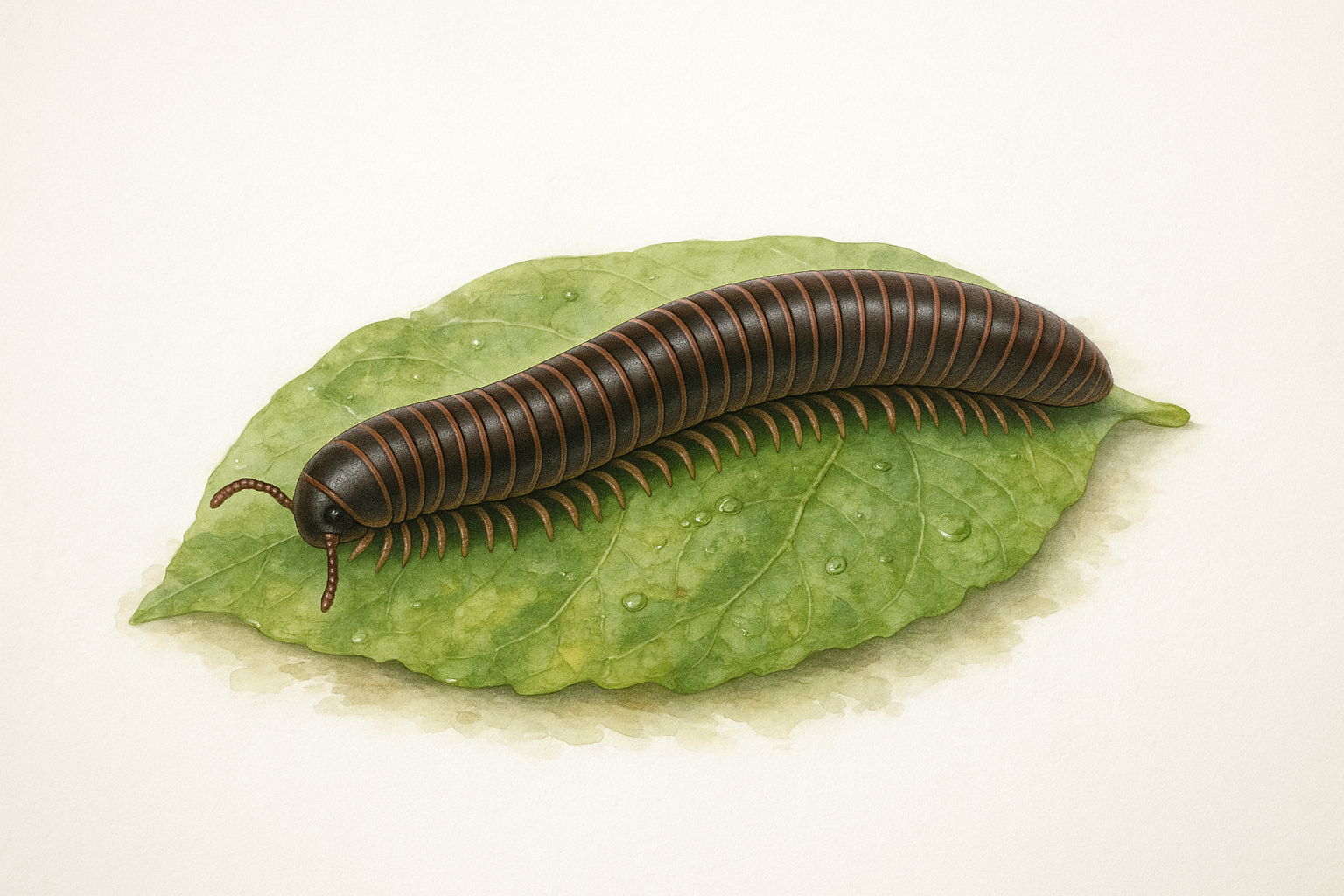
Millipedes are easy to miss until they gather in large numbers, but a quick visual scan can tell you if the slow‑moving critter in your yard is a millipede or something else. Knowing the hallmark features saves you time and prevents unnecessary panic.
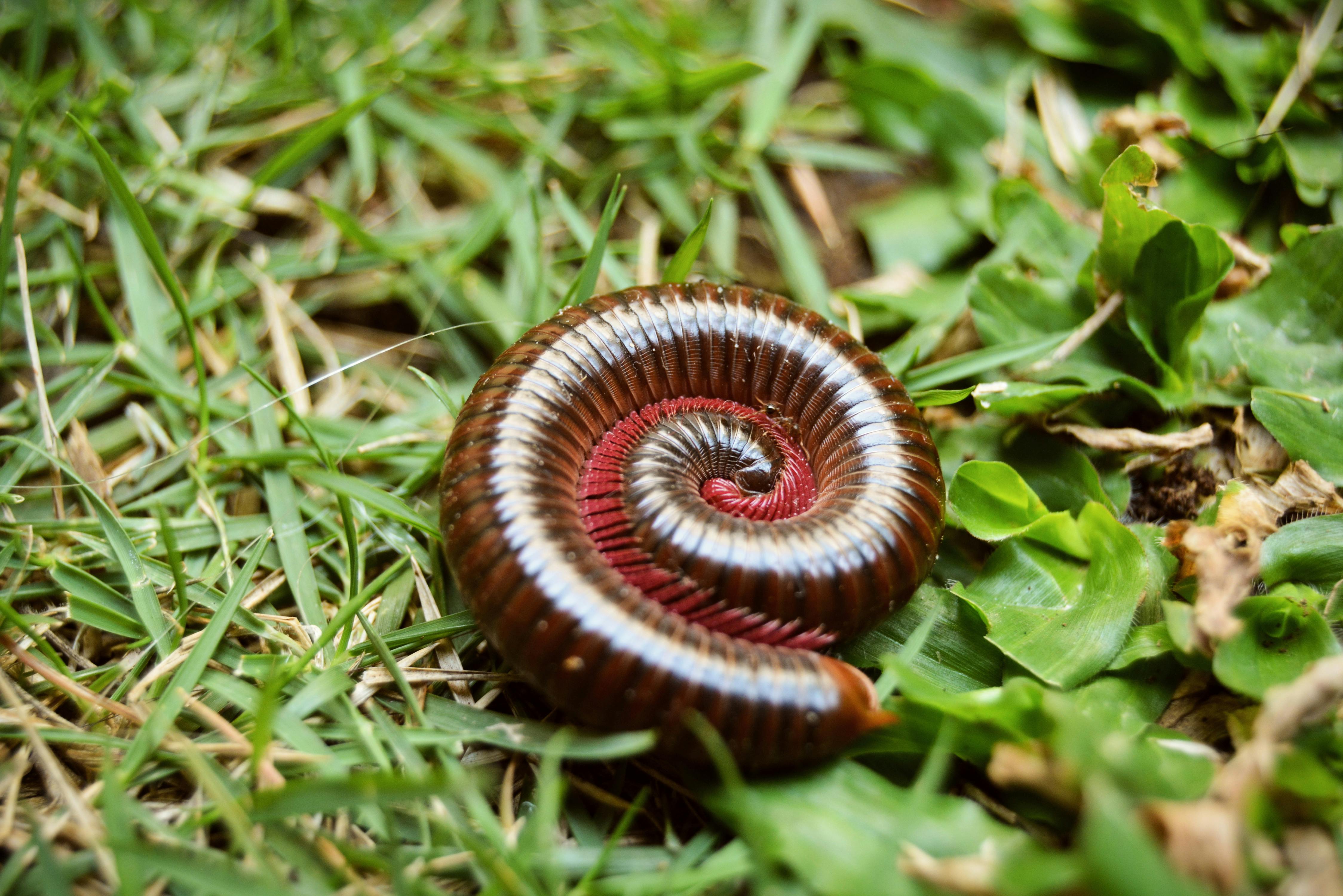
Typical Georgia millipedes measure about 2–3 mm wide and can reach 2–5 cm in length, with 20–30 clearly defined body segments stacked like tiny rings. Their exoskeleton is usually a uniform dark brown to black, giving them a glossy, almost rubbery appearance. When they move, they curl each segment in a gentle, looping gait that looks like a miniature caterpillar rolling forward.
The most common species you’ll encounter is Narceus americanus. This “American giant millipede” favors moist leaf litter, shaded garden beds, and the edges of hardwood forests. It prefers cool, damp micro‑habitats, so you’ll often find it under mulch, logs, or stone piles after a rainy spell.
According to the Georgia Department of Agriculture, roughly 1,200 residential millipede sightings are reported each year across the state. While they rarely cause structural damage, their sheer numbers can be unsettling for homeowners.
Quick tip: Millipedes have two pairs of legs per body segment and move in a slow, wave‑like motion, whereas centipedes sport one leg per segment and dash quickly with a flattened, aggressive gait. Spotting the leg count and movement speed is the fastest way to tell them apart.
From Garden to Living Room: Why They Come Inside
Millipedes are drawn to any place that stays damp for long periods. In Brookhaven, leaky foundations, soggy basements, and over‑watered garden beds create the perfect humidity pocket for these nocturnal detritivores. When soil stays moist, millipedes can move freely and seek shelter, and the house becomes an attractive extension of their underground habitat.
Cracks in the foundation and gaps around utility lines act as highways into the interior; a hair‑thin fissure lets a moist millipede slip through, especially when rain pushes water into those openings. Sealing concrete joints and installing proper flashing around pipes are steps that cut off the most common entry routes.
Outdoor lighting is an indirect magnet. Bright porch lights attract moths, flies, and other insects that millipedes feed on. As these prey gather near the house, millipedes follow the food trail and often end up crawling under doors or through screen cracks.
Brookhaven’s historic neighborhoods provide a concrete example. Many homes built in the 1930s and 1940s feature brick foundations that settle over time, creating micro‑cracks and mortar gaps. Homeowners in these districts report a higher frequency of millipede sightings inside living rooms and kitchens during the rainy season.
The Centers for Disease Control and Prevention warns that moisture‑related pest invasions often signal structural water problems that need prompt repair. Following CDC guidance—such as fixing leaks, improving drainage, and reducing indoor humidity—helps keep millipedes and other guests at bay. Regularly inspecting basements for standing water further reduces risk.
Beyond the Nuisance: Potential Risks
When millipedes gather in large numbers, their defensive secretions—often a milky, cyanide‑based fluid—can seep onto fabrics, carpets, and upholstery. The stain is not only unsightly; it can be stubborn to remove and may require professional cleaning or replacement.
In the dark, damp crawl spaces of a home, millipedes thrive. Their presence raises local humidity, creating an environment where wood absorbs moisture, swells, and eventually rots. Over time, this can compromise structural integrity and lead to expensive repairs.
For residents with sensitivities, the increased humidity and chemical odors can trigger allergic reactions such as sneezing, watery eyes, or skin irritation. A 2022 study by the National Pest Management Association (NPMA) found a direct correlation between millipede infestations and heightened indoor‑humidity complaints, underscoring the health‑related impact of these otherwise harmless arthropods.
Although millipedes do not bite, sting, or transmit disease, the indirect damage they cause—stained interiors, wood decay, and potential allergy treatments—can quickly add up. Prompt professional intervention not only restores comfort but also protects your home’s value. Leaving the problem unchecked can also invite other moisture‑loving pests, further escalating repair costs.
What to Expect During a Millipede Inspection
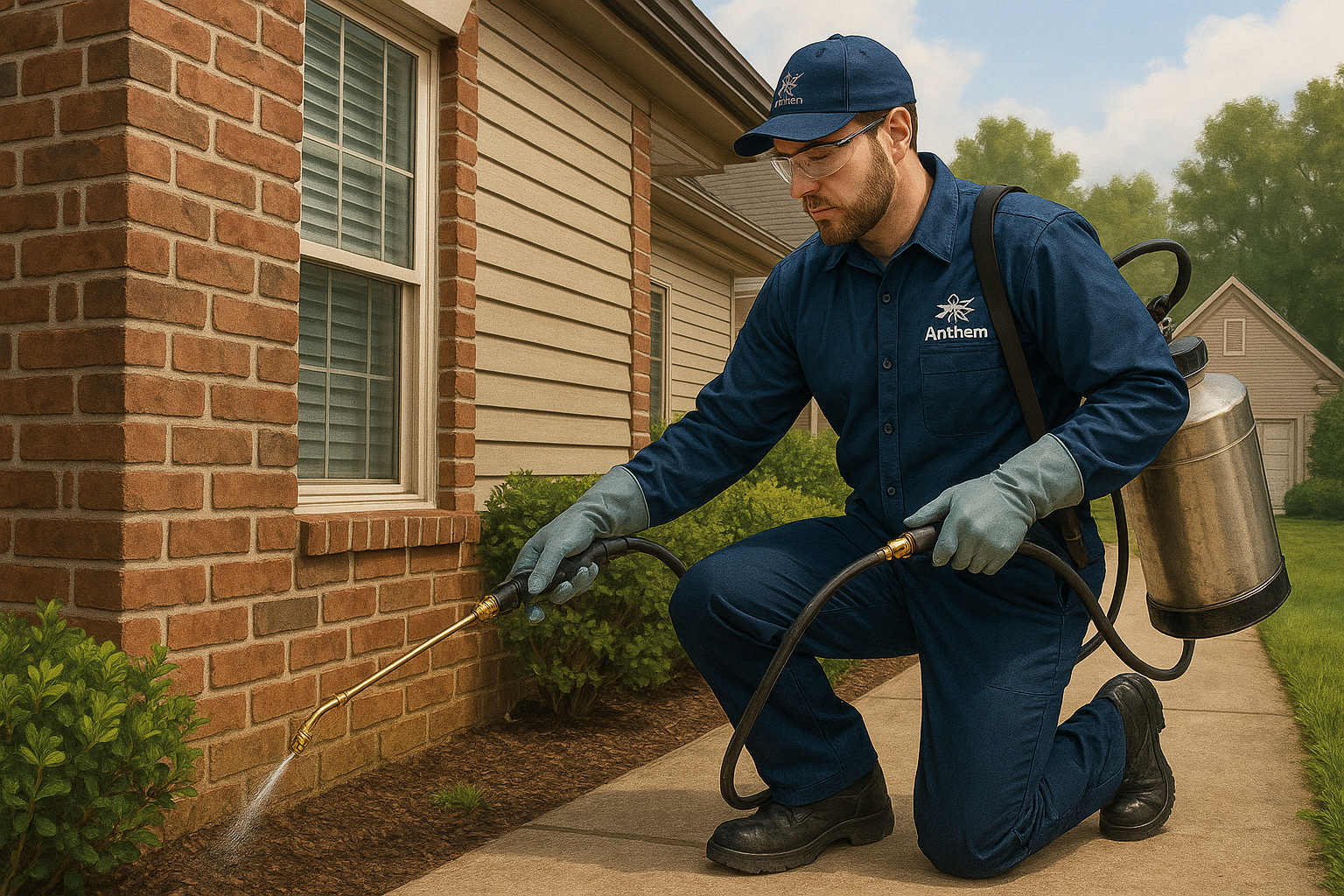
When you schedule a millipede inspection with Anthem Pest, our certified technician follows a systematic, four-step workflow. Knowing what happens behind the scenes helps you prepare the home and speeds up the process, ensuring the most accurate assessment possible when working with a millipede exterminator Brookhaven homeowners trust.
Four main steps of the inspection
- Exterior perimeter sweep – The technician walks the property’s outer walls, looking for signs of millipede activity, soil moisture, and potential harborage sites.
- Interior visual inspection – Inside, high‑intensity flashlights reveal millipedes in cracks, baseboards, and under appliances.
- Moisture meter readings – Using infrared moisture detectors, the pro measures humidity levels in walls, crawl spaces, and flooring, because excess moisture attracts millipedes.
- Identification of entry points – Gaps around doors, windows, and utility penetrations are marked for sealing.
Tools our technicians rely on
In addition to a trusty flashlight, we bring infrared moisture meters, a digital hygrometer, and a handheld camera. These devices let us capture precise data and visual evidence, which we later share with you.
Printable homeowner checklist
- Clear clutter from baseboards and floor joists.
- Ensure easy access to crawl spaces, attics, and basement vents.
- Note any recent heavy rain or flooding events.
- Secure pets and children away from the work area during the visit.
Print this list and have it handy the day of the appointment to streamline the inspection.
Documentation and customized treatment plan
After the walkthrough, the technician logs findings in a digital report, attaches photos, and records moisture readings. We then sit down with you—either on-site or via phone—to discuss the results and outline a tailored treatment strategy, complete with cost estimates and a timeline. This detailed process helps ensure that the millipede exterminator Brookhaven homeowners rely on can recommend the most effective solution for long-term pest control.
Effective Treatment Strategies
When millipedes begin to crowd your foundation or slip into interior spaces, a targeted treatment plan is essential for swift relief and long‑term protection. These strategies are tailored to the humid, leafy neighborhoods of Brookhaven, where millipedes thrive in shaded, moist micro‑environments.
Chemical Barrier Sprays
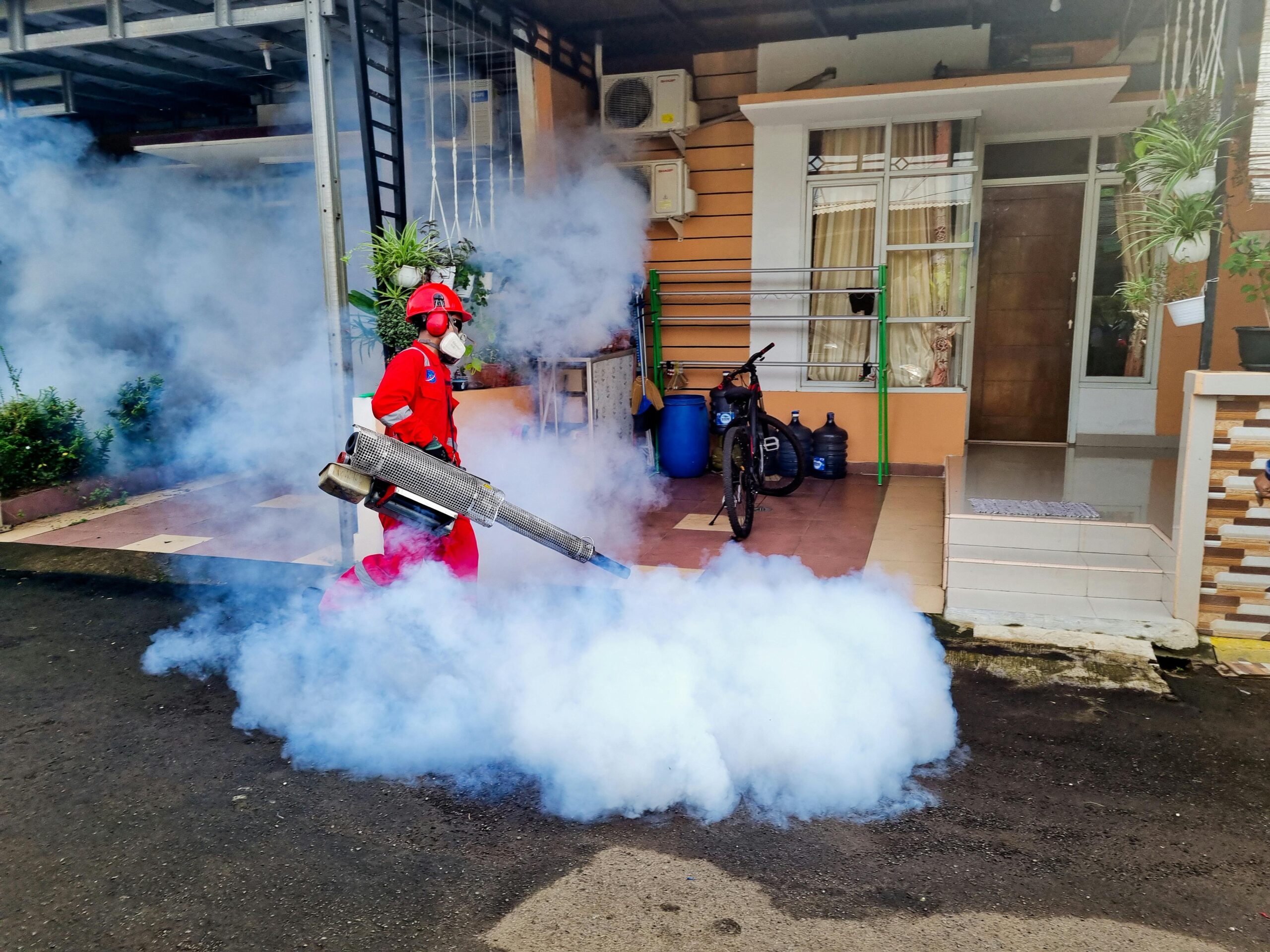
Anthem Pest recommends low‑toxicity pyrethroid formulations that are EPA‑registered for residential use. Technicians apply the spray at a rate of roughly 1–2 oz per linear foot around the home’s perimeter, creating an invisible shield that interrupts the insects’ travel routes. These products are designed to remain effective for several weeks while posing minimal risk to humans when used according to label directions.
Non‑Chemical Methods
For homeowners who prefer a reduced‑chemical approach, several proven tactics complement the barrier spray:
- Diatomaceous earth: A food‑grade powder spread in cracks, along baseboards, and under mulch. The microscopic silica particles abrade the millipedes’ exoskeleton, leading to dehydration.
- Habitat modification: Removing excess mulch, leaf litter, and standing water eliminates the cool, moist shelters millipedes love.
- Sealing entry points: Applying silicone caulk or expanding foam to gaps around windows, doors, and utility penetrations blocks interior migration.
Two‑Step Approach Common in Brookhaven
Local technicians typically start with an exterior barrier to stop new arrivals. After the spray dries, they conduct a walk‑through inspection. If any millipedes are found inside, a targeted indoor treatment—often a spot‑on pyrethroid or a dust application—addresses the existing infestation without over‑treating the entire house.
Typical Pricing in 2024
Based on verified quotes from Anthem Pest for a single‑family residence in Brookhaven, the complete service package—including exterior barrier, interior spot treatment, and a follow‑up visit—ranges from $150 to $300. Prices vary with square footage and the extent of pre‑existing habitat issues.
Safety Precautions
Regardless of the method, keep children and pets away from treated zones until the spray or dust has fully dried—usually 30 minutes for liquids and up to two hours for powders. Ventilate interior spaces if a spot‑on spray is used, and store any leftover product in its original container and lock it away from curious hands. Never reuse the empty container for household chemicals.
Understanding Millipede Extermination Costs
Knowing exactly what you’ll pay lets you plan ahead and avoid surprise invoices. Millipede control follows a straightforward pricing structure that most homeowners can compare side-by-side when choosing a millipede exterminator Brookhaven residents trust for reliable pest treatment.
Typical fee breakdown
- Inspection: $50‑$75 – a thorough walk‑through to assess infestation level and identify entry points.
- Treatment fee: Depends on square footage; average $0.30‑$0.45 per square foot. A 2,000‑sq‑ft home usually falls between $120 and $180.
- Optional follow‑up visits: $40 each, recommended for severe or recurring infestations.
Regional cost comparison
| Location | Average total cost |
|---|---|
| Brookhaven | $210‑$260 |
| Decatur | $225‑$275 |
| Doraville | $200‑$250 |
Brookhaven’s average sits at the lower end of the range because several local providers, including Anthem, compete for service calls, which helps keep prices modest.
Anthem Pest Control keeps its pricing transparent: the quoted amount includes inspection, treatment, and the first follow‑up. Every job carries a 30‑day guarantee, so if millipedes return within that window, we’ll retreat at no extra charge.
The guarantee covers all life stages, ensuring that newly hatched millipedes are also taken care of without extra fees.
Homeowners can also tap seasonal promotions—such as 10 % off early‑spring bookings—or bundle discounts when combining millipede control with other pest services.
Why Anthem Pest Is Your Best Choice in Brookhaven
When a millipede invasion threatens your yard, you need a partner that knows the local ecosystem inside out. Anthem Pest brings more than a generic solution; we combine federal certification, community trust, and a track record that speaks for itself.
Local credentials you can rely on
- EPA‑registered technicians trained in the latest integrated pest‑management techniques.
- BBB A+ rating, reflecting consistent customer satisfaction and ethical business practices.
- Over 15 years serving the Atlanta metro area, with a dedicated team stationed in Brookhaven.
Our technicians stay updated with quarterly training sessions, ensuring the latest, environmentally safe products are applied correctly every time.
Proven results – a real‑world case study
Homeowner Sarah L. reported nightly millipede crawls along her foundation. After a single, fully‑integrated treatment from Anthem Pest, her sightings dropped from dozens per night to just a handful over the next week—a 95 % reduction. Follow‑up inspections confirmed that the remaining insects were confined to a small, treated zone, and no new activity was observed after the second visit.
“Anthem showed up on time, explained every step, and the follow‑up call gave me peace of mind. My yard has been pest‑free for months.” – Mark D., Brookhaven
Another satisfied client noted, “The crew was courteous, the treatment was thorough, and the results were immediate.”
Ready to protect your home with the same confidence? Call us today at 877‑371‑8196 or visit our Millipede Services page to schedule a free inspection.
Neighborhood‑Specific Tips
Brookhaven Village
In Brookhaven Village, mulched flower beds are common, but excess mulch creates a damp haven for millipedes. Keep mulch no deeper than two inches and opt for coarse‑shredded wood chips that dry quickly. Spread the material at least six inches away from the house foundation and rake it to break up compacted layers. This reduces moisture and deters millipedes.
Brookhaven Heights
Brookhaven Heights features several ornamental ponds and fountains that can become standing‑water traps after a rain. Schedule a monthly cleaning to remove debris, algae, and leaf litter that shelter millipedes. Install overflow drains or a small pump so water can escape quickly, preventing the soggy edges millipedes love. A moving surface cuts down on breeding sites.
Brookhaven Country Club Area
The Country Club area is known for its expansive lawns and landscaped berms. Over time, low spots collect water, creating the damp pockets millipedes seek. Perform periodic soil grading to restore a gentle slope away from the house, and where water persists, install French drains beneath the turf. Proper drainage keeps the grass healthy and the soil too dry for millipedes.
Stay Within Municipal Code
Brookhaven’s municipal code (Section 9‑4‑13) requires any pesticide application—whether professional or DIY—to be performed only by a licensed applicator and to follow label‑specified rates. Homeowners who choose a DIY approach must keep chemicals out of reach of children and pets, record the product name, application date, and location, and avoid drift onto neighboring properties. Compliance protects you from fines and keeps treatment safe and effective.
Proactive Measures to Keep Millipedes Outdoors
Millipedes thrive in damp, sheltered spots around a home. By eliminating excess moisture and sealing entry points, you can make your property far less inviting. Below is a practical checklist that follows the EPA’s Integrated Pest Management (IPM) guidelines for residential pest prevention.
- Repair leaky gutters and downspouts. Direct roof runoff away from the foundation with proper extensions or splash blocks.
- Improve soil grading. Ensure the ground slopes at least 6 inches over the first 10 feet away from the house so water drains outward.
- Swap wood mulch for gravel or stone in areas that stay wet, such as flower beds near the foundation.
- Install door sweeps and weatherstripping on all exterior doors to block the tiny gaps millipedes use to slip inside.
- Reduce outdoor lighting. Use motion‑sensor fixtures or switch to yellow‑light bulbs, which attract fewer insects and therefore fewer millipedes.
The EPA’s IPM framework emphasizes monitoring, prevention, and the least‑toxic interventions first. For a deeper dive, see the EPA IPM guidelines for residential pest control.
Each checklist item aligns with an IPM principle—inspection, habitat modification, or physical barrier. Fixing gutters stops water from soaking the foundation, removing the damp refuge millipedes need. Proper grading redirects runoff, and gravel mulch dries soil pockets. Door sweeps and weatherstripping block insects attracted to outdoor lights from entering.
Use the seasonal schedule below to keep your home millipede‑free year round.
| Season | Key Tasks |
|---|---|
| Spring | Inspect gutters, downspouts, and foundation for water pooling; clear debris from drainage paths. |
| Summer | Apply a perimeter barrier of EPA‑approved treatment; verify door sweeps are intact. |
| Fall | Check soil grading after leaves drop; replace any damaged mulch with gravel. |
| Winter | Confirm interior door weatherstripping; reduce outdoor lighting to minimize nocturnal insect activity. |
FAQ – Millipedes in Brookhaven
Are millipedes harmful to humans?
According to the Centers for Disease Control and Prevention, millipedes do not bite or sting. They are primarily a nuisance, but their defensive secretions can cause skin irritation or allergic reactions in sensitive individuals. The irritation is usually mild and can be washed away with soap and water. If you experience persistent redness, itching, or swelling after contact, consult a medical professional.
How long does treatment last?
A professional millipede treatment typically provides residual protection for three to six months. The exact duration depends on seasonal weather patterns, moisture levels around your foundation, and how well you maintain your home’s exterior (e.g., clearing debris, fixing drainage). In humid summers the effect may taper sooner, while dry winters often extend the protection window.
Can I treat the problem myself?
DIY chemicals are available, but they carry risks: improper mixing, over‑application, and exposure to children or pets. A licensed technician uses EPA‑approved products, applies them at the correct rate, and follows safety protocols. Professional service also includes a warranty that covers re‑treatment if millipedes return, giving you peace of mind and a cost‑effective solution.
Secure a Millipede‑Free Home Today
Early identification, a professional inspection, and a treatment plan customized for Brookhaven homes are the cornerstones of keeping millipedes at bay. One comprehensive service from a qualified exterminator beats repeated DIY attempts, saving you time and money while delivering lasting results.
A single, all‑in‑one treatment eliminates hidden nests and prevents future swarms, which is far more cost‑effective than buying multiple over‑the‑counter products that only offer temporary relief. After heavy rains, millipedes seek shelter indoors, so acting quickly can stop an infestation before it spreads. By scheduling an inspection today, you protect your family’s comfort and avoid costly damage later.
When you’re ready for a thorough, locally focused solution, the team at Anthem Pest is here to help. Our EPA-registered technicians will assess your home, apply safe treatments, and back their work with a 30-day guarantee. If you’re searching for a millipede exterminator Brookhaven homeowners trust, call 877-371-8196 for a free quote or visit Anthem Pest Control.