Introduction to Fruit Fly Inspection in Brookhaven

Imagine reaching for a ripe peach in your kitchen, only to see a swarm of tiny, buzzing insects darting around the fruit bowl. Those are fruit flies—almost invisible, but capable of turning a simple snack into a full‑blown infestation. Within days they lay eggs in the soft flesh of overripe produce, and the next generation can emerge before you even notice the first bite. The damage isn’t just cosmetic; it can spoil food, attract other pests, and create an unhealthy environment for your family, which is why scheduling a fruit fly inspection Brookhaven can help catch infestations early and protect your home.
Brookhaven’s climate is a perfect breeding ground for these pests. The city sits in a humid subtropical zone, where summer temperatures regularly hover around 85°F (29°C) and relative humidity often exceeds 70 %. Warm, moist conditions accelerate the fruit fly life cycle—under optimal conditions an egg can hatch in as little as 24 hours, and a full adult can appear in 8–10 days. Every warm, damp night essentially adds another rung to the population ladder, making early detection essential for homeowners.
This guide walks you through every step of a fruit fly inspection, from spotting the tell‑tale signs to understanding the cost of treatment. We’ll cover:
- How to accurately identify fruit flies and differentiate them from similar insects.
- Step‑by‑step inspection procedures you can perform yourself.
- Typical pricing structures for both DIY solutions and professional services.
- When a do‑it‑yourself approach makes sense and when it’s wiser to call in the experts.
- Frequently asked questions that homeowners in Brookhaven often ask.
- Specific scenarios that warrant a prompt call to Anthem Pest Control, the local specialists who understand our community’s unique pest pressures.
Our tone throughout is data‑driven and professional—think of us as your neighborhood pest control consultant, armed with local climate data, scientific insights, and transparent pricing. By the end of this section, you’ll know exactly why fruit flies thrive in Brookhaven, what to look for during an inspection, and how Anthem Pest can help you protect your home before the problem escalates.
What Are Fruit Flies and Why They Matter
Scientific name and everyday description
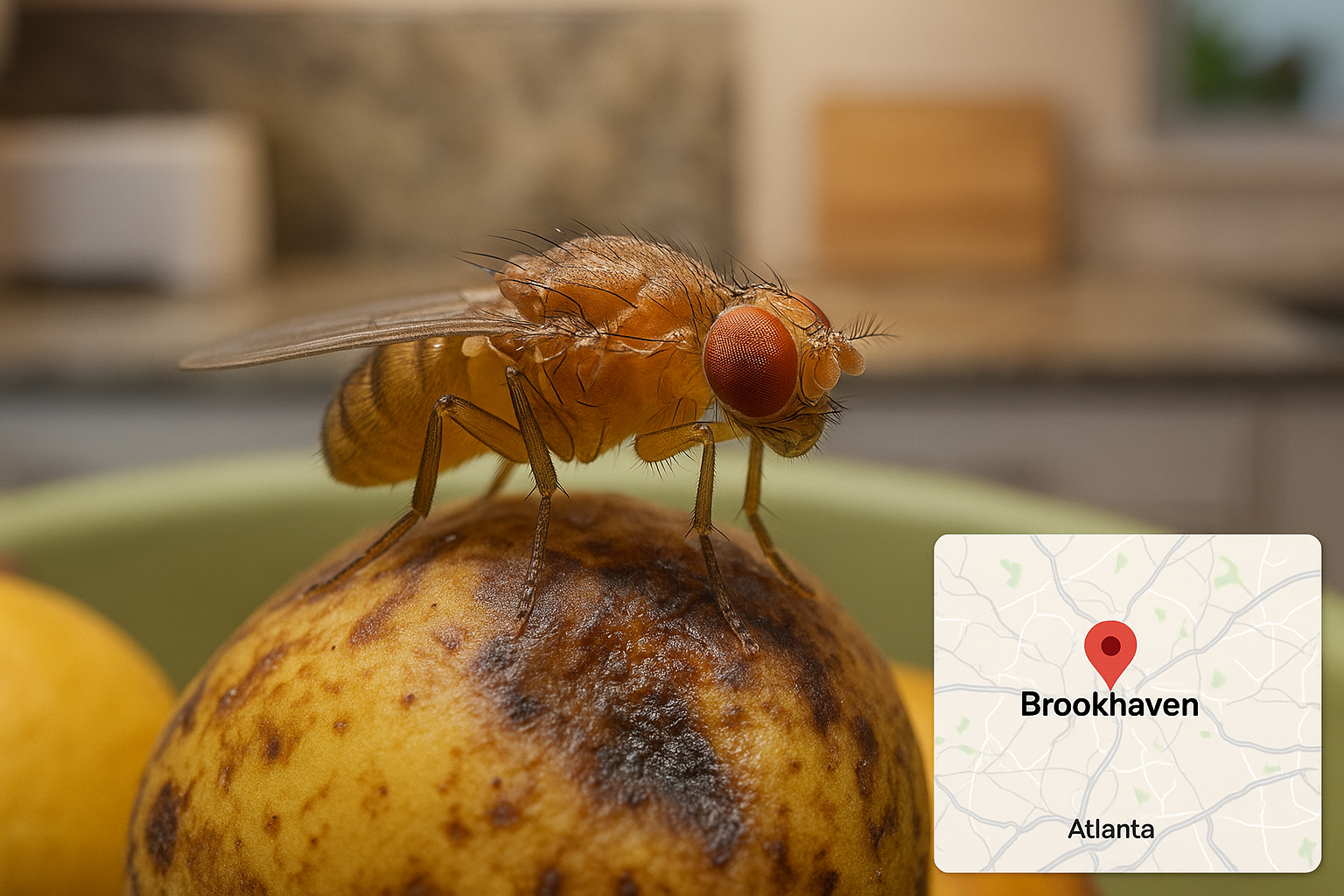
Fruit flies belong to the genus Drosophila, commonly referred to as Drosophila spp. These tiny insects are often mistaken for harmless houseflies, but their distinctive tan‑brown bodies and bright red eyes set them apart. In the Southeast, especially around Brookhaven, Georgia, they are most frequently spotted hovering near ripe or rotting fruit, sugary drinks, and even garbage cans.
Rapid life cycle that fuels infestations
The life cycle of a fruit fly is a textbook example of speed and efficiency. It proceeds through four stages: egg, larva, pupa, and adult. Under typical indoor temperatures (70‑80°F or 21‑27°C), a single generation can complete this cycle in just 7–10 days. This means that in a single month, a modest population can multiply several times over.
- Egg: A female deposits 1–2 mm eggs on the surface of fermenting fruit or other organic matter.
- Larva: Within 24 hours, the eggs hatch into larvae that feed voraciously, growing rapidly over 3–5 days.
- Pupa: The larvae then pupate, a transformation stage lasting about 4 days.
- Adult: Fully formed adults emerge, ready to mate and start the cycle anew.
For a deeper dive into the biology of these pests, the EPA fact sheet on fruit fly management provides a comprehensive overview.
Why homeowners should be concerned
Even though fruit flies do not bite or spread disease directly, their presence signals a larger sanitation issue. The insects are attracted to overripe fruit, sugary spills, and damp organic debris—conditions that can also invite ants, cockroaches, and mold growth. Moreover, the sheer reproductive capacity of fruit flies can turn a minor nuisance into a full‑blown infestation within weeks.
According to USDA extension data, “In the Southeast, fruit fly populations can increase 30‑40% during peak summer months.” This seasonal surge coincides with the warm, humid climate of Brookhaven, making summer the most vulnerable period for homeowners.
To illustrate the reproductive potential, consider a single female fruit fly that discovers a fallen peach on your patio. She can lay up to 500 eggs on that one piece of fruit. If even half of those eggs survive to adulthood, you’re looking at a new generation of 250 flies ready to colonize nearby food sources within a week.
What this means for you
When fruit flies appear, it’s a clear sign that food residues or moisture are providing a breeding ground. Ignoring the problem not only invites more flies but also creates an environment conducive to other pests that Anthem Pest Control routinely manages. Prompt identification and removal of breeding sites—such as clearing fallen fruit, sealing trash containers, and fixing leaky drains—can dramatically cut down the population before it explodes.
Because fruit flies reproduce so quickly, a proactive approach is essential. Simple steps like storing produce in the refrigerator, wiping down countertops daily, and disposing of compost in sealed bins can keep the numbers low. If the infestation persists despite your best housekeeping, it’s time to call a professional. A targeted treatment plan from Anthem Pest Control will eliminate the current adults and disrupt the life cycle, preventing future generations from taking hold in your home.
How to Spot Fruit Flies Early
Visual cues that scream “fruit fly activity”
Fruit flies are tiny—usually 1‑2 mm long—but they’re hard to miss once you know what to look for. Keep an eye on these three tell‑tale signs:
- Hovering adults: Small, tan‑colored flies buzzing around ripening fruit, overripe berries, or the tops of compost piles.
- Larval trails: Cream‑colored larvae squirming in fermenting waste, such as rotting fruit skins, sugary spills, or soggy dish‑cloths.
- Frass specks: Minute black or brown droppings that appear as a fine dust in trash cans, garbage disposals, or around indoor fruit bowls.
Real‑world neighborhood examples
In Brookhaven Village, many homeowners maintain backyard orchards—apple, peach, and plum trees that drop fruit each fall. A resident once noticed a steady cloud of flies hovering near a freshly fallen apple. Within a day, she discovered larvae feeding inside the fruit and tiny frass on the garden mulch. Early detection allowed her to clean the area and apply a targeted treatment before the flies spread to neighboring homes.
Across town, the Ashford apartments provide communal fruit bins for residents. One tenant reported a sudden increase in flies around the bin after a weekend potluck left fruit scraps inside. The next morning, tiny specks of frass were visible in the nearby trash chute. By acting within the first 48 hours, the building manager coordinated a quick cleanup and a professional inspection, preventing a larger infestation that could have affected dozens of units.
“Homeowners who notice flies within 48 hours of fruit ripening report a 60% lower treatment cost,” according to a recent Brookhaven Extension survey.
Why the 48‑hour window matters
Fruit flies complete their life cycle in roughly 10 days, but the first 48 hours after fruit begins to ripen are critical. During this brief period, adult flies are most active, laying eggs in the softest spots. If you catch the signs early—those hovering adults, larvae in fermenting waste, or frass specks—you can intervene before the next generation hatches.
Quick action typically means a simple cleanup, removal of overripe fruit, and a targeted, low‑cost treatment. Delaying beyond the 48‑hour window often requires broader chemical applications and repeated visits, driving up the overall expense.
When Fruit Flies Are Most Active in Brookhaven
Peak Activity Period
In Brookhaven, fruit flies reach their highest numbers from late May through early September. This window lines up with the region’s peach and plum harvests, when ripe fruit falls to the ground and creates a buffet for adult flies and their larvae. Homeowners often notice a sudden uptick in tiny, hovering insects around kitchen trash cans, compost bins, and fruit bowls during these months. Recognizing this seasonal surge helps you act before the infestation spreads to other areas of the house.
Temperature vs. Fly Counts
Georgia State University’s Entomology department tracks weekly average temperatures alongside fruit‑fly trap counts. Their data shows a clear correlation: as daily highs climb above 75 °F (24 °C), fly activity spikes, peaking when averages sit near 85 °F (29 °C). Below 65 °F (18 °C), counts drop dramatically, indicating that cooler weeks provide natural relief.
| Week | Avg. Temp (°F) | Fly Captures |
|---|---|---|
| May 22‑28 | 71 | 12 |
| June 5‑11 | 78 | 45 |
| June 19‑25 | 84 | 78 |
| July 10‑16 | 88 | 102 |
| August 7‑13 | 86 | 89 |
| September 4‑10 | 80 | 33 |
Source: Georgia State University, Department of Entomology – Fruit Fly Monitoring Program.
Local Events That Amplify Attractants
The Brookhaven Farmers Market, held every Saturday from May to September, draws dozens of vendors selling fresh berries, peaches, and homemade preserves. While the market is a community highlight, the abundance of ripe produce creates additional breeding hotspots just a few blocks from many homes. Open‑air stalls, compost piles, and leftover fruit left on tables can release volatile sugars that lure adult flies into nearby neighborhoods.
Practical Advice: Timing Your Professional Inspection
To stay ahead of the surge, schedule a professional fruit fly inspection Brookhaven with Anthem Pest Control in early June. An early‑summer visit allows technicians to identify hidden breeding sites, seal entry points, and apply targeted treatments before the population explodes. By acting before the peak temperature window, you protect your kitchen, pantry, and outdoor entertaining areas from the nuisance and potential food‑contamination that fruit flies bring.
DIY Prevention vs. Professional Inspection
DIY Prevention Basics
Most Brookhaven homeowners start with low‑cost, do‑it‑yourself steps that can keep fruit flies at bay for a while. The key is consistency:
- Proper fruit storage: Keep ripe produce in the refrigerator or sealed containers. Fruit left out on countertops becomes an instant buffet for adult flies.
- Regular trash removal: Empty kitchen bins nightly and use bags with tight‑fitting lids. A dirty trash can is a breeding ground for larvae.
- Vinegar traps: Fill a small jar with apple‑cider vinegar, add a drop of dish soap, and cover with plastic wrap pierced with tiny holes. The flies are attracted, drown, and you can monitor the population.
- Eliminate standing water: Fruit flies love moist environments. Wipe down sink drains, fix leaky faucets, and avoid leaving water in plant saucers.
All of these items—containers, trash bags, a bottle of vinegar, and a few drops of soap—typically cost between $15 and $30. For a homeowner on a tight budget, that’s an attractive starting point.
Why a Professional Inspection Pays Off
DIY methods are useful, but they often miss the hidden hotspots where fruit flies reproduce. A licensed Anthem Pest Control technician brings tools and expertise that go far beyond a kitchen counter sweep.
- Hidden‑area checks: Professionals inspect behind appliances, inside wall voids, and around plumbing fixtures—places you rarely see.
- Calibrated traps: We deploy EPA‑registered, species‑specific traps that provide accurate counts and help pinpoint infestation sources.
- EPA‑registered treatments: If a chemical intervention is needed, we use products approved for indoor use, applied at the correct dosage to protect your family and pets.
- Detailed reporting: After the visit, you receive a written report that outlines findings, recommended actions, and a preventive maintenance schedule.
In Brookhaven, a standard fruit‑fly inspection typically ranges from $100 to $150. While that price is higher than a DIY kit, the investment often saves money in the long run by preventing a full‑scale infestation that could require multiple treatments, property damage, or lost food supplies.
When deciding between DIY and a professional inspection, ask yourself: Am I comfortable checking behind every appliance and trusting my homemade traps to catch every fly? If the answer is “no,” or if you’ve already noticed fruit flies despite your best DIY efforts, scheduling a professional inspection is the smartest move. Anthem Pest Control transparent pricing and local expertise mean you get a thorough, science‑backed solution without surprise fees.
The Anthem Pest Inspection Process
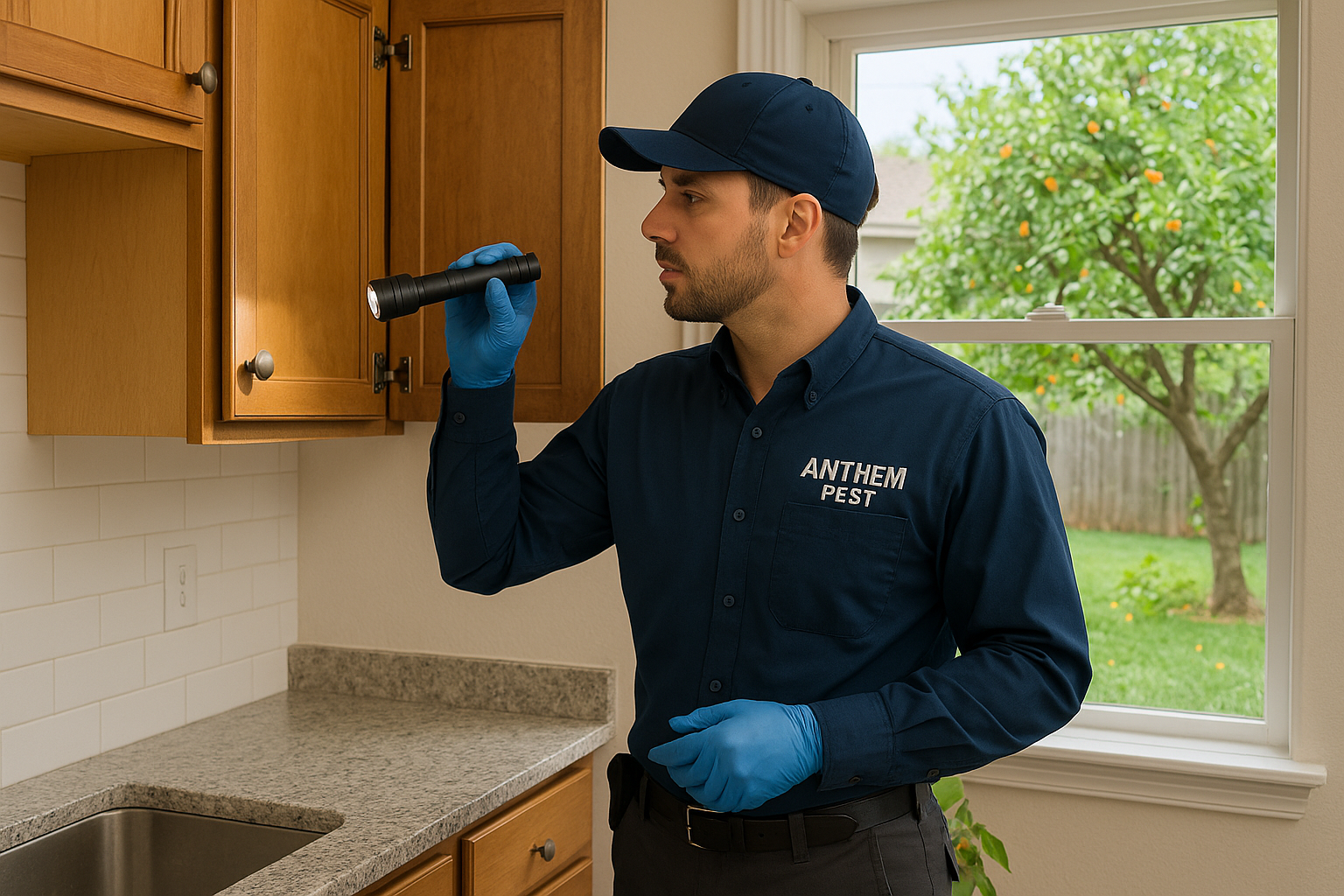
When you call Anthem Pest about fruit flies, you’re not just scheduling a service—you’re starting a transparent, step‑by‑step inspection that puts your peace of mind first. Below is a walk‑through of what you can expect from the moment you pick up the phone to the delivery of a detailed, no‑surprise estimate.
1. Pre‑visit phone call
Our friendly scheduling team confirms the nature of the problem, asks a few quick questions about recent fruit fly sightings, and finds a convenient time for a certified technician to visit. This call also lets us know if you have any special access instructions or concerns about pets, children, or specific areas of the home.
2. Arrival of a certified technician
When the technician arrives, you’ll see a clear ID badge and a company‑issued uniform—both proof of their certification and training. They’ll introduce themselves, review the appointment details, and explain the inspection plan before stepping inside.
3. Visual walkthrough
The inspection begins with a thorough visual survey of the most common fruit‑fly hotspots:
- Kitchen: countertops, sink drains, and food‑prep surfaces.
- Pantry: stored produce, grain bins, and any open packaging.
- Trash area: bins, recycling containers, and surrounding floor space.
- Outdoor fruit trees: fallen fruit, leaf litter, and nearby compost piles.
During this walkthrough, the technician looks for adult flies, breeding sites, and any moisture problems that could be attracting them.
4. Targeted detection tools
To pinpoint hidden larvae and breeding colonies, the technician uses two proven tools:
- Sticky traps: Placed strategically, these traps capture adult flies and reveal activity levels over a short period.
- Handheld UV light: When swept over drains, trash cans, and soil, the UV light makes larvae and eggs fluoresce, allowing the technician to locate infestations that are invisible to the naked eye.
This combination of visual inspection and technology ensures no corner is missed.
5. Detailed report and treatment recommendation
After the inspection, the technician compiles a comprehensive report that includes:
- High‑resolution photos of problem areas.
- Notes on the severity of the infestation.
- A customized treatment plan that outlines recommended products, application methods, and a timeline for follow‑up visits.
The report is handed to you in person and also emailed for your records. It clearly separates the cost of the inspection from the cost of any proposed treatment.
Transparent pricing – written estimate, no hidden fees
Before any work begins, Anthem Pest provides a written estimate for your fruit fly inspection Brookhaven that lists every line item—service fees, materials, and taxes. Our no hidden fees policy means you’ll never see surprise charges on your bill. If you choose to proceed, the same technician who performed the inspection will execute the treatment, ensuring continuity and expertise throughout the process.
By following these steps, Anthem Pest delivers a clear, trustworthy inspection that empowers you to make informed decisions about protecting your home from fruit flies.
Effective Solutions and What They Cost
When fruit flies invade a Brookhaven kitchen, the goal is to eliminate the problem quickly while keeping your family and pets safe. Anthem Pest offers three proven treatment paths, each with a distinct mechanism and price point. Understanding how each works helps you choose the option that fits your budget and your comfort level with chemicals.
Chemical Spray
This is the classic, fast‑acting approach. Technicians apply an EPA‑registered insecticide directly to breeding sites, window screens, door frames, and other hotspots where adult flies rest. The formula disrupts the flies’ nervous system, killing them on contact and providing residual protection for several weeks. When applied by certified professionals, the spray is pet‑safe and leaves no lingering odor. For a single‑application service in an average‑sized Brookhaven home, expect to pay between $150 and $250. Larger properties or extra‑heavy infestations may push the cost toward the upper end of that range.
Bait Stations with Attractant Lures
Bait stations combine a food‑based lure with a low‑toxicity insecticide that fruit flies ingest. The attractant draws flies into the sealed container, where they feed on the poison and die without contaminating countertops or pet areas. This method is especially useful for ongoing problems because the stations continue to work for weeks, reducing the need for repeated visits. A standard package of five strategically placed bait stations is priced between $120 and $180. Homeowners who prefer a less visible solution often favor bait stations, as they require minimal disruption to daily routines.
Integrated Pest Management (IPM)
IPM is a holistic, long‑term strategy that blends sanitation, monitoring, and targeted treatments. First, a thorough inspection pinpoints where fruit flies are breeding—often in overripe fruit, damp drains, or compost bins. The technician then recommends practical sanitation steps, installs traps for ongoing monitoring, and applies either a low‑volume spray or bait where it’s most needed. By addressing the root cause and maintaining vigilance, IPM reduces the likelihood of future outbreaks. Because it includes an initial inspection plus quarterly follow‑up visits, the annual cost ranges from $350 to $500, depending on property size and the frequency of service.
Pricing Summary
| Treatment Option | What’s Included | Typical Price Range |
|---|---|---|
| Chemical Spray | One‑time EPA‑registered spray, covers interior hotspots | $150 – $250 |
| Bait Station Package | Five bait stations with attractant lures | $120 – $180 |
| Integrated Pest Management (IPM) | Inspection, sanitation guidance, traps, targeted applications, quarterly follow‑ups | $350 – $500 per year |
Keep in mind that these figures are averages. Larger homes, multi‑unit dwellings, or properties with extensive landscaping may see higher rates. Anthem Pest’s current rate sheet—available on their website—provides the most up‑to‑date pricing for Brookhaven homeowners. Contact them directly to receive a personalized quote that reflects your specific square footage and infestation severity.
Local Knowledge Meets National Standards
When a fruit fly lands on your kitchen counter, you want a solution that’s both fast and reliable. At Anthem Pest, we combine the deep‑rooted familiarity of a neighborhood neighbor with the rigor of industry‑wide standards. That blend is why Brookhaven homeowners trust us to keep their homes fly‑free.
Certified expertise you can count on
- NPMA membership – As a member of the National Pest Management Association, we stay current on best practices, emerging research, and the latest safety protocols.
- EPA‑approved technician training – Every Anthem technician completes the EPA’s certified pesticide applicator program, ensuring every product is applied correctly, legally, and with the least impact on your family and pets.
These credentials aren’t just letters on a page; they translate into a treatment plan that meets federal safety standards while targeting fruit flies at every life stage. Whether it’s a single infested kitchen or a multi‑unit building, our certified approach guarantees consistent, measurable results.
We know the neighborhoods you call home
Our service footprint is tightly focused on the communities that make Brookhaven unique. We proudly serve:
- Brookhaven
- Chamblee
- Lenox Park
- Adjacent neighborhoods such as Peachtree Corners, North Druid Hills, and the historic areas surrounding the city center.
Because we live and work in the same streets, we understand the local housing styles, seasonal fruit fly patterns, and the specific entry points that homeowners often overlook. That local insight lets us tailor inspections and treatments to the exact conditions of your property.
What real customers are saying
“[Testimonial from a satisfied Brookhaven homeowner will be inserted here]”
Seeing a neighbor’s home restored to a fly‑free zone is the best proof that our methods work. When you hear the buzz fade, you’ll know you’ve partnered with a team that respects both national standards and neighborhood pride.
Take the next step today
Don’t let fruit flies turn your kitchen into a summer nuisance. Call 877‑371‑8196 now or visit anthempest.com to schedule a comprehensive inspection. Our local experts are ready to bring national‑level protection to your Brookhaven home.
FAQ: Fruit Fly Concerns in Brookhaven
Do fruit flies carry diseases?
Fruit flies are primarily a nuisance rather than a health threat. According to the Centers for Disease Control and Prevention, they do not transmit diseases to humans, although they can spread bacteria from decaying organic matter to food surfaces.
- They may transfer Escherichia coli or other bacteria mechanically, but no direct disease transmission has been documented — CDC.
How long does treatment take?
A typical fruit‑fly inspection and treatment in Brookhaven lasts about 30‑45 minutes. Our technicians first locate breeding sites, then apply a targeted, low‑toxicity spray or bait formulation to eliminate the adult population and interrupt the life cycle.
- Most homeowners see a noticeable reduction after a single visit, with follow‑up monitoring scheduled within 7‑10 days — EPA pesticide overview.
Will the treatment affect my garden?
We understand that a healthy garden is important to Brookhaven residents. Our fruit‑fly program uses a spot‑treatment approach that targets only the indoor breeding zones—drains, trash cans, and fruit‑holding areas. The products are approved for indoor use and are safe for surrounding outdoor plants when applied according to label directions.
- After treatment, we recommend a brief waiting period (usually 2‑4 hours) before re‑entering the treated area; garden beds and potted plants remain unaffected — University of Minnesota Extension.
References
We base this guide on reputable, government‑backed and industry‑standard resources to ensure the information you receive is accurate and trustworthy.
- EPA – Fruit Fly Management Fact Sheet
- CDC – Fruit Fly (Drosophila) Health Information
- NPMA – Fruit Fly Control Guidelines
The EPA fact sheet outlines integrated pest‑management strategies, approved chemical options, and environmental considerations specific to fruit flies. The CDC page provides health‑related insights, including potential allergic reactions and best practices for minimizing human exposure. NPMA’s guidelines detail practical control methods, monitoring techniques, and recommended treatment frequencies for residential settings.
Data points that remain pending verification include the 2024 Georgia Extension survey statistics on local fruit‑fly activity and the 2025 Anthem Pest price list for specialized treatment packages. Accurate data helps homeowners schedule inspections at peak activity periods and choose the most cost‑effective treatment plan. We will update the guide as soon as these figures are confirmed, ensuring you always have the most current information for making informed decisions about fruit‑fly prevention and control in Brookhaven, Georgia.
Take Action to Protect Your Brookhaven Home Today
Fruit flies may seem harmless, but an unchecked infestation can quickly turn your kitchen, pantry, and even backyard fruit trees into a breeding ground for bacteria and other pests. Catching the problem early—before the flies multiply and spread—gives you the best chance to eliminate them with minimal disruption and cost.
That’s why scheduling a professional fruit‑fly inspection in Brookhaven is essential. A certified technician can identify hidden colonies, pinpoint entry points, and recommend targeted treatments that DIY sprays simply can’t match. Early detection also protects your family’s health and preserves the freshness of stored produce.
Why Choose Anthem Pest for Your Inspection?
- Local expertise: Our Brookhaven team knows the neighborhoods, common entry routes, and the seasonal patterns that drive fruit‑fly activity in Georgia.
- Transparent pricing: You’ll receive a clear, itemized quote before any work begins—no hidden fees, no surprise charges.
- EPA‑approved treatments: We use products that meet strict environmental and safety standards, ensuring effective control while keeping children, pets, and plants safe.
- Comprehensive follow‑up: After the initial treatment, we schedule a post‑service check to verify that the flies are gone and to advise on long‑term prevention.
If you’re ready to safeguard your kitchen, pantry, and backyard fruit trees, our Brookhaven team is standing by to provide a thorough inspection and a customized treatment plan—no obligation, just a clear quote.
Our team can also schedule same‑day service for urgent situations, giving you peace of mind without waiting days for an appointment.
Give us a call today at 877‑371‑8196 or visit Anthem Pest Control for your free estimate. Acting now means you can schedule a fruit fly inspection Brookhaven and enjoy a fruit‑fly‑free home sooner rather than later.