Fruit Fly Threats in Smyrna Kitchens

Imagine a typical Saturday morning in Smyrna: a family gathers around the breakfast island, a bowl of ripe apples and bananas sits invitingly on the counter, and suddenly a handful of speck-size flies begins to dance above the fruit. The sight is brief, but the irritation lingers—those are fruit flies, and a professional fruit fly control Smyrna GA service can help stop them before they take over your kitchen.
The culprits most often found in Georgia homes are two species. Drosophila melanogaster, the common fruit fly, thrives on fermenting fruit and sugary residues. Its cousin, Ceratitis capitata—the Mediterranean fruit fly—can hitch a ride on imported produce and quickly establish a breeding population. Both species are small enough to slip through window screens and door cracks, yet large enough to become a nuisance.
Beyond the annoyance, fruit flies pose real health concerns. As they feed, they can transfer bacteria from decaying organic matter to fresh foods, raising the risk of food‑borne illness. Their constant presence also accelerates food spoilage, turning a bowl of fruit into a mushy mess within days. Moreover, fruit flies act as a magnet for larger pests such as ants and cockroaches, which follow the scent of waste and moisture they leave behind.
Speed matters. Fruit flies reproduce at a staggering rate—one female can lay up to 500 eggs in a single week. Without swift intervention, a few stray flies can balloon into a full‑blown infestation that spreads to other rooms and even neighboring homes. Early control stops the life cycle before it gains momentum.
Data from the U.S. Environmental Protection Agency confirms the urgency: fruit flies rank #1 among indoor flying pests nationwide (EPA Indoor Pest Management). For Smyrna homeowners, recognizing the problem early and acting decisively is the most effective defense against a kitchen takeover.
Spotting Fruit Flies Inside Your Home

Physical Description
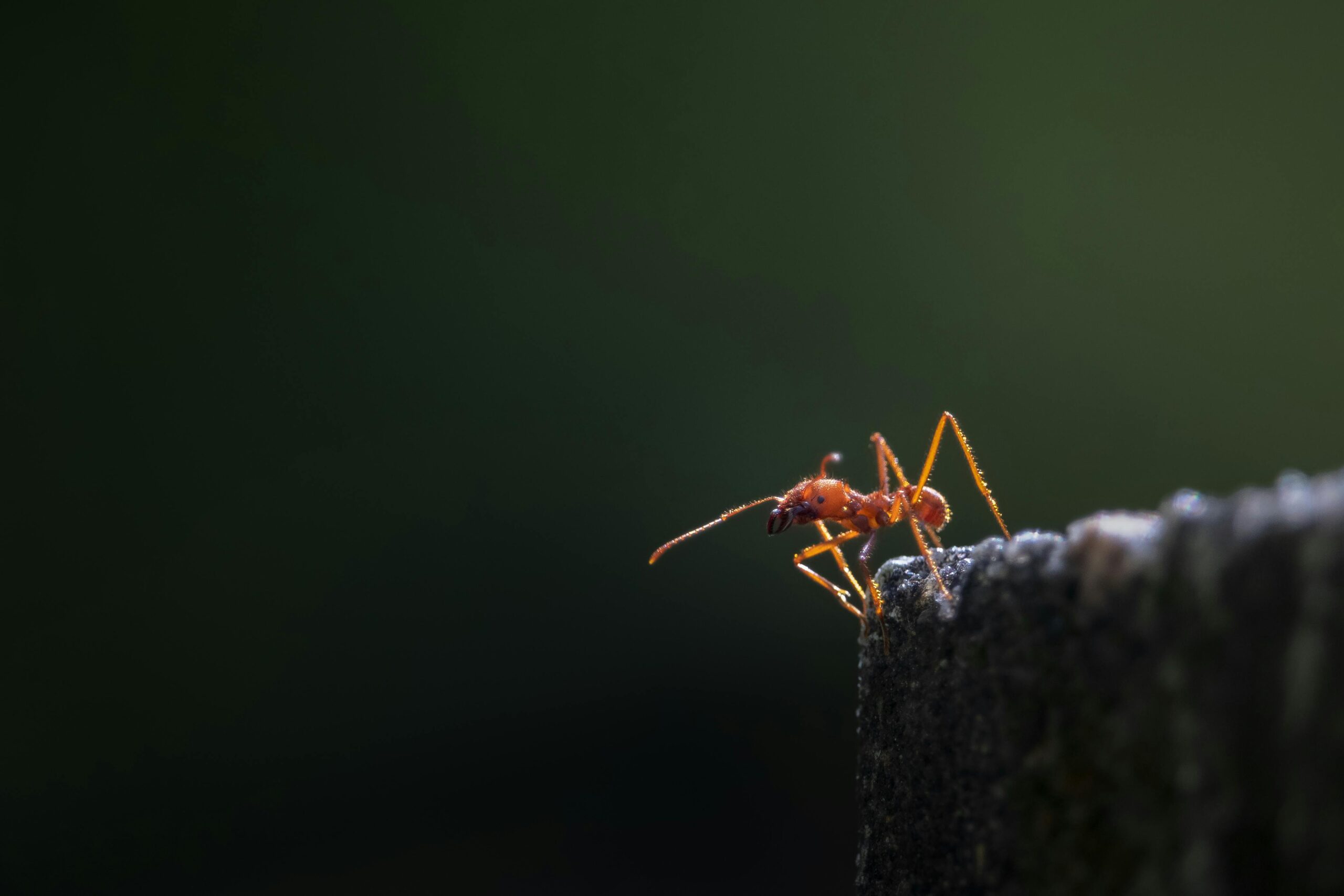
Fruit flies are tiny, measuring just 1–4 mm from head to tail. Their most striking feature is a pair of bright red eyes that gleam in the light. The body is a muted tan‑brown, almost like a dried raisin, and their wings beat so fast you often hear a faint hum rather than see the motion. Because of their size and rapid flight, they can easily slip through a screen door or the tiniest crack around a window.
Typical Hotspots Inside a Home
These pests are attracted to any source of fermenting organic material. In a typical Smyrna household, you’ll find them gathering in the following places:
- Overripe or rotting fruit left on countertops or in fruit bowls.
- Garbage disposals and sink drains where food particles linger.
- Houseplant soil that stays damp for extended periods.
- Compost bins kept on balconies or under porches.
- Open containers of sugary drinks, wine, or vinegar.
Illustrative Example from a Smyrna Homeowner
Mrs. Alvarez, a longtime Smyrna resident, noticed a sudden swarm of tiny flies buzzing around her balcony compost bin. She had placed a small bin for kitchen scraps on the balcony to keep odors out of the kitchen. Within days, the flies migrated from the bin to the indoor kitchen sink, landing on her cutting board and even the pantry shelves. The source? A forgotten piece of banana that had begun to ferment inside the compost container. Once she removed the offending fruit and cleaned the bin, the infestation receded dramatically.
How Common Is the Problem?
According to the U.S. Environmental Protection Agency, fruit flies affect 1–2 million households each year across the United States. The EPA’s Indoor Pest Management report highlights that these insects are one of the most frequently reported indoor nuisances, especially in regions with warm, humid summers like Georgia. Read the EPA statistics here.
Quick “How‑to‑Check” Checklist
- Inspect fruit bowls and countertops for any soft, bruised produce.
- Run a flashlight down sink drains and garbage disposals; look for a thin film of slime.
- Check houseplant pots for soggy soil or standing water.
- Open balcony compost bins and look for fermenting scraps or fruit peels.
- Observe fly activity at dusk – a sudden increase near a specific area usually points to the breeding site.
Why DIY Fruit Fly Fixes Miss the Mark
Many homeowners reach for quick, low‑cost fixes when fruit flies start buzzing around the kitchen. The most popular DIY tactics include apple cider vinegar traps that lure adults, bleach or enzyme‑based drain treatments meant to “kill the larvae,” and over‑the‑counter aerosol sprays promising an instant knock‑down.
While these tricks look harmless, they clash with fruit fly biology in three fundamental ways.
- Fruit flies develop from egg to adult in just 7‑10 days, so a single trap only captures the current generation while dozens of unseen eggs continue to hatch behind the scenes.
- Breeding sites are often hidden—inside kitchen drains, garbage disposals, potted‑plant soil, or even the moist lining of a dishwasher—places a DIY spray rarely reaches.
- Repeated exposure to low‑dose insecticides can select for resistant individuals, meaning the chemicals in household sprays lose potency after a few applications.
Because the life cycle is so rapid, a two‑week DIY experiment often shows little change, even when traps appear full.
“I set out dozens of vinegar traps for fourteen days in my East Cobb home. Despite daily collection of trapped flies, the overall count in the kitchen stayed steady, and I eventually called a professional for a definitive solution.” — East Cobb resident
Industry data backs this anecdotal evidence. The National Pest Management Association’s 2023 efficacy report found that professionally applied fruit‑fly programs achieved an average reduction of more than 85 % after a single treatment cycle, whereas the most common DIY approaches averaged just 30 % reduction over the same period (NPMA 2023 Report).
Professional technicians locate and treat the source directly, using residual insecticides that penetrate cracks, grout, and drain lines. They also employ monitoring devices and follow‑up visits to ensure the population stays suppressed.
While a DIY kit may cost $10–$20, the hidden expense of a persistent infestation—spoilage of produce, additional cleaning, and repeated purchases—can quickly outpace the modest fee of a licensed service that guarantees results.
Professional Fruit Fly Treatment Options
When fruit flies swarm your kitchen, a quick DIY spray rarely solves the problem. Trained technicians from Anthem Pest follow a systematic, science-backed process that eliminates the hidden breeding sources and blocks future entry. Below is a step-by-step look at what you can expect when you call a certified fruit fly control Smyrna GA professional.

Inspection & Source Identification
Our certified technicians begin with a thorough walk‑through of your home, focusing on common fruit‑fly hotspots such as kitchen drains, garbage disposals, over‑ripe produce, and potted‑soil containers. Using a bright inspection light and a handheld microscope, they pinpoint exact breeding sites that are invisible to the naked eye. This step is critical because a single unnoticed drain can produce a continuous influx of adult flies.
Targeted Baiting
Once the sources are mapped, we install discreet bait stations loaded with enzymatic attractants. These baits mimic the scent of fermenting fruit, drawing adult flies away from food prep areas and into a lethal trap. The stations are placed in low‑traffic corners, under cabinets, or near waste bins, ensuring they work continuously without disrupting daily routines.
Residual Sprays
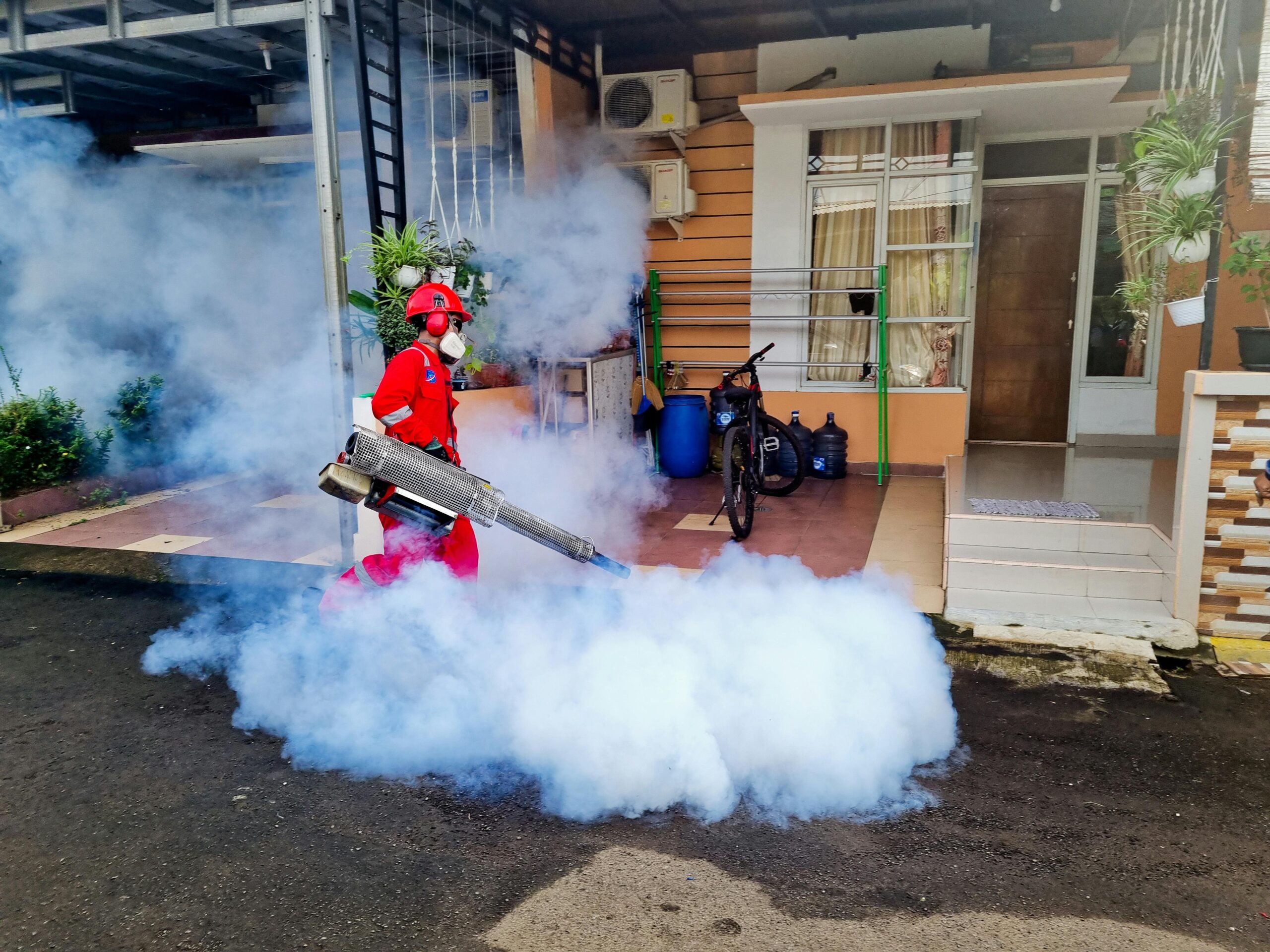
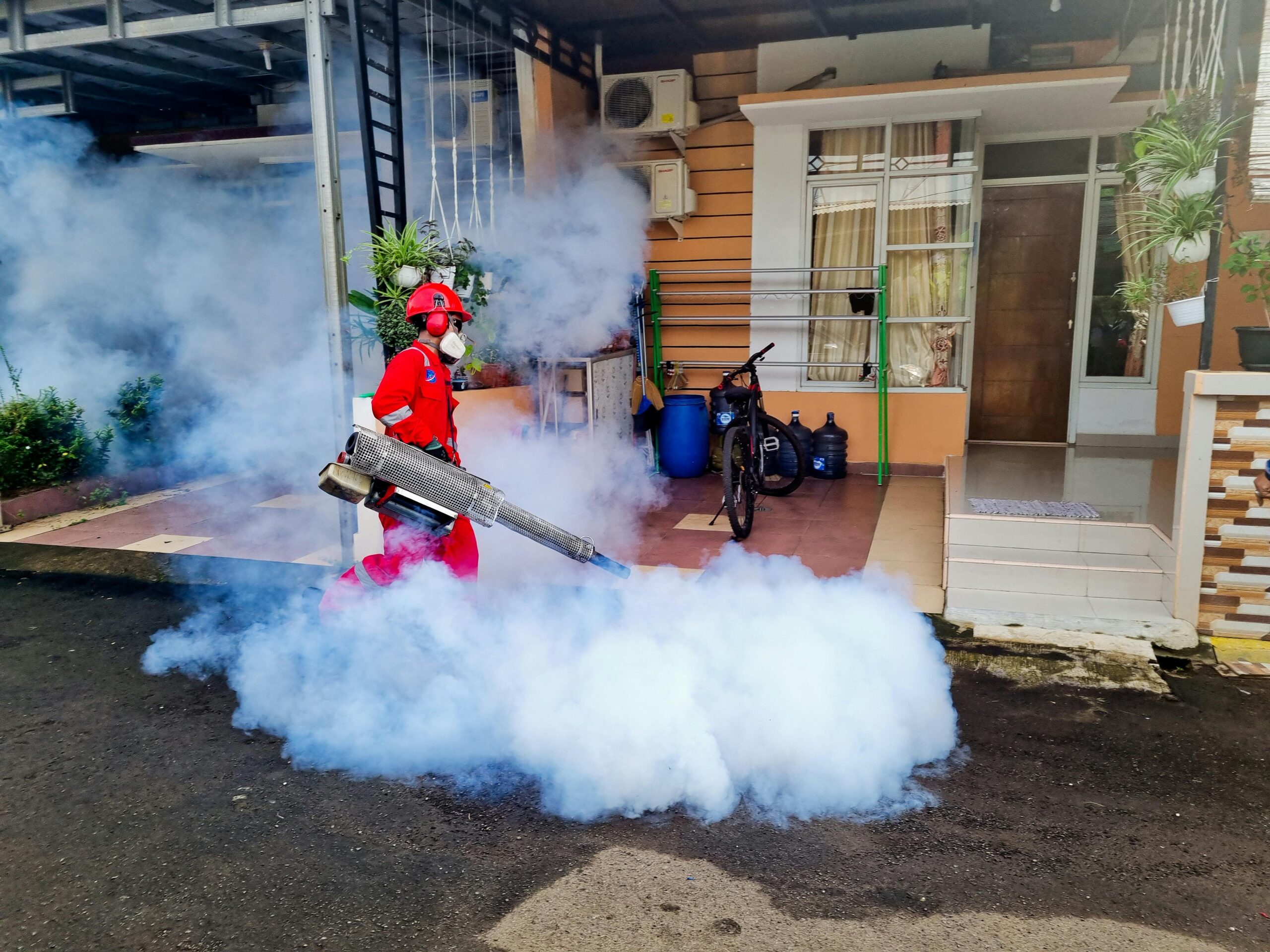
Next, we apply EPA‑registered, low‑toxicity residual sprays to high‑risk surfaces: window sills, door frames, and kitchen countertops. The formulation adheres to the surface for up to three weeks, killing any fly that lands there while remaining safe for pets and children when used as directed. Because the spray is targeted, you avoid the heavy fog of over‑the‑counter foggers that often leave residues on food‑prep zones.
Structural Exclusion
The final phase focuses on prevention. Technicians seal gaps around doors, windows, and utility openings with weather‑strip and caulk. We also recommend installing fine‑mesh screen doors and advise on proper waste‑management practices, such as tightly sealing trash bags and regularly cleaning drain traps. By eliminating entry points, the home becomes a hostile environment for fruit flies looking for shelter.
“Our integrated approach eliminates the source, not just the adult flies.” – Anthem Pest
Service Tiers & Pricing (Smyrna, 2024)
| Service | Price Range |
|---|---|
| Inspection only | $75 – $100 |
| One‑time treatment | $150 – $250 |
| Quarterly preventive plan (annual) | $350 – $450 |
Why a Coordinated Plan Beats DIY
DIY methods—like homemade vinegar traps or over‑the‑counter sprays—address only the adult flies you see on the countertop. They do not locate the hidden larvae thriving in drains or soil, nor do they seal the cracks that let new flies slip inside. A coordinated professional plan tackles every stage of the life cycle, from egg to adult, and adds structural barriers that DIY solutions simply cannot provide.
Homeowners who invest in a quarterly preventive plan enjoy year‑round peace of mind, fewer repeat visits, and a lower total cost compared to multiple emergency call‑outs. Plus, Anthem Pest’s transparent pricing means you know exactly what you’re paying for—no hidden fees, no surprise mark‑ups.
Seasonal Trends and Timing for Smyrna
When Fruit Flies Are Most Active
In Smyrna, fruit flies reach their peak activity from late spring through early fall. This window lines up with the region’s fruit‑harvesting calendar and the rise in humidity that gives these tiny pests the perfect breeding conditions. If you notice a sudden surge of flies around ripe berries, tomatoes, or any fermenting fruit, you’re likely in the heart of their seasonal boom.
Smyrna Climate Snapshot
According to the 2024 National Weather Service climate summary, Smyrna experiences an average high of 85 °F in July, with relative humidity hovering around 70 %. Those warm, moist nights create an ideal environment for fruit fly eggs to hatch and develop rapidly. You can review the full data set here: National Weather Service Climate Summary.
Inspection Schedule You Can Trust
To stay ahead of the infestation, plan two key inspection windows each year:
- Early March (pre‑season): Check outdoor fruit trees, garden beds, and any compost bins before the first warm days arrive. Early detection lets you intervene before flies establish a breeding ground.
- July (mid‑season): Conduct a thorough walkthrough during the hottest, most humid month. Focus on areas where fruit is currently ripening and any standing water that could serve as a moisture source.
These inspections are short, but they give you a clear picture of where fruit flies are gathering and whether a treatment is needed.
Act Quickly After Outdoor Events
Backyard barbecues, harvest festivals, and any gathering that leaves fruit scraps or sugary drinks outdoors are perfect invitations for fruit flies. As soon as an event wraps up, remove all food waste, clean up spills, and consider a targeted treatment if you notice flies lingering. Prompt action prevents a small nuisance from turning into a full‑blown infestation that can spill into your kitchen.
By aligning your inspections with Smyrna’s climate patterns and reacting fast after fruit‑related activities, you’ll keep fruit flies at bay and protect your home’s comfort all season long.
Cost‑Effectiveness and ROI of Professional Service
DIY fruit fly control may look cheap at first glance, but the hidden costs add up quickly. Most homeowners spend between $20‑$40 on traps, sticky cards, and homemade vinegar solutions. Those supplies often need replacement every few weeks, and the time you invest hunting down the flies can be frustrating.
A professional one-time treatment from Anthem Pest runs $150‑$250. That fee covers a thorough inspection, targeted bait stations, and a follow-up visit from a trusted fruit fly control Smyrna GA service to verify that the infestation is gone—so you’re not left guessing whether the problem is truly solved.
The real money‑maker is the reduction in food waste. Fruit flies accelerate spoilage, and a typical three‑person Smyrna household can lose $120‑$200 worth of produce each year. By eliminating the flies, you keep your fruit, vegetables, and herbs fresh longer, turning what would be waste into real savings.
Anthem Pest prides itself on transparent pricing—no hidden fees, no surprise add‑ons. Their satisfaction guarantee means if you still see activity after treatment, they’ll re‑treat at no extra charge, protecting your investment and giving you peace of mind.
Simple ROI calculator example for a typical three‑person household:
| Option | Up‑front Cost | Annual Food‑Waste Savings | Monthly Net Savings | Break‑even Point |
|---|---|---|---|---|
| DIY (traps & homemade solutions) | $30 (average) | $0 | ‑$2.50 | Never |
| Professional (Anthem Pest) | $200 | $180 | +$15 | ≈ 13 months |
| Professional + avoided DIY purchases | $200 | $180 + $30 (DIY avoided) | +$20 | ≈ 10 months |
Even with conservative estimates, the professional service pays for itself within a year. When you factor in the peace of mind of a guaranteed, pest‑free kitchen, the break‑even point can feel like just a few weeks of worry‑free cooking. In short, investing in Anthem Pest’s expert treatment is not only safer for your family—it’s a smart financial move that protects your food, your time, and your wallet.
Local Expertise – Choosing Anthem Pest in Smyrna
When it comes to fruit fly control, a company that knows the quirks of Smyrna can make all the difference. Anthem Pest has been operating in Georgia for over a decade, holding a full state pesticide license that guarantees every technician follows the Georgia Department of Agriculture’s strict safety standards. This isn’t a fly‑by‑night operation; it’s a proven local presence that spans the city’s most distinct neighborhoods—from the historic charm of Old Fourth Ward to the bustling streets of Burnt Hickory and the family‑friendly blocks of East Cobb.
Ratings that speak for themselves
Homeowners in Smyrna consistently reward Anthem Pest with a 4‑star rating on Google, reflecting reliable service, prompt arrivals, and thorough follow‑up. The Better Business Bureau also lists the company as an accredited business, meaning any complaint is handled transparently and resolved quickly. Those two badges of trust reassure you that you’re not just hiring a pest‑removal service—you’re partnering with a vetted, community‑approved provider.
Why local knowledge matters
Fruit flies thrive in the humid micro‑climates that develop around our city’s older homes, community gardens, and seasonal fruit vendors. Anthem’s Smyrna teams have mapped these hotspots over years of service, allowing them to target infestations before they spread. They recognize the difference between a kitchen‑origin fly and one that’s nesting in a nearby park, and they tailor treatment plans accordingly—using low‑impact products that protect your family while eliminating the problem at its source.
Get a free, no‑obligation quote today
Ready to put an end to those irritating buzzes? Call 877‑371‑8196 or visit anthempest.com for a free quote. A local specialist will assess your home, explain the treatment steps, and schedule service at a time that fits your busy life.
Take Action Against Fruit Flies Today
First, make sure you’ve correctly identified the tiny, tan‑brown fruit flies that hover around ripening fruit, drains, and compost. Misidentifying them as harmless house flies often leads to ineffective DIY sprays that only mask the problem.
- DIY limits: Over‑the‑counter sprays rarely reach the breeding sites hidden in drains or garbage disposals.
- Cost transparency: Professional inspections start at a clear, upfront rate, preventing surprise fees later.
- Seasonal timing: Warm months in Smyrna accelerate breeding cycles, so acting now stops an infestation before it spreads.
Our technicians provide a detailed report and a clear price breakdown, so you know exactly what you’re paying for. Because fruit flies breed fastest in the humid summer months, a prompt treatment can save you weeks of frustration. A quick appointment takes less than an hour and can protect your pantry for months.
Don’t wait for the flies to multiply. Schedule a local Smyrna inspection today and let a trained technician locate and eliminate the source before it becomes a full‑blown nuisance.
Protect your kitchen and family with a safe, effective solution from a trusted local partner. Anthem Pest’s integrated approach removes the source of fruit flies while keeping your home’s health a top priority.
Call us now at 877‑371‑8196 or visit our website to book your fruit fly control Smyrna GA inspection.