Why Fruit Flies Are a Hidden Threat in Smyrna Homes
Rapid life cycle fuels an invisible invasion
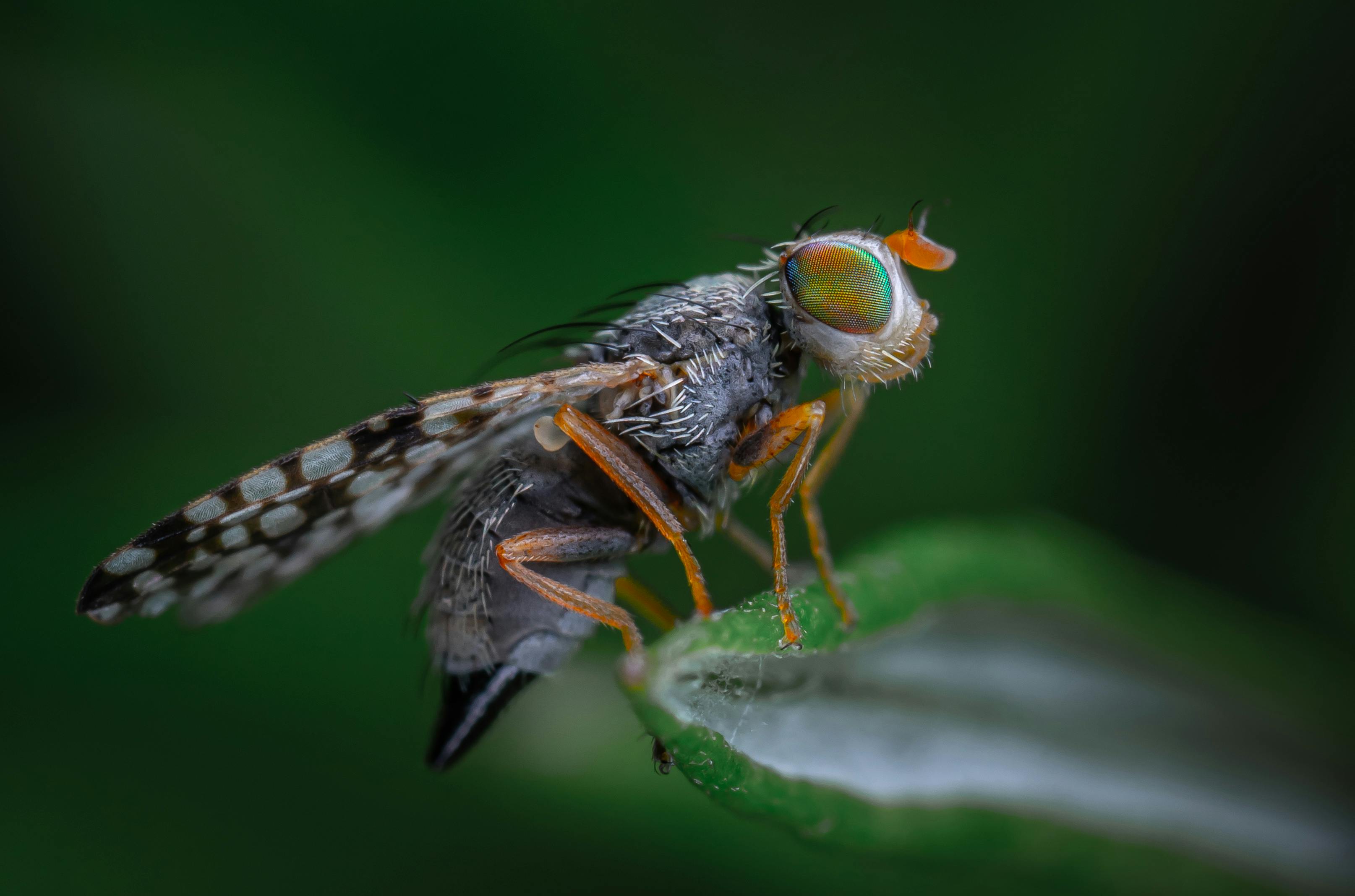
Fruit flies (Drosophila spp.) complete their life cycle in as little as seven days under warm, humid conditions. An adult can lay up to 500 eggs on the surface of fermenting fruit, vegetables, or even damp mop heads. Those eggs hatch in 24–48 hours, the larvae feed, pupate, and emerge as new adults ready to reproduce. In a typical Smyrna kitchen, a single unnoticed pair can generate thousands of flies within a week, turning a minor nuisance into a full-blown infestation before the homeowner even notices. Adults also shuttle yeast and bacteria from rotting fruit to kitchen countertops, creating a subtle food-safety concern—highlighting the importance of timely fruit fly control Smyrna residents rely on to prevent serious infestations.
How they slip inside
These pests are opportunistic hitchhikers. Open doors and windows, especially those without tight screens, provide a direct runway. Unsealed trash cans, fruit bowls, and even damp sponges act as breeding stations. A narrow gap around a vent or a cracked screen can let a single female in, where she quickly finds a moist breeding spot. The humid Georgia summer—average indoor humidity often exceeds 60 %—creates the perfect micro‑climate for egg development, accelerating population growth by up to 30 % compared with drier regions.
The numbers don’t lie
The 2024 EPA Indoor Pest Management Guide reports that fruit flies rank among the top three indoor flying insects in U.S. homes, with a prevalence rate of 27 % nationwide and 31 % in the Southeast. In Georgia, the combination of warm temperatures and high humidity pushes the local incidence even higher, making fruit flies a common, yet under‑recognized, household problem.
Understanding these facts sets the stage for effective control. In the sections that follow, you’ll learn how to spot the early warning signs, what treatment options Anthem Pest Control recommends for Smyrna homes, and practical prevention steps that keep fruit flies from setting up shop in the first place.
More Than a Nuisance – The Real Costs
When a single fruit fly lands on your kitchen counter, it feels harmless. In reality, each tiny visitor can act like a moving syringe, spreading bacteria from garbage, drains, or decaying fruit onto the foods you prepare for your family.
Research from the Centers for Disease Control and Prevention confirms that fruit flies are capable of transferring pathogens such as E. coli and Salmonella to food surfaces, increasing the risk of food‑borne illness.
“Fruit flies can carry disease‑causing bacteria and may contaminate food, leading to gastrointestinal infections,”
notes the CDC’s food‑safety guidance. [CDC Food Safety – Fruit Fly Risks]
Beyond health, a persistent infestation can erode the value of your home. Prospective buyers often view any sign of pests as a red flag, which can lower resale offers by several thousand dollars. Moreover, the hidden cleaning and repair work—re‑sealing countertops, replacing contaminated pantry items, and treating lingering odors—adds up quickly.
- Increased risk of gastroenteritis for children and seniors
- Potential medical expenses ranging from $200‑$1,500 per case
- Loss of food inventory worth $100‑$250 per month
The National Pest Management Association (NPMA) estimates that professional fruit‑fly remediation typically falls between $150 and $300 per treatment, depending on the severity and size of the property. [NPMA Cost Guide] While that upfront expense may seem steep, it pales in comparison to the cumulative cost of repeated DIY attempts, medical bills from food‑borne illness, or a reduced home appraisal.
Early intervention with a licensed provider like Anthem Pest Control not only stops the flies in their tracks but also safeguards your family’s health and your wallet. A single, properly timed service can prevent months of recurring treatments, save you from costly home‑repair projects, and keep your property’s market value intact. Anthem Pest Control backs each fruit‑fly service with a satisfaction guarantee, ensuring the problem is resolved the first time.
Smyrna‑Specific Triggers
Living in Smyrna means warm weather, but those conditions can turn your kitchen into a fruit‑fly hotspot. Knowing the local triggers lets you act before an infestation spreads.
Humid summers create a perfect nursery
From June through August Smyrna averages 78°F with about 70 % humidity. This moisture speeds the fruit‑fly life cycle, letting eggs hatch in as little as 24 hours. Even a few drops
Proven Solutions from Anthem Pest Control
Inspection & Identification
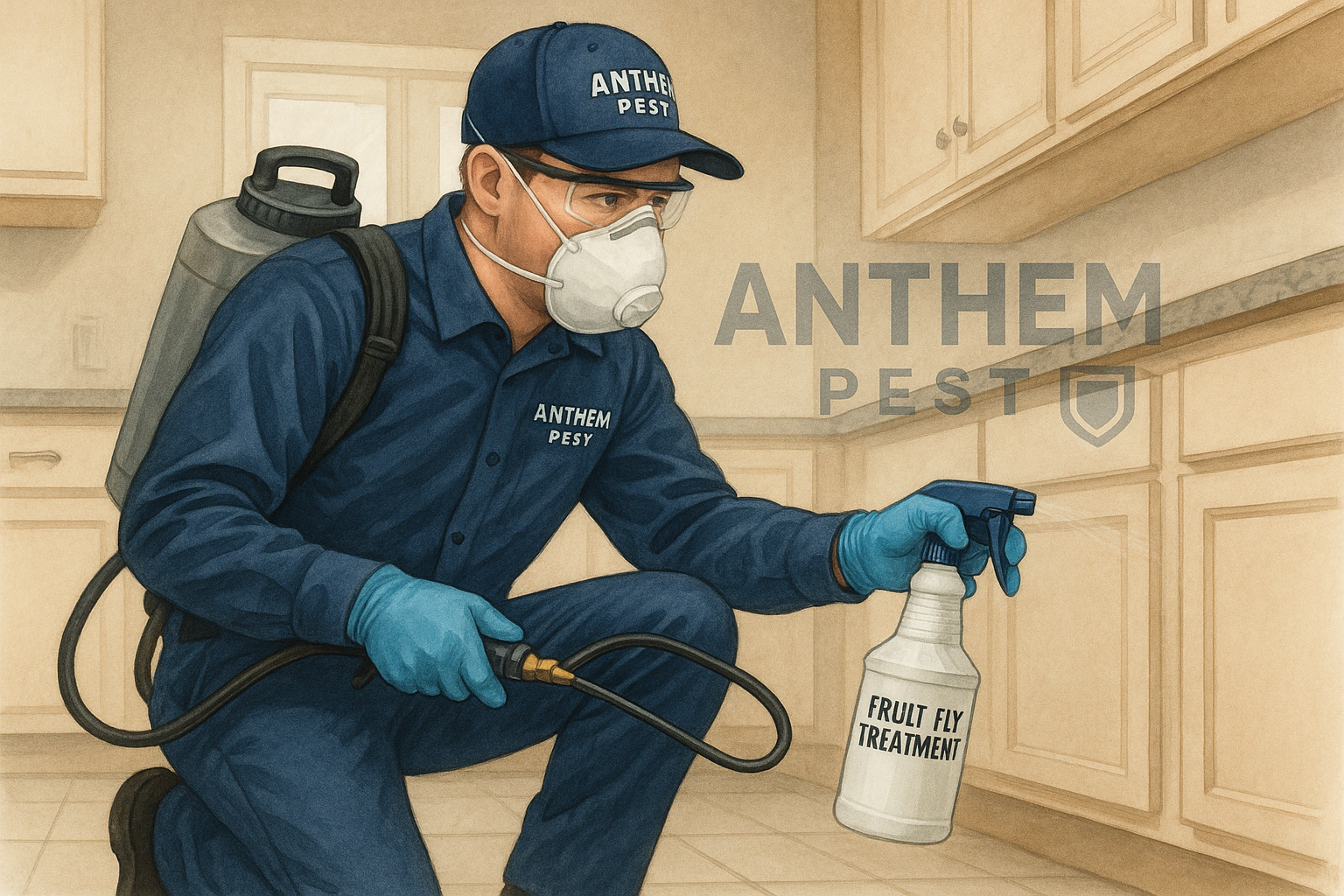
Our technicians start every engagement with a thorough walkthrough of your home, focusing on kitchens, garbage areas, and any spot where fruit flies tend to congregate. We place high‑visibility sticky traps at strategic locations and leave them for 24‑48 hours to capture active insects. The trapped specimens are then examined under a portable microscope, confirming the exact species and ruling out look‑alikes such as fungus gnats.
Chemical Treatments
When a spray is warranted, Anthem uses low‑odor, EPA‑registered formulations that are safe for children and pets once the re‑entry time has passed. Our most common active ingredients include pyrethrin‑based sprays for rapid knock‑down and spinosad for residual control. Most treatments require a 30‑minute re‑entry window, after which normal household activity can resume.
Non‑Chemical Options
For homeowners who prefer a chemical‑free approach, we offer a suite of alternative controls:
- Bait stations: Sugar‑based attractants laced with a slow‑acting insecticide that targets adult flies without contaminating food surfaces.
- UV light traps: Devices that lure flies with ultraviolet light and capture them on a replaceable adhesive grid.
- Rigorous sanitation protocols: Detailed cleaning checklists that eliminate breeding sites, from over‑ripe fruit to damp drain lines.
Pricing Transparency
Anthem believes you should know exactly what you’re paying for. Our 2024 price sheet outlines two core options for fruit fly control Smyrna, so homeowners can choose the right solution with confidence.
- One‑time treatment: $149 – $199, depending on square footage and the extent of the infestation.
- Quarterly maintenance plan: $79 per month, which includes a scheduled visit, trap monitoring, and a refresher spray if needed.
All quotes are provided in writing before any work begins, and there are no hidden fees.
Case Study: Smyrna Homeowner Cuts Fruit Fly Count by 90 %
When the Johnson family in Smyrna called us, they reported seeing “a swarm” of fruit flies around their kitchen island. Our initial trap count was 48 flies per sticky pad over a 48‑hour period. After the first professional visit—combining targeted sprays, bait stations, and a deep‑clean of the pantry—the count dropped to 12 flies per pad. A second visit two weeks later, focused on reinforcing sanitation and resetting UV traps, reduced the count to just 5 flies per pad. In total, the infestation was reduced by 90 % within a month, and the Johnsons reported no re‑emergence after the three‑month maintenance window.
Local Expertise & Guarantee
Anthem Pest Control technicians are trained specifically for Georgia’s climate and the seasonal spikes that drive fruit fly activity. Because we operate locally, we understand the common attractants in Smyrna homes—like humid basements and outdoor fruit trees. We back every treatment with a 100 % satisfaction guarantee: if fruit flies return within 30 days of a completed service, we’ll revisit the property at no extra charge.
Everyday Actions to Keep Fruit Flies Away
Fruit flies are attracted to the tiniest bits of fermenting food, so a few simple habits can shut down their breeding grounds before they become a nuisance. Below are the most effective DIY steps you can start using today.
Store Produce in Sealed Containers or Refrigerate
Ripe fruit left out on the counter is a magnet for fruit flies. Transfer any cut or whole fruit to airtight containers, or pop it in the refrigerator. Overripe or bruised pieces should be discarded immediately—fruit flies can locate a single spoiled strawberry from across the kitchen.
Clean Drains Weekly
Kitchen and bathroom drains often hold organic residue that serves as a perfect larval medium. Once a week, pour a pot of boiling water down each drain, followed by a cup of enzymatic cleaner or a mixture of ½ cup baking soda and ½ cup white vinegar. Let it fizz for a few minutes, then flush with hot water. This routine destroys hidden food sources and eliminates the slimy film where flies lay eggs.
Set Up Apple Cider Vinegar Traps
Apple cider vinegar (ACV) traps are inexpensive, non‑toxic, and surprisingly effective. Fill a small jar with ½ cup ACV, add a few drops of dish soap (to break surface tension), and cover the opening with plastic wrap secured with a rubber band. Poke several tiny holes in the wrap—large enough for flies to enter but too small to escape. Place traps near fruit bowls, trash cans, and sink drains. Replace the solution every 3‑5 days or when it becomes clouded with debris.
Manage Compost and Trash
If you compost indoors, keep the bin sealed with a tight‑fitting lid and empty it at least once a week. For outdoor compost, store the container in a shaded area away from doors and windows. Regularly clean trash can lids and replace liners; a clean can with a tight lid removes one of the most common fruit‑fly entry points.
Weekly Prevention Checklist
| Task | Frequency |
|---|---|
| Inspect and seal all fruit and vegetable storage | Weekly |
| Clean kitchen and bathroom drains | Weekly |
| Refresh apple cider vinegar traps | Every 3–5 days |
| Empty and clean trash cans and compost bins | Weekly |
Following these habits creates a hostile environment for fruit flies, dramatically reducing the chance of an infestation. For detailed storage times and temperature recommendations, consult the USDA Produce Storage Guidelines. When you combine proper storage, regular cleaning, and simple traps, you’ll keep your Smyrna home fruit‑fly free without relying on professional treatments.
When to Act – A Month‑by‑Month Plan
Fruit flies thrive when moisture and organic debris line up. In Smyrna, the two trouble spots are the humid stretch from May through July and the post‑harvest surge in September. Knowing exactly when to intervene lets you stay one step ahead, saves money, and keeps your kitchen and patio fly‑free.
Because fruit flies lay eggs in moist, fermenting material, a small lapse in sanitation can spark an infestation within days. By aligning your actions with the climate patterns of Smyrna—warm, humid summers and a brief autumn surge—you can interrupt their life cycle before it escalates.
Seasonal calendar at a glance
| Month | Professional focus | DIY tasks |
|---|---|---|
| May | Schedule a pre‑emptive inspection (early May) to identify breeding sites. | Remove overripe fruit, wipe down countertops, and seal trash cans. |
| June | Apply targeted treatment around drains and garbage disposals if needed. | Deep clean kitchen drains; run boiling water and a vinegar‑baking‑soda combo. |
| July | Monitor trap counts; request follow‑up service if numbers stay high. | Refresh fruit‑fly traps and replace attractant lures. |
| August | Inspect outdoor compost piles and patio planters. | Trim vegetation, clean pet water bowls, and replace trap liners. |
| September | Conduct a post‑harvest check after local market deliveries. | Vacuum crumbs, store produce in the refrigerator, and set extra traps. |
| October – April | Perform an annual maintenance visit to seal entry points. | Keep drains dry, store produce properly, and run a trap each month as a precaution. |
Print the calendar (the web team will add a downloadable graphic) and hang it on your fridge. Following this month‑by‑month plan means you’ll catch fruit flies before they multiply, and you’ll know exactly when Anthem Pest Control experts should swing by for a professional touch.
Take Control of Fruit Flies Today
When you choose Anthem Pest for fruit fly control Smyrna, you get a package that’s built around four key benefits.
- Local Smyrna expertise: technicians who know the neighborhood’s housing styles, landscaping trends, and seasonal fruit‑fly patterns.
- Guaranteed reduction: we pledge a noticeable drop in fly activity after the first treatment, or we’ll re‑treat at no extra cost.
- Transparent pricing: a single, upfront quote with no hidden fees, so you can budget confidently.
- Pet‑ and child‑safe methods: EPA‑approved products applied with precision to protect the whole family.
These advantages mean you won’t waste time with DIY sprays that only mask the problem, and you won’t face surprise charges after the job is done. Instead, you receive a professional, results‑driven service that protects your kitchen, pantry, and outdoor entertaining areas.
The next step is simple—schedule a free, no‑obligation inspection. Our team will assess the source of the infestation, identify entry points, and recommend a customized plan that fits your home and your budget.
Our technicians understand the unique challenges of Georgia’s climate, from humid summers to rainy springs, and they’re ready to help you reclaim a fly‑free home.
Call 877‑371‑8196 or visit Anthem Pest Control for a free quote and let our experts handle fruit fly control Smyrna to put an end to infestations in your home.