Mosquito Activity in Dunwoody – A Homeowner’s Perspective
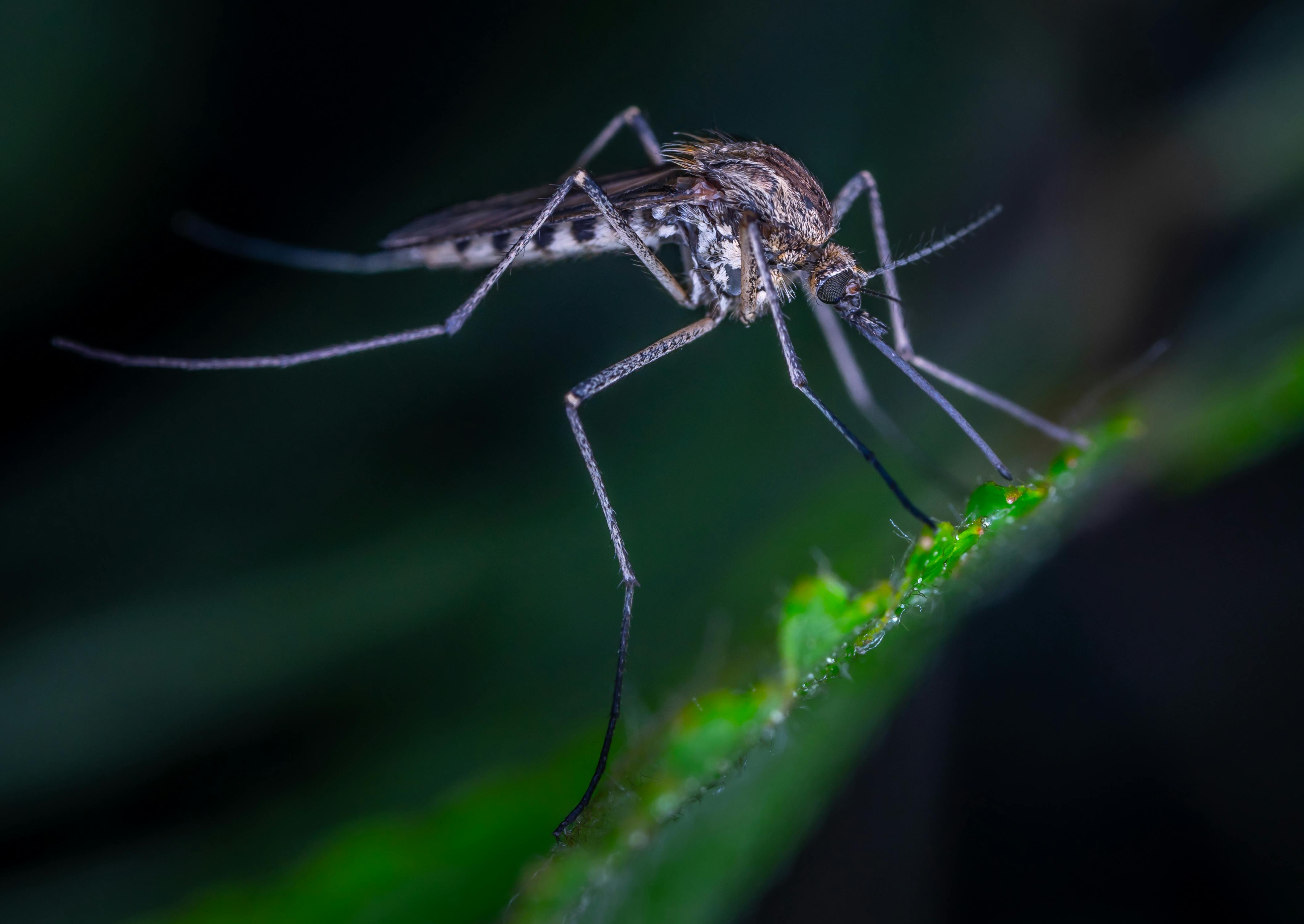
This is where a professional mosquito inspection makes a difference. An inspection pinpoints breeding sites—stagnant water in birdbaths, clogged gutters, or overgrown landscaping—that act as perfect nurseries for mosquitoes. By identifying and treating these hotspots, you dramatically lower the chance of disease transmission and reclaim the comfort of your outdoor space.
According to the CDC, mosquito‑borne illnesses claim more than 1 million cases in the United States each year, including threats like West Nile virus and Zika. While most infections are mild, the potential for severe health outcomes makes prevention a household priority.
Beyond health, mosquito control protects your property value. A yard plagued by relentless buzzing can deter guests, reduce curb appeal, and even affect resale prospects. Homeowners who invest in regular inspections often see a tangible boost in neighborhood satisfaction and market perception.
Dunwoody’s humid subtropical climate creates an ideal environment for mosquito proliferation. Warm temperatures accelerate the mosquito life cycle, while frequent summer rain provides the standing water they need to lay eggs. Additionally, the city’s tree‑lined streets and well‑kept lawns can unintentionally create shaded, moist micro‑habitats that amplify the problem.
Neighborhood features also play a role. Homes close to ponds, parks, or golf courses experience higher mosquito pressure because these areas serve as regional breeding grounds. Even a well‑maintained yard can become a magnet if nearby public spaces are left unmanaged.
By scheduling a thorough mosquito inspection with a local expert like Anthem Pest Control, you gain a clear action plan—targeted treatments, source elimination, and ongoing monitoring—that keeps your patio mosquito‑free and your family safe.
Common Mosquito Species and Seasonal Trends in Dunwoody
Top Species in the Area
Culex quinquefasciatus, often called the southern house mosquito, thrives in shaded, humid environments. It prefers to feed at dusk and is most active around standing water that receives organic debris—think clogged gutters or birdbaths. This species is a known vector for West Nile virus and St. Louis encephalitis, making early detection critical for homeowner safety.
Aedes albopictus, the Asian tiger mosquito, is easily recognized by its striking black‑and‑white striped legs. Unlike Culex, it bites during the day, especially in the early morning and late afternoon. Aedes albopictus can transmit dengue, Zika, and chikungunya viruses, and it reproduces rapidly in small containers such as flower pots, rain barrels, or discarded tires.
When They’re Most Active
Local climate patterns drive a predictable surge in mosquito activity from June through September. The EPA’s temperature‑humidity guidance for the Atlanta metro area shows average daytime highs climbing above 85 °F and relative humidity hovering near 70 % during these months, creating ideal breeding conditions for both species.
| Month | Avg Temp (°F) | Avg Humidity (%) | Activity Level |
|---|---|---|---|
| June | 84 | 68 | High |
| July | 88 | 71 | Very High |
| August | 87 | 70 | Very High |
| September | 81 | 66 | High |
For a deeper dive into the EPA’s climate data, visit the EPA climate indicators page.
Neighborhood Hotspots
In Dunwoody Village, mature oak canopies keep ground‑level humidity high, while decorative ponds and ornamental fountains provide constant, shallow water—perfect larval habitats for Culex mosquitoes. Brook Run’s winding streams and densely planted backyards create similar micro‑climates, encouraging Aedes albopictus to lay eggs in any container that holds rainwater.
Homeowners in these areas often notice a spike in bite activity after a week of heavy rain, when stagnant water accumulates in flower saucers, pet dishes, and clogged roof gutters. Regularly inspecting and emptying these sites can dramatically reduce the local mosquito load.

Inside a Professional Mosquito Inspection
Step 1: Pre‑inspection Interview
The technician begins with a short interview to capture your concerns. They’ll ask about recent bite reports, any outdoor activities that seemed to attract mosquitoes, and the layout of your property. This dialogue helps prioritize problem areas and tailors the inspection to your unique environment.
Step 2: Exterior Survey
Next, the technician conducts a visual sweep of the exterior. They hunt for standing water in birdbaths, clogged gutters, pool covers, storm drains, and even forgotten plant saucers. Every potential breeding site is noted, because a single ounce of stagnant water can sustain a thriving mosquito colony.
Step 3: UV Light and Larvicide Dip Tests
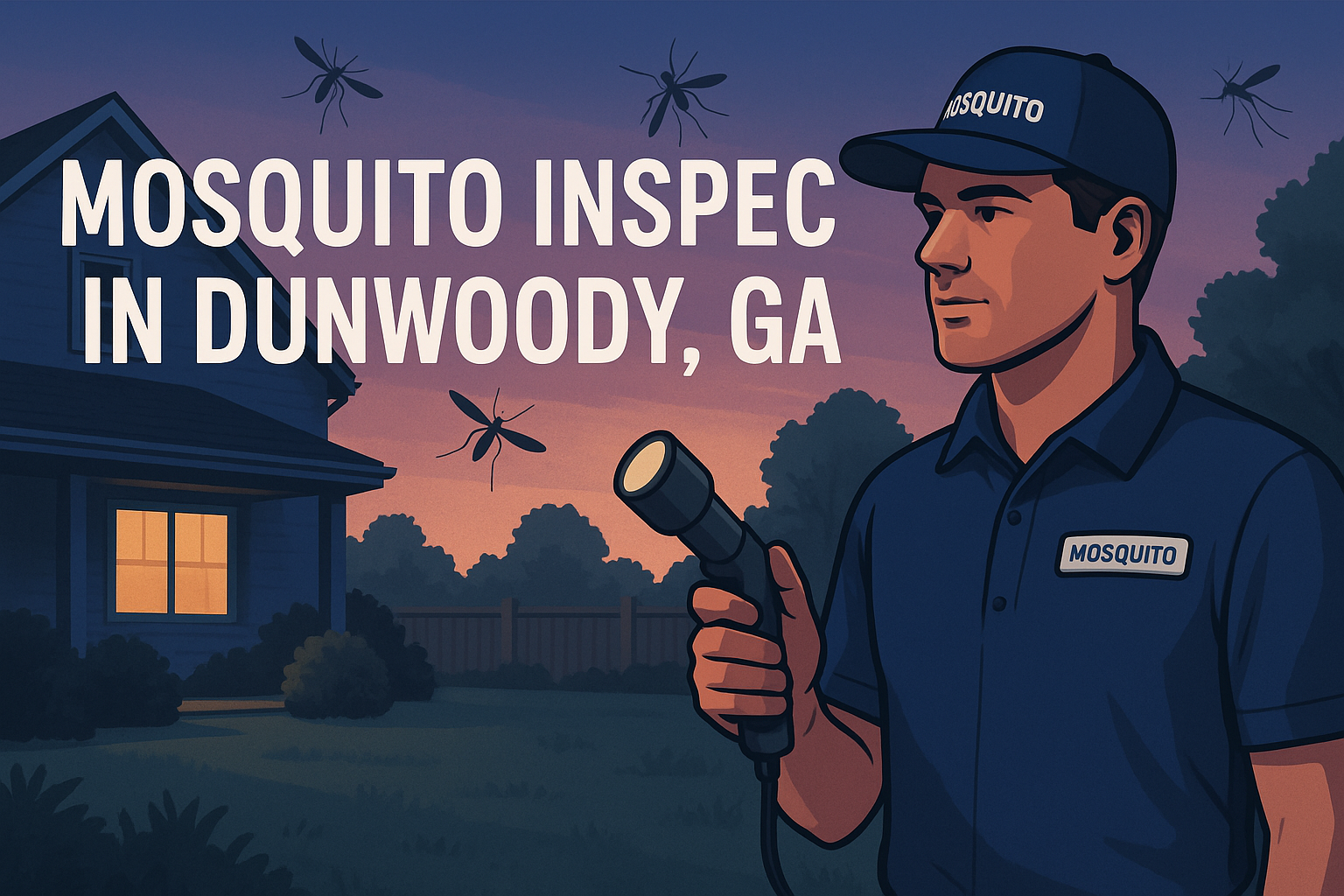
Using a handheld UV lamp, the technician shines light into darker water pockets. The UV reveals larvae that are otherwise invisible to the naked eye. They then collect water samples and perform a quick dip test with a larvicide kit to gauge water quality and determine the species present.
Step 4: Mapping Hotspots on a Digital Floor Plan
All findings are plotted on a GIS‑style app that creates a digital floor plan of your yard. Hotspots appear as colored pins, giving you a visual map of where mosquitoes breed and where treatments will be most effective. This data‑driven map becomes the backbone of your customized control plan.
Essential Tools
- Handheld UV lamp – illuminates hidden larvae.
- Larval identification kit – confirms species and assesses water quality.
- GIS mapping software – records hotspot locations on a digital plan.
Sample Inspection Checklist
- Gather homeowner concerns and recent bite history.
- Review property layout and identify high‑traffic outdoor zones.
- Inspect birdbaths, fountains, and ornamental ponds.
- Check gutters, downspouts, and storm drains for blockage.
- Examine pool covers, tarps, and discarded tires for standing water.
- Use UV lamp on all water sources; record any larvae seen.
- Collect water samples for dip‑test analysis.
- Log each finding in the GIS app and generate a hotspot map.
- Discuss immediate removal or treatment options with the homeowner.
- Provide a written report that includes the map, findings, and recommended actions.
The technician’s role doesn’t stop at detection. Based on the hotspot map, they recommend targeted treatments—such as larvicide applications to specific breeding sites, barrier sprays around high‑use areas, or structural modifications to improve drainage. By focusing only on proven problem zones, the approach maximizes effectiveness while minimizing chemical use.

Red Flags – When to Call a Mosquito Control Pro
Enjoying the Georgia summer doesn’t have to mean enduring endless mosquito bites, but when certain warning signs appear, DIY measures often fall short. Recognizing these red‑flag thresholds helps you protect your family and prevents a small nuisance from becoming a health risk.
- More than 20 bites per night – If you or a family member wakes up with dozens of welts, the local mosquito population is likely out of control.
- Visible larvae in standing water – Small, wriggling organisms in birdbaths, rain barrels, or clogged gutters indicate breeding sites that will produce hundreds of adults within days.
- Bites before dusk – Mosquitoes that are active at sunrise or mid‑day suggest species that thrive in shaded, humid micro‑environments, often linked to higher disease transmission.
- Any confirmed West Nile cases nearby – Even a single report raises the stakes for immediate professional intervention.
Fulton County health officials recorded 12 West Nile virus cases in 2023, and the 2024 figures are already being monitored. When your neighborhood is on that list, waiting for a DIY spray can put you at unnecessary risk.
Vulnerable residents need extra protection. Pregnant women, infants, and anyone with a compromised immune system are far more susceptible to severe reactions from mosquito‑borne illnesses. If any of these groups live in your home, treat the red‑flag signs as an emergency and schedule a professional inspection without delay.
While you arrange for a certified technician from Anthem Pest Control, you can still reduce the immediate threat:
- Eliminate standing water: empty, clean, or cover containers that hold water for more than 48 hours.
- Trim overgrown vegetation and keep grass mowed to reduce resting sites.
- Repair screen doors and windows to keep adult mosquitoes out.
- Use EPA‑registered repellents on exposed skin, especially during peak activity times (dawn and dusk).
These steps buy you time, but they are not a substitute for a comprehensive, professionally applied treatment plan. When any of the red‑flag indicators appear, give Anthem Pest Control a call at 877‑371‑8196 or visit anthempest.com to schedule an inspection. Acting quickly safeguards your home, your health, and your peace of mind.
Treatment Options and Transparent Pricing
Barrier Sprays (Synthetic Pyrethroids)
Barrier sprays are the frontline defense against adult mosquitoes. Using EPA‑approved synthetic pyrethroids, technicians coat vegetation, fences, and shaded areas where mosquitoes rest. One application usually covers up to 1,500 sq ft. The chemicals create a residual shield that remains effective for 2‑3 weeks, reducing bites dramatically after each visit. This method is especially useful for properties with extensive landscaping or dense foliage.
Larvicides (Bti & Methoprene)
Larvicides target mosquitoes before they become flying nuisances. Products like Bacillus thuringiensis israelensis (Bti) and methoprene are applied directly to standing water—birdbaths, rain barrels, or clogged gutters—where larvae develop. These biologically based solutions disrupt the mosquito life cycle without harming fish, pets, or beneficial insects. Regular applications are essential in areas prone to seasonal rain or where drainage issues create persistent water sources.
Adult Traps (CO₂‑Baited)
CO₂‑baited traps lure adult mosquitoes with a combination of carbon dioxide, heat, and scent, then capture them on a sticky surface or in a vacuum chamber. While traps don’t eradicate an infestation on their own, they provide continuous suppression, especially in high‑traffic zones like patios and decks. Pairing traps with barrier sprays and larvicides creates a multi‑layered approach that keeps mosquito numbers low throughout the summer.
| Treatment Type | Typical Cost Range |
|---|---|
| One‑time barrier spray (covers ~1,500 sq ft) | $150 – $250 per treatment |
| Annual protection program (4 sprays + larvicide) | $400 – $600 per year |
| Storm‑drain treatment add‑on (per site) | $75 – $120 per site |
These figures reflect industry averages and the quoted rates from Anthem Pest for Dunwoody homeowners. The one‑time barrier spray offers a quick fix for immediate relief, while the annual program bundles four seasonal sprays with targeted larvicide applications for comprehensive, season‑long protection. If your property includes storm‑drain culverts or other hard‑to‑reach water sources, the add‑on service ensures those hidden breeding grounds are treated as well.
Choosing Anthem Pest means you won’t be left guessing about costs. The company provides a free initial assessment to pinpoint problem areas, then presents a transparent, itemized quote before any work begins. All products used are EPA‑approved, prioritizing safety for children, pets, and the surrounding environment. Plus, Anthem backs every job with a satisfaction guarantee—if you’re not happy with the results, they’ll re‑treat at no extra charge. This commitment to clear pricing and reliable outcomes makes it easier for homeowners to invest confidently in mosquito control.
DIY Prevention Tips to Complement Pro Services
Even if you rely on Anthem Pest Control for a thorough mosquito treatment, everyday habits around your home can dramatically cut the number of buzzing visitors. Simple, low‑cost actions performed regularly keep breeding sites out of reach and make professional treatments work longer.
Practical steps you can start today
- Eliminate standing water. Empty birdbaths, flower pot trays, and kiddie pools at least once a week; a single teaspoon of water can hatch dozens of larvae.
- Clean gutters and downspouts. Debris traps rainwater, creating hidden reservoirs. A quick flush with a garden hose removes the problem.
- Install screened porches and windows. Mesh with a 1‑mm opening blocks adult mosquitoes while still letting fresh air flow.
- Use outdoor fans. Mosquitoes are weak fliers; a fan set on medium creates a breeze that discourages them from lingering on patios.
- Plant mosquito‑repelling herbs. Citronella, lavender, and rosemary release scents that are mildly irritating to mosquitoes, especially when placed near seating areas.
These measures are most effective when paired with a professional barrier spray, which treats hidden cracks and shaded zones that DIY products can’t reach.
DIY vs. Professional: Quick‑Reference Comparison
Seasonal Mosquito Management Calendar for DunwoodyKeeping mosquitoes at bay in Dunwoody isn’t a one‑time task—it’s a year‑round habit. Below is a month‑by‑month checklist that matches our humid subtropical climate and the city’s busy community calendar. Follow it, and you’ll reduce bites, protect your family, and stay ready for any outdoor gathering.May – Early Prevention
- Schedule a professional mosquito inspection before the first summer storms arrive.
- Remove or empty any containers that can hold standing water: buckets, plant saucers, old tires, and birdbaths.
- Trim overgrown grass and shrubs to eliminate shaded resting spots.
June – August – Peak Season
- Perform a quick visual check of your property each week; look for new water sources after rain.
- After any heavy downpour, apply a barrier spray to perimeter foliage and deck railings to stop larvae from hatching.
- Inspect mosquito traps (if you use them) and replace attractant cartridges according to the manufacturer’s schedule.
- During the Dunwoody Summer Festival (mid‑July), add extra outdoor fans and consider a supplemental misting treatment for the day of the event.
September – Transition to Fall
- Schedule a final treatment before temperatures dip below 70 °F.
- Store patio furniture, grills, and garden tools in a dry area to prevent water buildup.
- Rake leaves and clear gutters so rainwater can’t pool in hidden spots.
- Plan for next year’s early‑season inspection by marking a date in your calendar now.
By ticking off each item as the months roll by, you’ll stay ahead of the mosquito life cycle and keep Dunwoody’s outdoor fun bite‑free. If a sudden surge occurs or you need a professional barrier spray, give Anthem Pest Control a call at 877‑371‑8196 or visit our website.Protect Your Home – Contact Anthem Pest TodayTimely mosquito inspections are the first line of defense against those relentless summer bites. When you catch a problem early, you protect your family, your pets, and the comfort of your outdoor spaces. Partnering with a local expert means you get a tailored plan that fits Dunwoody’s unique climate and mosquito habits.Why Choose Anthem Pest?
- Local Knowledge: Our technicians live and work in Dunwoody, so they know the hotspots and seasonal patterns that matter to you.
- EPA‑Approved Products: We use only solutions that meet strict safety standards, keeping your home and loved ones protected.
- Transparent Pricing: No hidden fees—our quotes are clear, upfront, and backed by a satisfaction guarantee.
Ready to take the next step? Call us today at 877-371-8196 for a free inspection, or visit Anthem Pest Control to learn more about our services and request a no-obligation quote. We’re not here to push a sale; we’re here to help you enjoy a bite-free summer. When you’re ready, our friendly team is just a phone call or click away for a trusted mosquito inspection Dunwoody homeowners rely on.