
Introduction to Mouse Problems in Dunwoody, GA
Whether you live in a charming Craftsman bungalow tucked behind oak trees or a brand‑new townhouse on the edge of a new subdivision, the odds of sharing your space with a mouse are surprisingly high in the Atlanta metro area. Dunwoody’s mild, humid climate creates the perfect backdrop for rodents to thrive year‑round, while the region’s blend of older homes with crawl-spaces and modern constructions with tight-fit insulation gives them plenty of entry points. In short, the very qualities that make Dunwoody a desirable place to live also make it a hotspot for mouse activity, making it important to call a mouse exterminator Dunwoody if you notice signs of infestation.
Health risks, property damage, and seasonal surges turn a simple sighting into an urgent problem. Mice are carriers of Hantavirus, salmonella, and leptospirosis, and their droppings can trigger asthma and allergic reactions, especially in children and seniors. Beyond disease, they gnaw on wiring, insulation, and structural wood, raising the danger of electrical fires and costly repairs. The population typically spikes in late summer and early fall when outdoor food sources dwindle, pushing mice to seek shelter inside homes. That seasonal push means a delay of even a few weeks can turn a few visitors into a full‑blown infestation.
- Disease transmission: bacteria and viruses from urine, droppings, and saliva.
- Allergen exposure: microscopic particles that aggravate asthma and allergies.
- Structural damage: gnawed wires, compromised insulation, and chewed drywall.
- Seasonal pressure: increased activity in late summer through early winter.
Because the consequences are both health‑related and financial, swift action is essential. The longer a mouse population is allowed to establish, the harder it becomes to eradicate, and the more likely the problem will spread to neighboring homes. That’s why this guide is designed to give you a clear roadmap: first, we’ll show you how to spot the early warning signs; second, we’ll walk you through the criteria for choosing a reputable, locally‑based exterminator; and finally, we’ll share practical prevention tactics you can implement today to keep your home mouse‑free.
By the end of this section, you’ll understand why mouse infestations are so common in Dunwoody, what immediate risks they pose, and why waiting isn’t an option. Armed with that knowledge, you’ll be ready to move quickly to protect your family’s health, safeguard your property, and regain peace of mind—starting with the right professional partner.
Why Mice Choose Dunwoody Homes
Georgia’s Warm, Humid Climate
House mice (Mus musculus) thrive in environments where temperature and moisture stay relatively stable. In Dunwoody, the subtropical climate keeps indoor temperatures comfortable year‑round, while outdoor humidity often hovers between 60% and 80% during the spring and summer. Those conditions prevent the rodents from needing to seek shelter elsewhere, allowing them to establish permanent colonies inside homes, basements, and crawl spaces.
Abundant Food Sources in Suburban Settings
From bird feeders and pet food bowls to unsecured garbage cans, suburban neighborhoods provide a smorgasbord of easy‑to‑access calories. Mice have a keen sense of smell and can locate crumbs or spilled seeds from several feet away. In Dunwoody, many households keep outdoor grills, compost bins, and seasonal landscaping mulches that retain moisture and attract insects—another food source that draws mice closer to human dwellings.
2024 Fulton County Infestation Statistics
According to the 2024 rodent surveillance report released by the Centers for Disease Control and Prevention, 12.3% of households in Fulton County reported mouse activity during the past year. That figure represents a modest increase from 2022, when the rate was 10.8%. The CDC attributes the rise to milder winters, which allow mice to survive longer without needing to retreat outdoors, and to growing urban waste streams that provide consistent nourishment.
Neighborhood Risk Profiles
While mouse pressure is a county‑wide issue, certain Dunwoody pockets experience higher intrusion rates due to their layout, traffic patterns, and waste management practices. Below is a quick snapshot of the most vulnerable areas:
| Neighborhood | Risk Level | Key Contributing Factors |
|---|---|---|
| Brookhaven | High | Dense housing, older sewer lines, frequent street food vendors |
| Peachtree Crossing | Medium‑High | Proximity to I‑285, high traffic waste, mixed‑use developments |
| Dunwoody Village | Medium | Newer homes but limited green space maintenance |
| Areas Adjacent to I‑285 | High | Road‑side litter, occasional illegal dumping, easy entry points |
New Developments Aren’t Immune
It’s a common misconception that brand‑new subdivisions are mouse‑free zones. In reality, the very features that make a development attractive—lush landscaping, decorative mulch, and communal trash receptacles—can become breeding grounds if not managed properly. Improperly sealed utility openings, gaps around HVAC units, and overfilled dumpsters provide the exact entry points mice need. Even homes built with modern construction standards can suffer infestations when residents overlook basic sanitation and waste‑reduction habits.
Understanding these local drivers helps homeowners recognize why mice appear in their kitchens or attics, and it underscores the importance of proactive prevention. By addressing climate‑related humidity, securing food sources, and working with a knowledgeable pest control partner like Anthem Pest Control, Dunwoody residents can keep house mice out of their homes before the problem escalates.
Spotting the Signs Before the Damage Grows
Before a mouse infestation turns into costly repairs, the first clue is usually a subtle change in your home’s routine. By learning to recognize the early visual and auditory hints, you can call a professional mouse exterminator near me in Dunwoody before the problem spreads.
Key Indicators of Early Mouse Activity
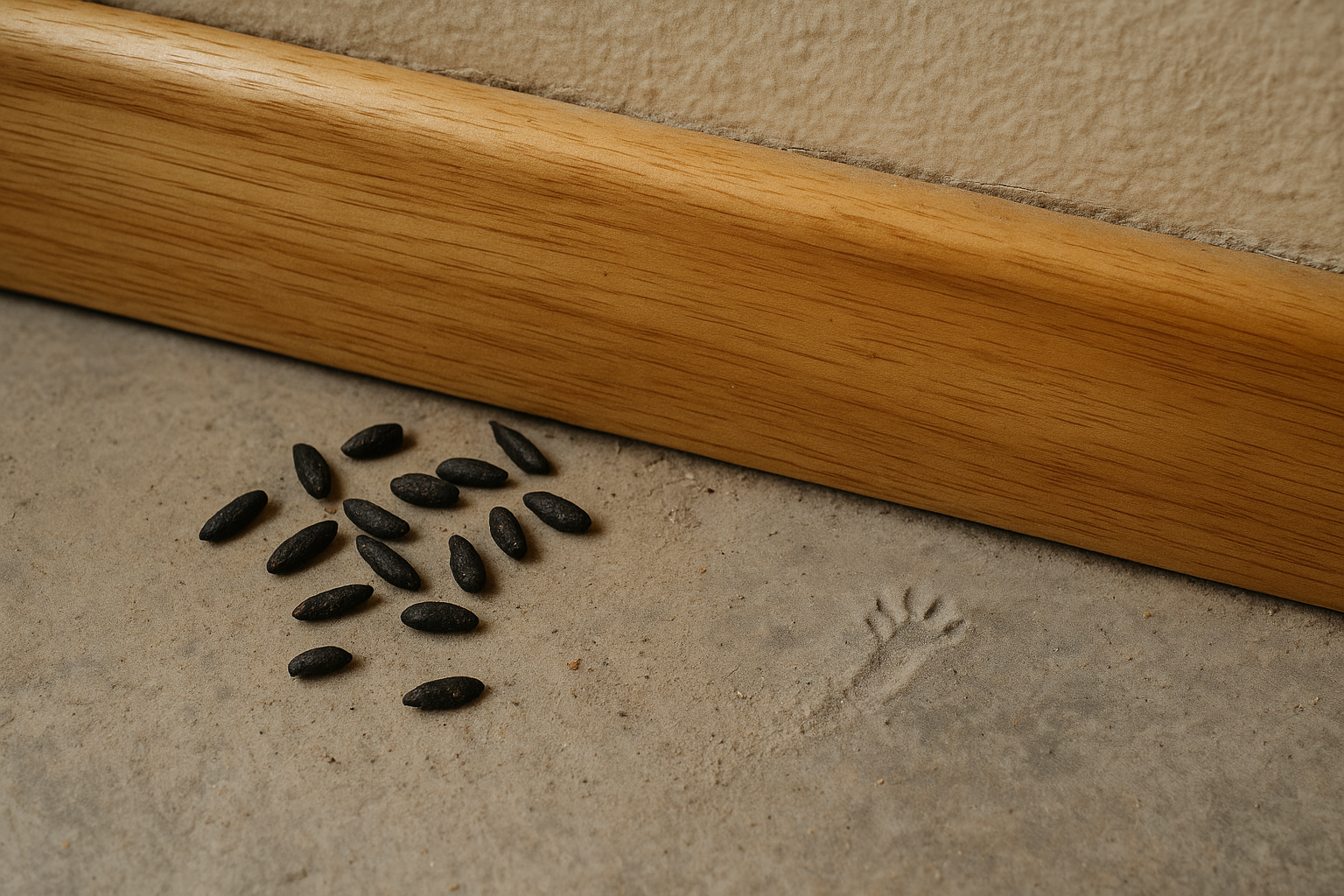
- Droppings – Tiny, dark pellets about 1–2 mm long, shaped like miniature rice grains. The EPA’s rodent fact sheet confirms this size range; anything larger is likely from a rat.
- Gnaw marks – Fresh, clean cuts on wood, insulation, or electrical wiring. Mice prefer a sharp bite that leaves smooth edges, unlike the ragged chews of squirrels.
- Rub marks and smudge tracks – Dark streaks along baseboards, walls, or behind appliances where a mouse’s oily fur leaves a trail.
- Nesting material – Bundles of shredded paper, fabric scraps, or torn insulation tucked into hidden corners, closets, or under appliances.
- Audible clues – Light scurrying, scratching, or squeaking sounds after dark, especially in walls, attics, or crawl spaces.
Real‑World Example
Jane, a homeowner in Peachtree Corners, noticed a faint, musty odor in her pantry after a week of heavy rain. When she opened a box of cereal, she found a cluster of dark, rice‑sized droppings lining the bottom. The next day, she discovered tiny gnaw marks on the cardboard box and a shredded nest made from shredded paper and dryer lint tucked behind the pantry door. By acting quickly and contacting Anthem Pest Control, Jane avoided potential wiring damage and a full‑scale infestation.
How to Tell Mouse Droppings Apart from Other Pests
Mouse droppings are uniformly small (1–2 mm) and have a smooth, pointed tip. In contrast, rat droppings are larger (up to 2 cm) and more cylindrical, while insect frass often appears irregular, crumbly, or mixed with plant material. If you find droppings near food sources, check their shape and size against the EPA guidelines. A quick visual comparison can save you time and prevent unnecessary panic.
Spotting these early signs empowers you to intervene before mice damage insulation, chew through wiring, or contaminate food. When any of these indicators appear, schedule an inspection with Anthem Pest Control—our local experts know exactly how to confirm the problem and implement a safe, effective solution.
What Mice Can Do to Your Health and Home
When tiny rodents slip into your living space, the danger isn’t just a nuisance—it’s a genuine health threat. The 2023 CDC rodent‑borne disease report shows that more than 15,000 cases of mouse‑related illnesses were reported nationwide, underscoring how quickly an infestation can turn into a medical emergency.
Disease Transmission
Mice are carriers of several serious pathogens:
- Hantavirus – inhaling dust contaminated with mouse droppings can lead to Hantavirus Pulmonary Syndrome, a potentially fatal respiratory disease.
- Salmonella – bacteria found in mouse feces can contaminate kitchen surfaces and food, causing severe gastrointestinal distress.
- Leptospirosis – a bacterial infection spread through urine that may result in kidney damage, fever, and muscle pain.
These illnesses are not theoretical; the CDC recorded a 12% rise in hantavirus cases from 2022 to 2023, highlighting the importance of prompt eradication.
Allergens and Asthma Triggers
Even if your family never contracts a disease, mouse urine and dander are potent allergens. Tiny protein particles become airborne when mice move through insulation or crawl across furniture. For sensitive individuals, especially children and the elderly, exposure can trigger sneezing, itchy eyes, and asthma attacks. Studies from the American Lung Association link rodent allergens to a 30% increase in asthma exacerbations during peak summer months.
Structural Damage Overview
Mice chew instinctively, and the damage they cause can be both costly and hazardous:
- Electrical wiring – gnawing on copper strands creates exposed wires that can spark, dramatically raising the risk of a house fire.
- Insulation – shredded fibers lose their thermal efficiency, forcing your HVAC system to work harder and raising energy bills.
- Drywall and wood – holes left by gnawing weaken walls, and nesting material can attract mold, compounding indoor‑air‑quality problems.
- Stored food – mice contaminate pantry items with urine and feces, leading to waste and potential food‑borne illness.
Financial Impact of Wiring Repairs
One of the most alarming hidden costs is electrical repair. According to HomeAdvisor’s 2024 cost guide, the average price to fix mouse‑damaged wiring ranges from $300 to $1,200, depending on the extent of the damage and the need for professional inspection. That figure does not include additional expenses such as fire‑damage restoration or increased insurance premiums.
Why Early Intervention Matters
Every day a mouse remains unchecked, the likelihood of disease spread, allergen buildup, and structural compromise grows. By addressing an infestation promptly—through sealing entry points, setting traps, and employing professional rodent‑control methods—you protect both your family’s health and your home’s value.
At Anthem Pest Control, we combine safe, EPA‑approved treatments with a thorough inspection to locate hidden activity. Our transparent pricing ensures you know exactly what you’re paying for, whether it’s a one‑time extermination or a long‑term prevention plan.
Key Criteria for Selecting a Trusted Local Exterminator

A trusted mouse exterminator Dunwoody is not just about getting a quick fix for a mouse problem. It is about protecting your home, your family, and your peace of mind for the long haul. Below is a practical checklist you can use while you’re researching exterminators in Dunwoody, GA.
1. Verify State Licensing and Insurance
Every pest control business operating in Georgia must hold a valid license issued by the Georgia Department of Agriculture (GDA). A licensed firm has met state‑mandated training standards and is subject to regular audits. Before you sign any agreement, ask for the company’s license number and double‑check it on the Georgia Department of Agriculture licensing lookup. Also confirm that the company carries general liability insurance; this protects you if a technician accidentally damages property or causes an injury while on the job.
2. Check BBB Rating and Local Customer Reviews
The Better Business Bureau (BBB) provides an unbiased rating based on complaint history, transparency, and business practices. Aim for a BBB rating of A‑ or higher. Complement that score by scanning recent reviews on Google and Yelp. Look for patterns: consistent praise for punctuality, thoroughness, and follow‑up visits is a good sign, while recurring complaints about hidden fees or incomplete work should raise red flags.
3. Prioritize Integrated Pest Management (IPM) and Eco‑Friendly Practices
Modern exterminators should rely on Integrated Pest Management—a science‑backed strategy that combines inspection, prevention, and the least hazardous treatment options. Ask whether the company uses low‑toxicity products, bait stations, or exclusion techniques before resorting to broad‑spectrum sprays. An IPM‑focused approach not only safeguards pets and children but also reduces the chance of pests developing resistance.
4. Value Local Knowledge
Every neighborhood has its own quirks. In Dunwoody, for example, older homes often feature crawl‑space vents that become hidden entry points for rodents, while newer condos may have shared utility corridors that attract mice. A truly local exterminator knows the Dunwoody building codes, common structural vulnerabilities, and seasonal pest trends. This insight translates into faster diagnosis and more targeted, cost‑effective solutions.
5. Validate Anthem Pest’s Licensing Status
Anthem Pest Control, a national brand with a strong local presence, proudly displays its Georgia license on the GDA lookup site. When you contact them, request the license number and verify it yourself. Their active insurance coverage and adherence to IPM principles make them a reliable option for homeowners seeking both expertise and accountability.
Quick Checklist for Homeowners
- Confirm a valid Georgia pest control license via the GDA lookup.
- Ensure the company carries general liability insurance.
- Review the BBB rating (A‑ or higher preferred) and scan recent Google/Yelp reviews.
- Ask about Integrated Pest Management and eco‑friendly treatment options.
- Check that the technician understands Dunwoody‑specific building codes and common entry points.
- For Anthem Pest, verify the license status yourself for added peace of mind.
Anthem Pest’s Local Advantage in Dunwoody
When a mouse scurries across the kitchen floor, the first thing a Dunwoody homeowner wants is a fast, reliable fix. Anthem Pest Control delivers exactly that, thanks to a service suite that’s built around the unique layout and seasonal challenges of our city.
Comprehensive service suite
- Thorough inspection – A certified technician walks every room, attic, and crawl space, using flashlights and moisture meters to locate entry points, nests, and signs of activity.
- Customized treatment plans – No two homes are alike. Based on square footage, construction type, and the severity of the infestation, Anthem designs a targeted approach that may combine bait stations, dust applications, and strategic trapping.
- Exclusion work – The real victory comes from sealing the doors mice use to enter. Anthem technicians caulk gaps, install door sweeps, and reinforce vulnerable vents, turning your home into a fortress.
- Follow‑up monitoring – After the initial treatment, a technician returns within 7‑10 days to verify results, replace any depleted baits, and make final adjustments.
30‑day re‑treatment guarantee
Confidence in a job well done is the cornerstone of Anthem’s promise. If any mouse activity reappears within 30 days of the first service, the company will return at no extra charge to re‑treat the affected area. This guarantee removes the guesswork for homeowners and underscores Anthem’s commitment to lasting results.
Transparent pricing you can budget for
Understanding the cost before the work begins helps homeowners plan their finances without surprise fees. In 2024, Anthem’s pricing in Dunwoody follows a clear structure:
- Initial inspection: $79 – $99 (depending on home size and accessibility).
- Full mouse treatment: $199 – $349, with the exact figure tied to square footage and the complexity of exclusion work.
All quotes are provided up front, and the invoice reflects exactly what was performed—no hidden labor charges or “service fees” that appear later.
Testimonial from a Dunwoody homeowner
“I called Anthem after spotting droppings in the pantry. They arrived within an hour, explained every step, and set up traps that caught the mice in just a few days. The follow‑up visit confirmed the problem was gone, and the price matched the quote I received. I feel safe again in my home.”
Safe, EPA‑registered products and ethical billing
Anthem only uses pest control agents that are EPA‑registered and approved for residential use. Technicians wear protective gear, follow strict application guidelines, and keep children and pets out of treated zones until the product is fully cleared. This focus on safety aligns with the expectations of families who value a healthy environment as much as a mouse‑free home.
Transparent billing means the homeowner sees a line‑item breakdown: inspection fee, treatment materials, labor, and any optional exclusion upgrades. If a homeowner opts out of a recommended service, the invoice simply reflects the chosen scope.
With a local team that knows Dunwoody’s housing stock, a guarantee that backs every treatment, and pricing that respects a homeowner’s budget, Anthem Pest Control stands out as the logical, trustworthy choice for mouse control in our community.
Effective Methods to Eliminate Mice
DIY Options: What You Can Do Yourself
Snap traps, glue boards, and ultrasonic devices are the most common do‑it‑yourself tools homeowners reach for when a mouse sighting turns into a small infestation. Snap traps are inexpensive, reusable, and give an instant kill, but they require careful placement and can be unsettling for children or pets. Glue boards are cheap and silent, yet they often leave a mouse trapped alive, raising humane concerns and the need for safe disposal. Ultrasonic devices promise a “no‑touch” solution by emitting high‑frequency sound that supposedly repels rodents; however, studies show mixed results, and the devices lose effectiveness as mice become accustomed to the noise.
Typical success rates for DIY methods hover between 45 % and 60 % when traps are set correctly and monitored regularly. The lower end reflects situations where traps are placed haphazardly or where mice find alternate routes around the devices. Because DIY approaches focus on killing individual rodents rather than addressing entry points, the population can rebound quickly once the traps are removed.
Professional Solutions: Why Experts Often Win
A professional mouse exterminator Dunwoody brings three powerful tools to the table: EPA-registered bait stations, approved rodenticides, and comprehensive structural exclusion. Bait stations house tamper-proof poison that is attractive to mice but safe for children and pets when placed according to label directions. Rodenticides are formulated for rapid, systemic action, reducing the chance of bait shyness that plagues many DIY attempts.
The most critical element, however, is exclusion. Professionals conduct a thorough inspection, seal cracks, install door sweeps, and repair utility openings—essentially cutting off every possible entry point. This “prevent‑first” mindset transforms a reactive kill‑only strategy into a long‑term solution.
Efficacy Data: Numbers Speak
| Control Method | Average Reduction % | Typical Timeframe |
|---|---|---|
| Professional bait stations & exclusion | 85‑90 % | 2‑4 weeks |
| DIY snap/glue traps | 45‑60 % | 3‑6 weeks |
The National Pest Management Association’s 2023 rodent control report confirms that professionally installed bait stations combined with exclusion achieve up to a 90 % drop in activity, while DIY traps rarely exceed the 60 % mark. The difference isn’t just numbers—it’s the peace of mind that comes with a proven, monitored plan.
Safety Considerations
- Child‑proof placement: Bait stations must be mounted out of reach of children and pets, often on walls or under cabinets.
- Rodenticide handling: Technicians wear gloves, respirators, and eye protection, following EPA label instructions to avoid contamination.
- PPE for homeowners: When setting DIY traps, wear disposable gloves and wash hands afterward to prevent disease transmission.
Exclusion in Action
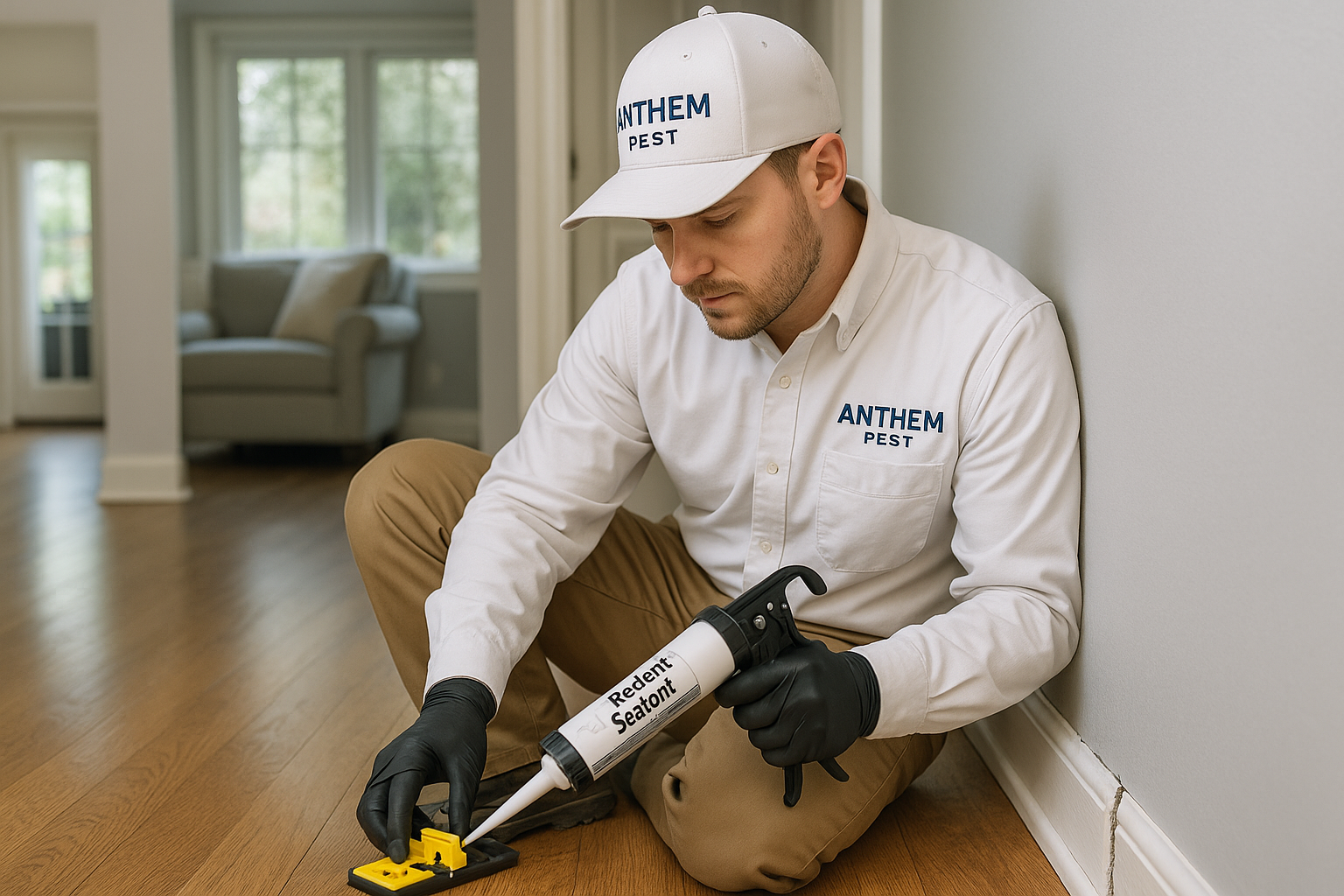
Notice the technician applying a polyurethane sealant to a foundation crack and installing a metal door sweep. These steps eliminate the most common pathways mice use to slip into a home. Once the entry points are closed, even the most aggressive bait program loses its urgency because the mice simply can’t get in.
In short, DIY tools can offer a quick, low‑cost fix for a minor sighting, but they rarely address the root cause. Professional services combine high‑efficacy bait, regulated chemicals, and meticulous exclusion to deliver an 85‑90 % reduction in mouse activity, all while keeping your family safe. For homeowners in Dunwoody, GA, partnering with a trusted provider like Anthem Pest Control ensures the problem is solved today and stays solved tomorrow.
Long‑Term Mouse Proofing for Dunwoody Homes
Mouse invasions don’t disappear after a single spray; they return when entry points remain open or food sources are left unchecked. The most reliable way to keep your Dunwoody home mouse‑free is to combine professional treatment with a solid, homeowner‑driven prevention plan. Below is a practical, step‑by‑step checklist you can start today, followed by a real‑world success story from a neighbor who turned a mouse problem into a 70 % reduction in sightings.
Step‑by‑Step Prevention Checklist
- Seal cracks larger than ¼ inch. Inspect the foundation, walls, and around utility penetrations. Fill gaps with a two‑part approach: pack steel wool into the opening, then apply a high‑quality silicone or acrylic caulk to lock it in place. The steel wool deters chewing, while the caulk provides a weather‑tight seal.
- Install door sweeps on all exterior doors. A simple rubber or brush‑type sweep eliminates the gap beneath the door that mice love to slip through. Check the sweep annually for wear and replace it before it becomes a liability.
- Store food in airtight containers. Transfer grains, cereals, pet food, and snacks into containers with a tight‑locking lid. Even a small amount of spilled crumbs can attract a foraging mouse, so keep pantry shelves wiped clean after each use.
- Landscape maintenance. Trim tree branches at least 6 feet away from the roof to prevent mice from using them as bridges. Keep mulch, leaf litter, and other organic debris at least 12 inches from the foundation; these materials create a cool, hidden pathway that mice love.
- Manage compost and garbage bins. Use bins with tight‑fitting lids and store them away from the house when possible. For outdoor compost, choose a metal container with a secure lid and turn it regularly to discourage nesting.
Local Success Story
When the owners of a Dunwoody Village home began noticing mouse droppings in their kitchen, they called Anthem Pest Control for an initial inspection. The technician identified several unsealed utility openings—one for the gas line, another for a cable conduit. Following the checklist above, the homeowners first installed steel mesh (½ inch hardware cloth) around each opening, then sealed the surrounding gaps with caulk.
“After we added the steel mesh and tightened up our pantry, mouse sightings dropped from daily to almost none. In the three months since, our logs show a 70 % reduction, and we haven’t needed another treatment.” – Emily R., Dunwoody Village
Emily’s experience underscores a key lesson: even small, inexpensive upgrades—like steel mesh and proper sealing—can dramatically cut mouse activity. Pair those upgrades with the checklist items, and you’ll create a hostile environment that forces mice to look elsewhere.
By committing to these routine actions, you protect not only your home’s structure but also your family’s health. A mouse‑proof house is the best long‑term investment you can make, and with Anthem Pest Control’s expertise just a phone call away (877‑371‑8196), you’ll have a partner ready to step in if the unexpected ever returns.
When Mice Are Most Active in Georgia
In the Peach State, house mice don’t follow a single‑year‑round calendar – they surge when the weather pushes them to seek shelter inside our homes. The most reliable indicator of a mouse‑heavy season is the transition from late summer into early fall. As daytime temperatures dip and nights grow cooler, mice scramble to find warm, dry places, which often means slipping through the tiniest cracks in foundations, crawl spaces, and attics.
Peak activity periods
- Late summer to early fall (August – October): University of Georgia Extension’s 2024 Rodent Management Guide shows a 45 % jump in mouse trap counts during August and September compared with the spring average.
- Post‑storm spikes: Heavy rainfalls in June and July can flood burrows and force mice onto the surface, leading to a short‑term surge that lasts 1‑2 weeks.
- Early spring (March – April): After a mild winter, surviving mice emerge to breed, creating a secondary, though smaller, activity bump.
Optimal inspection windows
To stay ahead of these cycles, schedule professional inspections during the two natural “check‑points” identified by pest‑management researchers:
- Early September: A pre‑winter walkthrough catches any late‑summer invaders before they settle for the cold months.
- Late March: A spring assessment identifies early‑season activity and allows you to seal entry points before the breeding season peaks.
Both windows give you enough time to implement preventive measures—such as sealing gaps, trimming vegetation away from the house, and setting up bait stations—before the mice’s population explodes.
Quick monitoring tip
After any significant rain event, walk your property and look for a sudden increase in droppings, gnaw marks, or shredded insulation. If you notice a
Understanding the Cost Structure for Mouse Control
Typical fee components
When you call Anthem Pest for a mouse problem, the invoice is broken down into clear, understandable parts. The first charge is the initial inspection, where a certified technician surveys your 1,500‑sq‑ft home, identifies entry points, and maps activity hotspots. Next comes the treatment application, which covers the labor and materials needed to eliminate the current infestation. After the initial work, follow‑up visits ensure the rodents stay gone, and optional monitoring devices provide ongoing detection without extra hassle.
Sample quote for a typical Dunwoody home
| Service | Price (USD) |
|---|---|
| Initial Inspection | $89 |
| Treatment Application | $229 |
| Follow‑up Visit (1 month later) | $79 |
| Total | $397 |
Additional charges you might encounter
While the core services cover most scenarios, certain situations require extra work. If the inspection uncovers large gaps, broken screens, or unsound structural elements, Anthem may recommend sealing and repair to block future entry. Those repairs are billed separately, typically ranging from $50 to $150 per hour, depending on the complexity. The technician will always provide a written estimate before any additional work begins, so you never face surprise fees.
Financing and service plans
Anthem understands that a one‑time payment isn’t always convenient, especially for larger homes or comprehensive protection packages. Homeowners can spread the cost across monthly payment plans with zero‑interest options for qualified customers. For those who want peace of mind year‑round, the company offers service contracts that include quarterly inspections, seasonal treatments, and discounted rates on any extra sealing or monitoring devices.
Transparent pricing—no hidden fees
From the moment you request a quote, Anthem Pest is committed to honesty. Every line item appears on the estimate, and the technician walks you through it before any work starts. There are no surprise surcharges, no “service call” fees hidden in the fine print, and no mandatory upsells. This transparent approach lets you budget confidently and focus on what matters most—keeping your Dunwoody home mouse‑free.
Quick Answers for Busy Homeowners
How long does a mouse treatment take?
A full‑home mouse treatment typically requires 2–4 hours from start to finish. During this window our technicians inspect every entry point, set up traps or bait stations, and apply any necessary perimeter treatments. The exact duration can vary based on the size of your home and the severity of the infestation, but most Dunwoody residents see the job wrapped up within a single afternoon.
Are the chemicals safe for pets?
We use only EPA‑registered rodenticides that are formulated for low toxicity when applied exactly as directed. These products are designed to stay inert until a mouse ingests the bait, and they pose minimal risk to dogs, cats, or other household pets once the bait is dry and placed in secured stations. As a precaution, keep pets away from treatment zones until the bait has fully hardened—usually about 30 minutes. For detailed safety information, see the EPA safety guidelines [1].
What’s the difference between a snap trap and a bait station?
A snap trap delivers an instant kill, making it a quick‑action solution for homeowners who prefer a non‑chemical approach. It’s ideal for spot‑treating high‑traffic areas and provides visual confirmation that a mouse has been captured.
A bait station, on the other hand, houses a measured dose of rodenticide that rodents consume over several days. This gradual exposure can eliminate hidden populations and reduces the need for repeated visits, because each mouse that feeds on the bait eventually dies and removes itself from the environment. Bait stations are especially effective for larger infestations where mice travel throughout walls and crawl spaces. For a comprehensive overview of rodent control methods, refer to the EPA rodent fact sheet [2].
Take Action Today – Protect Your Dunwoody Home
When it comes to mice, early detection is your strongest defense. The sooner you spot the tell‑tale signs—scratched insulation, droppings in cabinets, or a faint gnawing odor—the less damage you’ll face and the easier it is to eradicate the infestation.
Quick recap of what to do
- Identify the signs early. Look for droppings, gnaw marks, and noisy activity at night.
- Act fast. Mice reproduce quickly; a small problem can become a full‑blown invasion in weeks.
- Choose a licensed local exterminator. A professional with Dunwoody knowledge knows the best treatment options and complies with Georgia’s pest control regulations.
- Implement preventive measures. Seal entry points, store food in airtight containers, and keep clutter to a minimum.
Putting these steps together creates a solid barrier that keeps rodents out and protects your family’s health and property.
By acting today you protect both your property value and the health of your family.
Why a free inspection matters
Anthem Pest Control offers a complimentary inspection that goes beyond a quick visual check. Our technicians use specialized tools to locate hidden activity, assess structural vulnerabilities, and recommend a customized plan that fits your budget.
If you suspect a mouse problem or simply want peace of mind, call Anthem Pest at 877‑371‑8196 for a complimentary inspection and personalized plan. Our Dunwoody experts are ready to safeguard your home.
Sharing knowledge is just as important as taking action. If you found this guide useful, pass it along to neighbors and friends in the area—together we can keep Dunwoody’s homes mouse‑free.
Ready to start? Schedule your free inspection with a trusted mouse exterminator Dunwoody at Anthem Pest Control today.