Introduction – Why Early Pest Detection Matters
Imagine coming home after a long day, setting down your keys, and noticing a trail of tiny footprints leading from the pantry to the living room. A quick glance reveals a few cockroaches scurrying behind the baseboard, and the realization hits: the problem has been lurking unnoticed for weeks. That unsettling moment is all too familiar for many U.S. homeowners, and it’s often the first sign that a small infestation is about to become a costly nightmare.
According to the EPA’s pest‑control statistics, untreated pest problems siphon between $5 billion and $10 billion from American households each year. Those figures don’t just represent money spent on extermination; they also encompass property damage, lost productivity, and the emotional toll of living with unwanted critters.
This guide breaks the battle down into a clear, four‑part roadmap designed for busy homeowners who want results without guesswork. First, we’ll help you identify the most common household pests by their signs and behaviors. Next, we’ll map out the seasonal timing of each threat, so you know when to stay vigilant. The third section delivers preventive tactics you can implement today—no expensive equipment required. Finally, we’ll walk through treatment options, complete with transparent pricing ranges so you can budget confidently.
At the heart of this roadmap is Anthem Pest Control, a nationwide provider trusted by thousands of homeowners for its safe, effective, and affordable solutions. Anthem offers free, no‑obligation inspections and prides itself on clear, upfront pricing—no hidden fees, no surprise charges. Whether you’re dealing with termites chewing through your foundation or a sudden surge of mosquitoes in your backyard, Anthem’s local experts are ready to diagnose, prevent, and eradicate the problem, giving you peace of mind year after year.
Common Household Pests & How to Identify Them
Knowing the tell‑tale signs of indoor pests saves you time, money, and peace of mind. Below are the most common invaders, what they look like, the damage they cause, and a real‑world snapshot of how an ant problem was uncovered in a Denver kitchen.
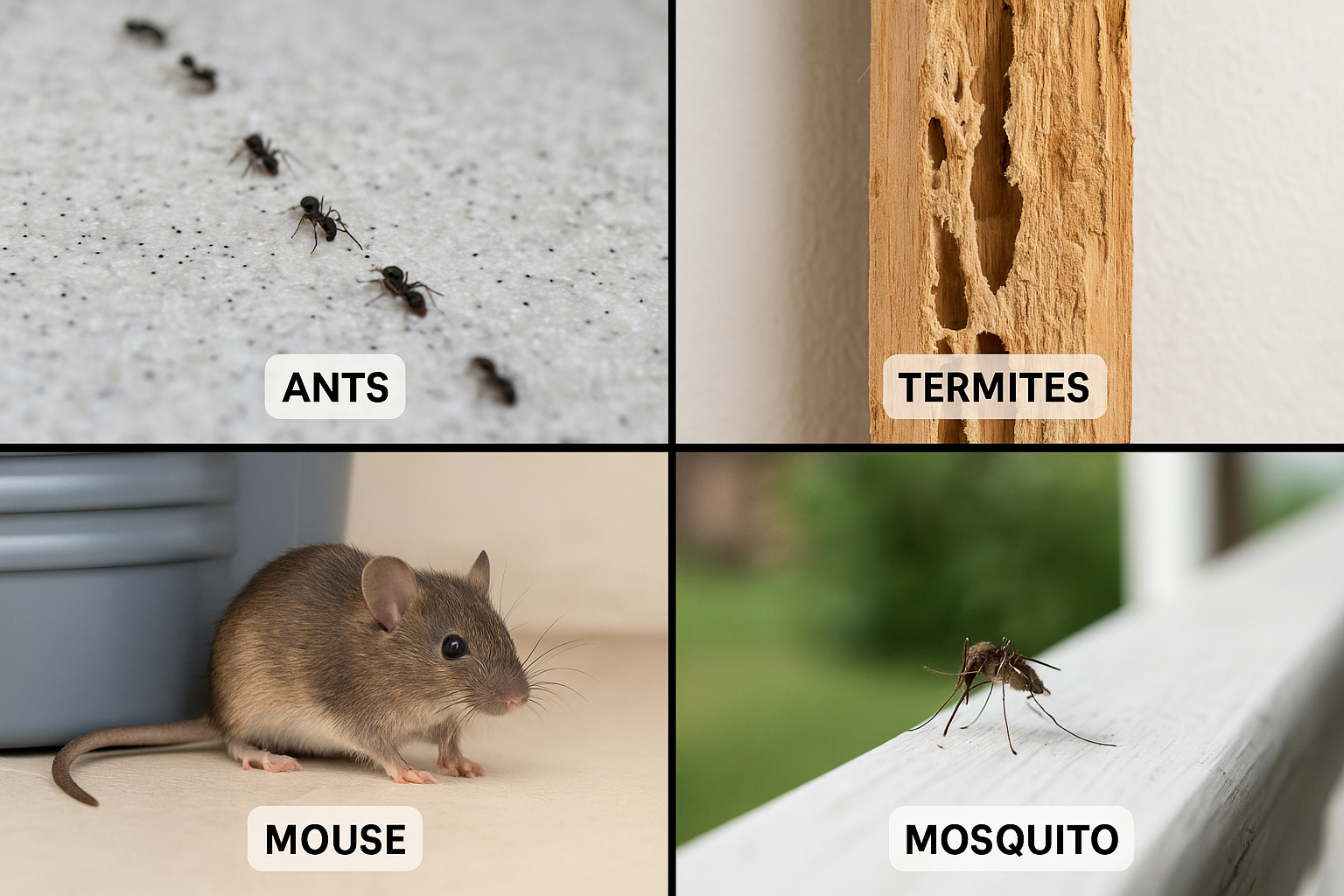
Ants
Worker ants are typically 2–12 mm long, with a narrow waist and elbowed antennae. In the kitchen you’ll spot thin, dark trails that follow the path of food crumbs or moisture. These pheromone‑marked lines can appear on countertops, behind appliances, or along baseboards.
Beyond the nuisance, ants contaminate food and can attract other pests. Ant infestations affect 1 in 4 U.S. homes, according to industry surveys. Look for tiny pinprick droppings near pantry shelves and for hollowed-out wooden frames where colonies nest.
Termites
Subterranean termites build mud tubes—silky, pencil‑thin tunnels—along foundations, walls, and crawl spaces. Inside wood they create smooth, honey‑comb galleries that leave a hollow sound when tapped.
The damage is costly: U.S. homeowners lose roughly $5 billion annually to termite activity (EPA pest‑control statistics). Early signs include discarded wings near windows and a faint, musty odor near infested wood.
Rodents
Rats and mice leave droppings about the size of rice grains, often found in pantry corners, under sinks, or in attic insulation. Gnaw marks appear on wiring, wood, and even plastic—look for teeth‑shaped chew holes.
Rodents pile shredded paper, fabric, or insulation to build nests. Their urine and feces carry pathogens that can trigger allergies, asthma, and diseases such as Hantavirus. A sudden, musky scent may indicate a hidden nest.
Mosquitoes
Indoor mosquitoes thrive near standing water—plant saucers, clogged drains, or pet water bowls. Female mosquitoes lay eggs in these moist habitats, leading to clusters of tiny larvae that can turn into buzzing adults within days.
Beyond itchy bites, mosquitoes are vectors for West Nile virus, Zika, and other illnesses. Homeowners often notice increased bite reports during summer evenings, especially near open windows or screened doors.
Cockroaches
German and American cockroaches are the most common indoor species. They are nocturnal, so you’ll usually see them scurrying across countertops, behind appliances, or in dark cabinets after lights go out.
These insects emit a distinct, oily odor and leave droppings that look like pepper flakes. Their shed skins and feces can trigger asthma and allergy attacks, especially in children.
Real‑World Example: Denver Ant Trail
When a Denver homeowner reported a steady line of ants marching across the kitchen floor, our technician followed the trail backward. The ants originated from a narrow crack in a second‑story window frame, where moisture from a leaking seal created a perfect entry point.
After sealing the crack and applying a targeted bait station, the colony’s activity dropped by 90 % within two weeks. The homeowner now monitors pantry edges and keeps windows tightly sealed to prevent a recurrence.
Seasonal Pest Threats & Timing
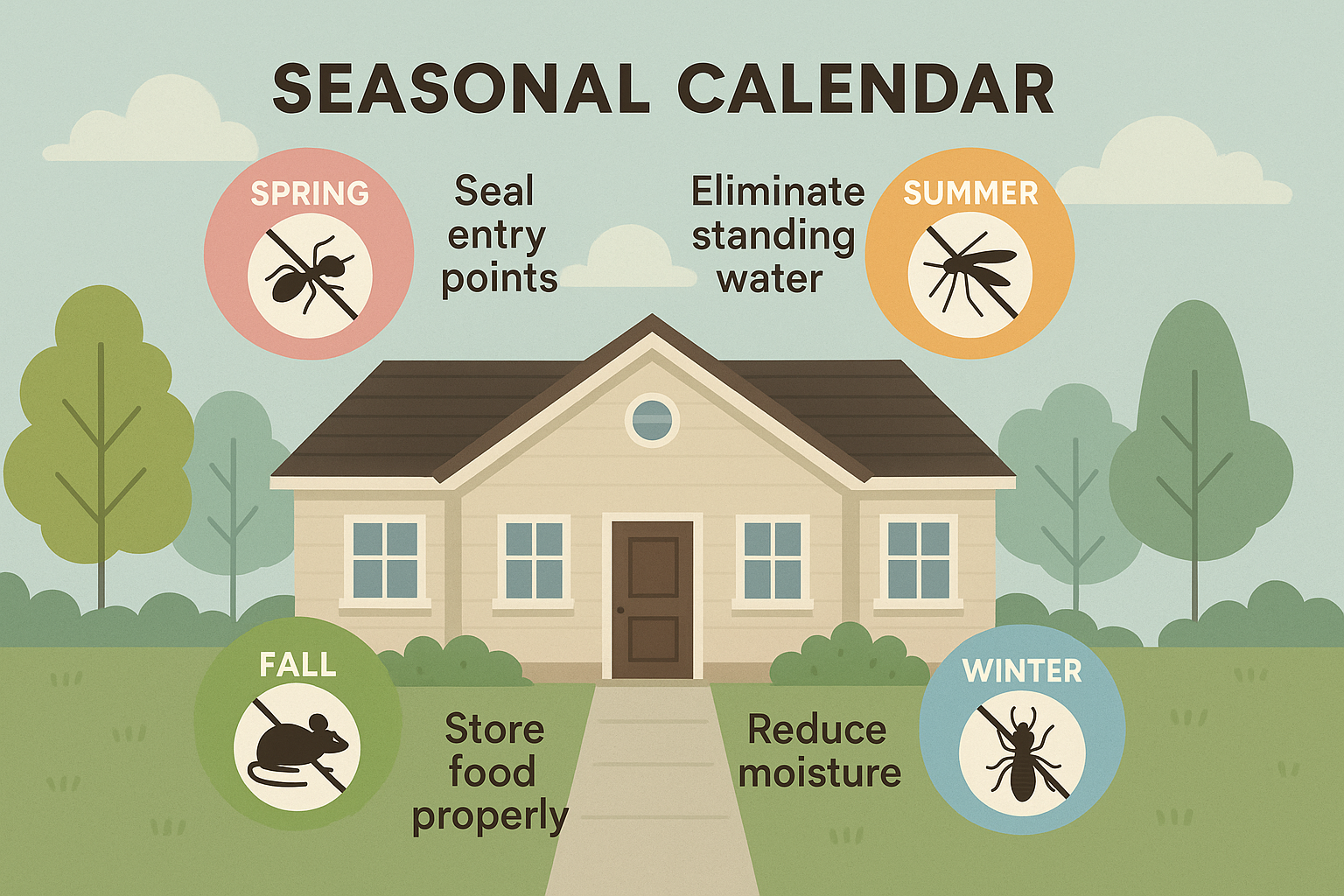
Spring – Ant Swarms
When the first rains arrive, ant colonies awaken and send out swarms to establish new nests. Homeowners often notice trails along foundations and inside kitchens within weeks of a spring downpour.
Actionable tip: Seal cracks around windows, doors, and utility entries before the rains begin. Schedule a perimeter inspection with Anthem Pest in early March so technicians can apply a pre‑emptive barrier and identify hidden entry points before the ants gain a foothold.
Summer – Mosquito Peaks
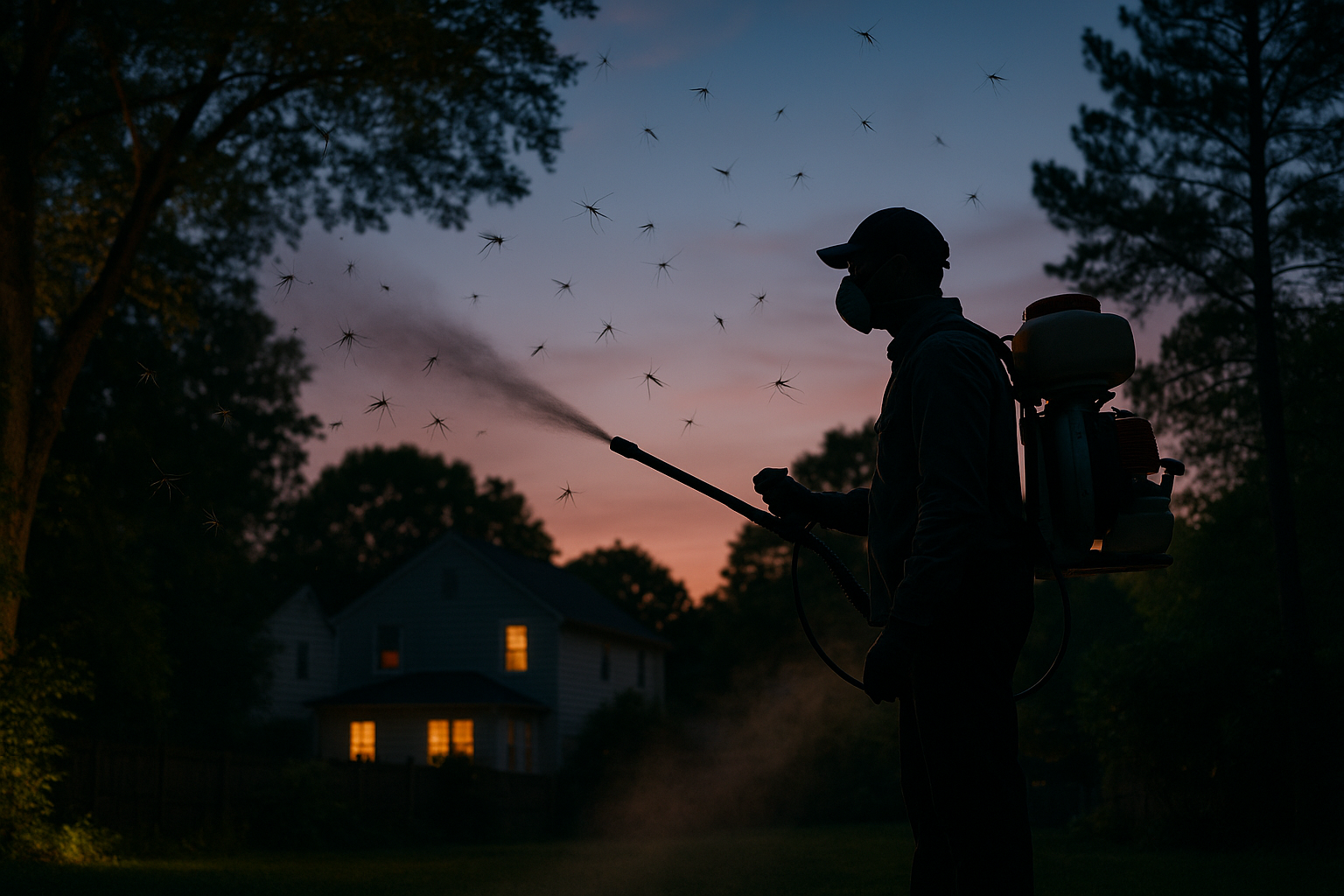
Heat and standing water create the perfect breeding grounds for mosquitoes. According to the CDC’s 2023 report, mosquito‑borne disease cases spiked in the Southeast and Midwest during the summer months, highlighting the urgency of control measures.
Actionable tip: Treat your yard with an EPA‑registered larvicide and eliminate any stagnant water sources—bird baths, clogged gutters, and pet dishes. Installing tight‑fitting window and door screens adds a physical barrier that keeps adult mosquitoes out of your home.
Fall – Rodent Shelter Seeking
As temperatures drop, rodents such as mice and rats start looking for warm places to nest. They often target attics, basements, and cluttered yards, where food and shelter are plentiful.
Actionable tip: Clear leaf piles, firewood stacks, and other debris that could conceal entry points. Inspect attic insulation for gnaw marks and seal any gaps larger than ¼ inch with steel wool or caulk. A fall inspection by Anthem Pest can identify hidden pathways before rodents move in.
Winter – Termite Activity Inside Heated Homes
While many insects slow down in cold weather, termites remain active inside heated structures, feeding on wood that retains moisture. Winter can actually mask early damage, making it harder to detect without a professional eye.
Actionable tip: Keep indoor humidity below 60 % and fix any leaks promptly to deny termites the moisture they need. Schedule a winter inspection so technicians can perform moisture mapping and apply a targeted termiticide before colonies expand.
Timing Summary
- March: Seal entry points and conduct a perimeter inspection for ants.
- June‑July: Treat standing water, apply larvicides, and install screens for mosquitoes.
- September‑October: Remove debris, check attic insulation, and seal rodent gaps.
- December‑February: Monitor indoor moisture, repair leaks, and arrange a winter termite inspection.
By aligning your pest‑management actions with the seasonal calendar above, you stay one step ahead of the insects and rodents that thrive at each stage of the year. Anthem Pest Control’s local expertise ensures that every timing recommendation is backed by real‑world data and proven treatment protocols.
Prevention Strategies for Homeowners
Home Maintenance Checklist
Keeping pests out starts with a solid, routine maintenance plan. By sealing entry points and managing moisture, you remove the conditions that attract insects and rodents before they become a problem.
- Seal cracks and gaps: Use a high‑quality silicone or acrylic caulk around windows, baseboards, and exterior walls.
- Install door sweeps: Attach sweeps to all exterior doors to block the tiny openings that ants, spiders, and mice love.
- Trim vegetation away from the foundation: Keep shrubs, vines, and tree branches at least 18‑24 inches from the house to eliminate bridge routes for pests.
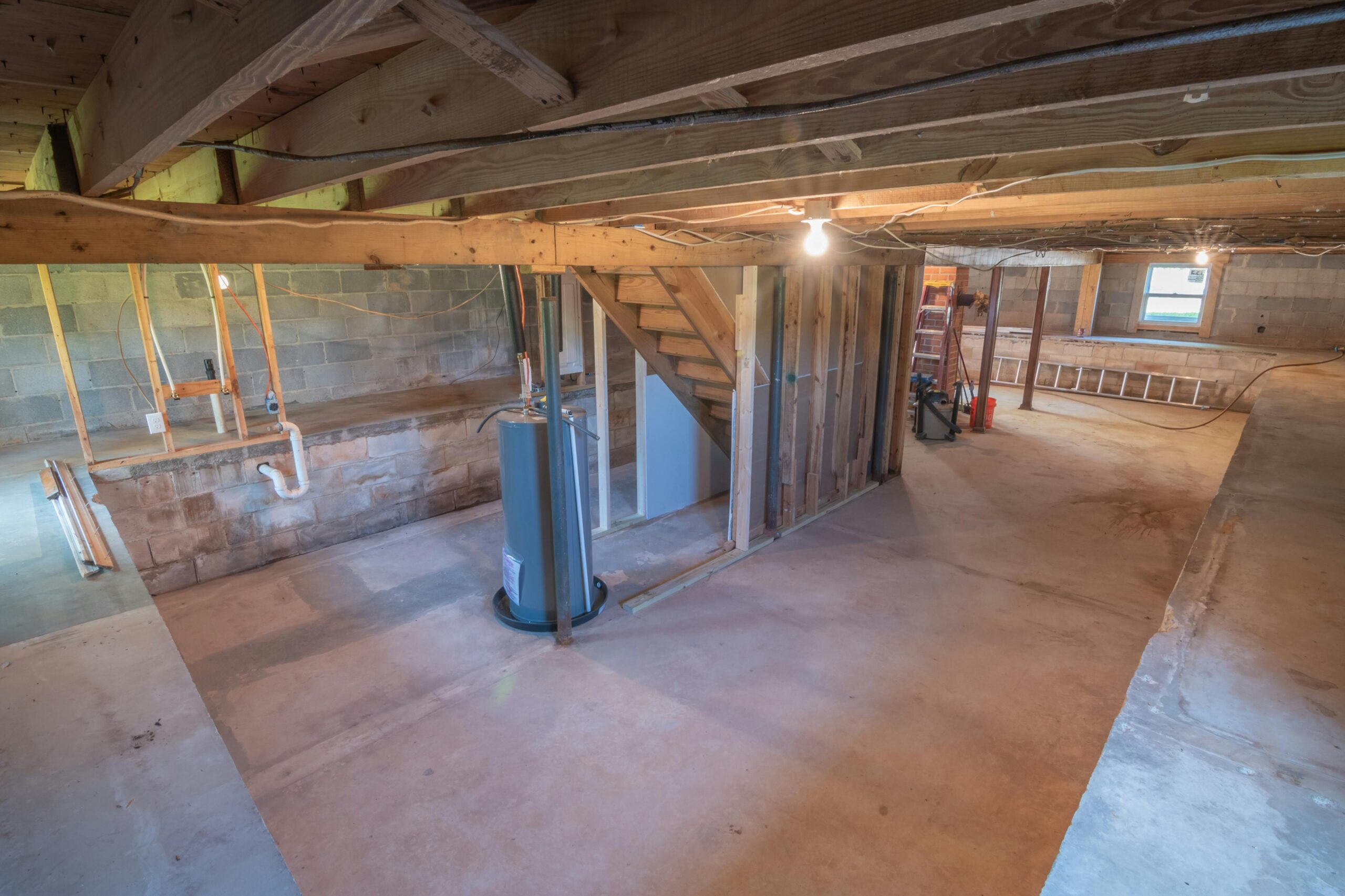
- Control moisture: Fix leaky pipes, roof spots, and foundation cracks; run dehumidifiers in basements and crawl spaces to keep humidity below 60%.
- Store food in airtight containers: Pantries, pet food bowls, and garbage cans should be sealed to deny food sources to roaches, ants, and rodents.
Regional Tips
Pest pressures vary dramatically across the United States. Tailor your checklist to the climate and common invaders in your area.
- Pacific Northwest: Persistent rain creates damp basements—focus on waterproofing foundations, installing sump pump alarms, and using moisture‑absorbing products.
- Southern states: Warm, humid conditions favor cockroaches and flies—prioritize repairing or replacing cracked screen doors, reinforcing door seals, and clearing yard debris that shelters insects.
DIY Prevention Supply Costs
Most homeowners can implement a solid first line of defense for under $200. Below is a quick reference of typical price ranges for essential DIY supplies.
| Item | Typical Cost Range |
|---|---|
| Silicone or acrylic caulk (tube) | $5 – $15 |
| Mesh window screens (per screen) | $10 – $30 |
| Door sweeps (per door) | $7 – $20 |
| Glue traps (pack of 10) | $8 – $20 |
| Natural repellents (spray or granules) | $15 – $40 |
| Moisture‑absorbing packets (box of 20) | $10 – $25 |
When you add a few items from each category, most homeowners stay comfortably within the $50‑$200 budget while covering the most common entry points and attractants.
NPMA Integrated Pest Management Guidelines
Anthem Pest Control aligns its recommendations with the National Pest Management Association’s (NPMA) Integrated Pest Management (IPM) best practices. The 2024 IPM guidelines emphasize inspection, monitoring, and low‑impact controls before resorting to chemical treatments. For a deeper dive into the science‑backed steps you can follow, consult the official NPMA IPM guidelines. Applying these principles at home not only reduces pest pressure but also safeguards family health and the environment.
Treatment Options & Pricing Transparency
When a pest invasion threatens your home, the first step is choosing a treatment that fits both the problem and your peace of mind. In 2024 the industry offers four primary approaches—chemical barrier sprays, baiting stations, structural fumigation, and biological controls such as nematodes. Each method varies in how quickly it works, how safe it is for children and pets, and how much it costs. Understanding these differences lets you match the right solution to the specific pest you’re battling.
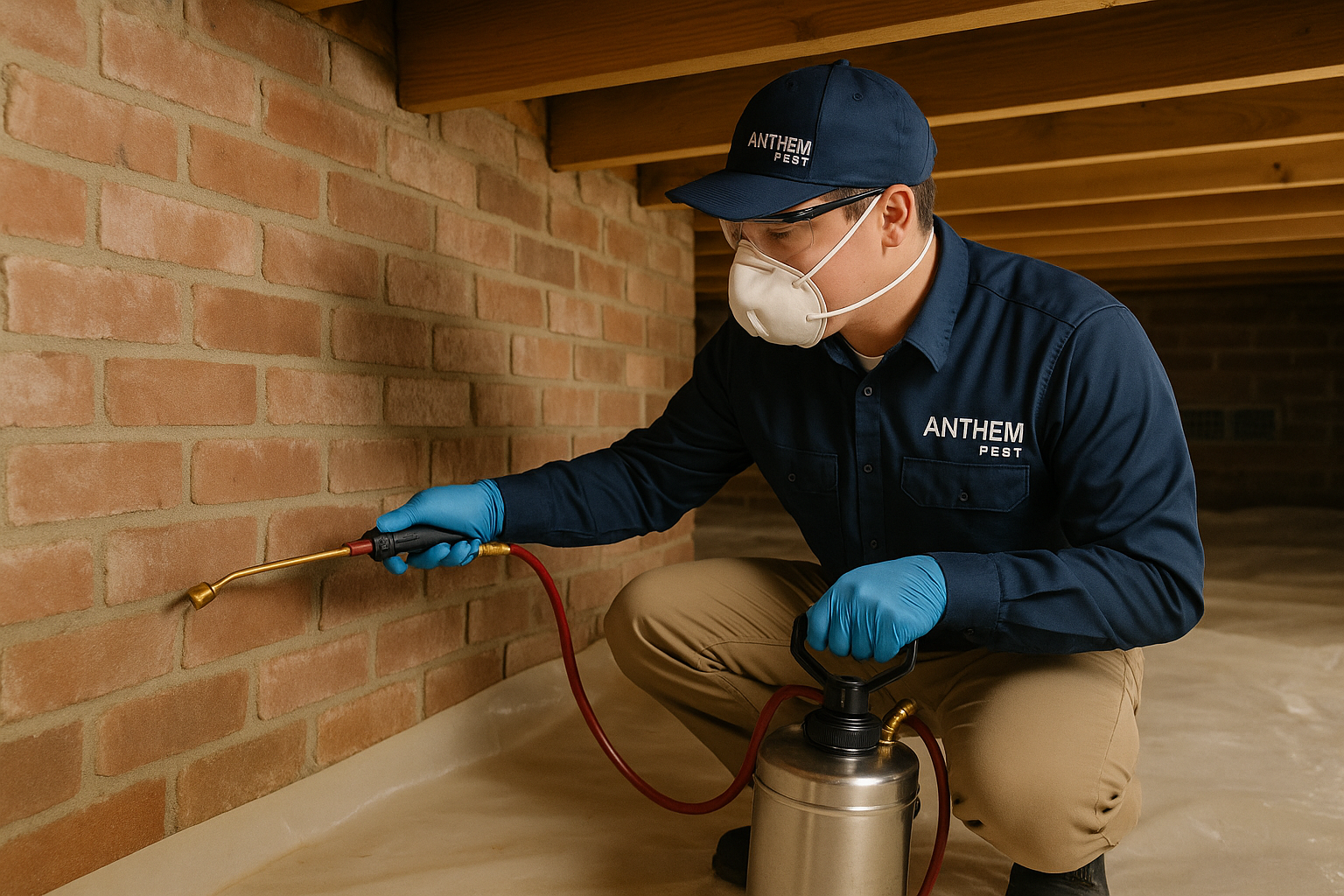
Common Treatment Types
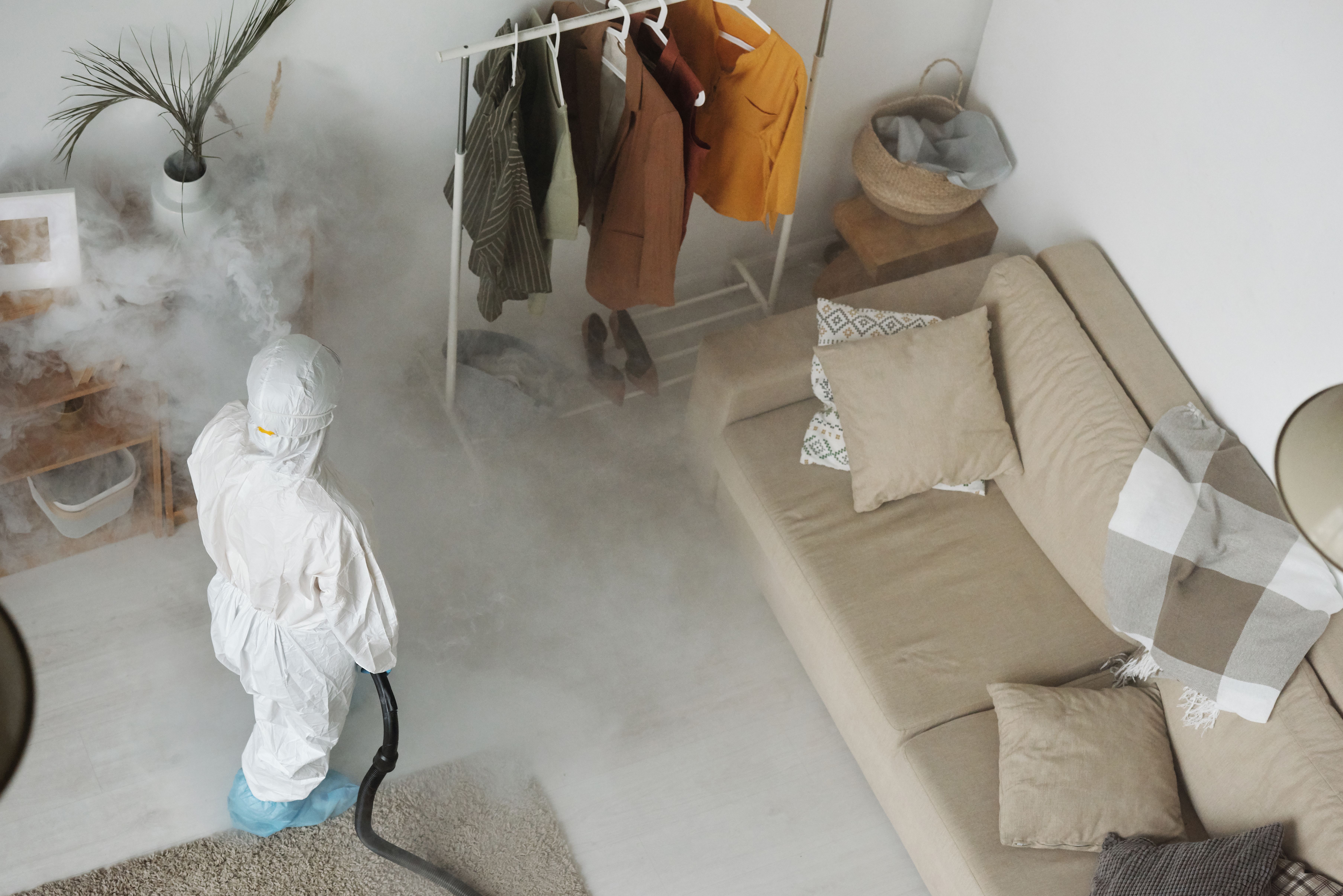
Chemical barrier sprays create a protective coating around a home’s exterior, killing insects on contact and preventing new entrants. Baiting stations use attractants laced with slow‑acting insecticides; pests carry the poison back to their colonies, delivering a hidden, long‑lasting kill. Structural fumigation seals a building and releases a gas that penetrates hidden spaces, ideal for severe infestations like dry‑wood termites. Biological controls, most notably entomopathogenic nematodes, introduce natural predators that seek out and destroy soil‑dwelling pests without chemicals.
Pros and Cons by Method
| Method | Effectiveness | Speed | Safety | Cost |
|---|---|---|---|---|
| Chemical Barrier Sprays | High for ants, roaches, mosquitoes | Immediate to 24 hrs | Moderate – requires PPE, may affect pets | Low‑to‑moderate ($80‑$150 per visit) |
| Baiting Stations | Very high for colonies (ants, rodents) | 3‑7 days for full impact | High – low exposure, placed out of reach | Low ($80‑$150 per visit) |
| Structural Fumigation | Extremely high for hidden infestations | 1‑2 weeks (prep + aeration) | Low – property vacated, gas‑sealed | High ($1,200‑$2,500 whole‑home) |
| Biological Controls (Nematodes) | Moderate‑high for soil pests (grubs, termites) | 7‑14 days to see results | Very high – no chemicals, safe for kids/pets | Low‑moderate ($80‑$150 per visit) |
2024 National Price Ranges
Industry pricing reports from the EPA and the National Pest Management Association (NPMA) show the following typical cost brackets for residential treatments in the United States:
- Ant control: $80‑$150 per visit, depending on size of property and severity.
- Termite management (whole‑home barrier or localized treatment): $1,200‑$2,500, reflecting inspection, installation, and warranty coverage.
- Rodent control (exclusion plus baiting): $100‑$250 per service call, with additional fees for follow‑up visits if needed.
- Mosquito reduction (seasonal barrier spray): $150‑$300 per season, typically covering 2‑3 applications.
These figures represent average national rates; actual costs can vary by region, property size, and the specific method chosen.
Anthem Pest’s Transparent Pricing Model
Anthem Pest removes the guesswork by offering a free, no‑obligation inspection that pinpoints the exact pest and the most effective treatment path. Within 24 hours you receive an upfront quote that breaks down labor, materials, and any optional follow‑up services. The company’s no‑hidden‑fee guarantee means the price you see is the price you pay—no surprise surcharges after the job is done. This clarity lets homeowners budget confidently and choose the solution that best balances effectiveness, speed, safety, and cost.
Choosing a Local Pest Control Provider
Quick Vetting Checklist
- Proper licensing – Verify the company holds state‑issued pest‑control licenses for all technicians.
- Liability insurance – Protects you if damage occurs during treatment.
- Local customer reviews – Real feedback from neighbors reveals reliability and effectiveness.
- Service guarantees – Look for written warranties that cover repeat visits if pests return.
- Response time – 24‑hour or same‑day emergency service keeps infestations from spreading.
- EPA‑approved product usage – Ensures chemicals are safe for your family, pets, and the environment.
When you tick every box, you’re not just hiring a contractor—you’re securing peace of mind. A licensed operator follows state regulations, while insurance shields you from unexpected costs. Positive local reviews act as a real‑world audit, and a solid guarantee shows the provider stands behind their work. Fast response times are critical because many pests, like ants or rodents, multiply quickly. Finally, EPA‑approved chemicals mean the treatment is both effective and responsibly formulated.
Why Anthem Pest Stands Out
Anthem Pest checks every item on the list and adds a few extras that matter to homeowners. All of our technicians are fully licensed and undergo continuous training, so they stay current on the latest control methods. We use only EPA‑approved chemicals, guaranteeing a safe environment for children and pets. Our 24‑hour emergency line means you can reach a qualified specialist any time an infestation spikes. And because we operate nationwide, we bring the same level of expertise to Austin, TX, as we do to any other market.
“Anthem Pest arrived within an hour of my call, identified the ant trail, and had it gone by the next day. Their technician was courteous, explained the EPA‑approved spray, and I haven’t seen a single ant since. Highly recommend!” – Emily R., Austin, TX
Ready to protect your home? Call us now at 877‑371‑8196 or visit anthempest.com to schedule your service today.
Frequently Asked Questions
Below are answers to the most common questions we hear from homeowners about scheduling, safety, and our warranty.
How often should I schedule inspections?
We recommend a seasonal inspection routine: early spring (March‑April) to catch emerging insects, mid‑summer (July) for mosquitoes and ants, early fall (September) to address rotting‑wood termites, and a pre‑winter check (November) before homes go into hibernation mode. This four‑visit plan lets our technicians spot early activity, apply preventative treatments, and adjust strategies before pests become a full‑blown problem. During each visit our technician also checks for moisture intrusion, wood decay, and entry points, allowing us to recommend targeted sealing or drainage solutions.
Are treatments safe for pets and kids?
All Anthem Pest products meet or exceed EPA safety standards. We prioritize low‑toxicity formulations and apply them in calibrated doses. After each service, we advise a brief ventilation period—typically 30 minutes—to let any residual fumes disperse, ensuring a safe environment for children and animals. We also provide a simple after‑care checklist—remove food residues, keep pets indoors for an hour, and keep windows open—to maximize effectiveness.
What if pests return after treatment?
Our comprehensive warranty backs every service. If the same pest reappears within the guarantee period, we’ll schedule a follow‑up visit at no extra charge. Technicians will reassess the site, identify why the initial treatment fell short, and perform a re‑treatment using the appropriate method. Our standard guarantee covers 90 days from the treatment date, and any re‑treatment follows the same EPA‑approved protocol at no additional cost. This policy reflects our confidence in lasting results and our commitment to your peace of mind.
Final Takeaways & Call to Action
Early detection, seasonal action, and a solid prevention checklist are the cornerstones of a pest‑free home. By spotting pests before they spread, you avoid costly damage and protect your family’s health.
- Identify pests as soon as you see the first sign.
- Time treatments to the seasonal peaks of each invader.
- Follow a year‑round preventative home checklist.
- Know the range of treatment options and transparent pricing.
- Choose a vetted, local provider who stands behind their work.
These five habits form a simple, repeatable routine that keeps your home safe year after year.
Taking these proactive steps not only saves money in the long run, it also reduces the risk of allergic reactions, disease transmission, and structural damage.
Ready to put your plan into action? Anthem Pest offers a free, no‑obligation evaluation and a clear, upfront quote. Call us today at 877‑371‑8196 or schedule your appointment online.
Visit Anthem Pest Control to get started.
Our technicians are licensed, insured, and trained to use the safest products for you and your pets.