Introduction to Rat Control in Marietta

Rat control Marietta GA is increasingly important if you’ve been walking your dog along Kennesaw Mountain or pulling into a driveway in West Marietta and notice scurrying silhouettes or fresh droppings, you’re not alone. In the past year, the Fulton County health department logged a 27 % increase in rat complaints across these neighborhoods, and the trend is spilling over into nearby subdivisions.
Recent surveys from the Marietta Neighborhood Association show that homes within a half‑mile of the railroad tracks report twice the number of rodent sightings compared with interior streets. The combination of dense vegetation, older sewer lines, and easy access to garbage makes the area a perfect breeding ground for Norway rats and roof‑rats alike. Ignoring the problem can lead to structural damage, contaminated food stores, and health risks such as leptospirosis.
That surge is why we’ve put together this quick‑read guide. Within the next few minutes you’ll discover exactly how Anthem Pest breaks down the cost of a rat‑removal job, which treatment methods work best for the species that haunt Georgia’s backyards, and the everyday prevention steps that keep your home rodent‑free without breaking the bank.
Our team lives and works in the Marietta area, so we know the hidden entry points that older homes on Old Marietta Road often overlook, and the seasonal habits of roof‑rats that love the shade of the Chattahoochee’s banks. When you call, you’ll reach a 24‑hour response line (877‑371‑8196) that guarantees a same‑day inspection for any urgent situation.
Transparency is the cornerstone of our service. You’ll receive a detailed, itemized estimate before any work begins—no hidden fees, no surprise charges. Whether you need a one‑time baiting operation, a full‑
Understanding Rat Infestations in Marietta
Rats are more than a nuisance; they can damage structures, contaminate food, and spread disease. In Marietta, two species dominate residential problems, each with distinct habits that influence where you’ll find them and how they damage your home. Knowing which rodent you’re dealing with is the first step toward an effective, long‑lasting solution.
Two Species, Two Behaviors
The roof‑rat (Rattus rattus) prefers higher ground. It’s an excellent climber, often nesting in attics, eaves, and roof spaces. Its slender body lets it squeeze through tiny openings, so even a ¼‑inch gap can become an entry point. In contrast, the Norway rat (Rattus norvegicus) is a ground‑dweller. It favors basements, crawl spaces, and any area with easy access to water and food, such as garbage cans or pet food bowls.
Tell‑tale Signs of a Rat Presence
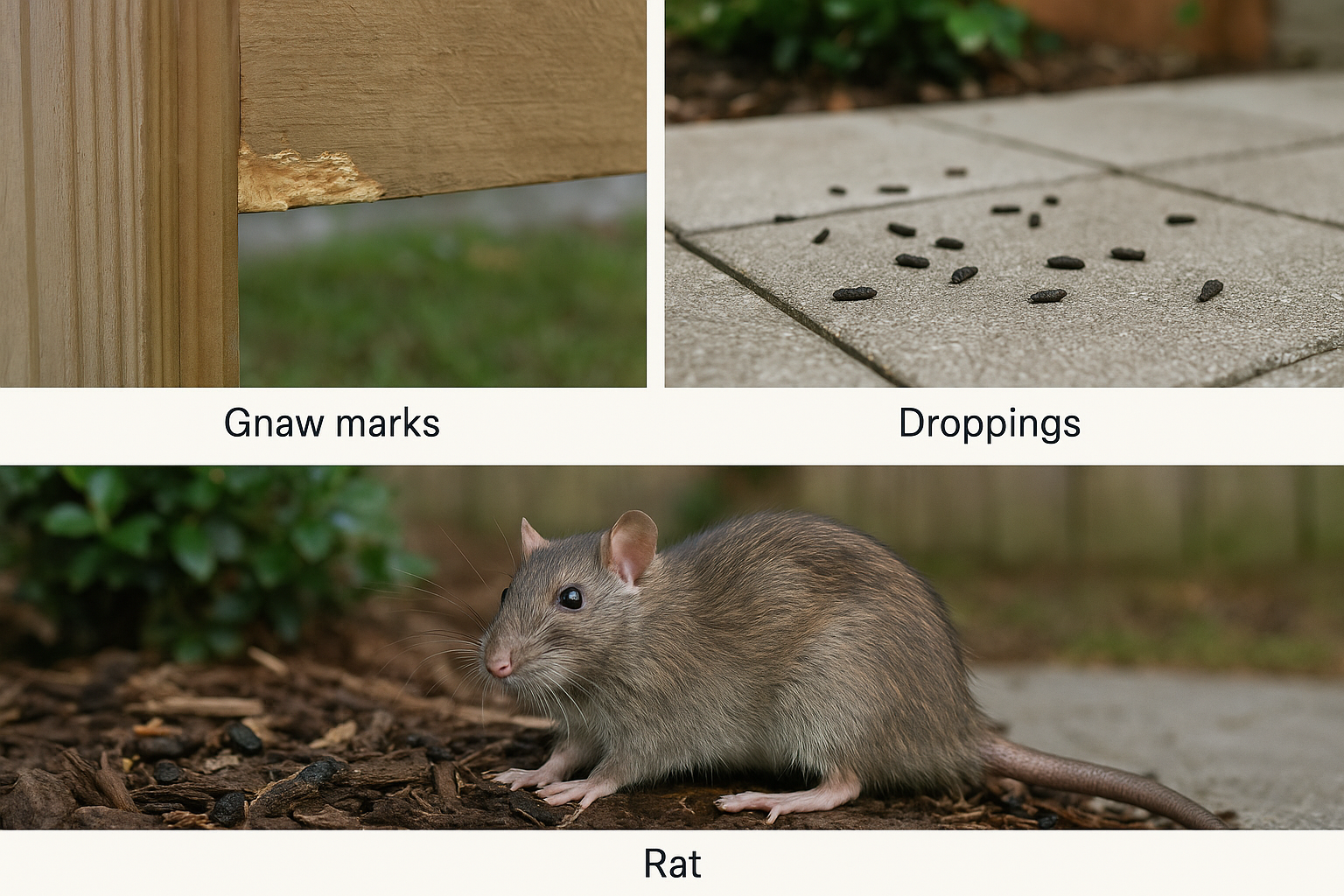
Both species leave a trail of clues, but the pattern can help you pinpoint the culprit. Look for gnaw marks on wood, plastic, or wiring—roof‑rats tend to chew along ceiling joists, while Norway rats focus on lower-level structures. Droppings are another giveaway: roof‑rat feces are small, black, and spindle‑shaped, often found in attic corners; Norway rat droppings are larger, about ½‑inch long, and usually accumulate near ground‑level pathways.
In addition to visual evidence, you may hear scratching noises at night. Roof‑rats scratch from above, producing faint, rapid sounds in attic spaces. Norway rats generate louder, more rhythmic scrapes as they move through walls and crawl spaces. Finally, keep an eye out for greasy runs—dark, oily streaks along walls where rats travel frequently.
Local Hotspots in Marietta
Marietta’s historic neighborhoods create perfect habitats for these rodents. Older homes surrounding Marietta Square often have aging rooflines and foundation cracks that invite roof‑rats. Properties bordering the Chattahoochee River provide abundant water sources, making them prime real estate for Norway rats. Additionally, the densely packed Canton Road apartment complexes report higher rodent activity due to shared walls, limited waste management, and easy access to communal trash areas.
What the Numbers Say
The 2023 Georgia Department of Public Health (GDPH) report reveals that 18 % of residential pest complaints involve rats. This figure is higher than the national average and underscores the importance of early detection in Marietta’s unique environment. Homeowners who act quickly—by sealing entry points and scheduling professional inspections—can dramatically reduce the risk of a full‑blown infestation.
Quick Reference: Signs vs. Species
| Sign | Roof‑rat (Rattus rattus) | Norway rat (Rattus norvegicus) |
|---|---|---|
| Gnaw marks | Ceiling joists, eaves, upper walls | Basement beams, lower walls, piping |
| Droppings | Small, spindle‑shaped, attic corners | Larger, ½‑inch, ground‑level pathways |
| Greasy runs | Visible on upper walls and rafters | Found near foundations and crawl spaces |
| Scratching noises | Faint, high‑pitched at night (attic) | Loud, rhythmic (walls/floor) |
Why Choose a Top‑Rated Local Service
Local Knowledge That Matters
Marietta’s historic bungalows, newer townhomes, and sprawling suburbs each present unique entry points for rats. Because a local provider lives and works in the same climate, they know which cracks in older brickwork, which gaps around HVAC units, and which storm‑drain designs are most vulnerable during the humid summer months. That insight lets Anthem Pest tailor inspection checklists and seal‑up strategies specifically for the types of structures you see on your street, reducing the guesswork that a distant, generic contractor would face.
Credentials You Can Trust
Anthem Pest is fully Georgia state‑licensed, meaning every technician has met the state’s rigorous training standards for rodent control. All field agents are also EPA‑registered, giving you confidence that the chemicals applied are approved, properly labeled, and used in accordance with federal safety guidelines. To top it off, the company holds an A‑rating from the Better Business Bureau, a public endorsement of ethical business practices, transparent pricing, and a track record of satisfied customers.
Lightning‑Fast Response
When a rat sighting occurs, waiting two days for a technician can allow an infestation to spread quickly. Industry data shows the national average response time for rodent services hovers around 48 hours. Anthem Pest breaks that mold by offering same‑day service for emergency calls throughout Marietta. A homeowner can call, schedule a visit, and have a qualified technician on the property before nightfall, dramatically cutting the window for damage and disease transmission.
What Neighbors Are Saying
“I called Anthem after spotting rats in our attic, and they were at my door that same afternoon. The tech explained exactly how the critters were getting in and sealed every opening. My family feels safe again, and the price was exactly what they quoted over the phone—no surprises.” – Sarah L., Marietta, GA
Accountability & Community Trust
Because Anthem’s business depends on word‑of‑mouth referrals in the Marietta area, the company treats every job as a long‑term relationship, not a one‑time fix. Technicians leave a detailed service report, and the company follows up with a post‑treatment call to confirm results. This level of accountability, combined with active participation in local homeowner associations and community events, reinforces the trust that neighbors place in a truly local, top‑rated provider.
Anthem also sponsors the annual Marietta Clean‑Up Day, reinforcing its commitment to a pest‑free neighborhood for everyone.
Inspection Process Overview
When Anthem Pest Control arrives at your home, we follow a systematic inspection that leaves no stone unturned. Our goal is to pinpoint every sign of rat activity, understand how they’re gaining access, and give you a clear roadmap for elimination.
Step‑by‑step walkthrough
- Exterior perimeter scan – We begin by walking the entire outside of your property, checking foundations, crawl spaces, utility openings, and landscaping. Any gaps larger than a quarter‑inch are marked for sealing.
- Interior visual inspection – Inside, we examine kitchens, basements, attics, and storage areas. Look for droppings, gnaw marks, shredded materials, and burrow entrances. We also assess food storage practices that might be attracting rodents.
- Bait station placement – Based on the findings, we strategically position bait stations in high‑traffic zones. This not only begins control immediately but also helps us monitor ongoing activity.
Tools we employ
- Infrared camera – Detects heat signatures behind walls and under floors where rats like to hide, revealing hidden nests without invasive demolition.
- Rodent activity trackers – Small, discreet devices that record movement patterns over 24‑48 hours, giving us a timeline of activity peaks.
- Moisture meters – Rats gravitate toward damp environments; measuring moisture levels helps us identify hidden water sources that may be encouraging infestations.
Deliverables for the homeowner
After the inspection, you’ll receive a comprehensive report that includes:
- Photographic evidence – Clear images of identified entry points, droppings, and any nests discovered.
- Activity documentation – Summaries from the infrared scan and activity trackers, showing exactly where and when rats are most active.
- Recommended action plan – A step‑by‑step treatment strategy tailored to your home, complete with cost estimates, timelines, and preventive measures to keep rodents out for good.
By walking you through each phase and providing tangible proof of the problem, we ensure you understand the scope of the infestation and feel confident in the solution we propose. Our transparent approach is designed to give you peace of mind and a rat‑free home.
Treatment Options and Methods
When it comes to rat control in Marietta, the most effective strategy blends proven hardware with smart, ongoing management. Below we break down the four primary treatment avenues—traps, bait stations, exclusion, and Integrated Pest Management (IPM)—and explain how each works in a typical home environment. Understanding the mechanics helps you choose the right service level and budget for lasting results.
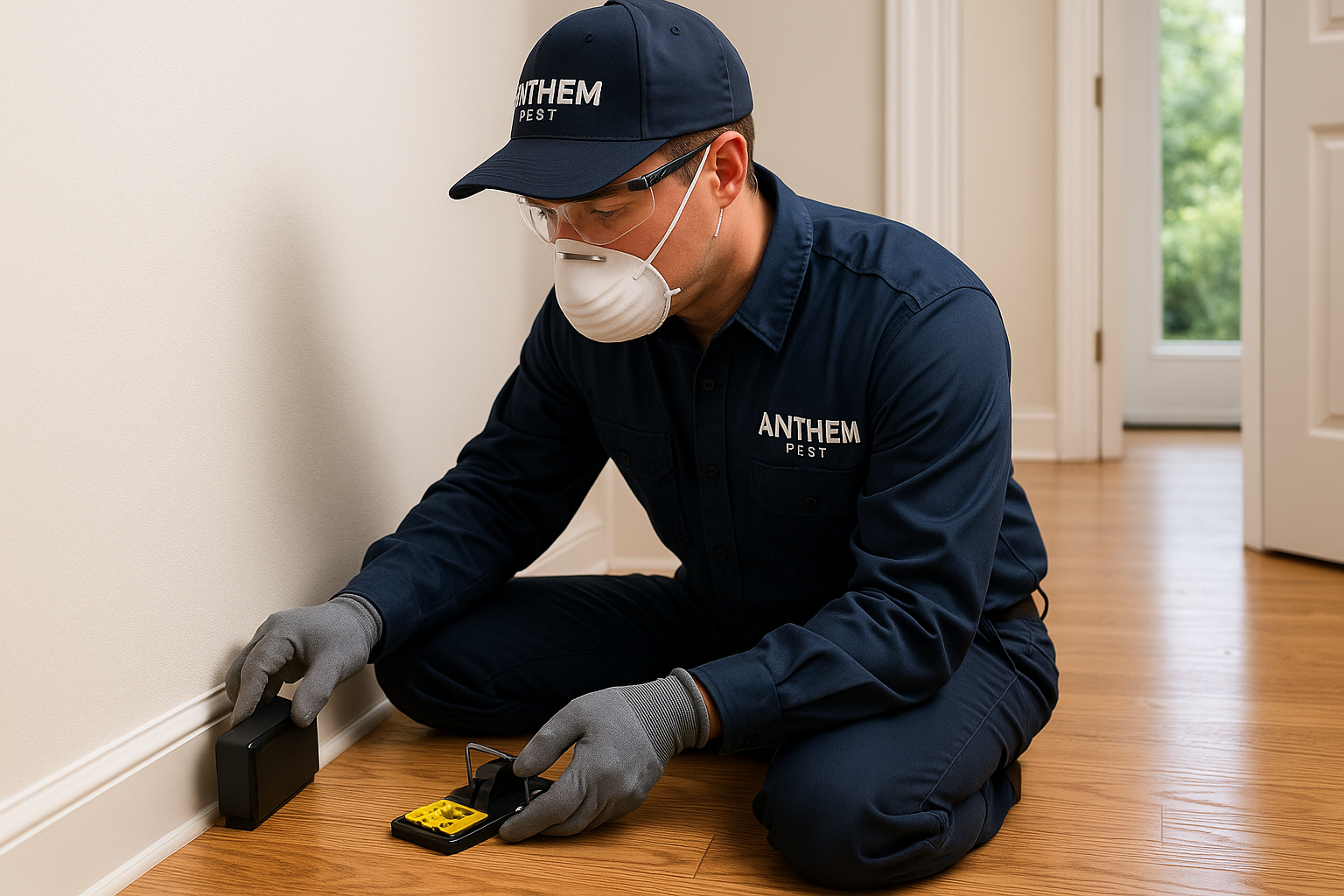
Snap Traps & Live‑Catch Cages
Snap traps are the classic, quick‑kill solution. A spring‑loaded bar snaps shut the moment a rat triggers the trigger plate, delivering an instantaneous, humane death. Modern snap traps feature insulated handles and bait wells that keep you safe from disease‑bearing rodents. For homeowners who prefer a “no‑poison” approach, live‑catch cages are an excellent alternative. These cages trap the rodent unharmed, allowing you to release it far from the property or hand it over to a licensed professional for humane disposal.
Placement is critical. The most productive spots are along walls, behind appliances, and in dark corners of kitchens, attics, and crawl spaces—areas where rats habitually travel. A typical service includes setting 5‑10 traps per infestation zone, checking them every 24‑48 hours, and resetting or relocating as needed. Snap traps usually cost $10‑$15 each, while live‑catch cages run $25‑$35 per unit.
Bait Stations
EPA‑approved rodenticides housed in tamper‑resistant bait stations provide a controlled, long‑term kill. The stations protect children, pets, and non‑target wildlife while allowing rats to feed at night and die away from high‑traffic areas. Professionals rotate active ingredients every few weeks to prevent bait shyness and to stay ahead of any resistance that may develop.
Safety features include lockable lids, built‑in alarms for tampering, and clear labeling. A standard bait‑and‑station service includes 4‑6 stations placed near entry points, food storage areas, and known runways. Expect a service fee of $150‑$250 for basic bait placement, with additional costs for high‑traffic or multi‑unit properties.
Exclusion
Exclusion is the “seal‑the‑deal” step that stops new rats from entering your home. Technicians inspect the entire building envelope, sealing gaps larger than ¼ inch with steel wool, copper mesh, or silicone caulk. Door sweeps are installed on exterior doors, and chimney caps are fitted to block aerial access.
Because rats can squeeze through incredibly small openings, a thorough exclusion job often uncovers hidden entry points behind siding, under decks, and within utility penetrations. The average cost for a comprehensive exclusion package ranges from $200‑$300, depending on the size of the structure and the number of access points.
Integrated Pest Management (IPM)
IPM is a holistic, science‑based approach that combines sanitation, habitat modification, and ongoing monitoring. First, we guide homeowners on eliminating food sources—tightening pantry storage, fixing leaky pipes, and removing clutter that offers shelter. Next, we implement the mechanical and chemical controls described above, tailoring the mix to the severity of the infestation.
Finally, a quarterly monitoring plan keeps the rat population in check. Technicians revisit the property, inspect trap performance, refresh bait stations, and verify that exclusion measures remain intact. This proactive cycle reduces the likelihood of a repeat outbreak and spreads costs over time.
Pricing Overview (2024)
Below is a snapshot of typical price ranges for the most common rat‑control service bundles offered in Marietta. Prices include labor, materials, and a one‑year guarantee on workmanship.
| Treatment Type | Typical Cost (USD) |
|---|---|
| Basic Trap Service (5‑10 snap/live‑catch traps) | $150 – $250 |
| Comprehensive Bait‑and‑Exclusion Package | $350 – $500 |
| Quarterly Monitoring Visit (includes trap checks, bait refresh, exclusion inspection) | $200 per visit |
Choosing the right mix depends on the size of your home, the severity of the infestation, and your comfort level with each method. By pairing immediate‑kill tools like snap traps with long‑term barriers such as exclusion and IPM, Anthem Pest Control delivers a cost‑effective solution that protects your family and property year after year.
Seasonal Timing and Prevention Tips
In Marietta, rat activity follows a predictable seasonal rhythm. The most aggressive foraging occurs from late summer through early winter, roughly August to November. As natural food sources wane and temperatures dip, rats venture closer to homes in search of shelter and sustenance. Recognizing this window lets you act before infestations take hold.
Why Late Summer to Early Winter Is Critical
During the late summer months, juvenile rats mature and begin establishing new colonies. By early winter, their food stores in fields, gardens, and garbage bins shrink, prompting them to explore human structures for warmth and a reliable food supply. This shift increases the likelihood of sightings inside garages, basements, and attics, and raises the risk of structural damage and disease transmission.
Actionable Homeowner Measures
- Trim tree and shrub branches. Keep all limbs at least two feet away from the house. Overhanging branches provide direct pathways onto roofs and into eaves, where rats can gain entry.
- Seal trash containers. Use bins with tight‑fitting lids and store them away from the home’s foundation. Regularly clean the interior to eliminate food residues that attract rodents.
- Relocate compost. Position compost piles at least ten feet from the house and use a sturdy, metal‑screened enclosure. Compost is a magnet for rats seeking protein and carbohydrates.
- Inspect and repair exterior gaps. Caulk cracks around utility penetrations, vents, and siding. Even a half‑inch opening can serve as a rat’s entry point.
- Maintain a clean yard. Remove fallen fruit, birdseed, and pet food promptly. Store outdoor feed in sealed containers.
Neighborhood‑Specific Advice for Marietta
Marietta’s proximity to the Chattahoochee River and the network of smaller waterways, including Marietta Creek, creates a unique challenge: rats can swim and use these water corridors to reach residential areas. Install flood‑proof barriers—such as low‑profile concrete or metal flashing—along the creek’s edge where it borders your property. These barriers discourage rats from entering during high water events and limit their ability to use the creek as a highway.
Additionally, consider elevating firewood stacks and outdoor storage units at least six inches off the ground. This simple step removes a convenient shelter that rats often exploit near water sources.
Health Risks and CDC Guidelines
Rats are carriers of several serious diseases, including Hantavirus and Leptospirosis. The Centers for Disease Control and Prevention (CDC) recommends minimizing rodent exposure by sealing entry points, controlling food sources, and maintaining clean environments. Following these guidelines not only protects your home but also safeguards your family’s health.
By aligning your prevention strategy with the seasonal peak of rat activity and applying Marietta‑specific measures, you dramatically reduce the chance of an infestation. Proactive steps taken now can save you from costly damage, stressful extermination visits, and potential health hazards later in the year.
Frequently Asked Questions
Will traps kill my pets?
We understand that your furry family members are a top priority. That’s why Anthem Pest Control uses child‑proof and pet‑proof bait stations that are sealed tight—no exposed food, no open snap traps. The stations are mounted at least 3 feet off the ground and placed in areas rats frequent but pets avoid, such as behind appliances, in crawl spaces, or along exterior walls. If a live‑catch trap is preferred, we position it in concealed locations where children and animals can’t reach it. In short, our methods keep the bait out of curious paws and mouths while still delivering a lethal dose to the rat.
How long until I see results?
Most rat control Marietta GA homeowners notice a drop in activity within the first week to ten days after treatment. This early reduction is a good sign that the bait is being taken and the colony is weakening. Complete eradication typically takes 4 to 6 weeks, as rats need time to consume the bait, share it with their nestmates, and die off. During this period we’ll monitor trap counts and adjust bait placement if needed. If you still see signs after six weeks, give us a call—we’ll re‑evaluate the site and fine‑tune the strategy to ensure the problem is fully resolved.
Do I need ongoing service?
Rats are opportunistic; a single entry point can invite a new infestation months later. Quarterly monitoring lets us catch early activity before it becomes a full‑blown problem. During each visit we inspect for new entryways, reinforce exclusion measures, and reset bait stations as required. Over time, this proactive approach reduces the likelihood of costly emergency calls and protects your home’s structural integrity. Many of our Marietta customers opt for a seasonal maintenance plan, which includes two to four visits per year, detailed reports, and priority scheduling—peace of mind that your home stays rat‑free year‑round.
Quick Checklist for Choosing a Contractor
When you’re ready to call in a professional for rat control, a quick vet‑ting process can save you time, money, and headaches. Use the checklist below to separate qualified pros from fly‑by‑night operators.
- Verify the state license number. Georgia requires pest‑control companies to hold a valid state license. Ask for the license number and double‑check it on the Georgia Department of Agriculture’s website. A legitimate license proves the technician has met training standards and is legally allowed to apply rodenticides.
- Confirm EPA registration for rodenticides. Only products registered with the U.S. Environmental Protection Agency may be used in residential settings. Request proof that the chemicals the contractor plans to apply are EPA‑registered and that the applicator is trained in proper handling.
- Request a written guarantee and service contract. A reputable firm will outline the scope of work, treatment dates, and a clear warranty—usually a “no‑rat‑sightings” guarantee for a set period. Having this in writing protects you if a follow‑up visit is needed.
- Review online ratings on Google, Yelp, and the BBB. Look beyond the overall star rating; read recent comments for patterns such as punctuality, thoroughness, and post‑treatment support. A solid BBB rating and a history of resolved complaints are good confidence boosters.
- Obtain a detailed, itemized estimate before work begins. The estimate should break down labor, materials, inspection fees, and any follow‑up visits. Transparent pricing lets you compare quotes without hidden surprises later.
Cross‑checking each of these five points will give you the peace of mind that the contractor you hire is qualified, accountable, and committed to keeping your home rat‑free.
Conclusion and Call to Action
Living in Marietta means enjoying Southern charm, not sharing it with unwanted rodents. Over the past sections we’ve shown how to spot a rat early, choose rat control Marietta GA the right treatment, understand transparent pricing, and keep your home protected year‑round. By staying informed, you reduce damage, health risks, and costly emergency visits.
Quick recap
- Identify accurately: Look for droppings, gnaw marks, and nocturnal activity.
- Effective treatments: Snap traps, bait stations, and professional exclusion work.
- Transparent pricing: Know exactly what you’re paying for, from inspection to follow‑up.
- Proactive prevention: Seal entry points, manage waste, and schedule regular inspections.
Ready to put those steps into action? Anthem Pest is just a phone call away. Dial 877‑371‑8196 or visit our website for a free inspection quote. Our same‑day service means you won’t wait weeks for a technician to arrive. Our team will assess your situation, recommend a tailored plan, and schedule treatment at a time that fits your busy life.
Help your neighbors enjoy a rat‑free Marietta, too—share this article on social media or forward it to friends and family. A simple click can protect an entire block, saving everyone time and money. A community that knows the signs and acts quickly keeps the whole neighborhood safer.
When you choose rat control Marietta GA Anthem Pest, you’re choosing a 24‑hour response guarantee, local technicians who know the quirks of Marietta homes, and a satisfaction promise that backs every job. We use EPA‑approved products, follow strict safety protocols, and stand behind our work with a full warranty. We also back every rodent plan with a 30‑day guarantee, so you can trust the outcome.
Don’t wait for the problem to grow. Visit Anthem Pest Control today and schedule your free quote—because a pest‑free home is a happy home.