Quick Relief for Gnat Swarms in Vinings Homes
Imagine stepping into your Vinings kitchen after a long day, only to find a cloud of tiny flies dancing around the sink and the soil of your favorite houseplants. The gnats zip past your face, settle on the rim of your coffee mug, and seem to multiply with every breath you take. It’s the kind of scene that turns a cozy evening into a restless scramble for a swatter, often leading homeowners to search for a gnat exterminator Vinings they can trust.
Beyond the obvious annoyance, gnat swarms can pose subtle health risks. Many species thrive in moist, organic debris—think over‑watered plant soil, clogged drains, or rotting fruit. Those breeding grounds attract bacteria and fungi, and the insects can inadvertently carry spores from one surface to another. While a single bite might feel like a harmless pinch, larger numbers can trigger allergic reactions, skin irritation, or even exacerbate asthma symptoms in sensitive residents.
That’s why speed matters. The longer gnats linger, the more time they have to lay eggs, and the faster the population explodes. In Vinings, where humid evenings and lush landscaping create ideal conditions, a small pocket of gnats can quickly become a full‑blown infestation that seeps into bedrooms, bathrooms, and even outdoor patios. Acting fast not only restores comfort—no more buzzing over your dinner—but also cuts off the breeding cycle before it spreads to neighboring rooms or neighboring homes.
Recent surveys from the Vinings Health Department show that gnat complaints rise by 42 % between May and July, coinciding with the region’s peak humidity. In neighborhoods with mature landscaping, homes report an average of 15 gnat hotspots per property during this window. Those numbers highlight why a proactive, fast‑acting plan is essential—not just for comfort, but to keep your home aligned with community health standards.
In the next sections we’ll walk you through a data‑driven roadmap that takes the mystery out of gnat control. First, we’ll help you identify the exact species hiding in your sink and soil, because treatment varies between fungus gnats and vinegar flies. Next, we’ll outline the most effective, EPA‑approved treatments—ranging from targeted indoor sprays to environmentally safe soil drenches—complete with cost estimates you’ll see on your invoice. Then we’ll show you how to seal entry points and adjust watering habits so the problem stays gone. Finally, we’ll point you to local Vinings statistics that reveal why gnats spike in late spring, and we’ll introduce Anthem Pest Control neighborhood experts who can deploy a rapid response team within 24 hours.
By the time you finish reading, you’ll have a clear checklist, real‑world numbers for your neighborhood, and a trusted partner ready to eliminate gnats before they become a nuisance you can’t ignore. Let’s get started—your kitchen, your plants, and your peace of mind deserve a swift, science‑backed solution.
Spotting the Culprits – Gnats vs. Other Small Flies

When you hear a faint, high‑pitched buzz inside your kitchen or bathroom, it’s easy to assume you’re dealing with “just flies.” Yet the tiny insects that often invade Vinings homes are usually gnats, not the larger house flies most people recognize. Pinpointing whether you’re looking at a gnat or another small fly is the first line of defense—because each pest demands a different treatment strategy.
Three Gnat Types You’ll Encounter in Georgia
In the Peach State, the three most common gnats are:
- Fungus gnats – attracted to damp potting soil and indoor plants.
- Fruit flies – love overripe fruit, sugary spills, and fermenting waste.
- Drain flies – thrive in the organic film that builds up inside sinks, tubs, and shower drains.
All three measure roughly 1–3 mm in length, which makes size alone a poor identifier. Instead, focus on where they’re hanging out and how they move.
Visual Cues That Separate Gnats from Other Small Flies
Hovering pattern. Gnats tend to hover in place, darting intermittently as they search for a food source. True flies, such as fruit flies, often zip quickly from surface to surface, while house flies will make broader, more erratic loops.
Preferred breeding sites. Each gnat species has a favorite nursery:
- Fungus gnats lay eggs in the moist top layer of potting mix. You’ll notice more activity near houseplants, especially those over‑watered.
- Fruit flies are drawn to the sugary residue on countertops, garbage disposals, and any fruit that’s begun to soften.
- Drain flies deposit their eggs in the gelatinous slime that coats the inside of drains, shower stalls, and even rarely used bathtubs.
Spotting these habitats early can save you from a full‑blown infestation and guide you toward the right treatment.
Quick Identification Table
| Species | Typical Size | Primary Habitat | Tell‑tale Signs |
|---|---|---|---|
| Fungus gnat | 1–3 mm | Damp potting soil, indoor plant trays | Small flies hovering near plant leaves; larvae in soil |
| Fruit fly | 1–3 mm | Overripe fruit, kitchen counters, trash cans | Swarming around ripe produce; attracted to vinegar traps |
| Drain fly | 1–3 mm | Sink, shower, and tub drains; moist grout lines | Clusters near drain openings; fuzzy “cobweb” film inside pipes |
According to the CDC, complaints about indoor flying insects in Georgia increased by 12 % in 2023. That rise underscores how critical it is for homeowners to recognize the exact culprit before calling in a professional.
Why Identification Comes First
Every gnat species requires a tailored approach. Fungus gnats, for example, often respond best to soil drying, beneficial nematodes, or a targeted soil drench. Fruit flies disappear when you eliminate fermenting food sources and use fruit‑fly traps. Drain flies, on the other hand, need a thorough cleaning of the drain’s organic buildup, sometimes followed by an enzymatic treatment that breaks down the slime.
If you misidentify a drain fly as a fruit fly, you might waste time setting out fruit‑fly traps while the real problem continues to multiply in your plumbing. Conversely, treating fungus gnats with a generic spray can damage your beloved houseplants without solving the moisture issue that fuels the infestation.
By taking a moment to observe size, flight behavior, and, most importantly, the breeding environment, you give Anthem Pest Control the precise information needed to design an effective, fast‑acting treatment plan. Accurate identification not only speeds up relief but also helps keep future invasions at bay—saving you time, money, and the frustration of a buzzing household.
The Hidden Costs of Delayed Gnat Treatment
Health Risks
When gnats linger in your kitchen or dining area, they become more than a visual annoyance—they turn into a health hazard. Each tiny insect can carry bacteria from garbage, drains, or damp soil straight onto food surfaces. Studies have shown that these microbes can multiply quickly, especially on sugary or protein‑rich leftovers, leading to food‑borne illnesses. Moreover, the saliva and waste left by gnats contain proteins that trigger allergic reactions in sensitive individuals. According to the EPA’s 2022 indoor allergen study, households with persistent flying insects reported a 27 % increase in respiratory irritation and skin rashes compared with homes that maintained insect‑free environments.
Nuisance Impact
Imagine trying to fall asleep while a cloud of gnats buzzes around the bedside lamp, or attempting to enjoy a family movie night with the constant whir of wings in the background. The psychological toll of such interruptions is real. Persistent buzzing disrupts sleep cycles, leaving homeowners fatigued and less productive the next day. In addition, the mere presence of gnats can diminish the comfort of indoor spaces—patios, sunrooms, and even bathrooms feel less inviting when you’re constantly swatting at tiny flyers. This loss of enjoyment often translates into reduced time spent at home, prompting families to seek alternative venues for relaxation, which is an indirect cost many don’t consider.
Property Impact
Gnats thrive in moist environments, and their favorite breeding grounds are often indoor potted plants, compost bins, or leaky fixtures. Over time, the excess humidity they create encourages mold growth on walls, ceilings, and especially on the soil of houseplants. Mold not only damages paint and wood but also releases spores that can further aggravate allergies. Additionally, gnats feed on the sap of delicate foliage, weakening the plant’s ability to photosynthesize. Homeowners may notice wilting leaves, stunted growth, or even the loss of prized ornamental plants—costs that quickly add up when replacement or professional plant care becomes necessary.
In short, postponing gnat treatment isn’t just a matter of inconvenience; it’s a cascade of hidden expenses. Health complications can lead to medical bills, disrupted sleep reduces productivity, and property damage demands repair or replacement. By acting quickly—calling a trusted service like Anthem Pest Control—you eliminate the insects before they cause measurable harm, preserving both your budget and your peace of mind.
Vinings‑Specific Triggers for Gnat Outbreaks
Climate Overview
Vinings sits squarely in a humid subtropical zone, meaning hot summers, mild winters, and a persistent presence of moisture in the air. From June through August, average relative humidity routinely climbs above 70 %, creating the perfect breeding ground for gnats. When the air is saturated, adult gnats can live longer, and females lay eggs more rapidly, accelerating population growth within just a few weeks.
Proximity to the Chattahoochee River and Water Features
The Chattahoochee River threads along the western edge of Vinings, providing a natural reservoir of standing water that gnats love. Homeowners often extend this moisture onto their property through irrigation systems, decorative ponds, and ornamental waterfalls. Even a small, overlooked puddle in a flower bed can become a nursery for gnat larvae, especially when the surrounding soil stays damp for extended periods.
Landscaping Practices That Invite Gnats
Vinings residents favor lush, flower‑filled gardens and well‑maintained lawns—both of which are aesthetically pleasing but also attract gnats. Mulch, compost piles, and over‑watered shrubs retain moisture, offering ideal conditions for larvae to develop. Additionally, automatic sprinkler systems that run late into the evening leave surfaces wet overnight, giving gnats a head start before the sun dries the area.
Neighborhood Hotspots
Two areas in particular illustrate how local design fuels gnat activity:
- The Riverwalk – This upscale community lines the riverbank and incorporates multiple water features, from reflecting pools to small fountains, all of which serve as constant moisture sources.
- Cobb County’s Historic District – Older homes here often have ornamental gardens with vintage water basins and extensive irrigation, creating micro‑environments where gnats thrive.
Local Service Data Insight
Recent figures from Cobb County underscore the seasonal surge:
“Cobb County reported a 15 % rise in gnat‑related service calls during June–August 2023.”
This uptick aligns directly with the period of highest humidity and the increased use of outdoor water features, confirming that the environmental factors described above translate into real‑world pest pressure for Vinings homeowners.
Why Vinings Homeowners Need a Tailored Approach
Because the gnat problem in Vinings is driven by a unique combination of climate, geography, and landscaping choices, a one‑size‑fits‑all treatment plan often falls short. Targeted interventions—such as strategically placed larvicide around irrigation zones, moisture‑reducing landscaping advice, and regular monitoring of river‑adjacent properties—are essential to break the life cycle before gnats become a nuisance inside the home. By understanding these local triggers, Anthem Pest Control can design a customized strategy that addresses the root causes, not just the symptoms, delivering fast, lasting relief for Vinings residents.
Chemical and Non‑Chemical Treatment Options
When gnats invade a Vinings home, the first decision is how to eliminate them safely and efficiently. Both chemical and non‑chemical options exist, each with its own strengths, limitations, and price points. Understanding these choices helps you pick the right approach for your family’s health and your budget.
Chemical Solutions
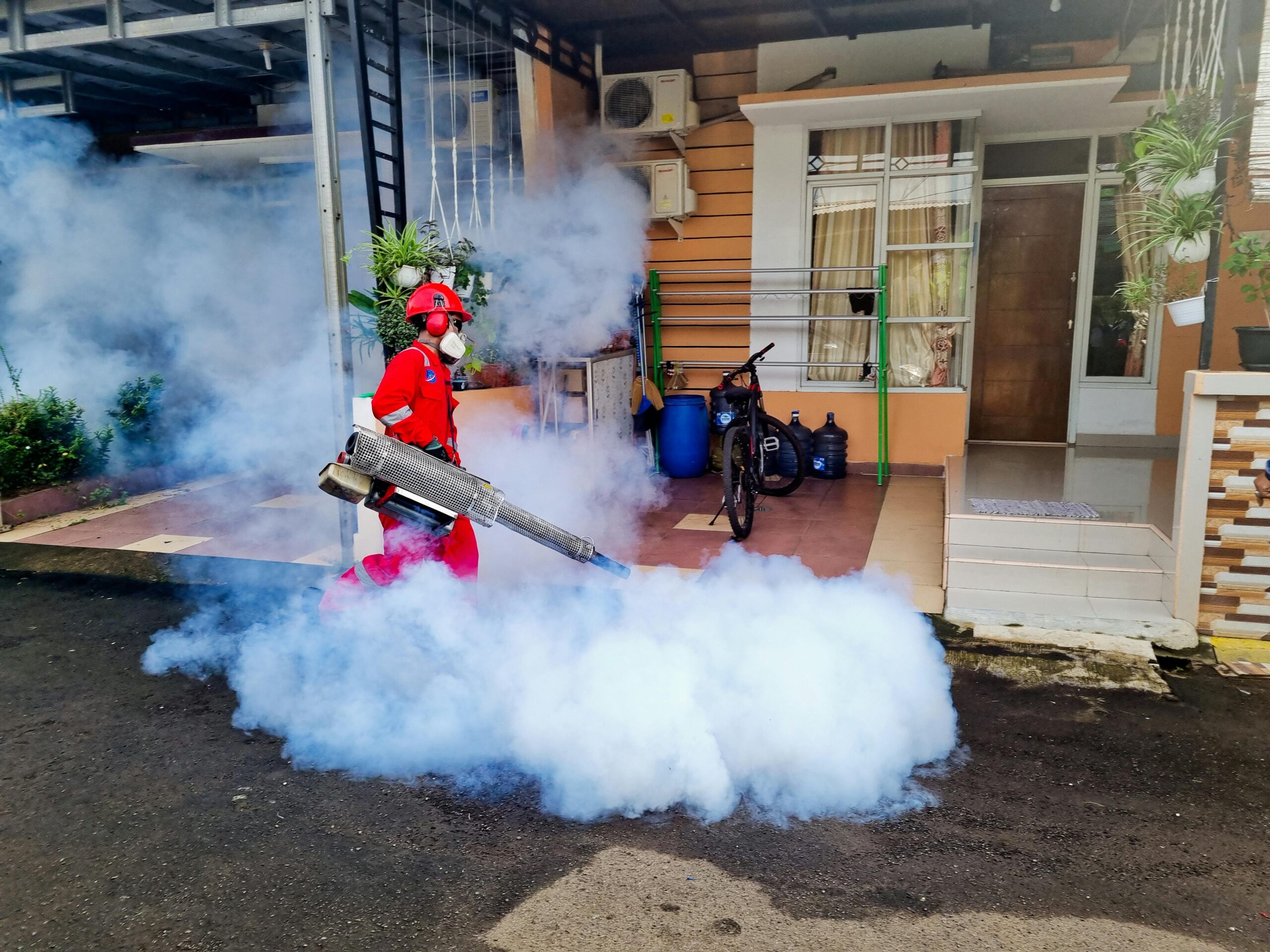
EPA‑registered pyrethroid sprays are the workhorse of most professional gnat programs. Technicians apply a fine mist to interior surfaces where adult gnats rest, creating a residual barrier that kills insects for several weeks. For deeper penetration, residual indoor foggers disperse the aerosol throughout the entire room, reaching hidden crevices and hard‑to‑access corners.
A single chemical visit typically costs between $120 and $250, depending on square footage, severity of the infestation, and whether a fogger is added. The fee includes the technician’s time, the EPA‑approved product, and a follow‑up inspection to confirm that the population has dropped. Most homeowners appreciate the rapid knock‑down effect, especially during a sudden swarm.
Non‑Chemical Solutions
If you prefer a low‑toxicity route, several non‑chemical tools can suppress gnats without a spray can. UV light traps lure flying adults into a glowing chamber where an electric grid or sticky surface kills them instantly, providing continuous monitoring and reducing the visible nuisance.
Sticky cards placed near windows, drains, or compost bins capture gnats as they wander, offering a visual cue of activity levels. Soil larvicidal drenches, such as bacterial Bacillus thuringiensis israelensis (Bti), target gnat larvae in potting mix or garden beds, preventing the next generation from emerging. These products break the life cycle without chemical residues.
Equally important are source‑reduction practices: removing standing water, tightening screen doors, and cleaning over‑ripe fruit or damp organic debris. These steps starve gnats of breeding sites, making any chemical or mechanical treatment far more effective and often reducing the need for repeated applications.
Pros and Cons Comparison
| Treatment Type | Effectiveness | Safety | Cost | Re‑application Frequency |
|---|---|---|---|---|
| Chemical (pyrethroid sprays & foggers) | High – rapid knock‑down of adult gnats | Moderate – requires professional handling; potential irritation for pets/children | $120‑$250 per visit | Usually 4‑6 weeks for residual effect |
| Non‑Chemical (UV traps, sticky cards, Bti drenches, source‑reduction) | Medium – gradual reduction, depends on proper placement and sanitation | High – no toxic chemicals; safe for households with pets and kids | $30‑$100 for devices & consumables | UV traps & sticky cards: replace every 2‑3 months; Bti: reapply after heavy watering |
While chemical sprays deliver rapid knock‑down, they require a licensed professional to handle the EPA‑registered formulation safely. Improper mixing or over‑application can pose health risks, especially for children, pets, or anyone with respiratory sensitivities. A qualified technician also knows which surfaces can tolerate residual chemicals without damage.
Non‑chemical devices, on the other hand, are safe for DIY use, but their success hinges on strategic placement. UV traps work best in dim corners away from direct sunlight, and sticky cards must be positioned near known gnat pathways such as kitchen sinks, indoor plant pots, or garbage disposals. Regular inspection ensures the traps remain effective.
Cost‑comparison table will be inserted here.
Anthem Pest Control blends these options into a customized plan that starts with a thorough inspection, then applies the most effective chemical barrier while installing UV traps and recommending source‑reduction steps. The result is fast relief without compromising safety or your wallet, giving Vinings homeowners confidence that the gnat problem is truly under control.

Anthem Pest’s 4‑Step Rapid Gnat Extermination Process
When gnats turn your patio into a buzzing nightmare, you need a solution that’s fast, thorough, and backed by local expertise. Anthem Pest’s four‑step rapid extermination process combines cutting‑edge tools, EPA‑approved chemistry, and a deep understanding of Vinings’ unique climate, making a trusted gnat exterminator Vinings the key to eliminating gnats at the source and keeping them from returning.
Step 1: Thorough Inspection with Handheld Microscopes
Our certified technicians start every gnat job with a meticulous on‑site inspection. Using handheld microscopes, they can spot the tiniest clusters of larvae and eggs hidden in soil, mulch, or under plant pots—places the naked eye often misses. In Vinings, where humidity can linger in shaded garden beds, these micro‑habitats become perfect breeding grounds. The inspection also covers indoor areas such as kitchen drains and bathroom tiles, ensuring no hidden source escapes detection.
Step 2: Species Identification and Customized Treatment Plan
Not all gnats are created equal. Some are fruit flies attracted to fermenting fruit, while others are fungus gnats thriving in over‑watered houseplants. After the inspection, we collect a few specimens and run a rapid identification in our mobile lab. Knowing the exact species lets us tailor a treatment plan that targets the pest’s life cycle without over‑treating the environment. Homeowners receive a clear, written plan that outlines where products will be applied, what equipment will be used, and how long the process will take.
Step 3: Application of EPA‑Approved Products and Strategic Traps
With the species confirmed, we move to the core of our rapid response: the application of EPA‑approved insecticides such as Bifenthrin. Bifenthrin is a low‑toxicity, high‑efficacy chemical that disrupts the nervous system of gnats while remaining safe for pets and children when applied correctly. Our technicians apply the product precisely to identified breeding sites—soil surface, plant bases, and indoor drain lines—using calibrated sprayers that limit drift.
To catch any adult gnats that escape the chemical barrier, we strategically place UV light traps and sticky cards around the home’s perimeter and in high‑traffic indoor zones. The UV traps lure gnats with a harmless light source, where they become trapped on a sticky surface, providing an immediate visual reduction in activity and helping us monitor the treatment’s effectiveness.
Step 4: Follow‑Up Visit Within 7 Days and Satisfaction Guarantee
Gnats reproduce quickly, so we schedule a follow‑up visit no later than seven days after the initial treatment. During this visit, our technician re‑inspects all previously treated areas, replaces any depleted traps, and applies a supplemental spot treatment if needed. We stand behind our work with a satisfaction guarantee: if gnats persist after the follow‑up, we’ll return at no extra charge until the problem is resolved.
Local Expertise: Training for Vinings‑Specific Conditions
Vinings’ humid subtropical climate and lush landscaping create a perfect storm for gnat infestations. Our technicians undergo specialized training that covers:
- How local humidity levels affect gnat life cycles.
- Best practices for treating common Vinings plant species and ornamental mulch.
- Safe integration of chemical treatments with homeowners’ landscaping preferences.
This localized knowledge ensures we choose the right application timing—often early morning or late evening—when gnats are most active but conditions are safe for residents and pets.
“I called Anthem Pest after noticing gnats swarming around my kitchen sink. Within 24 hours the buzzing stopped, and the follow‑up visit confirmed the problem was gone. Their tech explained everything in plain language, and I felt confident the treatment was safe for my kids and dog.” — Emily R., Vinings, GA
Homeowner Prevention Checklist
Keeping gnats at bay isn’t about a one‑time spray; it’s about creating an environment where they can’t thrive. Below is a practical, step‑by‑step checklist you can follow each month to stay ahead of a gnat invasion.
Daily & Weekly Actions
- Eliminate standing water. Empty pet water bowls, flower vase reservoirs, and any puddles that collect on decks or patios within 24 hours.
- Repair leaky pipes and faucets. Even a slow drip adds moisture that attracts gnats. Tighten connections or call a plumber at the first sign of a leak.
- Clean drains with enzymatic cleaners. Pour a half‑cup of an enzyme‑based drain cleaner down kitchen and bathroom sinks once a week to break down organic buildup that serves as a breeding ground.
- Add sand to pot trays. After watering indoor plants, spread a thin layer of horticultural sand over the tray’s surface. The sand dries quickly and blocks gnats from laying eggs in the moist soil.
- Install or repair window screens. Ensure all windows have tight‑fitting screens without tears. This physical barrier stops adult gnats from entering your home.
Seasonal Tip
Schedule a pre‑summer inspection in early May. This is the time when outdoor humidity rises and gnats begin their seasonal surge. A quick professional assessment by a trusted gnat exterminator Vinings can identify hidden moisture sources—such as clogged gutters or underground irrigation leaks—before they become a problem.
Expert Guidance
“Effective indoor fly control hinges on eliminating breeding sites, maintaining dry conditions, and using physical barriers. Regular monitoring and prompt remediation are essential to keep flying insects at bay.” – NPMA Best‑Practice Guide (2023)
Monthly “Quick‑Scan” Routine
Set aside 15 minutes at the start of each month for a rapid walkthrough:
- Check all sinks, tubs, and floor drains for standing water.
- Inspect plant pots and saucers; replace sand if it’s clumped or missing.
- Run a visual check on exterior walls, gutters, and downspouts for leaks.
- Test window screens by gently tugging; repair any holes immediately.
- Log any sightings of gnats in a simple notebook or phone app to spot patterns.
By turning these five minutes into a habit, you’ll catch potential problems before gnats have a chance to multiply. If you ever notice a spike in activity despite following the checklist, give Anthem Pest Control a call at 877‑371‑8196. Our technicians can perform a targeted inspection and recommend a tailored treatment plan—ensuring your home stays gnat‑free all year long.
Timing Your Gnat Control – Seasonal Scheduling
In Vinings, Georgia, gnat activity isn’t random – it follows a predictable seasonal pattern driven by temperature and humidity. Understanding that pattern lets you strike before the insects become a nuisance, saving you both time and money.
Peak Months in Vinings
The most aggressive gnat period runs from early May through late September. During these months the region experiences sustained daytime highs above 75°F (24°C) and nightly dew points that keep the air moist. High humidity creates the perfect breeding ground for the tiny flies that swarm around outdoor lighting, patio furniture, and indoor plants. If you notice a sudden uptick in winged insects in June, you’re likely seeing the peak of the seasonal surge.
Monitoring Frequency
To keep gnats under control, schedule a bi‑monthly monitoring visit throughout the peak season. A two‑week interval gives technicians enough time to detect new breeding sites, apply targeted treatments, and evaluate the effectiveness of any previous applications. After September, when humidity drops and nights become cooler, you can scale back to an annual check‑up—typically in early spring—to assess any overwintering populations and prep your property for the upcoming season.
Why Early Intervention Matters
Gnats reproduce quickly; a single female can lay hundreds of eggs in a damp, organic substrate such as compost, mulch, or a clogged drain. If you wait until the summer surge is already in full swing, you’ll be fighting an established colony rather than preventing one. Early intervention—ideally before the first sustained warm spell in May—allows you to treat potential breeding sites before they become productive. This pre‑emptive approach reduces the total amount of insecticide needed, limits exposure to your family and pets, and prevents the nuisance of swarms that can infiltrate indoor spaces.
In practice, a homeowner who schedules a pre‑emptive inspection in early May often sees a 60‑80 % reduction in gnat sightings for the rest of the season. The key is consistency: combine the bi‑monthly checks with proper yard maintenance—regularly emptying standing water, trimming over‑grown vegetation, and keeping trash
Frequently Asked Questions About Gnat Extermination
Are the chemicals safe for pets and children?
Yes. Anthem Pest Control only applies EPA‑registered products that meet the strict “low‑toxicity” standards for indoor use. Our gnat formulations are specifically engineered to target insects while leaving a safe residue for people and animals. In most cases the active ingredient is a reduced‑risk pyrethroid or a food‑grade insect growth regulator, both of which have been evaluated by the EPA and classified as safe when used according to label directions. We also follow a “minimum‑exposure” protocol: the technician applies the spray only in hidden cracks, baseboards, and other entry points, then vents the area for a short period. As a result, pets can return to the treated rooms immediately and children can play safely after a brief 15‑minute air‑out.
We also provide a detailed safety data sheet on request, so you can see exactly what ingredients are used and the recommended ventilation time.
How long does treatment take?
A typical residential gnat service in Vinings, GA takes between 30 and 45 minutes from the moment the technician steps through the front door. During that window the professional will:
- Inspect the interior and exterior for breeding sites, such as over‑ripe fruit, damp soil, or clogged drains.
- Identify the exact species of gnat to choose the most effective product.
- Apply a targeted low‑toxicity spray to cracks, vents, and other hidden pathways.
- Set up a few discreet monitoring stations to track activity for the next 24‑48 hours.
Because the process is focused and precise, you’ll notice a reduction in gnat activity almost immediately, and the technician will walk you through any post‑treatment recommendations before they leave.
After the spray dries, the technician will show you how to keep the area dry and free of standing water, which discourages future gnat breeding.
Will I need multiple visits?
In the majority of Vinings homes, a single visit resolves the problem. Our technicians are trained to locate and eliminate the source, not just the visible insects. If the initial treatment does not bring the population down to an acceptable level—usually a follow‑up within 7‑10 days—we’ll schedule a complimentary revisit at no extra charge. This policy ensures that you get lasting relief without surprise fees.</
Fast Relief and Local Expertise – Call Anthem Today
When gnats invade a Vinings kitchen, every minute counts. A swift, professional response prevents a minor nuisance from turning into a full-blown infestation that can damage food, foul surfaces, and drive you and your family crazy. That’s why rapid identification and a treatment plan built specifically for your home’s layout, landscaping, and local climate are non-negotiable. Knowing exactly which species you’re dealing with lets us target the breeding sites, whether it’s a damp sink drain, over-watered potted plants, or a hidden compost pile, so the problem disappears before it spreads.
Anthem Pest Control backs Vinings homeowners with a 24‑hour response promise. Once you call, our certified technicians are on the clock, ready to schedule an on‑site inspection the same day. We use only EPA‑approved products that are proven effective against fruit flies, fungus gnats, and other common indoor gnats while remaining safe for children, pets, and the environment. After treatment, we stand behind our work with a satisfaction guarantee: if gnats return, we’ll re‑treat at no extra charge, ensuring you get lasting peace of mind.
Our Vinings team lives and works in the community, so we understand the unique challenges of Georgia’s humid summers and occasional heavy rains. That local knowledge translates into tailored solutions—like adjusting application timing to avoid peak humidity or recommending simple home‑maintenance tweaks that keep gnats from coming back. It’s the difference between a quick fix and a lasting, cost‑effective solution.
If you’re ready for a gnat‑free kitchen and the calm that comes with it, our Vinings crew is standing by. We’ll deliver a fast, safe treatment at a transparent price, so you know exactly what you’re paying for—no hidden fees, no surprise chemicals, just reliable results.
Call 877‑371‑8196 today for a free quote, or visit Anthem Pest Control to learn more about how a trusted gnat exterminator Vinings can protect your home.