Why Tick Inspections Matter in Dunwoody
Living in Dunwoody means enjoying tree‑lined streets, sprawling parks, and backyard woods that feel like a private retreat. Those same green spaces, however, create the perfect micro‑climate for ticks—cool, humid, and full of leaf litter where host animals like deer and squirrels roam. That’s why scheduling a professional tick inspection Dunwoody can help identify high-risk areas and keep your family and pets protected.
The CDC reports a 15 % increase in tick‑borne illnesses across Georgia between 2022 and 2024. That surge isn’t just a statistic; it translates into more families and pets facing uncomfortable bites, lingering fevers, and serious health complications.
What diseases are we talking about?
- Lyme disease – the most common tick‑borne illness, causing fatigue, joint pain, and, if untreated, neurological issues.
- Rocky Mountain spotted fever – a bacterial infection that can lead to severe headaches, rash, and organ damage.
Early detection matters because the sooner treatment begins, the lower the risk of long‑term damage. Children, seniors, and pets are especially vulnerable, making proactive inspections a critical part of household health.
Property concerns you can’t ignore
Ticks don’t stay hidden in the woods alone. They can establish colonies in your front lawn, under deck railings, and even in the sand of a pet’s play area. An unchecked infestation can turn a pleasant backyard into a health hazard, forcing you to limit outdoor activities or spend extra time on DIY sprays that rarely reach the hidden nooks where ticks thrive.
By scheduling a professional tick inspection, you gain a clear picture of where hotspots exist and how to treat them safely. This knowledge sets the stage for the next part of our guide, where we break down the specific tick species you’re most likely to encounter in Dunwoody and what each one means for your family’s safety.
The Ticks You’ll Encounter Around Dunwoody
When you step onto the porch or pull your dog’s leash for an evening walk, you’re sharing the yard with a handful of tick species that thrive in the suburban landscape of Dunwoody. Understanding which ticks are most likely to show up helps you target inspections, spot early bites, and decide when professional help is warranted.
According to the Georgia Department of Public Health (2023), the black‑legged deer tick (Ixodes scapularis) is responsible for roughly 70 % of all Lyme disease cases in the state. That single species dominates the health conversation, but two other culprits— the lone star tick and the American dog tick—frequently turn up in backyard grass and pet bedding.
Black‑legged Deer Tick (Ixodes scapularis)
- Typical habitat: Moist leaf litter, shaded brush, and the edges of wooded areas. In Dunwoody, these micro‑environments are common under the canopy of mature oaks along the Brookhaven trail system and in the understory of the I‑285 corridor.
- Seasonal peak life stage: Nymphs in late spring (May‑June) are the most active and most likely to bite humans.
Lone Star Tick (Amblyomma americanum)
- Typical habitat: Tall grasses, shrubbery, and even pet bedding that isn’t regularly washed. The open lawns of newer subdivisions and the grassy swales near community parks provide ideal hide‑outs.
- Seasonal peak life stage: Adults dominate the summer months (July‑August), while nymphs appear in early fall.
American Dog Tick (Dermacentor variabilis)
- Typical habitat: Sun‑exposed lawns, garden borders, and areas where pets rest. The warm, dry patches along sidewalks and driveways in Dunwoody’s older neighborhoods attract this tick.
- Seasonal peak life stage: Adults are most active from late spring through early summer (April‑July).
The habitats listed above overlap heavily with typical Dunwoody residential features: mature trees that drop leaf litter, well‑maintained but untrimmed grass along sidewalks, and pet‑friendly spaces that can retain moisture. The city’s mix of older hardwood forests and newer, manicured lawns creates a perfect mosaic for these three species to coexist.
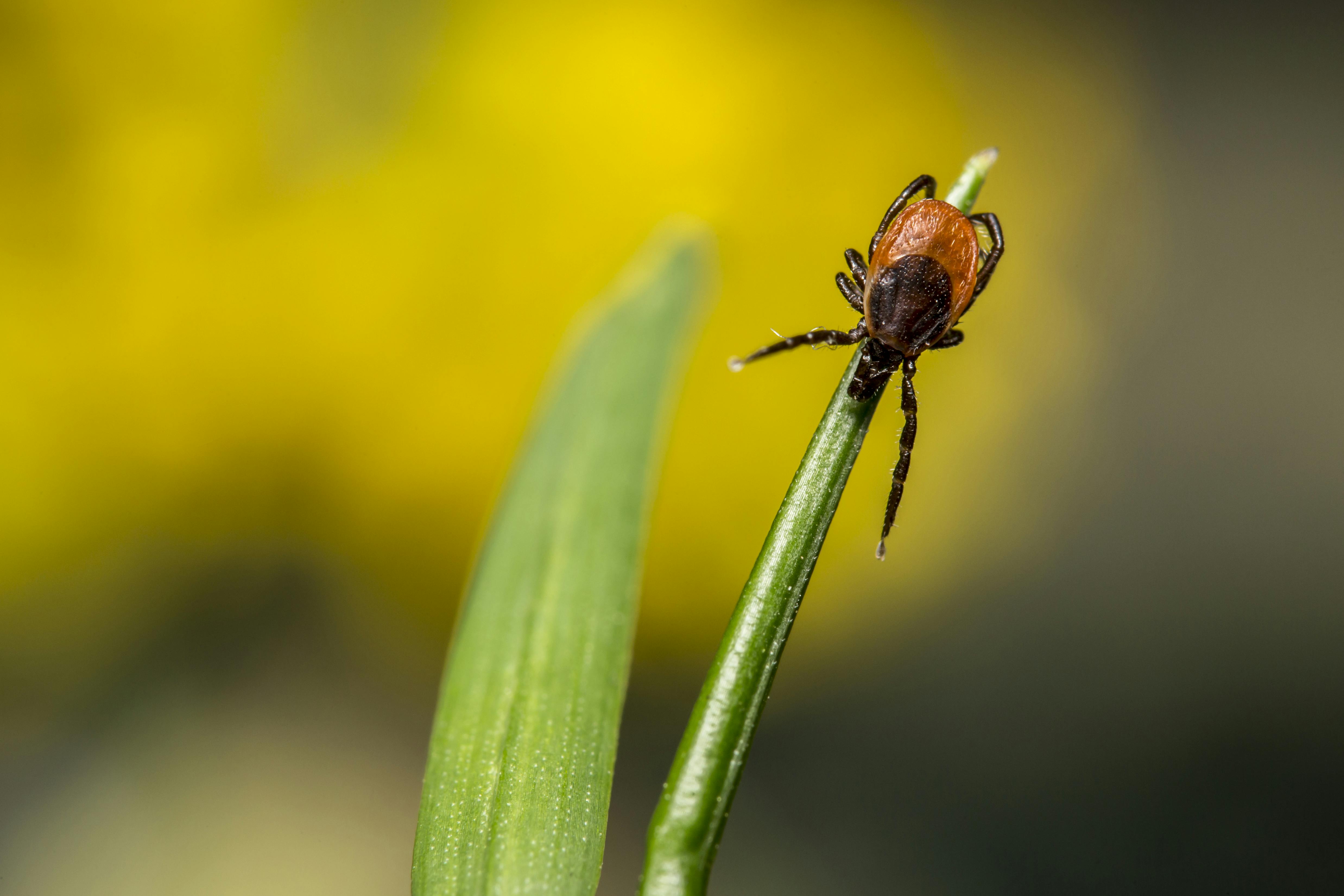
During a DIY inspection, homeowners can look for the black‑legged tick’s tiny, reddish‑brown nymphs crawling on the undersides of leaves, the lone star’s distinctive white‑spotted back on adult females, or the American dog tick’s larger, brown‑gray body near pet bedding. Using a flashlight to scan leaf piles, checking the edges of garden beds, and gently brushing pets’ fur after outdoor time are practical ways to spot each tick before it latches on.
When Are Ticks Most Active?
Understanding the seasonal rhythm of ticks lets you stay one step ahead of a bite. In the Atlanta‑area, including Dunwoody and surrounding neighborhoods, tick activity follows a predictable calendar. Below is a quick reference you can print and hang on the fridge.
Spring (April – May): Nymph Surge
During early spring, the smallest but most aggressive stage—nymphs—emerges in large numbers. Their tiny size (about the size of a poppy seed) makes them easy to miss, yet they carry a high percentage of Babesia and Lyme disease pathogens. Warm, humid days encourage nymphs to climb onto grass blades and low‑lying foliage, waiting for a passing host. This is the period when a quick skin check after yard work is most critical.
Summer (June – July): Adult Tick Visibility
As temperatures climb, adult ticks become the dominant stage. They are larger—often visible to the naked eye—and tend to linger on the edges of lawns, garden borders, and shaded trails. While adults are less likely to transmit disease than nymphs, their bites can still cause irritation and, in rare cases, illness. Summer also brings more outdoor recreation, increasing the chances of contact.
Fall (October – November): Larval Activity in Leaf Litter
When leaves turn, larvae hatch and scatter through the accumulating leaf litter. Although larvae are not yet disease vectors, they represent the next generation that will mature into nymphs next spring. The damp, decaying foliage provides an ideal hide‑out, so clearing fallen leaves and keeping mulch thin can reduce the larval reservoir.
Neighborhood Hotspots
Local data show higher tick pressure in several parts of the metro area:
- Brookhaven – abundant parkland and wooded backyards.
- Peachtree Corners – extensive green corridors and community trails.
- The I‑285 corridor – mixed residential and forested strips that serve as tick highways.
Quick Seasonal Tip
Schedule a professional tick inspection Dunwoody with Anthem Pest Control just before each peak period—late March, early June, and early October. Our certified technicians will assess your property, treat high-risk zones, and provide a customized prevention plan to keep your yard safe from tick-borne illnesses.
Printable Calendar Graphic
Consider creating a simple one‑page calendar that marks the three peak windows (April‑May, June‑July, October‑November). Add a checkbox for “Inspection scheduled” and hang it where you plan yard work. This visual cue helps you remember when to be extra vigilant.
For more detailed guidance on seasonal pest management in the Southeast, see the EPA’s seasonal pest‑control guidelines. Following these timelines, combined with regular professional inspections, gives you the best defense against tick‑borne threats.
Step‑by‑Step Walkthrough of an Anthem Pest Tick Inspection
When you schedule a tick inspection with Anthem Pest, you’re not signing up for a vague “look‑around.” Our technicians follow a precise, data‑driven process that lets you see exactly where the risk lies and how we’ll eliminate it. Here’s what you’ll experience from the moment the inspector arrives to the final recommendations.
Step 1 – Pre‑inspection questionnaire
Before stepping onto your property, the technician will ask a short series of questions to tailor the inspection to your home’s unique profile. Topics include square footage, the number and type of pets, recent camping or hiking trips, and any recent landscaping changes. This information helps us predict where ticks are most likely to hide and ensures we allocate the right tools for the job.
Step 2 – Exterior survey
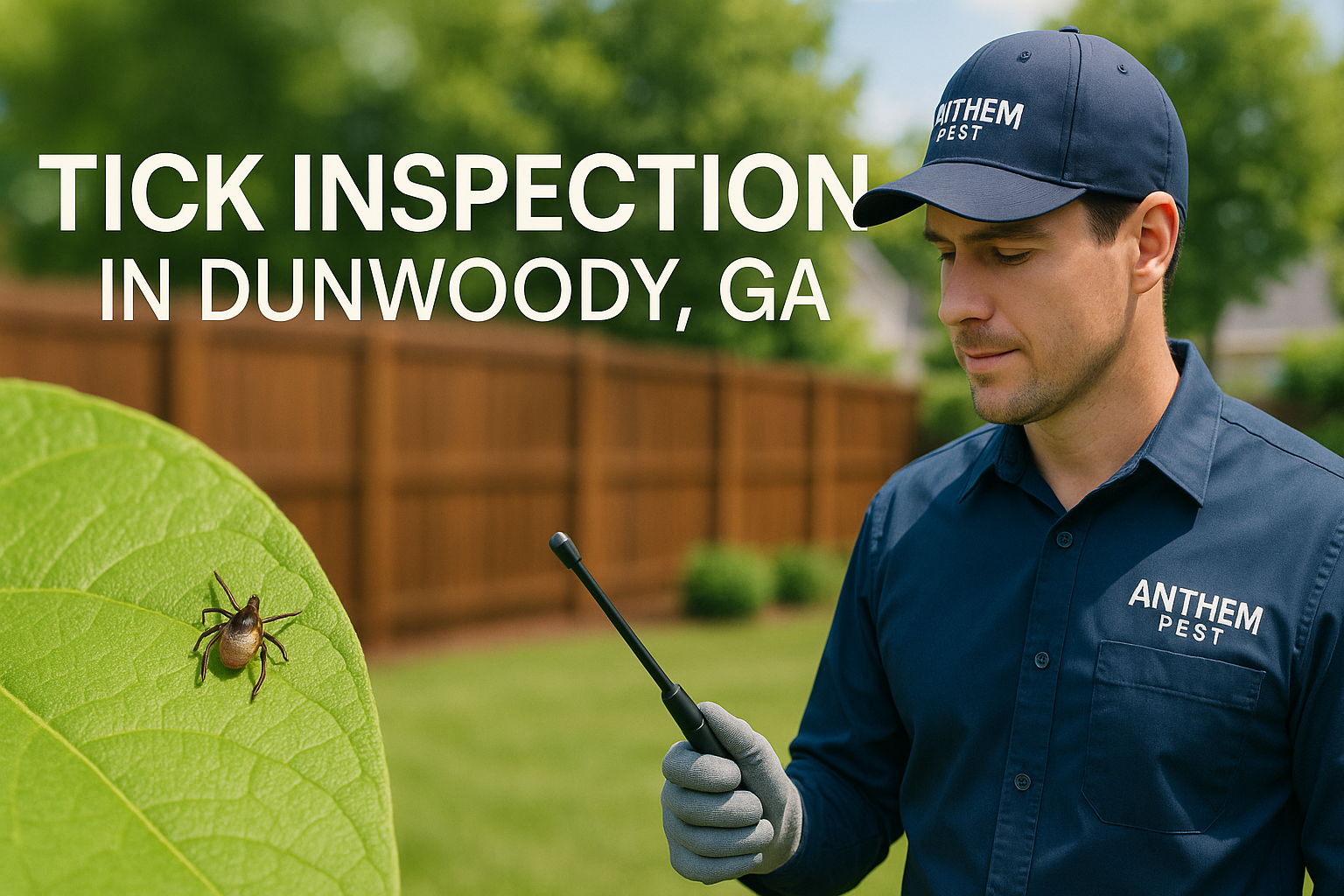
The exterior sweep starts at the perimeter and works inward, focusing on high‑risk zones such as shaded patios, deck railings, and the borders of flower beds. Technicians use a “tick drag” cloth—a white, fine‑woven fabric that is gently pulled across grass and leaf litter—to capture any questing ticks. As the cloth is examined under a portable microscope, the inspector records the species, life stage, and count, mapping each hotspot on a digital layout of your yard.
Step 3 – Interior check
While ticks spend most of their time outdoors, they can hitch a ride inside on pets, clothing, or equipment. Inside the home, the inspector concentrates on pet sleeping areas, basements, laundry rooms, and any spaces where dampness or clutter may provide a refuge. Using a handheld UV flashlight, they spot hidden nymphs and adult ticks that might be clinging to fabric, carpet fibers, or stored items.
Step 4 – Reporting
After the walk‑through, you receive a detailed report that includes:
- A color‑coded map highlighting each hotspot identified during the exterior drag.
- Exact tick counts per location, broken down by species and life stage.
- A risk assessment summary that translates the numbers into a clear “low,” “moderate,” or “high” exposure rating for your household.
The report is delivered both in printed form and via email, giving you a permanent reference for future maintenance.
Step 5 – Recommendations
Based on the data collected, the technician outlines a customized action plan. Options may include:
- Targeted chemical or botanical treatments applied to identified hotspots.
- Landscaping tweaks such as trimming overgrown vegetation, creating a dry buffer zone around foundations, or installing tick‑repellent groundcovers.
- Preventive measures like regular pet checks, seasonal yard treatments, and homeowner‑friendly barriers (e.g., cedar mulch or diatomaceous earth).
Every recommendation is backed by Anthem Pest’s local expertise—our technicians have logged thousands of inspections across Georgia, so we know which micro‑climates in Dunwoody foster tick activity and which interventions work best.
By walking you through each step, we aim to demystify the process, build trust, and give you the confidence that your home is protected by a transparent, science‑based approach.
Effective Tick Control Solutions and What They Cost
When ticks start making a cameo in your yard, you need a plan that matches the level of infestation, your budget, and your comfort with chemicals. In Dunwoody, scheduling a professional tick inspection Dunwoody helps determine which treatment category is best: a targeted spot‑treatment, a full‑yard barrier, or an integrated pest‑management (IPM) program that reshapes the habitat itself. Below you’ll find a clear rundown of each option, the situations where it shines, and the 2024 price range you can expect for a typical 2,500‑sq‑ft residence.
Option (a): Spot‑treatment with EPA‑registered acaricides
Spot‑treatment is ideal when ticks are confined to high‑risk zones—such as a shaded garden bed, a pet’s favorite play area, or a patch of tall grass bordering the house. A technician applies a low‑volume, EPA‑registered acaricide directly to the problem spots, creating an immediate kill zone while leaving the rest of the landscape untouched. Because the chemical is limited to small areas, the cost stays modest, ranging from $150 to $250 per visit. This approach works best for homeowners who have already identified hotspots and want a quick, cost‑effective fix.
Option (b): Landscape barrier applications – full‑yard coverage
A landscape barrier treats the entire perimeter of your property, typically extending 3–5 feet from the home’s foundation and covering lawns, flower beds, and walkways. The technician sprays a broader‑spectrum acaricide that forms a protective “tick shield,” reducing the likelihood of ticks migrating onto your deck or into play areas. For a 2,500‑sq‑ft home, the 2024 price tag sits between $300 and $450, reflecting the larger volume of product and the extra labor required. This option is recommended for families with children or pets who spend a lot of time outdoors and need consistent protection throughout the tick season.
Option (c): Integrated Pest Management (IPM) with habitat modification – annual package
IPM takes a long‑term view, combining chemical treatments with environmental tweaks that make your yard less inviting to ticks. The annual package includes a landscape barrier, strategic mowing and leaf‑litter removal, targeted pruning to increase sunlight, and the placement of tick‑control stations in high‑traffic zones. By reducing shade, moisture, and host‑animal habitats, IPM lowers tick populations year after year. Because it bundles multiple services, the cost is higher—typically $500 to $650 per year—but the investment pays off in fewer repeat treatments and a healthier outdoor space.
Safety and Compliance
All three options rely on low‑toxicity formulations that meet the Georgia Department of Agriculture’s strict pesticide regulations. Many of the products we use are pet‑friendly and labeled safe for children when applied correctly. Our technicians wear personal protective equipment, follow label directions to the letter, and conduct a brief safety walk‑through with you after each application. For those who want an extra layer of confidence, we can substitute botanical‑based acaricides that still meet EPA efficacy standards. Our practices align with the NPMA tick‑control best practices, ensuring you receive industry‑approved, environmentally responsible service.
| Option | Coverage | Application Frequency | Typical 2024 Cost |
|---|---|---|---|
| Spot‑treatment (EPA‑registered acaricide) | Targeted hotspots only | As needed (usually 1–2 times/season) | $150 – $250 |
| Landscape barrier | Full‑yard perimeter (3–5 ft from foundation) | Once per season (early spring) | $300 – $450 |
| IPM with habitat modification | Entire property + environmental adjustments | Annual package (multiple visits) | $500 – $650 |
Everyday Steps to Reduce Tick Encounters
Regular yard upkeep can dramatically cut the number of ticks that wander onto your property. Mow your grass to a uniform height of 3‑4 inches and trim the edges of flower beds at least once a week during the peak season. This simple habit removes the humid micro‑climate ticks love, while also exposing any stray insects before they can latch onto a host.
Leaf litter, pine needles and other organic debris act like a blanket for questing ticks. Sweep away fallen leaves every two weeks, especially in shaded corners and near fences where moisture tends to linger. If you have a compost pile, keep it turned regularly and position it away from play areas or pet zones.
Plant a Tick‑Repellent Landscape
Aromatic herbs such as lavender, rosemary, mint, and sage release natural oils that repel many arthropods, including ticks. Plant these along walkways, borders, or in pots near doors to create a fragrant barrier. For extra protection, intermix low‑growing groundcovers like thyme or creeping thyme, which dry out quickly and discourage tick habitats.
Protect Your Pets
Pets are the most common hitchhikers for ticks, so a solid veterinary‑approved regimen is essential. Use a monthly spot‑on treatment, a chewable tablet, or a collar that the vet recommends for your dog or cat. Schedule quarterly wellness checks to verify that the product is still effective and to remove any attached ticks before they can transmit disease.
Perform Thorough Tick Checks
After any outdoor activity—whether it’s a backyard barbecue, a hike on the local trail, or a simple walk around the block—inspect every exposed area of skin on people and pets. Look for small, dark specks at the scalp, behind the ears, under the arms, and in the groin. Prompt removal within 24 hours reduces the risk of disease transmission dramatically.
Printable Weekly/Seasonal Checklist
To keep prevention top of mind, create a simple printable checklist that you can hang on the fridge or near the entryway. Include tasks such as “Mow lawn to 3‑4 in,” “Remove leaf litter,” “Apply pet preventive,” and “Conduct tick sweep on family members.” A quick visual reminder helps you stay consistent, even when life gets busy.
These DIY steps align with the Centers for Disease Control and Prevention’s (CDC) recommended tick‑prevention practices. For a complete list of CDC guidelines, visit CDC – Ticks. By integrating these everyday habits into your routine, you’ll reduce tick encounters and protect your family without waiting for a professional visit.
Protect Your Home and Family Today
Tick populations in the Dunwoody area have been on the rise as warmer temperatures linger longer each year. The combination of lush lawns, abundant leaf litter, and nearby woodlands creates an ideal breeding ground for these tiny parasites. Homeowners who ignore the early signs—such as increased wildlife activity or more frequent bites—risk exposing their families and pets to Lyme disease, Rocky Mountain spotted fever, and other tick‑borne illnesses. Staying vigilant with regular tick inspections is the most reliable way to catch an infestation before it spreads.
Timing Is Everything
Experts recommend scheduling a professional tick inspection before the spring peak, typically in late February or early March. This pre‑emptive visit lets technicians identify hidden hotspots and apply a targeted treatment before nymphs emerge. As the season progresses, consider a follow‑up service in late spring and another in early fall to address any new activity after the first round of treatments. Consistent, seasonal check‑ups keep your yard a safe play zone for children and a comfortable retreat for pets.
Take Action Today
Ready to protect your property? Call Anthem Pest at 877‑371‑8196 for a free tick‑risk assessment. Our local team will walk your property, pinpoint high‑risk zones, and recommend a customized plan that fits your budget. While you’re at it, bookmark this article and share it with neighbors in Brookhaven and Peachtree Corners—together, a community‑wide effort can dramatically reduce tick pressure across the region.
Early detection doesn’t just protect a single yard; it creates a barrier that slows the tick life cycle across the neighborhood. By treating entry points, removing tall grass, and applying barrier sprays at the right time, you reduce the number of hosts that ticks rely on. When several homes adopt the same schedule, the overall tick population drops, making the entire block safer for everyone.
Our local technicians combine the latest data with proven, pet‑friendly treatments to keep your yard safe. Let us handle the hard work so you can enjoy the outdoors with peace of mind.
Visit Anthem Pest Control to learn more about our comprehensive pest prevention services and schedule a professional tick inspection Dunwoody to protect your yard, family, and pets.