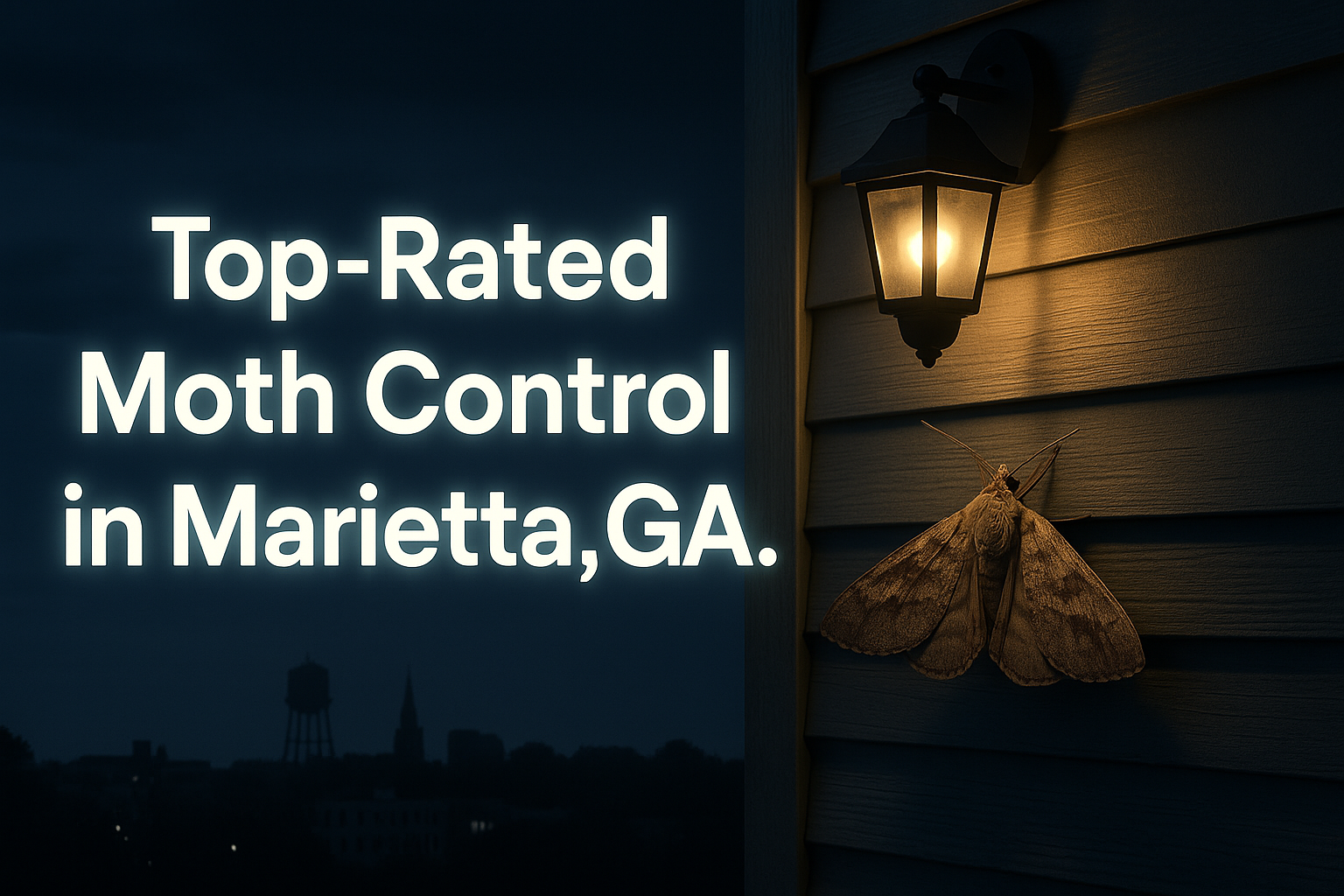
Moth Issues on the Rise in Marietta Homes

Over the past six months, pest‑report hotlines in East Cobb, Brookfield, and neighboring subdivisions have recorded a 42 % jump in moth‑related complaints. Homeowners are calling in after discovering silky webs in pantry corners, clusters of larvae munching on cereal, and baffling stains on wool sweaters. The spike isn’t random; milder winters and abundant indoor lighting are giving moths the perfect breeding ground right inside our living rooms.
City officials have even flagged the uptick in their quarterly pest‑monitoring report, noting that the combination of humid summer nights and the surge in outdoor lighting on new subdivision streets creates a “moth highway” that funnels insects into homes. This trend mirrors what entomologists are observing across the Southeast, confirming that Marietta is currently a hotspot for indoor moth activity.
Beyond the obvious irritation, moths pose a genuine threat to household assets. The Indian meal moth (Plodia interpunctella) can contaminate stored grains, nuts, and pet food, forcing families to discard weeks of groceries. Clothes moths (Tineola bisselliella) feed on natural fibers, leaving irreplaceable heirlooms reduced to holes and frayed edges. Recent studies also link moth droppings and shed skins to indoor allergen loads, aggravating asthma and seasonal allergies for sensitive residents.
That’s why the next sections of this guide are built on hard data. We’ll break down the average cost of a professional moth inspection in Marietta, compare the price points of chemical versus pheromone‑based treatments, and outline a step‑by‑step prevention plan you can start today. By the end, you’ll know exactly what to expect from a qualified exterminator and how to protect your pantry, wardrobe, and health without breaking the bank.
Here’s a quick roadmap of what’s coming up: a detailed look at the most common moth species in the Metro Atlanta area, an itemized cost table for inspection and treatment options, a DIY checklist for early detection, and finally, long‑term maintenance tips that keep moths out season after season.
Identifying the Culprits – Pantry vs. Clothing Moths
Two tiny insects are responsible for most of the moth damage we see in Marietta homes: the Indian meal moth, which loves your pantry, and the webbing clothes moth, which prefers fabrics. Though they look similar at a glance, their habits, preferred food sources, and damage patterns are completely different. Knowing which guest has crossed your threshold is the first step toward an effective, affordable solution.

Life cycle at a glance
Both species complete their development in roughly 30–45 days from egg to adult, but the stages occur in very different environments.
- Indian meal moth – Eggs are laid on food surfaces, hatch into larvae that spin silken tunnels inside grains, then pupate inside the food package before emerging as adult moths.
- Webbing clothes moth – Females deposit eggs directly on natural fibers, larvae feed on keratin and create silky tunnels in the fabric, and pupation takes place within those webs before the adult moth emerges.
Because the timing overlaps, you might see adult moths fluttering near both your pantry shelves and your closet in the same week. The key difference lies in where you find the larvae and the characteristic silk webbing: pantry moth larvae hide in grain kernels and produce fine, almost invisible tunnels, while clothing moth larvae leave noticeable patches of webbing on wool, cashmere, or fur.
Statistical note: The Georgia Department of Agriculture reports a 12 % increase in moth complaints in Marietta County during 2023‑2024. This rise reflects both the expanding urban fringe—where stored foods are abundant—and the popularity of natural‑fiber furnishings that attract clothing moths.
What to look for
In the pantry, inspect cereal boxes, flour bags, and pet food containers for tiny larvae, frass (fine droppings), and the tell‑tale webbing that looks like a fine cobweb. In the wardrobe, pull out wool blankets, sweaters, and stored coats; feel for silky tunnels on the surface and check for small, creamy‑white larvae that can be as long as a grain of rice.
For a deeper dive into species‑specific behavior, the EPA’s moth identification guide offers detailed photos and control recommendations.
Red Flags Every Homeowner Should Spot
Even a brief glance around your home can reveal whether moths have taken up residence. Spotting the right signs early saves you time, money, and the frustration of a full‑blown infestation. A quick visual sweep can be done in under five minutes.
Key Visual Cues
- Webbing in closets: Fine, silken threads hanging from hanging rods or the back of a wardrobe are classic moth larvae shelters.
- Larvae in flour or grain products: Tiny, cream‑colored caterpillars moving in pantry staples such as flour, rice, or cereal indicate an active breeding site.
- Clusters of adult moths near lights: Moths are attracted to artificial illumination; a sudden gathering around lamps or ceiling fans often signals an infestation nearby.
“Moth allergens contribute to 5% of indoor allergy cases in the Southeast” – CDC
Room‑by‑Room Audit Checklist
- Kitchen: Inspect dry goods, check under appliances, and look for webbing inside cabinet corners.
- Pantry: Remove product lids, shake containers, and examine the underside of shelves for larvae or silk.
- Bedrooms: Pull back bed linens, examine headboards, and run a flashlight along closet rods for fine threads.
- Closets & Wardrobes: Empty hanging items, brush off shelves, and feel for a powdery residue that moths leave behind.
Documenting Your Findings
Before you call a professional, take clear photos of each suspect area. Use a smartphone to capture close‑ups of webbing, larvae, and any clusters of moths. Note the location, date, and type of food or fabric involved. A brief written log—room, observed sign, and severity—helps the exterminator assess the scope and recommend the most effective treatment plan.
Armed with photos and a concise log, you give the pest technician a clear picture of the infestation’s hotspots. This speeds up the inspection, allows a targeted treatment plan, and often reduces the number of service visits required.
What Will It Cost? Breaking Down the Numbers
When you call Anthem Pest Control for moth treatment in Marietta, you’ll see a clear, upfront price structure. Interior treatment—targeting larvae and adults in closets, pantries, and attics—ranges from $150‑$300. Exterior perimeter spray to block entry points costs $200‑$350, and annual monitoring, which includes a follow‑up inspection and preventive retreat, falls between $350‑$500.
Marietta’s median home price hovers around $380,000 (2024 Marietta Housing Report). Larger, higher‑value homes often have more square footage and entry points, which can increase labor and product use. Anthem adjusts rates accordingly, so you pay for the actual size and construction of your home, not a generic flat fee.
Many homeowners consider a do‑it‑yourself (DIY) kit as a cheaper alternative. A typical over‑the‑counter moth control kit ranges from $30‑$80, but it usually covers only a single room and requires repeated applications. Below is a side‑by‑side comparison that highlights long‑term savings when you choose professional service.
| Option | Cost Range | What You Get |
|---|---|---|
| DIY Kit | $30‑$80 | One‑time application, limited coverage, no follow‑up |
| Professional Interior Treatment | $150‑$300 | Full‑home coverage, EPA‑approved products, technician expertise |
| Professional Exterior Perimeter | $200‑$350 | Barrier spray, protects entry points, reduces re‑infestation risk |
| Annual Monitoring Package | When to Act and How to Keep Moths Away Year‑Round
Moths are most active when temperatures consistently stay above 68 °F, which in Marietta typically means late spring through early fall (May – October). During these months adult moths emerge, mate, and lay eggs on pantry items, woolen fabrics, and stored grains. Catching the problem early—before the first generation reaches adulthood—greatly reduces the number of larvae that can hide in your closets or kitchen. Seasonal Prevention Checklist
The National Pest Management Association (NPMA) recommends “regular inspections every 6 months cut infestation risk by 70 %.” Read the full guideline. By scheduling a professional check in early spring and another in late summer, you align with this advice and give your home a solid defensive edge. A simple reminder on your calendar can ensure you never miss the six‑month mark. Quick Tips for a Moth‑Proof Home
Local Expertise Meets Transparent Pricing – Why Choose Anthem PestWhen a moth infestation shows up in an East Cobb home, the first thing a homeowner wants is a solution that’s both effective and easy to understand. Anthem Pest delivers that peace of mind by combining EPA‑registered products, rigorously trained technicians, and a 24‑hour response promise that keeps your home protected before the problem spreads. Certified professionals and EPA‑approved treatmentsEvery Anthem Pest technician holds state‑issued certifications in Integrated Pest Management (IPM) and completes annual training on the latest moth control protocols. Our team uses only EPA‑registered formulations, which means the chemicals have been evaluated for safety and efficacy. By following strict application guidelines, we protect your family, pets, and the surrounding environment while eradicating moth larvae and adult moths. Rapid, local response you can count onWe understand that a moth outbreak can grow overnight. That’s why Anthem Pest guarantees a 24‑hour response window for all service calls in Marietta and the broader East Cobb area. Our local offices keep a stocked fleet of trucks, so a technician can arrive the same day you call, assess the situation, and begin treatment within hours—not days. What East Cobb homeowners are saying
Transparent pricing aligned with our cost guideOur pricing structure mirrors the cost overview presented earlier in this guide. You’ll see a flat fee for a standard moth treatment, plus optional add‑ons for ongoing prevention. There are no hidden fees, and every quote is provided before any work begins. This openness helps you budget confidently and compare our rates with other providers. Free inspection and easy contactTake advantage of Anthem Pest’s complimentary home inspection to identify moth hotspots and receive a personalized action plan. Call us today at 877‑371‑8196 or visit anthempest.com to schedule your free visit. Frequently Asked Questions About Moth ControlHow long does treatment take?Most interior moth treatments are completed in 1‑2 hours. The process includes a thorough inspection, targeted spot‑sprays or bait placement, and a quick walkthrough with the homeowner. If you opt for a comprehensive Integrated Pest Management (IPM) program that adds structural sealing, attic treatment, and ongoing monitoring, expect 2‑3 hours from start to finish. Our technicians work efficiently to minimize disruption while still covering every vulnerable area. We also ask you to remove clothing items from closets so we can treat hidden seams efficiently. Are pets safe during chemical applications?Yes—when we follow the label directions, the products we use are EPA‑approved for households with pets. The EPA’s safety data sheets confirm that these formulations pose no risk to dogs or cats when the treated areas are allowed to dry and the recommended ventilation period is observed. Pets should stay in a well‑ventilated area until the spray dries completely. For more details, see the EPA safety data on pet‑friendly pest control chemicals. Can moths return after treatment?Re‑infestation is possible if the underlying conditions that attracted the moths aren’t addressed. That’s why we recommend a follow‑up visit within 30 days and seasonal monitoring for up to a year. Ongoing vigilance—such as rotating pantry items, using airtight containers, and keeping closets clean—greatly reduces the chance of a comeback. Our technician will document any new signs and adjust the plan accordingly. For additional information on moth allergens and health impacts, consult the CDC allergen page. It also offers cleaning tips. Protect Your Home Today – Call Anthem Pest for a Free InspectionDealing with moths in Marietta? Let’s quickly recap what we’ve covered so far. First, we showed you how to spot the tell‑tale signs of a moth infestation – from silky webs in closets to damaged fabrics and the occasional fluttering adult. Next, we broke down the typical cost range for professional treatment, explaining why a thorough inspection often saves money in the long run. We also walked through the most effective control methods, from targeted larvicide sprays to environmentally‑friendly pheromone traps, and highlighted simple prevention steps you can take today, such as proper food storage, regular vacuuming, and sealing cracks around windows and doors. Now, when it comes to choosing a partner, Anthem Pest stands out as the trusted Marietta specialist. Our technicians live in the area, know the local moth species, and stay up‑to‑date with the latest EPA‑approved solutions. We pride ourselves on transparent pricing, safe applications, and a guarantee that your home stays moth‑free. Ready for a no‑obligation, free inspection? Give us a call at 877‑371‑8196 or click below to schedule online. Our friendly team will assess your situation, answer your questions, and recommend the best plan for your home. Related articles Top-Rated Earwig Control in Marietta, Georgia: Cost, Treatment & TipsDiscover professional earwig control in Marietta, GA, with transparent pricing, effective treatment methods, and expert prevention tips to protect your home and family.  Top-Rated House Fly Control in Smyrna, Georgia: Cost, Treatment & TipsDiscover expert house fly control in Smyrna, GA—learn costs, effective treatments, seasonal timing, and prevention tips from local specialists to protect your home and family.  Fast Termite Exterminator in Suwanee, GA: Quick Relief for Your HomeDiscover fast, reliable termite extermination in Suwanee, GA. Learn local risks, rapid treatment options, trusted providers, and cost‑effective solutions to protect your home today.  Discover proven, cost‑transparent strategies to identify, prevent, and treat common household pests, backed by expert insights and local expertise for U.S. homeowners.  Fast Moth Exterminator in Smyrna, GA: Quick Relief for Your HomeDiscover rapid, safe moth extermination for Smyrna homeowners, with expert treatment options, pricing clarity, and local prevention tips to protect your home today.  Fruit Fly Inspection in Dunwoody, Georgia: What to Expect and When to Call a ProLearn exactly what a fruit fly inspection in Dunwoody looks like, key signs to watch for, and when to enlist Anthem Pest’s professional help for fast, affordable relief. 
trust the top google rated pest company in georgia!
Get a Free Quote for Pest, Mosquito & Termite ControlAnthem Pest experts are trained to identify and treat all types of pest issues. Since every home is unique, we customize a treatment plan tailored specifically to your property and needs.
trust the top google rated pest company in georgia!
Get a Free Quote for Pest, Mosquito & Termite Control Today!Anthem Pest experts are trained to identify and treat all types of pest issues. Since every home is unique, we customize a treatment plan tailored specifically to your property and needs.   Duluth Office
3305 Breckenridge Blvd
Ste 130 Duluth, GA 30096 |