Why Moth Inspections Matter in Dunwoody

When you think about household pests, rodents or ants usually steal the spotlight. Moths, however, operate in the shadows—nesting inside closets, pantry shelves, and even carpet fibers. The damage often goes unnoticed until a favorite sweater sports a tiny hole or a box of flour shows signs of webbing. Because the insects are small and their feeding habits are subtle, many Dunwoody homeowners only discover an infestation after it has already compromised clothing, stored foods, or upholstery.
Hidden Invaders in Everyday Items
Clothing moths (e.g., Webbing clothes moth) lay their eggs on natural fibers such as wool, silk, or cashmere. The larvae then chew through the material, leaving irregular holes that look like “eaten‑away” spots. Pantry moths, on the other hand, prefer dry goods—cereals, nuts, and pet food. Their larvae spin silken tunnels that can turn a sealed bag into a web‑filled mess. Carpets and rugs made from animal‑based fibers are also vulnerable; a few unnoticed larvae can spread quickly across a room, especially in areas with low foot traffic where they remain undisturbed.
Dunwoody’s Climate: A Moth‑Friendly Environment
Dunwoody sits in a humid subtropical zone, meaning warm summers and mild, moist winters. High relative humidity (often above 70% in summer) accelerates moth development by shortening the egg‑to‑adult cycle to as little as four weeks. Moisture also keeps fabrics and stored foods from drying out, creating the perfect breeding ground. In homes where air conditioning cycles on and off, temperature fluctuations can further stress fabrics, making them more attractive to moth larvae seeking a soft, damp feeding site.
A National Perspective: The 12% Statistic
According to the United States Department of Agriculture, roughly 12 % of U.S. households experience moth‑related damage each year (USDA). While the figure sounds modest, it translates to millions of families across the country—and a significant portion of those homes are in climate zones like Dunwoody’s where moths thrive. The statistic underscores that moth problems are not isolated incidents; they are a common, often overlooked, threat that can quickly become costly if left unchecked.
Early‑Warning Checklist
- Small, irregular holes in wool, silk, or cashmere garments.
- Fine, silken webbing near seams, under collars, or in pantry packaging.
- Missing or shredded clothing items that cannot be accounted for.
- Visible larvae or adult moths fluttering near light sources.
- Unusual powdery residue on stored grains, nuts, or pet food.
- Carpet fibers that feel softer or look slightly worn in low‑traffic corners.
- Persistent, musty odor coming from closets or pantry shelves.
- Increased activity after humid weather spikes or after turning on air‑conditioning.
The Usual Suspects – Carpet and Clothes Moths in Georgia
When you discover tiny holes in a sweater or a fuzzy patch on an area rug, the culprit is often one of two tiny insects that thrive in Georgia’s warm, humid homes: the clothes moth (Tineola bisselliella) and the carpet moth (Tineola pellionella). Both belong to the same family, but their preferred food sources and damage patterns differ enough that recognizing each can save you a lot of fabric—and money.
Clothes Moth (Tineola bisselliella)
The clothes moth is the classic “wardrobe thief.” Adult moths are pale, silvery‑gray and about ½ inch long, but they cause damage only during the larval stage. After a female lays 100‑200 eggs on natural fibers—think wool, cashmere, fur, or even bird feathers—the eggs hatch in 4‑10 days.
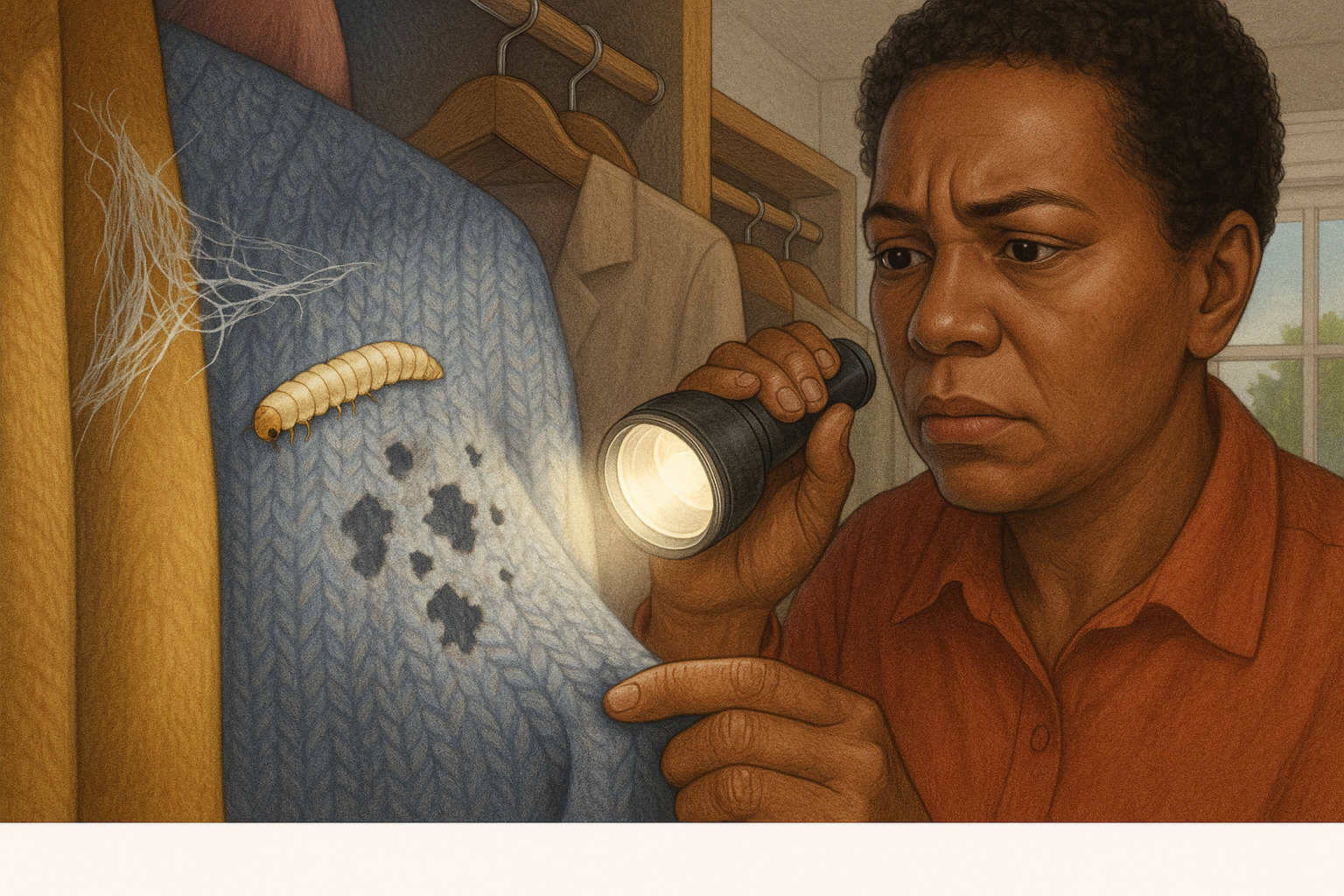
Larvae emerge as creamy, hairless caterpillars that immediately begin feeding on the keratin in the fibers. They create irregular, silk‑lined tunnels that appear as small, clean holes or a webby surface on the fabric. Over 3‑6 weeks, a single larva can consume up to 0.2 g of material, and in a severe infestation the collective loss can reach 5‑10 % of a garment’s weight, according to the EPA. Once fully grown, the larva spins a cocoon, pupates for about 10 days, and emerges as an adult moth ready to reproduce.
Carpet Moth (Tineola pellionella)
The carpet moth prefers the same protein‑rich fibers but targets carpets, upholstery, and even pet bedding. Its life cycle mirrors that of the clothes moth: eggs are laid in dark, undisturbed corners where fibers are abundant. After hatching, the larvae tunnel through the backing of carpets, feeding on the wool or silk fibers that bind the rug’s yarn.
Unlike the clothes moth, carpet‑moth larvae often leave a tell‑tale “spaghetti‑like” web of silk that can be seen on the surface of a rug. Their feeding creates a ragged, feather‑edged appearance that weakens the carpet’s structure. The larval stage lasts 4‑8 weeks, after which they spin a silken cocoon, pupate, and emerge as pale adults that live only long enough to mate and lay the next generation of eggs.
Both species share a common weakness: they need darkness, humidity, and a steady food supply. That’s why Georgia’s summer months—when indoor humidity spikes and homes are closed up for air‑conditioning—are peak season for moth activity.
Local Hotspots and Seasonal Peaks
In the Atlanta metro area, neighborhoods with older, carpeted homes see higher infestations. In Dunwoody, the historic Dunwoody Village district, with its mix of Victorian‑era homes and plush interior décor, provides an ideal habitat for carpet moths. Similarly, the newer Peachtree Corners developments, while modern, often feature high‑pile area rugs and extensive closet storage, creating perfect hiding spots for clothes moth larvae.
Peak activity typically runs from late May through August. During this window, adults emerge in larger numbers, lay more eggs, and larvae feed continuously. Homeowners who notice the first signs—tiny holes, webbing, or a faint, “coconut” odor from the larvae—should act quickly. Early detection and targeted treatment can prevent the EPA‑cited 5‑10 % fabric loss from becoming a costly, long‑term problem.
Step‑by‑Step Anthem Pest’s Inspection Process
Pre‑visit preparation
Before the technician arrives, clear out any clothing, linens, or stored items from closets and drawers where moths love to hide. This gives the inspector a clear line of sight and speeds up the visual sweep. If you have pets, confine them to a single room or a secure carrier so the technician can move freely without distraction.
On‑site actions
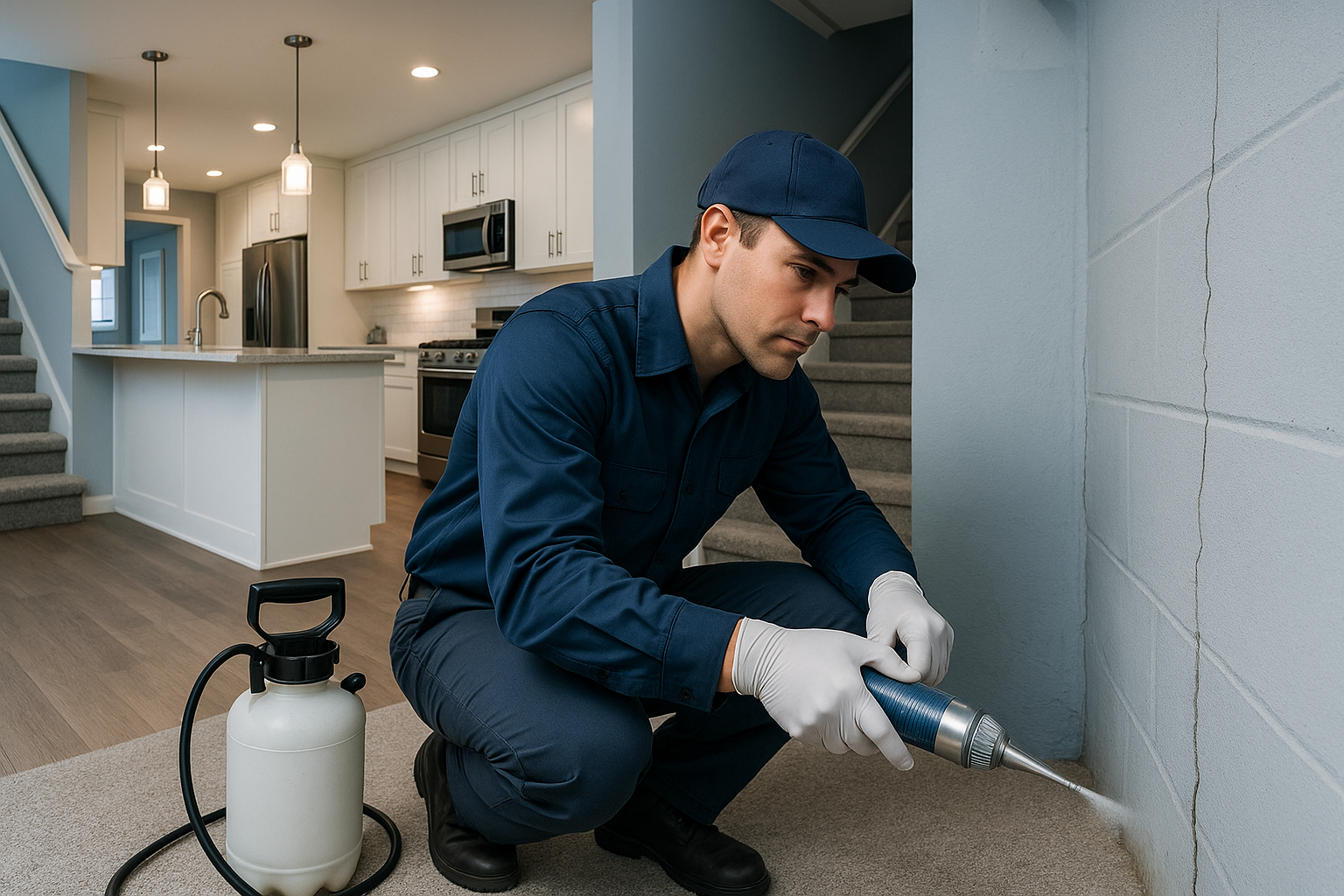
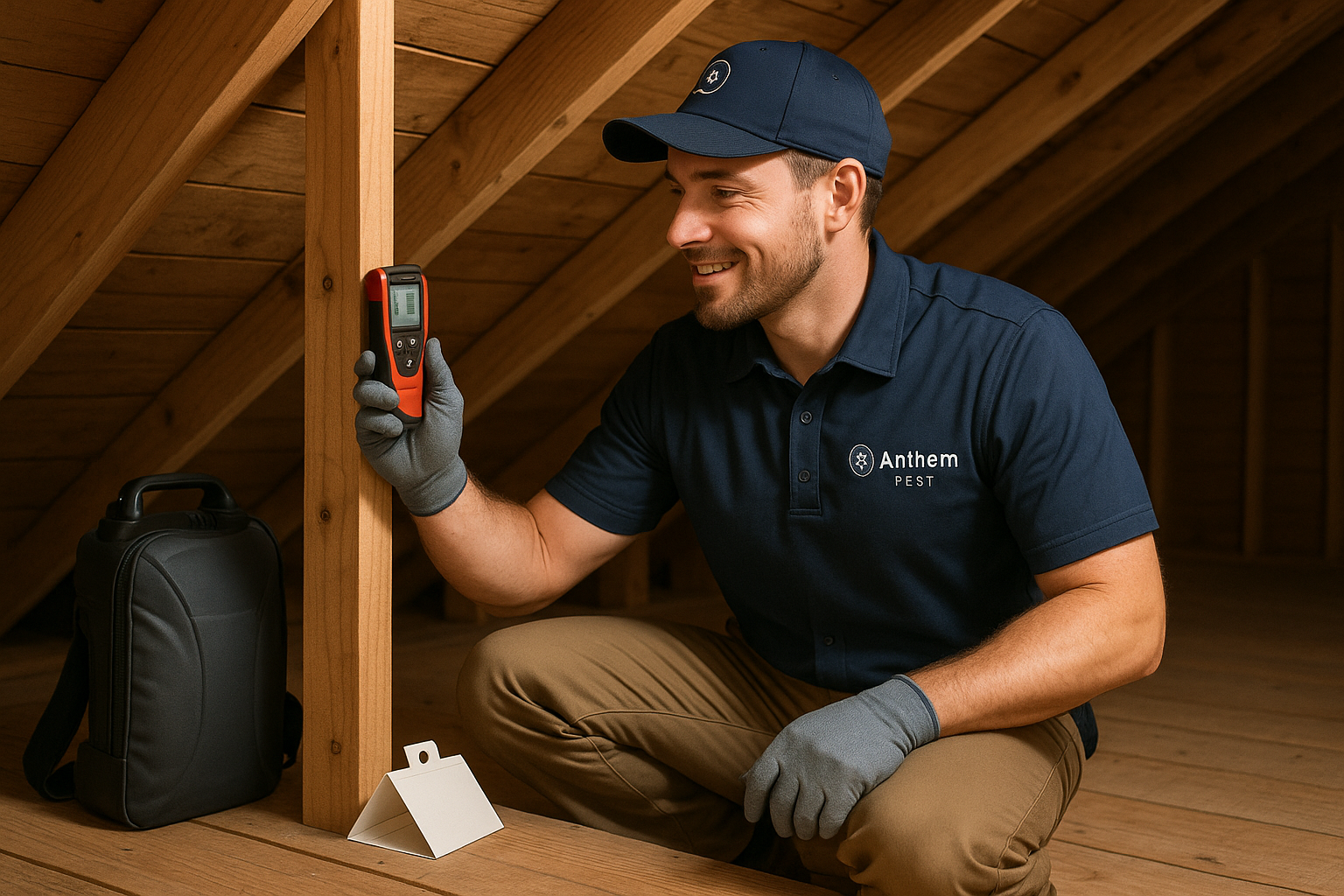
When the technician steps onto your property, they follow a systematic checklist designed to uncover even the most concealed moth activity:
- Visual sweep: A thorough walk‑through of kitchens, bedrooms, and storage areas, looking for adult moths, larvae, and tell‑tale webbing.
- Infrared flashlight: The beam penetrates dark corners and fabric folds, revealing hidden larvae that are invisible to the naked eye.
- Moisture meter readings: Moths thrive in humid environments; the meter helps pinpoint problem spots that may need ventilation or dehumidification.
- Pheromone trap placement: Small sticky traps are positioned in high‑risk zones to capture adult moths and provide a baseline for future monitoring.
- Attic and basement checks: These often‑overlooked spaces are inspected for stored‑product moths and for conditions that could encourage infestation.
Time estimate
A typical 2,000‑sq‑ft home requires between 60 and 90 minutes for a complete inspection. Larger properties or homes with extensive storage may need a bit more time, but the technician will keep you informed throughout.
Pricing transparency
Anthem Pest believes in clear, upfront costs. The inspection fee ranges from $89 to $119, depending on the size of the home and the depth of the assessment. After the walkthrough, you’ll receive a written report that outlines findings, identifies the moth species, and recommends a treatment plan. Follow‑up treatment prices are based on infestation severity and typically fall between $150 and $350.
| Service | Price Range | What’s Included |
|---|---|---|
| Initial Inspection | $89 – $119 | Visual sweep, infrared scan, moisture readings, pheromone trap placement, written report |
| Follow‑up Treatment | $150 – $350 | Targeted pesticide application, trap monitoring, post‑treatment inspection |
Local expertise and friendly service
Anthem Pest’s technicians are not only certified professionals; they’re neighbors who understand the unique climate and building styles of Dunwoody, Georgia. Their friendly demeanor puts homeowners at ease, and their local knowledge means they can spot early signs of moth activity that a generic service might miss. From the moment the appointment is booked to the final report, you’ll experience a transparent, respectful, and effective pest‑control process.
Red Flags That Mean It’s Time to Call a Pro
When it comes to moths, the damage often starts quietly—tiny larvae chew through fibers before you even notice a single stitch out of place. Spotting the warning signs early can save you from costly repairs and the frustration of watching your favorite garments disappear. Below are the unmistakable clues that a moth infestation is already underway and why waiting any longer could burn a hole in your budget.
Common Red Flags
- Small holes in wool or silk fabrics – Look for irregular, round punctures in sweaters, blankets, or drapes. These are the tell‑tale bite marks left by moth larvae as they feed.
- Silky webbing in closet corners – A fine, cobweb‑like material often accumulates where moths spin their cocoons. It feels like a delicate veil and is usually found in dark, undisturbed spaces.
- Cocoons in carpet or under furniture – Tiny, brownish‑orange cases may be hidden in carpet fibers or tucked beneath sofas. Each cocoon can contain a developing moth ready to emerge.
- Unexplained loss of clothing items – If a favorite sweater or a pair of scarves vanishes without a trace, moths are likely the culprits, especially when the missing pieces are made of natural fibers.
Real‑World Cost of Ignoring the Signs
A recent case study from Brookhaven, a suburb just outside Dunwoody, illustrates how quickly a minor problem can balloon. The local news archive reported that a family discovered a 30‑square‑foot carpet moth infestation after dismissing the early signs listed above. By the time they called a professional, the damage required a full carpet replacement, costing them $2,400—a price most homeowners would rather avoid.
Beyond the immediate expense, untreated moths can spread to upholstered furniture, curtains, and even insulation, turning a single room into a multi‑room nightmare. The longer the infestation lingers, the more extensive the repair work becomes, and the higher the labor costs for removal and restoration. In many cases, the price of professional treatment is a fraction of the replacement costs you’d face later.
Quick Reminder
If you notice any of these red flags, don’t wait for the damage to multiply. Contact Anthem Pest today—your local Dunwoody experts in safe, effective moth control. Call us at 877‑371‑8196 or visit anthempest.com to schedule an inspection before the problem escalates.
DIY Prevention vs. Professional Intervention
Low‑cost actions you can start today
Most moth problems begin with a few simple habits that any homeowner can adopt. A weekly vacuum of closets, wardrobes, and under‑furniture spaces removes eggs and larvae before they hatch. Store seasonal clothing in airtight plastic containers rather than cardboard boxes; the barrier stops adult moths from laying eggs inside. Cedar hangers, blocks, or sachets release natural oils that deter moths, but remember they work best when the wood is fresh and the area is kept dry. If you reach for moth balls, follow the CDC safe pesticide guidelines: use them only in sealed, non‑living spaces, keep them out of reach of children and pets, and ventilate the area thoroughly before re‑entering.
What a professional brings to the table
When moths have already infested a home, DIY measures often fall short. A licensed technician can apply EPA‑approved baits and residual sprays that penetrate deep into cracks, seams, and fabric folds where household products cannot reach. Heat treatment, a hallmark of professional service, raises room temperatures to 120‑130°F for several hours, killing every life stage of the moth without chemicals—ideal for delicate items like heirloom quilts. Ongoing monitoring devices are installed to catch re‑infestations early, and most companies, including Anthem Pest Control, back their work with a guaranteed result clause, giving you peace of mind that the problem is truly solved.
Cost comparison at a glance
| Approach | Initial Cost | Additional Expenses | Total Expected Spend |
|---|---|---|---|
| DIY (vacuum, cedar, containers, moth balls) | $30–$50 | $10–$30 (replacement sachets, extra vacuum bags) | $40–$80 |
| Professional (EPA‑approved baits, heat treatment, monitoring) | $150–$250 | $50–$100 (follow‑up visits, warranty extensions) | $200–$350 |
When DIY is enough—and when you should call a pro
If you catch a moth problem early—just a few larvae in a single closet—regular vacuuming, airtight storage, and cedar accessories can usually keep the infestation under control. This approach works best for low‑level, isolated sightings where the damage is limited to a few garments.
However, if you notice widespread damage, a persistent odor of moth balls, or repeated sightings despite diligent cleaning, it’s time to enlist professional help. Situations that demand a pro include:
- Heavy infestations covering multiple rooms or the entire home.
- Delicate or valuable textiles that cannot tolerate aggressive DIY chemicals.
- Recurring problems after previous DIY attempts.
- Homeowners with children, pets, or respiratory sensitivities who need EPA‑approved, low‑toxicity solutions.
Choosing the right path saves both time and money. Start with the inexpensive, homeowner‑friendly steps, but keep an eye on the results. When the moths persist, a professional intervention from Anthem Pest Control ensures thorough eradication, long‑term protection, and a guarantee that your closets stay moth‑free.
Best Times of Year to Schedule Your Moth Check
Understanding when moths are most active in Dun‑Doowy is the first step toward stopping them before they turn your home into a nursery for larvae. In this region, adult moths follow a predictable rhythm driven by temperature and humidity, which means you can time your inspection to hit the problem right at the source.
When the adults take flight
Two distinct emergence windows dominate the local moth calendar:
- Late spring (May‑June) – Warm days and rising night‑time temperatures coax the first generation of adult moths out of their overwintering sites.
- Early fall (September) – A second surge occurs as the lingering summer heat gives way to milder evenings, prompting a fresh batch of adults to mate and lay eggs.
Optimal inspection windows
Because adult moths must find a place to lay eggs within a few weeks of emerging, the smartest move is to inspect before the breeding peaks hit. Our field data and local experience point to two ideal windows:
- Early May – A pre‑emptive check catches the first wave of adults just as they begin to search for food sources. Spotting and treating any hidden infestations now prevents a full‑blown summer problem.
- Late August – By this time the spring generation has already laid eggs and larvae are developing. An inspection at the tail end of summer stops the next generation from taking off in September.
Why Dun‑Doowy’s climate matters
The local climate amplifies the urgency. According to the National Weather Service’s Dunwoody summary, average summer humidity hovers around 70 %. High moisture levels accelerate larval growth, meaning a small infestation can explode in just a few weeks if left unchecked. Cooler, drier fall evenings slow development, giving you a natural pause—but only if you’ve already removed the spring‑season larvae.
Special offer for proactive homeowners
We reward those who act early. Book your moth inspection before June 15 and use the discount code MOTH15 to receive 15 % off the standard service fee. The code applies to both our standard inspection and the follow‑up treatment plan, ensuring you get comprehensive protection without surprise costs.
Mark your calendar, set a reminder, and let Anthem Pest Control handle the heavy lifting. A timely inspection is the most affordable way to keep your closets, pantry, and attic moth‑free all year long.
FAQ – Quick Answers for Dunwoody Homeowners
How long does treatment take?
Our standard moth treatment in Dunwoody usually takes between 30 minutes and an hour per residence. The exact duration depends on the size of the home, the severity of the infestation, and the type of product applied. Technicians focus on thorough coverage, so you can expect a prompt yet meticulous service that fits into a typical workday. We also schedule a quick walkthrough after application to verify coverage and answer any homeowner questions.
Are the chemicals safe for pets and children?
Yes. Anthem Pest uses EPA‑registered products that are formulated to be low‑toxicity for humans and animals when applied according to label directions. Our technicians are trained to place treatments in hard‑to‑reach areas and to advise you on any temporary precautions—such as keeping pets away from treated zones for 30 minutes—to ensure a safe environment for your family. We also provide a printed safety sheet that lists the active ingredients and recommended ventilation times.
What warranty does Anthem Pest provide?
All moth services come with a 90‑day satisfaction guarantee. If you notice any moth activity returning within that period, simply call us and we’ll re‑treat the affected area at no extra charge. The warranty also covers any re‑infestation caused by the same species within the guarantee window, and we’ll work with your insurance if damage occurs. For added peace of mind, we also offer optional extended service agreements that include annual inspections and preventative applications.
How soon can I expect results after treatment?
Most homeowners see a noticeable decline in moth activity within 48 hours. Eggs and larvae that were exposed to the treatment stop developing, and adult moths begin to die off. Complete eradication typically occurs within one to two weeks, especially when combined with our recommended cleaning and storage tips. During the waiting period we recommend vacuuming closets, storing fabrics in sealed bags, and keeping lights off at night to deter any remaining adults.
Need more details?
For a deeper dive into our processes, pricing, and safety protocols, visit Anthem Pest’s full FAQ page. Read the complete FAQ here. The page also includes a troubleshooting guide for unexpected sightings and a contact form for immediate assistance.
Sources & Further Reading
When you’re dealing with moth infestations, reliable information is the cornerstone of effective action. All the data, statistics, and pricing references we’ve shared in this guide are cross‑checked against the most current federal guidelines and our own internal pricing sheets, so you can trust what you read.
For homeowners who want to dive deeper, the following resources provide comprehensive, up‑to‑date details on moth biology, health implications, and best‑practice management strategies:
- EPA Moth Management Guide – The U.S. Environmental Protection Agency offers a thorough overview of integrated pest‑management techniques, chemical safety, and environmentally responsible control options. https://www.epa.gov/pests/moth-pest-management
- CDC Information on Moth Health Concerns – The Centers for Disease Control and Prevention outlines potential allergic reactions, disease vectors, and preventive health measures related to moths. https://www.cdc.gov/rodents/pests/moths.html
- National Pest Management Association (NPMA) Standards – NPMA’s industry standards and best‑practice guidelines help ensure that pest‑control professionals follow ethical, safe, and effective procedures. https://www.npmapestworld.org/
Before you finalize any treatment plan, compare the quoted costs with the latest EPA recommendations and Anthem Pest’s transparent pricing tables. This double‑check guarantees you’re receiving a solution that is both compliant and cost‑effective.
Need personalized advice? Our certified technicians are ready to answer your questions and tailor a moth‑management strategy that fits your home and budget. Reach out at 877‑371‑8196 or visit anthempest.com for more resources.
Protect Your Home Before the Moths Take Over
Early detection, a professional inspection, and timing are the three pillars that keep moths from turning your home into a pantry‑rattling nightmare.
- Spot the signs early: Small webbing, damaged fabrics, or a faint, greasy odor are clues that a moth colony is forming.
- Professional inspection matters: Certified technicians can locate hidden infestations, identify the species, and recommend targeted treatments that DIY methods often miss.
- Seasonal timing is critical: Late summer and early fall are prime months for moth activity in Dunwoody. Acting now prevents a full‑blown outbreak when the cooler months arrive.
Don’t wait for the damage to become visible. Schedule a Dunwoody moth inspection today and give yourself the peace of mind that comes from proactive protection.
If you’ve spotted any of the red flags or simply want peace of mind, give Anthem Pest a call for a free, no‑obligation quote. Our local technicians are ready to protect your home and belongings.
Call us at 877‑371‑8196 or Visit Anthem Pest Control to get started.