Why Cockroach Emergencies Can’t Wait
For homeowners in Smyrna, a single cockroach sighting is more than an unwelcome surprise—it’s a warning sign that a rapid‑growing problem may already be underway. Ignoring that first glimpse can let a hidden infestation spread, putting your family’s health and comfort at risk.

Health hazards are immediate. Cockroaches carry bacteria on their bodies and in their droppings, contaminating food, countertops, and utensils. The CDC lists asthma triggers, Salmonella, E. coli, and dysentery among the diseases linked to roach activity. A single roach can spread pathogens to dozens of surfaces in minutes, turning a clean kitchen into a health hazard.
Breeding happens at lightning speed. A female German cockroach can produce up to 400 offspring in a single year, laying egg cases every few weeks. Those nymphs mature in just 30‑45 days, meaning a modest sighting can balloon into a full‑scale infestation within weeks if left untreated.
Real‑world example: A family in Smyrna’s West End reported nightly cockroach sightings in their pantry for three consecutive weeks. By the time they called a professional, the infestation had spread to cabinets, ducts, and even the bathroom, requiring multiple treatment visits and extensive cleaning.
Delaying action doesn’t just increase the number of roaches; it amplifies exposure to allergens and disease‑causing microbes. Each extra day gives the colony more time to reproduce, hide, and contaminate additional areas of your home.
Because cockroaches multiply quickly and pose serious health risks, swift intervention is essential. Acting now—before the problem escalates—protects your family’s well‑being and saves you from costly, time‑consuming remediation later.
The Biology Behind a Sudden Outbreak
Common Species in Smyrna
In the Metro Atlanta area, three cockroach species dominate household complaints: the German (Blattella germanica), the American (Periplaneta americana), and the Oriental (Blatta orientalis). German roaches are the smallest—about half an inch long—with light tan bodies and two dark parallel stripes on the pronotum. American roaches are the largest, reaching up to 2 inches, glossy reddish‑brown, and favoring damp basements. Oriental roaches are medium‑sized, dark‑brown to black, and tend to hide in cooler, drier spaces like cabinets and crawl spaces.
Life Cycle at a Glance
All three species share a similar developmental pattern. Females produce an egg case called an ootheca, which contains 30‑40 eggs. After the ootheca is deposited—often in hidden cracks—the eggs hatch into nymphs that look like miniature, wing‑less adults. Nymphs molt six to seven times before reaching maturity, a process that can take as little as 2 months for Germans under optimal conditions, but up to 6 months for Americans and Orientals when temperatures are cooler.
Quick Fact: A single female German roach can produce up to 400 offspring in a year (EPA, 2024).
Why Smyrna’s Summer Climate Feeds the Infestation
Smyrna’s summer humidity routinely exceeds 70 % and temperatures hover between 85 °F and 95 °F. According to the EPA’s 2024 fact sheet on indoor pest biology, such moisture and warmth shave weeks off the developmental timeline for cockroaches, allowing multiple generations to emerge before homeowners even notice a problem. In practical terms, a German roach that would normally need 60 days to mature can complete its cycle in under 45 days when humidity spikes, leading to exponential population growth.
Local Hotspots You Might Not Expect
While any home can become a breeding ground, certain micro‑environments in Smyrna act as accelerators. Older apartment complexes near Old Powder Springs Road, for example, often have aging plumbing, cracked mortar, and insufficient ventilation—perfect shelters for roach colonies. These structures retain moisture longer than newer builds, creating a year‑round refuge that can turn a minor sighting into a full‑blown outbreak within weeks.
What to Do Right Now
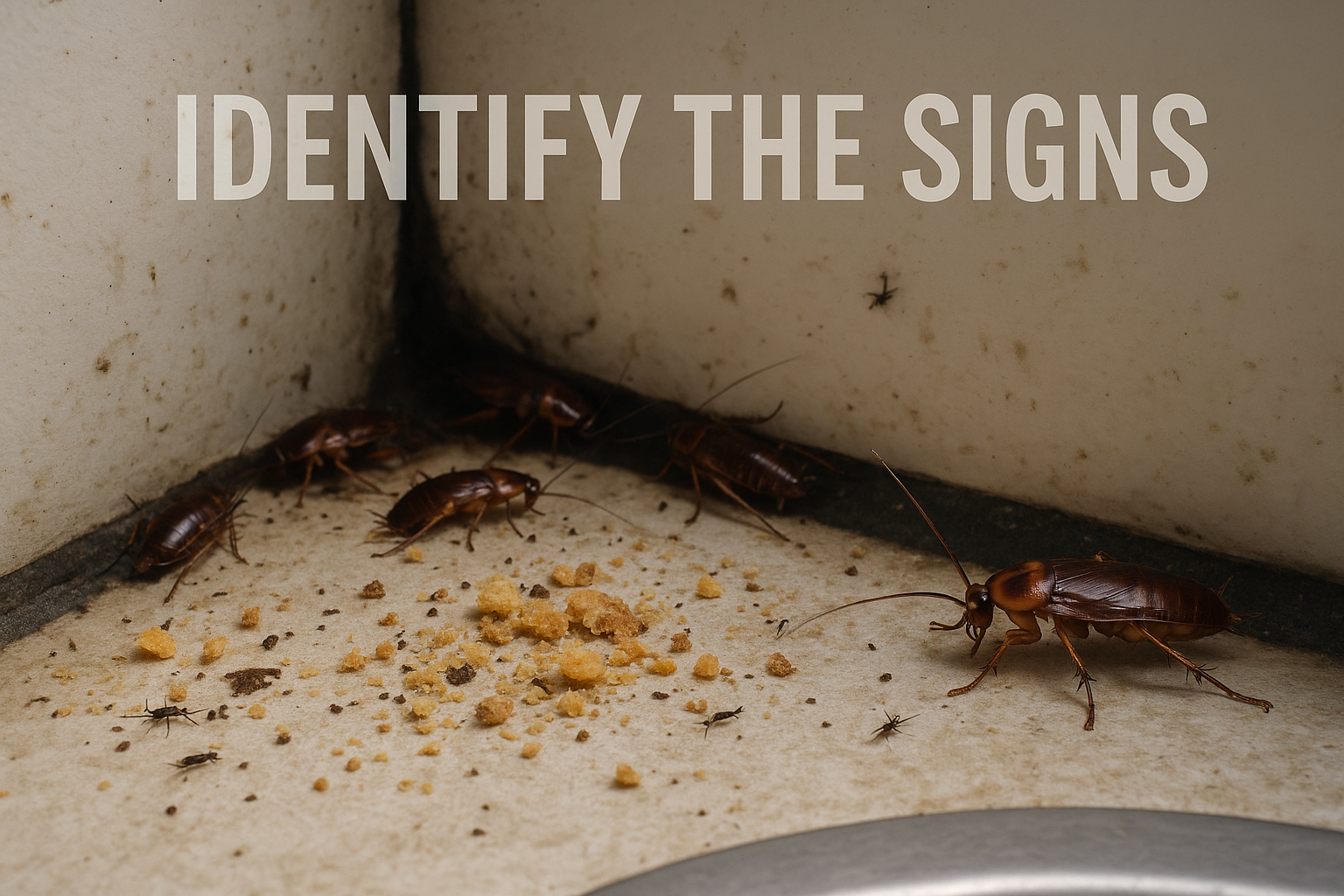
If you’ve just discovered a roach infestation in your Smyrna home, time is of the essence. While waiting for a professional from Anthem Pest Control to arrive, you can dramatically reduce the population and limit the damage by following this emergency checklist. These actions are safe, inexpensive, and designed to buy you critical hours—sometimes even days—before the pros step in.
- Isolate all food items in sealed containers. Transfer pantry staples, pet food, and any uncovered snacks into airtight plastic or glass containers. Even a tiny crumb can attract roaches, and sealed containers deny them a food source. If you can’t repackage immediately, move the items to a refrigerator or a freezer for the short term.
- Eliminate standing water sources. Cockroaches need moisture to survive, so hunt down leaky pipes, dripping faucets, and pet water bowls that sit idle overnight. Fix any drips, wipe down sinks, and empty pet dishes before bedtime. A dry kitchen and bathroom are far less inviting to these pests.
- Set up sticky traps in key locations. Place a few traps in the kitchen, bathroom, and near entry points such as the back door or garage. The adhesive surface catches roaches as they scuttle across, giving you a visual gauge of activity. Replace traps every 24 hours or when they become saturated.
- Apply over‑the‑counter gel bait. Use a gel formulated for German and American cockroaches. The recommended dosage is 1–2 g per 10 sq ft. Apply a thin line of gel in cracks, behind appliances, under the sink, and around baseboards. The bait attracts roaches, which then carry the poison back to hidden harborage sites, amplifying the effect.
Safety tip: Keep all bait and traps out of reach of pets and children. Wear disposable gloves when handling gel bait, and wash your hands thoroughly afterward. If you have small animals, consider using bait stations with locked lids for added protection.
According to the Cobb County public health report, the average professional response time for emergency cockroach calls is 24–48 hours. Acting now can significantly cut the infestation before the technician arrives.
How Anthem Pest Handles an Emergency
When a cockroach invasion turns your kitchen into a nightmare, time is of the essence. Anthem Pest’s emergency protocol combines three proven treatments that target the bugs where they hide, travel, and breed. By layering a high‑pressure mist, a residual spray, and strategic gel baits, we create a “kill‑zone” that works from the deepest voids to the most visible surfaces. The result is a rapid, measurable drop in sightings—often before the next meal is even prepared.
High‑Pressure Misting for Hidden Voids
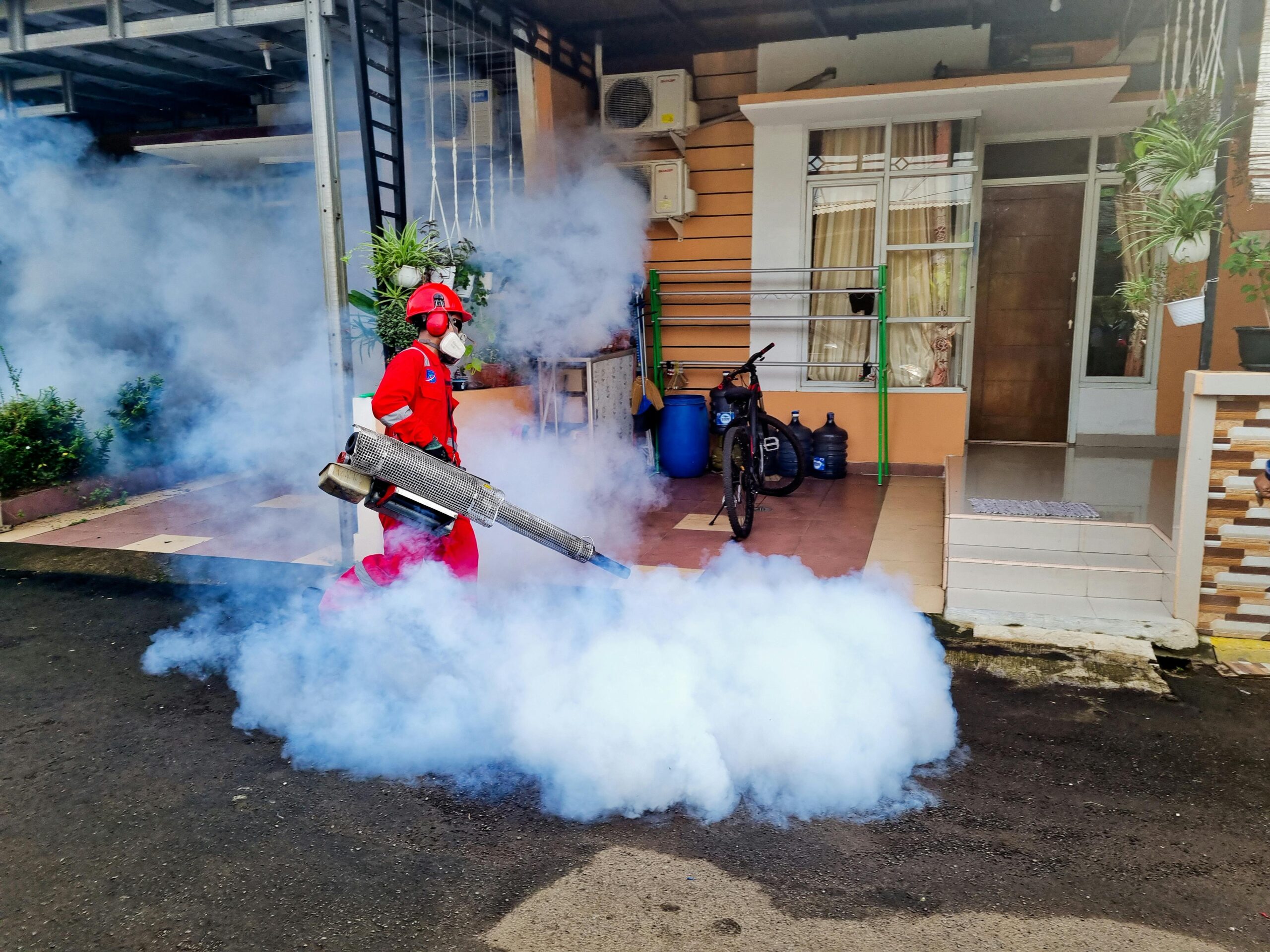
Our technicians start by inserting a specialized misting wand into wall cavities, under floorboards, and behind appliances. The mist delivers a fine aerosol of EPA‑registered insecticide directly into cracks, crevices, and other concealed pathways where roaches travel unseen. Because the particles are ultra‑small, they penetrate deep into the voids and coat the surfaces where the insects hide, ensuring contact even in the tightest spaces.
Residual Spray (EPA‑Approved Bifenthrin) for Perimeter Protection
After the misting, we apply a residual spray along baseboards, entry points, and the exterior perimeter of your home. The active ingredient, Bifenthrin, is a 2024 EPA‑registered roach control chemical. Its long‑lasting residue continues to kill roaches that cross the treated zones for weeks, providing a protective barrier that keeps new invaders from re‑entering.
Gel Bait Stations (Hydramethylnon) in Kitchens and Bathrooms
Finally, we place discreet gel bait stations in high‑traffic areas such as kitchen countertops, under sinks, and bathroom corners. The gel contains Hydramethylnon, a slow‑acting poison that roaches carry back to their nests, effectively turning the entire colony against itself. Because the bait is attractive and odorless, it draws the pests in without alerting them to danger.
Why a Combined Approach Works Best
Rooftop‑level roaches can slip through a single line of defense, but a layered strategy blocks every route. The mist reaches hidden pockets, the residual spray creates a fortified perimeter, and the baits eliminate the survivors that escape the initial onslaught. Together, these methods address both adult insects and their hidden breeding sites, delivering a comprehensive knock‑down that single‑method treatments simply cannot match.
Case Study: North Smyrna Subdivision
In early March, a homeowner in the North Smyrna subdivision called us after discovering roaches scurrying across their pantry shelves. Within two hours, our team completed a full emergency visit using the three‑step protocol. The homeowner reported a 92 % reduction in sightings within the first 72 hours, and by day five the roach activity was virtually undetectable. The rapid success was credited to the immediate misting of voids, followed by the residual spray and strategically placed gel baits.
Transparent Pricing
| Service | Price Range |
|---|---|
| Emergency visit (includes misting, spray, and bait placement) | $149 – $199 |
| Product cost (Bifenthrin & Hydramethylnon gel) | $30 – $70 |
All chemicals used in this emergency package are fully registered with the EPA for 2024, ensuring they meet the highest safety and efficacy standards. If you’re dealing with a sudden roach outbreak, give Anthem Pest a call at 877‑371‑8196 or visit our website to schedule an emergency appointment today.
What You’ll Pay and Why
When a cockroach infestation turns urgent, the last thing a homeowner wants to worry about is a surprise bill. At Anthem Pest Control we break down every charge so you know exactly what you’re paying for and why it matters for long‑term protection.
Core cost components of an emergency roach service
- Inspection fee: A thorough visual and trap‑based assessment to pinpoint entry points, nesting sites, and the severity of the infestation.
- Treatment application: Professional-grade insecticide placement, dusting, and targeted gel baits applied according to EPA‑approved protocols.
- Follow‑up visit: A second appointment (usually within 7‑10 days) to verify that the population is collapsing and to address any missed spots.
- Warranty coverage: Ongoing protection for 30‑90 days, including any necessary retreatments if roaches reappear.
| Component | Anthem (Flat‑Rate) | National Avg. |
|---|---|---|
| Inspection fee | Included | $50‑$80 |
| Treatment application | Included | $80‑$120 |
| Follow‑up visit | Included | $40‑$60 |
| Warranty coverage | Included | $10‑$30 |
Anthem’s emergency service is offered at a single flat rate of $199 per visit, covering every item in the table above. By contrast, the NPMA 2023 industry pricing survey shows typical U.S. rates ranging from $180 to $250 per visit, often with hidden add‑ons that push the final cost higher.
Transparent pricing matters because it eliminates guesswork. Homeowners can budget confidently, knowing that the quoted amount includes inspection, treatment, a follow‑up, and a warranty. There are no surprise line‑items after the job is done, and the flat‑rate model encourages swift action—critical when roaches are multiplying fast.
In short, Anthem’s straightforward pricing not only aligns with or beats the national average, it also delivers full‑service value in one easy‑to‑understand figure. That clarity lets you focus on what really matters: getting your home back to a roach‑free, comfortable state without the stress of unexpected fees.
Keeping Cockroaches Out for Good
Once the emergency treatment is done, the real challenge is stopping new roaches from moving back in. For Smyrna homeowners, a proactive, year‑round plan is the most reliable way to protect your kitchen, bathroom, and every other corner of the house. Below are the practical steps you can take, broken down by season, to keep cockroaches at bay for good.
Seasonal Maintenance Checklist
Think of your home as a living organism—each season brings a different set of vulnerabilities. Use this checklist to stay ahead of the pests.
- Spring (March–May): Perform a deep‑clean of all food‑prep areas. Move appliances, vacuum behind and beneath them, and scrub grout lines to eliminate hidden crumbs and grease.
- Summer (June–August): Focus on moisture control. Repair leaky faucets, run a dehumidifier in basements, and ensure bathroom exhaust fans are vented outdoors to eliminate the damp environments roaches love.
- Fall (September–November): Seal gaps before the cooler months set in. Inspect windows, foundation cracks, and utility penetrations, then apply silicone caulk to close any openings.
Seal Every Possible Entry Point
Even the tiniest crack can become a highway for roaches. Use a high‑quality silicone caulk to seal gaps around pipes, vents, and baseboards. For exterior doors, install door sweeps that hug the floor—this simple addition blocks the most common entry route.
Statistically speaking, sealing reduces reinfestation risk by 68 % (EPA, 2023). That’s a substantial drop, and it’s achieved with just a few minutes of DIY effort each season.
Waste Management Matters
Trash is a buffet for cockroaches if it’s not handled correctly. Keep trash cans with tight‑fitting lids, and empty them at least once a week—more often during summer barbecues or holiday gatherings. If your curbside pickup is irregular, consider a small, sealed outdoor bin that can be stored indoors until collection day.
Tap Into Local Resources
The Cobb County Health Department offers a free Home Hygiene Guidelines booklet. It outlines city‑specific recommendations for pest‑proofing, waste disposal, and moisture control. Download the guide and keep it handy for reference during each seasonal inspection.
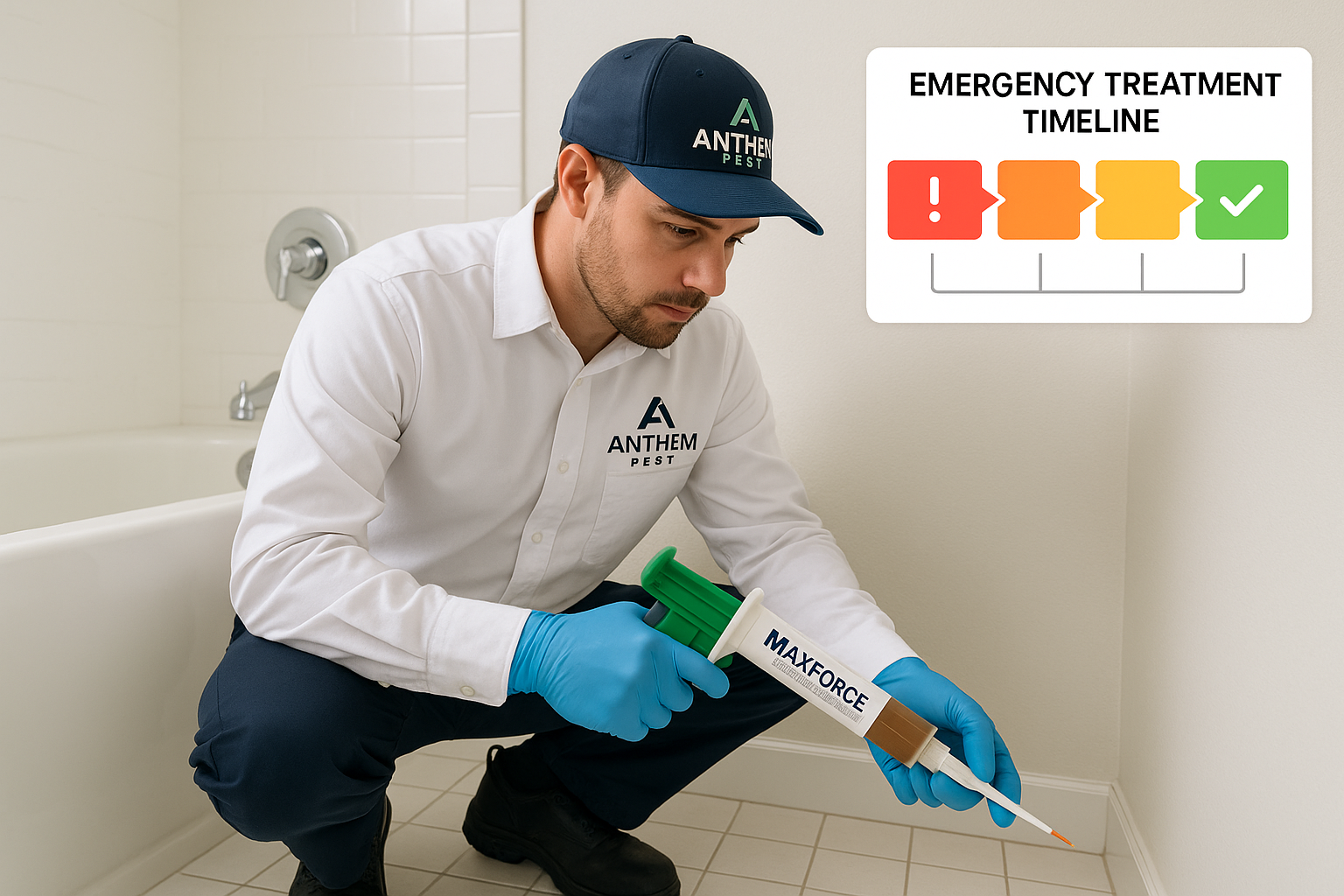
By integrating these seasonal habits, sealing techniques, and waste‑management practices, you create a layered defense that makes your home unattractive to cockroaches year after year. Consistency is key—when you treat prevention as a regular part of home maintenance, you’ll enjoy a cockroach‑free environment without the need for emergency calls.
Hotspots in Smyrna
In Smyrna, a handful of neighborhoods see more cockroach sightings than the rest of the county. Homeowners in East Cobb, the historic Olde Towne Smyrna district, and the blocks that line the city’s railroad tracks consistently report higher activity. These zones also intersect with aging utility lines that can draw insects.
Older construction, easier entry
Many of these areas were built before the 1990s, meaning foundations often have hairline cracks and plumbing systems are outdated. Cracks act like doorways for roaches, while aging pipes can leak just enough moisture to create a welcoming water source. The combination of structural gaps and occasional water seepage gives pests a reliable pathway into kitchens, bathrooms, and basements.
Micro‑climate pockets
Even within a single block, humidity can vary dramatically. Low‑lying spots near the railroad’s drainage ditches retain moisture longer after a rainstorm, creating “micro‑climates” that stay damp for days. Cockroaches thrive in these humid pockets, especially during the hot Georgia summer when outdoor humidity spikes. During summer evenings, the moisture lingers, making the area a night‑time refuge for roaches.
What this means for you
If you live in one of these hotspots, regular inspections are essential. Simple steps—sealing foundation cracks, fixing leaky fixtures, and using dehumidifiers in vulnerable rooms—can dramatically cut the invitation list for roaches. Anthem Pest Control can pinpoint the exact entry points and apply targeted treatments that keep your home cockroach‑free. Early action saves you money and peace of mind.
Your Local Expert
For more than 15 years, Anthem Pest has been a fixture in Georgia’s pest‑control landscape, and Smyrna is no exception. Our team of fully licensed technicians knows the ins and outs of the local housing stock—from early‑era bungalows to newer townhomes—so we can pinpoint where roaches love to hide and how to reach them fast.
When a roach emergency strikes, you won’t be left waiting. Our 24‑hour emergency line (877‑371‑8196) connects you directly to a specialist who can dispatch a treatment crew within the hour. Every product we apply is EPA‑registered, guaranteeing a solution that’s both effective against cockroaches and safe for your family, pets, and the environment.
“I called Anthem Pest late at night after spotting roaches in my kitchen. A technician arrived within 45 minutes, treated the whole house, and the bugs were gone by morning. Their rapid response saved us from a full‑blown infestation.” – J. Martinez, Smyrna homeowner
Our deep familiarity with Smyrna’s humid subtropical climate means we understand how seasonal shifts affect roach activity. We tailor each emergency plan to the specific construction materials, ventilation patterns, and landscaping quirks of your property, ensuring the treatment not only eliminates the current outbreak but also reduces future risk.
Choosing Anthem Pest means partnering with a neighbor who’s invested in keeping Smyrna homes clean, safe, and roach‑free. Give us a call anytime at 877‑371‑8196, and let our local expertise work for you.
Quick Answers
Homeowners often have urgent questions when roaches invade their space. Below are concise answers to the most common concerns, so you can act confidently while we schedule professional help.
Can I use DIY sprays?
DIY aerosol sprays are readily available and can provide a quick knock‑down of visible roaches. The upside is immediate relief and low cost; the downside is limited residual activity, which means the infestation can rebound within days. The CDC advises that DIY products should be viewed as a short‑term measure, not a substitute for a comprehensive professional treatment plan.
How long until I see results?
After a professional application of EPA‑approved baits and residual sprays, most homeowners notice a sharp decline in activity within 24–72 hours. The exact timing depends on the severity of the infestation, the product used, and how well the treated areas are kept clear of food and moisture.
Are treatments safe for pets?
Modern cockroach products such as Bifenthrin and Hydramethylnon are formulated for indoor use with strict safety margins. To protect pets, apply these chemicals in concealed cracks, behind appliances, and away from feeding stations. Always follow label directions and keep pets out of treated zones for the recommended waiting period.
For detailed product regulations, visit the EPA website.
Act Now, Protect Your Home
When cockroaches appear, every hour counts. These insects multiply faster than you think—an adult can lay up to 50 eggs in a single case, and those eggs hatch in as little as 28 days. Left unchecked, a tiny sighting can become a full‑blown infestation, bringing allergens, bacteria, and food‑borne illnesses into your kitchen and living spaces.
What to Do Right Now
- Seal cracks and crevices around doors, windows, and baseboards.
- Eliminate standing water and fix leaky pipes to remove moisture sources.
- Store food in airtight containers and clean up crumbs immediately.
- Take out trash daily and use sealed bins.
- Set up sticky traps or bait stations in high‑traffic areas.
- Vacuum floors and cabinets thoroughly to capture hidden egg cases.
These steps buy you time while you arrange professional treatment. Professional help eliminates hidden nests and provides a barrier that lasts weeks. Anthem Pest offers transparent, upfront pricing so you know exactly what you’re paying for, with no surprise fees. Our technicians use low‑dose, EPA‑approved products that are safe for children and pets.
If you’re seeing roaches tonight, don’t wait. Call Anthem Pest at 877‑371‑8196 for a same‑day emergency visit or schedule online for a free quote.
Visit Anthem Pest Control.